Heat Stress: Powerful 2026 Poultry Care Guide
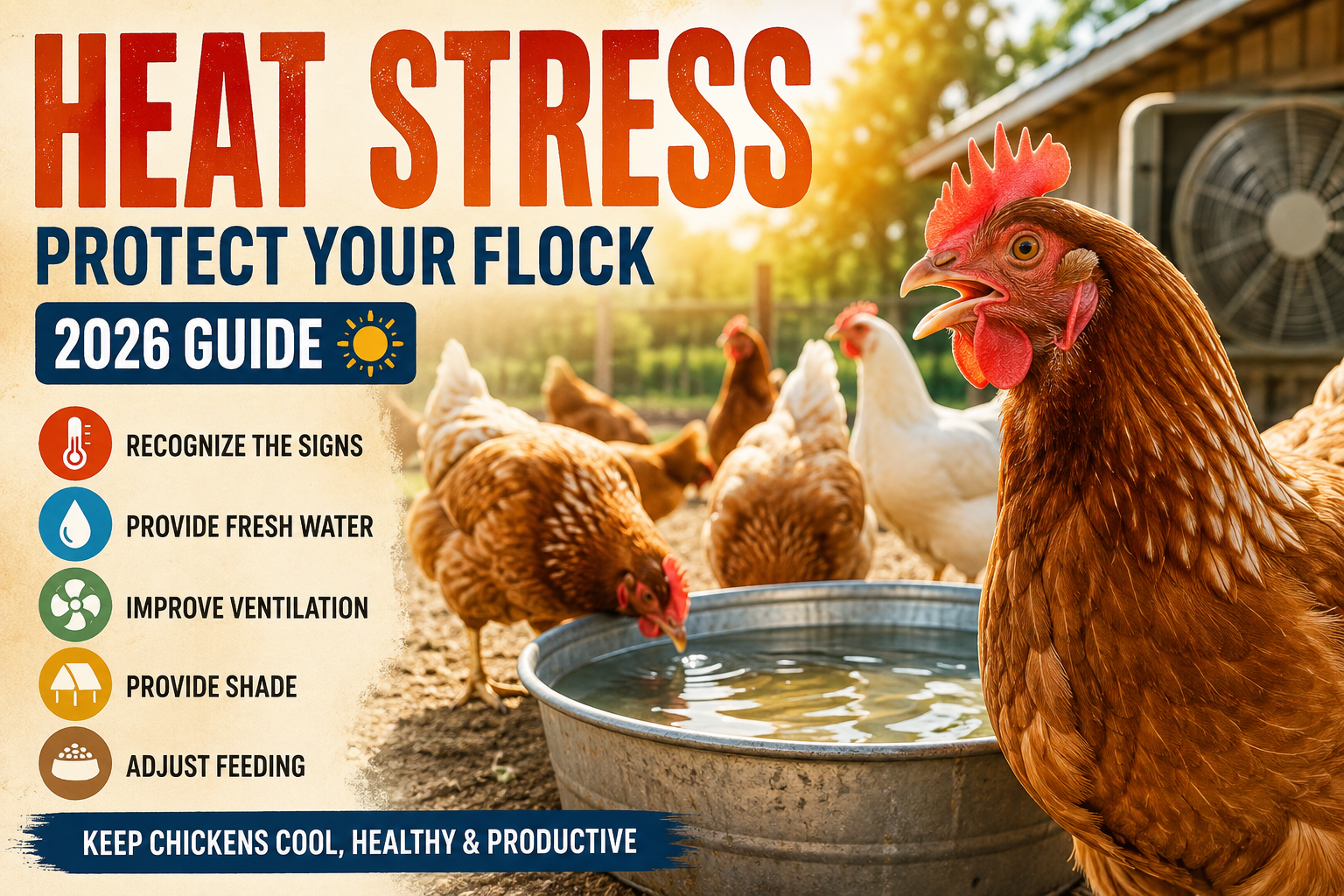
As summer temperatures rise around the world, Heat Stress remains a major concern for chicken owners and poultry producers. In the US and other warm regions, high temperatures combined with humidity can quickly affect bird health, feed intake, egg production, and survival. Recent 2026 poultry guidance continues to emphasize fresh water, airflow, shade, and early detection.
Why Heat Stress Matters in Poultry
Chickens cannot sweat like humans. Instead, they mainly cool themselves through panting and other forms of heat loss. However, heavy panting increases water loss, while high humidity can make evaporative cooling less effective.
Therefore, Heat Stress can become dangerous when birds cannot remove enough body heat. Feed intake may fall, egg production can decline, and egg quality may suffer. In severe cases, birds can develop heat exhaustion and die.
Key Heat Stress Factors to Consider
Temperature and Humidity
Temperature alone does not tell the whole story. Humidity also affects how effectively birds can cool themselves.
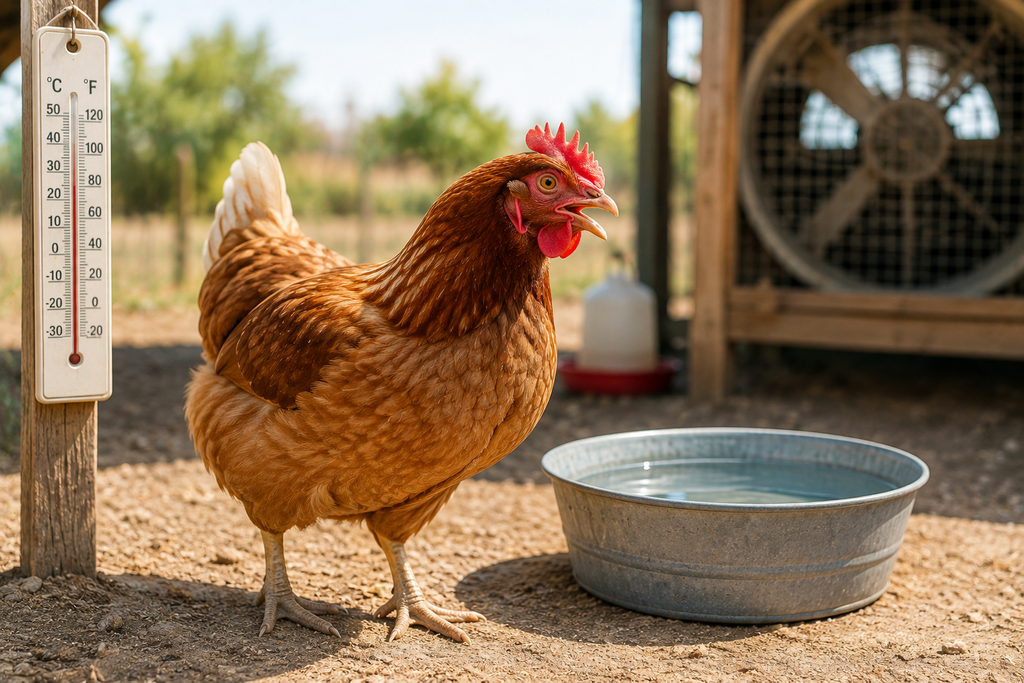
For most poultry, the comfortable range is roughly 60–75°F (16–24°C). As temperatures move into the 80s and 90s, birds can show increasing signs of heat strain.
Ventilation and Airflow
Good ventilation is one of the most important Heat Stress prevention tools. Air movement helps remove warm air and supports cooling at bird level.
Additionally, fans can help in enclosed coops, while open windows and suitable ventilation openings can improve natural airflow. Avoid blocking ventilation with vegetation, equipment, or overcrowding.
Fresh Water
Water becomes critical during hot weather. Chickens may drink two to four times their normal amount during severe heat conditions.
Keep drinking water:
- Clean and fresh
- Available throughout the day
- Protected from direct sunlight
- Checked frequently
- Easy for every bird to access
Refreshing water several times daily can also encourage birds to drink.
Types and Signs of Heat Stress
Mild Heat Stress
Early signs can include increased drinking, reduced feed consumption, open-mouth breathing, and lower activity. Egg size and shell quality may also decline as temperatures rise.
Severe Heat Stress
More serious Heat Stress may cause heavy panting, wings held away from the body, lethargy, crouching, pale combs or wattles, and weakness. These signs require immediate cooling and close monitoring.
If a bird becomes severely weak, collapses, or does not improve after cooling, contact a veterinarian promptly.
Heat Stress Buying and Decision Guide
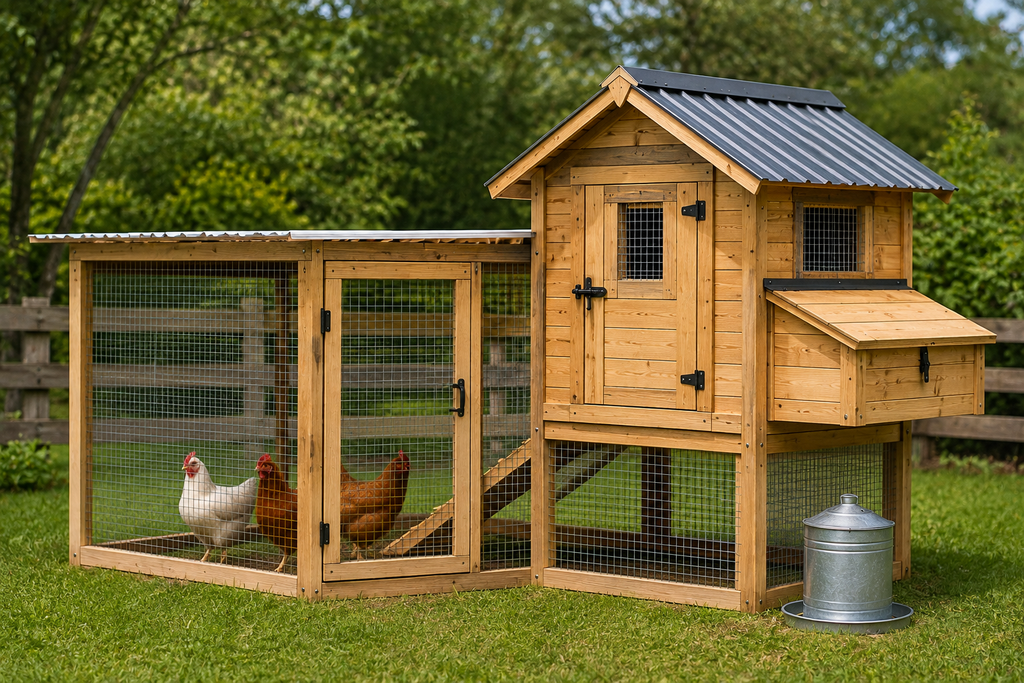
When preparing a coop for hot weather, choose equipment based on flock size and local climate.
Consider:
- Waterers: Select enough capacity for the entire flock.
- Fans: Choose safe models that provide airflow at bird level.
- Shade: Use natural or artificial shade without blocking ventilation.
- Thermometers: Monitor temperature where birds actually spend time.
- Misters: Use carefully because excessive humidity can reduce cooling effectiveness.
Feeding During Hot Weather
Birds often eat less during extreme heat. However, digestion itself produces heat, so feeding during the coolest parts of the day can be useful.
Penn State Extension recommends adjusting feeding schedules toward cooler morning or evening periods when heat significantly reduces intake.
Additionally, avoid replacing a balanced diet with excessive treats. Nutrition remains important even during hot weather.
Common Mistakes to Avoid
Many preventable problems can make Heat Stress worse. Avoid these mistakes:
- Allowing waterers to become empty
- Keeping birds in direct afternoon sunlight
- Blocking windows or ventilation openings
- Overcrowding the coop
- Ignoring humidity
- Waiting until birds collapse before taking action
- Using misting systems without monitoring humidity
Furthermore, do not assume every breed reacts to heat in exactly the same way. Breed, age, feathering, housing, and local conditions can influence heat tolerance.
Maintenance and Care Tips
Regular summer checks can reduce the risk of Heat Stress.
Inspect fans, vents, water lines, and drinkers before the hottest part of each day. Clean water equipment frequently and make sure airflow reaches the birds.
During a heat wave, check the flock more often. If possible, provide shade and move activities such as handling or flock movement to cooler periods.
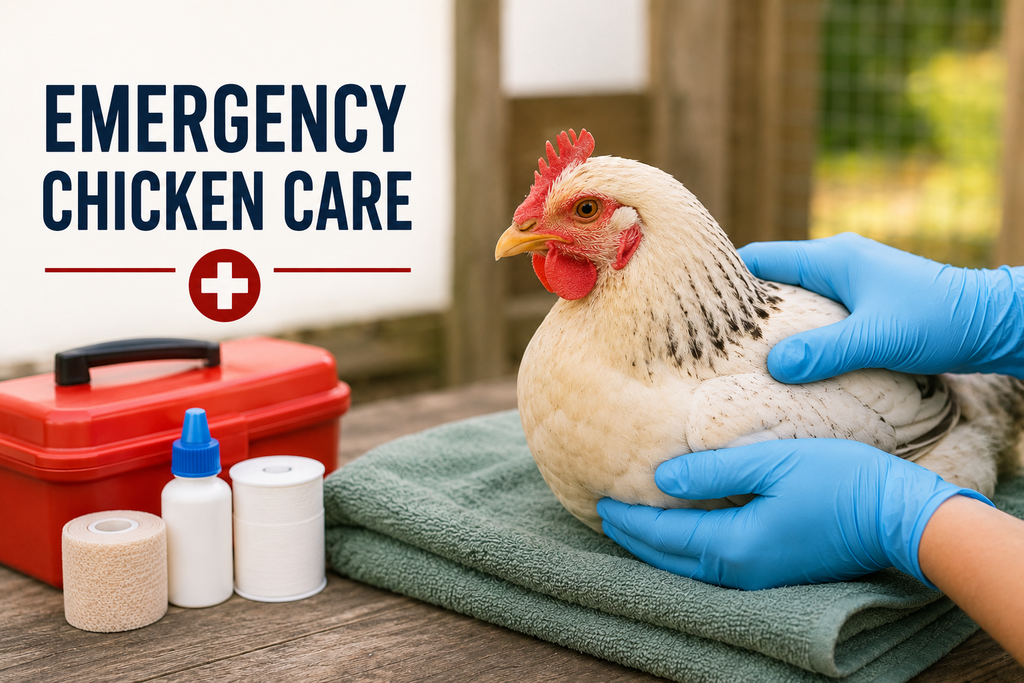
If a chicken shows severe signs, move it carefully to a cooler area and provide appropriate cooling. Penn State Extension advises using cool—not extremely cold—water for severely heat-stressed birds and allowing the bird to recover in a cooler location.
2026 Heat Stress Prevention Checklist
A simple daily routine can make a major difference:
- Check water before temperatures peak.
- Confirm fans and ventilation are working.
- Inspect birds for panting or unusual behavior.
- Provide shade throughout the hottest hours.
- Monitor temperature and humidity.
- Feed during cooler periods when appropriate.
- Respond quickly to severe symptoms.
Conclusion
Heat Stress can threaten poultry health, productivity, and welfare, but good preparation can greatly reduce the risk. Fresh water, effective ventilation, shade, careful feeding, and regular flock checks should form the foundation of summer poultry care in 2026.
Start preparing before the next heat wave arrives. By recognizing warning signs early and using reliable poultry cooling methods, chicken owners can help their birds stay healthier and more comfortable through extreme summer temperatures.