Category: Uncategorized

  • How to Increase Egg Production Naturally (2026 Guide)

    How to Increase Egg Production Naturally (2026 Guide)

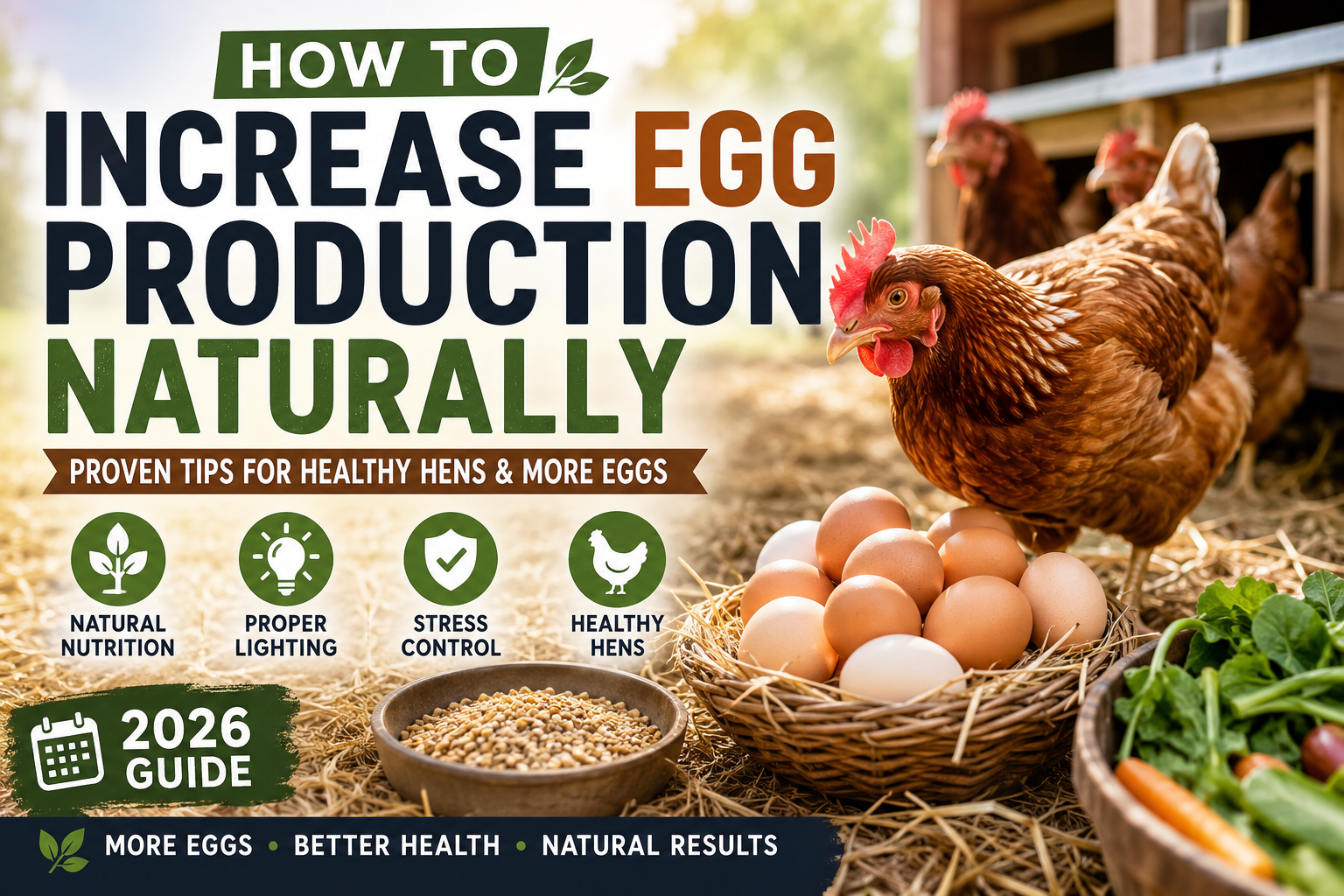
    How to Increase Egg Production Naturally: Complete 2026 Guide

    If you want to learn How to Increase Egg Production Naturally, you’re not alone. Backyard chicken owners and commercial poultry farmers across the world are searching for safe and effective ways to increase egg production without relying on artificial methods. Fortunately, healthy hens naturally produce more eggs when they receive proper nutrition, care, and management.

    In this 2026 guide, you’ll discover proven strategies that improve flock health while helping hens lay more consistently throughout the year.


    Why It Matters to Increase Egg Production Naturally

    Learning How to Increase Egg Production Naturally benefits both your chickens and your budget. Healthy hens lay more eggs, stay productive longer, and require fewer veterinary treatments.

    Some major benefits include:

    • Better egg quality
    • Stronger eggshells
    • Healthier hens
    • Lower feed waste
    • Higher farm profits
    • Sustainable poultry farming

    Additionally, natural methods reduce stress, which directly improves laying performance.


    Key Factors That Increase Egg Production Naturally

    Provide a Balanced Diet

    Nutrition is the biggest factor in How to Increase Egg Production Naturally. Laying hens require enough protein, calcium, vitamins, and minerals every day.

    A quality diet should include:

    • 16–18% protein layer feed
    • Calcium-rich oyster shells
    • Fresh vegetables
    • Whole grains in moderation
    • Clean drinking water

    Additionally, using the best feed for laying hens helps maintain consistent production throughout the year.


    Maintain Proper Lighting

    Hens need approximately 14–16 hours of light daily for maximum laying.

    During winter months:

    • Add supplemental lighting
    • Turn lights on before sunrise
    • Keep a consistent schedule

    As a result, hens continue laying even when natural daylight becomes shorter.


    Reduce Stress

    Stress quickly reduces egg production.

    Common stress causes include:

    • Overcrowding
    • Predator attacks
    • Sudden feed changes
    • Loud noises
    • Poor ventilation

    Therefore, creating a calm environment is essential when learning How to Increase Egg Production Naturally.


    Types of Natural Egg Production Methods

    Nutritional Improvements

    The easiest natural method focuses on nutrition.

    This includes:

    • High-quality layer pellets
    • Natural protein sources
    • Calcium supplements
    • Fresh greens

    Healthy nutrition supports improve chicken egg production while strengthening immunity.


    Environmental Improvements

    Your coop plays a major role.

    Important improvements include:

    • Clean nesting boxes
    • Dry bedding
    • Proper airflow
    • Comfortable temperatures

    Additionally, hens lay more consistently when they feel safe.


    Health Management

    Healthy birds naturally lay more eggs.

    Keep your flock healthy by:

    • Regular deworming
    • Vaccination programs
    • Parasite control
    • Routine health checks

    Preventing disease helps maintain year-round egg production.

    Buying Guide: What You Need

    If you’re investing in better egg production, prioritize quality over price.

    Choose:

    1. Premium layer feed
    2. Strong feeders and waterers
    3. Oyster shell calcium
    4. Nesting boxes
    5. Coop ventilation systems

    Avoid buying cheap feed with low protein levels because it often reduces laying performance.


    Common Mistakes to Avoid

    Many chicken keepers unknowingly reduce egg production.

    Avoid these mistakes:

    • Feeding too many table scraps
    • Allowing dirty water containers
    • Ignoring parasites
    • Overcrowding the coop
    • Changing feed too often
    • Keeping old, non-productive hens too long

    However, correcting these simple issues often leads to noticeable improvements within a few weeks.


    Maintenance Tips for Healthy Laying Hens

    Consistent care is the secret behind How to Increase Egg Production Naturally.

    Follow these maintenance tips:

    • Clean water every day.
    • Collect eggs twice daily.
    • Replace bedding weekly.
    • Check for mites regularly.
    • Keep nesting boxes clean.
    • Monitor feed consumption.
    • Allow outdoor exercise.
    • Provide fresh greens frequently.

    Additionally, following regular backyard chicken care tips keeps hens active and productive throughout every season.


    Conclusion

    Understanding How to Increase Egg Production Naturally is about more than increasing egg numbers. It means providing excellent nutrition, reducing stress, maintaining a clean environment, and caring for your flock every day. As a result, healthier hens produce stronger, higher-quality eggs while remaining productive for longer.

    Start applying these proven 2026 strategies today, monitor your flock’s progress, and enjoy healthier chickens with a steady supply of fresh eggs. For even better results, continue learning about poultry nutrition and flock management through trusted agricultural resources.
  • Why Are My Chickens Not Laying Eggs? (2026 Guide)

    Why Are My Chickens Not Laying Eggs? (2026 Guide)

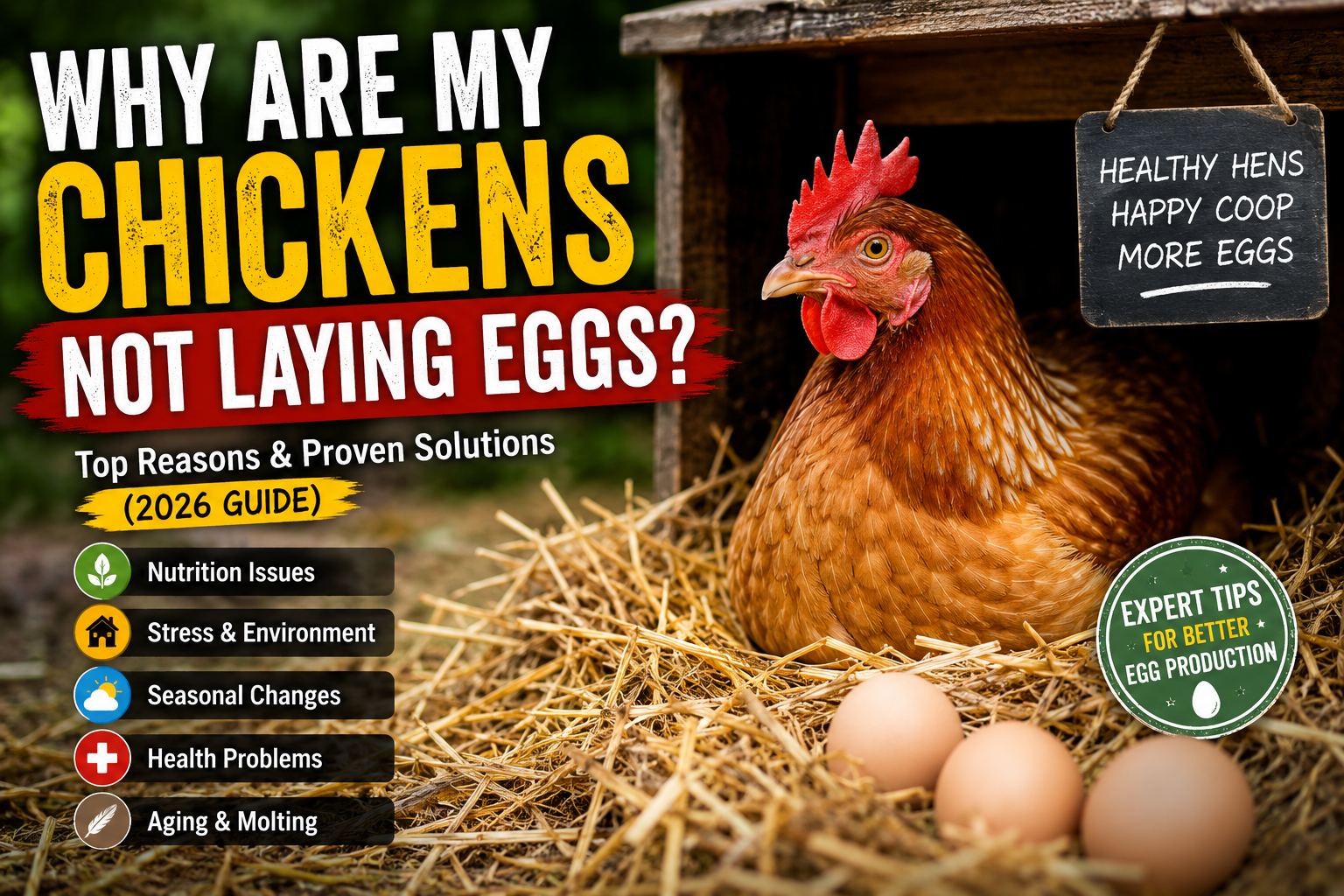
    Why Are My Chickens Not Laying Eggs? (2026 Complete Guide)

    If you’ve recently asked yourself, Why Are My Chickens Not Laying Eggs?, you’re not alone. Backyard chicken owners worldwide are facing the same concern in 2026. Whether you keep a few hens for fresh eggs or manage a larger flock, a sudden drop in egg production can be frustrating.

    Fortunately, most egg-laying problems have simple causes and practical solutions. In this guide, you’ll learn why your chickens stopped laying eggs, how to fix the issue, and what you can do to keep your hens healthy all year.


    Why Are My Chickens Not Laying Eggs? Why It Matters

    Healthy hens should lay consistently during their productive years. However, when egg production suddenly decreases, it often signals that something has changed.

    Understanding Why Are My Chickens Not Laying Eggs? helps you:

    • Improve flock health
    • Increase egg production naturally
    • Prevent costly health problems
    • Keep hens comfortable throughout every season
    • Produce better-quality eggs

    Additionally, identifying the problem early can save both time and money.


    Why Are My Chickens Not Laying Eggs? Key Factors to Consider

    1. Age of Your Hens

    Young hens usually begin laying between 18 and 24 weeks. Older hens naturally produce fewer eggs every year.

    If your flock contains aging hens, this could answer Why Are My Chickens Not Laying Eggs?


    2. Seasonal Changes

    During winter, shorter daylight hours reduce egg production.

    Most hens need:

    • 14–16 hours of light daily
    • Comfortable temperatures
    • Dry housing

    As a result, many backyard chicken owners notice fewer eggs during colder months.


    3. Poor Nutrition

    A balanced diet is essential.

    Feed should include:

    • 16–18% protein
    • Calcium
    • Fresh water
    • Vitamins
    • Minerals

    Without proper nutrition, chickens stopped laying eggs becomes a common problem.


    4. Stress

    Stress greatly affects laying.

    Common stress causes include:

    • Predator attacks
    • Loud noises
    • Moving to a new coop
    • Overcrowding
    • Extreme weather

    Therefore, reducing stress often restores egg production.


    5. Molting

    Molting is a natural process where chickens lose old feathers and grow new ones.

    During this period:

    • Egg production slows
    • Energy goes toward feather growth
    • Most hens resume laying after several weeks

    Types of Egg-Laying Problems

    Temporary Drop

    This usually happens because of:

    • Seasonal changes
    • Stress
    • Molting
    • Minor diet changes

    Fortunately, hens usually recover quickly.


    Long-Term Egg Production Problems

    If hens stop laying for several months, investigate:

    • Disease
    • Parasites
    • Poor nutrition
    • Reproductive issues
    • Old age

    These are common reasons hens stop laying eggs.


    Buying & Decision Guide

    If you’re still wondering Why Are My Chickens Not Laying Eggs?, check these essentials before purchasing supplements or new hens.

    Choose Quality Feed

    High-quality layer feed supports consistent egg production.

    Inspect the Coop

    Make sure your coop provides:

    • Good ventilation
    • Dry bedding
    • Enough nesting boxes
    • Clean water
    • Protection from predators

    Consider Breed Differences

    Some breeds naturally lay more eggs than others.

    For example:

    • Leghorns
    • ISA Browns
    • Rhode Island Reds

    These breeds generally outperform ornamental chickens.


    Common Mistakes to Avoid

    Many owners accidentally reduce egg production by making simple mistakes.

    Avoid:

    • Feeding too many treats
    • Ignoring parasite control
    • Allowing dirty nesting boxes
    • Overcrowding the coop
    • Forgetting clean water
    • Switching feed too often

    Additionally, avoid assuming every drop in egg production means illness.


    Maintenance & Care Tips

    If you’re asking Why Are My Chickens Not Laying Eggs?, daily care is the best long-term solution.

    Follow these habits:

    1. Provide fresh water every day.
    2. Feed quality layer pellets.
    3. Keep nesting boxes clean.
    4. Control mites and lice.
    5. Collect eggs regularly.
    6. Allow outdoor exercise.
    7. Maintain proper lighting.
    8. Schedule routine health checks.

    These simple practices also help how to increase egg production naturally.


    2026 Expert Tips for Better Egg Production

    Backyard poultry experts recommend:

    • Maintain consistent feeding schedules.
    • Reduce unnecessary stress.
    • Keep coops clean and dry.
    • Supplement calcium when needed.
    • Monitor flock behavior daily.

    Furthermore, regular observation helps detect health problems before they become serious.


    Conclusion

    If you’ve been wondering Why Are My Chickens Not Laying Eggs?, remember that most laying problems have simple explanations. Age, nutrition, lighting, stress, molting, and overall flock health all affect egg production.

    By following the practical tips in this guide, you can improve your hens’ health and increase egg production naturally. Continue monitoring your flock throughout 2026, and don’t hesitate to consult a poultry veterinarian if the problem continues. With proper care, Why Are My Chickens Not Laying Eggs? can become a question of the past.

  • Hello world!

    Welcome to WordPress. This is your first post. Edit or delete it, then start writing!