Category: Uncategorized

  • Coop Ventilation Guide: Healthy Chickens in 2026

    Coop Ventilation Guide: Healthy Chickens in 2026

    Coop Ventilation Guide: What Changed in 2026?

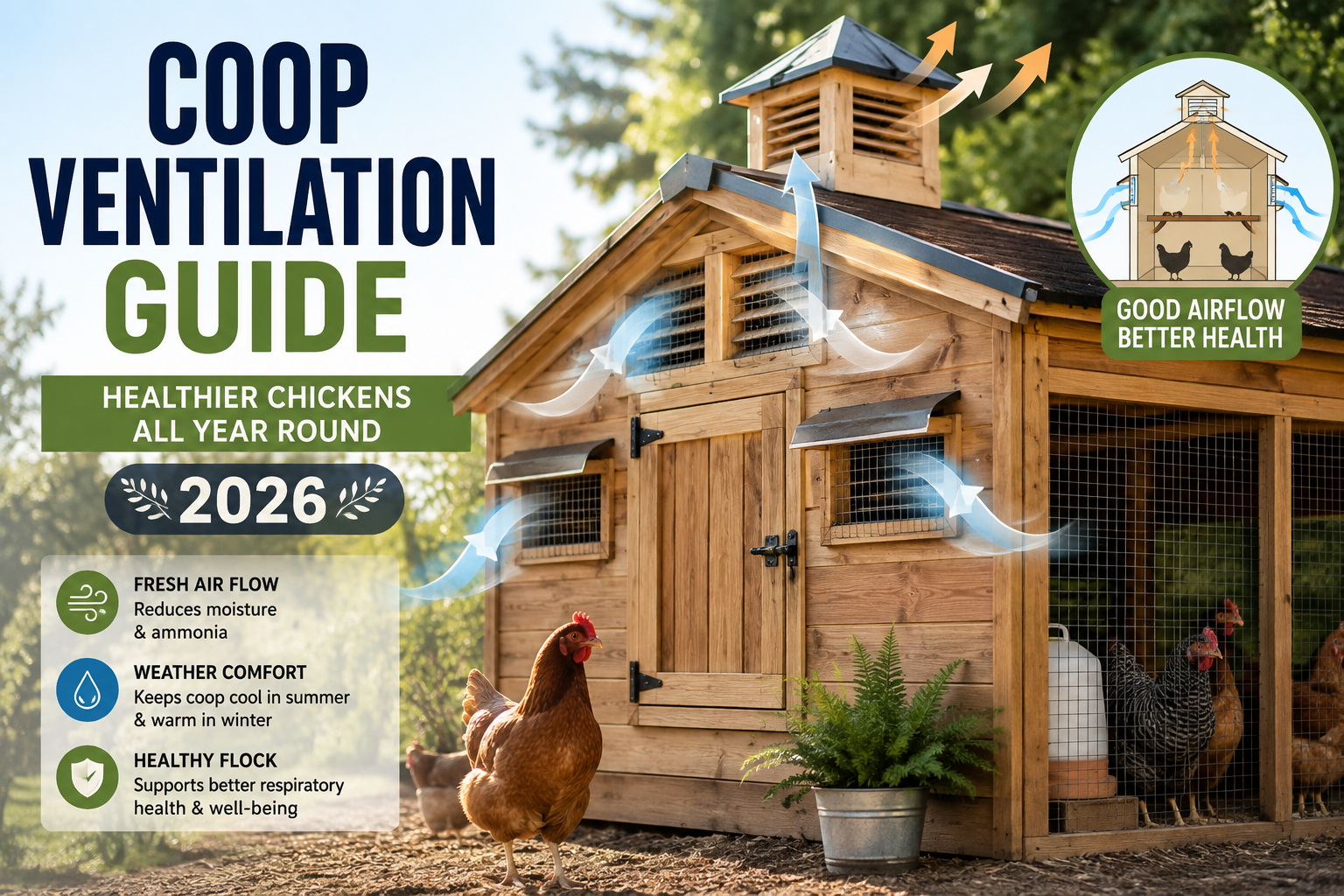
    A good Coop Ventilation Guide can help backyard chicken keepers create a healthier home for their flock. In 2026, ventilation remains a key part of poultry care, especially as extreme heat, cold snaps, and changing weather affect chicken housing around the world.

    For US chicken owners, the goal is simple: provide fresh air without creating harmful drafts. Additionally, good airflow removes moisture, ammonia, carbon dioxide, dust, and stale air. Penn State Extension updated its small-scale poultry housing guidance in June 2026 and continues to emphasize ample airflow without drafts.

    Why Coop Ventilation Matters

    The main purpose of Coop Ventilation Guide principles is to balance fresh air with comfortable temperatures. Chickens produce moisture through breathing, manure, and normal activity. Therefore, a closed coop can quickly become damp.

    Poor airflow can lead to:

    • Wet bedding and condensation
    • Strong ammonia odors
    • Poor indoor air quality
    • Respiratory irritation
    • Greater heat stress during summer
    • Frostbite risks when cold air meets high humidity

    Moreover, recent poultry guidance continues to connect moisture control and ventilation with better bird welfare.

    Key Factors in a Coop Ventilation Guide

    1. Use High and Low Openings

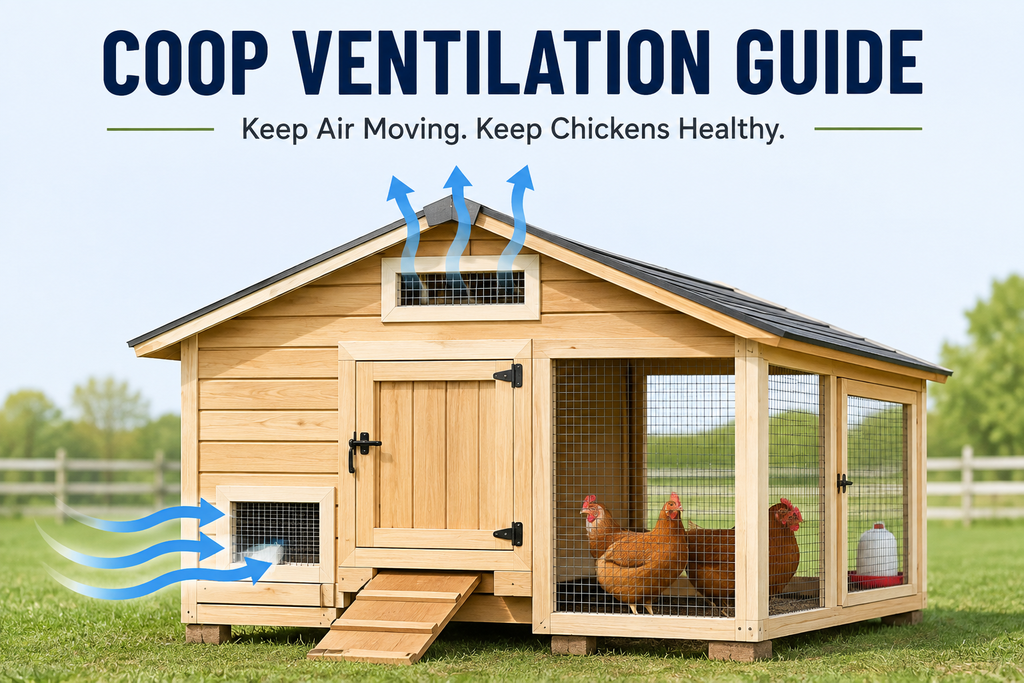
    A strong Coop Ventilation Guide starts with smart vent placement. Warm, moist air naturally rises, so upper vents can help stale air escape. Lower or side openings can bring in fresh air.

    However, do not place openings where cold air blows directly onto roosting birds. Penn State recommends positioning openings away from prevailing winds and directing incoming air upward so it mixes before reaching the flock.

    2. Control Moisture and Ammonia

    Your coop should smell clean, not strongly of ammonia. If you smell ammonia or see condensation on windows and walls, increase airflow and remove wet bedding.

    Good chicken coop airflow also works with good litter management. Remove wet spots, repair water leaks, and keep bedding dry.

    3. Adjust for the Weather

    A practical Coop Ventilation Guide must work in every season.

    Winter: Keep ventilation openings available while preventing direct drafts. Roof vents or partially opened windows can release moisture without exposing birds to strong wind.

    Summer: Increase airflow substantially. Open windows, use secure mesh-covered openings, and consider outdoor-rated fans where electricity is safely installed.

    Types of Coop Ventilation

    Natural Ventilation

    Natural ventilation uses windows, wall vents, roof vents, and wind. It costs less and works well for many small backyard coops. Additionally, it does not require electricity.

    Mechanical Ventilation

    Mechanical systems use fans to move air. They can provide more consistent poultry house ventilation, especially in larger or enclosed buildings.

    However, fan size and placement should match the building and flock. Poorly positioned fans can create dead zones or drafts instead of uniform airflow.

    Buying and Decision Guide

    When choosing vents, windows, or fans, consider:

    1. Flock size: More birds create more heat and moisture.
    2. Coop size: Larger spaces need suitable airflow paths.
    3. Local climate: Hot climates often need more airflow.
    4. Winter conditions: Openings should allow moisture removal without chilling birds.
    5. Predator protection: Cover openings with strong, predator-resistant mesh.
    6. Maintenance: Choose components that are easy to inspect and clean.

    For reference, UMN Extension recommends adequate indoor space as well as ventilation, while Penn State stresses that flock size and housing conditions affect ventilation needs.
    Common Ventilation Mistakes to Avoid

    Even a well-built coop can develop air-quality problems. Avoid these common errors:

    • Sealing every opening during winter
    • Creating direct drafts over roosts
    • Relying only on a small window
    • Ignoring wet bedding
    • Blocking roof vents with insulation
    • Using unsafe electrical equipment
    • Adding a fan without considering airflow direction

    Most importantly, do not judge ventilation only by temperature. Humidity, condensation, litter condition, and ammonia odors also matter.

    Maintenance Tips for 2026

    Check your ventilation system regularly. Clean dust from vents and fans, inspect mesh for damage, and make sure openings remain unobstructed.

    Additionally, check the coop after major weather changes. During summer heat, airflow at bird level becomes especially important because ventilation helps chickens lose body heat.

    A simple weekly check should include:

    • Inspecting vents and screens
    • Checking bedding for wet areas
    • Looking for condensation
    • Checking for ammonia odors
    • Confirming fans operate safely
    • Reviewing airflow around roosts

    Conclusion

    The best Coop Ventilation Guide approach is simple: keep air moving, control moisture, prevent direct drafts, and adjust ventilation as weather changes. In 2026, these basics remain essential for healthier backyard flocks worldwide.

    Start by inspecting your existing vents today. Then improve airflow, manage bedding, and monitor your chickens closely. For more practical poultry advice.
  • Chicken Nesting Boxes: Best Guide for 2026

    Chicken Nesting Boxes: Best Guide for 2026

    Chicken Nesting Boxes: What You Need to Know in 2026

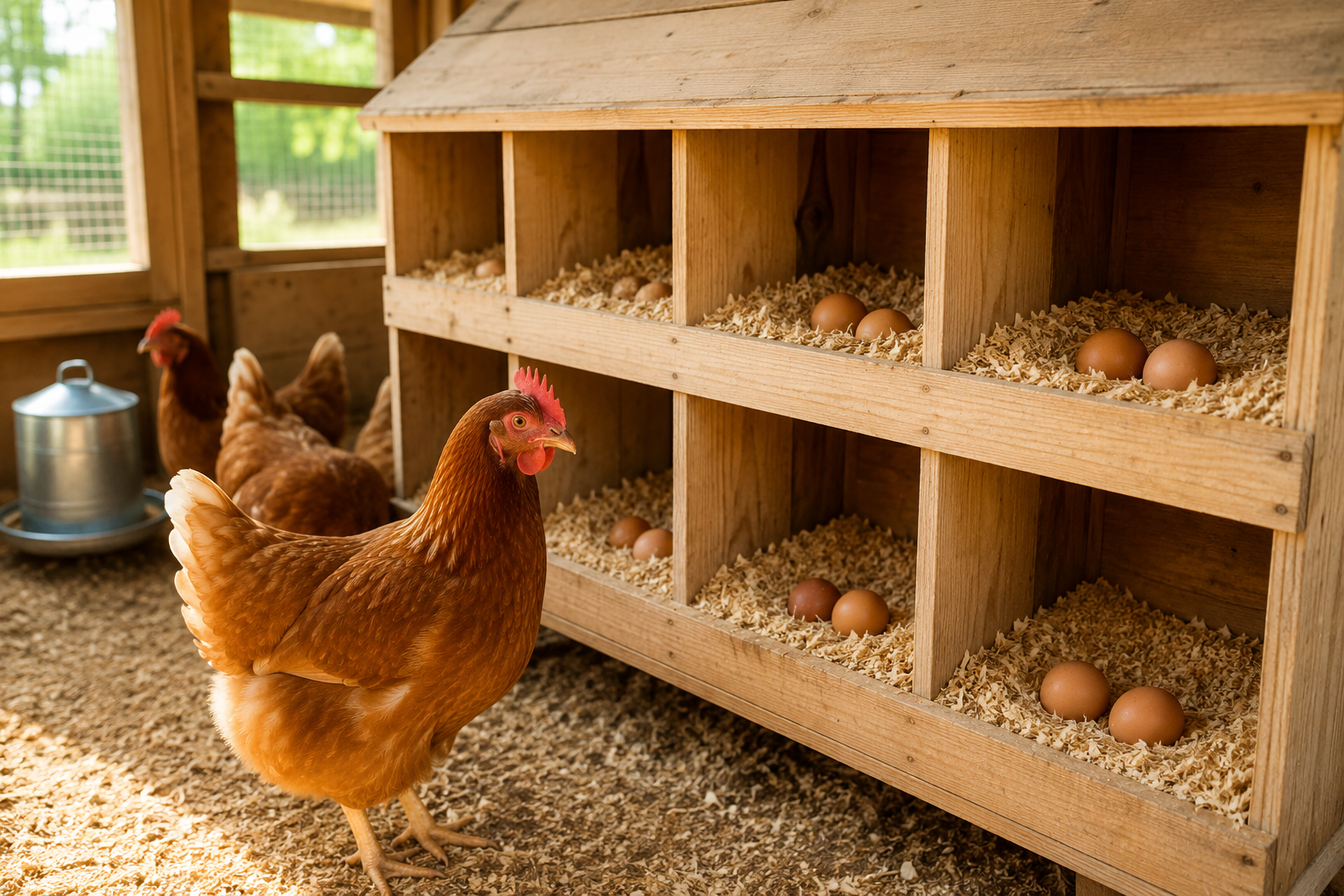
    Chicken Nesting Boxes are one of the most important parts of a well-designed chicken coop. They give hens a quiet, safe place to lay eggs. Additionally, the right nest can help keep eggs cleaner, reduce breakage, and make daily egg collection easier.

    For backyard chicken keepers, choosing the right nesting setup can make a big difference. However, simply adding a box is not enough. Size, height, location, bedding, ventilation, and cleanliness all matter.

    Current poultry guidance continues to recommend providing enough nesting space for the flock. Penn State Extension recommends at least a 12-by-12-inch nest and generally suggests one nest for about every four hens, while other extension guidance recommends one for every four to five birds.

    Why Chicken Nesting Boxes Matter

    Good Chicken Nesting Boxes encourage hens to lay in one predictable location. As a result, you can collect eggs faster and spend less time searching around the coop.

    A suitable nest also protects eggs from unnecessary damage. Clean, dry bedding provides cushioning and helps absorb moisture. Moreover, a secluded nesting area can make hens feel more comfortable.

    The main benefits include:

    • Cleaner eggs
    • Less egg breakage
    • Easier daily collection
    • Better coop organization
    • More comfortable laying conditions
    • Reduced risk of hens laying in hidden corners

    Chicken Nesting Boxes: Key Features to Consider

    1. Choose the Right Chicken Nest Box Size

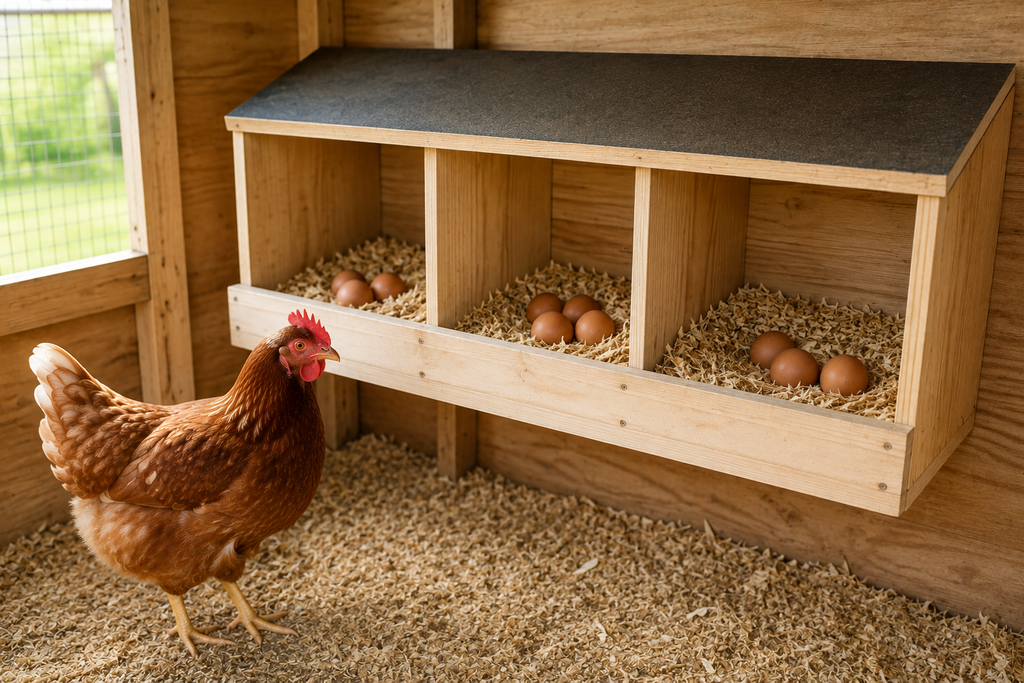
    A standard chicken nest box size should give a hen enough room to enter, turn, and sit comfortably. A 12-by-12-inch box works well for many standard-sized hens, while larger breeds may need more space.

    However, avoid making the box excessively large. If several hens try to share one oversized nest, eggs can become crowded and break more easily.

    2. Use Clean Nesting Box Bedding

    Nesting box bedding should stay clean and dry. Pine shavings are commonly recommended because they provide cushioning and absorb moisture.

    Additionally, replace soiled bedding quickly. Damp or dirty bedding can lead to stained eggs and an unhygienic laying environment.

    3. Place Boxes in a Quiet Location

    Hens usually prefer a darker and more secluded place to lay. Therefore, position chicken coop nesting boxes away from busy walkways, bright windows, and noisy equipment.

    Keep nests separate from roosting areas. This reduces the amount of manure that can fall into the boxes overnight. Penn State recommends placing nests at least 2 feet above the floor and away from roosts.

    Types of Chicken Nesting Boxes

    Wooden Nesting Boxes

    Wooden boxes are traditional and affordable. They can also be built into many DIY chicken coop designs.

    However, untreated or rough wood can absorb moisture and make cleaning harder. Use smooth, durable surfaces where possible.

    Plastic Nesting Boxes

    Plastic boxes are easy to wipe down and resist moisture. Therefore, they can be a practical choice for keepers who want simple maintenance.

    Roll-Away Nesting Boxes

    Roll-away designs allow eggs to move into a protected collection area after laying. As a result, hens have less opportunity to peck or damage freshly laid eggs.

    These systems can be especially useful for larger backyard flocks.

    How Many Nesting Boxes Do You Need?

    A common starting point is one nest for every four to five hens.

    For example:

    • 4 hens: 1–2 nests
    • 8 hens: 2 nests
    • 12 hens: 3 nests
    • 16 hens: 4 nests
    • 20 hens: 4–5 nests

    Interestingly, hens may still choose the same favorite box even when several are available. Therefore, provide enough options but expect some boxes to be more popular than others.

    Buying Guide: How to Choose the Best Chicken Nesting Boxes

    Before buying, check these factors:

    1. Size: Make sure the box suits your chicken breed.
    2. Material: Choose a durable and easy-to-clean surface.
    3. Access: Make egg collection simple.
    4. Ventilation: Avoid damp, poorly ventilated locations.
    5. Bedding: Ensure the design can hold clean nesting material.
    6. Installation: Secure boxes firmly so they do not move.
    7. Flock size: Provide enough nests for your number of hens.

    Common Mistakes to Avoid

    Even the best chicken nesting boxes can fail when they are poorly installed or maintained.

    Avoid these common mistakes:

    • Making boxes too small
    • Putting nests directly under roosts
    • Using wet or dirty bedding
    • Placing boxes in bright, busy areas
    • Providing too few nests
    • Leaving broken eggs inside
    • Ignoring hens that repeatedly lay on the coop floor

    Egg collection also matters. Extension guidance recommends collecting eggs regularly because longer exposure increases the chance of dirt, breakage, and other problems.

    Chicken Nesting Boxes Maintenance Tips

    Check the nests regularly and remove dirty bedding as needed. Furthermore, clean the boxes thoroughly when bedding becomes soiled or compacted.

    Collect eggs at least once or twice each day. UMN Extension also recommends twice-daily egg collection as part of normal chicken care.

    Finally, inspect each box for cracks, sharp edges, loose hardware, pests, or moisture. A few minutes of maintenance can keep the laying area cleaner and safer.

    Conclusion

    Choosing the right Chicken Nesting Boxes can improve egg collection, reduce breakage, and create a more comfortable coop for your hens. Start with the correct size, provide enough nests, use clean bedding, and place them in a quiet area.

    Additionally, inspect and clean your Chicken Nesting Boxes regularly. With the right setup and consistent care, your hens can have a clean, comfortable place to lay throughout 2026.

    Ready to improve your chicken coop? Choose suitable Chicken Nesting Boxes based on your flock size, chicken breed, and available space.

  • Chicken Roosting Bars: Best Guide for 2026

    Chicken Roosting Bars: Best Guide for 2026

    Chicken Roosting Bars: Best Guide for 2026

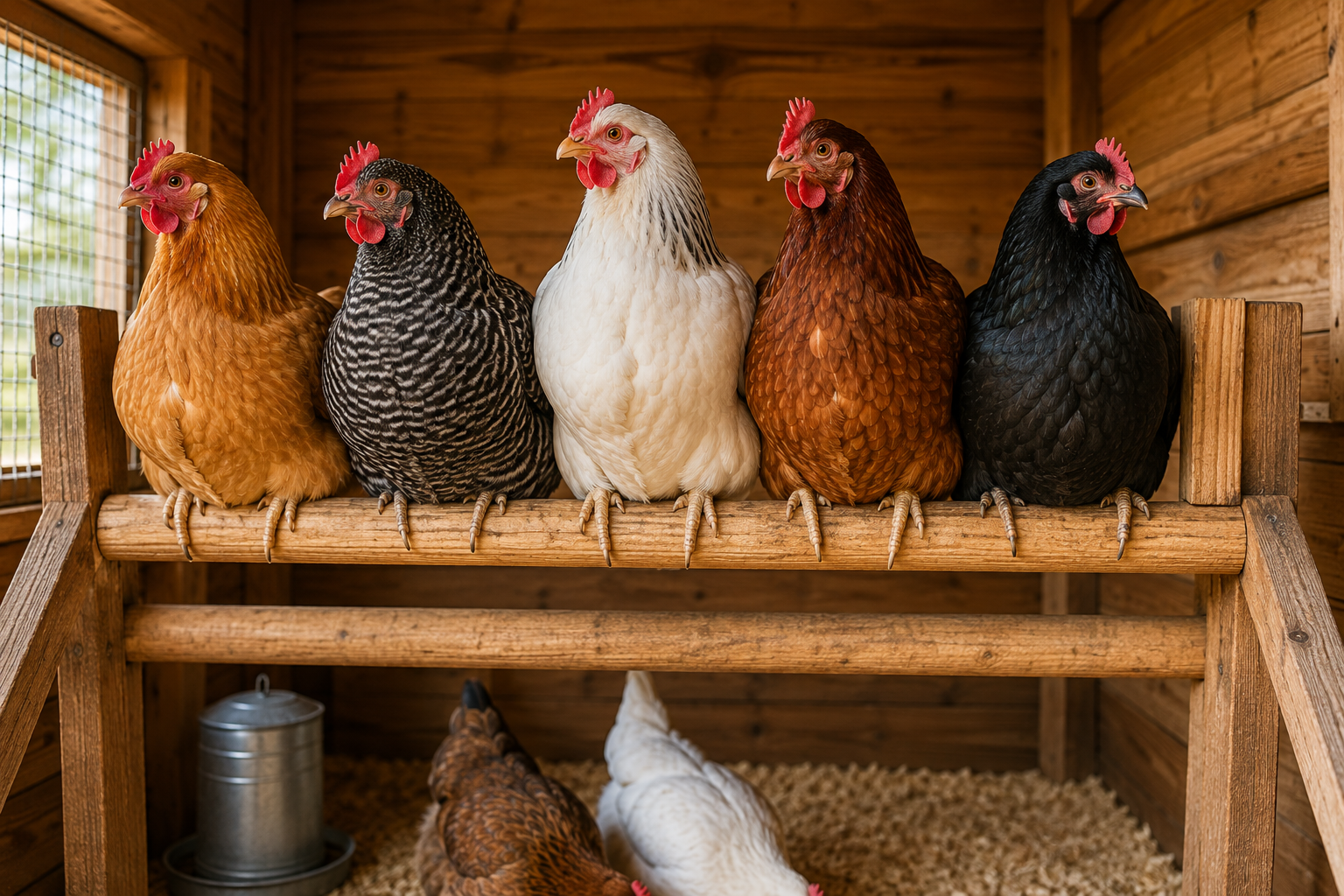
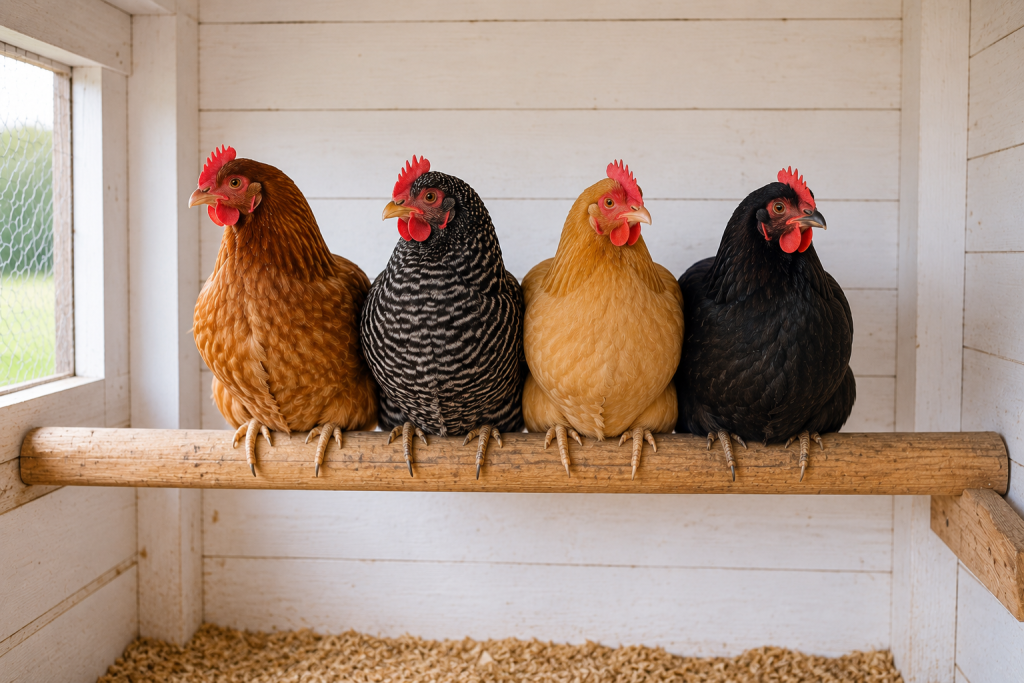
    Choosing the right Chicken Roosting Bars can make a big difference in your flock’s comfort and health. Chickens naturally like to sleep above the ground. Therefore, a safe roost gives them a comfortable place to rest while protecting them from cold floors, moisture, and some pests.

    For backyard chicken keepers in the US and around the world, the right roosting setup is also an important part of good chicken coop design. In this 2026 guide, you will learn what to look for, which materials work best, and how to create a safe sleeping area for your flock.

    Why Chicken Roosting Bars Matter

    Chickens usually feel safer when they sleep off the ground. As a result, a properly designed roost can help your birds relax at night.

    Good Chicken Roosting Bars can also:

    • Give chickens a stable sleeping surface
    • Keep birds away from damp bedding
    • Reduce contact with cold coop floors
    • Provide space for natural sleeping behavior
    • Make the coop easier to organize
    • Support cleaner and more comfortable housing

    Additionally, proper spacing helps prevent chickens from crowding each other.

    Key Features of Chicken Roosting Bars

    Not every perch works equally well. Before building or buying one, consider the following factors.

    Chicken Roosting Bar Size

    The size of the perch matters. A common choice is a wooden board or rounded timber that allows chickens to grip it comfortably.

    For many standard backyard chickens, a perch around 2–4 inches wide can work well. However, the ideal size depends on the breed and the shape of the material.

    Avoid extremely thin bars because they may not provide enough support.

    Material

    Wood remains a popular option because it is comfortable and easy to work with. A wooden chicken roost also provides a natural surface for chickens to grip.

    However, avoid sharp edges, splinters, and treated wood that may contain unsafe chemicals. Plastic or metal can also be used, but the surface should not become dangerously hot or cold.

    Height and Placement

    Place the roost high enough to feel secure but low enough for chickens to reach safely. Additionally, provide enough horizontal space so birds do not have to fight for a sleeping spot.

    Keep roosts away from feeders and waterers. Otherwise, droppings can contaminate food and water.

    Types of Chicken Roosting Bars

    Different coop designs require different roosting solutions.

    Wooden Roosts

    Wooden roosts are affordable, easy to cut, and widely available. They are often the simplest choice for backyard coops.

    Ladder-Style Roosts

    A ladder-style setup uses several horizontal perches at different heights. Therefore, it can work well when you have limited floor space.

    Make sure the structure stays stable and does not allow chickens to fall onto each other.

    Removable Roosts

    Removable Chicken Roosting Bars are useful for cleaning. You can take them out, scrub them, and inspect them regularly.

    This design is especially helpful for keepers who want an easy-to-maintain coop.

    How to Choose the Best Roosting Setup

    When selecting Chicken Roosting Bars, consider these five points:

    1. Breed size: Larger breeds need stronger and wider support.
    2. Number of chickens: Provide enough total roosting space for the flock.
    3. Coop size: Avoid overcrowding the sleeping area.
    4. Material: Choose smooth, strong, and non-toxic materials.
    5. Cleaning: Select a design that allows easy inspection and cleaning.

    As a result, you can create a safer and more comfortable sleeping area without spending a lot of money.

    Common Mistakes to Avoid

    Even a simple roost can cause problems if it is poorly designed. Avoid placing perches directly above feeders or waterers. This can quickly create a dirty environment.

    Also, do not use slippery surfaces. Chickens need enough grip to remain stable while sleeping.

    Another common mistake is installing Chicken Roosting Bars too close together. Birds need enough room to settle without pushing or disturbing each other.

    Maintenance and Care Tips

    Regular maintenance keeps roosts safer and cleaner. Inspect them often for cracks, loose fittings, sharp edges, or signs of damage.

    Clean droppings and dirt from the roost area regularly. Furthermore, replace damaged wood when necessary.

    A removable perch makes this task easier. You can also inspect the surrounding area for mites or other signs of pests.

    Conclusion

    The right Chicken Roosting Bars provide chickens with a secure and comfortable place to sleep. By choosing suitable materials, providing enough space, and keeping the roost clean, you can improve your flock’s overall coop environment.

    Whether you are building a new coop or upgrading an existing one, focus on safety, comfort, and easy maintenance. Choose the right Chicken Roosting Bars in 2026 and give your backyard flock a better place to rest.

  • Portable Chicken Coop: Best 2026 Buying Guide

    Portable Chicken Coop: Best 2026 Buying Guide

    Portable Chicken Coop: A Smart Choice for 2026

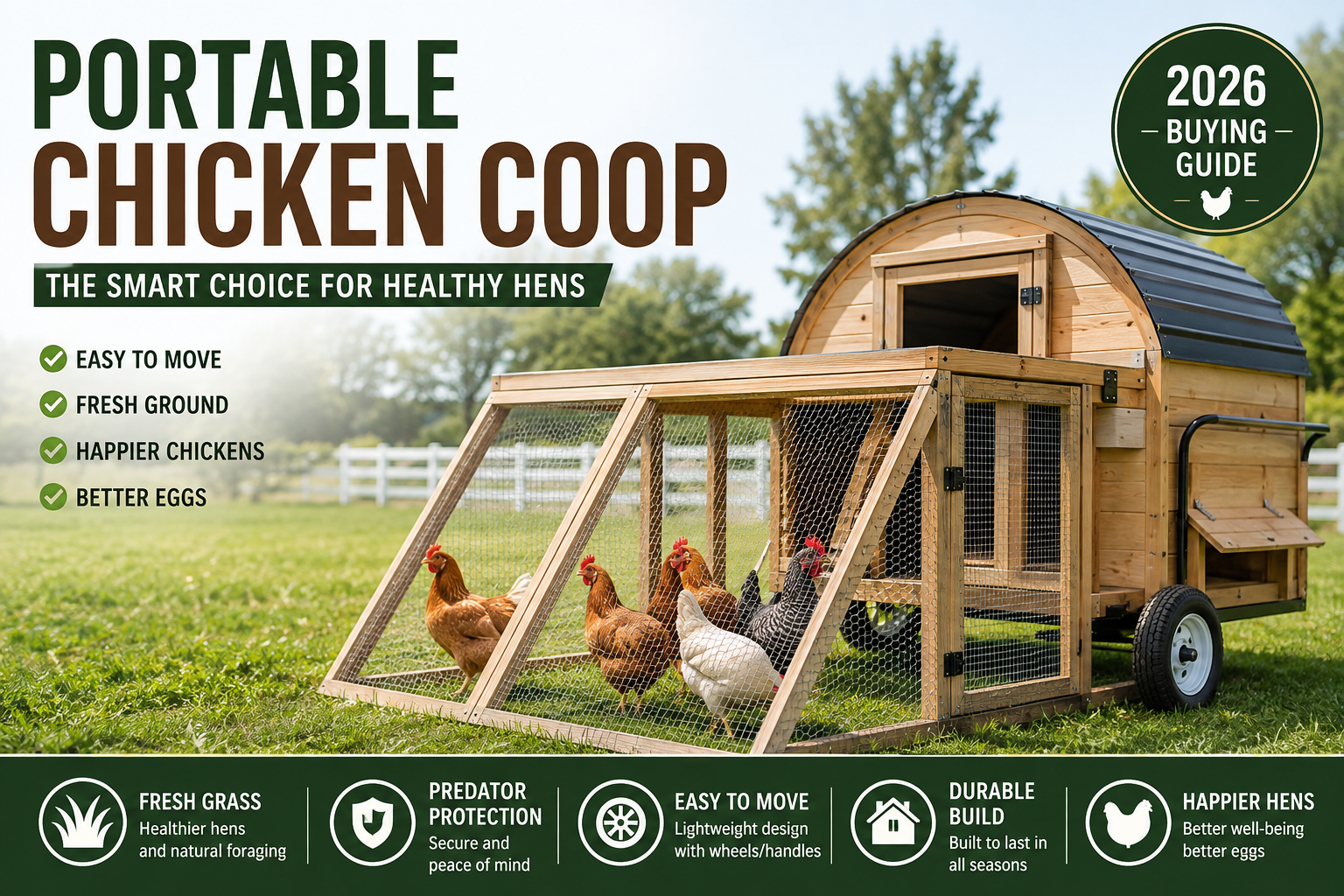
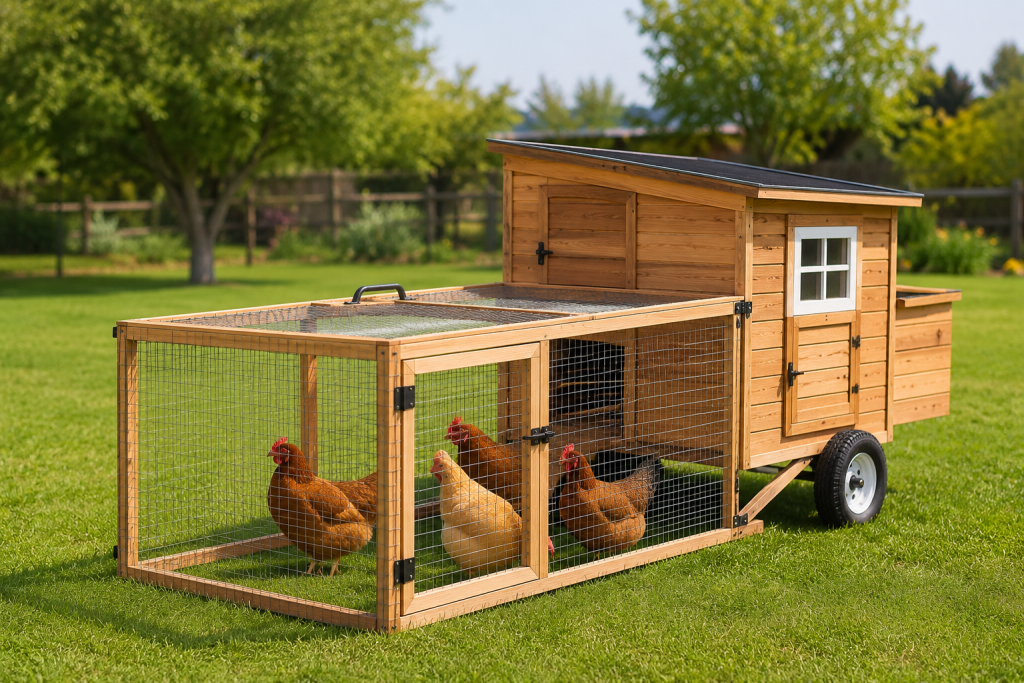
    A portable chicken coop gives backyard chicken keepers more flexibility, especially in 2026. Instead of keeping hens in one fixed area, you can move their shelter to fresh ground when needed. As a result, chickens get access to new grass while the ground around the coop gets time to recover.

    For US backyard flock owners, this setup can also make daily chicken care easier. However, the best choice depends on flock size, climate, security, and how often you plan to move the coop.

    Why Choose a Portable Chicken Coop?

    A portable chicken coop offers several practical benefits for small and medium-sized flocks. Additionally, moving the coop can help spread manure across different areas of your yard.

    Key benefits include:

    • Fresh ground: Chickens can explore new areas regularly.
    • Better lawn management: Moving the coop can reduce damage to one section.
    • Flexible placement: You can move hens away from wet or muddy areas.
    • Easy expansion: Many designs work well with a chicken coop with run.
    • Natural foraging: Fresh grass and insects can provide extra enrichment.

    A mobile chicken coop can also suit renters or homeowners who do not want a permanent structure.

    Key Features to Consider

    Before buying or building a portable chicken coop, examine its construction and daily usability.

    Strong and Lightweight Design

    The coop should remain sturdy while being easy enough for one or two people to move. Therefore, look for lightweight materials, strong handles, wheels, or a towable frame.

    Predator Protection

    Security should remain a top priority. Use strong wire mesh, secure doors, and protected openings. Additionally, check the frame for gaps where predators could enter.

    Ventilation and Weather Protection

    Good airflow helps reduce moisture and unpleasant odors. However, the coop should also protect chickens from rain, wind, snow, and extreme heat.

    For hot climates, prioritize shade and cross-ventilation. In colder regions, provide protection from drafts while maintaining adequate airflow.

    Space and Chicken Capacity

    Avoid overcrowding. Each hen needs enough room to sleep, move, feed, and access the outdoor area. Therefore, always check the manufacturer’s recommended capacity before purchasing.

    Types of Portable Chicken Coop

    Different designs suit different backyard setups.

    Chicken Tractor

    A chicken tractor usually combines a lightweight shelter with an enclosed run. You can move it across grass, allowing chickens to forage while fertilizing the soil.

    This option works especially well for owners with suitable outdoor space.

    Wheeled Mobile Coop

    A wheeled design makes frequent movement easier. Moreover, large models may work well for bigger flocks when the frame has durable wheels and balanced weight distribution.

    Small Portable Coop

    A small chicken coop can suit beginners with only a few hens. These models are usually easier to clean, move, and position in limited outdoor spaces.

    How to Choose the Right Portable Chicken Coop

    Use this simple buying guide before making a decision:

    1. Count your chickens: Choose enough space for your current flock.
    2. Check your climate: Look for suitable ventilation and weather protection.
    3. Measure your yard: Make sure you have enough room to move the unit.
    4. Inspect security: Choose predator-resistant doors and mesh.
    5. Check mobility: Wheels and handles should feel sturdy.
    6. Consider cleaning: Removable trays and accessible doors can save time.
    7. Review materials: Choose construction that can handle outdoor conditions.

    Common Mistakes to Avoid

    Even a quality portable chicken coop can cause problems when used incorrectly. First, do not overcrowd the housing. Second, avoid placing it permanently on wet or poorly drained ground.

    Additionally, do not ignore predator risks simply because the coop is mobile. Check locks, mesh, and openings regularly. Finally, avoid choosing a model that is too heavy to move safely.

    Maintenance and Care Tips

    Regular maintenance keeps a portable chicken coop safer and more comfortable. Clean droppings and wet bedding frequently. Furthermore, inspect wheels, handles, hinges, locks, and mesh for damage.

    Move the coop when the ground becomes heavily soiled or muddy. In addition, keep feeders and waterers clean and protected from contamination.

    During extreme weather, monitor your chickens closely. If conditions become unsafe, move the coop to a more sheltered location or provide additional protection.

    Conclusion

    A portable chicken coop can be a practical solution for modern backyard chicken keeping. It provides flexibility, supports natural foraging, and can make yard management easier. However, always prioritize adequate space, predator protection, ventilation, durability, and easy movement.

    If you are planning to raise chickens in 2026, compare several designs before buying. Choose a portable chicken coop that matches your flock size, local climate, yard space, and daily routine.

  • Predator-Proof Chicken Coop: 2026 Safety Guide

    Predator-Proof Chicken Coop: 2026 Safety Guide

    Predator-Proof Chicken Coop: The 2026 Safety Guide

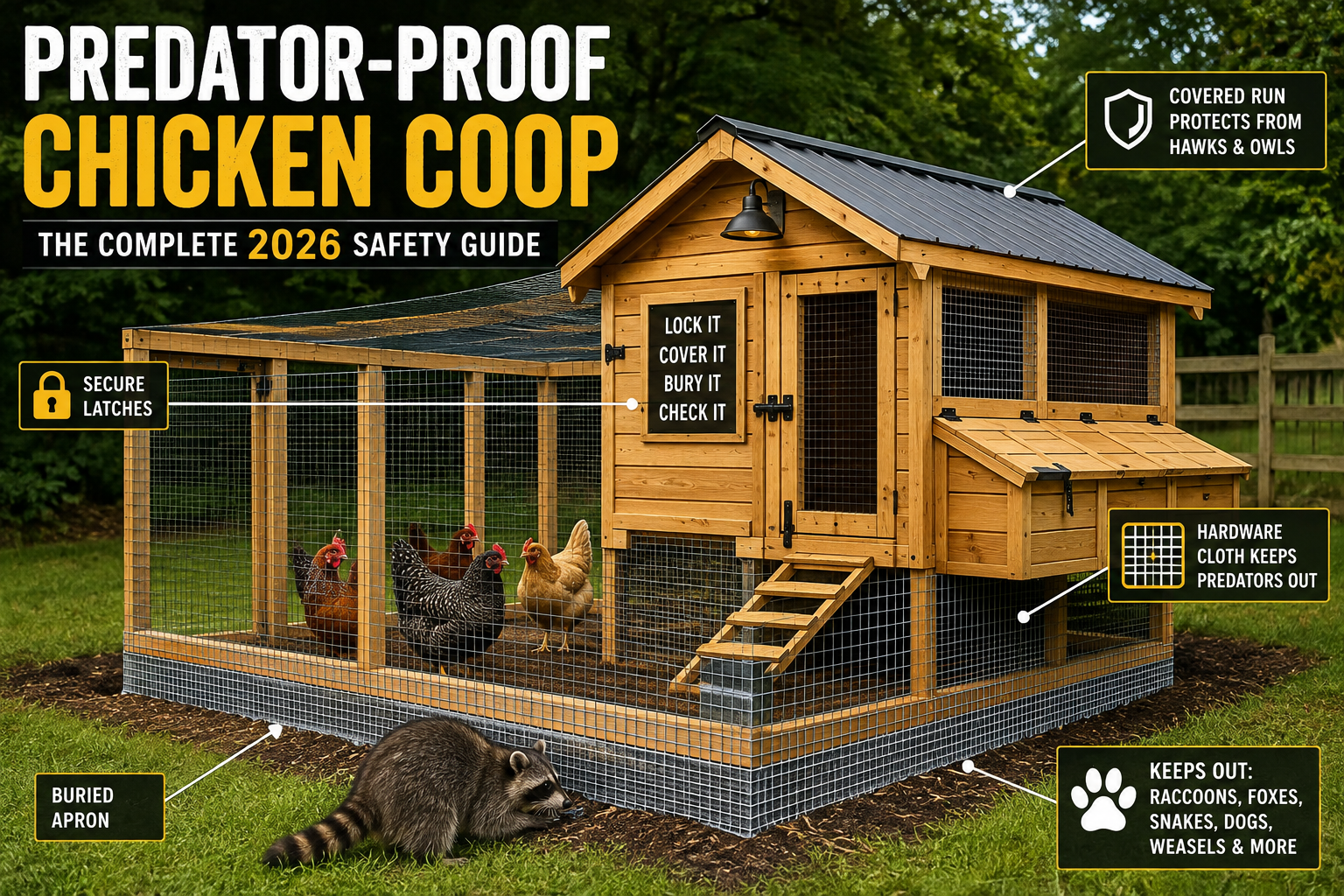
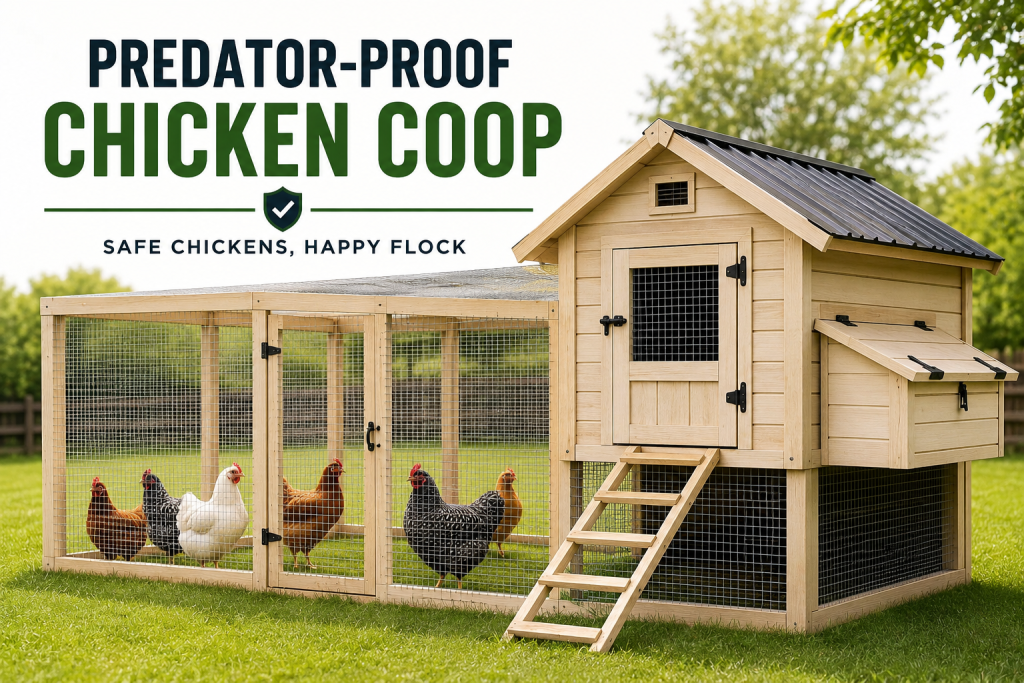
    A Predator-Proof Chicken Coop is more important than ever for backyard poultry keepers. Foxes, raccoons, coyotes, snakes, dogs, weasels, hawks, and owls can all threaten chickens. Therefore, a secure coop should do more than keep birds inside. It should create several layers of protection against animals that climb, dig, squeeze, or attack from above.

    Recent poultry guidance continues to stress secure housing, covered runs, strong mesh, and barriers around the ground.

    Why a Predator-Proof Chicken Coop Matters

    A weak fence can give predators an easy opportunity. However, a properly designed Predator-Proof Chicken Coop removes common entry points before an attack happens.

    The best approach uses several defenses together:

    • Strong welded hardware cloth
    • Secure doors and latches
    • A buried or outward-facing ground apron
    • A covered chicken run
    • Regular nighttime lock-up
    • Clean storage for feed and food scraps

    As a result, predators have fewer opportunities to reach your flock.

    Key Features of a Predator-Proof Chicken Coop

    Use Hardware Cloth

    Chicken wire keeps chickens contained, but it should not serve as your main predator barrier. Instead, use strong hardware cloth over windows, vents, doors, and vulnerable sections.

    Penn State Extension recommends heavy-gauge mesh for openings, while other university guidance recommends small-mesh fencing where raccoons and similar predators are common.

    A chicken coop hardware cloth upgrade can therefore provide much better protection than ordinary chicken wire.

    Protect the Ground

    Digging predators often attack where the wall meets the soil. Therefore, extend hardware cloth around the perimeter.

    Penn State Extension recommends burying wire at least 12 inches and bending the fence outward.

    For extra protection, create an outward-facing apron. Additionally, secure the mesh firmly so animals cannot lift or pull it away.

    Secure Every Door and Latch

    A strong door is useless if a raccoon can open its latch. Therefore, choose a locking or two-step mechanism for every entry point.

    Check doors each evening. If you use an automatic door, test it regularly to make sure it closes fully.

    Types of Predator Protection

    Raccoon-Proof Chicken Coop Features

    Raccoons are clever and have strong paws. Consequently, simple hooks and weak wire can become serious vulnerabilities.

    A raccoon-proof chicken coop should have:

    • Small-mesh hardware cloth
    • Strong screws and washers
    • Locking latches
    • Protected feed storage
    • Secure nesting-box doors

    Protection From Hawks and Owls

    Predators can also attack from above. Therefore, do not leave the run open at the top.

    University guidance recommends covering outdoor runs with mesh wire or netting to reduce attacks from hawks and owls.

    Buying Guide: What Should You Look For?

    When choosing or building a Predator-Proof Chicken Coop, inspect the entire structure rather than focusing only on the walls.

    Use this quick checklist:

    1. Inspect the mesh: Look for small openings and strong construction.
    2. Check the floor: Make sure predators cannot dig underneath.
    3. Test every latch: Try opening it from outside.
    4. Inspect the roof: Cover exposed runs against aerial predators.
    5. Check corners: Predators often target weak joints and gaps.
    6. Review ventilation: Keep airflow while protecting openings with strong mesh.

    Additionally, choose a dry, well-drained location. Penn State Extension notes that good poultry housing should protect birds from weather, predators, injury, and theft.

    Common Mistakes to Avoid

    Even a well-built Predator-Proof Chicken Coop can fail because of small oversights.

    Avoid these mistakes:

    • Using chicken wire as the only security barrier
    • Leaving doors open after dusk
    • Forgetting to protect vents
    • Leaving gaps beneath doors
    • Failing to cover the run
    • Leaving spilled feed outside
    • Using weak staples or loose fasteners

    Furthermore, inspect the perimeter after storms, digging, or ground movement. A tiny new gap can quickly become an entry point.

    Maintenance Tips for 2026

    Effective chicken coop predator protection requires ongoing checks. Therefore, inspect the coop at least once each week.

    Look for:

    • New holes or damaged mesh
    • Loose screws and fasteners
    • Digging around the perimeter
    • Damaged doors or latches
    • Gaps around vents and windows
    • Signs of predator activity

    Also, remove spilled food and keep the surrounding area clean. Predator-management guidance recommends reducing attractants and securing birds inside at night.

    For 2026, Penn State Extension is also continuing education on predator control, including predator identification, coop security, wildlife deterrents, and regulations.

    Conclusion

    A Predator-Proof Chicken Coop does not depend on one product or one trick. Instead, it combines strong mesh, secure doors, ground protection, a covered run, and consistent daily checks.

    Start by fixing the weakest point in your coop. Then inspect the structure regularly and improve each layer of protection. Build your Predator-Proof Chicken Coop today and give your flock a safer place to roost, feed, and thrive.

  • Automatic Chicken Doors: Smart 2026 Guide

    Automatic Chicken Doors: Smart 2026 Guide

    Automatic Chicken Doors: A Smart 2026 Guide

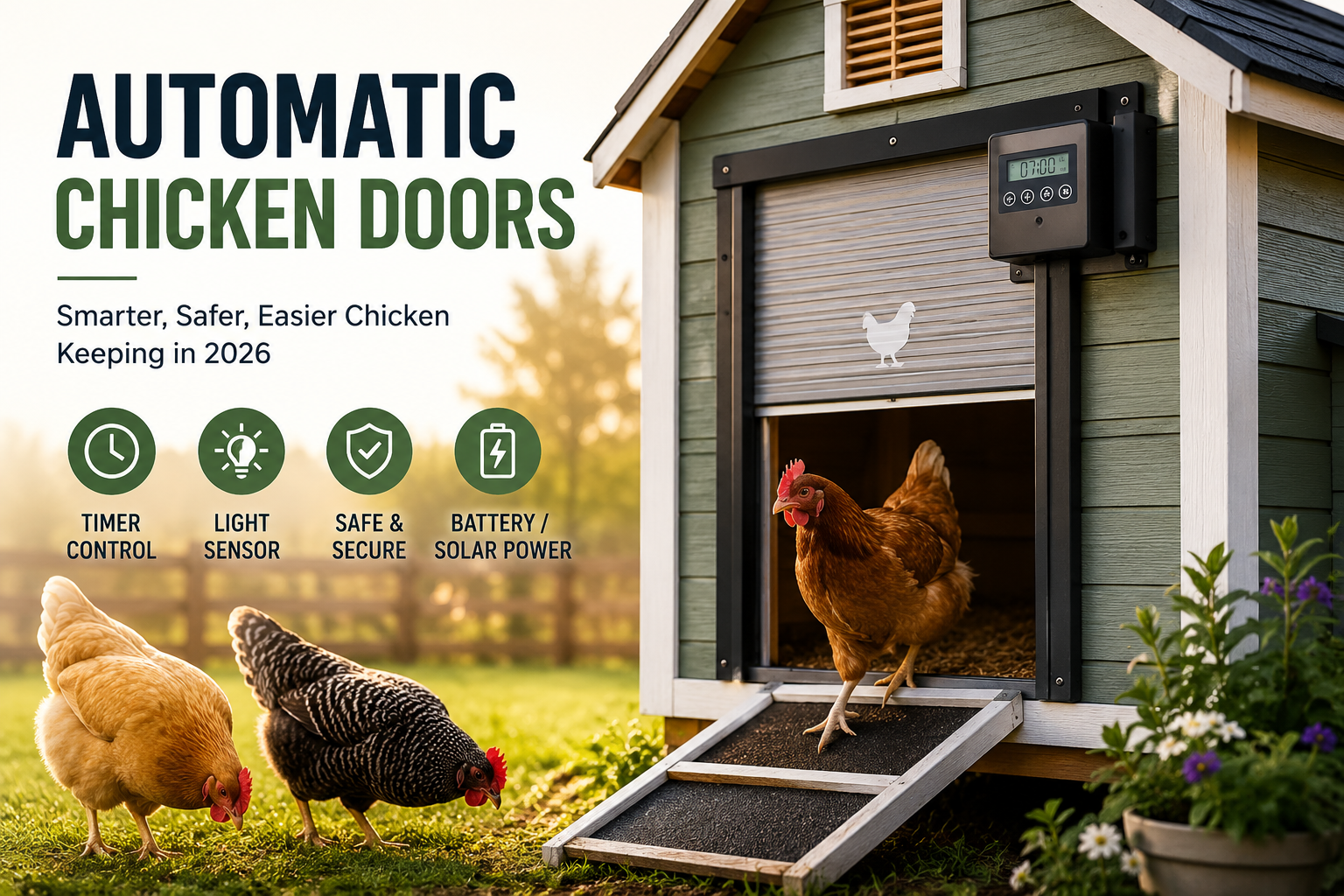
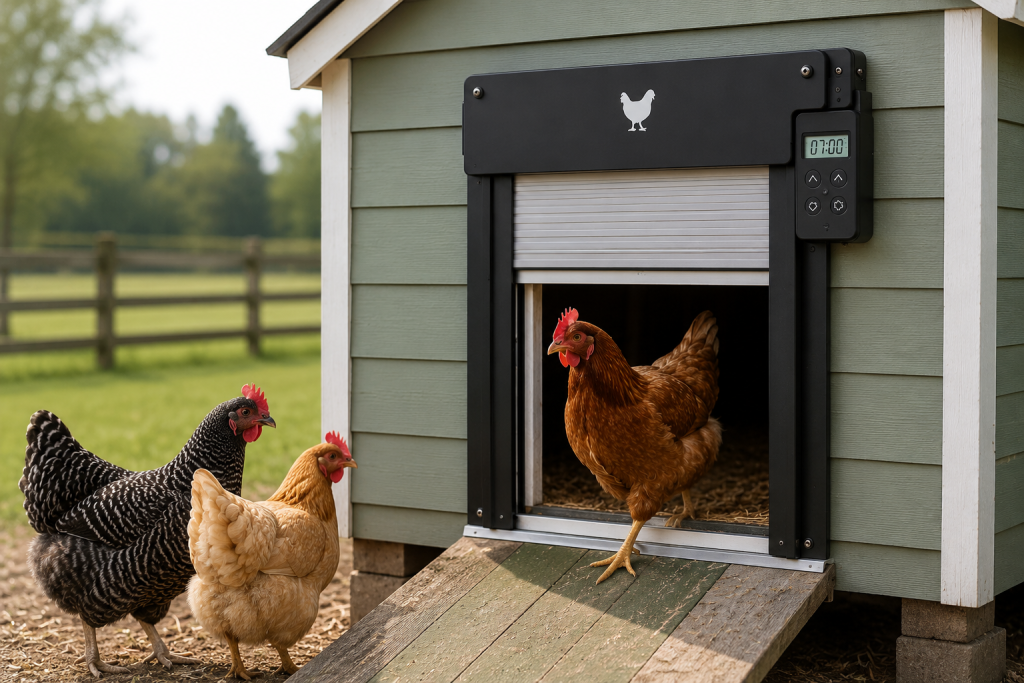
    Keeping chickens is rewarding, but opening and closing the coop every morning and evening can become a daily chore. Automatic Chicken Doors offer a simple solution by opening and closing the coop at scheduled times or according to daylight. In 2026, newer models also offer better safety sensors, weather resistance, solar power, and flexible controls.

    For backyard chicken keepers worldwide, the right automatic door can save time while helping protect a flock at night.

    Why Automatic Chicken Doors Matter

    An automatic door can make chicken keeping easier and more consistent. Additionally, it can reduce the chance of forgetting to close the coop before nighttime predators become active.

    Modern systems commonly use a timer, light sensor, or both. Some 2026 models also include anti-pinch or auto-stop technology designed to reduce the risk of a chicken becoming trapped as the door closes.

    Key benefits include:

    • Automatic morning opening
    • Automatic evening closing
    • Better nighttime predator protection
    • Less daily work for chicken owners
    • Timer and daylight-based controls
    • Battery, mains, or solar power options
    • Improved weather resistance

    Key Features to Consider

    Automatic Chicken Doors With Timers

    A timer lets you choose specific opening and closing times. This option works well when your flock follows a predictable daily routine.

    However, daylight changes throughout the year. Therefore, a timer may need seasonal adjustments to keep the door synchronized with your chickens’ natural schedule.

    Light Sensors

    A light sensor opens the door when daylight reaches a selected level and closes it as evening arrives. This can be more flexible than using fixed times.

    Some newer systems combine a light sensor with a timer. As a result, the door can close according to whichever safety setting happens first.

    Safety Features

    Safety should be one of your top priorities. Look for an automatic chicken door with features such as:

    • Auto-stop protection
    • Anti-pinch or safety sensors
    • Gentle closing
    • Manual override
    • Secure locking
    • Reliable door calibration

    For example, some current models use auto-stop technology to prevent the door from continuing to close when a chicken is detected.

    Types of Automatic Chicken Doors

    Battery-Powered Doors

    Battery models are usually simple to install because they do not require electrical wiring. Therefore, they are useful for remote coops and small backyard setups.

    However, check the battery regularly, especially during cold weather.

    Solar Chicken Coop Doors

    Solar models use a panel to recharge a battery. As a result, they can reduce the need for regular battery replacement.

    They work especially well when the coop receives enough direct sunlight. Current 2026 products offer solar charging alongside battery or DC power options.

    Smart and App-Controlled Doors

    Some advanced systems add remote monitoring and digital controls. These options can be useful for owners who want to check or control their coop while away from home.

    Nevertheless, smart features should not replace basic safety checks and secure coop construction.

    How to Choose the Right Door

    Before buying, compare the following factors:

    1. Door size: Make sure the opening comfortably fits your chickens.
    2. Power source: Choose battery, solar, or wired power based on your location.
    3. Control method: Decide between timer, light sensor, manual, or combined controls.
    4. Safety: Prioritize auto-stop, anti-pinch, and secure locking features.
    5. Weather resistance: Choose a model suitable for your local climate.
    6. Installation: Check whether the unit fits your existing coop.
    7. Maintenance: Consider battery access, cleaning, and replacement parts.

    Additionally, measure your coop opening before ordering. A door that does not fit correctly can create security and installation problems.

    Common Mistakes to Avoid

    Even the best Automatic Chicken Doors cannot protect a poorly designed coop. Avoid these common mistakes:

    • Installing the door without testing it first
    • Choosing the wrong door size
    • Ignoring battery levels
    • Relying only on a timer without seasonal adjustments
    • Blocking the light sensor
    • Failing to check the locking mechanism
    • Assuming an automatic door replaces predator-proof fencing

    Most importantly, test the door several times before leaving your flock unattended.

    Maintenance Tips for 2026

    Regular maintenance keeps an automatic chicken door reliable. First, remove dirt, feathers, and bedding around the opening. Then check the moving parts and make sure the door travels smoothly.

    Additionally, inspect batteries and solar panels regularly. If your model has a safety sensor, test it according to the manufacturer’s instructions.

    During winter, check for ice, snow, or debris that could prevent the door from closing correctly. Some current models include special winter settings or weather-resistant designs for challenging conditions.

    Conclusion

    Automatic Chicken Doors can make backyard poultry keeping safer, easier, and more convenient in 2026. From simple battery-powered models to solar and smart systems, there is an option for almost every flock.

    Choose a door with reliable safety features, suitable power, weather resistance, and a control system that matches your routine. Finally, test and maintain the door regularly so your chickens can enjoy dependable access while you spend less time managing the coop.

    Call to Action: Ready to upgrade your coop? Compare the available features and choose the Automatic Chicken Doors that best match your flock, climate, and daily routine.

  • Chicken Waterers 2026: Ultimate Buying Guide

    Chicken Waterers 2026: Ultimate Buying Guide

    Chicken Waterers: A 2026 Guide for Healthy Flocks

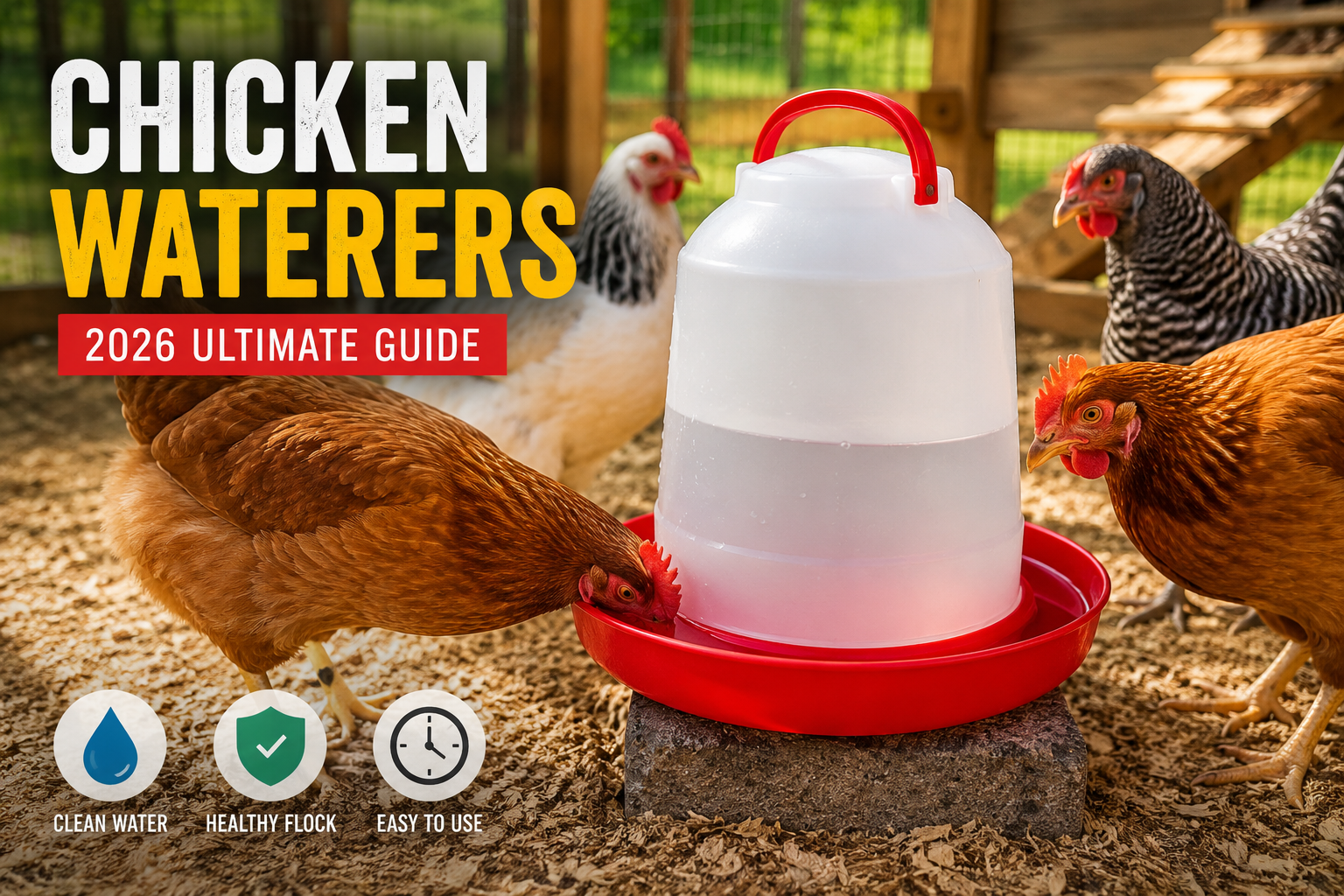
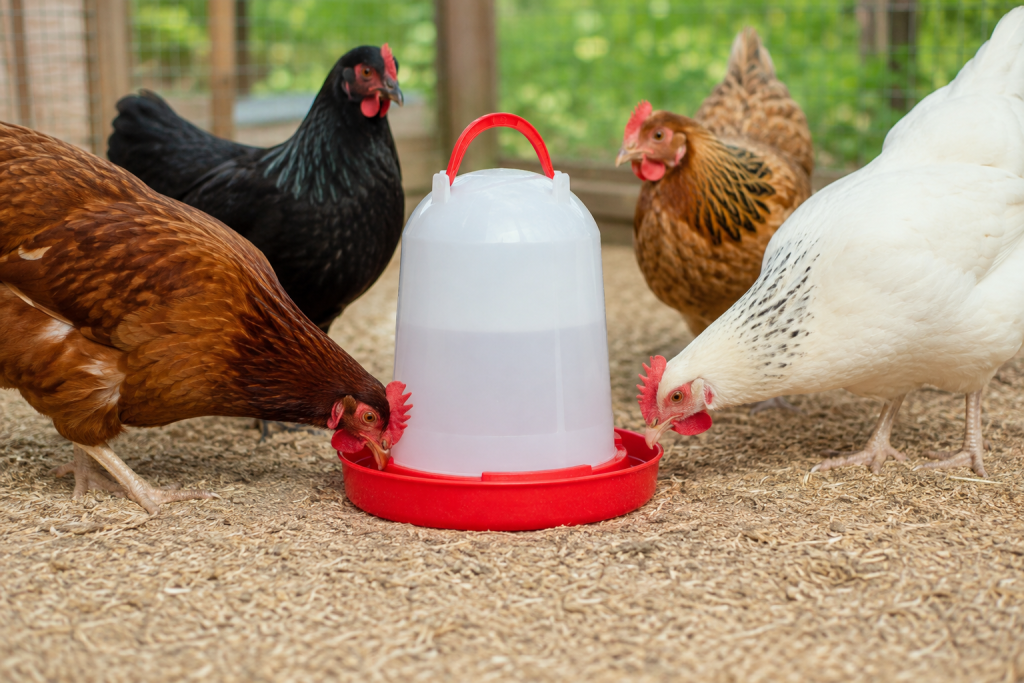
    Chicken Waterers are a basic but essential part of a healthy backyard flock. In 2026, poultry keepers have more choices than ever, from simple hanging drinkers to automatic systems. The right waterer keeps clean water available, reduces waste, and makes daily chicken care easier.

    For US backyard chicken owners, reliable water access matters in every season. Chickens can become stressed when water runs out, gets dirty, or freezes. Therefore, choosing practical Chicken Waterers can support better flock health and simplify your daily routine.

    Why Chicken Waterers Matter

    Clean drinking water supports digestion, temperature control, and normal egg production. However, an open bowl can quickly collect bedding, feathers, dirt, and droppings. Well-designed Chicken Waterers help protect the supply from common coop mess.

    Additionally, a good setup can reduce spills. Less spilled water means drier bedding and fewer muddy areas around the coop. As a result, your flock can enjoy a cleaner and more comfortable space.

    Key Features to Consider

    Capacity and Flock Size

    Start by matching the capacity of your Chicken Waterers to the number of birds you keep. A small flock may need only a compact drinker, while larger flocks need more capacity or multiple stations.

    • 3–5 chickens: Small or medium capacity
    • 6–12 chickens: Medium or large capacity
    • 13+ chickens: Multiple water stations may work best

    However, always check the water level during hot weather because chickens may drink much more.

    Material and Durability

    Look for sturdy plastic, galvanized metal, or other poultry-safe materials. Plastic models are often lightweight and easy to clean. Metal options can provide excellent durability, although they may cost more.

    Also, choose Chicken Waterers with smooth surfaces and easy access. This makes routine cleaning faster and helps prevent buildup.

    Automatic Chicken Watering Systems

    Automatic chicken watering systems can save time for busy owners. These systems connect to a water source and refill drinkers as needed. However, they require proper setup and regular checks for leaks, blockages, and dirty components.

    Types of Chicken Waterers

    Hanging Waterers

    Hanging models sit above the ground, which helps reduce contact with bedding and dirt. They work well in many backyard coops and are easy to reposition.

    Poultry Nipple Drinkers

    Poultry nipple drinkers release small amounts of water when chickens peck the valve. They can keep water cleaner and reduce splashing. However, young birds may need time to learn how to use them.

    Heated Waterers

    Cold-climate keepers may consider a heated chicken waterer during freezing weather. These models help prevent ice from blocking access to drinking water. Always follow the manufacturer’s safety instructions when using electricity near a coop.

    Buying Guide for 2026

    Before buying Chicken Waterers, compare the following points:

    1. Choose capacity based on flock size.
    2. Select a design that is easy to clean.
    3. Check whether replacement parts are available.
    4. Consider weather conditions in your area.
    5. Look for stable construction that resists tipping.
    6. Pick a location that keeps water shaded and accessible.

    For product specifications and poultry-care information, add a trusted external link here:

    Common Mistakes to Avoid

    Even the best Chicken Waterers can fail when owners overlook basic care. Avoid placing the drinker directly under a perch because droppings can contaminate the water. Also, do not fill a container beyond its stable level if it easily tips.

    Another common mistake is using one water station for a large flock. Dominant birds may block access, leaving smaller or weaker chickens without enough water. Therefore, multiple stations can be a smart solution.

    Maintenance and Care Tips

    Clean your Chicken Waterers regularly, especially during warm weather. Empty old water, scrub the container, rinse it well, and refill it with fresh water.

    Additionally, inspect nipples, valves, seals, and connections for leaks. During winter, check for ice. During summer, move water away from direct sunlight when possible.

    Keep the surrounding bedding dry as well. If the ground becomes wet, improve drainage or move the station to a cleaner location.

    Conclusion

    Choosing the right Chicken Waterers can make daily flock care easier and help keep drinking water cleaner. Focus on capacity, durability, cleaning, weather protection, and easy access. In 2026, compare your options carefully, then choose a setup that matches your flock and climate. Start with a reliable water system today and make clean hydration a consistent part of your chicken-care routine.

  • Chicken Feeders: Best Types and Buying Guide 2026

    Chicken Feeders: Best Types and Buying Guide 2026

    Chicken Feeders: Best Types and Buying Guide 2026

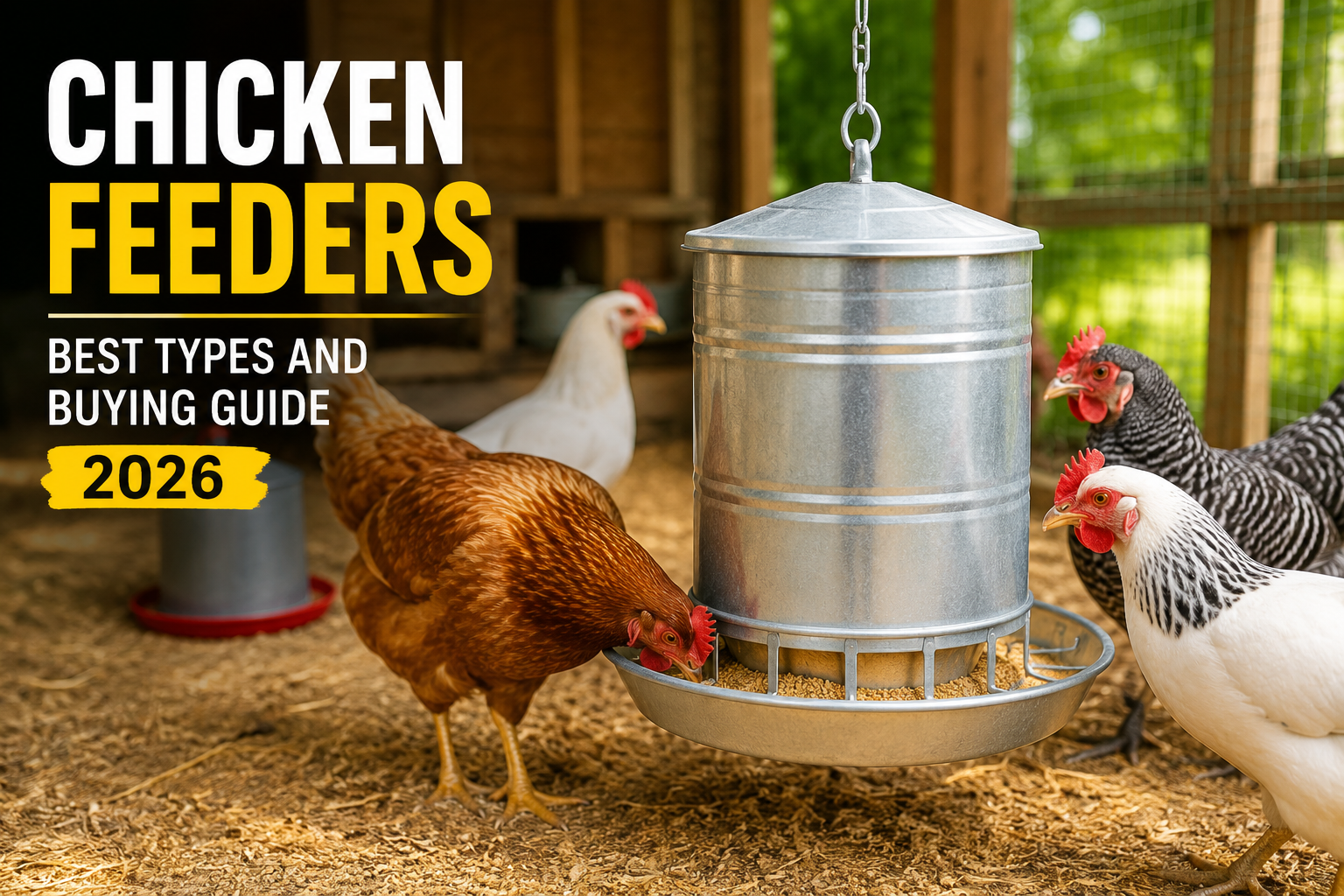
    Choosing the right Chicken Feeders can make daily poultry care easier, cleaner, and more affordable. In 2026, backyard chicken owners and small poultry keepers are looking for feeders that reduce waste while keeping feed fresh and protected.

    A good feeder does more than hold food. It can help prevent contamination, limit spilled feed, and give every bird better access to its daily ration. Therefore, choosing the right design is an important part of responsible chicken keeping.

    Why Chicken Feeders Matter

    Feed is one of the biggest ongoing costs for poultry owners. As a result, reducing unnecessary waste can save money over time. The University of Minnesota Extension notes that feeder designs with inward-curved sides can make it harder for chickens to scatter feed.

    Additionally, feeder placement affects cleanliness. A raised or hanging feeder can reduce the amount of bedding and manure that enters the feed.

    The best Chicken Feeders should:

    • Keep feed dry and protected.
    • Reduce spilling and scratching.
    • Give all birds enough feeding space.
    • Be easy to refill and clean.
    • Match the size and age of your chickens.

    Key Features to Consider

    1. Size and Feeding Space

    Choose a feeder based on flock size and bird age. For example, young chicks need smaller equipment that they can easily reach.

    As birds grow, increase their available feeder space. UMN Extension recommends about 1 linear inch per chick initially and more space as pullets grow.

    2. Height and Design

    The feeder should sit around the appropriate height for your chickens. A hanging chicken feeder can also discourage birds from standing inside the feed container.

    Furthermore, adjustable designs allow you to raise the feeder as the flock grows. This can help reduce contamination and feed waste.

    3. Material and Durability

    Plastic feeders are usually lightweight and easy to clean. However, metal options can provide greater durability for some poultry setups.

    Look for strong construction, smooth surfaces, and parts that are easy to remove for cleaning.

    Types of Chicken Feeders

    Tube and Hanging Feeders

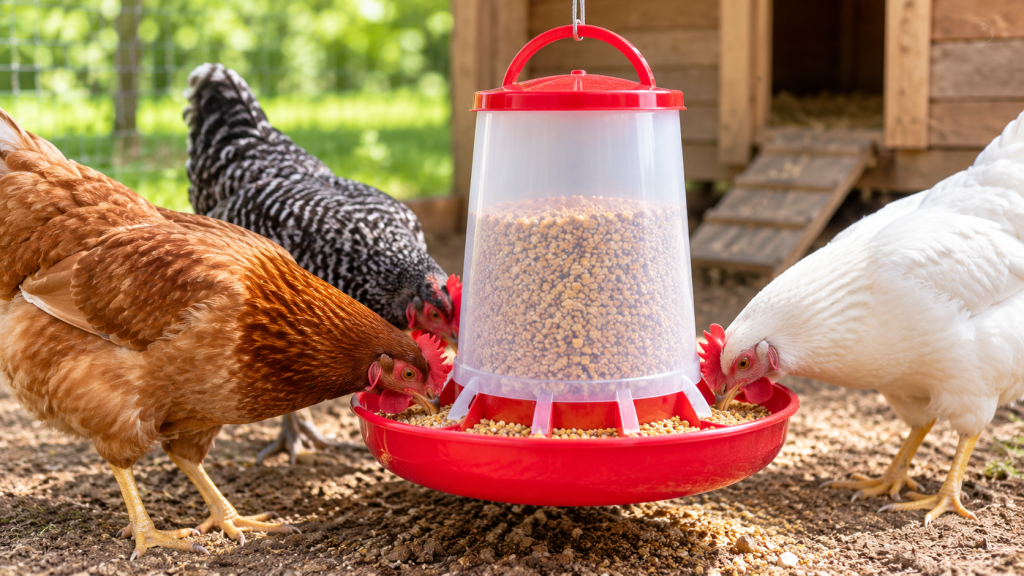
    Tube feeders are popular because they can hold a useful amount of feed while taking up limited floor space. They work particularly well with pellets and crumbles.

    Hanging models can also be adjusted as chickens grow. Therefore, they are a practical choice for many backyard flocks.

    Trough Feeders

    Trough feeders provide a long feeding area, making them useful when several chickens need access at the same time.

    However, open troughs can allow chickens to scratch feed onto the ground. Choose a design with a suitable lip or guard to limit waste.

    Automatic Chicken Feeders

    Automatic chicken feeders can help owners who cannot refill feed every day. Some models use timed mechanisms, while others provide larger storage capacity.

    Additionally, automatic systems can reduce the need for frequent manual feeding. However, always check the mechanism regularly to make sure feed continues to flow correctly.

    No-Waste Chicken Feeders

    A no-waste chicken feeder focuses on reducing spillage and scratching. Designs with protective openings or inward-curved sides can help keep feed inside the container.

    For many backyard owners, this type can provide better value because less feed ends up in the litter.

    How to Choose the Best Chicken Feeders

    Before buying, consider these five points:

    1. Flock size: Choose enough feeding space for every bird.
    2. Bird age: Select equipment that chicks and adult chickens can reach safely.
    3. Feed type: Make sure the feeder works well with mash, pellets, or crumbles.
    4. Location: Keep feed protected from rain, moisture, wild birds, and pests.
    5. Cleaning: Select a design that is easy to empty, wash, and inspect.

    Common Chicken Feeder Mistakes to Avoid

    Even good Chicken Feeders can cause problems when used incorrectly.

    Avoid these common mistakes:

    • Filling the feeder completely when chickens waste large amounts.
    • Leaving old or damp feed inside.
    • Placing feeders directly on dirty bedding.
    • Using a feeder that is too small for the flock.
    • Ignoring spilled feed around the coop.
    • Choosing a design that does not suit the type of feed.

    UMN Extension recommends keeping feeders clean and protecting them from wild birds as part of good poultry biosecurity.

    Chicken Feeder Maintenance Tips

    Clean your Chicken Feeders regularly and remove old feed before adding fresh feed. Check for moisture, mold, cracks, or blocked feeding openings.

    Also, clean the surrounding area when feed spills. This helps discourage pests and keeps the chicken area more hygienic.

    Store extra feed in a moisture-proof, animal-proof container. This is especially important because damp or spoiled feed can lose quality.

    Final Thoughts

    The best Chicken Feeders should match your flock size, chicken age, feed type, and daily routine. Whether you choose a hanging model, tube feeder, trough, automatic system, or no-waste design, focus on cleanliness, durability, accessibility, and waste reduction.

    In 2026, smarter feeder choices can make backyard poultry care simpler and more efficient. Choose the right Chicken Feeders for your flock, keep them clean, and check them regularly for safe and reliable feeding.

  • Chicken Run Ideas 2026: Smart Backyard Designs

    Chicken Run Ideas 2026: Smart Backyard Designs

    Chicken Run Ideas 2026: Smart Backyard Designs

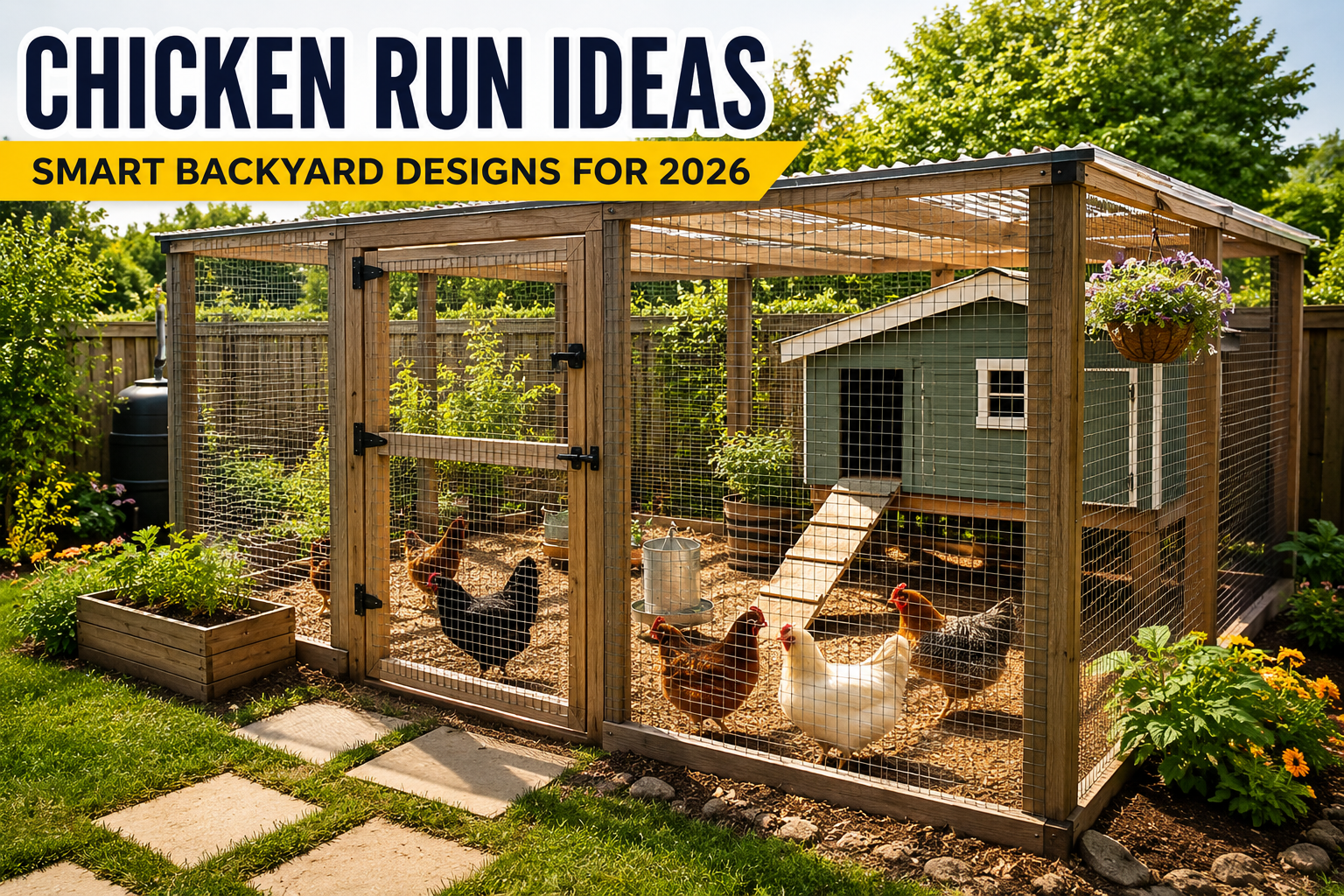
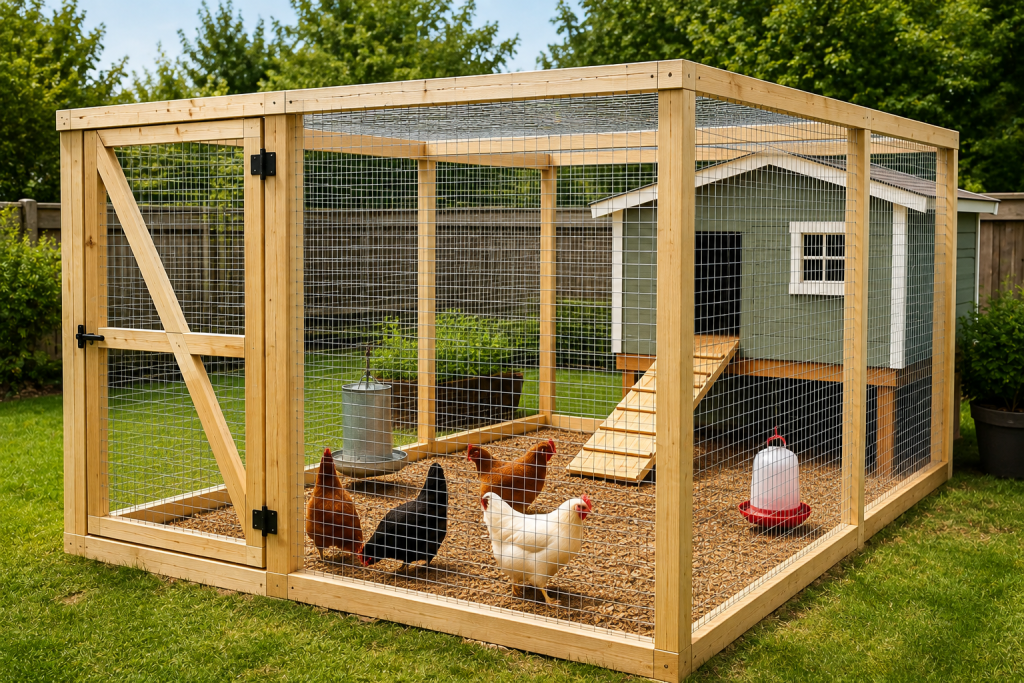
    Chicken Run Ideas can transform a basic backyard setup into a safer, cleaner, and more enjoyable space for your flock. In 2026, chicken keepers worldwide are choosing practical designs that protect birds while giving them room to scratch, dust-bathe, and explore. Whether you have three hens or a larger flock, the right run can improve daily care.

    Why Chicken Run Ideas Matter

    A well-planned run does more than keep chickens inside, which is why chicken run ideas should focus on safety and comfort. It protects birds from predators and supports natural behavior. Additionally, a good design makes feeding and cleaning easier.

    For backyard owners, useful chicken run ideas can make a small yard work better.

    Safety and Comfort

    Start with strong fencing and a secure roof. Hardware cloth is generally stronger than ordinary chicken wire for predator protection. Also, inspect the bottom edge for gaps where animals could dig underneath.

    Provide shade, dry ground, fresh water, and shelter.

    Best Chicken Run Ideas for 2026

    Among chicken run ideas, the best design depends on flock size, yard space, climate, and budget. However, several options work well for many backyard setups.

    1. Covered Chicken Run

    A covered run protects chickens from rain and strong sunlight. Add a waterproof roof over one section while leaving another area open for sunlight.

    2. Walk-In Chicken Run

    A walk-in design gives you room to enter safely. Therefore, cleaning, collecting eggs, and checking birds become easier.

    3. Mobile Chicken Run

    A mobile run can move across grass or garden areas. This gives chickens fresh ground while spreading manure more evenly. Additionally, moving the enclosure can reduce wear on one patch of soil.

    4. Predator-Proof Chicken Run

    Use strong mesh, secure latches, and buried fencing around vulnerable edges. A predator-proof chicken run should also have an overhead barrier when aerial predators are a concern. Check doors daily because small openings create serious risks.

    Key Features to Consider

    Size and Space

    Give your flock enough room to move naturally. Crowding can increase stress and fighting. Measure the area before buying materials, and plan space for feeders, drinkers, dust baths, and resting spots.

    Ground and Drainage

    Good drainage is essential. Avoid areas where rainwater collects because constant moisture creates muddy conditions.

    Enrichment

    Chickens enjoy scratching, pecking, climbing, and dust bathing. Add logs, branches, safe perches, hanging vegetables, or a dedicated dust-bath area. These features make the enclosure more stimulating.

    How to Choose the Right Chicken Run

    Before building or buying, compare chicken run ideas against your space, flock, and budget:

    1. Count your chickens and estimate future flock growth.
    2. Measure the space available in your yard.
    3. Identify local predators and weather risks.
    4. Choose materials that match your budget and climate.
    5. Plan easy access for cleaning and maintenance.
    6. Check local rules for poultry keeping.

    Common Mistakes to Avoid

    Even attractive chicken run ideas can fail when basic details get overlooked. Avoid weak fencing, uncovered food, poor drainage, sharp edges, and overcrowding. Also, do not place the run where it stays wet all day.

    Avoid designs that look good but make cleaning difficult. Prioritize access, airflow, shade, and simple maintenance. For additional poultry care guidance, visit.

    Maintenance Tips

    Good chicken run ideas also include a simple maintenance routine. Inspect the run at least once a week. Look for loose mesh, damaged roofing, broken locks, holes, and muddy areas. Additionally, clean feeders and drinkers regularly.

    Refresh dusty or muddy sections when needed, and rotate mobile runs if the ground becomes worn. Finally, check the enclosure after storms or extreme weather.

    Conclusion

    The right chicken run can improve flock safety, comfort, and daily management. From covered and walk-in designs to mobile and predator-resistant options, there is a practical choice for almost every backyard. Use these chicken run ideas to create a secure space that fits your birds, budget, climate, and yard. Start with safety, drainage, space, and easy maintenance, then add enrichment features that keep your flock active.

  • Brooders for Chicks: 2026 Guide to Safe Brooding

    Brooders for Chicks: 2026 Guide to Safe Brooding

    Brooders for Chicks: 2026 Guide to Safe Brooding

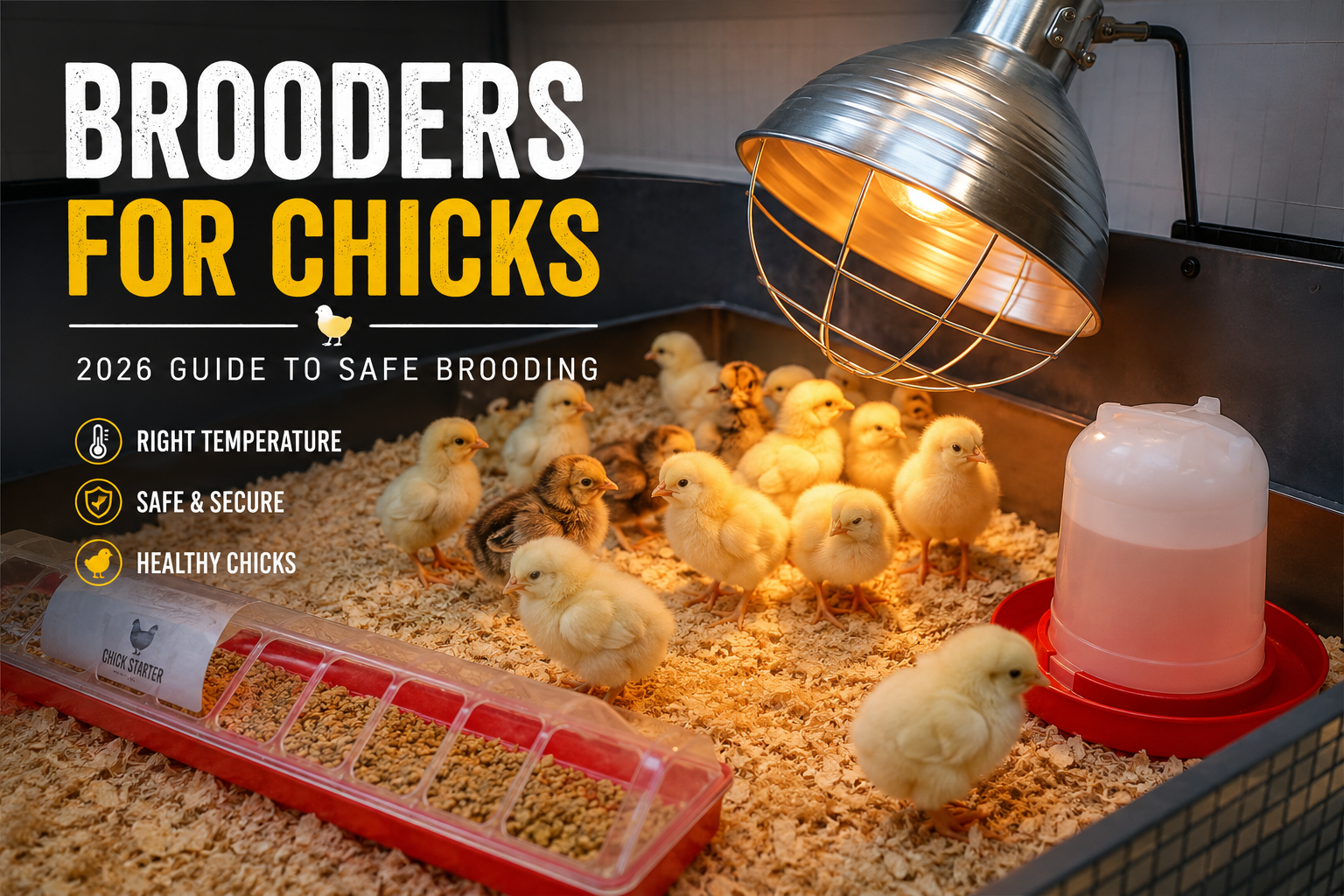
    Raising baby chickens can be exciting, but the first few weeks need careful attention. Brooders for Chicks provide the warmth, shelter, and controlled environment young birds need while they develop. For US backyard keepers, small farmers, and poultry owners worldwide, choosing the right brooder can make a major difference in chick survival and growth.

    In 2026, poultry keepers have more options than ever, from traditional heat lamps to electric heating panels. However, good brooding still depends on safe temperatures, clean equipment, enough space, fresh water, and proper feed.

    Why Brooders for Chicks Matter

    Newly hatched chicks cannot control their body temperature well during their early days. Therefore, they need an external heat source until they develop enough feathers.

    A properly prepared brooder helps:

    • Maintain a stable temperature
    • Protect chicks from drafts and predators
    • Give birds easy access to food and water
    • Reduce crowding and piling
    • Provide a clean, dry place to grow

    According to Penn State Extension, chicks should generally have about 92–95°F at chick level during the first week. The temperature can then decrease by about 5°F each week.

    Key Features of Brooders for Chicks

    Temperature Control

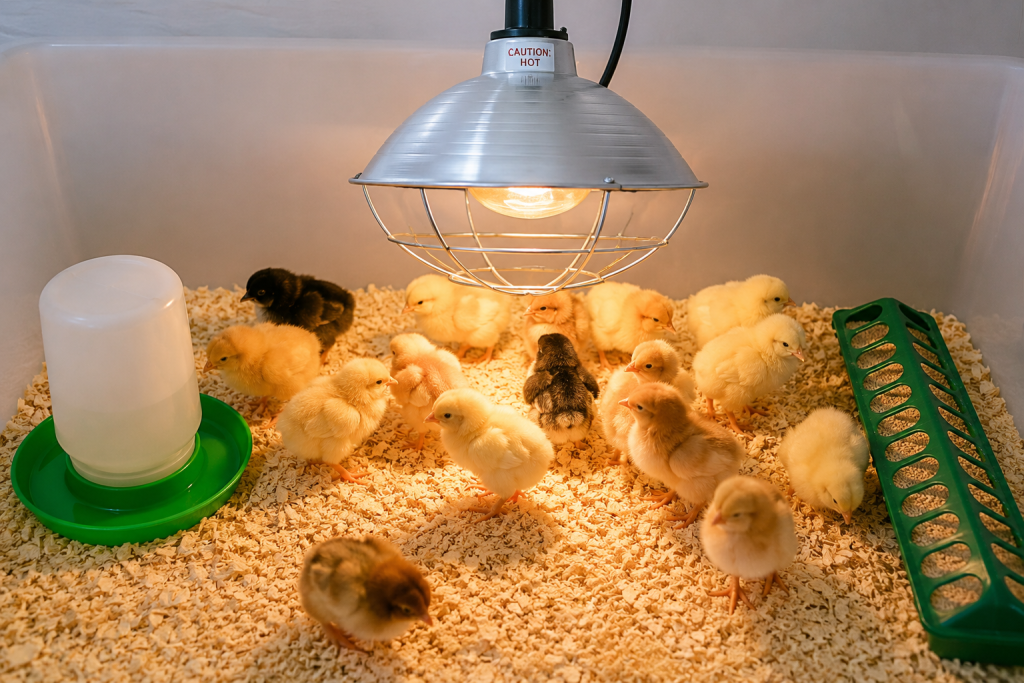
    Temperature is one of the most important parts of a chicken brooder setup. Measure the heat at chick level rather than relying only on the room temperature.

    Watch chick behavior as well. If birds crowd tightly under the heat source, they may be cold. Conversely, if they move far away from the heat, they may be too warm. Comfortable chicks usually spread evenly around the heated area.

    Safe Heat Source

    A brooder heat lamp remains a popular option, but it must be secured properly. Electric heating panels and other approved heating systems can also provide controlled warmth.

    Additionally, keep heat sources away from flammable materials. Never depend on an unstable lamp or loose electrical cord.

    Space and Ventilation

    Chicks need enough room to move toward or away from heat. Therefore, avoid overcrowding the brooder as the birds grow.

    Penn State recommends increasing floor space as chicks age, starting at about ¼ square foot per bird during the first week and increasing it during later weeks.

    Ventilation also matters. However, avoid direct drafts across the chicks.

    Types of Brooders for Chicks

    Heat Lamp Brooders

    Heat lamps are widely used because they can produce substantial heat for groups of chicks. However, they require careful installation and monitoring.

    For extra protection, some poultry guides recommend having more than one heat source so chicks are not left without heat if one lamp fails.

    Electric Heating Panel Brooders

    Heating panels provide a different approach. Chicks can move underneath the warm surface when they need heat and then move away when they are comfortable.

    As a result, these systems can offer a practical option for smaller backyard flocks.

    DIY Box Brooders

    A simple wooden or plastic brooder can work well for a small flock. The design should provide:

    • A secure heat source
    • Dry, absorbent bedding
    • Fresh water
    • Chick starter feed
    • Good ventilation
    • Protection from drafts

    Buying Guide: How to Choose

    Before buying Brooders for Chicks, consider these factors:

    1. Flock size: Choose equipment with enough capacity for your number of birds.
    2. Temperature control: Look for reliable adjustment and monitoring.
    3. Safety: Select stable equipment designed for poultry use.
    4. Cleaning: Smooth, accessible surfaces make sanitation easier.
    5. Energy use: Compare electricity or fuel requirements.
    6. Expansion: Make sure the brooder can accommodate growing chicks.

    Additionally, prepare the brooder before the chicks arrive. Penn State Extension recommends setting up and warming the brooding area in advance so the equipment and floor reach the correct temperature.

    Common Brooder Mistakes to Avoid

    Even a good brooder can fail because of poor management. Avoid these common mistakes:

    • Overheating chicks
    • Allowing cold drafts
    • Using slippery flooring
    • Keeping feeders directly beneath the heat source
    • Providing too little space
    • Leaving dirty waterers
    • Ignoring unusual chick behavior

    Wet litter should also be removed promptly. Furthermore, young chicks should receive a suitable starter feed rather than adult layer feed.

    Maintenance and Care Tips

    Check Brooders for Chicks several times each day, especially during the first week. Observe whether chicks eat, drink, move normally, and spread comfortably around the heat.

    Clean waterers regularly and keep bedding dry. As chicks grow, increase their available floor, feeder, and water space.

    Before bringing in a new batch, thoroughly clean and disinfect previously used brooding equipment. Penn State recommends preparing equipment well before chicks arrive.

    Conclusion

    The right Brooders for Chicks can give young poultry a warm, safe start during their most vulnerable weeks. In 2026, poultry keepers can choose from heat lamps, heating panels, and DIY systems, but safe temperature control and daily observation remain essential.

    Choose equipment based on flock size, safety, energy use, and ease of cleaning. Most importantly, watch the chicks themselves because their behavior often provides the clearest sign that the brooder temperature is right.

    Ready to raise healthier chicks? Choose Brooders for Chicks that provide reliable warmth, enough space, and a safe environment from day one.