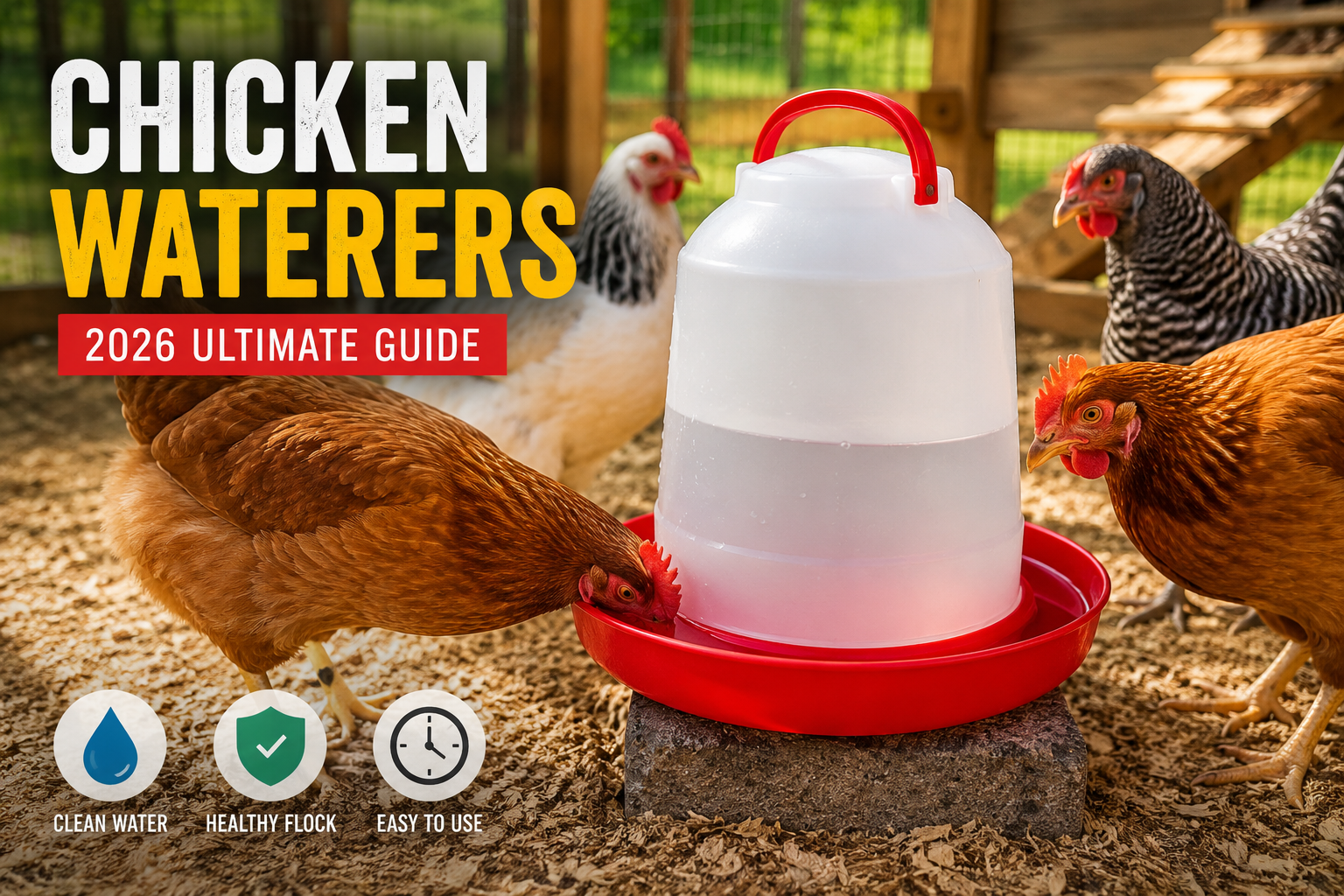
Chicken Waterers: A 2026 Guide for Healthy Flocks
Chicken Waterers are a basic but essential part of a healthy backyard flock. In 2026, poultry keepers have more choices than ever, from simple hanging drinkers to automatic systems. The right waterer keeps clean water available, reduces waste, and makes daily chicken care easier.
For US backyard chicken owners, reliable water access matters in every season. Chickens can become stressed when water runs out, gets dirty, or freezes. Therefore, choosing practical Chicken Waterers can support better flock health and simplify your daily routine.
Why Chicken Waterers Matter
Clean drinking water supports digestion, temperature control, and normal egg production. However, an open bowl can quickly collect bedding, feathers, dirt, and droppings. Well-designed Chicken Waterers help protect the supply from common coop mess.
Additionally, a good setup can reduce spills. Less spilled water means drier bedding and fewer muddy areas around the coop. As a result, your flock can enjoy a cleaner and more comfortable space.
Key Features to Consider
Capacity and Flock Size
Start by matching the capacity of your Chicken Waterers to the number of birds you keep. A small flock may need only a compact drinker, while larger flocks need more capacity or multiple stations.
- 3–5 chickens: Small or medium capacity
- 6–12 chickens: Medium or large capacity
- 13+ chickens: Multiple water stations may work best
However, always check the water level during hot weather because chickens may drink much more.
Material and Durability
Look for sturdy plastic, galvanized metal, or other poultry-safe materials. Plastic models are often lightweight and easy to clean. Metal options can provide excellent durability, although they may cost more.
Also, choose Chicken Waterers with smooth surfaces and easy access. This makes routine cleaning faster and helps prevent buildup.
Automatic Chicken Watering Systems
Automatic chicken watering systems can save time for busy owners. These systems connect to a water source and refill drinkers as needed. However, they require proper setup and regular checks for leaks, blockages, and dirty components.
Types of Chicken Waterers
Hanging Waterers
Hanging models sit above the ground, which helps reduce contact with bedding and dirt. They work well in many backyard coops and are easy to reposition.
Poultry Nipple Drinkers
Poultry nipple drinkers release small amounts of water when chickens peck the valve. They can keep water cleaner and reduce splashing. However, young birds may need time to learn how to use them.
Heated Waterers
Cold-climate keepers may consider a heated chicken waterer during freezing weather. These models help prevent ice from blocking access to drinking water. Always follow the manufacturer’s safety instructions when using electricity near a coop.
Buying Guide for 2026
Before buying Chicken Waterers, compare the following points:
- Choose capacity based on flock size.
- Select a design that is easy to clean.
- Check whether replacement parts are available.
- Consider weather conditions in your area.
- Look for stable construction that resists tipping.
- Pick a location that keeps water shaded and accessible.
For product specifications and poultry-care information, add a trusted external link here:
Common Mistakes to Avoid
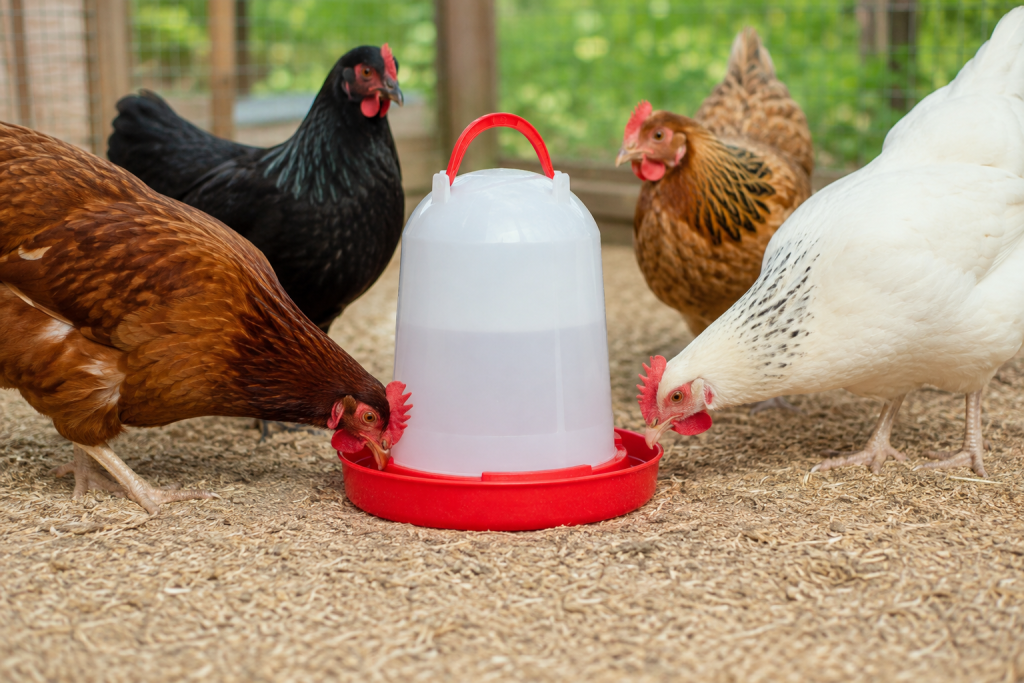
Even the best Chicken Waterers can fail when owners overlook basic care. Avoid placing the drinker directly under a perch because droppings can contaminate the water. Also, do not fill a container beyond its stable level if it easily tips.
Another common mistake is using one water station for a large flock. Dominant birds may block access, leaving smaller or weaker chickens without enough water. Therefore, multiple stations can be a smart solution.
Maintenance and Care Tips
Clean your Chicken Waterers regularly, especially during warm weather. Empty old water, scrub the container, rinse it well, and refill it with fresh water.
Additionally, inspect nipples, valves, seals, and connections for leaks. During winter, check for ice. During summer, move water away from direct sunlight when possible.
Keep the surrounding bedding dry as well. If the ground becomes wet, improve drainage or move the station to a cleaner location.
Conclusion
Choosing the right Chicken Waterers can make daily flock care easier and help keep drinking water cleaner. Focus on capacity, durability, cleaning, weather protection, and easy access. In 2026, compare your options carefully, then choose a setup that matches your flock and climate. Start with a reliable water system today and make clean hydration a consistent part of your chicken-care routine.
Leave a Reply