Category: Uncategorized

  • Egg-Laying Pattern Track: 2026 Update

    Egg-Laying Pattern Track: 2026 Update

    Introduction

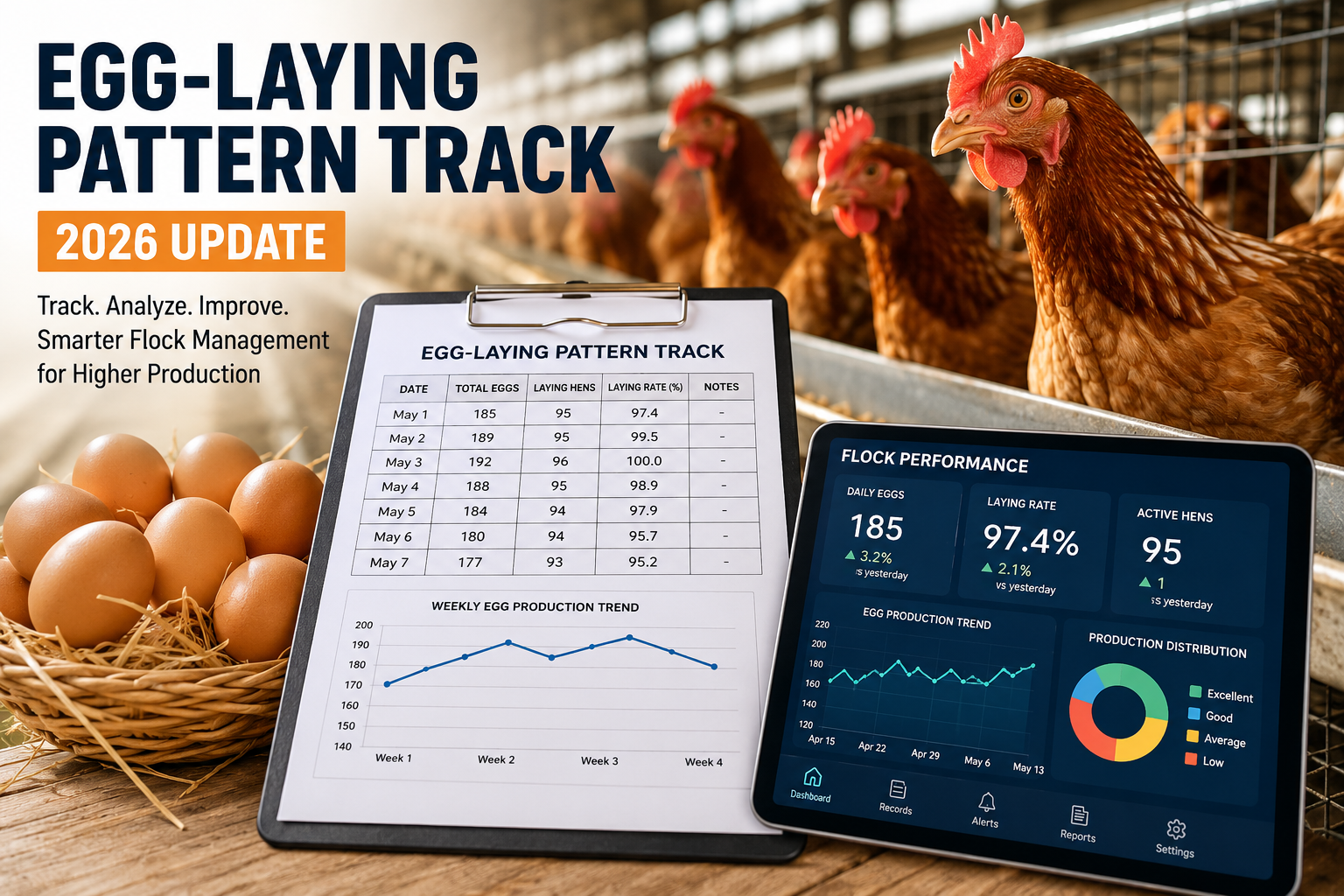
    Egg-Laying Pattern Track is becoming a practical way to understand flock performance in 2026. For US backyard keepers, small farms, and commercial producers, a simple record can show when hens lay, when output falls, and when a change needs attention. Worldwide, better production data also matters as egg supply and prices continue to shift.

    Why Egg-Laying Pattern Track Matters in 2026

    An Egg-Laying Pattern Track turns daily egg counts into useful trends. Instead of looking at one day’s total, farmers can compare output across weeks, seasons, flock ages, weather conditions, feed changes, and housing systems.

    The latest research also points toward smarter monitoring. A 2026 study found that machine-learning models can forecast reduced egg-production days in free-range flocks, showing how historical farm data can support earlier decisions.

    USDA’s August 2026 outlook says table-egg production in the second quarter was slightly below the previous projection, while egg-price forecasts were revised higher for 2026 and 2027.

    Egg-Laying Pattern Track: Key Factors

    1. Daily Egg Production

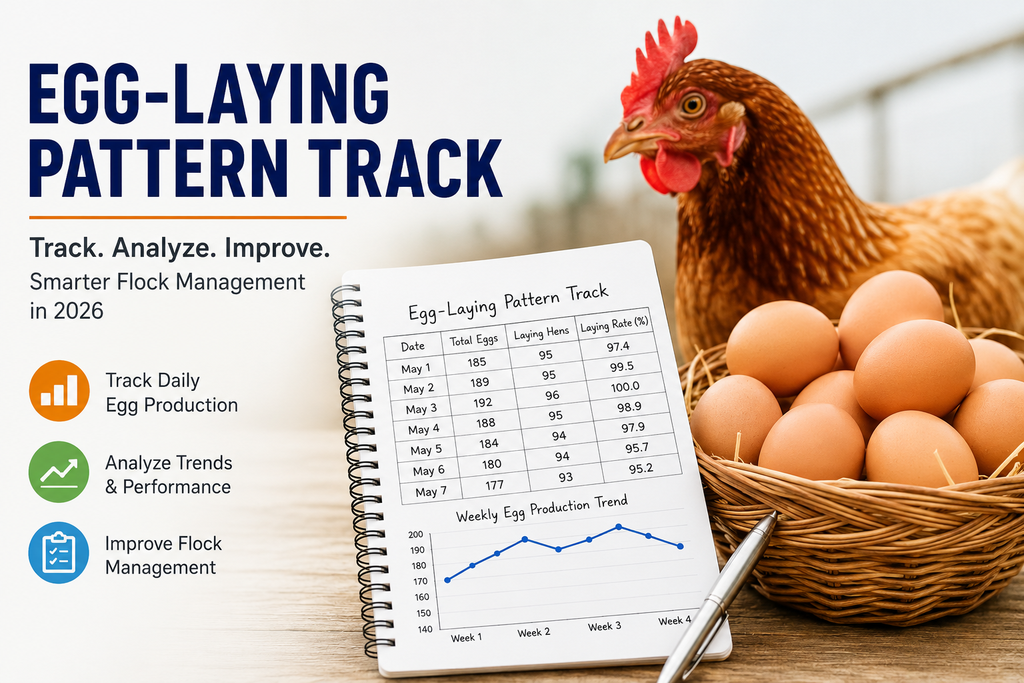
    Use Egg-Laying Pattern Track records to record total eggs every day. Also note the number of active layers. This lets you calculate the laying rate and spot sudden changes.

    2. Feed and Water Intake

    Feed intake can affect output. Therefore, record major feed changes, water interruptions, and unusual consumption.

    3. Age and Flock Stage

    Hens do not maintain the same output forever. Egg numbers usually rise after the start of lay, reach a stronger production period, and then decline. As a result, age should always sit beside production data.

    4. Weather and Housing

    Heat, cold, lighting, ventilation, and housing conditions can influence behavior and production. Modern precision poultry systems increasingly combine environmental sensors, cameras, and AI to monitor flocks continuously. [External Link: Precision Poultry Technology Guide]

    Egg-Laying Pattern Track: System Types

    Manual Farm Records

    A notebook or spreadsheet remains the simplest option. It works well for backyard flocks and small farms because the cost is low and the data stays easy to review.

    Digital Tracking

    Mobile apps and spreadsheets can calculate weekly averages, laying rates, and alerts. However, consistent data entry matters more than the software itself.

    AI and Sensor Tracking

    Larger operations can use cameras, sensors, and automated data collection. In 2026, research is expanding into computer vision for locating cage-free hens and automated behavior recognition.

    Buying and Decision Guide

    Before choosing a tracking system, check these points:

    1. Flock size and number of houses.
    2. Manual or automated data entry.
    3. Internet and device availability.
    4. Ability to export records.
    5. Cost per flock or per month.
    6. Alerts for sudden production changes.
    7. Privacy, security, and data ownership.

    For small flocks, an Egg-Laying Pattern Track spreadsheet may be enough. For larger farms, automation can save labor and provide faster warnings.

    Common Mistakes to Avoid

    An Egg-Laying Pattern Track only works when records remain consistent. Avoid changing measurement methods halfway through a cycle.

    Also, avoid judging performance from one low day. Instead, compare rolling averages and look for repeated changes. Finally, do not treat an alert as a diagnosis. A drop in eggs can have many causes, including feed, stress, disease, lighting, age, or weather.
    Maintenance and Care Tips

    Review your Egg-Laying Pattern Track at least once a week. Mark unusual events, such as heat waves, feed changes, illness, flock movement, or equipment failures.

    Additionally, back up digital records and keep dates clear. For automated systems, check cameras, sensors, network connections, and data quality regularly.

    The goal is not simply to collect more numbers. The goal is to turn reliable records into better flock management.

    2026 Outlook: What Comes Next?

    The direction is clear: egg production monitoring is moving from basic counting toward prediction. Recent research shows that multi-farm data, computer vision, environmental sensing, and machine learning can help producers understand production and flock behavior earlier.

    Conclusion

    An Egg-Laying Pattern Track gives farmers a simple starting point for smarter production decisions. In 2026, new forecasting and monitoring tools are making those records more powerful. Start with accurate daily counts, add key farm conditions, and review the trend regularly. Then choose technology that fits your flock, budget, and goals.
  • Apartment Balcony Chicken Keeping: 2026 Guide

    Apartment Balcony Chicken Keeping: 2026 Guide

    Apartment Balcony Chicken Keeping: A 2026 Guide

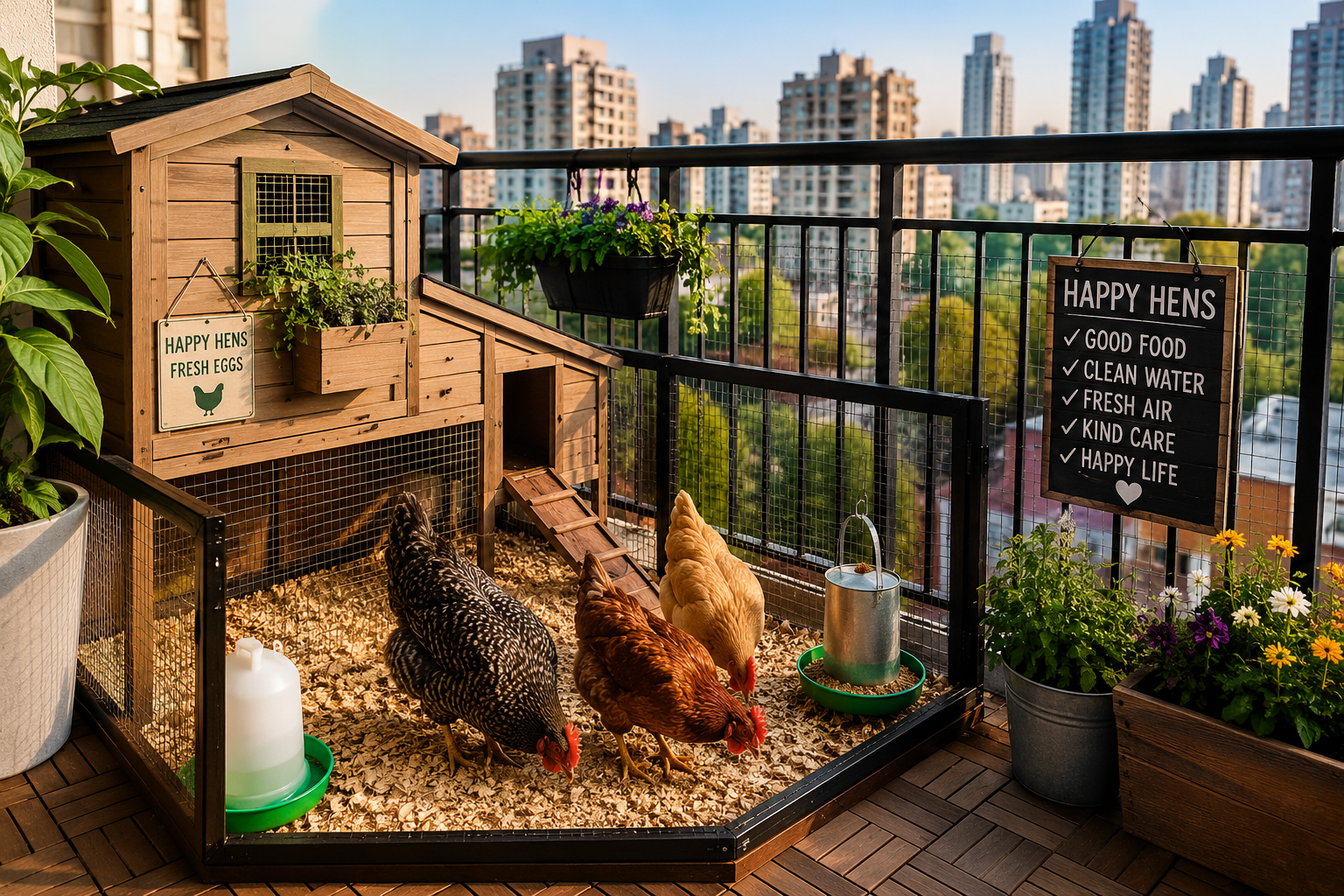
    Apartment Balcony Chicken Keeping may sound like an unusual idea, but interest in urban poultry is growing. However, keeping chickens on a balcony is very different from keeping them in a backyard. Chickens need room to move, clean air, suitable shelter, enrichment, fresh water, and companionship.

    Before bringing hens home, check your building rules, rental agreement, local laws, and animal-welfare requirements. Additionally, make sure your balcony can safely support the equipment and birds.

    Why Apartment Balcony Chicken Keeping Matters

    Chickens are active and social animals. They need opportunities to walk, perch, forage, scratch, and dustbathe. The RSPCA recommends suitable housing, outdoor space, enrichment, fresh water, and regular health checks for pet chickens.

    Therefore, Apartment Balcony Chicken Keeping should never mean placing a chicken inside a small cage all day.

    Potential benefits include:

    • Fresh eggs when hens are healthy and laying.
    • A rewarding way to learn about poultry care.
    • Companionship from friendly hens.
    • An opportunity to practise responsible urban animal care.

    However, these benefits only matter when the birds’ welfare comes first.

    Apartment Balcony Chicken Keeping: Key Factors

    1. Check Rules Before Buying Chickens

    This is the first step in Apartment Balcony Chicken Keeping.

    Check:

    • Local council or municipal regulations.
    • Building or apartment association rules.
    • Your rental agreement.
    • Noise restrictions.
    • Animal welfare requirements.
    • Whether poultry registration applies in your country.

    For example, in Great Britain, keepers must register poultry with the Great Britain Poultry Register, including small backyard flocks.

    Because rules vary by location, use an official government or local-authority website as your final legal reference.

    2. Consider Balcony Space

    A balcony can quickly become too small for chickens. They need enough room to move naturally rather than spending their entire lives inside a compact coop.

    The RSPCA advises providing suitable housing and, where possible, at least 1 m² of housing space per bird, along with outdoor space for exercise and natural behaviours.

    Consequently, a tiny balcony may simply not be suitable.

    3. Choose the Right Housing

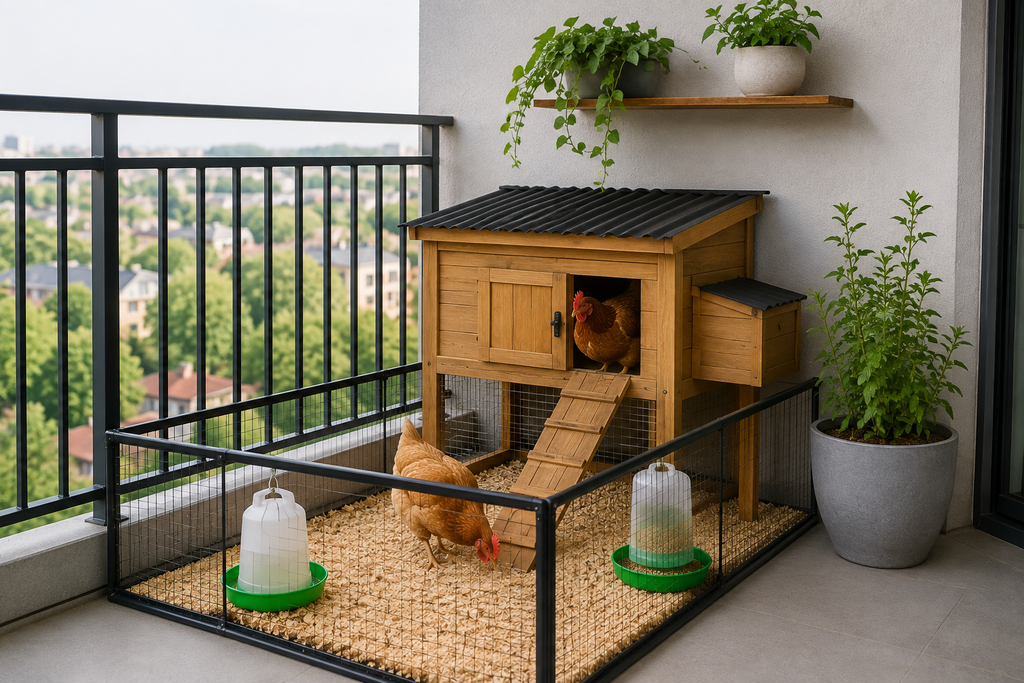
    A balcony chicken coop must provide:

    • Good ventilation.
    • Protection from rain and wind.
    • Shade during hot weather.
    • Secure doors and mesh.
    • Dry bedding.
    • Comfortable perches.
    • Suitable nesting space.

    Never use an airtight plastic container as a permanent chicken house. Good airflow helps maintain a healthier environment.

    Apartment Balcony Chicken Keeping: Suitable Options

    Small Hens

    Smaller or bantam breeds may appear more practical for urban environments. However, smaller birds still need appropriate space, enrichment, and social contact.

    Do not choose a breed simply because it is small. Consider temperament, noise, activity level, climate, and care requirements.

    A Balcony Coop and Secure Run

    If local rules and welfare requirements allow Apartment Balcony Chicken Keeping, a properly designed coop and run may provide a safer environment.

    The enclosure should prevent escapes and protect birds from predators. Additionally, feeders and drinkers should remain clean and sheltered.

    When a Balcony Is Not Suitable

    Sometimes the best decision is not to keep chickens at all.

    A balcony may be unsuitable if it:

    • Has very limited floor space.
    • Cannot safely support the required equipment.
    • Gets extreme heat or cold.
    • Has poor ventilation.
    • Cannot be securely enclosed.
    • Creates serious noise or hygiene concerns.
    • Does not provide enough room for normal chicken behaviour.

    In these situations, consider a community garden, allotment, or another appropriate poultry setup instead.

    Buying Guide for Apartment Chicken Keeping

    Before purchasing chickens or equipment, use this checklist:

    1. Confirm the rules.
    2. Measure the usable balcony area.
    3. Check structural and safety limitations.
    4. Plan the coop and secure run.
    5. Choose suitable hens.
    6. Prepare feeders and drinkers.
    7. Set up dry bedding and enrichment.
    8. Create a daily cleaning routine.
    9. Identify a poultry-friendly veterinarian.

    Most importantly, do not buy birds first and solve the housing problem later.

    Common Mistakes to Avoid

    Poor planning can make Apartment Balcony Chicken Keeping stressful for both people and birds.

    Avoid these common mistakes:

    • Keeping only one chicken when companionship is needed.
    • Using an undersized coop.
    • Ignoring building regulations.
    • Allowing droppings to accumulate.
    • Leaving water exposed to contamination.
    • Providing poor ventilation.
    • Keeping chickens in direct summer heat.
    • Choosing a breed based only on appearance.
    • Forgetting about noise and neighbours.
    • Treating chickens like decorative pets.

    Chickens are social animals. The RSPCA recommends keeping at least three compatible hens where possible, rather than keeping a solitary bird.

    Daily Care and Maintenance

    Successful Apartment Balcony Chicken Keeping requires consistent care.

    Every day, provide clean drinking water and appropriate poultry feed. Check the birds for changes in behaviour, appetite, feathers, droppings, and movement.

    Clean wet or dirty bedding quickly. Also, clean feeders and drinkers regularly to reduce hygiene problems.

    Give hens opportunities to perch, scratch, forage, and dustbathe. These activities support natural behaviour and can reduce boredom.

    Finally, monitor the balcony during extreme weather. A balcony can become much hotter than expected because of direct sunlight and surrounding walls.

    Conclusion

    Apartment Balcony Chicken Keeping can only work when space, welfare, safety, hygiene, and local rules all support it. A balcony should never be used as an excuse to keep chickens in cramped conditions.

    Before starting, research your local requirements and honestly assess your available space. If your balcony cannot provide a suitable environment, choose a more appropriate location instead.

    With responsible planning, proper housing, regular care, and the right setup, urban poultry owners can make better decisions for their birds in 2026.

  • Micro-Coops for Small Backyards: Smart Guide 2026

    Micro-Coops for Small Backyards: Smart Guide 2026

    Micro-Coops for Small Backyards: A Smart 2026 Guide

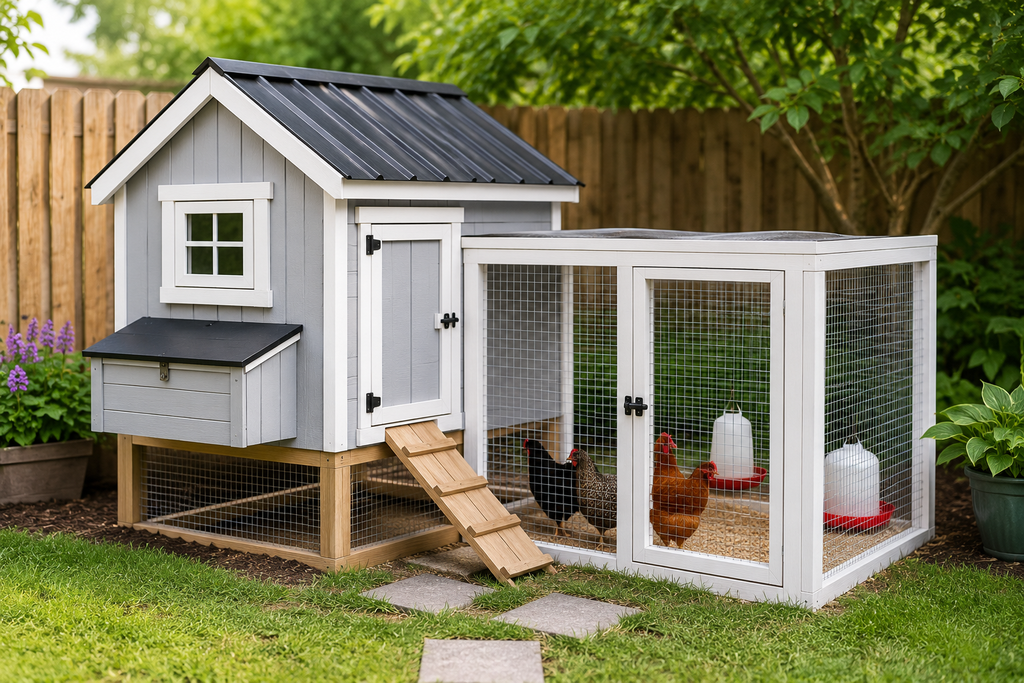
    Micro-Coops for Small Backyards are becoming a practical choice for people who want to keep a few chickens without using most of their outdoor space. In 2026, compact poultry housing can offer a balance between bird comfort, easy maintenance, and efficient backyard design.

    However, a small coop should never mean poor living conditions. Good ventilation, protection from predators, clean water, dry bedding, and enough room to move are essential. Additionally, local rules can limit flock size, coop placement, or rooster ownership, so always check your local regulations before buying or building.

    Why Micro-Coops for Small Backyards Matter

    The biggest advantage of Micro-Coops for Small Backyards is efficient use of space. A well-designed small backyard chicken coop can fit beside a garden, along a fence, or in another suitable outdoor area.

    Additionally, compact housing can make daily chores easier. Owners can clean bedding, collect eggs, refill feeders, and check birds without walking across a large poultry area.

    Other benefits include:

    • Lower material requirements
    • Easier cleaning and inspection
    • Better use of limited yard space
    • Simple access to nesting boxes
    • Easier integration with a protected run
    • Suitable designs for small flocks

    The key is to choose a design around the birds rather than simply choosing the smallest available structure.

    Key Features of Micro-Coops for Small Backyards

    1. Correct Space and Layout

    When planning Micro-Coops for Small Backyards, measure the available area first. Consider the coop, outdoor run, walking paths, drainage, and access for cleaning.

    Avoid placing the structure where rainwater collects. Likewise, leave enough working space around doors and removable panels.

    2. Ventilation and Light

    A compact coop needs strong airflow because small spaces can become humid quickly. Therefore, include ventilation openings that provide fresh air without creating direct drafts at bird level.

    Natural daylight can also support a comfortable environment. However, avoid relying on artificial light simply to increase egg production without understanding your flock’s needs.

    3. Predator Protection

    A space-saving chicken coop still needs strong security. Use sturdy hardware cloth, secure latches, and a properly protected run.

    In addition, inspect corners and gaps regularly. Small openings can become entry points for rodents, snakes, or other predators.

    4. Easy Cleaning

    Choose smooth, washable surfaces and removable nesting-box components. As a result, routine cleaning becomes faster and more practical.

    USDA guidance emphasizes removing manure and debris before cleaning and disinfecting poultry housing. It also recommends keeping equipment and footwear clean to reduce disease risks.

    Types of Micro-Coops for Small Backyards

    Stationary Compact Coops

    These are permanent structures designed for one location. They work well when you have a small but stable backyard space.

    Furthermore, stationary designs can include raised floors, storage areas, nesting boxes, and attached runs.

    Mobile Mini Coops

    Mobile designs can be moved around the yard. Therefore, they can help distribute manure and reduce wear on one section of grass.

    However, mobility should not reduce security. Make sure wheels lock firmly and that the structure remains stable during bad weather.

    Raised Compact Coops

    Raised models use vertical space efficiently. They can provide an elevated sleeping area while leaving useful space underneath.

    This style can be especially helpful for a narrow urban chicken housing setup.

    How to Choose the Right Micro-Coop

    Before buying or building Micro-Coops for Small Backyards, consider these questions:

    1. How many chickens will live there?
    2. How much usable yard space is available?
    3. Is there enough ventilation?
    4. Can you clean every part easily?
    5. Is the run protected from predators?
    6. Can feeders and waterers stay clean?
    7. Does the design suit your local weather?
    8. Does your local authority permit backyard poultry?

    Also, think about future expansion. A coop that works for a small flock today may become crowded if you add more birds later.

    Common Mistakes to Avoid

    Even attractive Micro-Coops for Small Backyards can fail when owners focus only on appearance.

    Avoid these common problems:

    • Choosing a coop that is too small
    • Blocking ventilation to keep the coop warm
    • Using weak chicken wire as the only predator barrier
    • Ignoring drainage
    • Placing the coop in direct extreme heat
    • Making cleaning difficult
    • Overcrowding the run
    • Ignoring local poultry regulations

    Additionally, do not forget biosecurity. USDA’s current 2026 guidance encourages flock owners to reduce contact with wild birds, keep equipment clean, protect feed from contamination, and monitor birds for illness.

    Maintenance Tips for Micro-Coops

    A simple maintenance routine can keep Micro-Coops for Small Backyards healthier and easier to manage.

    Check water and feed every day. Remove wet bedding and obvious manure regularly. Furthermore, inspect locks, fencing, roofing, and ventilation openings each week.

    Deep-clean the coop when necessary. Keep dedicated footwear and cleaning equipment for poultry areas when possible. These steps can reduce the chance of bringing harmful pathogens into the flock.

    Conclusion

    Micro-Coops for Small Backyards can make backyard chicken keeping practical even when outdoor space is limited. The best design combines efficient use of space with ventilation, security, cleanliness, and comfortable housing.

    In 2026, focus less on finding the tiniest coop and more on finding the right compact chicken coop for your flock and environment. Check local rules, plan the run carefully, and choose a design that you can maintain easily. A smart small coop can give both chickens and owners a safer, simpler backyard experience.

  • Winterizing Nesting Boxes Without Electricity: 2026

    Winterizing Nesting Boxes Without Electricity: 2026

    Winterizing Nesting Boxes Without Electricity

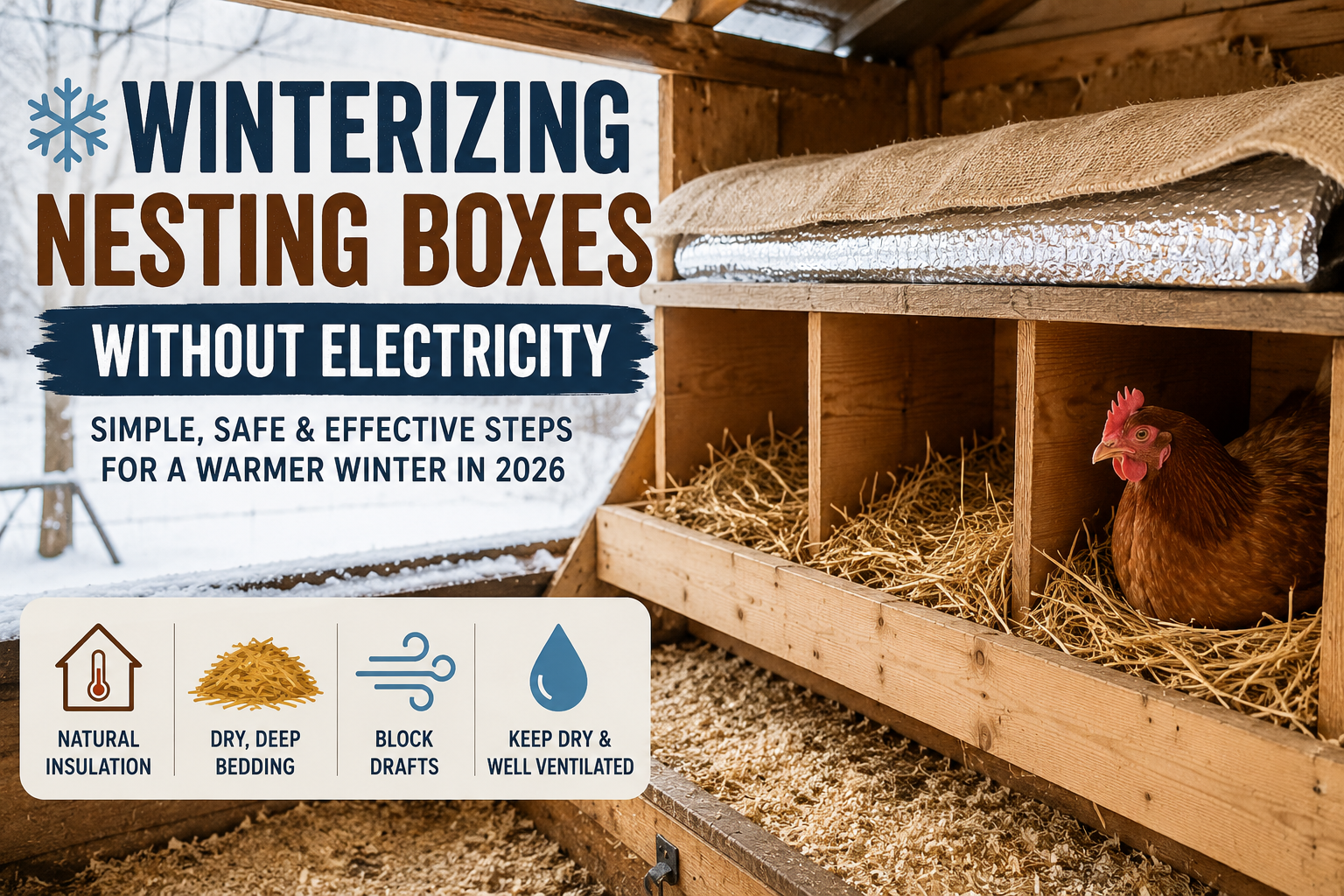
    As winter approaches in 2026, backyard chicken keepers face a common challenge: keeping nesting areas dry, comfortable, and protected without adding electrical heaters. Winterizing Nesting Boxes Without Electricity offers a simple and affordable solution for cold climates.

    Hens need a clean and sheltered place to lay eggs. However, excessive cold, moisture, and drafts can make nesting boxes uncomfortable. Fortunately, you can improve winter protection with insulation, proper bedding, smart placement, and good ventilation.

    For US chicken keepers, these steps can be especially useful during freezing nights. Additionally, the same methods work in many cold regions around the world.

    Why Winterizing Nesting Boxes Without Electricity Matters

    Cold weather does not mean you need an electric heater inside every nesting box. In fact, extra heat can create safety risks and increase moisture when used incorrectly.

    Instead, winterizing nesting boxes without electricity focuses on reducing heat loss while keeping moisture under control.

    The main benefits include:

    • Better comfort for laying hens
    • Reduced exposure to cold drafts
    • Drier nesting materials
    • Lower energy costs
    • Fewer electrical safety concerns
    • Easier daily maintenance

    Additionally, a well-protected nesting area can help maintain a more stable environment for hens during winter.

    Key Factors for Winterizing Nesting Boxes Without Electricity

    1. Improve Natural Insulation

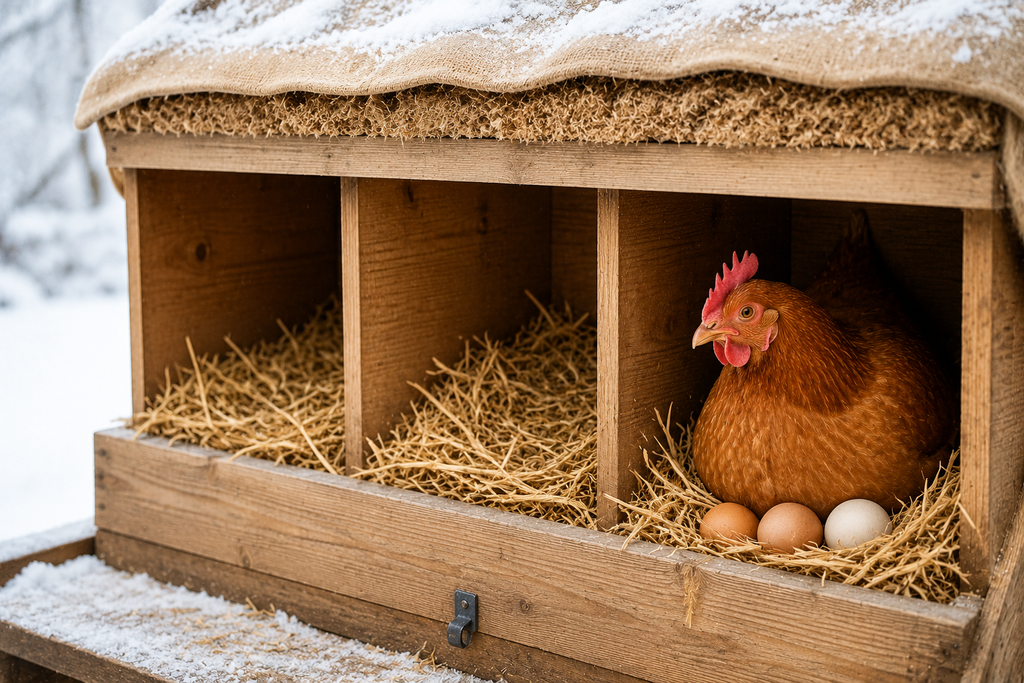
    One of the first steps in winterizing nesting boxes without electricity is improving insulation around the box. Use safe materials around the outside walls, roof, and nearby coop surfaces.

    Foam board, wood panels, or other suitable building materials can help reduce heat transfer. However, never leave exposed insulation where chickens can peck or eat it.

    2. Choose the Right Winter Bedding

    Good winter nesting box bedding provides a soft and dry surface. Straw and pine shavings are common choices for chicken keepers.

    Replace wet or dirty bedding quickly. Moreover, adding fresh dry material regularly can help prevent moisture buildup.

    3. Block Direct Drafts

    Drafts can make a cold nesting box much less comfortable. Therefore, inspect cracks and openings around the coop before winter arrives.

    Do not seal the coop completely, though. Chickens still need fresh airflow to control humidity and ammonia.

    4. Maintain Proper Ventilation

    Ventilation is one of the most important parts of winterizing nesting boxes without electricity. Warm, moist air must escape from the coop.

    Place ventilation openings above the chickens’ sleeping level when possible. This setup helps reduce direct drafts while allowing moisture to leave.

    External link placeholder: [Visit a trusted poultry extension resource for winter chicken care]

    Types of Winter Nesting Box Protection

    Insulated Nesting Boxes

    An insulated box can help reduce temperature changes. It works particularly well when the surrounding coop is also protected from extreme weather.

    Deep-Bedding Nesting Areas

    A deeper layer of dry bedding can provide additional protection from cold surfaces. However, inspect it regularly and remove contaminated material.

    Covered or Sheltered Boxes

    A roof or overhang can protect nesting boxes from rain, snow, and strong wind. As a result, bedding stays drier and requires fewer changes.

    Buying and Decision Guide

    If you are improving an existing coop, you may not need expensive equipment. Instead, focus on these features:

    • Durable construction
    • Easy-to-clean surfaces
    • Weather-resistant materials
    • Safe insulation
    • Good ventilation
    • Protection from rain and snow

    When choosing materials, avoid anything that chickens can easily chew, swallow, or damage.

    Common Mistakes to Avoid

    Even experienced keepers can make mistakes when preparing for winter. Avoid these common problems:

    1. Sealing every opening: This can trap moisture and ammonia.
    2. Using wet bedding: Damp bedding makes the nesting area colder and less sanitary.
    3. Installing unsafe heaters: Electrical equipment can create fire and shock hazards.
    4. Ignoring roof leaks: Water can quickly ruin otherwise good winter preparation.
    5. Over-insulating without ventilation: Insulation should not replace fresh airflow.

    Additionally, check the nesting area after storms or sudden temperature drops.

    Maintenance Tips for Cold Weather

    Successful winterizing nesting boxes without electricity requires regular checks. Inspect the boxes at least several times each week during severe weather.

    Look for wet bedding, damaged insulation, drafts, leaks, and signs of pests. Replace soiled bedding immediately. Furthermore, keep entrances clear of snow and ice where necessary.

    Good cold weather chicken care also includes checking the flock for normal eating, drinking, movement, and laying behavior.

    Remember that chickens can tolerate cold better when they have a dry, draft-protected, well-ventilated environment.

    Conclusion

    Winterizing nesting boxes without electricity can be practical, affordable, and effective when you focus on insulation, dry bedding, ventilation, and weather protection. You do not need complicated equipment to prepare a nesting area for winter.

    Start preparing before temperatures fall sharply. Check your boxes, improve insulation, replace wet bedding, and protect them from wind and precipitation. With these simple steps, you can create a safer and more comfortable winter nesting space for your flock in 2026.

    Call to action: Ready for winter? Inspect your nesting boxes today and begin your cold-weather preparation before the first major freeze.

  • Climate-Resilient Chicken Breeds for 2026: Top Picks

    Climate-Resilient Chicken Breeds for 2026: Top Picks

    Climate-Resilient Chicken Breeds for 2026

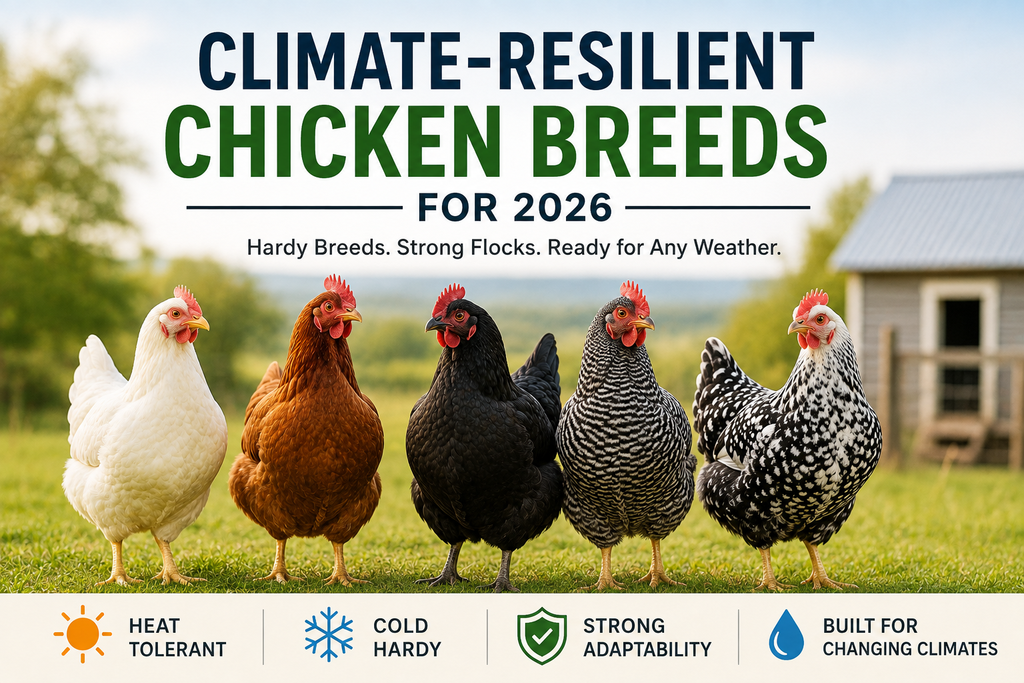
    Weather is becoming a bigger factor for backyard chicken keepers and small farms worldwide. In 2026, choosing Climate-Resilient Chicken Breeds for 2026 can help flock owners prepare for hotter summers, colder winters, and sudden weather changes.

    For US poultry keepers, this matters because heat stress can reduce egg production, egg weight, and shell quality. USDA research also shows that genetics can influence how individual chickens respond to heat stress.

    2026 update: Breed selection is only one part of climate resilience. Good ventilation, shade, clean water, proper nutrition, and suitable housing remain essential.

    Why Climate-Resilient Chicken Breeds for 2026 Matter

    Climate-Resilient Chicken Breeds for 2026 offer useful traits for changing weather conditions. However, no chicken breed can survive extreme conditions without proper care.

    Heat-tolerant chicken breeds often have larger combs, wattles, exposed legs, and lighter feathering. These features can help birds release body heat. Mediterranean breeds generally perform better in hot regions, while many American breeds are better suited to colder conditions.

    Additionally, choosing adaptable birds can reduce management problems and support more consistent production.

    Key benefits include:

    • Better tolerance of seasonal weather changes
    • Potentially improved flock welfare
    • Greater suitability for outdoor systems
    • Useful adaptation to regional climates
    • Better long-term planning for small farms

    Key Features to Look For

    Climate-Resilient Chicken Breeds for 2026: Heat Traits

    When comparing Climate-Resilient Chicken Breeds for 2026, look for birds with physical features that support cooling.

    Large combs and wattles can provide more surface area for heat loss. Furthermore, lighter-bodied chickens may produce less metabolic heat than very heavy birds.

    USDA research confirms that heat stress can affect both welfare and production, making genetic selection an important part of future poultry management.

    Cold-Hardy Features

    Cold-hardy chicken breeds usually benefit from dense feathering, adequate body size, and comb types that reduce frostbite risk.

    However, even cold-tolerant birds need dry bedding, protection from wind, and good ventilation. Moisture and poor airflow can create serious winter problems.

    Best Types to Consider in 2026

    White Leghorn

    White Leghorns are active, efficient layers with Mediterranean origins. Their relatively light body and large comb make them a popular option for warmer environments.

    University extension guidance lists Leghorns among highly productive laying breeds.

    Rhode Island Red

    Rhode Island Reds are hardy dual-purpose birds and can work well for varied backyard conditions. They are also known for strong laying performance and durability.

    Australorp

    Australorps offer excellent egg production and a calm temperament. They can be a practical choice for keepers who want both productivity and a relatively adaptable flock.

    Plymouth Rock

    Plymouth Rocks are another versatile choice. They combine useful egg production with meat value and are recognized among breeds with traits associated with better heat tolerance.

    Ancona

    Anconas are active Mediterranean birds that may suit warm climates. Their smaller body type and active nature make them worth considering for hot-weather flocks.

    Buying Guide for Climate-Resilient Chicken Breeds for 2026

    Before buying Climate-Resilient Chicken Breeds for 2026, consider your local conditions rather than choosing a breed based only on popularity.

    1. Check your climate: Identify your normal summer and winter extremes.
    2. Choose your purpose: Decide whether you want eggs, meat, breeding stock, or dual-purpose birds.
    3. Study the strain: Individual genetic lines can respond differently to heat stress.
    4. Check local availability: Choose healthy chicks from reputable breeders or hatcheries.
    5. Plan the housing: Breed selection cannot replace good ventilation and weather protection.

    Common Mistakes to Avoid

    Even Climate-Resilient Chicken Breeds for 2026 can struggle when owners make basic management mistakes.

    Avoid these problems:

    • Providing too little drinking water
    • Keeping the coop poorly ventilated
    • Overcrowding birds
    • Removing shade during heat waves
    • Ignoring signs of heat stress
    • Choosing a breed without considering local weather
    • Assuming a hardy breed needs no special care

    Heat stress can cause chickens to drink and rest more while reducing normal production.

    Care Tips for a Climate-Smart Flock

    Good chicken heat stress management is essential during hot weather. Provide continuous access to clean water and create shaded areas around the coop.

    Additionally, improve airflow without creating dangerous drafts. During winter, keep bedding dry and provide protection from strong winds.

    For commercial or larger-scale operations, researchers are also exploring cooling technologies and nutritional strategies to reduce heat-related stress.

    Conclusion

    The best Climate-Resilient Chicken Breeds for 2026 depend on your location, production goals, and management system. Leghorns and Anconas can be strong choices for warmer regions, while breeds such as Plymouth Rock and Rhode Island Red offer broader versatility.

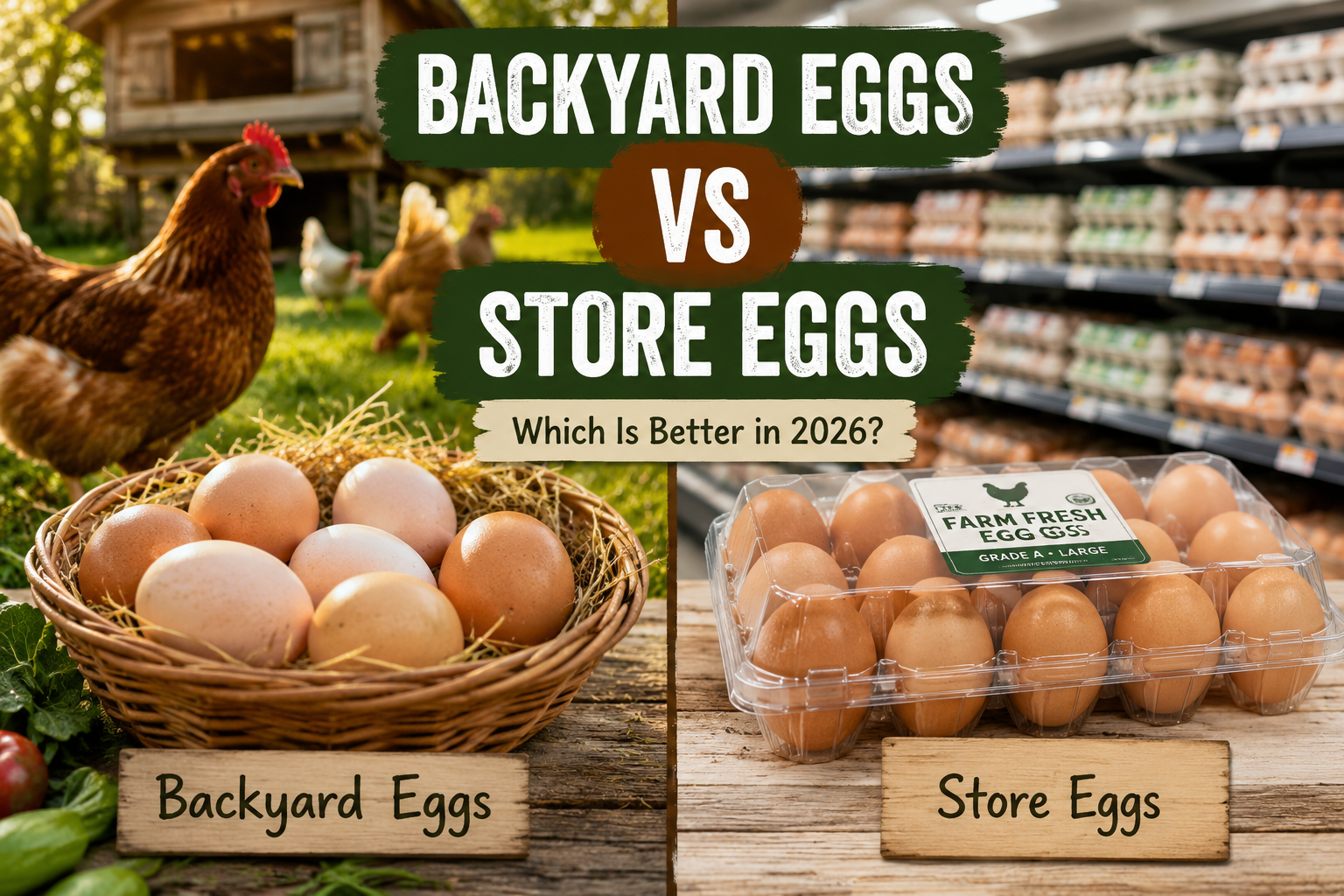
  • Backyard Eggs vs Store Eggs: 2026 Guide

    Backyard Eggs vs Store Eggs: 2026 Guide

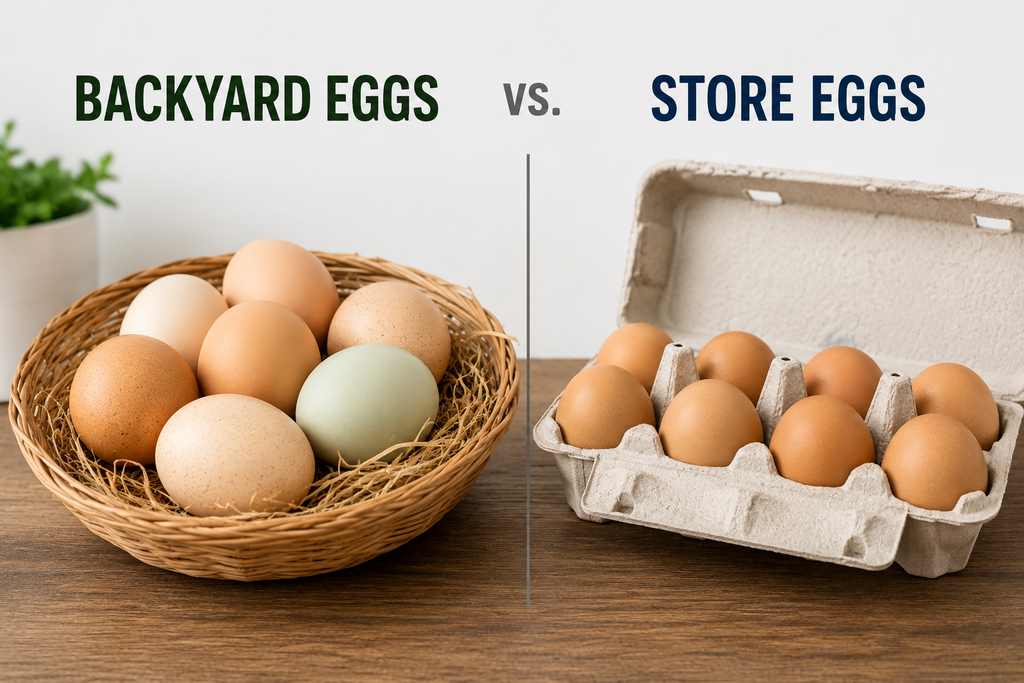
    Backyard Eggs vs Store Eggs: Which Is Better in 2026?

    When comparing Backyard Eggs vs Store Eggs, many people wonder which option offers better freshness, nutrition, safety, and value. In 2026, backyard chicken keeping remains popular, while store-bought eggs continue to offer convenience and consistent availability.

    However, the best choice depends on your flock management, budget, local rules, and personal preferences. Let’s compare both options so you can make a smart decision.

    Why Backyard Eggs vs Store Eggs Matters

    The debate over Backyard Eggs vs Store Eggs is not simply about taste. Several factors can affect the quality and value of eggs, including how chickens are raised, what they eat, and how eggs are handled after collection.

    Freshness and Taste

    Freshly collected backyard chicken eggs can reach your kitchen soon after laying. As a result, many backyard keepers notice a firm white and rich yolk.

    Store eggs, however, travel through collection, grading, packaging, and distribution systems. Their freshness can vary depending on handling and storage.

    Nutrition

    Both backyard and commercial eggs can provide protein, fats, vitamins, and minerals. However, the nutritional profile can vary based on the hen’s diet and other production factors.

    For example, hens with access to a varied diet may produce eggs with differences in certain nutrients. Still, you should not assume every backyard egg is automatically more nutritious than every store-bought egg.

    Backyard Eggs vs Store Eggs: Key Differences

    Understanding the main differences makes the Backyard Eggs vs Store Eggs decision much easier.

    1. Chicken Diet

    A hen’s diet affects egg production and can influence some nutritional characteristics. Backyard chickens may eat commercial feed alongside approved treats, insects, greens, or forage.

    Store-bought eggs come from farms that follow specific feeding programs. Therefore, the nutrition and production system can vary between brands.

    2. Egg Safety

    Food safety should always come first. Backyard eggs require careful collection, cleaning, storage, and handling.

    Additionally, commercial eggs typically pass through regulated processing systems. However, consumers still need to refrigerate and cook eggs properly.

    3. Cost

    Backyard eggs may seem cheaper because you collect them yourself. Yet, chickens require:

    • Quality feed
    • Safe housing
    • Bedding
    • Nesting boxes
    • Veterinary care when needed
    • Protection from predators

    Therefore, farm fresh eggs are not always cheaper when you calculate the complete cost of keeping hens.

    Types of Eggs to Consider

    There are several categories you may encounter when comparing Backyard Eggs vs Store Eggs.

    Backyard Chicken Eggs

    These come from hens kept at home or on small properties. You control much of the birds’ environment and feeding routine.

    As a result, backyard eggs can be appealing to people who enjoy raising chickens and collecting eggs themselves.

    Store-Bought Eggs

    Store eggs are widely available in supermarkets and grocery stores. They may carry labels such as free-range, organic, pasture-raised, or cage-free, depending on the market and production system.

    However, these labels can have different legal meanings in different countries.

    Buying and Choosing Guide

    If you are deciding between Backyard Eggs vs Store Eggs, consider these questions:

    1. Do you have enough space for chickens?
      Backyard hens need secure housing and outdoor or appropriate indoor space.
    2. Can you provide daily care?
      Chickens need fresh water, balanced feed, clean housing, and regular observation.
    3. Do you want convenience?
      Store-bought eggs are easier if you do not want daily poultry care.
    4. What matters most to you?
      Freshness, cost, convenience, animal care, and personal food preferences can all influence your choice.

    Common Mistakes to Avoid

    When choosing Backyard Eggs vs Store Eggs, avoid these common mistakes:

    • Assuming backyard eggs are automatically safer.
    • Ignoring proper refrigeration.
    • Feeding chickens an unbalanced diet.
    • Failing to clean nesting areas regularly.
    • Judging egg quality only by shell color.
    • Assuming expensive store eggs are always nutritionally superior.

    Additionally, check your local food safety guidance for recommendations on collecting, cleaning, storing, and cooking backyard eggs.

    How to Care for Backyard Eggs

    If you choose backyard eggs, good handling is essential.

    Collect eggs regularly and keep nesting boxes clean. Discard cracked or heavily soiled eggs when appropriate, and refrigerate eggs according to your local food-safety guidance.

    Furthermore, wash your hands after handling eggs or contacting poultry. Cook eggs thoroughly when required, especially when serving young children, older adults, or people at higher risk from foodborne illness.

    Backyard Eggs vs Store Eggs: Final Verdict

    There is no universal winner in the Backyard Eggs vs Store Eggs debate. Backyard eggs can offer freshness, enjoyment, and greater control over how hens are raised. Store eggs, however, provide convenience, predictable supply, and established commercial handling systems.

    Ultimately, choose the option that fits your lifestyle and food-safety needs. If you keep chickens, focus on healthy hens and proper egg handling. If convenience matters most, quality store-bought eggs can be an excellent everyday choice.

  • Signs of Egg-Bound Hens: Urgent 2026 Guide

    Signs of Egg-Bound Hens: Urgent 2026 Guide

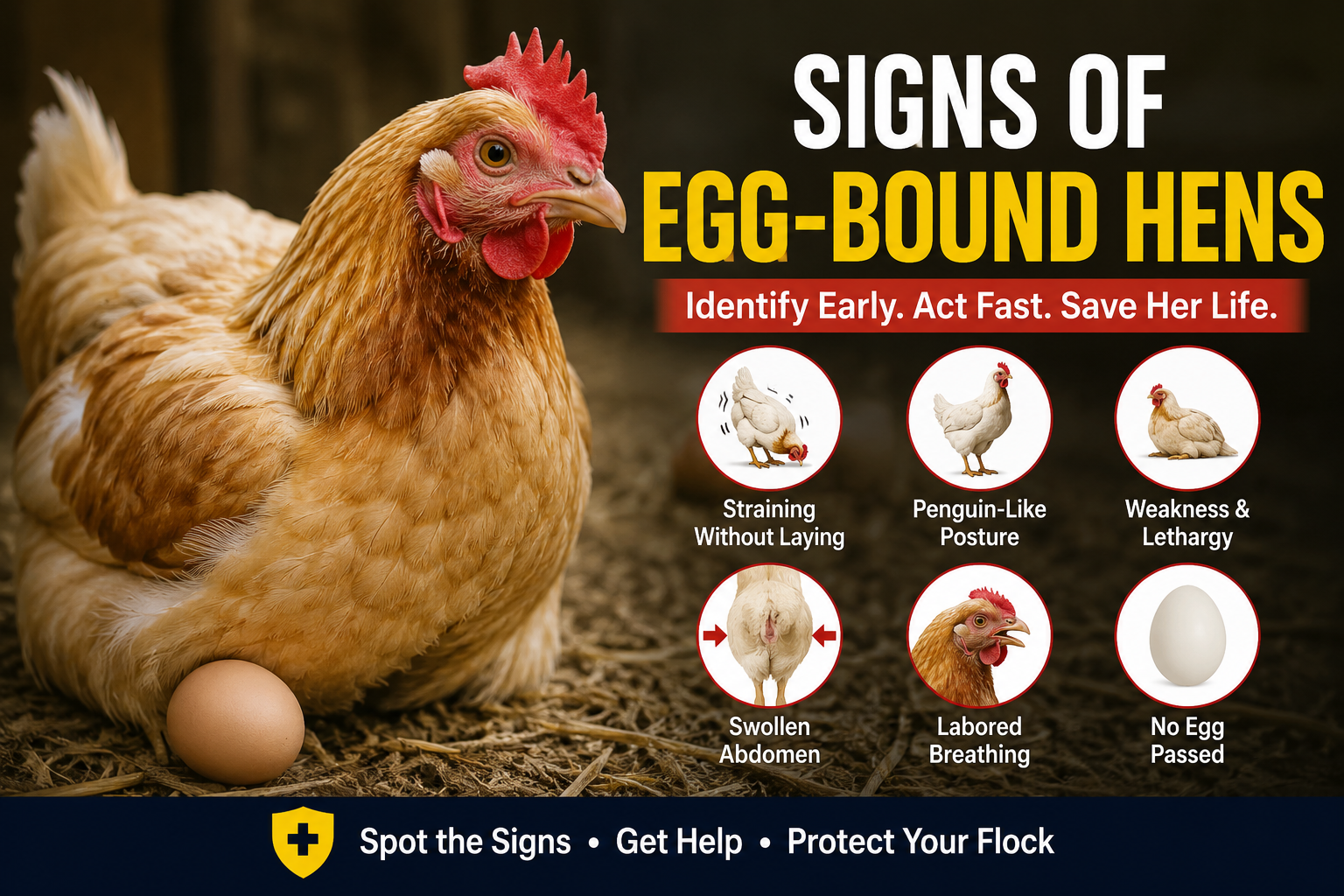
    Signs of Egg-Bound Hens: Why Early Action Matters

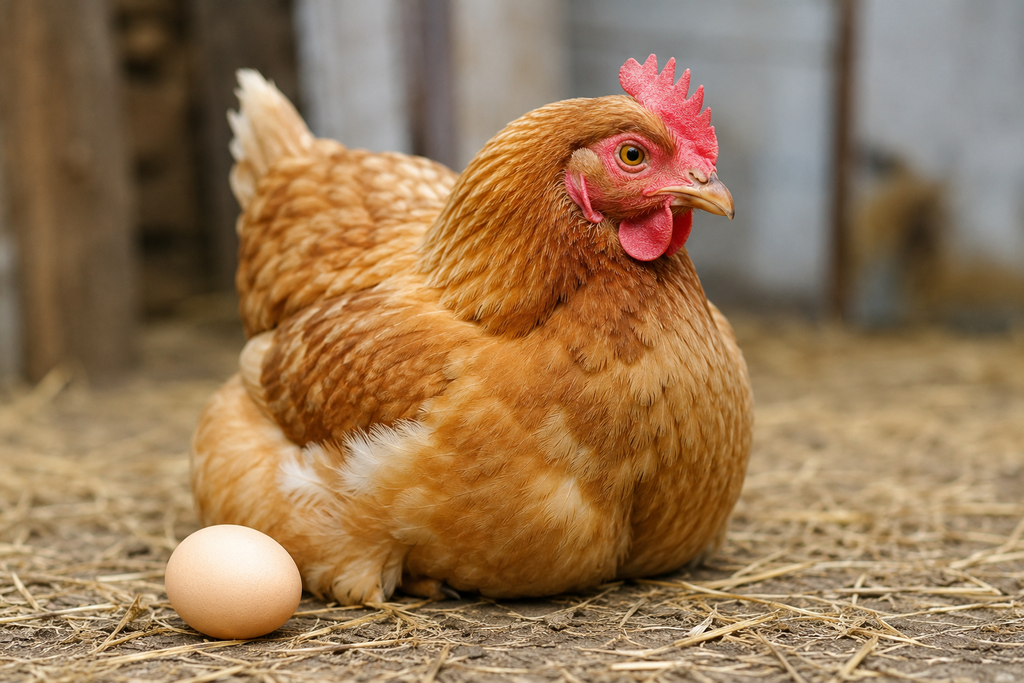
    Knowing the Signs of Egg-Bound Hens can help backyard chicken keepers respond before a serious reproductive emergency develops. Egg binding happens when a hen cannot pass an egg normally through her reproductive tract. In severe cases, the condition can become life-threatening, so early recognition matters.

    For chicken owners in the US and around the world, watching daily behavior is one of the simplest ways to spot trouble. However, hens often hide illness, so small changes can be important warning signals.

    Why Egg Binding Matters

    Egg binding may occur when an egg is unusually large, improperly positioned, or when reproductive problems affect normal passage. Young hens brought into production too early and overweight hens may face higher risk. Additionally, calcium problems can interfere with normal eggshell formation and reproductive function.

    The condition should not be confused with every reduction in egg production. Therefore, owners should look for several symptoms together rather than relying on one sign.

    Key Signs of Egg-Bound Hens

    1. Straining Without Producing an Egg

    One of the most noticeable Signs of Egg-Bound Hens is repeated straining. A hen may squat, push, or repeatedly visit the nesting area without laying an egg.

    2. Swollen or Distended Abdomen

    A hen with egg retention may develop a noticeably enlarged abdomen. However, an egg is not always easy to feel, and abdominal swelling can have other causes.

    3. Penguin-Like Posture

    Some affected hens stand or walk with their body held unusually upright. This penguin-like posture can occur with reproductive tract problems and internal laying.

    4. Weakness and Reduced Activity

    Another important warning is sudden weakness. The hen may sit quietly, isolate herself, spend more time on the ground, or show little interest in food and water.

    5. Tail Bobbing or Breathing Difficulty

    Tail movement linked with difficult breathing is an emergency warning sign. In birds with reproductive emergencies, abdominal pressure can contribute to respiratory distress.

    Types of Egg-Laying Problems

    Egg Binding

    Egg binding occurs when a formed egg becomes lodged in the reproductive tract. Large eggs, double-yolked eggs, calcium problems, trauma, and other reproductive abnormalities may contribute.

    Internal Laying

    Internal laying is different from simple egg binding. Instead of passing through the normal route, an egg or egg material can move into the abdominal cavity. Therefore, a hen can show reproductive symptoms even when no egg is visible at the vent.

    What to Do When You Notice the Signs

    If you notice multiple Signs of Egg-Bound Hens, separate the affected hen from flock pressure and keep her in a quiet, comfortable environment.

    Then:

    1. Contact an avian or poultry-experienced veterinarian promptly.
    2. Provide easy access to clean water.
    3. Keep the hen warm and reduce unnecessary handling.
    4. Avoid squeezing the abdomen or attempting forceful egg removal.
    5. Do not intentionally break an egg inside the hen.

    A veterinarian may use physical examination, X-rays, or other diagnostic methods to determine whether an egg is lodged and where it is located.

    Important: Egg bound hen treatment should be guided by a veterinarian, especially when the hen is weak, struggling to breathe, severely swollen, or unable to pass the egg. Veterinary treatment may involve supportive care or controlled extraction when necessary.

    Care and Prevention Tips

    Preventing reproductive problems starts with good flock management. Provide a complete layer diet appropriate for the hen’s age and production stage. Calcium is especially important for eggshell formation, while balanced nutrition supports normal reproductive health.

    Additionally, maintain clean housing, suitable nesting areas, fresh water, good ventilation, and reasonable body condition. Avoid pushing young pullets into production too early because immature birds may have a greater risk of reproductive complications.

    Common Mistakes to Avoid

    Many owners make the same mistakes when they suspect egg binding. First, do not assume every swollen abdomen means an egg is stuck. Second, do not repeatedly press the abdomen to locate an egg.

    Also, avoid delaying professional care when the hen becomes weak or develops breathing problems. Because poultry can deteriorate quickly, early veterinary assessment can make an important difference.

    When Is It an Emergency?

    Seek urgent veterinary help if the hen:

    • Cannot stand or becomes extremely weak
    • Strains repeatedly without passing an egg
    • Has severe abdominal swelling
    • Shows tail bobbing or breathing difficulty
    • Develops a visible prolapse
    • Stops eating or drinking and becomes depressed

    These symptoms can indicate serious reproductive disease or another condition that resembles egg binding.

    Frequently Asked Questions

    1. What are the main Signs of Egg-Bound Hens?

    The main Signs of Egg-Bound Hens include repeated straining, unusual upright or penguin-like posture, abdominal swelling, weakness, reduced activity, and difficulty breathing. If several signs appear together, contact a poultry-experienced veterinarian promptly.

    2. How can I tell if my hen is egg-bound?

    Look for behavioral and physical changes. A hen may repeatedly visit the nesting area, strain without laying, sit quietly, or develop a swollen abdomen. However, these symptoms can also occur with other reproductive problems.

    3. Can egg binding be life-threatening?

    Yes. Signs of Egg-Bound Hens should be taken seriously because severe egg retention can cause complications and may become life-threatening. Prompt veterinary assessment is especially important if the hen becomes weak or has breathing difficulty.

    4. What should I do if I notice Signs of Egg-Bound Hens?

    Keep the hen quiet and comfortable, provide access to clean water, and contact a veterinarian experienced with poultry. Avoid squeezing her abdomen or attempting forceful egg removal because this can cause injury.

    5. Can nutrition help prevent egg binding?

    Good nutrition supports normal egg production and reproductive health. A complete layer diet, appropriate calcium intake, clean water, suitable housing, and maintaining a healthy body condition can all support a hen’s overall health.

    6. When should I seek emergency veterinary help?

    Seek urgent help if you notice severe weakness, breathing difficulty, significant abdominal swelling, repeated straining, or a visible prolapse. These Signs of Egg-Bound Hens may indicate a serious condition requiring immediate veterinary care.

    Conclusion

    Understanding the Signs of Egg-Bound Hens gives chicken keepers a better chance to recognize trouble early. Straining, unusual posture, abdominal swelling, weakness, and breathing difficulty deserve immediate attention. However, these signs can overlap with other reproductive conditions, so professional diagnosis is important.

    With balanced nutrition, proper flock management, close observation, and rapid veterinary care when needed, owners can improve the chances of protecting an affected hen. If you notice several Signs of Egg-Bound Hens in 2026, act promptly rather than waiting for the condition to resolve on its own.

  • Natural/Herbal Coop Deodorizers: Fresh Coop Tips 2026

    Natural/Herbal Coop Deodorizers: Fresh Coop Tips 2026

    Keeping a chicken coop fresh can be challenging, especially during hot or humid weather. Natural/Herbal Coop Deodorizers offer a simple way to manage unpleasant smells without relying heavily on strong chemical products. For backyard chicken keepers in the USA and around the world, natural methods can also make regular coop care easier.

    However, deodorizing should not replace cleaning. Good ventilation, dry bedding, and regular manure removal remain the foundation of proper chicken coop odor control.

    Why Natural/Herbal Coop Deodorizers Matter

    A clean-smelling coop is more comfortable for both chickens and keepers. Moreover, controlling moisture and waste helps reduce the conditions that cause strong ammonia odors.

    Natural ingredients can add a pleasant scent while supporting a cleaner coop environment. Additionally, many options are inexpensive and easy to find.

    The main benefits include:

    • Helps reduce unpleasant coop odors
    • Adds a fresh herbal scent
    • Easy to use with dry bedding
    • Can complement regular cleaning
    • Useful for backyard and small-scale flocks
    • May reduce the need for heavily scented products

    Remember that natural does not automatically mean safe. Always use plant materials carefully and avoid anything that may irritate chickens.

    Key Factors for Natural/Herbal Coop Deodorizers

    Choosing the right deodorizing method depends on your coop, climate, bedding, and flock size.

    Herbs and Plant Materials

    Common aromatic herbs can provide a fresh scent around the coop. Lavender, mint, rosemary, and thyme are popular choices among chicken keepers.

    You can use dried herbs in nesting areas or mix small amounts with dry bedding. However, avoid creating dusty conditions because excessive dust can irritate a chicken’s respiratory system.

    Dry Bedding

    Dry bedding is one of the most important parts of odor control. Pine shavings, hemp bedding, straw, or other suitable materials can help absorb moisture.

    Ventilation and Moisture

    Even the best natural chicken coop deodorizer will struggle in a damp, poorly ventilated coop. Therefore, provide adequate airflow while protecting chickens from direct drafts.

    Remove wet bedding quickly. As a result, you can reduce moisture and help prevent strong ammonia smells.

    Types of Natural/Herbal Coop Deodorizers

    There are several simple options to consider.

    Dried Herbs

    Dried lavender, rosemary, thyme, and mint can be scattered lightly through clean bedding. These herbs can provide a mild natural fragrance.

    Additionally, dried herbs are convenient because they store well and are easy to replace.

    Herb Sachets

    Small breathable sachets filled with dried herbs can be placed near the coop entrance or in suitable areas away from chickens’ direct access.

    However, make sure chickens cannot easily tear open or eat the sachets.

    Herb-Infused Bedding

    Another approach involves mixing a small amount of dried herbs with fresh bedding. This method distributes the aroma more evenly.

    How to Use Natural/Herbal Coop Deodorizers

    Follow these simple steps:

    1. Remove wet or heavily soiled bedding.
    2. Clean obvious manure from the coop.
    3. Allow damp areas to dry completely.
    4. Add fresh, dry bedding.
    5. Sprinkle a small amount of suitable dried herbs.
    6. Check the coop regularly for moisture and odor.
    7. Replace or refresh the herbs when the scent disappears.

    Do not use large amounts simply to cover a bad smell. Instead, find and remove the source of the odor.

    Common Mistakes to Avoid

    Using too much fragrance is a common mistake. Chickens have sensitive respiratory systems, so strong scents and dusty materials may cause problems.

    Additionally, never use essential oils directly on chickens, their skin, feathers, feed, or drinking water unless a qualified poultry professional specifically recommends the product and concentration.

    Avoid unknown plants as well. Some herbs and plants can be harmful to birds.

    Finally, do not depend on deodorizer alone. A dirty or wet coop still needs proper cleaning.

    Maintenance Tips for a Fresher Coop

    Good maintenance makes Natural/Herbal Coop Deodorizers more effective.

    Clean manure regularly and inspect bedding every few days. Furthermore, check corners, nesting boxes, and areas around waterers because these spots often become wet.

    Keep drinking water containers clean and prevent unnecessary spills. In addition, make sure the coop has sufficient ventilation.

    If odor suddenly becomes unusually strong, investigate the cause instead of adding more herbs. Wet bedding, poor airflow, accumulated manure, or a water leak may be responsible.

    Conclusion

    Natural/Herbal Coop Deodorizers can be a useful part of a simple chicken-care routine in 2026. Dried herbs, fresh bedding, good ventilation, and regular cleaning can work together to keep your coop more pleasant.


  • Chicken Manure Composting System: 2026 Guide

    Chicken Manure Composting System: 2026 Guide

    Chicken Manure Composting System: 2026 Guide

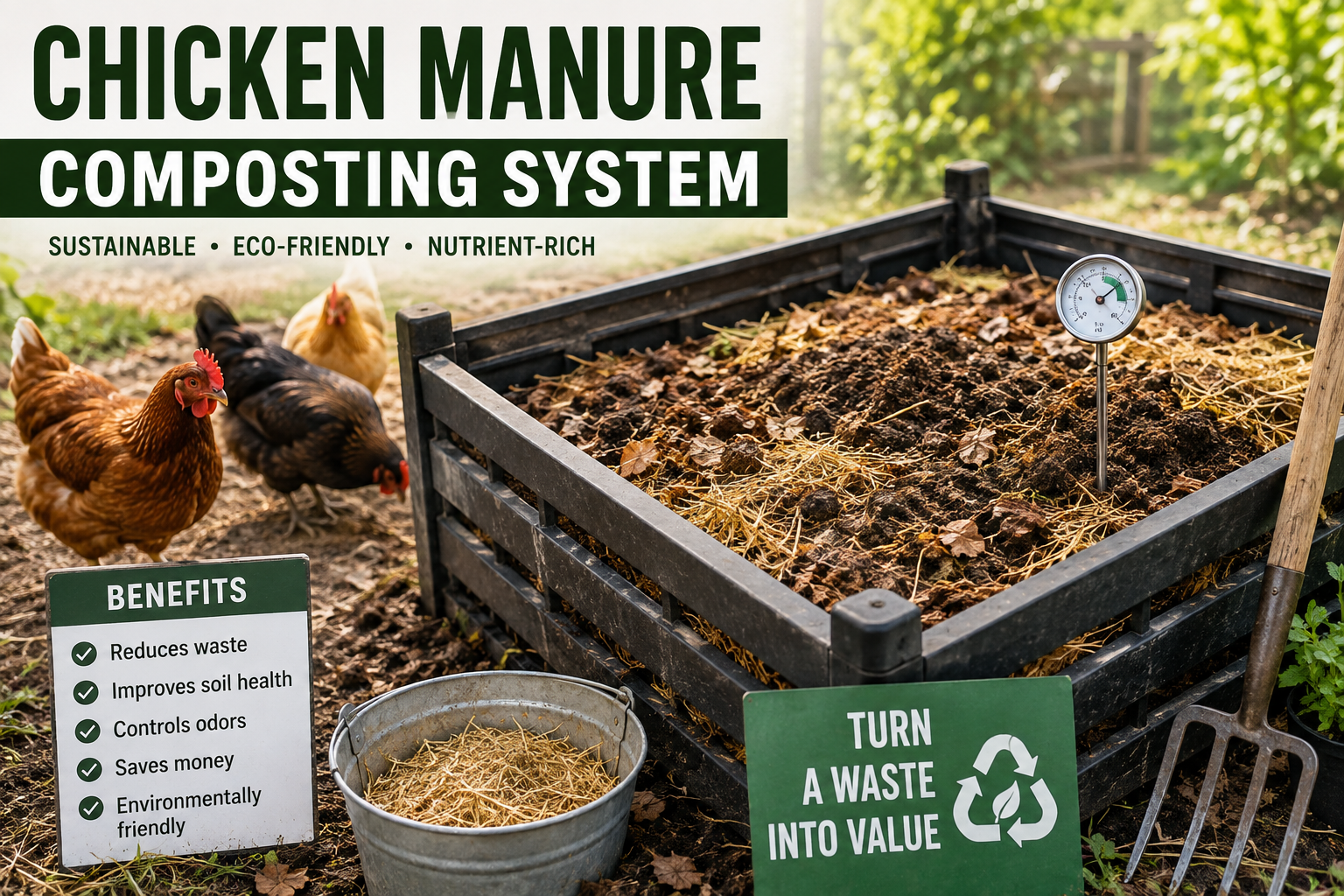
    A Chicken Manure Composting System can turn poultry waste into a valuable soil amendment while reducing odors, waste volume, and environmental risks. For backyard chicken keepers, small farms, and commercial poultry operations, proper composting offers a practical way to manage manure in 2026.

    However, chicken manure contains high levels of nitrogen. Therefore, it should not go directly onto many plants in large amounts. A well-managed composting process helps stabilize the material before garden or farm use. According to the U.S. EPA, effective composting depends on oxygen, moisture, temperature, and a balanced mix of carbon- and nitrogen-rich materials.

    Why a Chicken Manure Composting System Matters

    A properly designed Chicken Manure Composting System provides several benefits:

    • Reduces the volume of poultry waste.
    • Creates nutrient-rich poultry manure compost.
    • Helps control unpleasant odors.
    • Supports healthier soil structure.
    • Recycles farm and household organic materials.
    • Can reduce waste-management costs.

    Additionally, composted chicken manure can provide useful nutrients. Utah State University data show chicken manure-based compost can contain significant nitrogen, phosphorus, and potassium, although nutrient levels vary by source and composting conditions.

    Chicken Manure Composting System: Key Features

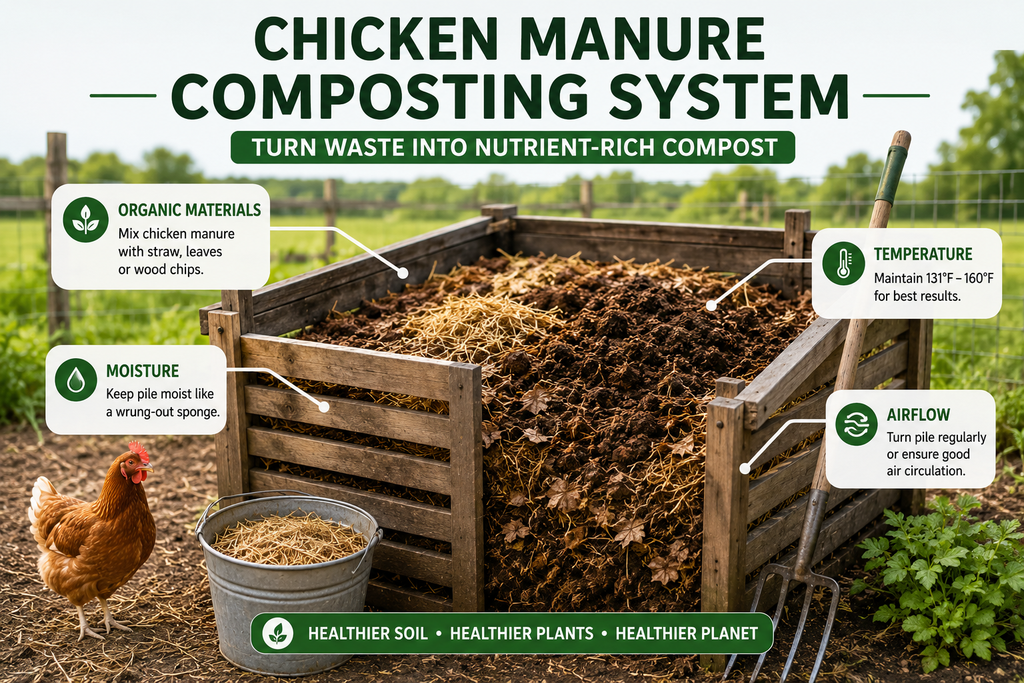
    1. Carbon and Nitrogen Balance

    Chicken manure is nitrogen-rich. Therefore, mix it with carbon-rich materials such as:

    • Dry leaves
    • Straw
    • Shredded cardboard
    • Wood chips
    • Untreated sawdust

    A balanced carbon-to-nitrogen ratio helps microorganisms work efficiently. Too much manure can create ammonia odors, while excessive carbon can slow decomposition.

    2. Moisture Control

    A Chicken Manure Composting System should stay moist but not waterlogged. As a simple test, the mixture should feel similar to a wrung-out sponge.

    Too much water reduces oxygen and can create anaerobic conditions. Conversely, very dry material slows microbial activity.

    3. Temperature Monitoring

    Temperature is one of the most important factors. A compost thermometer can help you monitor the center of the pile.

    The EPA notes that well-managed compost can reach roughly 131°F to 160°F, supporting rapid decomposition and pathogen reduction.

    Types of Chicken Manure Composting Systems

    Static Compost Bin

    A static bin works well for homeowners and small chicken flocks. You add manure and carbon materials in layers and turn the pile periodically.

    Windrow Composting

    Windrows suit larger farms. The manure is arranged in long rows and turned regularly to improve aeration. This approach can handle larger quantities but requires more space and equipment.

    Aerated Static Pile

    An aerated static pile uses pipes or blowers to move air through the compost. Therefore, it can reduce the need for frequent mechanical turning.

    In-Vessel Composting

    In-vessel systems use enclosed equipment with controlled aeration and mixing. They offer greater control but usually cost more. According to the EPA, in-vessel, aerated static pile, intensive windrow, and passive windrow systems are established composting approaches for livestock manure.

    How to Choose a Chicken Manure Composting System

    Before buying or building a system, consider:

    1. Flock size: Small flocks need less capacity.
    2. Available space: Choose a system that fits your property.
    3. Climate: Rain and extreme temperatures affect moisture and heat.
    4. Labor: Turning compost manually requires regular work.
    5. Budget: Simple bins cost less than automated systems.
    6. Drainage: Select a location that prevents contaminated runoff.

    Furthermore, keep composting areas away from wells and water sources. Proper site selection reduces the risk of runoff reaching drinking water.

    Common Mistakes to Avoid

    Even a good Chicken Manure Composting System can fail if basic conditions are ignored.

    Avoid these common mistakes:

    • Adding too much fresh manure.
    • Keeping the pile constantly wet.
    • Letting the pile become completely dry.
    • Failing to provide enough carbon material.
    • Never turning or aerating the pile.
    • Applying unfinished compost to crops.
    • Ignoring local manure-management regulations.

    Additionally, do not assume that compost is automatically pathogen-free simply because it has heated up. Proper temperature management and handling practices remain important.

    Maintenance Tips for 2026

    Check your Chicken Manure Composting System regularly. Monitor temperature, moisture, odor, and airflow.

    If the pile smells strongly of ammonia, add more carbon material and improve aeration. If it becomes too dry, add a small amount of water while mixing. If the center remains cool, turn the pile and check the material balance.

    Finished compost should look dark, crumbly, and relatively uniform. It should also have an earthy smell rather than a strong manure odor.

    Conclusion

    A Chicken Manure Composting System is a practical solution for turning poultry waste into useful organic material. In 2026, better temperature monitoring, improved aeration, and responsible poultry litter management can make composting safer and more efficient.

    Start with the right carbon materials, control moisture, monitor temperature, and give the compost enough time to mature. Choose a Chicken Manure Composting System that matches your flock size, available space, labor, and budget, then turn your chicken waste into a valuable resource.

  • Zero-Waste Coop Setup: 7 Proven Tips for 2026

    Zero-Waste Coop Setup: 7 Proven Tips for 2026

    Zero-Waste Coop Setup: A Smarter Way to Keep Chickens in 2026

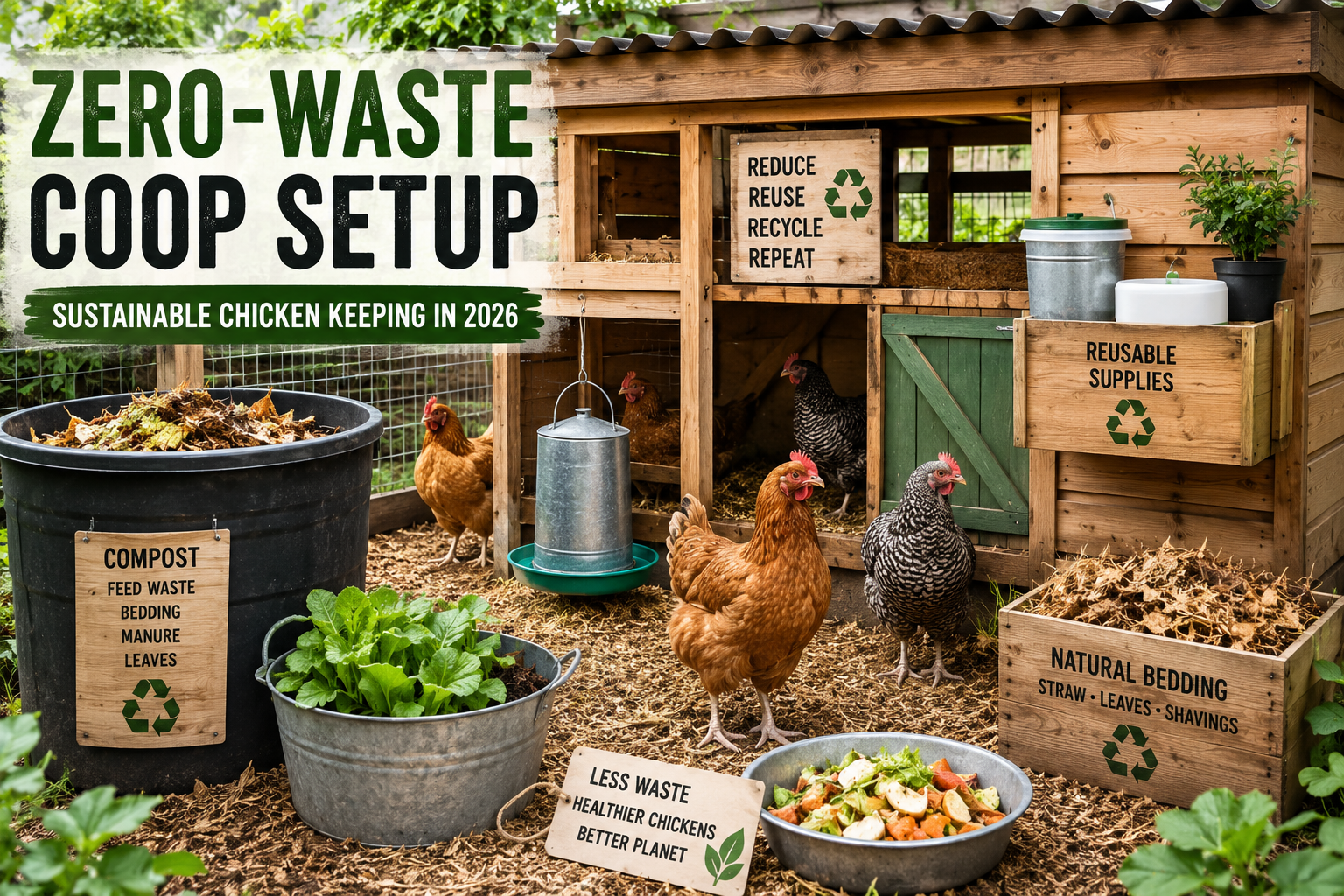
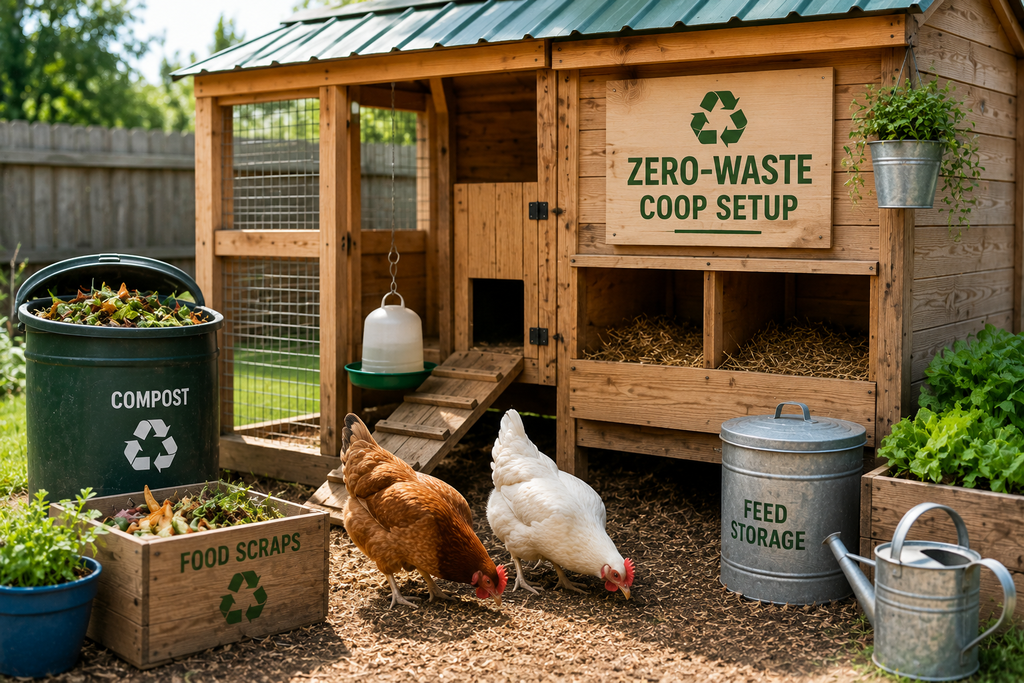
    A Zero-Waste Coop Setup can help chicken keepers create a cleaner, cheaper, and more sustainable flock environment. In 2026, more backyard poultry owners are looking for practical ways to reduce waste without making chicken care complicated.

    Instead of throwing away bedding, food scraps, feathers, and other materials, you can reuse or compost many of them. As a result, a well-planned coop can produce less trash while giving your chickens a healthy place to live. [Internal Link: Backyard Chicken Coop Guide]

    Why a Zero-Waste Coop Setup Matters

    A Zero-Waste Coop Setup focuses on using resources wisely. The goal is not to produce literally zero waste. Instead, it means reducing unnecessary waste and finding useful ways to reuse natural materials.

    Additionally, this approach can save money over time. You may buy less bedding, reduce food waste, and create valuable compost for gardens.

    Key benefits include:

    • Less household and farm waste
    • Lower bedding and feed costs
    • Better use of food scraps
    • Natural compost for gardens
    • Cleaner and more organized coop management
    • More sustainable chicken keeping

    Key Features of a Zero-Waste Coop Setup

    Choose Reusable Chicken Coop Materials

    Start with durable materials that can serve you for years. Reusable feeders, washable waterers, strong nesting boxes, and long-lasting tools can reduce the need for frequent replacements.

    Furthermore, repair damaged equipment whenever possible instead of immediately throwing it away.

    Use Eco-Friendly Chicken Bedding

    Choosing eco-friendly chicken bedding is another important step. Materials such as clean straw, shredded cardboard, dried leaves, and untreated wood shavings can work well when used safely and kept dry.

    However, avoid materials treated with chemicals, moldy bedding, or anything that could harm your flock. Replace wet or heavily soiled bedding as needed to maintain good coop hygiene.

    Reduce Feed Waste

    A good feeder should make it difficult for chickens to scratch food onto the ground. Therefore, choose a feeder that limits spills and keep it at a suitable height.

    You can also monitor daily feed amounts. This helps prevent leftovers from becoming unnecessary waste.

    Types of Zero-Waste Coop Setup

    Compost-Based Setup

    A compost-focused Zero-Waste Coop Setup turns used bedding, manure, feathers, and suitable organic material into compost.

    Chicken manure contains nutrients, but fresh manure should not be applied directly to many garden plants. Instead, compost it properly before garden use.

    The deep-litter method uses layers of suitable bedding that gradually mix with manure. With proper management, the material can eventually become useful compost.

    However, moisture control is essential. Good ventilation also helps reduce unpleasant odors and supports healthier coop conditions.

    Garden-Integrated Setup

    A garden-integrated approach connects chicken keeping with gardening. For example, suitable vegetable scraps can sometimes supplement a chicken’s normal diet, while composted coop material can support soil improvement.

    Always check that scraps are safe for chickens before feeding them.

    How to Build Your Zero-Waste Coop Setup

    Follow these simple steps:

    1. Audit your waste: Identify bedding, feed, packaging, and food waste.
    2. Reduce first: Prevent spills and avoid unnecessary disposable products.
    3. Reuse materials: Repurpose safe cardboard, leaves, and suitable organic materials.
    4. Create a compost area: Keep compost materials in a managed location.
    5. Improve feeding: Use feeders that reduce scratching and spilling.
    6. Save water: Check drinkers regularly for leaks and unnecessary overflow.
    7. Track results: Review your waste every few weeks and improve the system.

    Common Mistakes to Avoid

    Even a Zero-Waste Coop Setup can cause problems if waste reduction becomes more important than flock health.

    Avoid these mistakes:

    • Using moldy or contaminated bedding
    • Feeding chickens unsafe food scraps
    • Allowing manure to build up excessively
    • Using chemically treated materials
    • Ignoring wet areas in the coop
    • Blocking ventilation to control odors
    • Reusing dirty water containers without cleaning them

    Most importantly, never reuse a material simply because it is free. Chicken safety should always come first.

    Maintenance Tips for 2026

    Regular maintenance keeps a Zero-Waste Coop Setup practical. Check feeders and waterers daily for spills, leaks, or contamination.

    Additionally, inspect bedding regularly. Remove wet or unsafe material instead of trying to save everything. A sustainable coop should still provide clean water, dry bedding, fresh air, and comfortable nesting areas.

    Keep compost separate from areas where chickens eat and drink. As a result, you can reduce waste while maintaining better hygiene.

    Is a Zero-Waste Coop Setup Worth It?

    For many backyard chicken keepers, a Zero-Waste Coop Setup is a practical long-term strategy. You do not need expensive equipment or a large farm. Small changes, such as reducing feed spills and composting suitable bedding, can make a meaningful difference.

    The best approach is to start with one or two changes. Then, expand your system as you learn what works for your flock and property.

    Conclusion

    A Zero-Waste Coop Setup can make chicken keeping more efficient, affordable, and environmentally responsible in 2026. By reducing feed waste, choosing reusable equipment, managing bedding, and composting suitable organic material, you can create a cleaner routine with less unnecessary trash.

    Start small, monitor your flock, and improve your setup over time. Build your Zero-Waste Coop Setup today and turn everyday chicken waste into a useful resource.