Category: Uncategorized

  • Organic Chicken Feed: Best Guide for Healthy Hens 2026

    Organic Chicken Feed: Best Guide for Healthy Hens 2026

    Organic Chicken Feed: Complete 2026 Guide

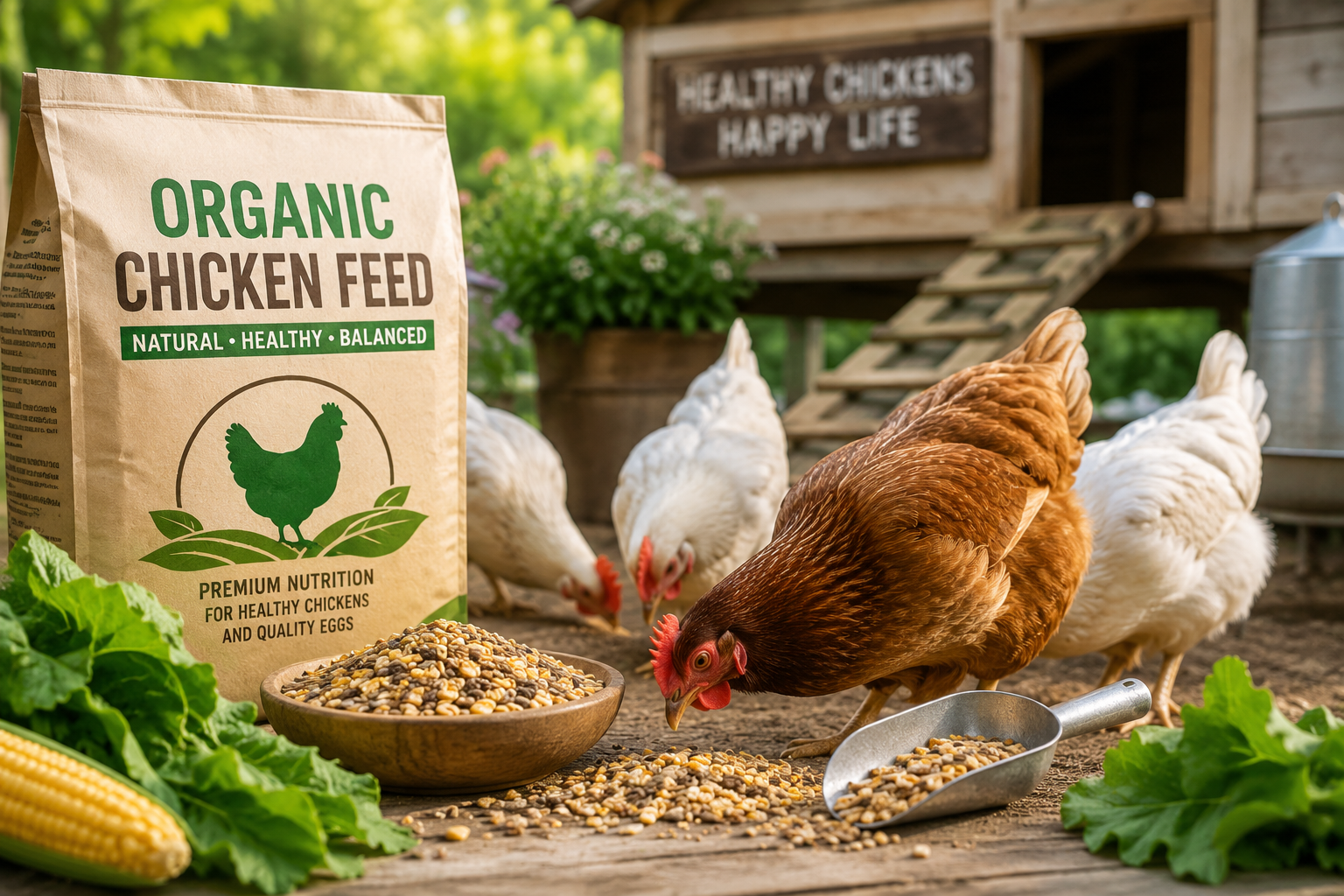
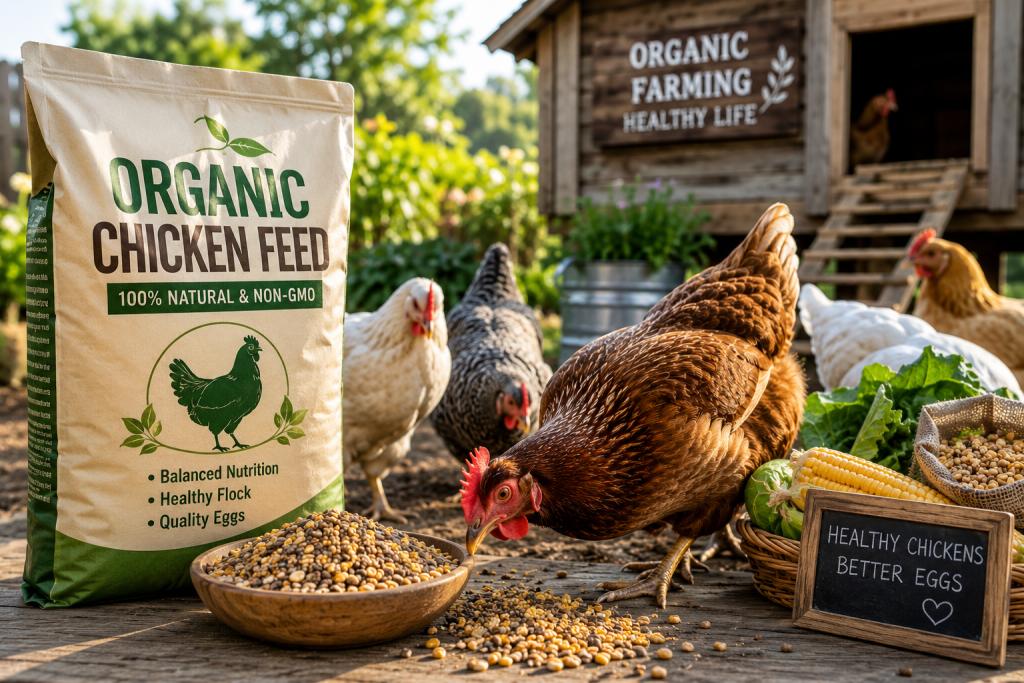
    Choosing Organic Chicken Feed can be a smart step for backyard flock owners who want to provide a clean and balanced diet. In 2026, more chicken keepers are paying attention to feed ingredients, sourcing, and production methods.

    However, organic does not automatically mean complete. Chickens still need the right balance of protein, energy, vitamins, minerals, and calcium. Therefore, understanding what goes into your flock’s feed can help you make better choices.

    Why Organic Chicken Feed Matters

    Good nutrition affects chicken growth, feather condition, energy, immunity, and egg production. Additionally, a balanced diet can help laying hens maintain strong bones and healthy eggshells.

    Organic Chicken Feed may appeal to keepers who want feed produced under organic standards. Depending on the product and country, organic feed may use certified organic ingredients and avoid certain synthetic inputs.

    However, always check the certification and ingredient label before buying.

    Benefits of Organic Chicken Food

    A quality diet can provide several benefits:

    • Supports normal growth and development
    • Provides essential protein and energy
    • Helps laying hens maintain egg production
    • Supports healthy feathers and body condition
    • Gives chickens important vitamins and minerals
    • Can complement a healthy chicken diet

    Additionally, clean feed storage helps protect nutrition and reduce contamination.

    Key Features to Consider

    Not every bag of Organic Chicken Feed has the same nutritional profile. Therefore, compare products carefully before choosing one.

    Protein and Nutritional Balance

    Protein helps chickens build and repair body tissues. Growing birds generally need different nutrition from mature laying hens.

    As a result, select feed designed for your flock’s age and purpose. Chicks, growers, layers, and breeding birds can have different nutritional needs.

    Ingredients and Certification

    Read the ingredient list carefully. Look for clear information about grains, protein sources, minerals, and other ingredients.

    If organic certification matters to you, check the certification details on the package. Additionally, look for information about whether the product is also non-GMO chicken feed.

    Types of Organic Chicken Feed

    Different life stages require different feed formulas. Choosing the right category can help prevent nutritional gaps.

    Organic Chick Starter

    Chick starter is formulated for young birds. It usually contains higher protein than adult maintenance feed to support rapid growth.

    However, never assume adult layer feed is suitable for chicks. Always follow the manufacturer’s feeding guidance.

    Organic Grower Feed

    Grower feed bridges the gap between chick starter and adult diets. It supports continued development while birds mature.

    Therefore, check the product’s recommended age range before switching feeds.

    Organic Layer Feed

    Organic Chicken Feed made for laying hens typically provides nutrients needed during egg production. Calcium is particularly important because hens use it to form eggshells.

    For additional information, see our [Internal Link Placeholder: Best Chicken Feed for Laying Hens] guide.

    How to Choose Organic Chicken Feed

    Before buying Organic Chicken Feed, consider these factors:

    1. Age: Choose feed designed for your birds’ life stage.
    2. Purpose: Select starter, grower, layer, or maintenance feed as needed.
    3. Ingredients: Read the complete label carefully.
    4. Certification: Verify organic claims where applicable.
    5. Nutrition: Compare protein, calcium, and other key nutrients.
    6. Freshness: Check the manufacturing or expiration information.
    7. Storage: Make sure you have a cool, dry place to store it.

    Additionally, buy an amount your flock can use while the feed remains fresh.
    Common Feeding Mistakes to Avoid

    Even high-quality Organic Chicken Feed can cause problems when managed poorly.

    Avoid these common mistakes:

    • Feeding the wrong formula for the bird’s age
    • Giving too many treats
    • Ignoring fresh drinking water
    • Storing feed in damp areas
    • Allowing rodents to access feed
    • Making sudden diet changes
    • Assuming scraps provide complete nutrition

    Treats should remain a small part of the overall diet. Furthermore, chickens need constant access to clean drinking water.

    Organic Chicken Feed Storage and Care Tips

    Proper storage protects both feed quality and flock health. Keep Organic Chicken Feed in a sealed, food-safe container away from moisture, heat, pests, and direct sunlight.

    Additionally, clean storage containers regularly. Do not mix new feed with old feed if the older batch shows signs of mold, unusual odor, insects, or moisture.

    A simple routine can help:

    • Check feed freshness regularly.
    • Keep storage containers tightly closed.
    • Clean spills quickly.
    • Keep rodents and wild birds away.
    • Provide clean water every day.

    As a result, good storage can reduce waste and help maintain consistent feed quality.

    Final Thoughts

    Choosing Organic Chicken Feed can be a useful option for chicken keepers who care about certified ingredients and production standards. However, the most important factor remains a nutritionally complete diet suited to your flock.

    Before purchasing, compare the label, certification, nutritional information, freshness, and storage requirements. Additionally, avoid excessive treats and provide clean water every day.
  • Feeding Chicks: Essential 2026 Guide for Healthy Growth

    Feeding Chicks: Essential 2026 Guide for Healthy Growth

    Feeding Chicks: Essential 2026 Guide for Healthy Growth

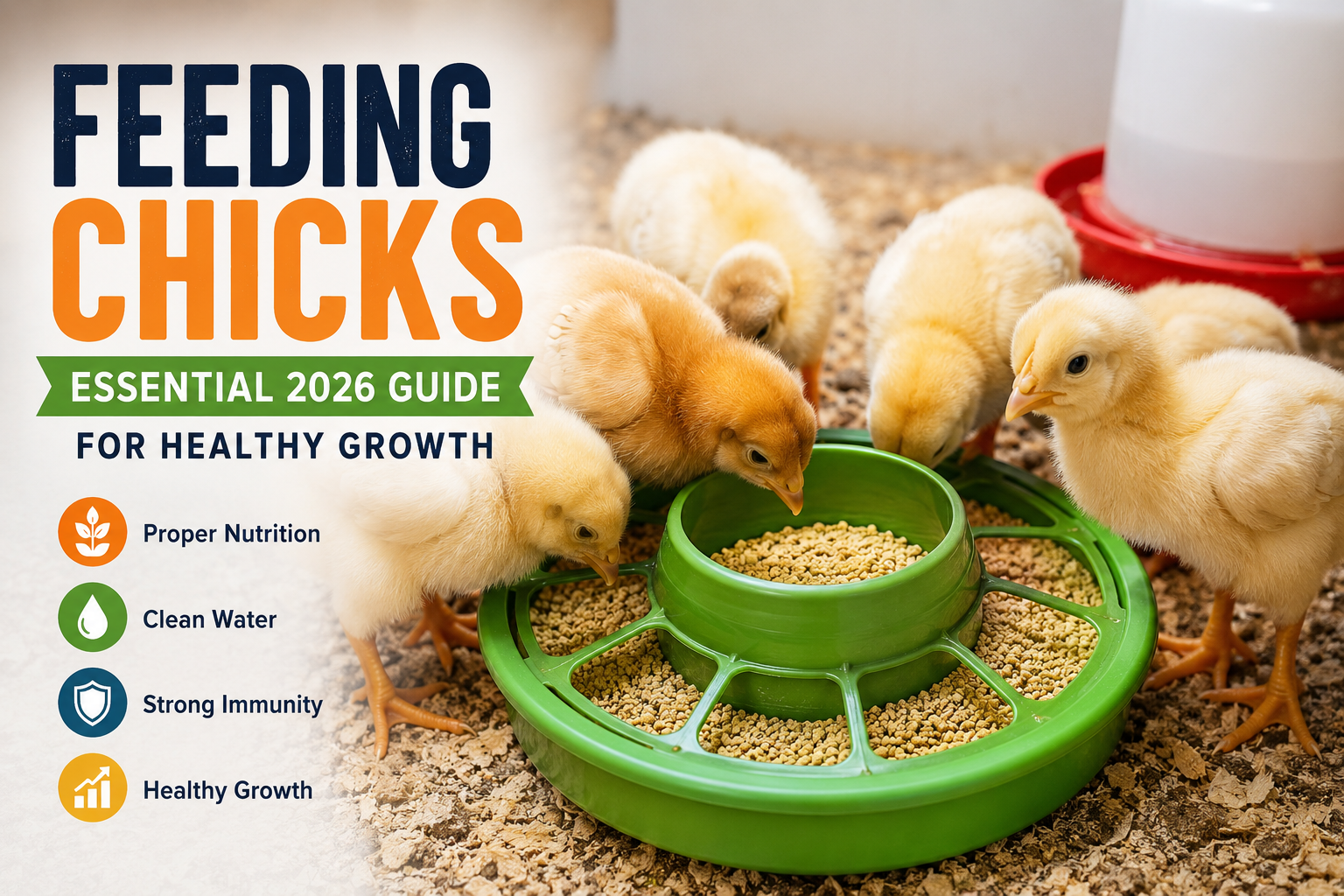
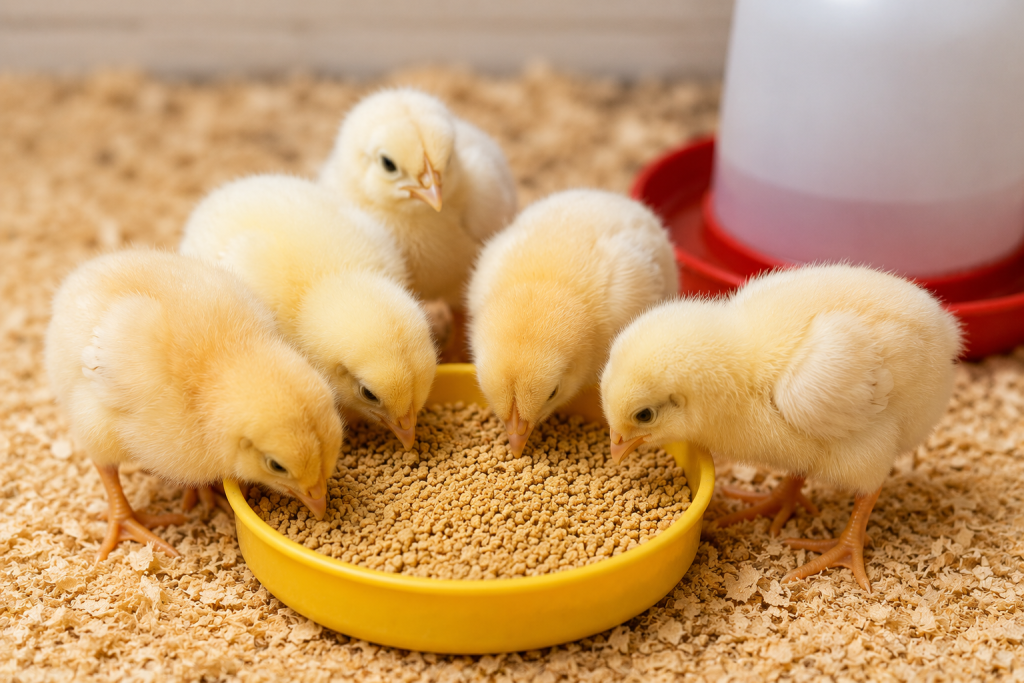
    Raising healthy chicks starts with proper Feeding Chicks from their first day of life. Whether you keep a backyard flock, run a small farm, or are starting your first chicken project, good nutrition helps chicks grow strong and active.

    In 2026, poultry keepers have access to better starter feeds, feeders, and flock-care information. However, choosing the right feed and feeding routine still matters. This guide explains what chicks need, how often to feed them, and which mistakes you should avoid.

    Why Feeding Chicks Matters

    Young chicks grow quickly during their first weeks. Therefore, they need a balanced diet that provides enough protein, energy, vitamins, and minerals.

    Good nutrition can support:

    • Strong bone and muscle development
    • Healthy feather growth
    • Normal weight gain
    • Good activity levels
    • A stronger immune system
    • Healthy development into adult chickens

    Additionally, clean water should always be available. Feed alone cannot meet a chick’s needs.

    Feeding Chicks With the Right Starter Feed

    Choose Quality Chick Starter Feed

    The most important part of Feeding Chicks is choosing a complete chick starter feed. This feed contains nutrients designed for young chickens and usually provides more protein than adult-layer feed.

    Look for a reputable poultry-feed brand with clear nutritional information. Additionally, choose medicated or non-medicated feed based on your flock’s needs and advice from a poultry professional.

    Do not replace starter feed with kitchen scraps as the main diet. Scraps may lack important nutrients that growing chicks need.

    Provide Fresh, Clean Water

    Water is just as important as feed. Chicks can become dehydrated quickly, especially during hot weather.

    Keep a clean chick waterer inside the brooder. Furthermore, check it several times each day and remove bedding, dirt, or droppings that enter the water.

    Types of Feed for Different Growth Stages

    Chick Starter Feed

    Starter feed is generally designed for young chicks during their early growth stage. It supplies concentrated nutrition when chicks need it most.

    However, feeding requirements can vary by breed, production type, and manufacturer instructions. Always check the feed label for the recommended age range.

    Grower Feed

    As chicks mature, they eventually transition from starter feed to grower feed. Grower diets usually contain a different nutrient balance for developing birds.

    Therefore, do not switch feeds suddenly unless the product instructions recommend it. A gradual transition can help chicks adjust to a new diet.

    Treats and Supplemental Foods

    Small amounts of suitable treats may be offered after chicks are old enough and eating their complete feed well. However, treats should remain a small part of the overall diet.

    Suitable options may include tiny amounts of appropriate greens or other chick-safe foods. Avoid foods that are salty, moldy, heavily seasoned, or spoiled.

    How Often Should You Feed Chicks?

    One advantage of Feeding Chicks with complete starter feed is that chicks can usually access feed throughout the day.

    A practical routine includes:

    1. Check the feeder every morning.
    2. Make sure feed stays dry and clean.
    3. Refill when necessary.
    4. Remove heavily contaminated feed.
    5. Check water at the same time.

    Additionally, use a feeder that limits scratching and spilling. This reduces waste and helps keep the brooder cleaner.

    Buying Guide: What Should You Look For?

    When buying feed and equipment, consider these factors:

    • Age: Choose feed designed for the chicks’ current stage.
    • Nutrition: Check the guaranteed analysis on the label.
    • Freshness: Avoid old, damp, or damaged feed.
    • Storage: Buy an amount you can store properly.
    • Feeder design: Select a stable feeder that reduces waste.
    • Waterer: Choose a chick-safe design that limits spills.

    Common Feeding Mistakes to Avoid

    Poor Feeding Chicks practices can cause unnecessary problems. Fortunately, most mistakes are easy to prevent.

    Avoid these common errors:

    • Feeding layer feed to young chicks
    • Providing moldy or wet feed
    • Allowing waterers to become dirty
    • Giving too many treats
    • Making sudden feed changes
    • Storing feed in a hot or damp place
    • Using an unstable feeder

    Furthermore, do not assume that more food variety always means better nutrition. A complete starter diet should remain the foundation of a chick’s meals.

    Care and Storage Tips

    Proper storage protects feed quality. Keep bags in a cool, dry, well-ventilated location and protect them from rodents and insects.

    Additionally, clean feeders regularly. If spilled feed becomes wet, remove it instead of allowing it to remain in the brooder.

    During hot weather, monitor chicks closely. Fresh water becomes especially important when temperatures rise. As a result, checking food and water several times a day can help you spot problems early.

    Conclusion

    Successful Feeding Chicks does not need to be complicated. Start with a quality chick starter feed, provide constant access to clean water, keep feeders clean, and adjust the diet as chicks grow.

    Most importantly, follow the manufacturer’s feeding guidance and watch your chicks every day. If you notice poor growth, unusual behavior, or other concerns, consult a qualified poultry veterinarian or animal-health professional.

    With the right routine, Feeding Chicks can give your young flock a strong start in 2026. Save this guide, share it with another backyard chicken keeper, and keep learning as your flock grows.

  • Marek’s Disease: Essential 2026 Poultry Guide

    Marek’s Disease: Essential 2026 Poultry Guide

    Marek’s Disease: Essential 2026 Poultry Guide

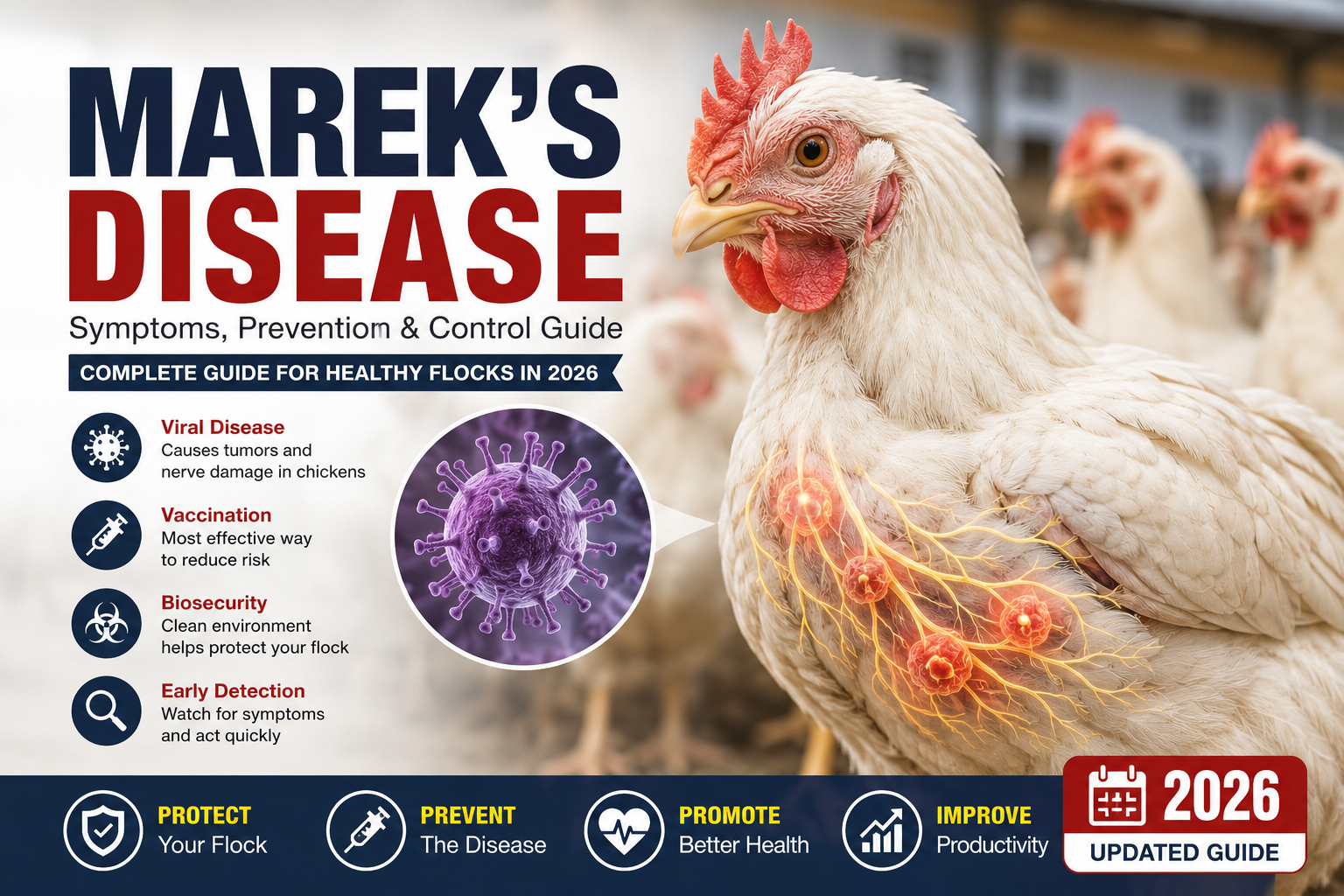
    Marek’s Disease remains an important concern for chicken owners, backyard keepers, and commercial poultry producers worldwide in 2026. This highly contagious viral disease can affect nerves, organs, and the immune system of chickens. Therefore, understanding the signs and prevention methods can help protect a flock.

    The disease spreads mainly through infected feather dander and dust. Moreover, the virus can remain infectious in poultry-house environments for long periods. Current veterinary guidance identifies vaccination and strong biosecurity as the main tools for reducing losses.

    Why Marek’s Disease Matters in 2026

    Marek’s Disease matters because infection can spread quickly once the virus enters a flock. Infected birds may carry and shed the virus even when they show few obvious signs.

    Additionally, severe infections can cause paralysis, poor growth, reduced production, tumors, and death. The disease occurs worldwide, so both small backyard flocks and large poultry operations should take prevention seriously.

    For poultry owners, early awareness can make a major difference. Good chicken disease prevention practices also reduce the risk of other infections.

    Marek’s Disease Symptoms to Watch

    Neurological Signs

    One of the most recognizable signs is weakness or paralysis. Affected chickens may struggle to walk or stand normally.

    In some cases, one leg may extend forward while the other extends backward. Furthermore, birds may become unable to reach food or water because of paralysis.

    Other Possible Signs

    Depending on the form and severity of infection, signs may include:

    • Weight loss or poor growth
    • Weakness and lethargy
    • Paralysis or poor coordination
    • Reduced egg production
    • Enlarged nerves
    • Internal tumors
    • Sudden death in severe cases

    However, symptoms can vary between birds. Therefore, a veterinarian or poultry diagnostic laboratory should confirm suspected cases.

    Types of Marek’s Disease

    Neurological Form

    The neurological form affects peripheral nerves. As a result, chickens may develop weakness, leg problems, or paralysis.

    Tumor-Associated Form

    Another form produces lymphoid tumors in organs such as the liver, spleen, kidneys, heart, and lungs. These tumors are associated with transformed T cells.

    Early Mortality and Other Forms

    Some infections can cause early mortality or other clinical syndromes. However, the severity depends on factors such as the virus strain, bird age, genetics, vaccination, and environmental stress.

    Marek’s Disease Vaccine and Prevention

    Vaccination is the most important preventive measure. Current vaccines include turkey herpesvirus (HVT), SB-1, and CVI988/Rispens-based products. Vaccination does not necessarily prevent infection or virus shedding, but it strongly reduces clinical disease and tumor development.

    Commercial programs commonly vaccinate chicks at hatch or use in-ovo vaccination. However, the correct schedule depends on the flock, vaccine product, local disease pressure, and veterinary guidance.

    Improve Poultry Biosecurity

    Vaccination works best alongside strong poultry biosecurity. Owners should:

    1. Keep housing clean and dry.
    2. Reduce dust and feather-dander buildup.
    3. Avoid unnecessary movement between flocks.
    4. Quarantine and carefully manage new birds.
    5. Clean equipment before moving it between groups.
    6. Monitor birds regularly for unusual signs.

    Additionally, buying vaccinated chicks from reputable hatcheries can reduce risk.

    Marek’s Disease Buying and Decision Guide

    If you are purchasing chicks in 2026, ask the hatchery whether the birds received a Marek’s disease vaccine.

    Before buying, check:

    • Vaccination status
    • Bird age
    • Hatchery health practices
    • Local disease risks
    • Available veterinary support

    Do not assume that every vaccine provides identical protection. Vaccine strains and vaccination programs can vary by region and production system.

    Common Mistakes to Avoid

    Many flock owners make preventable mistakes. First, they may wait for symptoms before thinking about prevention. However, infected birds can spread the virus before obvious disease becomes apparent.

    Other mistakes include:

    • Skipping vaccination without professional advice
    • Buying birds from unknown sources
    • Introducing new chickens without proper management
    • Ignoring excessive dust and dander
    • Assuming vaccination replaces biosecurity
    • Trying to diagnose tumors without laboratory support

    There is currently no specific treatment that eliminates the disease. Therefore, prevention remains the strongest strategy.

    Care Tips for a Healthier Flock

    Good flock management can reduce additional stress and improve overall health. Provide clean water, suitable nutrition, adequate ventilation, and appropriate stocking density.

    Furthermore, observe birds every day. Look for changes in walking, feeding, drinking, weight, egg production, and behavior.

    If several birds become sick or deaths increase, contact a poultry veterinarian or diagnostic laboratory promptly. Accurate diagnosis is important because other diseases can produce similar signs.

    Frequently Asked Questions

    What causes this disease in chickens?

    A herpesvirus causes this disease. It spreads mainly through infected feather dander and dust.

    What are the common symptoms in chickens?

    Common signs include weakness, weight loss, poor growth, leg paralysis, reduced production, and sometimes sudden death.

    Can infected birds recover?

    Severely affected birds may not recover. There is no specific treatment that eliminates the virus, so prevention is very important.

    How can poultry owners prevent this disease?

    Vaccination, good biosecurity, clean housing, proper flock management, and careful sourcing of chicks can reduce the risk.

    Is vaccination effective for young chicks?

    Yes. Vaccination is the main preventive tool and is commonly given to chicks at hatch or through in-ovo vaccination programs.

    Can the virus spread between chickens?

    Yes. The virus can spread through contaminated feather dander, dust, clothing, equipment, and the poultry-house environment.

    Should sick chickens be isolated?

    Suspicious birds should be managed carefully, and poultry owners should contact a veterinarian or diagnostic laboratory for proper advice and testing.

    Conclusion

    Marek’s Disease remains a serious poultry-health challenge in 2026, but informed management can greatly reduce its impact. Vaccination, biosecurity, careful flock monitoring, and responsible bird sourcing are essential steps.

    For backyard and commercial poultry owners alike, prevention should begin before problems appear. If you suspect Marek’s Disease, seek professional veterinary advice and use laboratory testing when appropriate. Protecting your flock starts with early action, consistent care, and a reliable vaccination strategy.

  • Chicken Behavior Explained: 2026 Guide

    Chicken Behavior Explained: 2026 Guide

    Chicken Behavior Explained: 2026 Guide

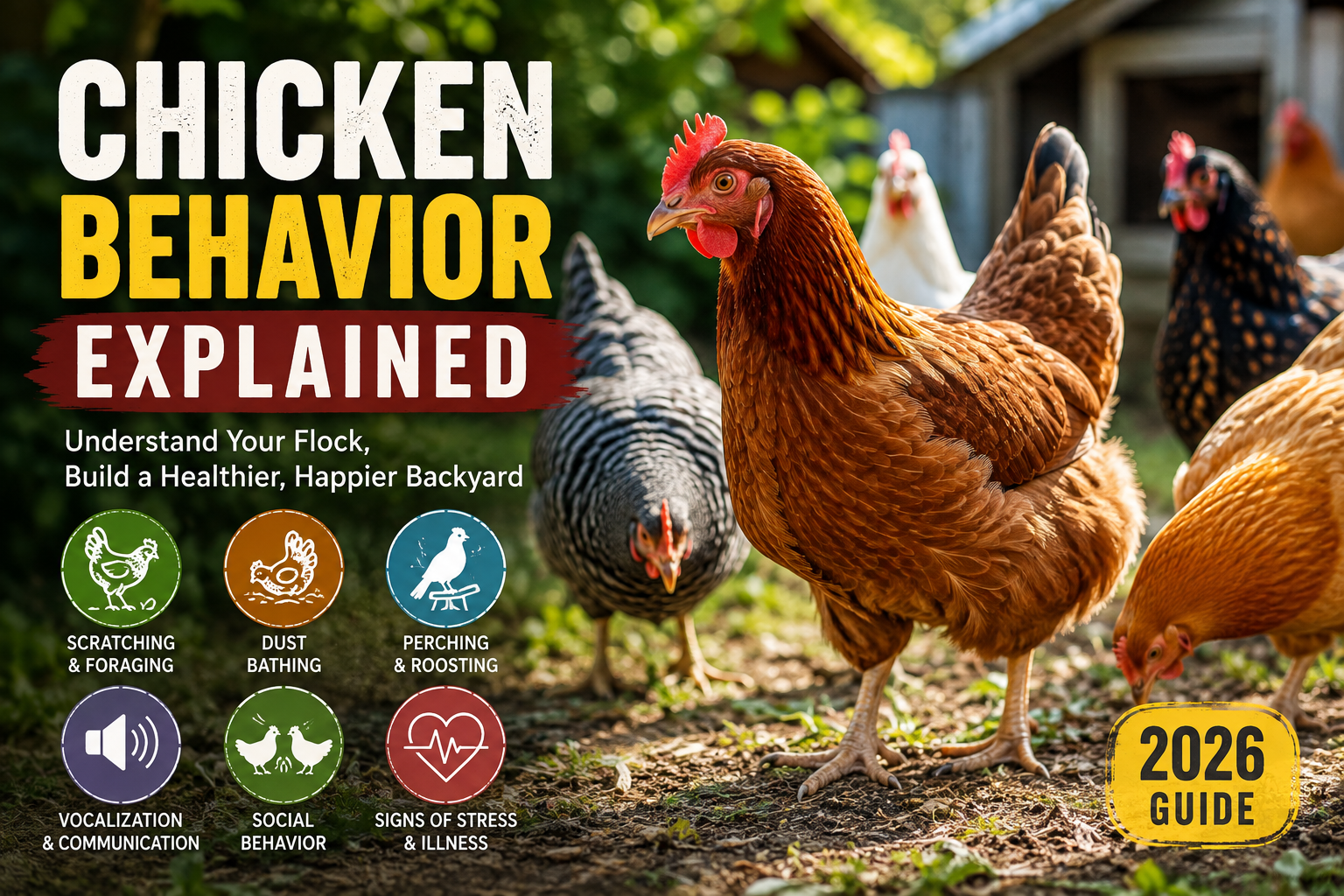
    If you keep chickens, their daily actions can seem strange at first. However, Chicken Behavior Explained can help owners understand what birds are communicating through movement, sounds, pecking, and flock interactions.

    In 2026, understanding normal behavior is especially useful for backyard keepers and small-flock owners. Chickens naturally forage, perch, dust bathe, nest, and form social rankings. These behaviors can also provide important clues about their health and welfare.

    Why Chicken Behavior Explained Matters

    Learning normal chicken behavior helps you notice problems early. A healthy chicken usually stays active, searches for food, scratches the ground, interacts with flockmates, and rests normally.

    However, sudden changes deserve attention. A bird that stops eating, drinks less, isolates itself, looks unusually sleepy, or stops moving normally may be sick or stressed. Chickens often hide illness because they are prey animals, so behavior changes can be an early warning sign.

    Benefits of Understanding Chicken Behavior

    • Identify stress earlier.
    • Understand flock relationships.
    • Reduce unnecessary fighting.
    • Improve housing and enrichment.
    • Recognize possible illness.
    • Support natural chicken body language.

    Chicken Behavior Explained: Key Natural Behaviors

    Scratching and Foraging

    Scratching is one of the most important natural behaviors. Chickens use their feet and beaks to search through soil, bedding, grass, and other materials for food.

    Additionally, chickens may forage even when feed is freely available. This means enrichment areas can help satisfy a strong natural behavior.

    Dust Bathing

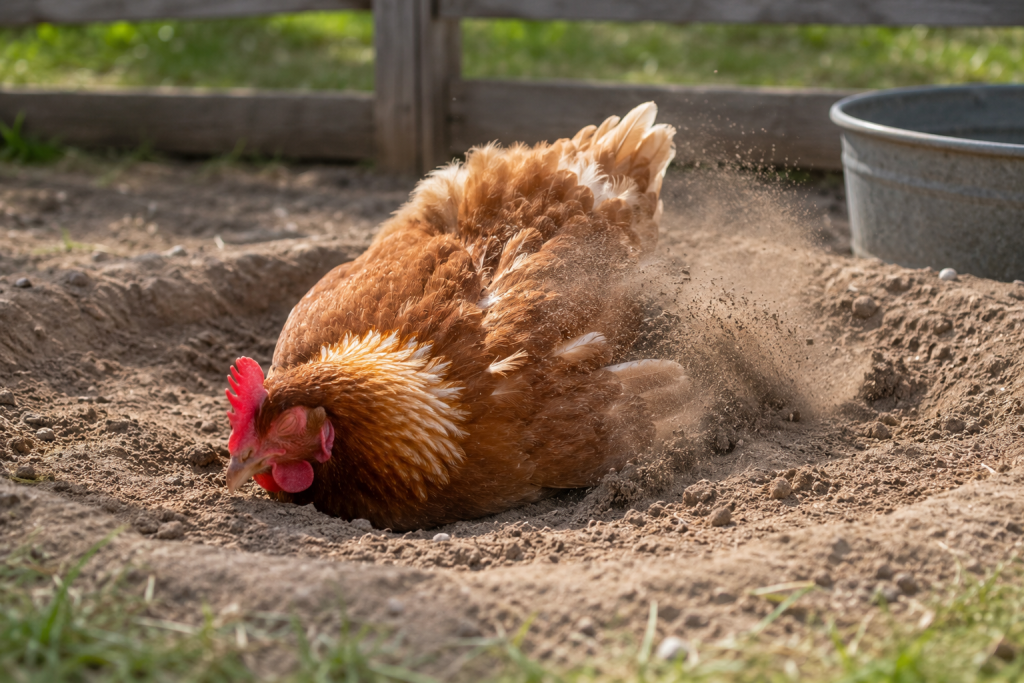
    Dust bathing is not simply playing in dirt. Chickens roll, scratch, and shake dry material through their feathers. This helps maintain feather condition and also supports social interaction within the flock.

    Perching and Roosting

    Chickens naturally seek elevated places to rest, particularly at night. Perching can provide security and allow birds to move away from aggressive flockmates.

    Therefore, suitable perches are an important part of good chicken housing.

    Types of Chicken Behavior

    Social Behavior and the Pecking Order

    Chickens are social animals. A flock usually develops a hierarchy known as the pecking order.

    Some pecking can be normal when birds establish their rank. Usually, this settles relatively quickly. However, repeated attacks that cause wounds, feather loss, or severe stress indicate a problem.

    Communication and Vocalization

    Chickens communicate through different sounds. Hens may cluck softly while feeding or moving around. Alarm calls can become louder when a bird detects a threat.

    Roosters commonly crow, while chickens may also make different sounds during feeding, nesting, mating, or stressful situations.

    Nesting Behavior

    Hens preparing to lay eggs may search for a nesting location, inspect several areas, and settle before laying. Some hens may remain in the nest after laying.

    Providing comfortable nesting areas can therefore support normal behavior and reduce problems such as broken eggs.

    How to Read Chicken Body Language

    Watch your flock every day. Compare each bird with its usual behavior rather than judging one action alone.

    Look for:

    1. Active movement: Healthy birds normally walk, scratch, forage, and interact.
    2. Normal posture: A relaxed bird should not remain unusually hunched or withdrawn.
    3. Feeding behavior: Sudden loss of appetite can signal a problem.
    4. Social interaction: Isolation may indicate stress, injury, or illness.
    5. Feather condition: Excessive feather pecking can indicate management or welfare problems.

    Common Chicken Behavior Problems

    Aggression becomes concerning when it causes injuries or continues throughout the flock. Recent Penn State guidance updated in June 2026 notes that stress and poor management can contribute to cannibalism, which may spread rapidly after an open wound appears.

    Common contributing factors can include:

    • Crowding
    • Excessive lighting
    • Nutritional problems
    • Lack of enrichment
    • Limited foraging opportunities
    • Poor flock management

    Providing foraging opportunities, suitable perches, and loose substrate can help reduce harmful pecking behavior.

    Chicken Care Tips for Better Behavior

    Good management can encourage natural behavior and reduce stress.

    Provide the Right Environment

    Make sure chickens have access to:

    • Clean drinking water
    • Appropriate feed
    • Dry bedding
    • Safe outdoor space
    • Shade and shelter
    • Dust-bathing material
    • Suitable perches
    • Opportunities to forage

    Additionally, keep feeders and waterers clean and maintain good coop sanitation. University of Minnesota Extension recommends regular cleaning and monitoring birds for changes from their normal behavior.

    Monitor the Flock Daily

    Spend a few minutes watching your chickens every day. Learn each bird’s normal eating, movement, vocalization, and social habits.

    As a result, unusual behavior becomes much easier to identify.

    Common Mistakes to Avoid

    Do not assume every peck means aggression. Some pecking is part of normal social behavior.

    Also, avoid ignoring sudden behavioral changes. A quiet or isolated chicken may need closer observation. Furthermore, do not overcrowd the flock or remove important enrichment opportunities.

    Never treat serious wounds or suspected disease casually. Separate injured birds when appropriate and contact a poultry veterinarian for professional advice.

    Chicken Behavior Explained: What Healthy Birds Look Like

    Healthy chickens are generally active and curious. They scratch, forage, dust bathe, perch, eat, drink, communicate, and interact with flockmates.

    However, every chicken has its own personality. The most useful approach is to establish each bird’s normal routine and then watch for meaningful changes. Chicken Behavior Explained is ultimately about understanding those patterns instead of judging one action in isolation.

    Frequently Asked Questions

    1. What does Chicken Behavior Explained tell us about normal chicken habits?

    Chicken Behavior Explained helps owners understand common behaviors such as scratching, foraging, dust bathing, roosting, nesting, and flock interaction. These activities are usually normal parts of a healthy chicken’s daily routine.

    2. How does Chicken Behavior Explained help identify stress?

    Chicken Behavior Explained can help you notice unusual changes in eating, movement, vocalization, posture, or social behavior. If a normally active chicken suddenly becomes quiet or isolated, it may need closer observation.

    3. Can Chicken Behavior Explained help with aggressive chickens?

    Yes, Chicken Behavior Explained can help owners understand the difference between normal pecking-order behavior and harmful aggression. Repeated attacks, injuries, feather loss, or severe bullying may indicate a flock-management problem.

    4. Why is Chicken Behavior Explained important for backyard chicken owners?

    Chicken Behavior Explained gives backyard chicken owners a better understanding of their flock’s needs. By watching normal behavior every day, owners can identify potential stress, illness, or environmental problems earlier.

    Conclusion

    Understanding Chicken Behavior Explained can make chicken keeping safer, easier, and more rewarding in 2026. From scratching and dust bathing to vocalization and the pecking order, these behaviors reveal what chickens need and how they feel.

    Start watching your flock for a few minutes each day. By learning normal behavior, you can spot stress, injury, or illness sooner while creating an environment that supports natural chicken behavior.

  • Stress in Chickens: 2026 Causes, Signs & Solutions

    Stress in Chickens: 2026 Causes, Signs & Solutions

    Stress in Chickens: 2026 Causes, Signs & Solutions

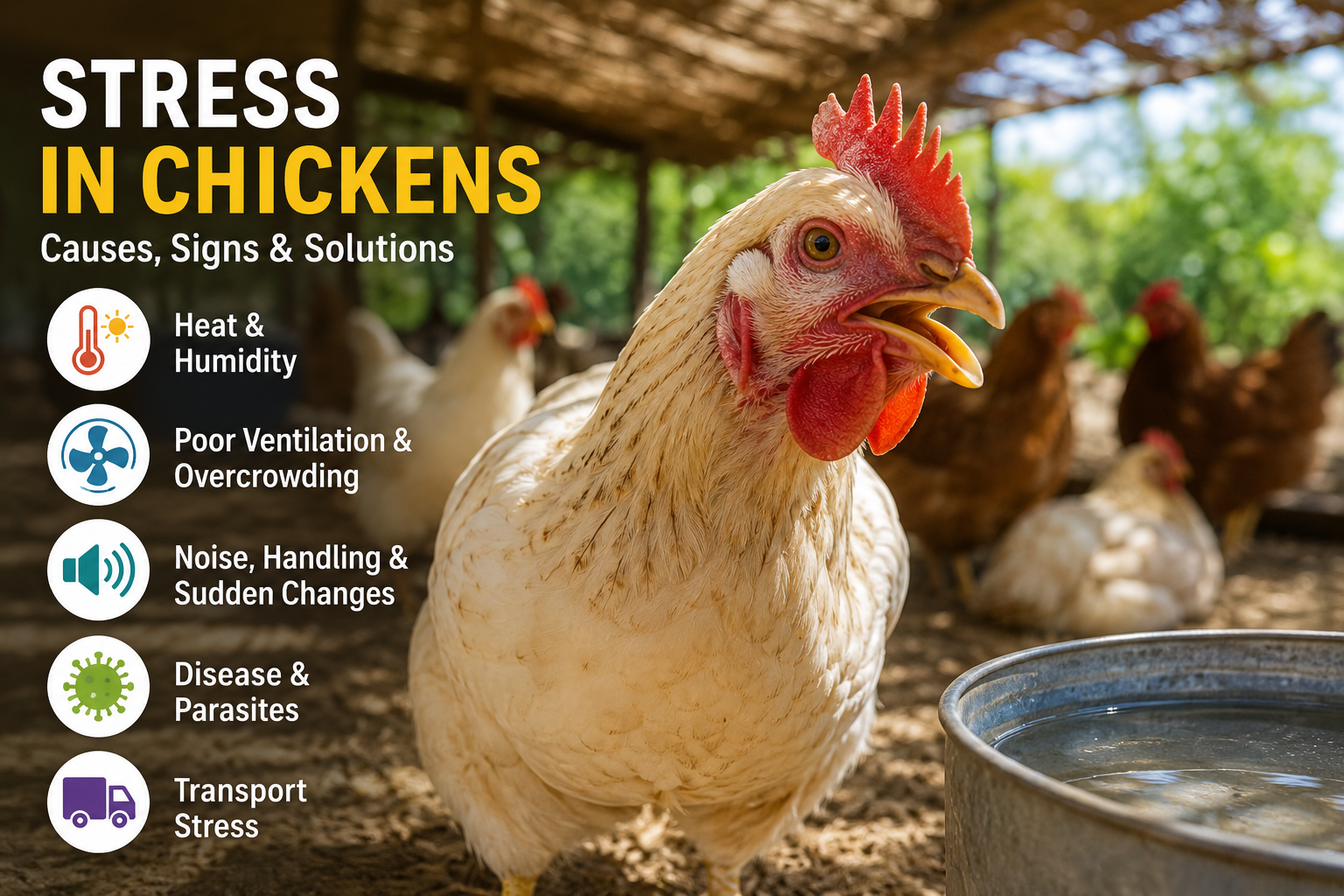
    Stress in Chickens has become an important poultry welfare issue in 2026. Extreme heat, poor ventilation, overcrowding, transport, sudden management changes, and disease can place serious pressure on birds. For backyard keepers and commercial producers worldwide, recognizing early warning signs can help protect flock health and productivity.

    Recent 2026 reports show why the issue deserves attention. In the UK, approximately 17,000 broilers and hundreds of other poultry were reported dead on arrival at slaughterhouses during the June extreme-heat period, with suspected heat stress cited as a cause.

    Meanwhile, new research continues to examine ways to improve heat tolerance and welfare in chickens.

    Why Stress in Chickens Matters in 2026

    Stress affects more than a bird’s behavior. Prolonged stress can reduce feed intake, growth, egg production, eggshell quality, immunity, and overall welfare.

    A 2026 review found that heat stress can affect feed consumption, egg production, eggshell formation, immune function, and mortality.

    Additionally, research published in Frontiers in Physiology found that chronic heat exposure can negatively affect egg production and egg quality in laying hens.

    Therefore, Stress in Chickens should be treated as both a welfare concern and a production issue.

    Key Causes of Stress in Chickens

    1. Heat and Humidity

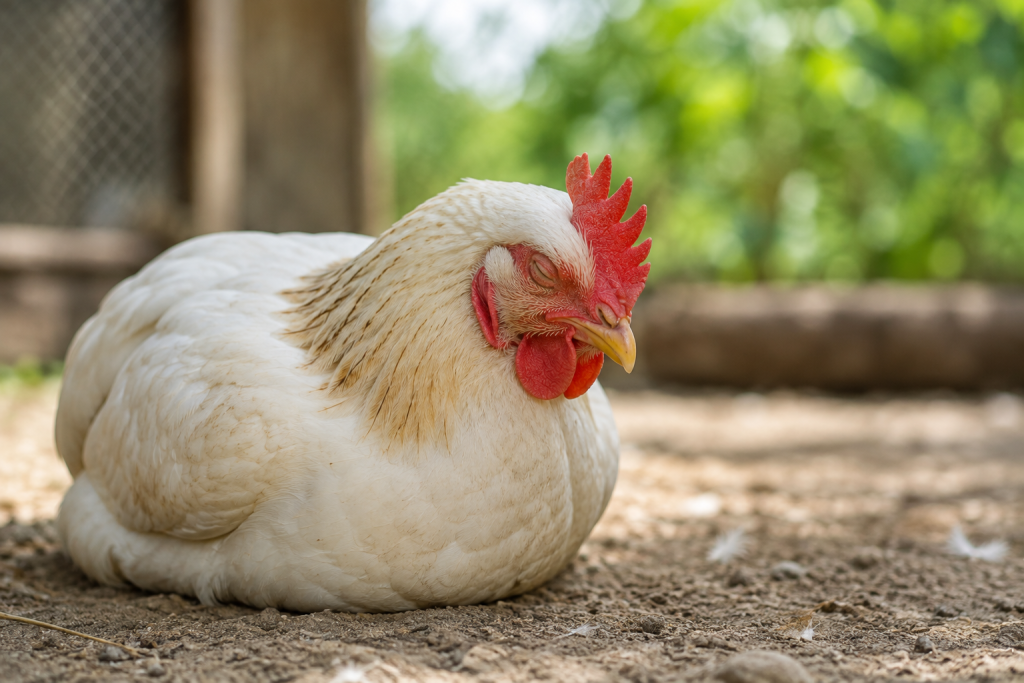
    Heat is one of the biggest environmental causes of Stress in Chickens. Chickens cannot sweat, so they rely heavily on panting and other cooling mechanisms.

    Signs may include:

    • Heavy panting
    • Wings held away from the body
    • Reduced eating
    • Increased drinking
    • Lethargy
    • Reduced egg production

    University of Minnesota Extension notes that chickens may drink two to four times their normal amount during heat stress.

    2. Poor Ventilation and Overcrowding

    Hot, poorly ventilated housing can quickly increase discomfort. Furthermore, overcrowding limits movement and can increase competition for feed, water, shade, and resting areas.

    Good airflow is therefore a major part of poultry stress management.

    3. Disease, Noise and Sudden Changes

    Disease, parasites, loud noises, predators, rough handling, transportation, and sudden changes in feed or housing can also trigger stress.

    However, stress signs can overlap with illness. If a bird appears seriously weak, unconscious, injured, or unusually sick, contact a veterinarian promptly.

    Types of Stress in Chickens

    Environmental Stress

    Environmental stress includes excessive heat, cold, humidity, poor air quality, and inadequate lighting. In 2026, heat remains a major global concern because extreme temperatures can affect both backyard and commercial poultry.

    Social and Management Stress

    Moving birds, mixing unfamiliar groups, overcrowding, and aggressive flock behavior can create social pressure.

    Additionally, poor access to resources may increase competition and anxiety.

    Transport Stress

    Transportation can expose chickens to heat, vibration, handling, unfamiliar surroundings, and limited access to water. Proper planning is especially important during hot weather.

    How to Reduce Stress in Chickens

    The most effective approach is prevention. Start with basic environmental management.

    1. Provide clean, cool water at all times.
    2. Improve ventilation without creating dangerous drafts.
    3. Offer reliable shade during hot weather.
    4. Avoid unnecessary handling during extreme heat.
    5. Keep stocking density appropriate.
    6. Monitor birds frequently during heatwaves.
    7. Maintain clean feeders and drinkers.
    8. Keep housing dry and comfortable.

    For backyard birds, extension guidance also recommends shade, water, and ventilation as core heat-management measures.

    As a result, simple daily checks can prevent Stress in Chickens from becoming a serious welfare problem.

    What 2026 Research Is Showing

    Scientists are also exploring longer-term solutions. A July 2026 study examined heat resilience in Thai native and black-boned chickens and highlighted the importance of temperature-humidity conditions for sustainable egg production.

    Another 2026 study investigated early-age thermal conditioning in pasture-raised broilers as a possible strategy for improving responses to later heat exposure.

    These findings suggest that future poultry management may combine better housing, genetics, environmental monitoring, and improved management practices.

    Common Mistakes to Avoid

    Avoid these common errors when managing Stress in Chickens:

    • Waiting until birds collapse before taking action
    • Providing too few drinkers
    • Ignoring nighttime heat
    • Blocking natural airflow
    • Making sudden feed changes
    • Overcrowding the coop
    • Assuming every stressed bird simply needs more food

    Furthermore, never assume panting is harmless when it becomes heavy or persistent.

    Daily Care Checklist

    A quick daily inspection can help identify problems early.

    Check:

    • Water availability
    • Coop temperature and airflow
    • Bird behavior
    • Feed consumption
    • Droppings
    • Egg production
    • Injuries or unusual aggression
    • Signs of panting or weakness

    If several birds suddenly show abnormal behavior, investigate environmental conditions and disease risks rather than treating the problem as ordinary Stress in Chickens.

    Conclusion

    The 2026 poultry season shows that Stress in Chickens is becoming an increasingly important welfare challenge, particularly during extreme weather. Heat, humidity, poor ventilation, overcrowding, disease, transportation, and sudden environmental changes can all affect flock health.

  • Chicken Dust Baths: Easy 2026 Backyard Guide

    Chicken Dust Baths: Easy 2026 Backyard Guide

    Chicken Dust Baths: Easy 2026 Backyard Guide

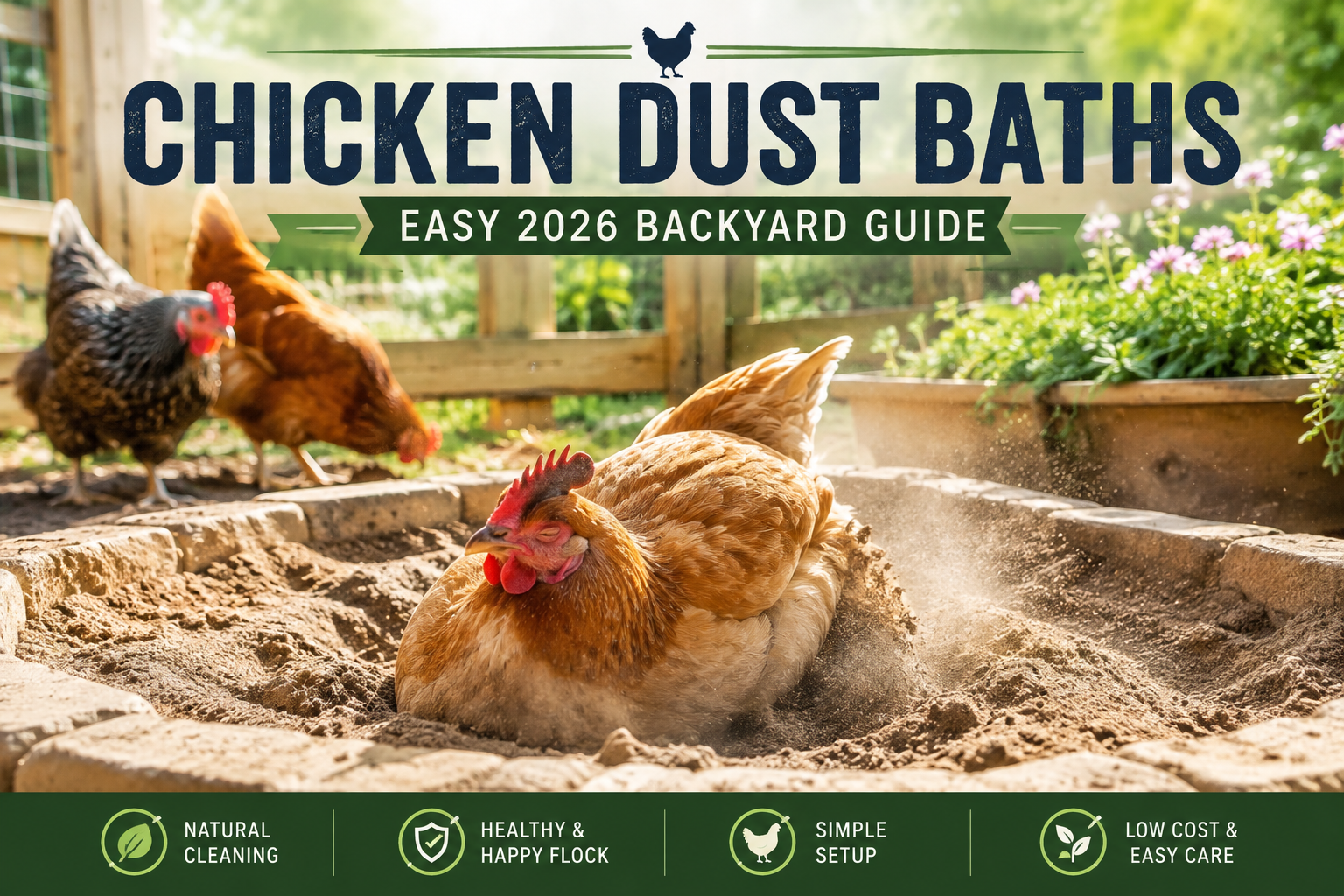
    Chicken Dust Baths are a simple and natural way to help backyard chickens keep their feathers clean and healthy. Chickens naturally roll, scratch, and wiggle in dry soil to remove dirt and excess oils. Therefore, giving your flock a dedicated bathing area can improve comfort while also making coop care easier.

    Whether you keep three hens or a larger flock, a well-designed dust bath can become one of the most useful features in your chicken area.

    Why Chicken Dust Baths Matter

    Chickens do not use water like people do when they clean themselves. Instead, they use dry material to work through their feathers and skin. As a result, regular dust bathing can help remove excess oil, loose skin, and surface debris.

    There are several chicken dust bath benefits for backyard flocks:

    • Helps chickens maintain clean feathers
    • Supports normal preening behavior
    • Provides natural enrichment
    • Gives chickens an activity that reduces boredom
    • Can help control excess moisture around feathers
    • Creates a dedicated area for natural behavior

    Additionally, dust bathing gives chickens something productive to do. This can be especially useful when birds spend more time inside their coop because of rain, cold weather, or predators.

    How to Create Chicken Dust Baths

    Creating a good bathing area does not require expensive equipment. In fact, many chicken keepers can build one using materials they already have.

    Choose the Right Location

    First, select a dry and sheltered location. The area should have good drainage and enough space for several birds to bathe without crowding.

    However, avoid placing the bath directly under a leaking roof or in an area that stays wet after rain. Moist material can become compacted and lose its usefulness.

    Select Safe Dust Bath Ingredients

    A good mixture should remain loose and dry. Common materials include:

    • Dry soil or fine dirt
    • Clean sand
    • Peat moss
    • Wood ash from untreated wood

    For a simple DIY chicken dust bath, start with dry soil and sand. Additionally, adding a small amount of suitable organic material can make the mixture easier for chickens to work through.

    Avoid charcoal ash, painted wood ash, construction dust, heavily treated materials, and anything containing chemicals.

    Types of Chicken Dust Baths

    Different setups can work depending on your space and flock size.

    Ground-Level Dust Bath

    A natural ground-level area works well when you have a dry section of the chicken run. Simply loosen the soil and add clean, dry materials as needed.

    This option costs very little. However, rain can quickly turn the area muddy, so choose a sheltered location whenever possible.

    Container Dust Bath

    A large plastic tub, wooden box, or sturdy storage container can create a controlled chicken coop dust bath. The sides should be low enough for chickens to enter and exit easily.

    Container baths work especially well for small backyard flocks. Additionally, you can move the container when the area becomes dirty or wet.

    Covered Dust Bath

    A covered setup offers extra protection from rain and snow. For example, you can place a simple roof over the bathing area or position it inside a covered section of the run.

    This design helps keep the best dust bath for chickens dry throughout changing weather.

    What Should You Look For?

    When choosing or building a dust bathing area, consider these factors:

    1. Dryness: The material should stay loose and dry.
    2. Space: Give several chickens enough room to bathe comfortably.
    3. Safety: Avoid sharp edges and harmful materials.
    4. Ventilation: Keep the area fresh and well ventilated.
    5. Accessibility: Chickens should reach it easily.
    6. Protection: A roof or sheltered location can prevent rain damage.

    Additionally, check the bath regularly. Replace contaminated material when needed rather than allowing waste to build up.

    Common Mistakes to Avoid

    Even a simple dust bath can cause problems if you choose the wrong materials or location.

    Avoid these common mistakes:

    • Using wet or muddy soil
    • Adding treated wood ash
    • Using dusty construction materials
    • Placing the bath in direct rain
    • Making the container too small
    • Allowing droppings to accumulate
    • Ignoring sharp container edges

    Furthermore, do not assume that every powder or garden product is safe for chickens. Always check the ingredients before adding anything to the bathing area.

    Maintenance and Care Tips

    A dust bath needs regular attention, although maintenance remains simple. Remove visible droppings and replace material that becomes heavily contaminated.

    After heavy rain, check the mixture carefully. If it becomes wet and compacted, loosen it or replace it with fresh, dry material.

    Also, inspect the container for cracks or sharp edges. Finally, keep the surrounding area clean so chickens can move safely between their coop, food, water, and bathing space.

    Conclusion

    Chicken Dust Baths provide chickens with a natural way to clean themselves, stay active, and express normal behavior. With dry materials, enough space, and a protected location, you can create an effective bathing area without spending much money.

  • Blue Eggs Explained: Breeds, Causes & Facts 2026

    Blue Eggs Explained: Breeds, Causes & Facts 2026

    Blue Eggs Explained: Breeds, Causes & Facts 2026

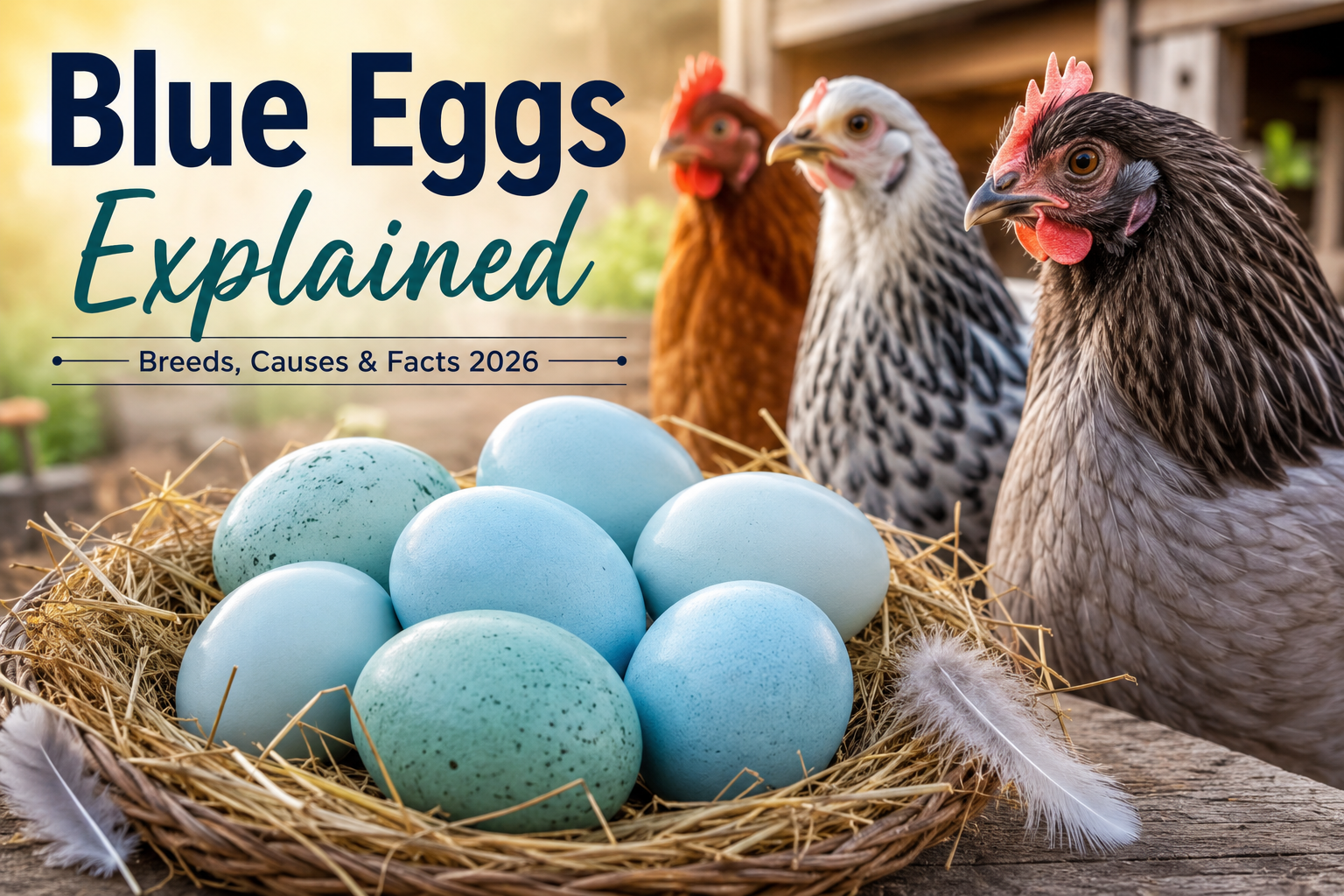
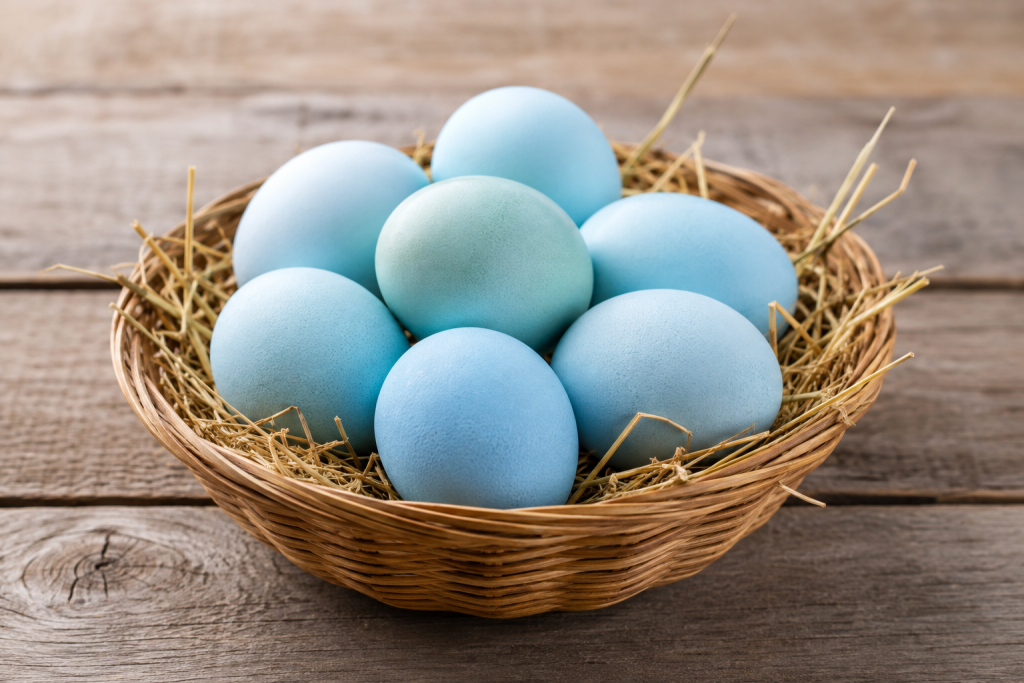
    Have you ever opened a nesting box and found a beautiful blue egg? Blue Eggs Explained is a simple guide to understanding this unusual and natural egg color. For backyard chicken keepers in the US and around the world, blue eggs can add variety to a flock and make egg collecting more exciting.

    The blue shell does not mean the egg contains unusual ingredients. Instead, genetics determine the shell color. Additionally, several popular chicken breeds can produce blue or blue-green eggs.

    Why Blue Eggs Matter

    Blue Eggs Explained starts with one important fact: shell color mainly comes from genetics. A pigment called biliverdin creates the blue color during shell formation.

    Unlike brown eggs, where pigment often coats the outside of the shell, biliverdin can affect the shell more deeply. As a result, the blue shade may appear both outside and inside the shell.

    Blue eggs also offer several practical benefits:

    • They add visual variety to an egg basket.
    • They can make backyard flocks more interesting.
    • They help owners identify certain breeds.
    • They can be a fun talking point at farmers’ markets.
    • They are generally similar nutritionally to other chicken eggs.

    However, shell color does not automatically make an egg healthier. Nutrition depends more on the hen’s diet, health, age, and living conditions.

    Blue Eggs Explained: What Causes the Color?

    Genetics and Egg Pigment

    The main reason for blue shells is genetics. Certain chickens inherit genes that control how their bodies produce and deposit biliverdin during shell formation.

    Therefore, choosing the right breeding stock matters if you want chickens that lay blue eggs.

    Blue Eggs Explained by Breed

    Different breeds can produce slightly different shades. Some hens lay pale sky-blue eggs, while others produce blue-green or greenish eggs.

    Common examples include:

    • Araucana: Known for blue-shelled eggs and distinctive genetics.
    • Ameraucana: A popular breed known for blue eggs and a calm nature.
    • Easter Egger: These mixed-breed chickens may produce blue, green, olive, tan, or other shades.
    • Cream Legbar: Often associated with attractive blue eggs and strong foraging ability.

    Types of Blue Eggs

    Light Blue Eggs

    Some hens produce soft pastel-blue shells. These eggs often look almost white under bright light, but their blue tint becomes easier to see in natural lighting.

    Blue-Green Eggs

    Some chickens produce eggs with a blue-green appearance. Easter Egger blue eggs can vary widely because Easter Eggers do not belong to one standardized breed.

    Darker Blue Shades

    Deep blue shells are less common. Even within one breed, individual hens may produce different shades. Furthermore, shell color can sometimes change slightly as a hen ages.

    Choosing Chickens That Lay Blue Eggs

    If your goal is a colorful egg basket, consider the following before buying birds:

    1. Research the breed: Check whether the breed reliably produces blue eggs.
    2. Ask about parent stock: Genetics strongly influence shell color.
    3. Check temperament: Choose a breed that fits your flock.
    4. Consider climate: Some breeds may handle certain environments better than others.
    5. Buy from reputable breeders: Accurate breeding information improves your chances of getting the desired egg color.

    Additionally, do not buy a chicken based only on egg color. Health, temperament, productivity, and housing needs should also influence your decision.

    Common Mistakes to Avoid

    When learning about Blue Eggs Explained, new chicken keepers often make a few mistakes.

    Mistake 1: Assuming blue eggs taste different.
    Shell color alone does not determine flavor. Feed, freshness, and storage have a greater impact.

    Mistake 2: Believing blue eggs are automatically healthier.
    Blue shells do not guarantee superior nutrition.

    Mistake 3: Expecting every hen to lay the same shade.
    Egg color can vary between hens and sometimes change during a hen’s laying cycle.

    Mistake 4: Choosing birds without checking genetics.
    If blue eggs are important to you, research the breeding background before purchasing chickens.

    Caring for Blue Egg-Laying Hens

    Good care supports healthy hens and consistent egg production. Provide clean water, balanced layer feed, safe housing, and enough space to move naturally.

    Also, keep nesting areas clean and collect eggs regularly. Fresh bedding helps reduce contamination, while good coop ventilation supports overall flock health.

    Blue Eggs Explained: Final Takeaway

    Blue Eggs Explained comes down to genetics, pigments, and chicken breed. Ameraucanas, Araucanas, Cream Legbars, and some Easter Eggers can produce attractive blue or blue-green shells.

    If you want these colorful eggs in your own basket, choose suitable breeds and buy birds from reliable sources. Most importantly, focus on healthy hens, quality feed, clean housing, and responsible flock care. Want more colorful eggs in your backyard flock? Explore suitable blue egg-laying breeds and start planning your 2026 flock today.

  • Coccidiosis in Chickens: Complete 2026 Care Guide

    Coccidiosis in Chickens: Complete 2026 Care Guide

    Coccidiosis in Chickens: 2026 Guide

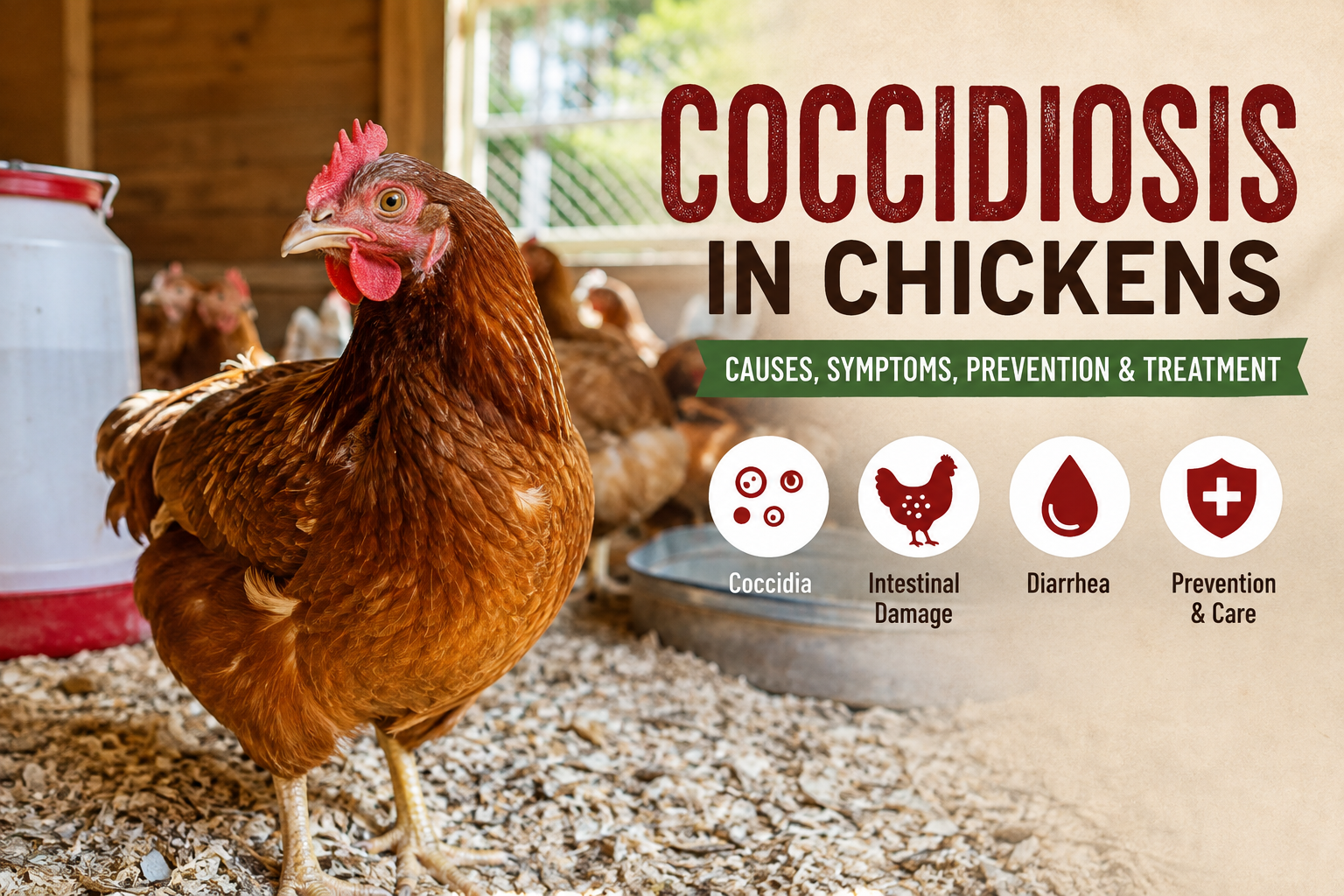
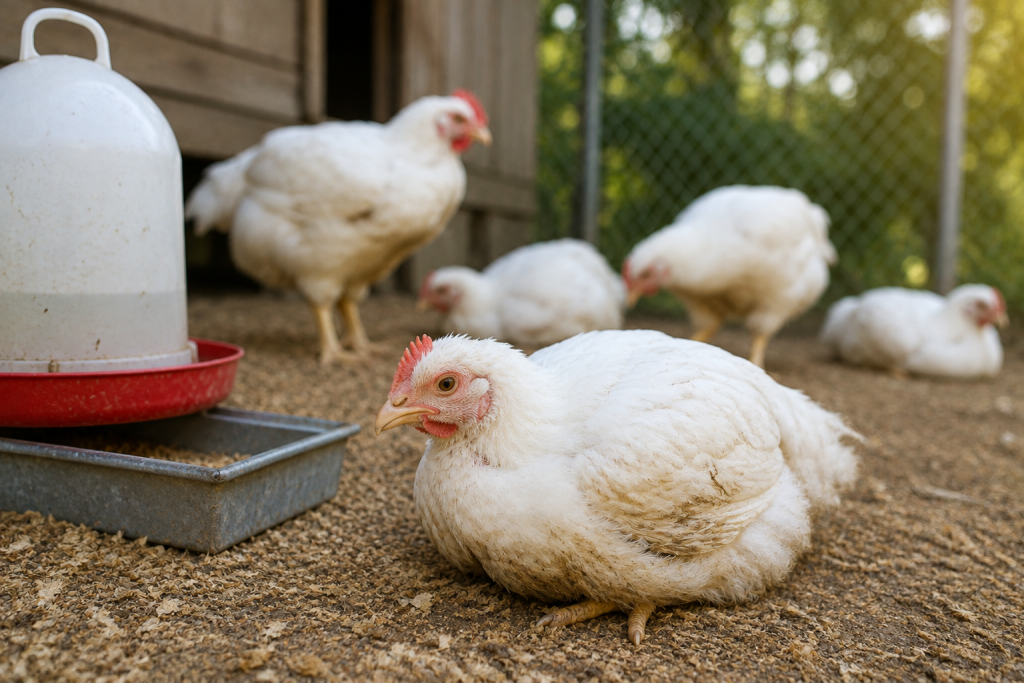
    Coccidiosis in Chickens is a common intestinal disease that can quickly affect young birds. It is caused by microscopic parasites called Eimeria. These parasites damage the intestinal lining and can lead to diarrhea, poor growth, weight loss, and, in severe cases, death.

    For backyard keepers and poultry producers, early action matters. Therefore, knowing the signs and keeping litter dry can help reduce serious outbreaks.

    Why Coccidiosis in Chickens Matters

    Coccidiosis can spread when chickens ingest infectious oocysts from contaminated litter, soil, feed, water, equipment, or footwear. Warm, moist conditions can help oocysts become infectious within about one to two days.

    As a result, crowded or damp housing can increase disease pressure. Young chickens face particular risk because they have not yet developed strong protective immunity.

    Common problems include:

    • Reduced appetite
    • Slow growth and weight loss
    • Diarrhea
    • Reduced egg production
    • Weakness or poor activity
    • Increased mortality during severe outbreaks

    Key Factors to Consider

    Chicken Coccidiosis Symptoms

    Watch your flock closely for changes in behavior and droppings. Chicken coccidiosis symptoms can vary according to the Eimeria species and the severity of infection.

    Blood in droppings can occur with certain severe infections, but abnormal droppings alone do not prove coccidiosis. Therefore, avoid relying on appearance alone.

    If several birds become weak, stop eating, lose weight, or develop severe diarrhea, contact a poultry veterinarian promptly.

    How Coccidia in Poultry Spreads

    Coccidia in poultry are commonly spread through contaminated feces. Chickens can pick up infectious oocysts while scratching through litter or eating contaminated feed.

    Additionally, people can accidentally move contaminated material between pens on shoes, clothing, tools, or equipment. Flies and rodents can also contribute to contamination.

    Types and Categories

    Common Eimeria Species

    Several Eimeria species can infect chickens. Some primarily affect different areas of the intestine.

    For example, Eimeria tenella can cause serious damage in the ceca, while Eimeria necatrix can severely affect the small intestine.

    Because different species can produce different lesions, accurate diagnosis is important before choosing a treatment plan.

    Clinical vs. Subclinical Infection

    Not every infection causes obvious illness. Mild or subclinical infections may reduce growth or production without dramatic external signs.

    However, severe infections can cause intestinal damage, dehydration, poor performance, and mortality. Survivors may also need time to regain normal growth and production.

    Diagnosis and Treatment Guide

    A veterinarian can diagnose coccidiosis using fecal testing and, when necessary, examination of intestinal tissues. Importantly, finding oocysts does not always show how severe the disease is, so clinical signs and intestinal lesions also matter.

    Coccidiosis treatment for chickens should follow veterinary advice and the instructions for the approved product used in your country. Anticoccidial medications and vaccination programs are important control tools in poultry production.

    Do not randomly combine medications or copy treatment doses from social media. Also, always check meat and egg withdrawal requirements because they can differ by product and location.

    Common Mistakes to Avoid

    Avoid these common flock-management mistakes:

    1. Keeping wet litter for long periods.
    2. Allowing feeders and drinkers to become contaminated.
    3. Overcrowding young chickens.
    4. Moving dirty equipment between pens.
    5. Treating every case of diarrhea as coccidiosis.
    6. Using medication without checking its label or veterinary guidance.
    7. Ignoring withdrawal requirements for eggs or meat.

    Most importantly, do not wait for severe symptoms before improving sanitation.

    Coccidiosis Prevention and Care Tips

    Strong management remains one of the best ways to reduce disease pressure. Practical coccidiosis prevention should include:

    • Keep bedding clean and as dry as possible.
    • Prevent water spills around drinkers.
    • Clean feeders and waterers regularly.
    • Reduce unnecessary crowding.
    • Control rodents and insects.
    • Limit contamination from footwear and equipment.
    • Isolate and assess sick birds quickly.
    • Follow an appropriate vaccination or anticoccidial program when recommended.

    Vaccination and anticoccidial programs can help prevent clinical disease, while good management reduces environmental contamination and exposure.

    Conclusion

    Coccidiosis in Chickens can become serious quickly, especially among young birds. Fortunately, careful observation, dry housing, good sanitation, and an appropriate prevention program can reduce the risk.

  • Complete Chicken Feeding Guide: Healthy Tips for 2026

    Complete Chicken Feeding Guide: Healthy Tips for 2026

    Complete Chicken Feeding Guide: Healthy Tips for 2026

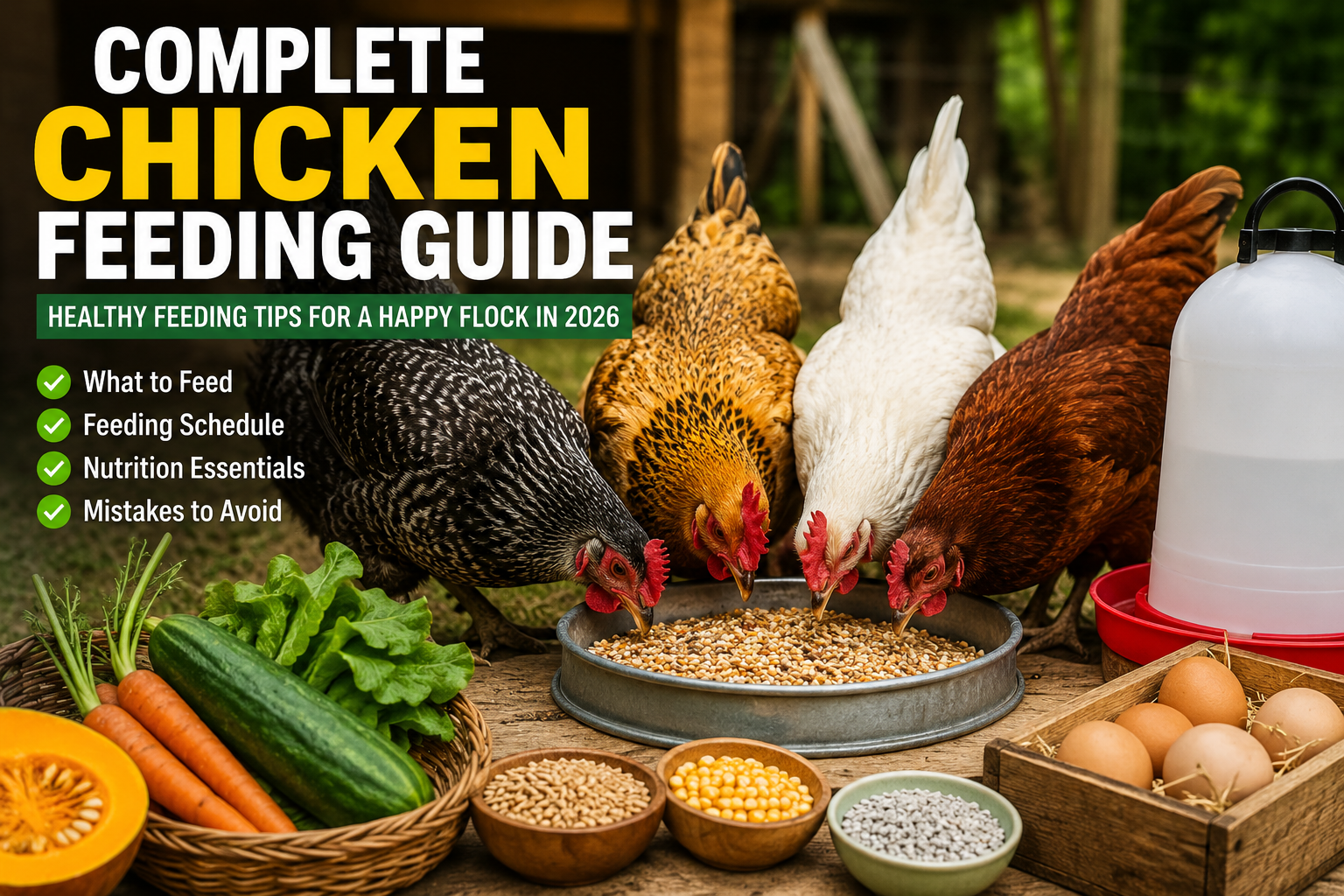
    A Complete Chicken Feeding Guide can make daily flock care much easier. Whether you keep backyard chickens in the US or manage a larger flock, proper nutrition supports growth, egg production, energy, and overall health. However, chickens need more than simply filling a feeder each morning.

    This Complete Chicken Feeding Guide explains what chickens should eat, how much feed they need, which treats are safe, and how to avoid common feeding problems in 2026.

    Why a Complete Chicken Feeding Guide Matters

    Good nutrition gives chickens the energy they need for daily activity. Additionally, balanced feed provides important protein, vitamins, minerals, and calcium.

    A proper feeding plan can help you:

    • Support healthy growth and body condition
    • Maintain consistent egg production
    • Strengthen bones and eggshells
    • Reduce food waste
    • Prevent nutritional deficiencies
    • Keep clean water available throughout the day

    As a result, understanding basic chicken nutrition requirements can save money and support a healthier flock.

    Complete Chicken Feeding Guide: Choosing the Right Feed

    The correct feed depends on a chicken’s age and purpose. Therefore, always choose a complete commercial feed that matches your flock.

    Chick Starter Feed

    Young chicks usually need starter feed with higher protein than adult birds. This supports rapid growth and feather development.

    Follow the manufacturer’s feeding directions and provide fresh feed every day.

    Grower Feed

    As chickens mature, they can move to grower feed. This type of feed supports continued development without the same nutrient profile used for young chicks.

    Layer Feed

    Laying hens need nutrients that support egg production. In particular, calcium is important for strong eggshells.

    However, avoid giving layer feed to very young chicks because their nutritional needs differ.

    Complete Chicken Feeding Guide: How Much Should Chickens Eat?

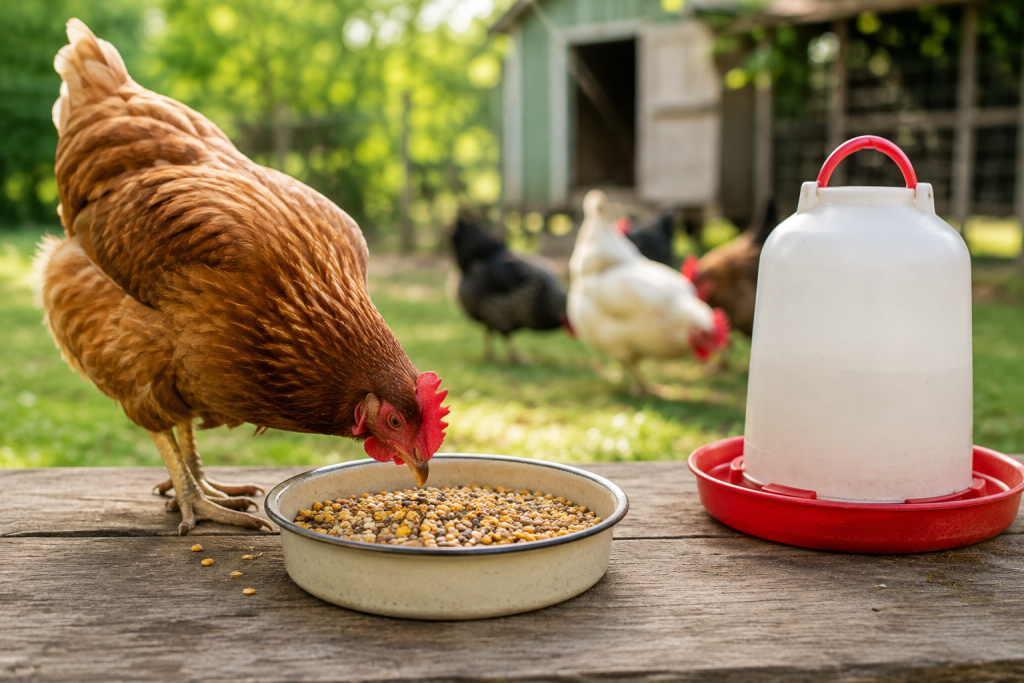
    The right amount depends on age, breed, activity, weather, and feed type. Adult laying hens commonly consume roughly ¼ pound of complete feed per day, although individual needs vary.

    A simple chicken feeding schedule can help you monitor consumption:

    1. Provide fresh feed in the morning.
    2. Check the feeder during the afternoon.
    3. Remove spoiled or wet feed.
    4. Provide clean drinking water at all times.
    5. Adjust portions if excessive feed remains.

    Additionally, monitor body condition instead of relying only on a fixed amount.

    What to Feed Chickens Besides Commercial Feed

    Complete feed should remain the main source of nutrition. Nevertheless, small amounts of healthy treats can add variety.

    Good options include:

    • Leafy greens
    • Cucumber
    • Pumpkin
    • Carrots
    • Peas
    • Corn in moderation
    • Small amounts of fruit

    However, treats should not replace balanced feed. Too many treats can dilute important nutrients and may contribute to weight problems.

    For more information about safe foods, add an internal resource here: [Internal Link: What Can Chickens Eat?]

    Complete Chicken Feeding Guide: Grit and Calcium

    Chickens do not have teeth, so grit helps them grind food in their digestive system. Free-range birds may find natural grit, but confined chickens may need access to suitable poultry grit.

    Additionally, laying hens need a reliable calcium source. Oyster shell is commonly offered separately so hens can consume what they need.

    Common Chicken Feeding Mistakes to Avoid

    Even experienced keepers can make feeding mistakes. Therefore, watch for these common problems:

    • Feeding too many treats
    • Giving moldy or spoiled food
    • Providing dirty drinking water
    • Using feed designed for the wrong age group
    • Storing feed in damp conditions
    • Leaving feeders exposed to pests
    • Making sudden diet changes

    As a result, good storage and consistent routines are just as important as choosing quality feed.

    Complete Chicken Feeding Guide: Daily Care Tips

    Store feed in a dry, cool, pest-resistant container. Furthermore, clean feeders regularly and check them for moisture or mold.

    Fresh water should always be available. During hot weather, check water containers more often because chickens can drink more and water can become dirty quickly.

    You should also observe your flock while feeding. Changes in appetite, drinking habits, droppings, or activity can indicate that something needs attention.

    Complete Chicken Feeding Guide: Smart Buying Tips

    When selecting chicken feed, check the label before buying. Look for feed designed specifically for your birds’ age and purpose.

    Consider these factors:

    • Chicken age
    • Layer or non-layer status
    • Protein content
    • Calcium needs
    • Feed freshness
    • Storage requirements
    • Number of birds

    Additionally, buy an amount your flock can use before the feed becomes stale. Proper storage helps protect both nutrition and your budget.

    Final Thoughts:

    A balanced diet is one of the most important parts of successful chicken keeping. By choosing appropriate feed, providing clean water, limiting treats, and monitoring your flock, you can build a simple and effective routine.

    Use this Complete Chicken Feeding Guide as a practical starting point for your 2026 flock. Finally, review your feeding routine regularly and adjust it as your chickens grow or their needs change.

  • How to Raise Backyard Chickens: 2026 Guide

    How to Raise Backyard Chickens: 2026 Guide

    How to Raise Backyard Chickens in 2026

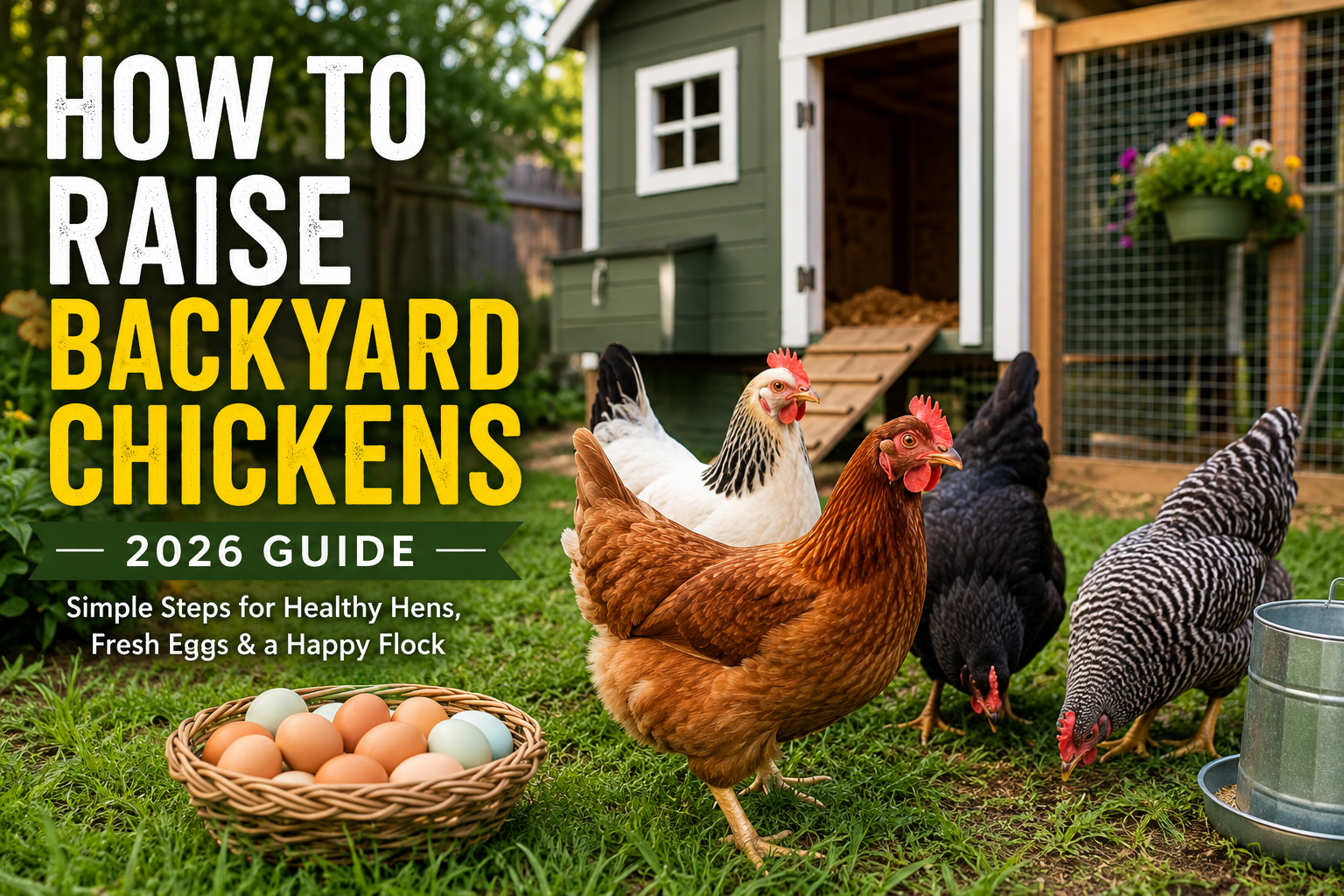
    Learning How to Raise Backyard Chickens can be rewarding for families, hobby farmers, and beginners. Chickens can provide fresh eggs, natural pest control, and enjoyable outdoor companionship. However, successful chicken keeping requires the right setup, daily care, and protection from common health and safety problems.

    In 2026, backyard chicken owners have access to better coop designs, automatic feeders, predator protection, and practical care tools. As a result, even beginners can create a healthy environment for a small flock.

    Why Learn How to Raise Backyard Chickens?

    There are several good reasons to keep chickens at home. First, hens can provide fresh eggs for your household. Additionally, chickens naturally scratch the soil and eat many insects.

    A backyard flock can also become an educational project for children. However, owners should understand that chickens need daily attention throughout the year.

    The main benefits include:

    • Fresh eggs from your own flock
    • Natural insect and pest control
    • Useful garden manure
    • An enjoyable backyard hobby
    • A hands-on learning experience for children

    How to Raise Backyard Chickens: Essential Setup

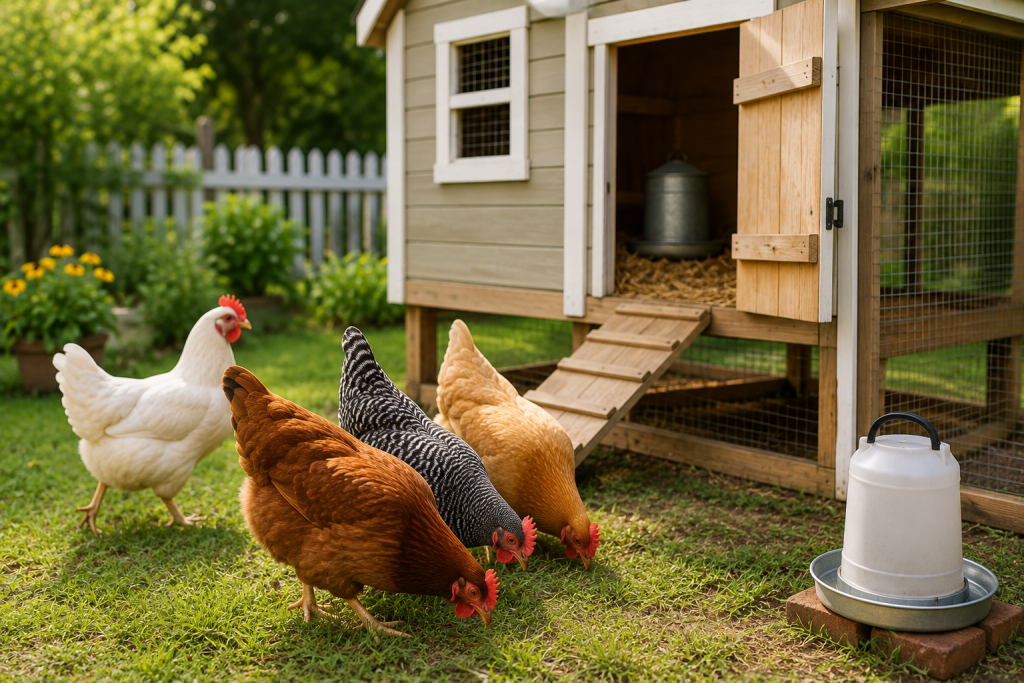
    Before buying chickens, prepare their living space. A secure chicken coop setup should protect birds from rain, extreme temperatures, predators, and strong winds.

    Choose the Right Chicken Coop

    Your coop should provide enough room for every bird to move comfortably. It should also have good ventilation without creating cold drafts.

    Add secure doors, nesting boxes, roosting bars, and dry bedding. Furthermore, use strong wire around outdoor areas to reduce the risk of predator attacks.

    Provide Clean Water and Proper Feed

    Clean water should always be available. Chickens can become dehydrated quickly during hot weather, so check their water several times a day when temperatures rise.

    A balanced chicken feeding guide should include complete commercial feed appropriate for the bird’s age. Additionally, you can offer small amounts of safe vegetables and grains as treats.

    Avoid foods that are moldy, spoiled, highly salty, or toxic to chickens.

    How to Raise Backyard Chickens by Choosing Breeds

    Choosing suitable birds is another important step. Different breeds have different personalities, egg production levels, sizes, and climate tolerance.

    Best Chicken Breeds for Beginners

    Popular choices include:

    • Plymouth Rock: Friendly and dependable
    • Rhode Island Red: Hardy and productive
    • Australorp: Known for good egg production
    • Sussex: Calm and beginner-friendly
    • Orpington: Large, gentle, and easy to handle

    When selecting the best chicken breeds, consider your climate, available space, noise level, and egg goals.

    Hens or Roosters?

    If your primary goal is fresh eggs, you usually do not need a rooster. Hens can lay eggs without one.

    However, a rooster may be useful if you want fertile eggs for breeding. Check local rules first because some communities restrict or prohibit roosters in residential areas.

    How to Raise Backyard Chickens Safely

    Safety should remain a daily priority. Predators such as foxes, raccoons, dogs, and birds of prey can threaten backyard flocks.

    Use secure fencing and lock the coop at night. Additionally, inspect the enclosure regularly for holes or weak sections.

    Keep feed stored in sealed containers. As a result, you can reduce rodents and other unwanted visitors.

    Common Mistakes to Avoid

    Beginners often make simple mistakes that can affect flock health. Fortunately, most problems are easy to prevent with good planning.

    Avoid these common errors:

    1. Overcrowding the coop: Give birds enough space.
    2. Ignoring ventilation: Fresh airflow helps control moisture and odors.
    3. Providing dirty water: Clean water is essential every day.
    4. Skipping predator protection: Secure the coop before bringing birds home.
    5. Feeding too many treats: Treats should not replace balanced feed.
    6. Ignoring sick birds: Separate an unwell chicken and seek expert advice when needed.

    Furthermore, do not assume chickens can safely eat every garden plant or kitchen scrap.

    Daily Backyard Chicken Care Tips

    Good backyard chicken care does not have to be complicated. A simple daily routine can help you notice problems early.

    Check your flock each morning and evening. Look for changes in eating, drinking, movement, feathers, or behavior.

    Your routine should include:

    • Refreshing drinking water
    • Checking feeders
    • Collecting eggs
    • Observing chicken behavior
    • Checking doors and fencing
    • Removing wet or dirty bedding
    • Looking for signs of injury or illness

    Clean the coop regularly. Additionally, replace damp bedding because excessive moisture can contribute to unpleasant odors and poor coop conditions.

    Buying Guide: What Do You Need?

    Before starting your flock, create a simple budget. Consider the cost of chickens, housing, feed, bedding, fencing, feeders, waterers, and basic health supplies.

    A beginner checklist includes:

    • Secure chicken coop
    • Outdoor run
    • Quality chicken feed
    • Reliable waterer
    • Feeder
    • Nesting boxes
    • Roosting bars
    • Bedding material
    • Predator-resistant fencing

    You can start small and expand later. As your experience grows, you will better understand how much space and equipment your flock needs.

    How to Raise Backyard Chickens Successfully in 2026

    The key is consistency. Chickens need safe housing, balanced nutrition, clean water, protection from predators, and regular observation.

    Additionally, learn the normal behavior of your birds. This makes it easier to notice unusual symptoms or changes before they become serious.

    For new owners, local agricultural extension services and poultry organizations can provide useful guidance. Always check local regulations before purchasing chickens, building a coop, or keeping roosters.

    Conclusion

    Learning How to Raise Backyard Chickens is easier when you start with the basics. Choose suitable breeds, build a secure coop, provide balanced feed and clean water, and follow a consistent daily care routine.

    Most importantly, focus on prevention and observation. With the right preparation, How to Raise Backyard Chickens can become a rewarding and practical hobby in 2026. Start with a small flock, follow local rules, and give your chickens a safe and comfortable home.