Soft Shell Eggs: Causes, Fixes & Care Guide 2026
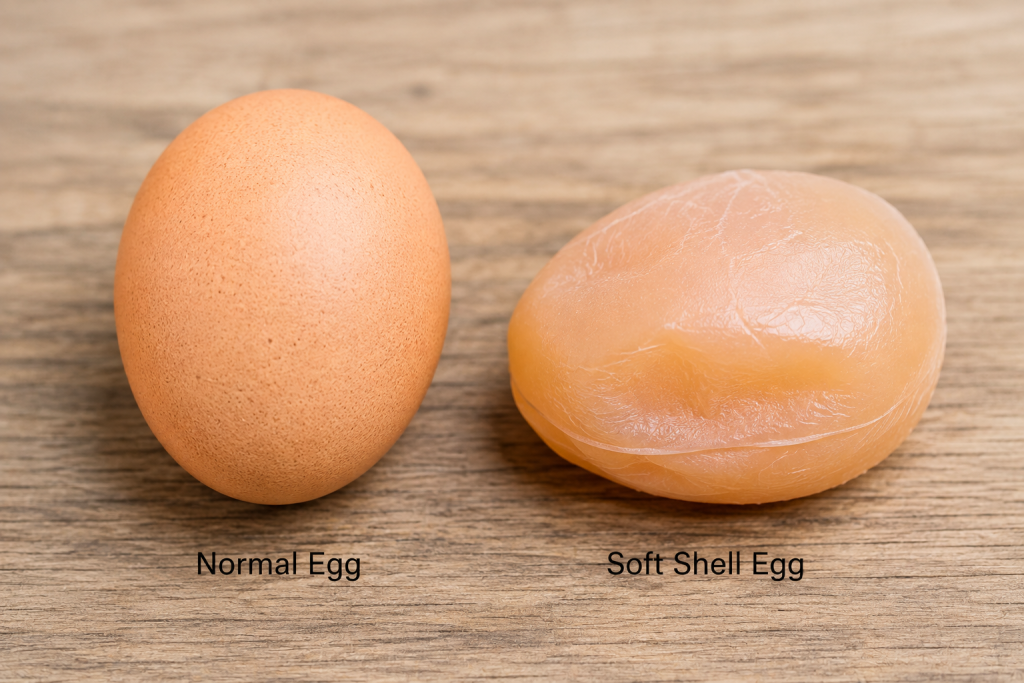
If you keep backyard chickens or manage a poultry flock, Soft Shell Eggs can be an unexpected and worrying discovery. These eggs may feel rubbery, thin, or flexible instead of having the firm shell you normally expect.
For U.S. chicken keepers and poultry owners worldwide, the good news is that one unusual egg does not always mean something is seriously wrong. However, repeated Soft Shell Eggs can point to nutrition, stress, age, environmental conditions, or an underlying health problem.
Why Soft Shell Eggs Matter
A normal eggshell contains mostly calcium carbonate. The hen must have enough available calcium and the right conditions to build that protective shell.
As a result, Soft Shell Eggs can affect egg quality and create more breakage in the nest box. They can also make it harder to store or handle the egg safely.
According to University of Georgia Extension, soft-shelled eggs differ from completely shell-less eggs because they still have a thin calcium layer over the shell membrane.
For food safety, damaged or contaminated eggs deserve extra care. The FDA advises consumers to refrigerate shell eggs properly and cook eggs thoroughly because raw eggs can carry Salmonella.
What Causes Soft Shell Eggs?
Several factors can contribute to Soft Shell Eggs. Therefore, look at the hen’s diet, environment, age, and overall health before assuming there is only one cause.
Calcium and Vitamin D
A common concern is calcium deficiency in chickens. Hens use large amounts of calcium during eggshell formation. If the diet does not provide enough usable calcium, shell quality can suffer.
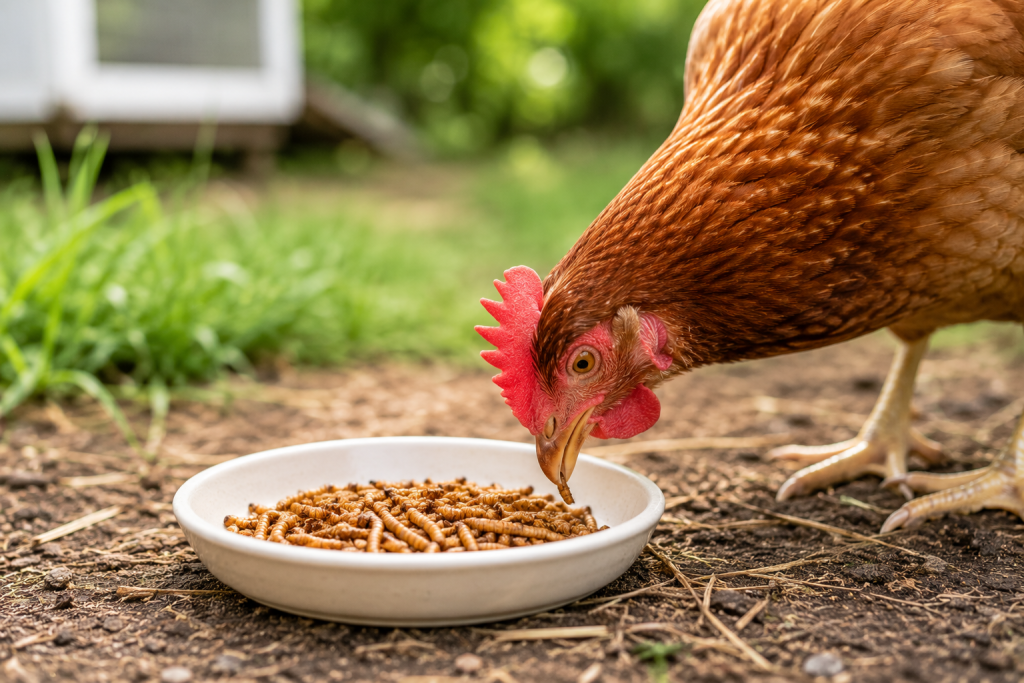
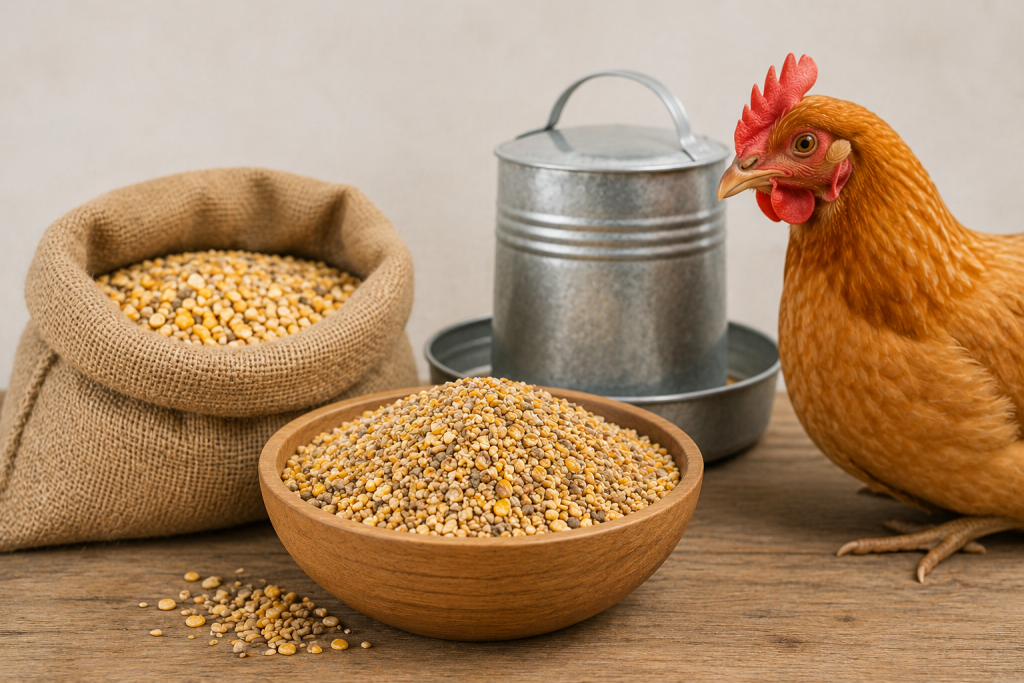
Vitamin D also matters because it helps the bird use calcium effectively. Therefore, a balanced layer ration should form the foundation of the diet rather than relying heavily on treats or scraps.
Age and Egg-Laying Stage
Young pullets may occasionally produce abnormal eggs while their reproductive systems mature. Similarly, older hens may experience more shell-quality problems.
Therefore, one soft egg from a new layer may not have the same meaning as repeated problems from an established layer.
Heat, Stress, and Environment
Heat stress, overcrowding, predator pressure, sudden changes, and other environmental stressors can affect laying performance. Additionally, research on eggshell defects links stress and premature egg release with soft-shell formation.
Types of Soft Shell Eggs
Not every unusual egg has the same cause. Understanding the difference can help you decide what to do next.
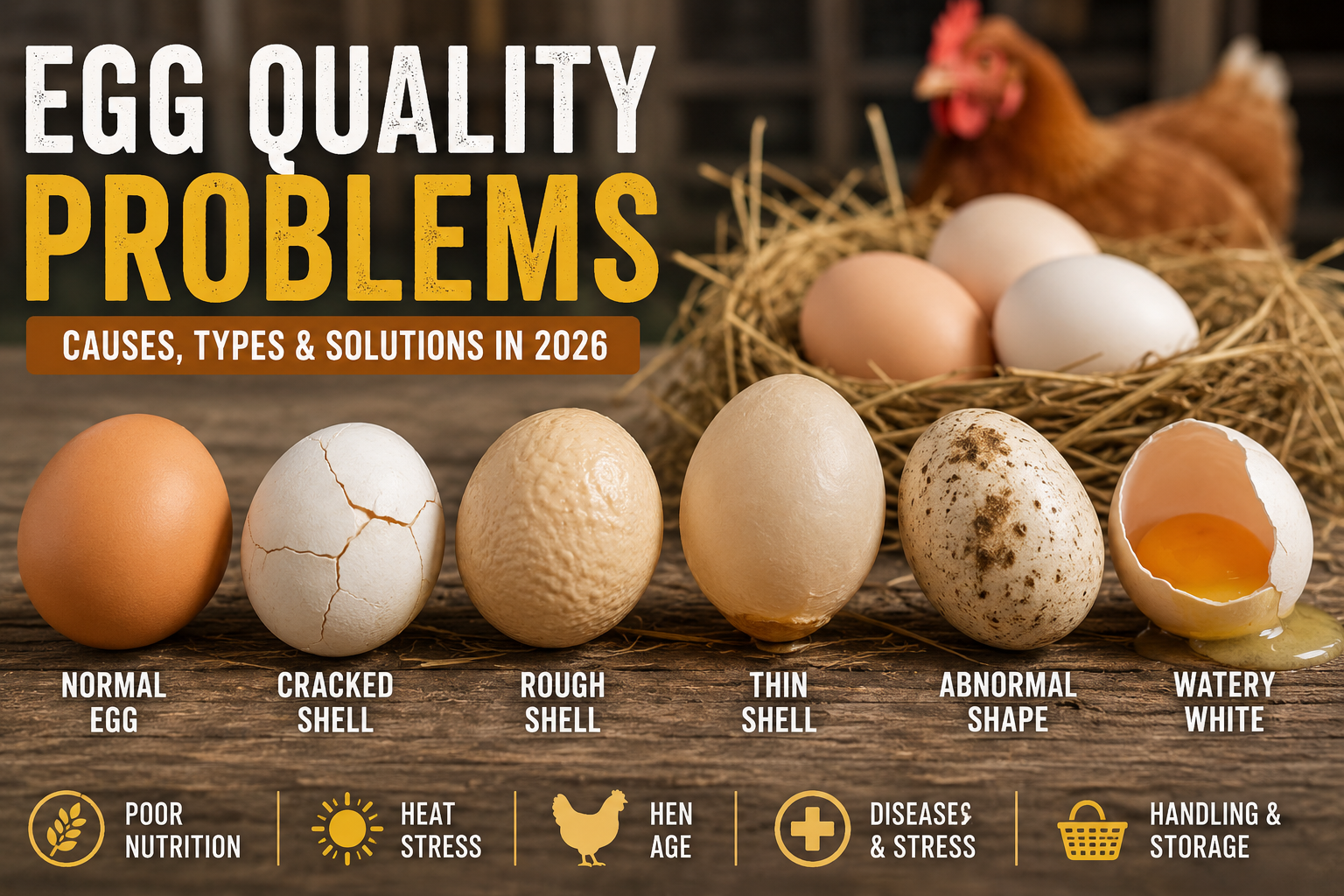
Thin-Shelled Eggs
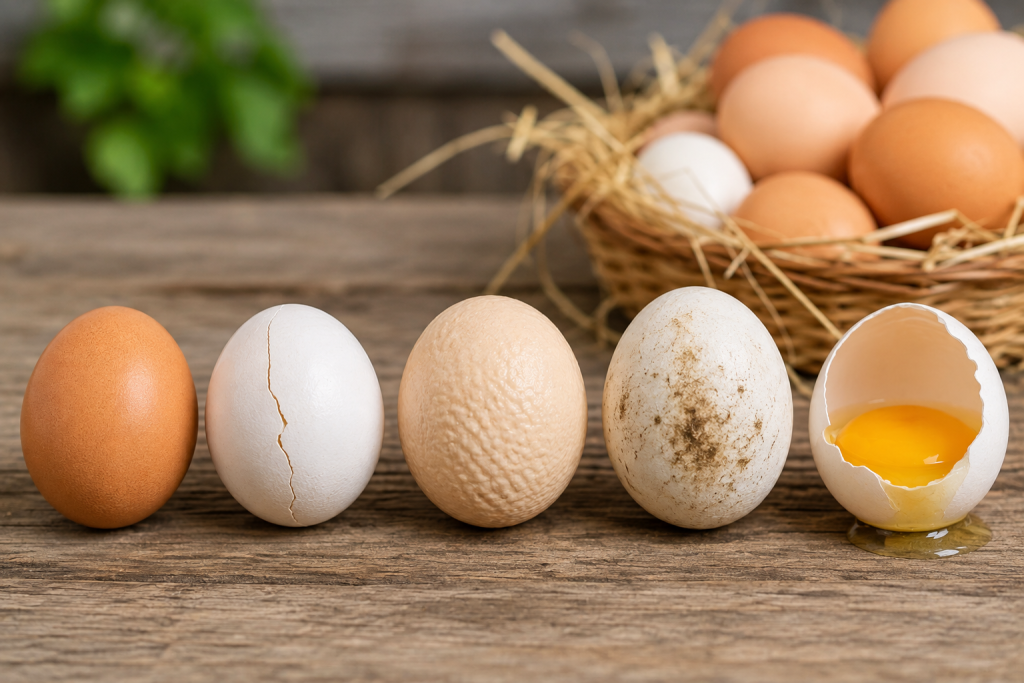
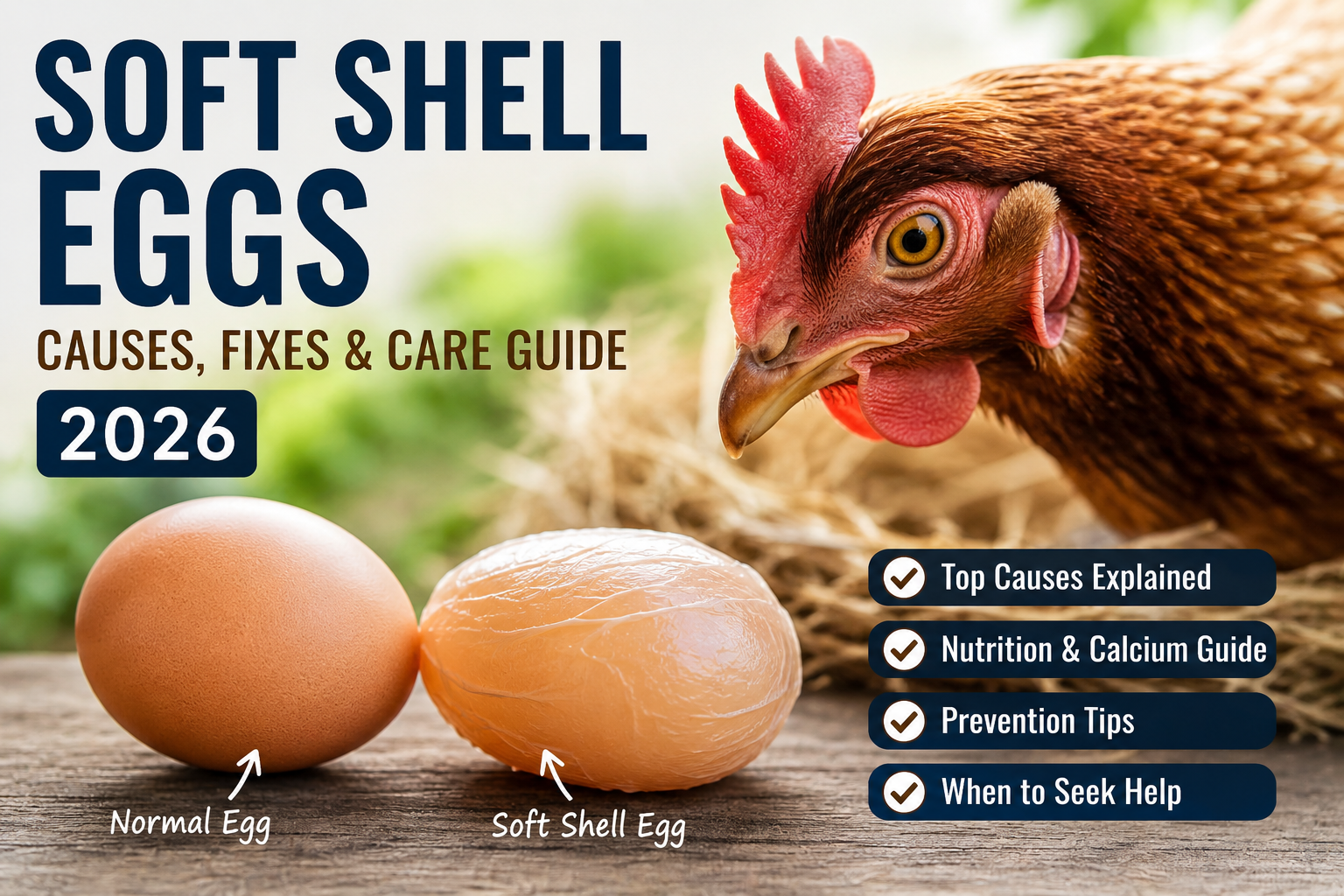
These eggs have a fragile shell that may crack easily. They still have a recognizable hard shell, but it feels much thinner than normal.
Rubber-Like Eggs
These are often called soft-shelled chicken eggs. They have a flexible, leathery outer layer and may collapse when gently touched.
Shell-Less Eggs
A shell-less egg has little or no hard calcium shell. University of Georgia Extension notes that several nutritional and disease-related problems can contribute to shell-less eggs.
How to Fix Soft Shell Eggs
If your hen produces Soft Shell Eggs, start with basic flock management.
- Review the feed. Use a complete layer feed appropriate for the hen’s age and production stage.
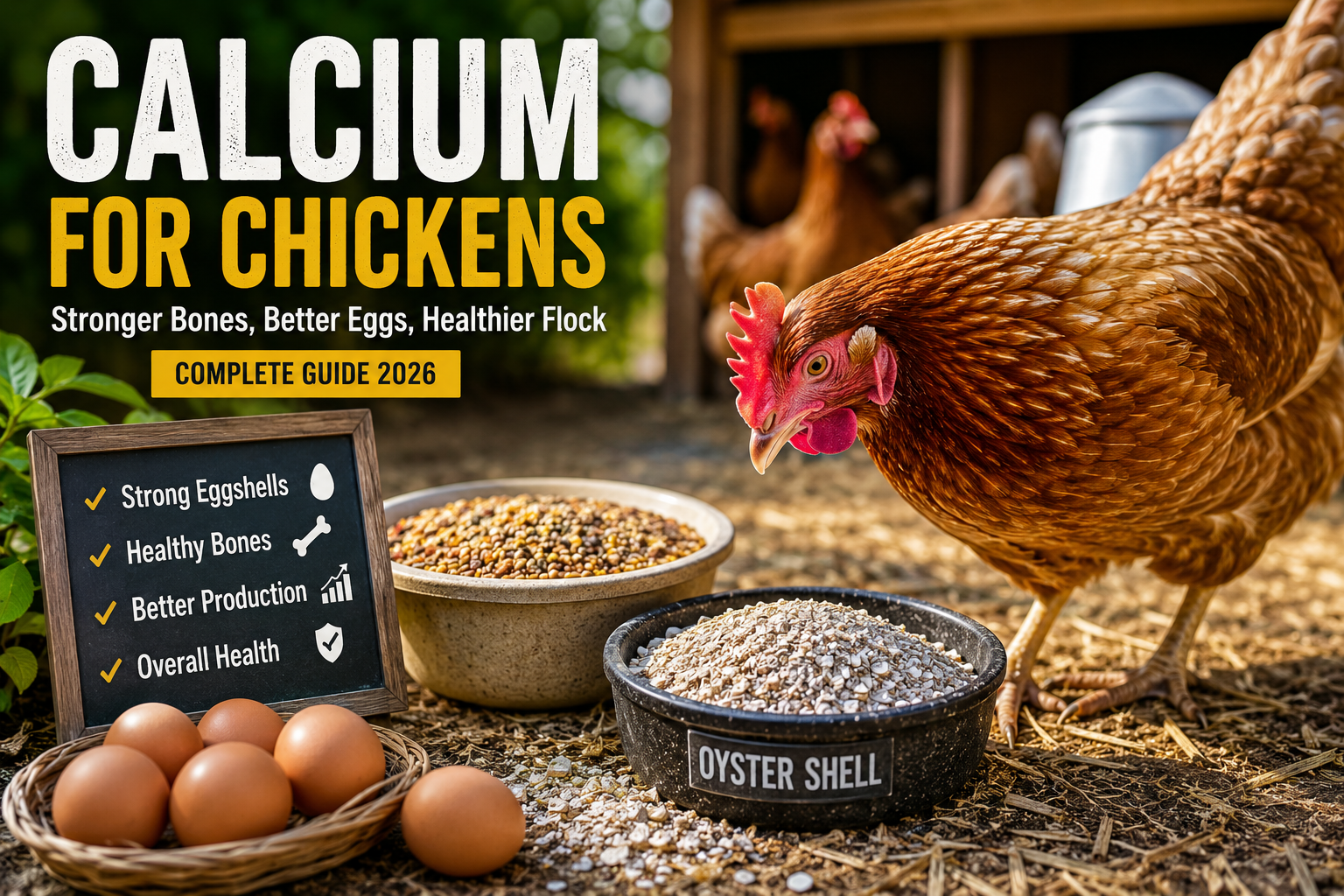
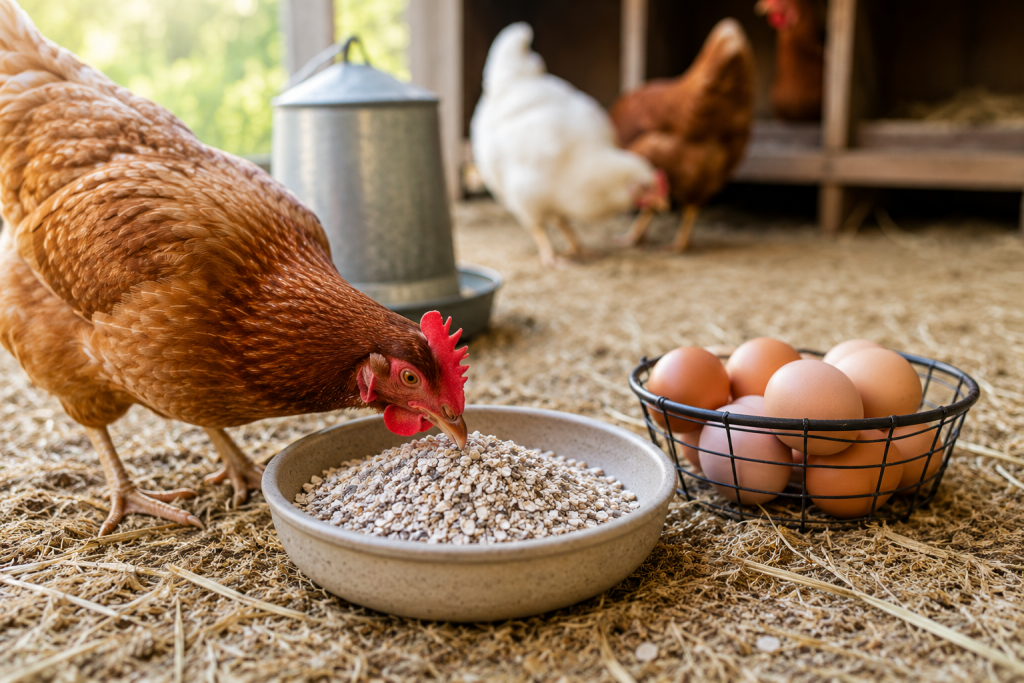
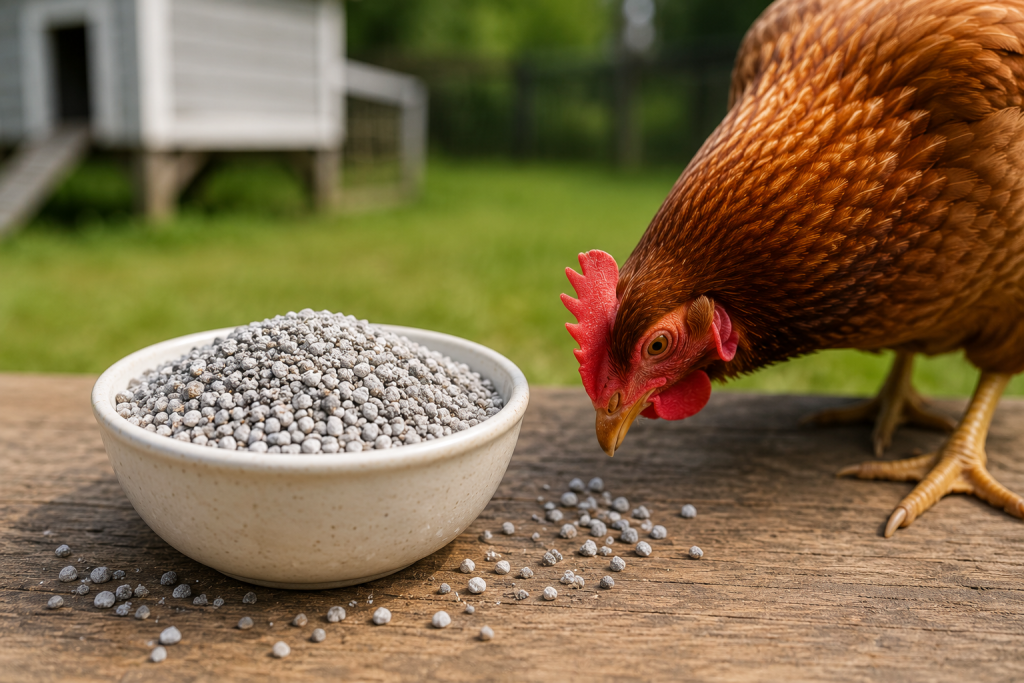
- Check calcium access. Provide an appropriate calcium source, such as oyster shell, according to local poultry-feeding guidance.
- Provide clean water. Dehydration and poor water access can affect flock performance.
- Reduce stress. Improve ventilation, shade, housing space, and predator protection.
- Monitor the hen. Watch appetite, activity, droppings, breathing, and laying patterns.
- Keep records. Note how often abnormal eggs appear and which birds may be producing them.
Additionally, avoid adding large amounts of supplements without understanding the complete diet. More is not always better.
Buying and Decision Guide
When choosing poultry feed or calcium products, focus on quality rather than marketing claims.
Look for:
- A complete layer ration
- Clear nutritional information
- Appropriate calcium content
- Vitamin D and other essential nutrients
- Fresh, properly stored feed
- A reputable manufacturer
You can also read our complete chicken nutrition guide for additional feeding information.
Common Mistakes to Avoid
Many flock owners make simple mistakes when dealing with Soft Shell Eggs.
Do Not Blame Calcium Immediately
Calcium is important, but it is not the only possible explanation. Age, stress, disease, nutrition, and reproductive problems can also affect shell formation.
Do Not Overuse Supplements
Adding several supplements at once can make it difficult to identify the real problem. Instead, correct obvious management issues first and keep the diet balanced.
Do Not Ignore Repeated Problems
One unusual egg may happen occasionally. However, repeated Soft Shell Eggs, especially when combined with weakness, breathing problems, reduced appetite, or changes in egg production, deserve closer attention.
If health problems continue, contact a poultry veterinarian or qualified animal-health professional.
Care Tips to Prevent Soft Shell Eggs
Good daily management can support strong eggshell nutrition and consistent production.
- Provide a complete layer diet.
- Keep fresh water available at all times.
- Offer suitable calcium according to flock needs.
- Keep the coop clean and well ventilated.
- Provide shade during hot weather.
- Reduce overcrowding and unnecessary stress.
- Monitor older and newly laying hens more closely.
- Record recurring chicken egg shell problems.
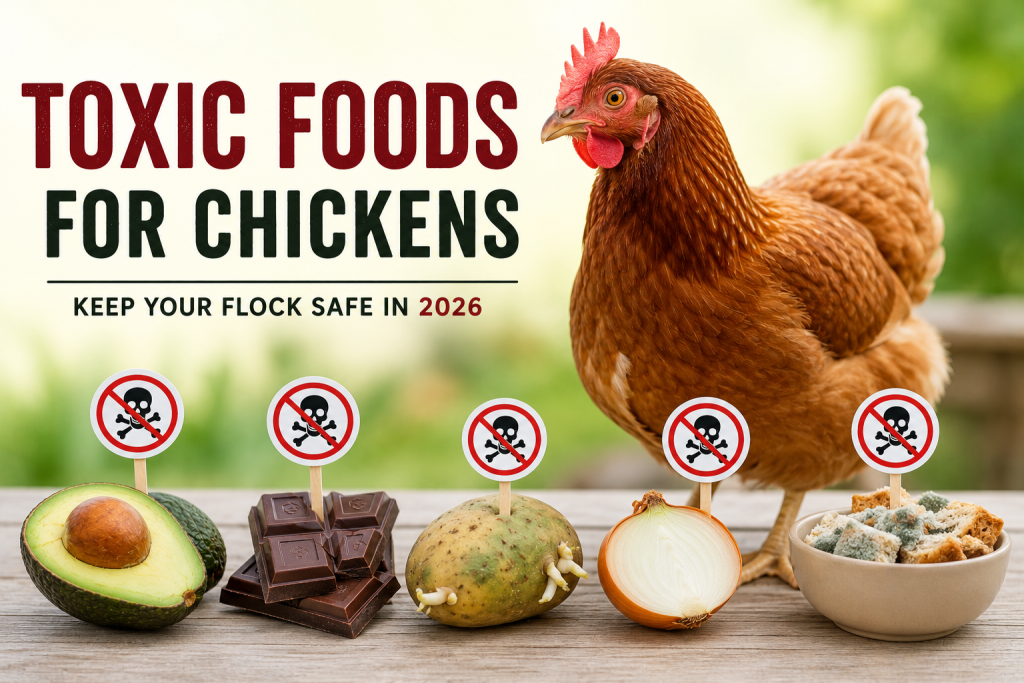
Furthermore, inspect feed storage regularly. Moldy or contaminated feed can contribute to egg-quality problems, so replace questionable feed rather than taking unnecessary risks.
Final Thoughts
Soft Shell Eggs are usually a sign that something has changed in the hen, her diet, or her environment. Therefore, start with balanced nutrition, good calcium management, clean water, and lower stress.
Most importantly, do not ignore repeated abnormalities. With careful observation and good flock management, you can often identify the problem early. If Soft Shell Eggs continue or your hen appears unwell, seek professional poultry advice and take action promptly.