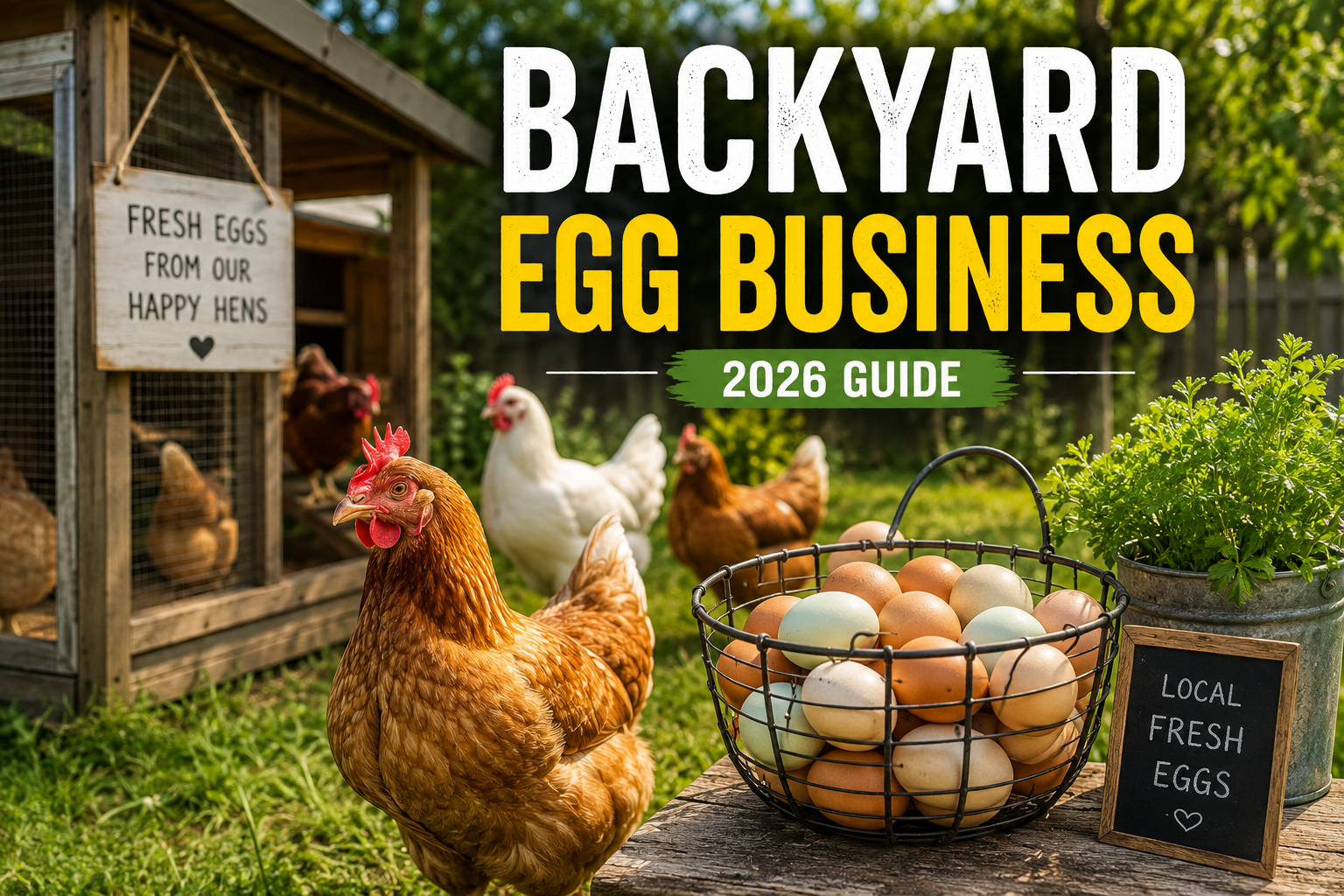
Backyard Egg Business: A Smart 2026 Opportunity
A Backyard Egg Business can turn a small flock into a useful source of extra income in 2026. For US backyard chicken keepers, rising interest in fresh, locally produced food creates an opportunity to sell quality eggs directly to local customers. However, success requires more than keeping hens and collecting eggs.
You need healthy birds, reliable feed, clean housing, good records, and a simple sales plan. Additionally, you must check your local rules before selling eggs because requirements can vary by location.
Why Start a Backyard Egg Business in 2026?
A Backyard Egg Business can begin on a small scale. You do not need a large commercial farm to test the idea. Instead, start with a manageable flock and build your customer base gradually.
The main benefits include:
- Extra income: Sell surplus eggs to local customers.
- Low starting scale: Begin with a small flock and expand later.
- Local demand: Fresh eggs can attract nearby families.
- Flexible operation: Manage the flock around your existing schedule.
- Direct relationships: Build repeat customers through quality service.
Moreover, direct sales can help you understand what customers actually want.
Key Factors for a Successful Backyard Egg Business
Choose Productive Laying Hens
Breed selection matters. Some breeds are known for dependable egg production, while others may be better suited to cold or hot climates.
Before buying chickens, consider:
- Egg production
- Temperament
- Climate tolerance
- Feed requirements
- Space requirements
- Availability in your area
As a result, choosing suitable hens can improve consistency and reduce unnecessary costs.
Provide Quality Feed and Fresh Water
Good nutrition supports healthy birds and strong egg production. Provide a balanced layer feed that meets the needs of mature laying hens.
Additionally, chickens need clean drinking water every day. During hot weather, check water supplies more often because dehydration can quickly affect flock health.
Keep the Coop Clean
Clean housing protects flock health and supports better egg quality. Remove soiled bedding regularly and keep nesting boxes dry.
Furthermore, clean feeders and waterers often. Good hygiene can reduce contamination risks and make your Backyard Egg Business more professional.
Types of Backyard Egg Businesses
Selling Fresh Eggs Locally
The simplest model involves selling eggs directly to neighbors, friends, coworkers, or local customers. However, check local regulations covering egg handling, labeling, storage, packaging, and sales.
Farm-Gate or Direct Sales
If local rules allow it, customers may collect eggs directly from your property. This approach can reduce delivery time and create stronger relationships with repeat buyers.
Small-Scale Egg Farming
A larger flock can support small-scale egg farming. However, expansion should happen only after you understand your costs, customer demand, flock management, and local requirements.
How to Price Your Eggs
Pricing should cover your real operating costs. Therefore, calculate expenses before choosing a selling price.
Include:
- Chicken purchase costs
- Feed and supplements
- Bedding
- Coop maintenance
- Packaging
- Electricity and water
- Healthcare and flock losses
- Transportation
- Your time
Then divide your total costs by the number of saleable eggs. This gives you a clearer picture of your actual cost per egg or dozen.
Common Mistakes to Avoid
Many new owners make avoidable mistakes when starting a Backyard Egg Business.
Avoid these problems:
- Starting with too many hens
- Ignoring local selling regulations
- Underestimating feed costs
- Poor coop hygiene
- Selling inconsistent egg quality
- Failing to track expenses
- Setting prices without calculating costs
- Promising more eggs than your flock can produce
Instead, start small and keep accurate records. Consequently, you can make better decisions as your customer base grows.
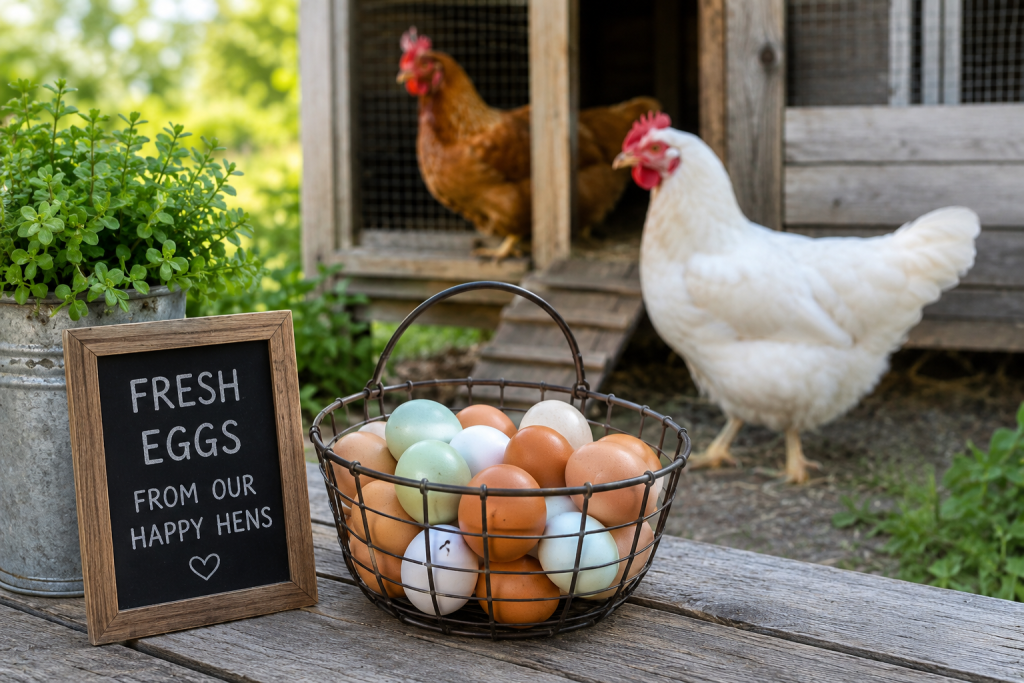
Backyard Egg Business Maintenance Tips
Daily flock care should remain your top priority. Collect eggs regularly, check birds for unusual behavior, and make sure food and water are available.
Weekly, inspect nesting boxes, feeders, waterers, fencing, and coop areas. Additionally, keep a simple production record showing eggs collected, eggs sold, feed costs, and other expenses.
A useful record can include:
- Number of eggs collected
- Number of eggs sold
- Daily feed usage
- Customer orders
- Weekly expenses
- Monthly profit
This information helps you identify trends and improve your Backyard Egg Business over time.
Is a Backyard Egg Business Profitable?
A Backyard Egg Business can be profitable, but results depend on flock size, feed prices, egg production, selling prices, losses, and local demand. Therefore, do not assume that every egg automatically creates profit.
Focus on efficiency. Reduce waste, maintain healthy hens, build repeat customers, and review your numbers regularly. Moreover, excellent customer service can help turn occasional buyers into loyal customers.
Conclusion:
Starting a Backyard Egg Business can be a practical way to earn extra income while enjoying backyard poultry keeping. However, successful Backyard Egg Business owners focus on bird health, clean facilities, consistent egg quality, accurate costs, and responsible selling.
Start small, understand your local requirements, and grow only when demand supports expansion. If you manage your flock carefully and treat the operation like a real business, 2026 could be a strong year to build your Backyard Egg Business.
Leave a Reply