Best Protein Sources: Top Healthy Choices in 2026
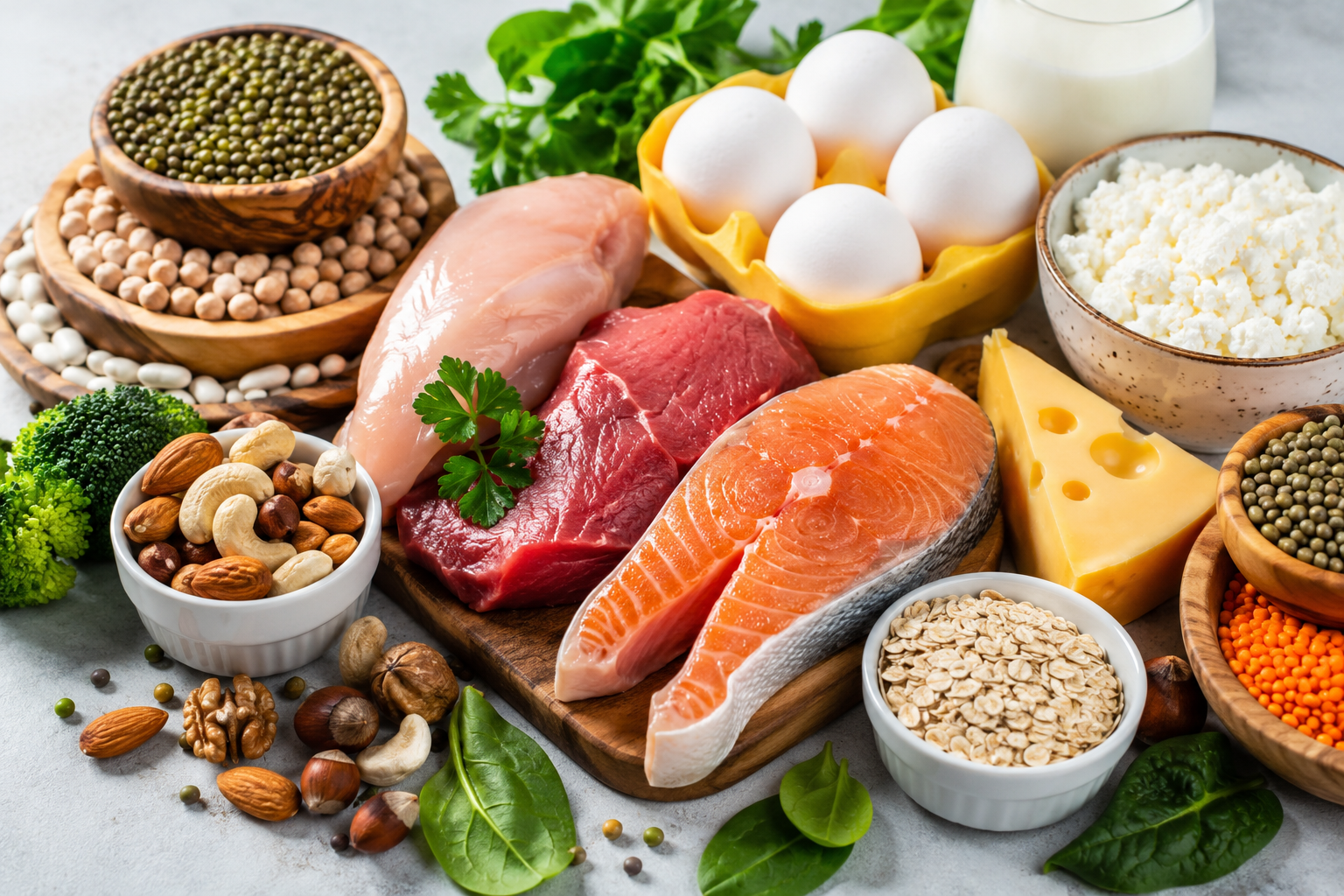
Choosing the Best Protein Sources can make everyday meals more nutritious, satisfying, and balanced. Protein helps build and maintain body tissues and also supports important functions such as making enzymes and hormones.
In 2026, healthy eating advice continues to emphasize a wider variety of protein foods. The latest U.S. Dietary Guidelines for 2025–2030 highlight beans, peas, lentils, nuts, seeds, soy foods, seafood, meat, poultry, and eggs as important protein choices.
Why the Best Protein Sources Matter
Protein is an important part of a balanced diet. However, the quality of the food matters as much as the protein content.
For example, some protein foods also provide fiber, healthy fats, vitamins, and minerals. Therefore, choosing a variety of protein-rich foods can help you build a more balanced diet.
The FDA lists a Daily Value of 50 grams of protein based on a 2,000-calorie diet. However, individual needs can vary based on age, body size, activity level, and other factors.
Best Protein Sources to Add to Your Diet
The Best Protein Sources are not limited to meat. You can choose from both animal and plant foods.
Eggs
Eggs are affordable, easy to prepare, and versatile. They also provide several important nutrients.
Try boiled eggs, scrambled eggs, or eggs with vegetables for a simple breakfast.
Fish and Seafood
Fish is one of the most useful lean protein sources. Many types of seafood also provide omega-3 fats.
Salmon, sardines, tuna, trout, and shrimp can fit into a balanced diet. Additionally, seafood can add variety to meals without relying on processed meats.
Chicken and Turkey
Skinless chicken and turkey are popular high-protein choices. They work well in salads, sandwiches, rice bowls, and many other meals.
However, preparation matters. Grilling, baking, or roasting can be better choices than deep-frying.
Beans, Peas, and Lentils
Beans, peas, and lentils are excellent plant-based protein choices. They also provide dietary fiber, which makes them especially useful for balanced meals.
The 2025–2030 Dietary Guidelines development specifically emphasized beans, peas, and lentils as important protein foods.
Dairy Foods
Greek yogurt, cottage cheese, milk, and other dairy foods can provide substantial protein.
For a quick snack, combine Greek yogurt with fruit and nuts. However, check nutrition labels when choosing flavored products because some contain significant added sugar.
How to Choose the Best Protein Sources
When comparing the Best Protein Sources, look beyond the protein number on the package.
1. Check Protein Per Serving
Start by checking the serving size and grams of protein. FDA guidance recommends using the Nutrition Facts label to understand nutrients per serving.
2. Consider Saturated Fat and Sodium
Some protein foods can also contain high amounts of saturated fat or sodium. Therefore, compare similar products and choose options that better fit your overall diet.
3. Choose Less Processed Foods
Fresh fish, eggs, beans, lentils, plain yogurt, nuts, seeds, and lean poultry are generally easy foods to build meals around.
Processed protein products can still be convenient. However, check their ingredient list, calories, sodium, saturated fat, and added sugars.
Best Protein Sources for Different Diets
The Best Protein Sources depend partly on your eating pattern.
For meat eaters: chicken, turkey, eggs, seafood, and lean meats can provide protein.
For vegetarians: eggs, dairy, lentils, beans, peas, tofu, nuts, and seeds offer useful options.
For vegans: beans, lentils, peas, tofu, tempeh, nuts, seeds, and other soy foods can provide protein.
Additionally, combining different plant foods across the day can make it easier to enjoy dietary variety.
Common Mistakes to Avoid
Even healthy protein foods can become less nutritious when prepared poorly. Avoid these common mistakes:
- Choosing fried protein foods too often.
- Ignoring serving sizes.
- Eating processed meats frequently.
- Selecting protein products mainly because they have a “high protein” label.
- Forgetting vegetables, whole grains, fruit, and healthy fats.
- Assuming more protein is always better.
Remember, a balanced diet requires more than protein alone.
Simple Tips for Eating More Protein
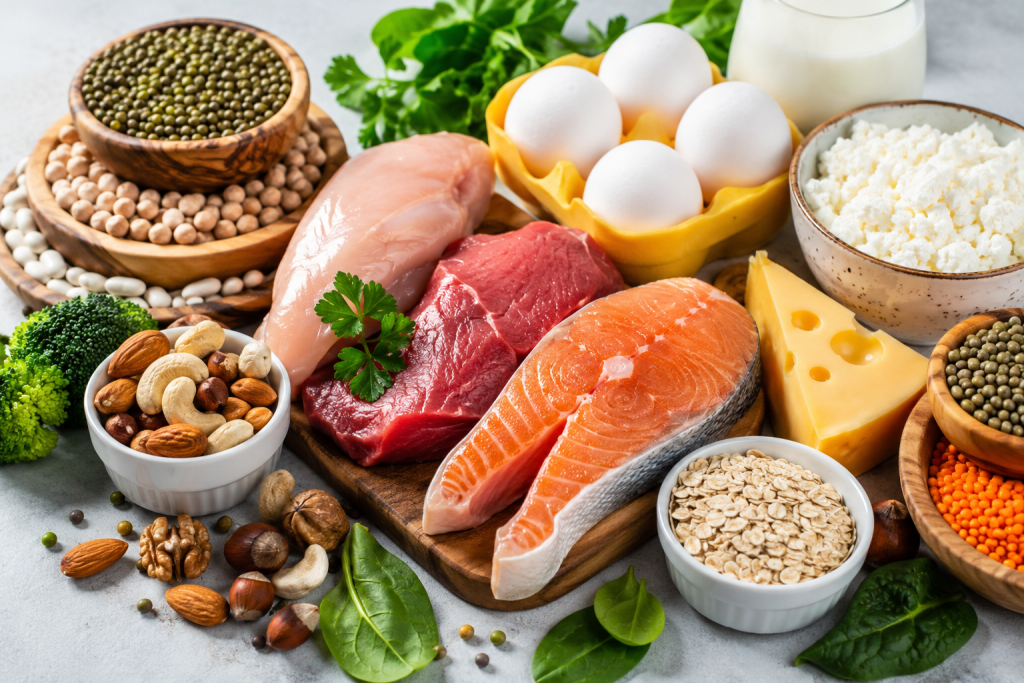
You do not need complicated recipes to improve your protein intake.
Try these simple ideas:
- Add eggs to breakfast.
- Use Greek yogurt as a snack.
- Add beans or lentils to soups and salads.
- Include fish in your weekly meal rotation.
- Add nuts or seeds to oatmeal and yogurt.
- Choose lean poultry for sandwiches or bowls.
- Keep convenient protein foods available at home.
Additionally, read food labels when buying packaged products. The FDA notes that 20% or more of a nutrient’s Daily Value is generally considered high, although protein labeling has specific rules.
What Is the Best Choice for You?
There is no single food that deserves the title of the Best Protein Sources for everyone. Your ideal choices depend on your dietary pattern, budget, culture, food availability, and personal nutrition needs.
A practical approach is to rotate different foods throughout the week. For example, you might eat eggs at breakfast, lentils at lunch, yogurt as a snack, and fish or chicken at dinner.
If you have a medical condition or special dietary requirement, speak with a qualified healthcare professional or registered dietitian before making major dietary changes.
Conclusion
The Best Protein Sources include a wide range of foods, from eggs, fish, poultry, and dairy to beans, lentils, peas, tofu, nuts, and seeds. In 2026, current dietary guidance continues to encourage variety and greater inclusion of plant-based protein foods.
Leave a Reply