Author: kinzapadhyair@gmail.com

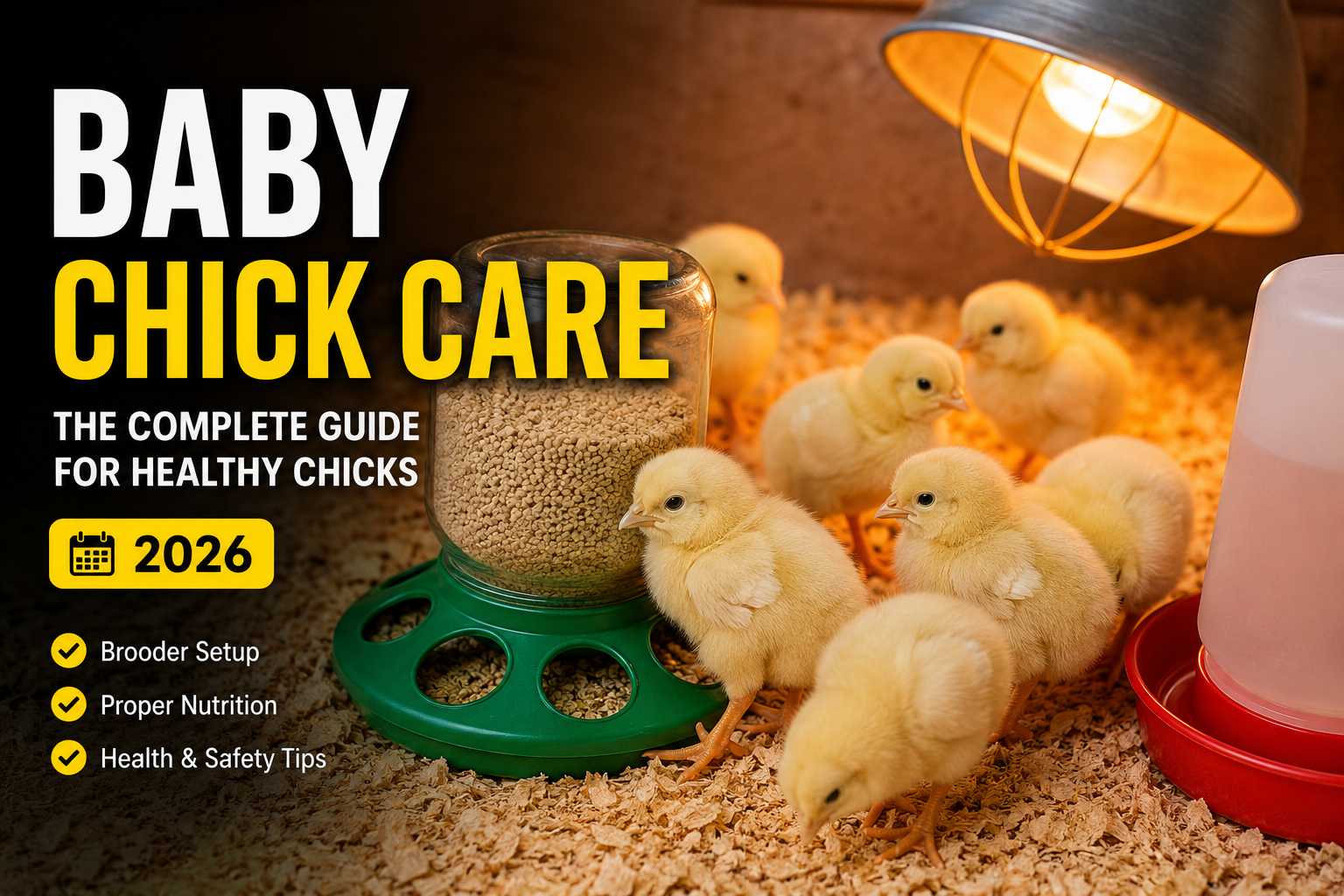
  • Baby Chick Care: Essential Guide for Healthy Chicks 2026

    Baby Chick Care: Essential Guide for Healthy Chicks 2026

    Baby Chick Care: The Complete 2026 Guide for Raising Healthy Chicks

    Whether you are starting a backyard flock or growing a small poultry farm, Baby Chick Care is the first step toward raising strong, healthy chickens. A few simple habits during the first eight weeks can improve survival rates and help chicks grow faster. Additionally, modern poultry experts recommend proper heat, nutrition, and clean housing to reduce health problems from day one.

    If you are new to poultry keeping, this guide explains everything you need to know in easy steps.


    Why Baby Chick Care Matters

    Good Baby Chick Care helps chicks develop a strong immune system, healthy feathers, and proper body weight. Additionally, healthy chicks become productive laying hens or meat birds later in life.

    Some major benefits include:

    • Better growth rates
    • Lower chick mortality
    • Strong immune systems
    • Reduced disease risk
    • Better egg production in adulthood
    • Lower veterinary costs

    As a result, investing time during the first few weeks pays off throughout the chicken’s life.


    Baby Chick Care Essentials

    1. Set Up the Perfect Brooder

    A brooder replaces the warmth and protection of a mother hen.

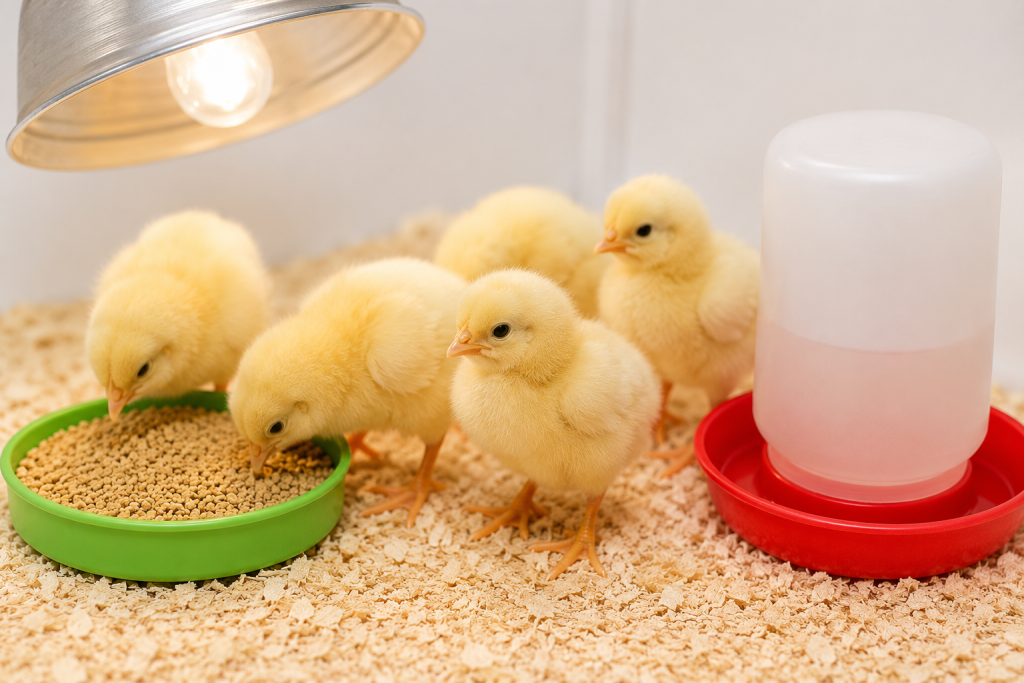
    Your brooder should include:

    • Non-slip bedding
    • Heat source
    • Fresh water
    • Starter feed
    • Proper ventilation
    • Predator protection

    The baby chick brooder setup should stay dry because moisture encourages bacteria and mold.


    2. Maintain the Correct Temperature

    Temperature is one of the most important parts of Baby Chick Care.

    Recommended Brooder Temperatures

    Chick AgeTemperature
    Week 195°F (35°C)
    Week 290°F (32°C)
    Week 385°F (29°C)
    Week 480°F (27°C)
    Week 575°F (24°C)
    Week 6+Reduce until outdoor temperature matches

    Watch your chicks carefully.

    Signs they are cold:

    • Loud chirping
    • Huddling together

    Signs they are too hot:

    • Panting
    • Staying far from the heat lamp

    3. Provide Quality Nutrition

    Proper feeding baby chicks begins immediately after they arrive.

    Choose a quality chick starter feed containing:

    • 18–20% protein
    • Essential vitamins
    • Minerals
    • Amino acids

    Additionally, always provide clean drinking water.

    Avoid feeding:

    • Chocolate
    • Salty foods
    • Moldy grains
    • Raw potatoes
    • Sugary snacks

    Types of Baby Chick Care Systems

    Indoor Brooder Care

    Indoor brooders provide better temperature control and protection from weather.

    Advantages include:

    • Easy monitoring
    • Better disease control
    • Stable temperatures

    Outdoor Brooder Care

    Some experienced poultry keepers use secure outdoor brooders.

    Benefits include:

    • More fresh air
    • Natural sunlight
    • Better space for movement

    However, outdoor brooders require extra predator protection.


    Hen-Raised Chicks

    If a broody hen raises the chicks naturally, she provides warmth and teaches feeding behavior.

    Even then, owners should monitor food, water, and overall health.


    Buying Guide for New Chick Owners

    Choosing healthy chicks makes Baby Chick Care much easier.

    Before buying, check for:

    • Bright eyes
    • Clean vent area
    • Active movement
    • Smooth feathers
    • Strong legs
    • No breathing problems

    Additionally, buy chicks from trusted hatcheries or reputable local breeders.

    Common Baby Chick Care Mistakes to Avoid

    Many beginners accidentally create problems that affect chick health.

    Avoid these common mistakes:

    Overheating

    Too much heat stresses chicks and reduces appetite.

    Dirty Water

    Replace water every day because bacteria grow quickly.

    Wet Bedding

    Wet litter encourages harmful germs and parasites.

    Crowded Brooders

    Overcrowding increases stress and disease spread.

    Poor Feed Quality

    Always buy fresh chick starter feed from reliable suppliers.


    Baby Chick Care Maintenance Tips

    Following a simple daily routine keeps chicks healthy.

    Daily Checklist

    • Check water twice daily
    • Refill fresh feed
    • Remove wet bedding
    • Observe chick behavior
    • Check brooder temperature
    • Remove weak or sick chicks for observation

    Weekly Checklist

    • Deep-clean the brooder
    • Disinfect feeders
    • Wash water containers
    • Add fresh bedding

    Additionally, inspect chicks for injuries or unusual behavior every week.


    Signs of Healthy Baby Chicks

    Healthy chicks usually show these behaviors:

    • Active and alert
    • Bright eyes
    • Smooth feathers
    • Strong appetite
    • Clean legs and feet
    • Regular chirping without distress

    If a chick appears weak, isolated, or refuses food, seek advice quickly.


    Frequently Asked Questions

    How long do baby chicks need a heat lamp?

    Most chicks need supplemental heat for about six weeks. However, colder climates may require a longer heating period.


    Can baby chicks eat vegetables?

    Yes. However, wait until they are a few weeks old, and introduce vegetables in small amounts alongside starter feed.


    How often should I clean the brooder?

    Remove wet bedding every day and perform a full cleaning at least once each week.


    When can chicks move outside?

    Most chicks can move outdoors after they are fully feathered and nighttime temperatures remain warm.


    Conclusion

    Successful Baby Chick Care begins with proper housing, balanced nutrition, clean water, and careful daily observation. Additionally, maintaining the correct brooder temperature and keeping the living area clean greatly reduces health risks. By following these proven practices, beginners and experienced poultry keepers alike can raise healthy, productive birds throughout 2026 and beyond.

    Ready to build a thriving flock? Start applying these Baby Chick Care tips today, and explore our other poultry guides to continue improving your chicken-raising skills.
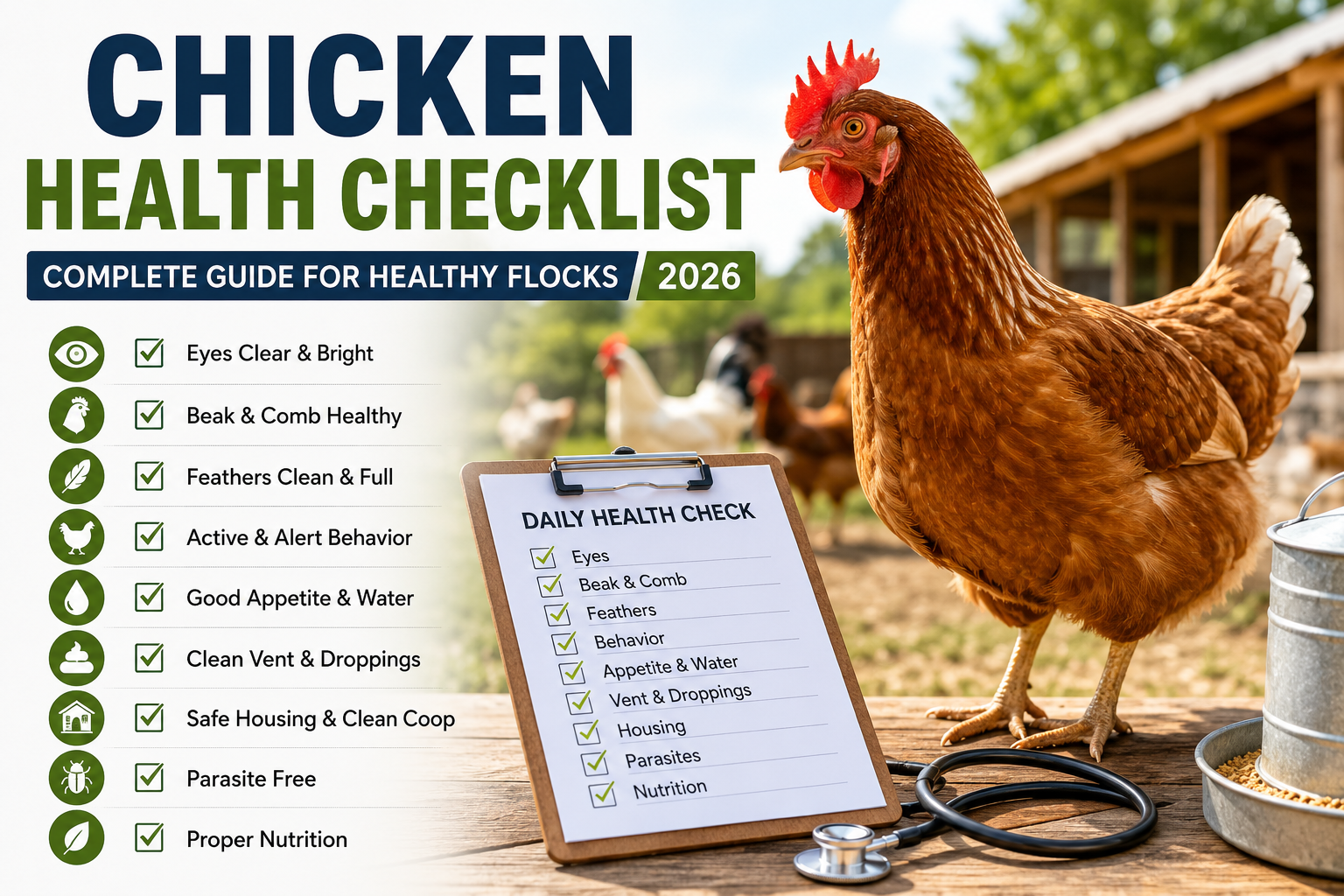
  • Chicken Health Checklist: Complete Guide for Healthy Flocks (2026)

    Chicken Health Checklist: Complete Guide for Healthy Flocks (2026)

    Chicken Health Checklist: Complete Guide for Healthy Flocks (2026)

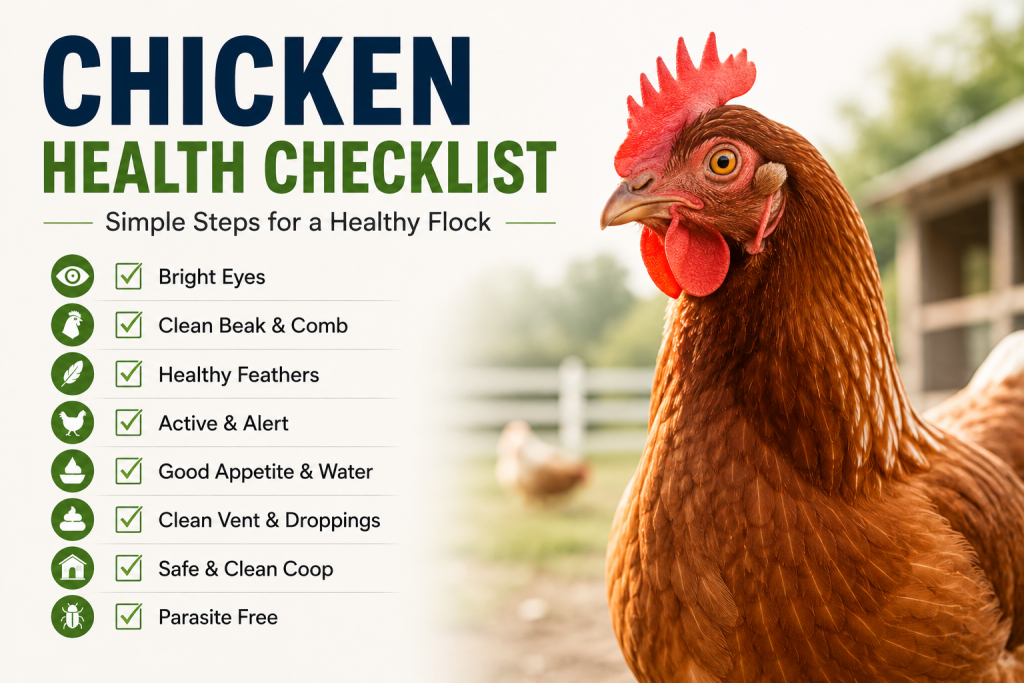
    Keeping chickens healthy has never been more important. Whether you own a few backyard hens or manage a larger flock, following a Chicken Health Checklist helps prevent disease, improves egg production, and reduces costly treatments. In 2026, poultry owners are paying closer attention to preventive care because healthy birds produce better results and live longer.

    Additionally, regular health inspections allow you to spot problems early before they spread throughout your flock. This guide explains everything you need to know to keep your chickens in excellent condition.


    Why a Chicken Health Checklist Matters

    A well-planned Chicken Health Checklist protects both your chickens and your investment. Healthy birds grow faster, lay more eggs, and experience fewer illnesses.

    Benefits include:

    • Better egg quality
    • Stronger immune systems
    • Lower veterinary costs
    • Reduced disease outbreaks
    • Longer lifespan

    Furthermore, consistent monitoring helps detect health problems before they become serious.


    Chicken Health Checklist: Essential Daily Inspections

    Check Eyes and Beak

    Healthy chickens have bright, clear eyes without discharge. Their beaks should appear smooth and free from cracks.

    However, cloudy eyes, swelling, or unusual discharge may indicate infection.

    Inspect Feathers and Skin

    Feathers should look clean, shiny, and complete.

    Look for:

    • Bald patches
    • Mites
    • Lice
    • Skin wounds

    Healthy plumage usually indicates good nutrition and overall wellness.

    Monitor Appetite

    Observe how each chicken eats and drinks.

    Warning signs include:

    • Refusing food
    • Drinking excessively
    • Sudden weight loss

    Additionally, separate birds that stop eating until you determine the cause.

    Observe Movement

    Healthy chickens remain active and alert.

    Watch for:

    • Limping
    • Weakness
    • Difficulty standing
    • Swollen legs

    Early action often prevents more serious health problems.


    Chicken Health Checklist for Proper Nutrition

    Balanced Feed

    Quality poultry feed provides essential nutrients.

    Your chickens need:

    • Protein
    • Calcium
    • Vitamins
    • Minerals
    • Fresh grains

    A balanced diet supports healthy feathers, strong bones, and excellent egg production.

    Fresh Water

    Clean water should always be available.

    Replace water daily because dirty water spreads bacteria and disease.

    Healthy Treats

    Offer treats in moderation.

    Good options include:

    • Leafy greens
    • Pumpkin
    • Watermelon
    • Mealworms
    • Fresh herbs

    Avoid processed foods, chocolate, and salty snacks.


    Types of Chicken Health Checks

    Daily Health Inspection

    Daily checks take only a few minutes.

    Focus on:

    • Eating habits
    • Drinking
    • Activity level
    • Droppings

    Weekly Physical Examination

    Once a week, inspect every bird closely.

    Check:

    • Weight
    • Feet
    • Feathers
    • Vent area
    • Comb color

    Seasonal Health Review

    Each season brings different challenges.

    Summer:

    • Heat stress
    • Dehydration

    Winter:

    • Frostbite
    • Poor ventilation

    Spring and Fall:

    • Parasites
    • Molting

    Following this Chicken Health Checklist year-round keeps your flock healthier.


    Buying Guide for Healthy Chickens

    If you’re purchasing new birds, always inspect them carefully.

    Choose chickens that have:

    • Bright eyes
    • Clean feathers
    • Active behavior
    • Smooth breathing
    • Strong legs

    Avoid birds showing signs of coughing, sneezing, or diarrhea.

    Additionally, quarantine new chickens for at least two weeks before introducing them to your existing flock.


    Healthy backyard chickens during daily wellness inspection

    Common Mistakes to Avoid

    Many owners unintentionally create health problems.

    Avoid these mistakes:

    • Overcrowding the coop
    • Ignoring dirty water containers
    • Feeding poor-quality food
    • Skipping parasite control
    • Failing to quarantine new birds
    • Poor coop ventilation

    As a result, preventing these mistakes greatly reduces disease risks.


    Maintenance Tips for Long-Term Chicken Health

    Good maintenance supports every Chicken Health Checklist.

    Keep the Coop Clean

    Clean bedding every week.

    Remove wet litter immediately because bacteria multiply quickly in damp conditions.

    Improve Ventilation

    Fresh airflow reduces ammonia buildup.

    However, avoid direct drafts during cold weather.

    Control Parasites

    Inspect birds regularly for mites and lice.

    Use approved poultry treatments whenever necessary.

    Maintain Vaccination Records

    If vaccinations are recommended in your area, keep accurate records.

    Additionally, schedule routine health checks with a qualified poultry veterinarian when needed.


    Final Thoughts

    A consistent Chicken Health Checklist remains one of the easiest ways to protect your flock in 2026. Daily observation, balanced nutrition, clean housing, and regular inspections work together to prevent many common poultry problems. Furthermore, small health issues become much easier to manage when detected early.

    Start using this Chicken Health Checklist today and make it part of your routine. Your chickens will stay healthier, produce better eggs, and reward your care with a stronger, happier flock.

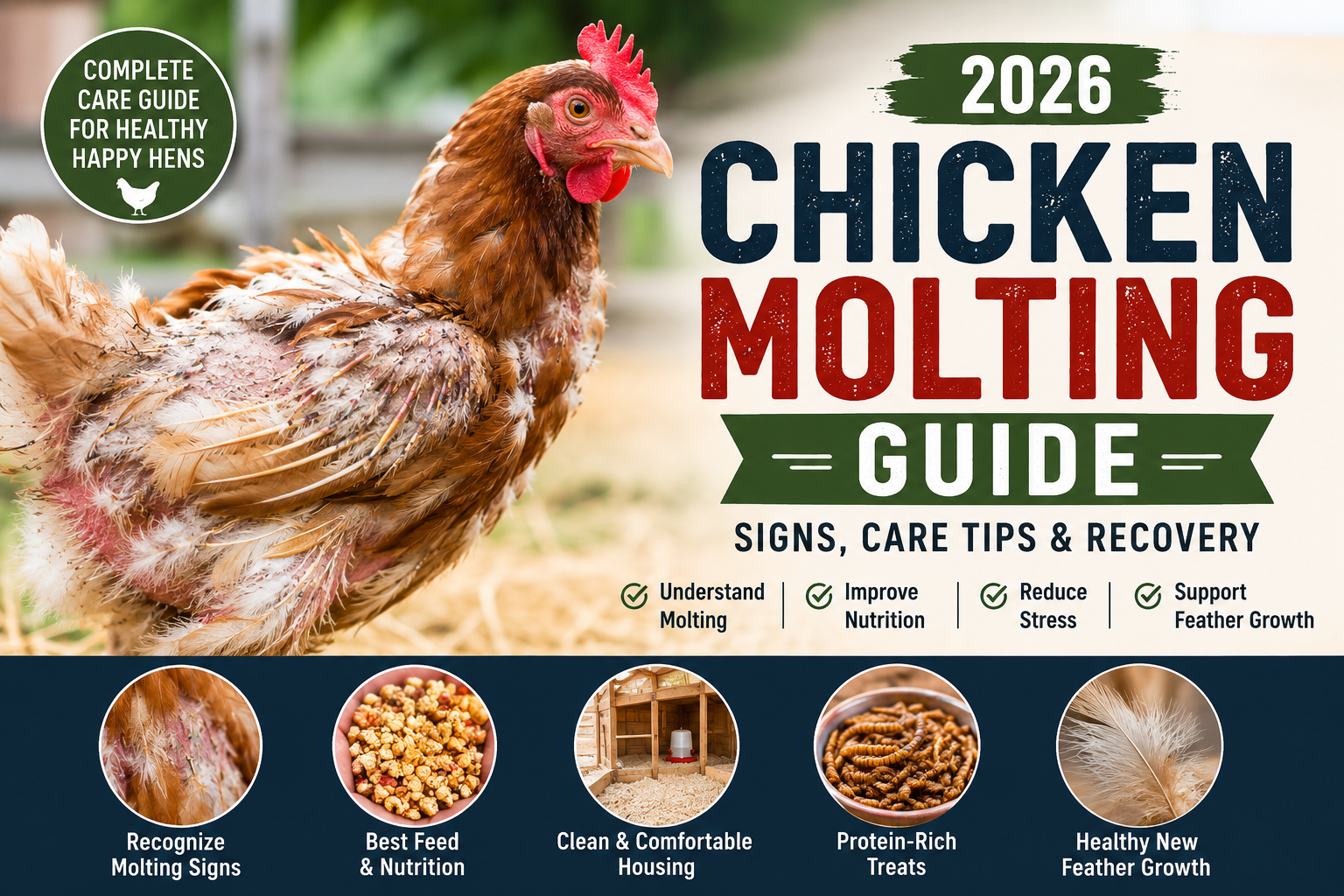
  • Chicken Molting Guide 2026: Signs, Care Tips & Recovery

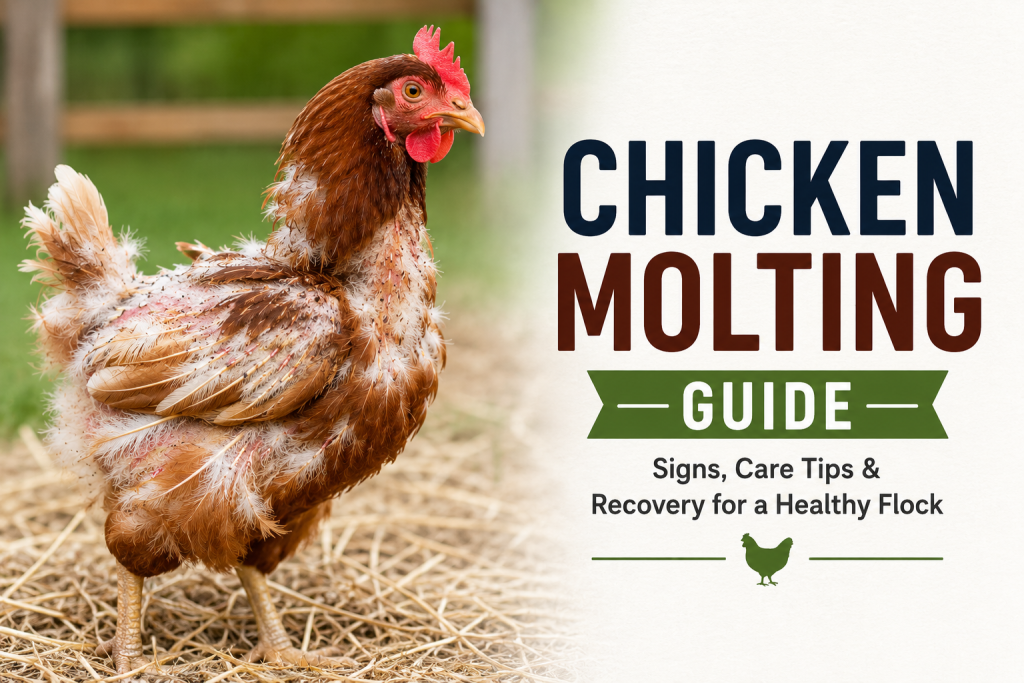
    Chicken Molting Guide 2026: Signs, Care Tips & Recovery

    Chicken Molting Guide: Everything Backyard Chicken Owners Need to Know in 2026

    Keeping backyard chickens has become more popular across the United States and around the world. However, many first-time flock owners become worried when their hens suddenly lose feathers. This Chicken Molting Guide explains why molting happens, how to care for your flock, and what to expect during the process in 2026.

    Whether you own a few backyard hens or manage a larger flock, understanding the molting cycle helps keep your birds healthy. Additionally, proper nutrition and stress-free care can shorten recovery time and encourage stronger feather growth.


    Why the Chicken Molting Guide Matters

    Molting is a natural process where chickens shed old feathers and grow new ones. Although it may look alarming, healthy birds usually recover without medical treatment.

    Following a reliable Chicken Molting Guide offers several benefits:

    • Reduces unnecessary worry.
    • Helps identify normal versus unhealthy feather loss.
    • Supports faster feather regrowth.
    • Maintains egg-laying performance after recovery.
    • Improves overall flock health.

    Additionally, knowing the difference between molting and illness helps owners avoid unnecessary medications.


    Key Features of a Chicken Molting Guide

    Understanding the Molting Cycle

    Most chickens begin their annual molt between late summer and fall. However, timing depends on breed, age, daylight hours, and environmental conditions.

    Young chickens usually experience their first adult molt around 16 to 18 months of age.

    Signs Your Chickens Are Molting

    Common chicken molt symptoms include:

    • Loose feathers throughout the coop
    • Bald patches around the neck and back
    • Reduced or stopped egg production
    • Increased protein requirements
    • Slight personality changes

    Additionally, new pin feathers begin appearing within a few weeks.

    Why Molting Happens

    Molting allows chickens to replace worn feathers before winter. As daylight decreases, hormonal changes trigger feather shedding.

    As a result, birds redirect energy from egg production to feather growth.


    Types of Molting

    Natural Annual Molt

    This is the most common type. Healthy chickens naturally replace their feathers once every year.

    Recovery generally takes 8 to 16 weeks depending on nutrition and breed.

    Juvenile Molt

    Young chicks lose their fluffy baby feathers before developing adult plumage.

    Unlike adult molts, juvenile molts do not significantly affect egg production.

    Stress-Induced Molt

    Sudden stress from predators, poor nutrition, overcrowding, or illness may trigger unexpected feather loss.

    If feather loss occurs outside normal seasons, consult a poultry veterinarian.


    Chicken Molting Guide: Buying and Decision Tips

    Many poultry keepers ask whether supplements are necessary during molt.

    Before purchasing products, consider these factors:

    High-Protein Feed

    Choose feed containing 18% to 20% protein during molt.

    The best feed for molting chickens often includes:

    • Black soldier fly larvae
    • Mealworms
    • Fish meal
    • Soybean meal
    • High-quality layer pellets

    Vitamins and Minerals

    Additionally, Vitamin A, Vitamin D, calcium, and zinc support feather development.

    Clean Housing

    Fresh bedding reduces stress and lowers infection risks while new feathers grow.


    Common Mistakes to Avoid

    Even experienced chicken owners make mistakes during molt.

    Avoid these common problems:

    1. Handling birds too often because pin feathers are sensitive.
    2. Forcing egg production with extra lighting.
    3. Feeding low-protein diets.
    4. Mistaking normal molting for parasites without checking carefully.
    5. Ignoring hydration during hot weather.

    However, if feather loss appears uneven or birds show wounds, investigate mites or bullying.


    Chicken Molting Guide Care Tips

    Knowing how to help chickens during molt can significantly improve recovery.

    Increase Protein

    Protein fuels feather growth. Offer nutritious treats alongside balanced feed.

    Reduce Stress

    Keep routines consistent. Additionally, avoid introducing new birds during molt.

    Provide Fresh Water

    Hydration supports overall health and feather development.

    Keep the Coop Clean

    Regular cleaning prevents infections while sensitive skin remains exposed.

    Watch for Health Issues

    Although molting is normal, monitor birds for parasites, weight loss, or unusual behavior.


    Frequently Asked Questions

    Do chickens stop laying eggs during molt?

    Yes. Most hens reduce or completely stop laying eggs because nutrients go toward feather growth.

    How long does molting last?

    Most birds recover within 8 to 16 weeks. However, healthy diets often speed up feather replacement.

    Should I separate molting chickens?

    Usually, no. Unless bullying occurs, molting birds can stay with the flock.


    Final Thoughts

    Every chicken owner should understand the annual molting process. This Chicken Molting Guide helps you recognize normal feather loss, improve nutrition, and support healthy recovery throughout 2026.

    Additionally, careful observation and quality feeding can make molting much easier for both you and your flock. If your birds show unusual symptoms beyond normal feather loss, seek advice from a qualified poultry veterinarian. Bookmark this Chicken Molting Guide, share it with fellow chicken keepers, and explore our other poultry care resources for more expert tips.

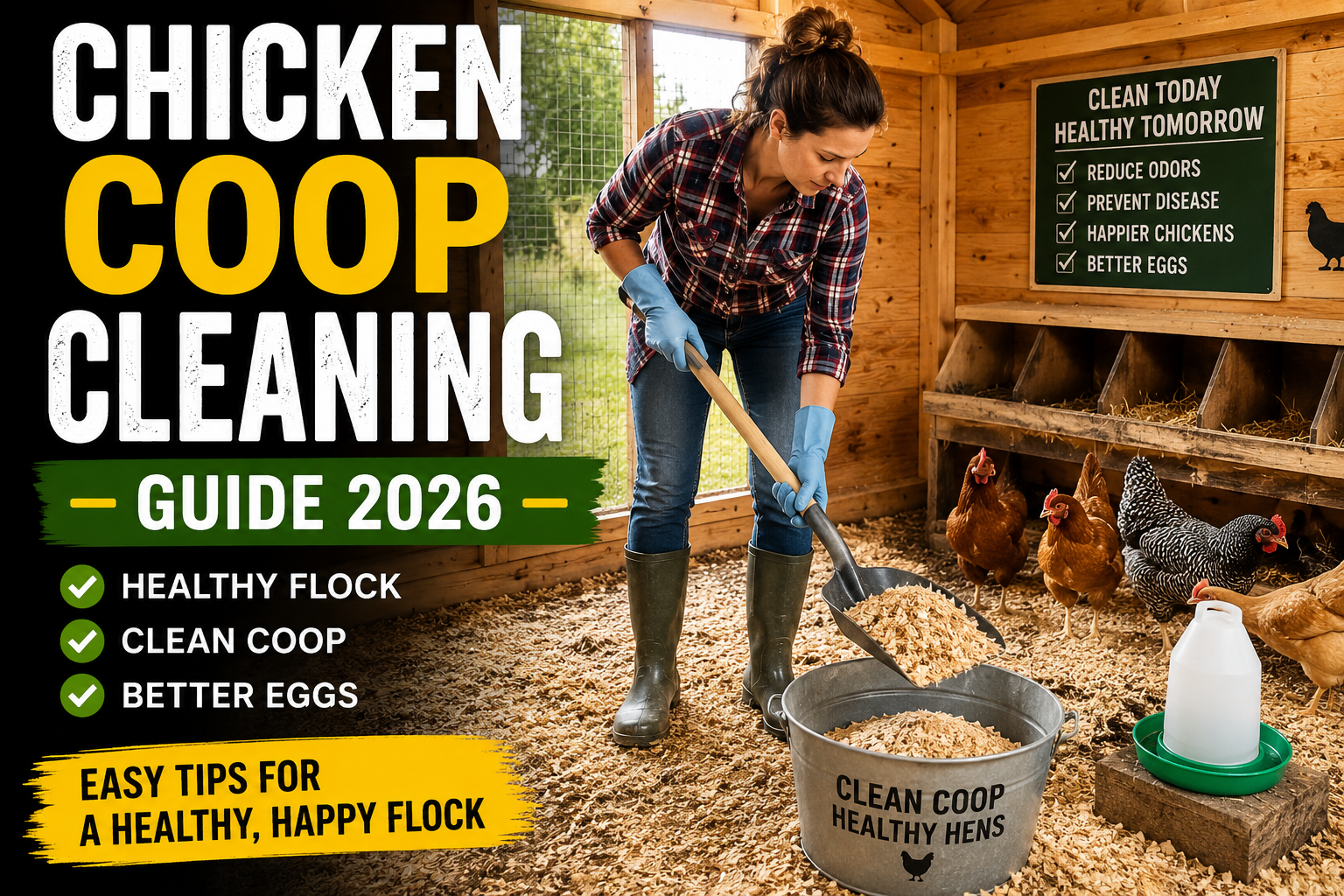
  • Chicken Coop Cleaning Guide 2026: Easy Tips for Healthy Flocks

    Chicken Coop Cleaning Guide 2026: Easy Tips for Healthy Flocks

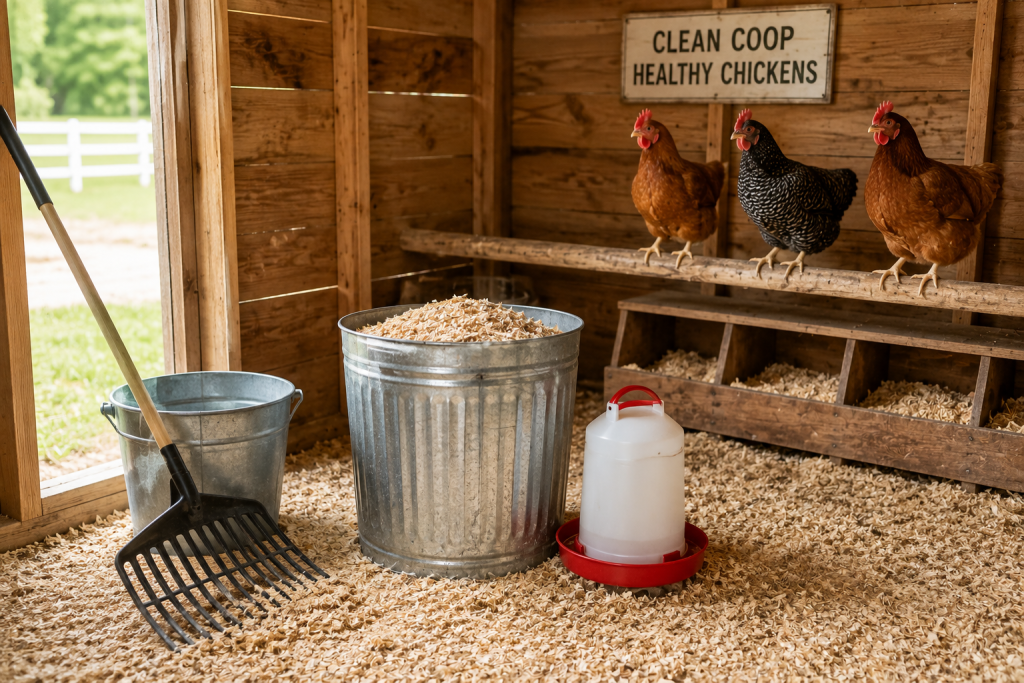
    Chicken Coop Cleaning Guide 2026: Keep Your Flock Healthy and Your Coop Fresh

    Keeping backyard chickens has become more popular than ever in 2026. However, Chicken Coop Cleaning remains one of the most important tasks for every flock owner. A clean coop protects your birds from disease, reduces bad odors, and creates a healthier environment for egg production. Additionally, regular cleaning saves time and money by preventing costly health problems.

    Whether you own a small backyard flock or manage several coops, following the right cleaning routine can make a big difference. In this guide, you’ll learn practical tips, common mistakes to avoid, and the best cleaning methods for today’s poultry keepers.


    Why Chicken Coop Cleaning Matters

    Regular Chicken Coop Cleaning is more than just keeping things tidy. It directly affects the health and happiness of your chickens.

    Benefits include:

    • Reduces harmful bacteria and parasites
    • Prevents unpleasant odors
    • Improves egg quality
    • Keeps flies and rodents away
    • Creates a healthier living environment
    • Extends the life of your chicken coop

    Additionally, a clean coop makes daily chores easier and gives you a chance to inspect your birds for health issues.


    Key Factors for Effective Chicken Coop Cleaning

    Remove Waste Regularly

    Remove droppings every day if possible. As a result, ammonia levels stay low, and your chickens breathe cleaner air.

    Replace Bedding Often

    Fresh bedding plays a major role in chicken coop maintenance. Depending on flock size, replace bedding every one to four weeks.

    Popular bedding options include:

    • Pine shavings
    • Hemp bedding
    • Straw
    • Sand

    Disinfect Feeding Equipment

    Clean feeders and waterers weekly. Additionally, disinfect them with poultry-safe cleaners to prevent bacteria buildup.

    Improve Ventilation

    Good airflow helps dry moisture quickly. Consequently, mold and harmful bacteria have fewer chances to grow.


    Types of Chicken Coop Cleaning

    Daily Chicken Coop Cleaning

    Daily cleaning only takes a few minutes.

    Tasks include:

    • Remove droppings
    • Check water containers
    • Remove wet bedding
    • Collect eggs

    Weekly Deep Cleaning

    Weekly cleaning focuses on larger maintenance tasks.

    You should:

    1. Empty bedding
    2. Scrub nesting boxes
    3. Wash feeders
    4. Sweep floors
    5. Inspect for pests

    Monthly Deep Sanitation

    A monthly deep clean keeps your coop in excellent condition.

    This includes:

    • Pressure washing surfaces
    • Disinfecting walls
    • Cleaning roost bars
    • Checking for structural damage

    Proper poultry coop sanitation significantly lowers disease risks throughout the year.


    Chicken Coop Cleaning Buying Guide

    Choosing the right cleaning supplies makes the job much easier.

    Look for these essentials:

    • Poultry-safe disinfectant
    • Heavy-duty rake
    • Metal scoop
    • Durable broom
    • Scrub brush
    • Protective gloves
    • Dust mask
    • Wheelbarrow

    Additionally, invest in quality best bedding for chicken coop materials that absorb moisture and reduce odors.

    Although premium products cost more initially, they often last longer and improve overall cleanliness.


    Common Mistakes to Avoid During Chicken Coop Cleaning

    Many beginners unknowingly create problems while cleaning.

    Avoid these mistakes:

    • Leaving wet bedding inside the coop
    • Using harsh household chemicals
    • Ignoring ventilation
    • Skipping feeder cleaning
    • Allowing manure to build up
    • Forgetting nesting boxes

    Furthermore, avoid overusing bleach because strong fumes can irritate your chickens’ respiratory systems.


    Chicken Coop Cleaning Maintenance Tips

    Keeping up with Chicken Coop Cleaning becomes much easier when you follow a schedule.

    Here are simple maintenance tips:

    • Spot-clean every day.
    • Replace bedding regularly.
    • Wash waterers weekly.
    • Disinfect monthly.
    • Keep grass trimmed around the coop.
    • Store feed in sealed containers.
    • Inspect for mites and rodents every week.

    Additionally, compost old bedding when possible. This creates nutrient-rich fertilizer for gardens while reducing waste.

    If your coop has removable trays, clean them frequently to save time during larger cleanings.


    Seasonal Chicken Coop Cleaning Tips

    Different seasons require different cleaning approaches.

    Spring

    Deep clean the entire coop after winter. Replace old bedding and inspect for moisture damage.

    Summer

    Increase ventilation and clean water containers more often. Warm weather encourages bacteria growth.

    Fall

    Prepare the coop for colder weather by checking insulation and repairing cracks.

    Winter

    Remove damp bedding frequently. Although cold temperatures slow bacteria growth, moisture can still cause health issues.


    Frequently Asked Questions

    How often should I clean my chicken coop?

    Remove droppings daily, replace bedding every one to four weeks, and perform a deep cleaning at least once a month. However, larger flocks may require more frequent cleaning.

    What is the best bedding for backyard chickens?

    Pine shavings, hemp bedding, straw, and sand are popular choices. Additionally, choose a bedding material that absorbs moisture and controls odors.

    Can I use bleach to disinfect the coop?

    You can use diluted bleach occasionally, but rinse thoroughly and allow the coop to dry completely before your chickens return. Poultry-safe disinfectants are usually a better option.

    How do I reduce bad odors inside the coop?

    Clean droppings regularly, replace wet bedding, improve ventilation, and keep water containers from leaking. As a result, ammonia odors stay under control.

    What are the signs that the coop needs deep cleaning?

    Strong odors, damp bedding, excessive flies, mold, or a buildup of droppings are clear signs it’s time for a thorough cleaning.

    Does regular cleaning help prevent chicken diseases?

    Yes. A consistent cleaning routine reduces bacteria, parasites, and mold, helping keep your flock healthier and lowering the risk of common poultry illnesses.

    Final Thoughts

    Regular Chicken Coop Cleaning is one of the easiest ways to keep your flock healthy and productive in 2026. By following a simple routine, choosing quality bedding, and practicing proper Chicken Coop Cleaning, you’ll reduce odors, prevent disease, and create a comfortable home for your birds.

    Start building a consistent cleaning schedule today, and your chickens will reward you with better health, cleaner eggs, and a happier coop all year long.

  • Can Chickens Eat Cucumbers? Complete Safe Feeding Guide 2026

    Can Chickens Eat Cucumbers? Complete Safe Feeding Guide 2026

    Can Chickens Eat Cucumbers? Complete Safe Feeding Guide for 2026

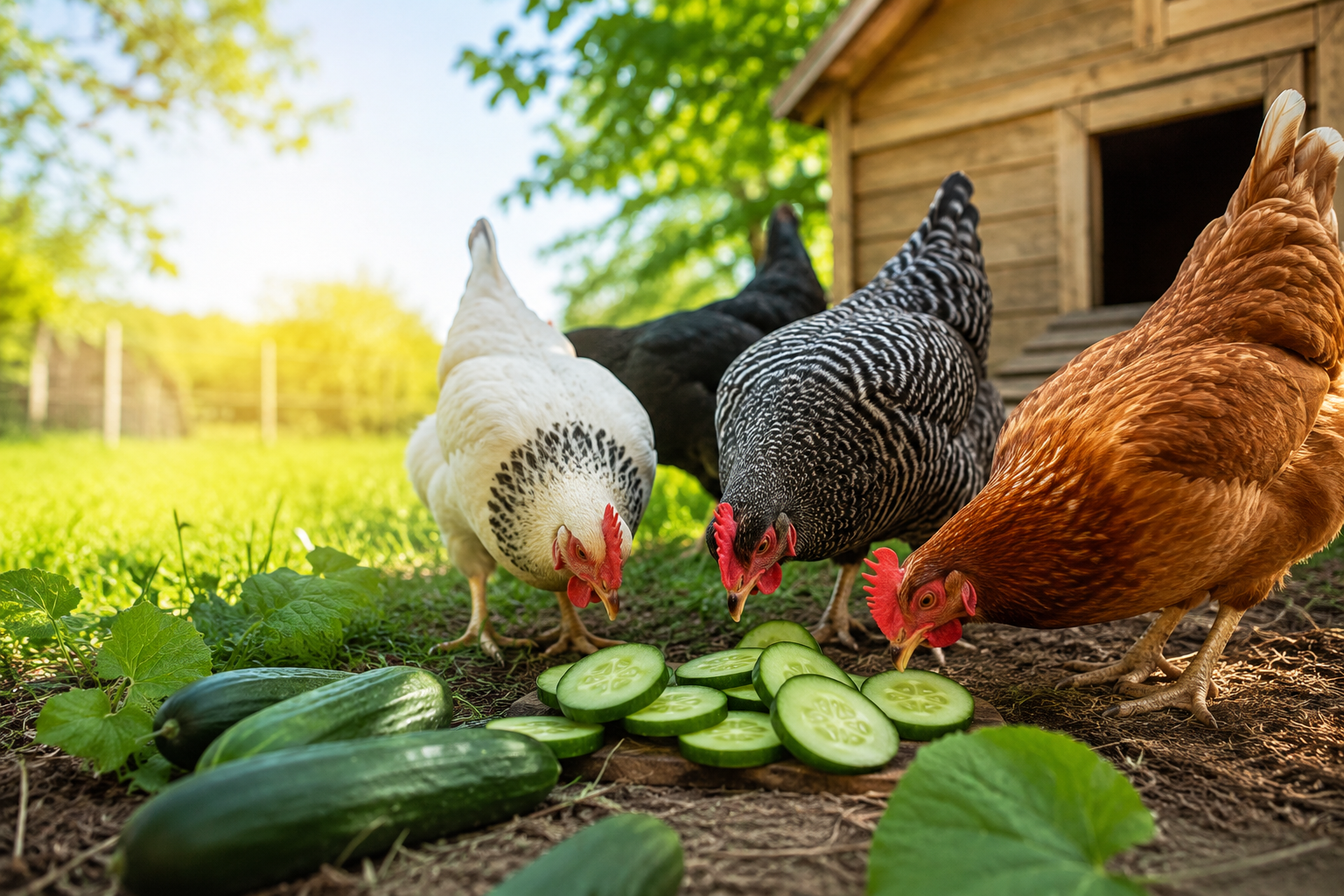
    If you have backyard chickens, you may wonder, Can Chickens Eat Cucumbers? The simple answer is yes. Cucumbers are a safe, refreshing treat for most healthy chickens when offered in moderation. They provide extra hydration during warm weather and contain vitamins that support overall health. However, feeding them the right way is important to keep your flock balanced and healthy.

    As more poultry owners focus on natural feeding in 2026, knowing which vegetables are safe has become more important than ever.


    Why Can Chickens Eat Cucumbers?

    Many chicken keepers ask, Can Chickens Eat Cucumbers? because they want healthy alternatives to processed treats. Fortunately, cucumbers contain mostly water, making them an excellent snack during hot weather.

    Some important benefits include:

    • Excellent source of hydration
    • Low in calories
    • Contains Vitamin K
    • Provides small amounts of Vitamin C
    • Easy for chickens to peck
    • Helps reduce heat stress

    Additionally, cucumbers offer natural enrichment because chickens enjoy pecking at fresh slices or whole cucumbers.


    Benefits of Feeding Cucumbers

    Hydration During Summer

    Fresh cucumbers contain around 95% water. Therefore, they help chickens stay hydrated during high temperatures.

    Natural Vitamins

    Although cucumbers are not a complete food, they still provide useful nutrients, including:

    • Vitamin K
    • Potassium
    • Magnesium
    • Small amounts of antioxidants

    These nutrients support healthy body functions alongside a balanced poultry diet.

    Healthy Low-Calorie Snack

    Unlike sugary fruits, cucumbers are naturally low in calories. As a result, they make an excellent occasional treat for backyard chickens.

    The Chicken Nutrition Guide recommends treats should make up less than 10% of a chicken’s daily diet.


    Can Chickens Eat Cucumbers? Safe Feeding Tips

    When asking Can Chickens Eat Cucumbers?, the answer also depends on how you prepare them.

    Wash Before Feeding

    Always rinse cucumbers thoroughly to remove dirt, pesticides, or chemical residues.

    Feed Fresh Cucumbers

    Never offer moldy or spoiled vegetables. Fresh produce keeps your flock healthier.

    Cut into Small Pieces

    Small slices are easier for young chickens and smaller breeds to eat safely.

    Leave the Skin On

    The peel contains fiber and extra nutrients. However, wash it carefully before serving.


    Types of Cucumbers Chickens Can Eat

    Fresh Garden Cucumbers

    Fresh cucumbers from your garden are usually the best option because they contain no preservatives.

    Organic Cucumbers

    Organic cucumbers may reduce pesticide exposure. However, washing remains essential.

    Seedless Cucumbers

    Seedless varieties are perfectly safe and easy for chickens to enjoy.

    Whole Cucumbers

    Many flock owners simply place a whole cucumber inside the run. Chickens naturally peck pieces throughout the day, which also provides enrichment.


    Buying and Feeding Guide

    If you still wonder, Can Chickens Eat Cucumbers?, follow these simple feeding recommendations.

    Choose:

    • Firm cucumbers
    • Bright green skin
    • Fresh smell
    • No mold
    • No soft spots

    Feed:

    • 2–3 times per week
    • Small portions
    • Alongside complete layer feed
    • As an occasional healthy treat

    Remember, healthy treats for backyard chickens should never replace their complete poultry feed.


    Common Mistakes to Avoid

    Many new chicken owners make small feeding mistakes.

    Avoid these:

    • Feeding spoiled cucumbers
    • Offering only vegetables instead of balanced feed
    • Giving excessive treats every day
    • Leaving old cucumber pieces inside the coop
    • Ignoring clean drinking water

    Additionally, remember that what vegetables can chickens eat depends on freshness and proper preparation.


    Maintenance and Care Tips

    Proper feeding goes beyond choosing safe vegetables.

    Follow these best practices:

    1. Remove leftover cucumber after several hours.
    2. Keep feeders clean.
    3. Always provide fresh water.
    4. Continue feeding a balanced commercial layer ration.
    5. Introduce new treats gradually.

    These habits help maintain a healthier flock throughout every season.


    Frequently Asked Questions

    Can baby chicks eat cucumbers?

    Yes, but only in very small pieces after they begin eating solid foods regularly. Their main diet should still be chick starter feed.

    Can chickens eat cucumber seeds?

    Yes. The seeds are completely safe and easy to digest.

    Can chickens eat cucumber peel?

    Yes. The peel contains fiber and nutrients. Wash it thoroughly before feeding.

    Can chickens eat cucumbers every day?

    No. Even though cucumbers are safe, they should remain an occasional treat. A balanced poultry feed should always make up most of your chickens’ diet.


    Conclusion

    So, Can Chickens Eat Cucumbers? Absolutely. Fresh cucumbers are a safe, hydrating, and nutritious treat when served in moderation. They provide extra water, useful vitamins, and enjoyable enrichment for your flock. However, they should never replace a complete poultry diet. By following these simple feeding tips, your chickens can safely enjoy cucumbers throughout 2026 and beyond.

  • Best Protein Sources 2026: Powerful Guide to Healthy Nutrition

    Best Protein Sources 2026: Powerful Guide to Healthy Nutrition

    Best Protein Sources in 2026: Complete Guide to Healthy Nutrition

    Finding the Best Protein Sources is one of the smartest ways to improve your health in 2026. Whether you want to build muscle, lose weight, or simply eat better, choosing quality protein makes a big difference. Additionally, protein supports your muscles, bones, skin, and immune system. This guide explains how to choose the right foods for every lifestyle.


    Why the Best Protein Sources Matter

    The Best Protein Sources provide your body with essential amino acids that help repair tissues and build muscle. Moreover, they keep you full longer, making healthy eating easier.

    Some major benefits include:

    • Supports muscle growth and recovery
    • Helps maintain healthy body weight
    • Boosts metabolism
    • Improves bone health
    • Keeps you satisfied between meals
    • Supports healthy skin and hair

    As a result, adding protein to every meal can improve overall wellness.


    Best Protein Sources to Include in Your Diet

    Animal-Based Protein Sources

    Animal proteins contain all essential amino acids.

    Excellent choices include:

    • Chicken breast
    • Turkey
    • Eggs
    • Fish
    • Salmon
    • Tuna
    • Greek yogurt
    • Cottage cheese
    • Lean beef

    These are also considered some of the best high protein foods for athletes and active adults.


    Plant-Based Protein Sources

    Plant proteins continue to grow in popularity during 2026.

    Popular options include:

    • Lentils
    • Chickpeas
    • Black beans
    • Quinoa
    • Tofu
    • Tempeh
    • Edamame
    • Chia seeds
    • Pumpkin seeds
    • Almonds

    Many people combine these foods to create a complete plant-based protein meal.


    Dairy Protein Options

    Dairy products provide protein together with calcium.

    Good choices include:

    • Milk
    • Cottage cheese
    • Greek yogurt
    • Low-fat cheese

    Additionally, Greek yogurt is an excellent breakfast choice because it offers protein and probiotics.


    Features to Consider When Choosing the Best Protein Sources

    Protein Quality

    Look for foods with complete amino acids whenever possible. However, combining different plant foods also creates complete protein.


    Fat Content

    Choose lean protein whenever possible.

    Examples include:

    • Skinless chicken
    • White fish
    • Turkey breast
    • Low-fat dairy

    These are considered excellent lean protein sources.


    Nutritional Value

    The best foods offer more than protein.

    Look for nutrients such as:

    • Iron
    • Zinc
    • Vitamin B12
    • Calcium
    • Omega-3 fatty acids
    • Fiber

    As a result, whole foods usually outperform highly processed protein products.


    Types of Best Protein Sources

    Whole Foods

    Whole foods remain the healthiest option.

    Examples include:

    • Eggs
    • Fish
    • Chicken
    • Beans
    • Lentils
    • Nuts

    They contain vitamins and minerals alongside protein.


    Protein Supplements

    Protein powders can help busy people reach daily protein goals.

    Popular choices include:

    • Whey protein
    • Casein protein
    • Pea protein
    • Soy protein

    However, supplements should complement a balanced diet rather than replace meals.


    Buying Guide for the Best Protein Sources

    When shopping, keep these tips in mind:

    1. Read nutrition labels carefully.
    2. Choose foods with minimal processing.
    3. Compare protein per serving.
    4. Avoid products with excessive sugar.
    5. Buy fresh foods whenever possible.
    6. Select products that fit your dietary needs.

    Common Mistakes to Avoid

    Many people make simple mistakes when increasing protein intake.

    Avoid these habits:

    • Eating too much processed meat
    • Ignoring portion sizes
    • Forgetting plant proteins
    • Relying only on supplements
    • Drinking too little water
    • Skipping vegetables

    Instead, create balanced meals that include protein, healthy fats, and whole grains.


    Tips for Storing and Maintaining Protein Foods

    Fresh protein foods require proper storage.

    Follow these guidelines:

    • Refrigerate meat immediately.
    • Freeze extra portions.
    • Store nuts in airtight containers.
    • Keep dairy products cold.
    • Rotate older foods first.
    • Follow expiration dates.

    Additionally, proper storage helps preserve nutrition and food safety.


    Sample Daily Protein Meal Plan

    Here is a simple example:

    Breakfast

    • Greek yogurt
    • Berries
    • Chia seeds

    Lunch

    • Grilled chicken breast
    • Brown rice
    • Vegetables

    Snack

    • Mixed nuts
    • Cottage cheese

    Dinner

    • Baked salmon
    • Sweet potato
    • Steamed broccoli

    This balanced approach provides protein throughout the day.


    Frequently Asked Questions

    1. Which foods contain the highest amount of protein?

    Foods like chicken breast, eggs, salmon, Greek yogurt, lentils, tofu, and lean beef are among the richest natural protein options.

    2. How much protein should an adult eat every day?

    Most adults need about 0.8 grams of protein per kilogram of body weight. However, athletes and active individuals often require more.

    3. Are plant-based options as effective as animal protein?

    Yes. A balanced mix of beans, lentils, quinoa, soy products, nuts, and seeds can provide all essential amino acids.

    4. Can eating more protein help with weight loss?

    Yes. Protein helps you feel full longer, reduces hunger, and supports muscle maintenance during weight loss.

    5. Is it safe to consume protein every day?

    Yes. Daily protein intake is essential for healthy muscles, bones, skin, and overall body function when consumed in recommended amounts.

    6. What is the healthiest protein choice for muscle growth?

    Lean meats, fish, eggs, dairy products, and soy-based foods are excellent choices for supporting muscle recovery and growth.

    7. Are protein supplements necessary?

    Not always. Most people can meet their daily needs through whole foods, while supplements are useful for convenience or increased nutritional demands.

    8. Which high-protein foods are suitable for vegetarians?

    Vegetarians can enjoy tofu, tempeh, lentils, chickpeas, quinoa, Greek yogurt, cottage cheese, and various nuts and seeds.

    9. Does cooking reduce the protein content of food?

    Cooking may slightly affect protein structure, but it generally does not significantly reduce the total protein available.

    10. What should I look for when choosing protein-rich foods?

    Choose minimally processed foods that are low in added sugar and unhealthy fats while providing vitamins, minerals, and other essential nutrients.

    Conclusion

    Choosing the Best Protein Sources helps support muscle growth, healthy weight, and long-term wellness. Additionally, combining animal and plant proteins creates a balanced eating plan suitable for nearly everyone. As nutrition trends continue to evolve in 2026, whole foods remain the smartest choice. Start adding the Best Protein Sources to your daily meals today and enjoy healthier living for years to come.

  • Chicken Watering Tips: Essential Guide for Healthy Flocks 2026

    Chicken Watering Tips: Essential Guide for Healthy Flocks 2026

    Chicken Watering Tips: Keep Your Flock Healthy in 2026

    Keeping chickens healthy starts with fresh water every day. These Chicken Watering Tips can help backyard keepers and commercial poultry farmers prevent disease, improve egg production, and support flock health. Whether you own a few hens or manage hundreds of birds, clean water remains one of the most important parts of daily chicken care.

    Additionally, proper watering reduces stress during hot weather and supports healthy digestion. As a result, your flock stays active, productive, and comfortable throughout the year.


    Why Chicken Watering Tips Matter

    Every chicken needs constant access to clean drinking water. Without enough water, birds quickly become dehydrated, especially during summer.

    Following proper Chicken Watering Tips offers several benefits:

    • Supports healthy egg production
    • Prevents dehydration
    • Improves digestion
    • Reduces disease risk
    • Encourages better feed intake
    • Keeps birds active and stress-free

    Chicken Watering Tips for Daily Flock Care

    Provide Fresh Water Every Day

    Fresh water should always be available. Replace dirty water immediately because bacteria grow quickly in warm conditions.

    Additionally, wash water containers before refilling them.

    Choose the Right Waterer

    Selecting the right equipment makes watering easier.

    Popular options include:

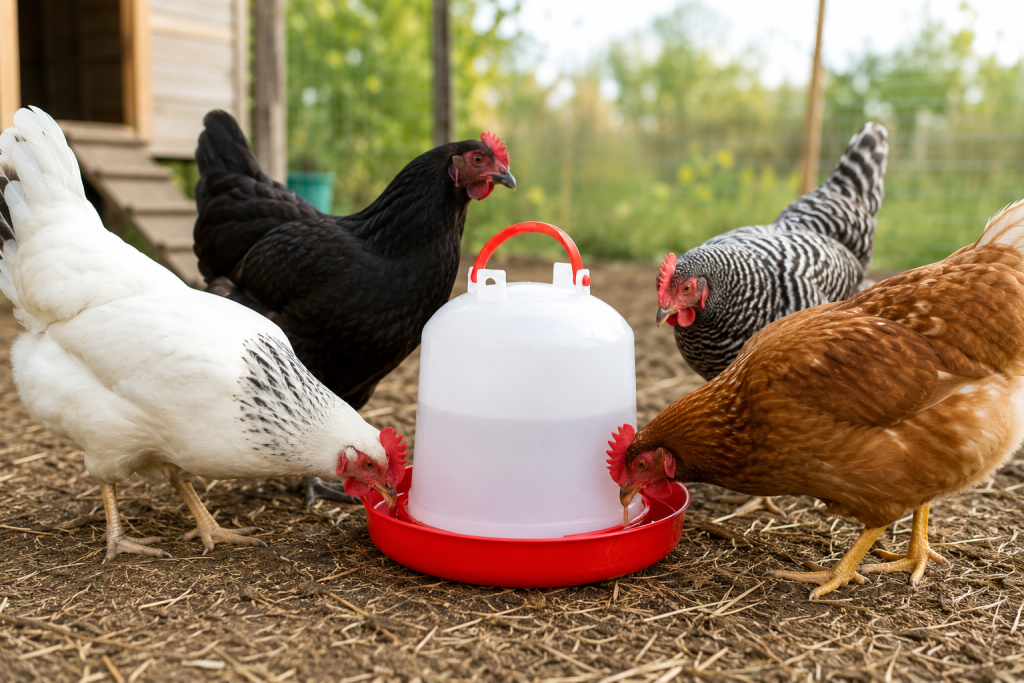
    • Gravity waterers
    • Automatic chicken water systems
    • Nipple drinkers
    • Bell drinkers

    A good best chicken waterer reduces waste and keeps water cleaner.

    Keep Water Cool During Summer

    Hot weather increases water consumption.

    To help your flock:

    • Place waterers in shaded areas.
    • Refill with cool water twice daily.
    • Add extra water stations for larger flocks.
    • Check water levels every few hours during heat waves.

    As a result, birds remain hydrated even on extremely hot days.


    Types of Chicken Watering Systems

    Gravity Waterers

    These are affordable and simple to maintain. They work well for small backyard flocks.

    Automatic Water Systems

    Automatic systems refill themselves using a water line. They save time and ensure continuous water access.

    They are excellent for larger poultry farms practicing efficient poultry water management.

    Nipple Waterers

    Nipple drinkers keep water clean because birds cannot scratch dirt into the container.

    Additionally, they reduce water waste inside the coop.


    Buying Guide for Chicken Watering Equipment

    Before purchasing a watering system, consider these important factors.

    Capacity

    Choose a size that matches your flock. Larger groups need larger reservoirs.

    Easy Cleaning

    Waterers should come apart easily for regular washing.

    Weather Resistance

    Look for durable plastic or stainless steel that handles both hot summers and freezing winters.

    Leak Prevention

    Quality waterers minimize spills and reduce muddy areas around the coop.

    Ease of Installation

    If choosing a chicken water system, select one that fits your coop layout and maintenance routine.


    Common Mistakes to Avoid

    Many poultry owners unknowingly create water problems.

    Avoid these common mistakes:

    • Allowing algae to grow
    • Forgetting daily water checks
    • Using cracked containers
    • Placing water in direct sunlight
    • Providing too few water stations
    • Ignoring frozen water during winter

    However, correcting these mistakes greatly improves flock health.


    Maintenance and Care Tips

    Proper maintenance keeps drinking water safe.

    Clean Water Containers Frequently

    Wash waterers at least two or three times each week.

    For larger farms, daily cleaning is even better.

    Prevent Algae Growth

    Keep water containers in shaded locations.

    Additionally, scrub green buildup before it spreads.

    Prepare for Winter

    Frozen water prevents chickens from drinking.

    Use heated poultry waterers where temperatures fall below freezing.

    Monitor Water Consumption

    Healthy chickens drink regularly.

    Sudden drops in water intake may signal illness. Therefore, observe your flock every day and investigate unusual behavior early.


    Extra Hydration Tips

    Good backyard chicken hydration involves more than simply filling a water bucket.

    For the best results:

    1. Keep multiple watering stations.
    2. Raise waterers slightly above ground level.
    3. Remove droppings immediately.
    4. Inspect water lines weekly.
    5. Replace damaged equipment quickly.

    These simple habits reduce contamination and keep birds comfortable throughout every season.


    Frequently Asked Questions

    How much water does a chicken drink daily?

    An adult chicken usually drinks between 250 and 500 ml daily. During hot weather, consumption can double.

    Can chickens drink cold water?

    Yes. Cool, clean water helps chickens stay comfortable during summer. However, avoid frozen water during winter.

    How often should chicken waterers be cleaned?

    Clean them several times each week. Daily cleaning is ideal for larger flocks.


    Conclusion

    Healthy chickens begin with clean drinking water. Following these Chicken Watering Tips helps prevent dehydration, supports egg production, and improves overall flock health. Additionally, regular cleaning, proper equipment, and daily monitoring make watering simple and effective. Start applying these Chicken Watering Tips today, and your chickens will stay healthier and more productive throughout 2026.

  • Chicken Diseases & Treatments Guide 2026

    Chicken Diseases & Treatments Guide 2026

    Chicken Diseases & Treatments Guide (2026 Update)

    Healthy chickens produce better eggs, grow faster, and live longer. This Chicken Diseases & Treatments Guide explains the most common poultry illnesses, how to recognize symptoms early, and the best treatment options available in 2026. Whether you own a small backyard flock or a commercial farm, understanding chicken health care can save birds and reduce financial losses. Additionally, early prevention remains the most effective way to protect your flock.


    Why the Chicken Diseases & Treatments Guide Matters

    Disease outbreaks can spread through a flock within days. As a result, farmers who detect illness early usually experience fewer losses.

    Benefits include:

    • Better flock health
    • Higher egg production
    • Lower veterinary costs
    • Reduced mortality
    • Improved food safety

    Furthermore, learning about common chicken diseases helps you respond quickly before an illness spreads.


    Key Factors in the Chicken Diseases & Treatments Guide

    Recognize Early Symptoms

    The first step in every Chicken Diseases & Treatments Guide is spotting warning signs.

    Watch for:

    • Loss of appetite
    • Coughing or sneezing
    • Diarrhea
    • Swollen eyes
    • Drooping wings
    • Difficulty walking
    • Pale combs

    However, many diseases show similar symptoms. Therefore, accurate diagnosis is important before starting treatment.

    Keep the Coop Clean

    Clean housing greatly reduces disease risks.

    Best practices include:

    • Replace bedding weekly.
    • Remove wet litter daily.
    • Clean feeders and drinkers.
    • Improve ventilation.
    • Keep rodents away.

    Additionally, good hygiene lowers bacterial growth.

    Follow Vaccination Programs

    Vaccines remain one of the best defenses against serious poultry diseases.

    A proper poultry vaccination schedule protects birds from several viral infections before exposure occurs.


    Types of Chicken Diseases & Treatments Guide

    Viral Diseases

    Viruses often spread rapidly and cannot usually be cured.

    Common viral diseases include:

    Newcastle Disease

    Symptoms:

    • Twisted neck
    • Green diarrhea
    • Breathing problems
    • Sudden death

    Treatment:

    There is no specific cure. Instead:

    • Isolate infected birds.
    • Provide supportive care.
    • Vaccinate healthy birds.

    Marek’s Disease

    Symptoms:

    • Paralysis
    • Weight loss
    • Vision problems

    Treatment:

    Vaccination at hatch is the best prevention because treatment is unavailable.


    Bacterial Diseases

    Bacterial infections often respond to antibiotics prescribed by a veterinarian.

    Fowl Cholera

    Symptoms:

    • Fever
    • Swollen wattles
    • Loss of appetite

    Treatment:

    • Veterinary-approved antibiotics
    • Clean drinking water
    • Isolation of sick birds

    Additionally, disinfect all equipment after an outbreak.


    Infectious Coryza

    Symptoms:

    • Facial swelling
    • Bad-smelling nasal discharge
    • Sneezing

    Treatment:

    Antibiotics can reduce symptoms, although biosecurity remains essential.


    Parasitic Diseases

    Parasites weaken chickens over time.

    Coccidiosis

    Symptoms:

    • Bloody droppings
    • Weakness
    • Poor growth

    Treatment:

    Use anticoccidial medication immediately and keep litter dry.


    Worm Infestations

    Symptoms:

    • Weight loss
    • Poor egg production
    • Thin birds

    Treatment:

    Regular deworming programs improve chicken health care and productivity.


    Buying and Decision Guide

    Choosing quality health products makes disease management easier.

    Before purchasing medication:

    1. Buy only approved poultry medicines.
    2. Check expiration dates.
    3. Read dosage instructions carefully.
    4. Store medicine properly.
    5. Consult a poultry veterinarian whenever possible.

    Common Mistakes to Avoid

    Many flock owners unintentionally increase disease risks.

    Avoid these mistakes:

    • Mixing sick and healthy birds
    • Ignoring early symptoms
    • Overusing antibiotics
    • Skipping vaccinations
    • Poor coop ventilation
    • Dirty water containers
    • Buying birds without quarantine

    However, simple preventive habits can dramatically reduce outbreaks.


    Maintenance and Care Tips

    Every Chicken Diseases & Treatments Guide should emphasize prevention before treatment.

    Follow these routine care practices:

    • Inspect birds every morning.
    • Provide fresh water daily.
    • Feed balanced poultry nutrition.
    • Quarantine new chickens for at least 30 days.
    • Disinfect equipment regularly.
    • Control insects and rodents.
    • Keep stress levels low during extreme weather.

    Additionally, maintaining clean housing supports stronger immunity and lowers infection risks.


    Latest Poultry Health Updates for 2026

    Veterinary experts continue encouraging stronger farm biosecurity and routine vaccination as poultry diseases remain a concern in many regions. Modern diagnostic testing has become faster and more affordable, allowing earlier detection of infectious diseases. Furthermore, many farms now use digital flock monitoring systems to identify health changes before visible symptoms appear. https://www.fao.org


    Frequently Asked Questions

    1. What are the first signs that a chicken is sick?
    Early signs include loss of appetite, sneezing, coughing, diarrhea, drooping wings, and reduced activity.

    2. Can sick chickens recover at home?
    Many birds recover with early care, proper nutrition, isolation, and veterinary-approved medication. Severe cases should be examined by a veterinarian.

    3. How can poultry diseases be prevented?
    Keep the coop clean, provide fresh water, vaccinate birds, quarantine new chickens, and maintain strong biosecurity practices.

    4. Which disease spreads the fastest in a flock?
    Viral diseases such as Newcastle disease can spread rapidly, making early detection and isolation essential.

    5. When should a sick chicken be isolated?
    A bird showing signs of illness should be separated immediately to reduce the risk of infecting the rest of the flock.

    Conclusion

    A reliable Chicken Diseases & Treatments Guide helps every poultry keeper protect birds through prevention, early diagnosis, and timely treatment. Healthy management practices, proper vaccination, clean housing, and regular monitoring remain the foundation of successful poultry farming in 2026. Start applying these tips today, review your flock’s health routine regularly, and continue learning to keep your chickens healthy and productive for years to come.

  • Heat Tolerant Chicken Breeds: Powerful 2026 Guide for Hot Climates

    Heat Tolerant Chicken Breeds: Powerful 2026 Guide for Hot Climates

    Heat Tolerant Chicken Breeds: Complete 2026 Guide

    Raising chickens in warm climates can be rewarding when you choose the right birds. Heat Tolerant Chicken Breeds perform better during hot summers because they naturally handle high temperatures. Whether you live in the southern United States, Australia, Africa, or another warm region, selecting suitable breeds helps reduce heat stress and improves egg production.

    Additionally, choosing the right breed means healthier birds, lower maintenance costs, and fewer heat-related problems. This guide explains everything you need to know before expanding your flock.


    Why Heat Tolerant Chicken Breeds Matter

    Hot weather can affect a chicken’s health and productivity. Birds that struggle with heat may eat less, lay fewer eggs, and become more vulnerable to illness.

    However, Heat Tolerant Chicken Breeds are naturally adapted to warmer environments. They stay active longer and often continue laying eggs even during summer.

    Some major benefits include:

    • Better resistance to heat stress
    • Improved egg production during warm months
    • Lower risk of dehydration
    • Reduced veterinary expenses
    • Higher overall flock health

    Key Features of Heat Tolerant Chicken Breeds

    Large Combs and Wattles

    Large combs help release body heat more efficiently. As a result, chickens stay cooler throughout the day.

    Lightweight Body

    Lighter birds generate less body heat than heavy breeds. Therefore, they remain comfortable in high temperatures.

    Loose Feathering

    Loose feathers allow better airflow around the body. Additionally, they reduce trapped heat.

    Active Foraging Ability

    Many Heat Tolerant Chicken Breeds enjoy free-ranging. They naturally search for shaded areas while finding insects and plants.


    Best Heat Tolerant Chicken Breeds in 2026

    Leghorn

    Leghorns remain one of the world’s best egg-laying breeds. They have large combs and lightweight bodies, making them excellent for hot climates.

    Ancona

    Anconas are energetic birds that tolerate warm weather well. They also produce plenty of white eggs.

    Minorca

    Minorca chickens have very large combs that improve heat regulation. Consequently, they perform well in tropical and subtropical regions.

    Andalusian

    Originally developed in Spain, Andalusians thrive in sunny environments. They are attractive birds with excellent heat resistance.

    Fayoumi

    Fayoumis originated in Egypt, making them naturally suited for hot weather. Additionally, they are known for their strong disease resistance.

    These breeds are also considered some of the best chickens for hot climates, especially for backyard flocks.


    Buying Guide for Heat Tolerant Chicken Breeds

    Before purchasing chickens, consider several important factors.

    Climate

    Match your breed to your area’s average summer temperatures.

    Egg Production

    Some breeds focus on egg laying, while others are better for meat production.

    Temperament

    Friendly birds work well for family farms and backyard flocks.

    Available Space

    Active breeds usually need more room to forage.

    Reliable Breeder

    Always buy from trusted breeders who raise healthy chicks with good genetics.

    Selecting the right Heat Tolerant Chicken Breeds from reputable sources helps ensure long-term success.


    Common Mistakes to Avoid

    Many beginners accidentally create problems during hot weather.

    Avoid these mistakes:

    • Choosing heavy breeds in extremely hot climates
    • Providing insufficient shade
    • Allowing water containers to become empty
    • Overcrowding the coop
    • Ignoring proper ventilation
    • Feeding only during the hottest part of the day

    Instead, practice good summer chicken care to keep your flock healthy all season.


    Caring for Heat Tolerant Chicken Breeds

    Keep Fresh Water Available

    Fresh, cool water should always be available. Refill containers several times each day during heat waves.

    Improve Coop Ventilation

    Install windows, vents, or fans to improve airflow.

    Provide Shade

    Trees, shade cloths, and covered runs help birds escape direct sunlight.

    Offer Cooling Treats

    Frozen fruits, chilled vegetables, and cold watermelon provide extra hydration.

    Reduce Heat Stress

    Feed chickens early in the morning or later in the evening. Additionally, avoid unnecessary handling during the hottest hours.

    These simple steps help heat resistant backyard chickens remain productive throughout summer.


    Choosing the Right Breed for Your Needs

    Every flock owner has different goals. Some prioritize egg production, while others want hardy birds that require less care.

    When selecting Heat Tolerant Chicken Breeds, compare:

    1. Egg production
    2. Growth rate
    3. Climate suitability
    4. Disease resistance
    5. Temperament
    6. Maintenance requirements

    A little research today can save time and money later.


    Frequently Asked Questions

    1. Which chickens handle hot weather the best?

    Lightweight breeds with large combs, such as Leghorns, Fayoumis, and Minorcas, generally cope better with high temperatures than heavier breeds.

    2. How can I keep my flock cool during summer?

    Provide plenty of fresh water, natural shade, good coop ventilation, and avoid overcrowding. Offering frozen fruits and vegetables can also help birds stay cool.

    3. Do chickens lay fewer eggs in extreme heat?

    Yes. Very high temperatures can reduce egg production because birds eat less and experience heat stress. Proper care can help minimize this drop.

    4. What are the signs of heat stress in poultry?

    Common signs include panting, holding wings away from the body, reduced activity, loss of appetite, and increased water consumption.

    5. Is a fan safe to use inside a chicken coop?

    Yes. A properly installed fan improves airflow and helps lower the temperature, but it should not blow directly onto the birds or create excessive dust.

    6. Should chickens have access to shade all day?

    Absolutely. Natural trees, shade cloths, or covered runs protect birds from direct sunlight and help prevent overheating.

    7. What foods help chickens stay hydrated?

    Water-rich treats such as watermelon, cucumber, lettuce, and frozen berries are excellent choices during hot weather.

    8. Can baby chicks tolerate high temperatures?

    No. Chicks need carefully controlled warmth when young and should be protected from both excessive heat and sudden temperature changes.

    9. How often should drinking water be changed in summer?

    Refresh water at least two or three times a day, and clean containers regularly to keep the water cool and free from bacteria.

    10. Are larger chicken breeds suitable for warm climates?

    Some can adapt with proper management, but lighter breeds usually perform better in consistently hot environments because they release body heat more efficiently.

    Conclusion

    Choosing the right Heat Tolerant Chicken Breeds is one of the smartest decisions for poultry keepers living in warm climates. Healthy birds produce more eggs, experience less stress, and require fewer medical treatments. Additionally, combining the right breed with good housing, clean water, and proper summer management creates a thriving flock. Start planning your 2026 flock today and choose Heat Tolerant Chicken Breeds that match your climate and farming goals.

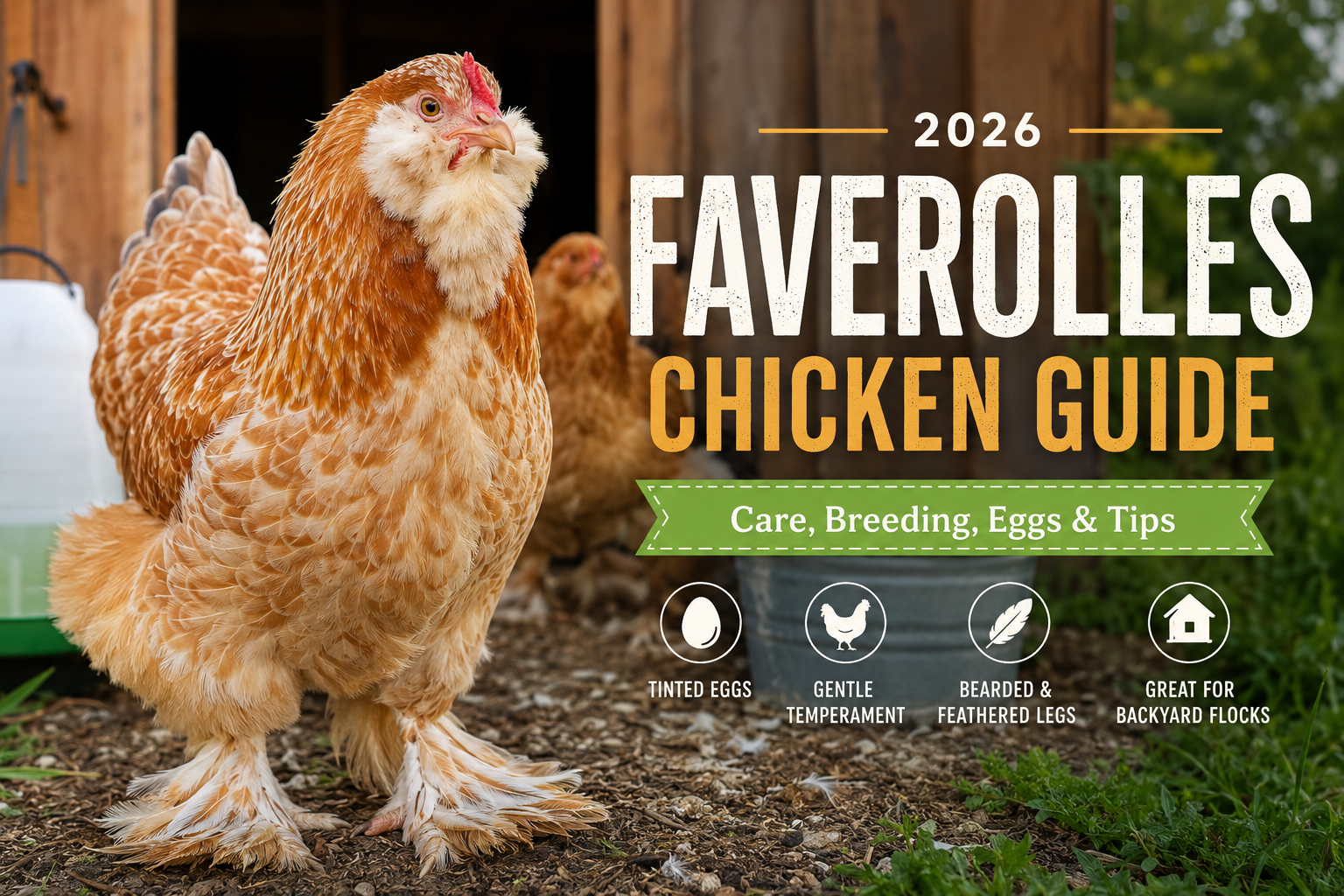
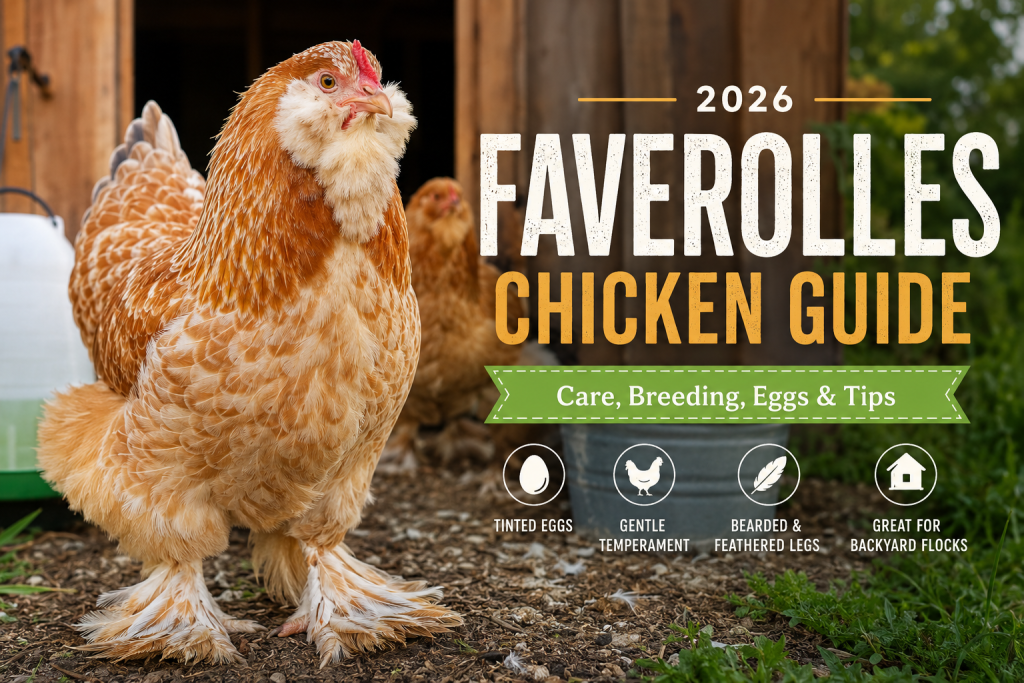
  • Faverolles Chicken Guide 2026: Ultimate Care Tips

    Faverolles Chicken Guide 2026: Ultimate Care Tips

    Faverolles Chicken Guide 2026: Care & Breed Tips

    If you want a friendly, useful, and eye-catching backyard bird, this Faverolles Chicken Guide is a great place to start. Faverolles chickens originated in France and were developed as dual-purpose birds for both eggs and meat. Today, they remain popular with homesteaders and backyard keepers because of their gentle nature, attractive appearance, and useful winter laying ability.

    For 2026, the breed remains important to heritage poultry conservation. The Livestock Conservancy currently lists Faverolles as Threatened, which makes responsible breeding and good flock management especially valuable.

    Why Choose Faverolles Chickens?

    The Faverolles Chicken Guide starts with one major advantage: versatility. These birds can provide eggs, meat, companionship, and plenty of personality.

    They are generally gentle but active. Therefore, they can work well for families, beginners, and small homesteads. They also enjoy foraging, although they can live successfully in a secure run when given enough space and enrichment.

    Key benefits include:

    • Friendly and generally calm temperament
    • Medium to large tinted or light-brown eggs
    • Useful winter egg production
    • Good meat qualities
    • Attractive beard, muff, and feathered legs
    • Active foraging behavior
    • Suitable for beginner keepers

    Key Features in a Faverolles Chicken Guide

    Appearance and Size

    Faverolles have a distinctive appearance. They feature a beard, muffed face, feathered shanks, and five toes on each foot. Salmon is the best-known color, while other varieties also exist depending on the country and poultry standard.

    The 2026 Livestock Conservancy reference lists adult weights around 8 pounds for males and 6.5 pounds for females.

    Temperament

    Faverolles chicken temperament is one of the breed’s strongest selling points. They are usually gentle, curious, and active. However, their softer personality can sometimes make them vulnerable to bullying in a mixed flock.

    For that reason, monitor flock dynamics after introducing new birds.

    Eggs and Meat

    Faverolles are true dual-purpose chickens. Hens produce tinted to light-brown eggs, and heritage-breed references report roughly 180–200 eggs per year under suitable conditions.

    Additionally, the breed was developed with meat production in mind. This makes it useful for homesteaders who want both eggs and table qualities from one flock.

    Types and Popular Varieties

    Salmon Faverolles Chicken

    The Salmon Faverolles chicken is the variety most people recognize. Females have a soft salmon-and-wheat appearance, while males show contrasting darker markings. The unique coloring gives this variety strong appeal for backyard flocks and exhibition keepers.

    White Faverolles

    White Faverolles are another recognized variety. However, accepted colors can differ between poultry organizations and countries. Therefore, check your local breed standard if exhibition quality matters.

    Faverolles Chicken Buying Guide

    When buying birds, focus on health rather than appearance alone. A beautiful bird may still carry health or management problems.

    Look for:

    1. Bright, alert eyes
    2. Clean nostrils and beak
    3. Smooth breathing
    4. Good body condition
    5. Clean feathers around the vent
    6. Healthy legs and feet
    7. Active behavior

    Additionally, ask the breeder about vaccination history, flock health, age, and breeding background. If preserving heritage traits matters to you, choose breeders who follow recognized breed standards.

    Common Mistakes to Avoid

    A good Faverolles Chicken Guide should also explain what not to do.

    Avoid these common mistakes:

    • Keeping birds in an overcrowded coop
    • Ignoring muddy or wet conditions around feathered feet
    • Feeding a poor-quality diet
    • Introducing new birds without monitoring aggression
    • Neglecting parasite checks
    • Providing poor ventilation
    • Failing to offer shade and fresh water during hot weather

    Because Faverolles have feathering around their legs, regular foot and leg checks are especially helpful. They can also be vulnerable to scaly-leg mites.

    Faverolles Chicken Care Tips for 2026

    Good Faverolles chicken care starts with clean housing, balanced feed, fresh water, and enough room to move.

    Provide a dry, well-ventilated coop with clean bedding. Furthermore, allow safe access to an outdoor run or foraging area when possible. The 2026 heritage breed guide notes that Faverolles can do well in various climates, but their combs can be vulnerable to frostbite in cold conditions.

    During hot weather, provide shade, airflow, and several clean water sources. Feathered breeds can require extra attention during heat waves.

    Finally, inspect your flock regularly. Early detection of injuries, parasites, unusual droppings, appetite changes, or breathing problems can help you respond quickly.

    Is This Breed Right for You?

    This Faverolles Chicken Guide shows why the breed can suit many backyard keepers. It offers attractive looks, friendly behavior, useful egg production, and dual-purpose value.

    However, it may not be ideal if you want extremely high commercial egg production or a highly dominant flock member. Instead, it works particularly well for people who value heritage traits, personality, and versatility.

    Conclusion

    The Faverolles Chicken Guide for 2026 highlights a heritage breed with plenty to offer. Its gentle temperament, distinctive appearance, tinted eggs, meat qualities, and winter productivity make it an interesting choice for both new and experienced keepers.

    If you are considering adding Faverolles to your flock, start with healthy birds from a responsible breeder. Then provide quality feed, clean housing, safe outdoor space, and regular health checks. Use this Faverolles Chicken Guide as your starting point and build a care routine around your flock’s individual needs.