Author: kinzapadhyair@gmail.com

  • Soft Shell Eggs: Powerful Causes & Fixes 2026

    Soft Shell Eggs: Powerful Causes & Fixes 2026

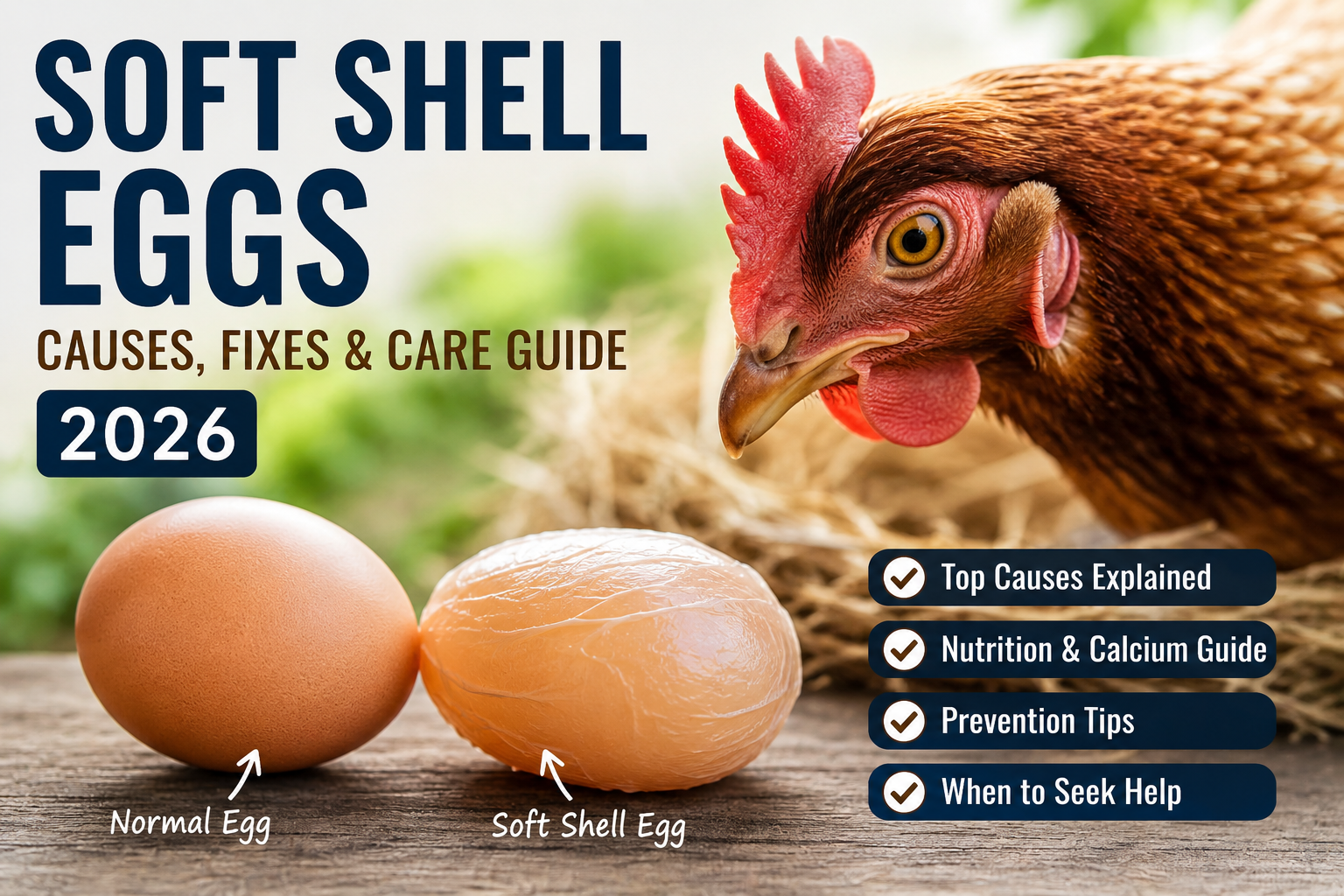
    Soft Shell Eggs: Causes, Fixes & Care Guide 2026

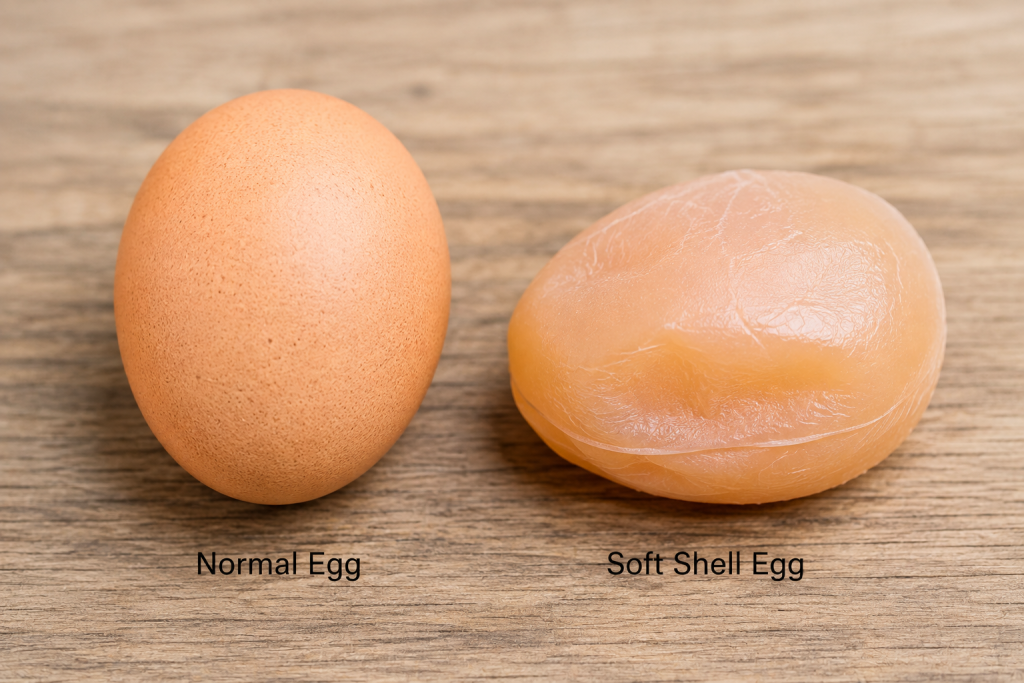
    If you keep backyard chickens or manage a poultry flock, Soft Shell Eggs can be an unexpected and worrying discovery. These eggs may feel rubbery, thin, or flexible instead of having the firm shell you normally expect.

    For U.S. chicken keepers and poultry owners worldwide, the good news is that one unusual egg does not always mean something is seriously wrong. However, repeated Soft Shell Eggs can point to nutrition, stress, age, environmental conditions, or an underlying health problem.

    Why Soft Shell Eggs Matter

    A normal eggshell contains mostly calcium carbonate. The hen must have enough available calcium and the right conditions to build that protective shell.

    As a result, Soft Shell Eggs can affect egg quality and create more breakage in the nest box. They can also make it harder to store or handle the egg safely.

    According to University of Georgia Extension, soft-shelled eggs differ from completely shell-less eggs because they still have a thin calcium layer over the shell membrane.

    For food safety, damaged or contaminated eggs deserve extra care. The FDA advises consumers to refrigerate shell eggs properly and cook eggs thoroughly because raw eggs can carry Salmonella.

    What Causes Soft Shell Eggs?

    Several factors can contribute to Soft Shell Eggs. Therefore, look at the hen’s diet, environment, age, and overall health before assuming there is only one cause.

    Calcium and Vitamin D

    A common concern is calcium deficiency in chickens. Hens use large amounts of calcium during eggshell formation. If the diet does not provide enough usable calcium, shell quality can suffer.

    Vitamin D also matters because it helps the bird use calcium effectively. Therefore, a balanced layer ration should form the foundation of the diet rather than relying heavily on treats or scraps.

    Age and Egg-Laying Stage

    Young pullets may occasionally produce abnormal eggs while their reproductive systems mature. Similarly, older hens may experience more shell-quality problems.

    Therefore, one soft egg from a new layer may not have the same meaning as repeated problems from an established layer.

    Heat, Stress, and Environment

    Heat stress, overcrowding, predator pressure, sudden changes, and other environmental stressors can affect laying performance. Additionally, research on eggshell defects links stress and premature egg release with soft-shell formation.

    Types of Soft Shell Eggs

    Not every unusual egg has the same cause. Understanding the difference can help you decide what to do next.

    Thin-Shelled Eggs

    These eggs have a fragile shell that may crack easily. They still have a recognizable hard shell, but it feels much thinner than normal.

    Rubber-Like Eggs

    These are often called soft-shelled chicken eggs. They have a flexible, leathery outer layer and may collapse when gently touched.

    Shell-Less Eggs

    A shell-less egg has little or no hard calcium shell. University of Georgia Extension notes that several nutritional and disease-related problems can contribute to shell-less eggs.

    How to Fix Soft Shell Eggs

    If your hen produces Soft Shell Eggs, start with basic flock management.

    1. Review the feed. Use a complete layer feed appropriate for the hen’s age and production stage.
    2. Check calcium access. Provide an appropriate calcium source, such as oyster shell, according to local poultry-feeding guidance.
    3. Provide clean water. Dehydration and poor water access can affect flock performance.
    4. Reduce stress. Improve ventilation, shade, housing space, and predator protection.
    5. Monitor the hen. Watch appetite, activity, droppings, breathing, and laying patterns.
    6. Keep records. Note how often abnormal eggs appear and which birds may be producing them.

    Additionally, avoid adding large amounts of supplements without understanding the complete diet. More is not always better.

    Buying and Decision Guide

    When choosing poultry feed or calcium products, focus on quality rather than marketing claims.

    Look for:

    • A complete layer ration
    • Clear nutritional information
    • Appropriate calcium content
    • Vitamin D and other essential nutrients
    • Fresh, properly stored feed
    • A reputable manufacturer

    You can also read our complete chicken nutrition guide for additional feeding information.

    Common Mistakes to Avoid

    Many flock owners make simple mistakes when dealing with Soft Shell Eggs.

    Do Not Blame Calcium Immediately

    Calcium is important, but it is not the only possible explanation. Age, stress, disease, nutrition, and reproductive problems can also affect shell formation.

    Do Not Overuse Supplements

    Adding several supplements at once can make it difficult to identify the real problem. Instead, correct obvious management issues first and keep the diet balanced.

    Do Not Ignore Repeated Problems

    One unusual egg may happen occasionally. However, repeated Soft Shell Eggs, especially when combined with weakness, breathing problems, reduced appetite, or changes in egg production, deserve closer attention.

    If health problems continue, contact a poultry veterinarian or qualified animal-health professional.
    Care Tips to Prevent Soft Shell Eggs

    Good daily management can support strong eggshell nutrition and consistent production.

    • Provide a complete layer diet.
    • Keep fresh water available at all times.
    • Offer suitable calcium according to flock needs.
    • Keep the coop clean and well ventilated.
    • Provide shade during hot weather.
    • Reduce overcrowding and unnecessary stress.
    • Monitor older and newly laying hens more closely.
    • Record recurring chicken egg shell problems.

    Furthermore, inspect feed storage regularly. Moldy or contaminated feed can contribute to egg-quality problems, so replace questionable feed rather than taking unnecessary risks.

    Final Thoughts

    Soft Shell Eggs are usually a sign that something has changed in the hen, her diet, or her environment. Therefore, start with balanced nutrition, good calcium management, clean water, and lower stress.

    Most importantly, do not ignore repeated abnormalities. With careful observation and good flock management, you can often identify the problem early. If Soft Shell Eggs continue or your hen appears unwell, seek professional poultry advice and take action promptly.
  • Egg Quality Problems: Causes & Solutions in 2026

    Egg Quality Problems: Causes & Solutions in 2026

    Egg Quality Problems: Causes, Types, and Solutions in 2026

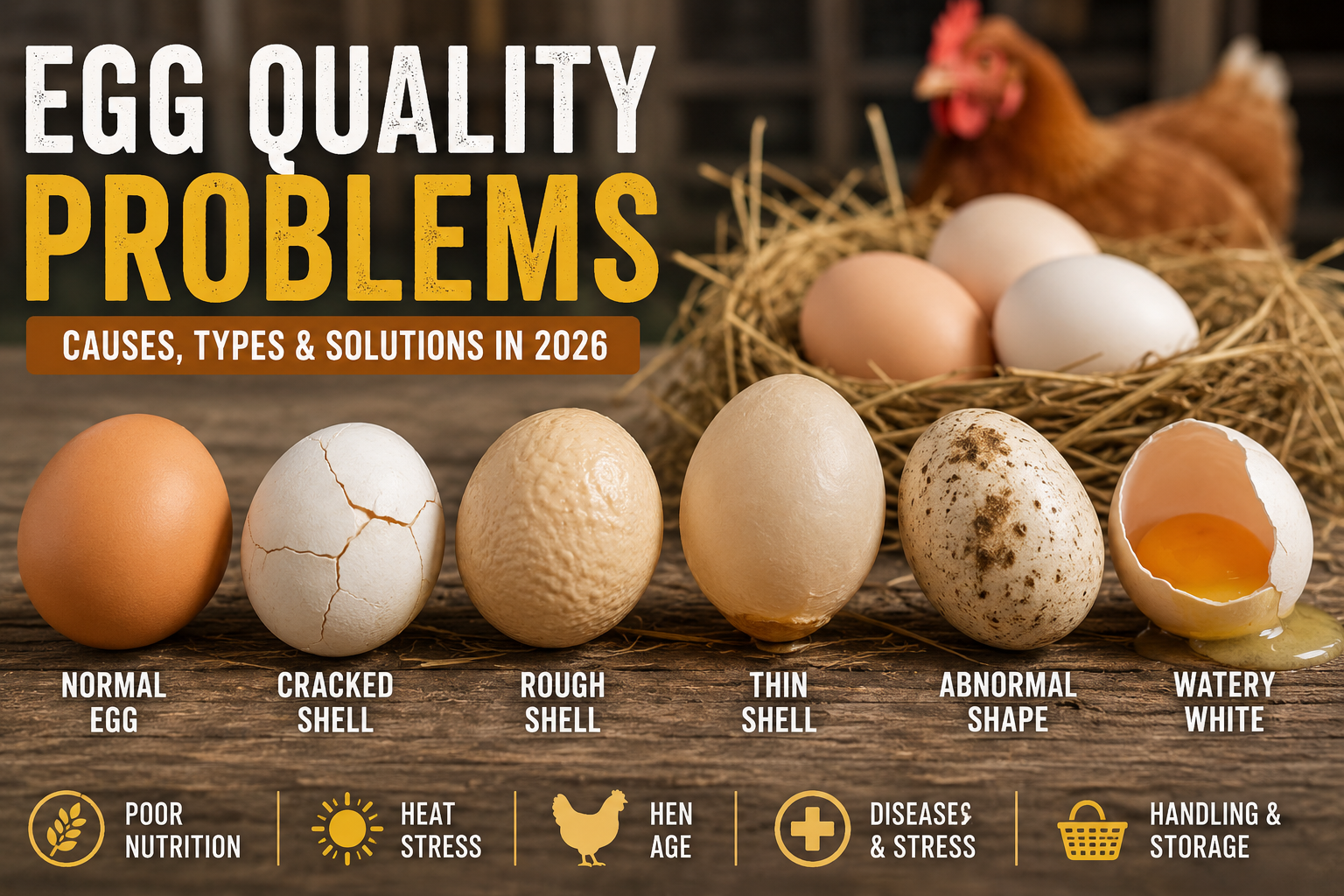
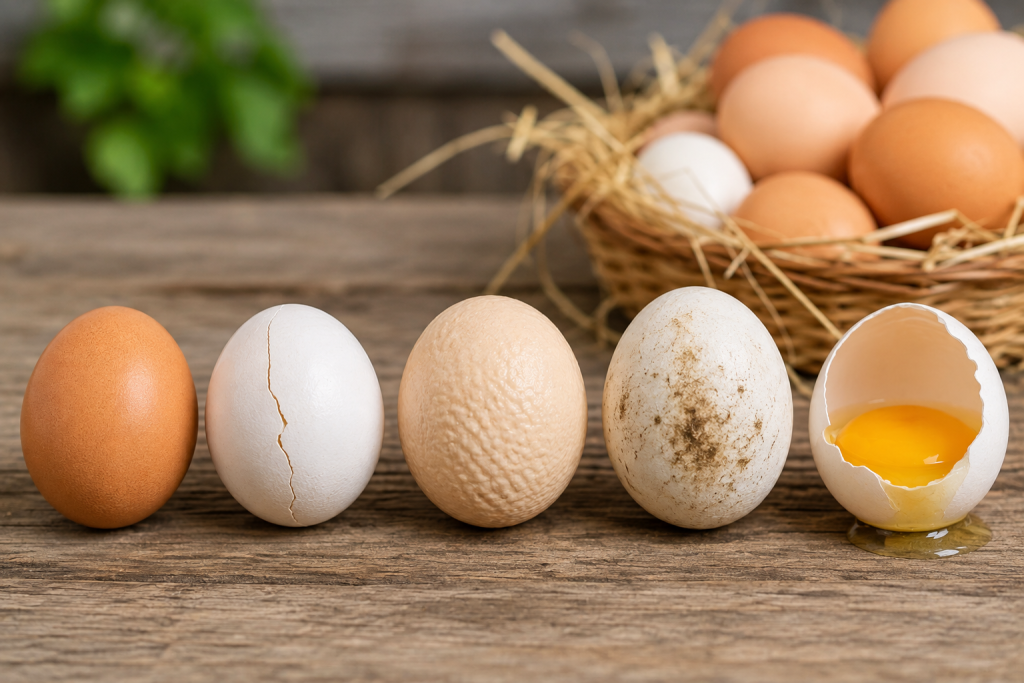
    Egg Quality Problems can affect backyard chickens, small farms, and commercial egg production. Weak shells, cracks, unusual egg shapes, watery whites, and blood spots can all signal a quality issue. Therefore, understanding the causes can help poultry keepers protect their hens and reduce egg waste.

    In 2026, proper flock care remains important because factors such as heat stress, nutrition, hen age, disease, handling, and storage can influence egg quality. USDA guidance also recognizes shell condition, egg white, yolk, and air-cell characteristics as important parts of egg grading.

    Why Egg Quality Problems Matter

    Good-quality eggs are easier to store, transport, sell, and use. However, poor shell quality can increase breakage and may also make eggs more vulnerable to contamination.

    The shell provides an important protective barrier around the egg. As a result, cracks and microcracks deserve attention because damaged shells can provide easier entry points for microorganisms.

    For backyard chicken owners, better egg quality can also mean:

    • Less food waste
    • Fewer broken eggs
    • Better flock performance
    • Improved customer satisfaction
    • Easier egg collection and storage

    Main Causes of Egg Quality Problems

    1. Nutrition and Mineral Balance

    Calcium plays an important role in eggshell formation. However, calcium alone does not solve every problem. Hens need a properly balanced layer diet, along with suitable phosphorus, vitamin D, protein, and other nutrients.

    Therefore, provide a complete feed designed for laying hens rather than relying mainly on household scraps.

    2. Heat Stress

    High temperatures can contribute to Egg Quality Problems. During hot weather, chickens drink much more water, while heat stress can affect mineral balance and eggshell formation.

    Additionally, provide clean, cool water throughout the day. Shade, ventilation, and reduced heat exposure can also help hens cope with summer conditions.

    3. Hen Age

    A hen’s age can influence shell strength and interior quality. Older laying hens may produce more eggs with thinner or weaker shells.

    Therefore, monitor shell quality as hens move through their laying cycle instead of assuming every change comes from poor feed.

    4. Stress and Disease

    Stress from overcrowding, sudden environmental changes, poor ventilation, or illness can affect laying performance and egg quality. Some poultry diseases can also reduce shell quality.

    If several hens suddenly produce abnormal eggs, investigate the flock rather than treating the problem as an isolated egg defect.

    Types of Egg Quality Problems

    Weak or Thin Eggshells

    Thin shells are among the most common Egg Quality Problems. They may crack easily during collection or transport.

    Check feed quality, water availability, heat levels, and flock health. If the problem continues, consult a poultry veterinarian or qualified extension professional.

    Cracked or Broken Eggs

    Cracks can result from weak shells, rough handling, overcrowded nesting areas, or transport damage. Furthermore, USDA research notes that shell integrity is important because damaged shells can increase the opportunity for microorganisms to enter the egg.

    Watery Egg Whites

    As eggs age, interior quality naturally declines. The USDA explains that egg quality becomes less stable over time, although proper handling can slow the decline.

    Therefore, collect eggs regularly and store them correctly.

    Unusual Shapes and Shell Defects

    Wrinkled, misshapen, rough, or ridged shells can occur for several reasons. Stress, age, nutrition, and flock health may all contribute.

    One unusual egg does not always indicate a serious problem. However, repeated defects deserve closer attention.

    How to Reduce Egg Quality Problems

    Use this simple checklist:

    1. Feed a complete layer ration.
    2. Provide constant access to clean water.
    3. Reduce heat stress during hot weather.
    4. Keep nesting areas clean and comfortable.
    5. Collect eggs regularly.
    6. Handle eggs carefully to prevent cracks.
    7. Monitor hens for illness or unusual behavior.
    8. Record repeated shell or interior defects.
    9. Review feed and flock management when problems increase.

    Common Mistakes to Avoid

    One common mistake is giving hens excessive supplements without checking their complete diet. More calcium is not automatically better, and nutritional imbalances can create other problems.

    Another mistake is ignoring heat. During hot periods, hens can dramatically increase water intake, making reliable water access especially important.

    Finally, do not confuse poor quality with spoilage. For example, a floating egg may have a larger air cell because it has aged, but USDA notes that a floating egg can still be safe; consumers should crack it separately and check for an unusual odor or appearance.

    Egg Care and Storage Tips

    After collection, handle eggs gently and keep them protected from contamination. For consumers in the United States, USDA recommends proper refrigeration and safe cooking practices. Egg dishes should reach 160°F (71.1°C).

    Additionally, avoid keeping refrigerated eggs or egg dishes at room temperature for extended periods. Good storage helps preserve both quality and safety.

    Conclusion

    Egg Quality Problems are often linked to several factors rather than one single cause. Nutrition, heat stress, hen age, flock health, handling, and storage can all play a role.

    Therefore, start with the basics: balanced layer feed, clean water, good ventilation, comfortable nesting areas, careful handling, and regular flock observation. If Egg Quality Problems continue or appear alongside signs of illness, seek professional poultry advice.

  • Backyard Egg Business: Profitable Guide for 2026

    Backyard Egg Business: Profitable Guide for 2026

    Backyard Egg Business: A Smart 2026 Opportunity

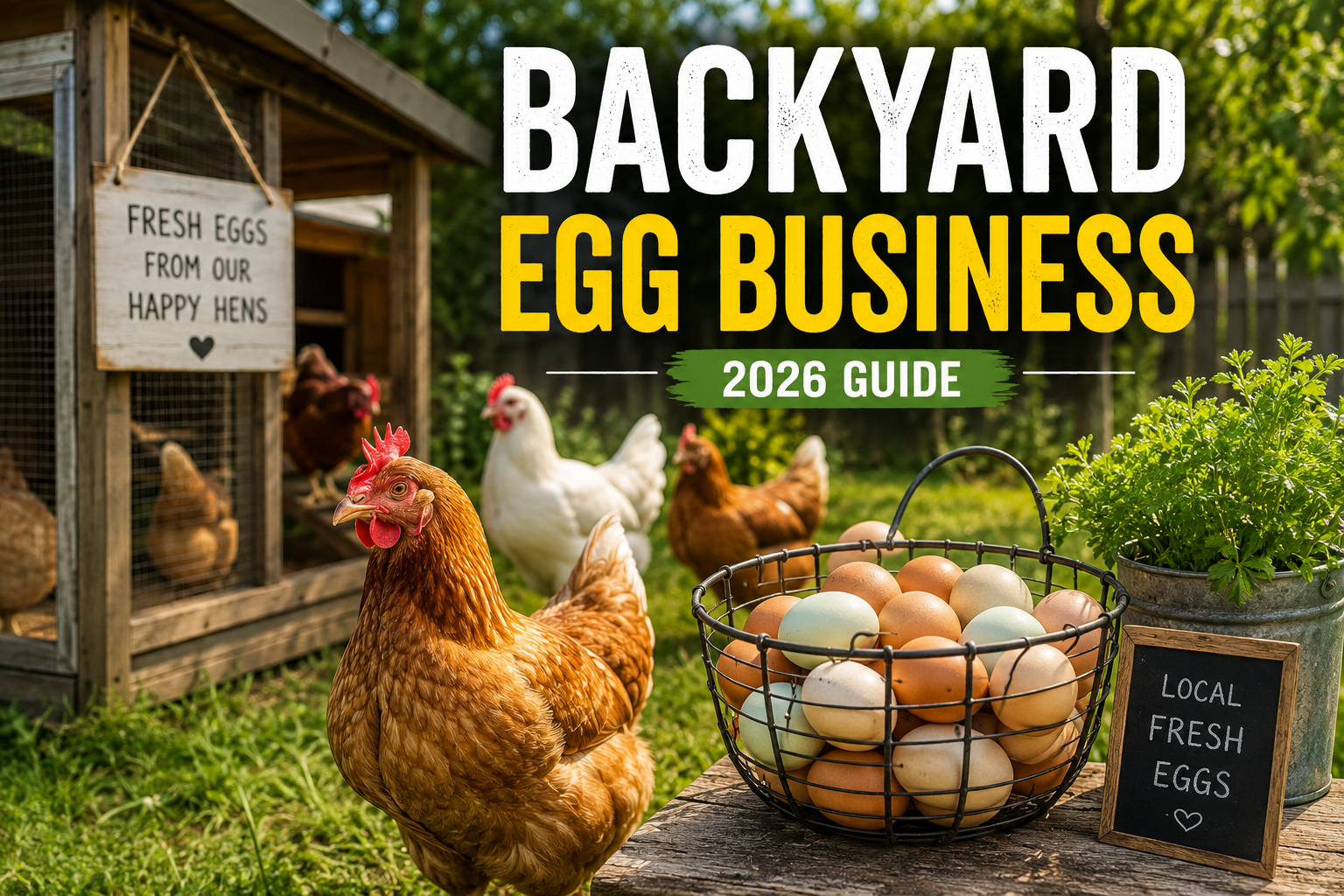
    A Backyard Egg Business can turn a small flock into a useful source of extra income in 2026. For US backyard chicken keepers, rising interest in fresh, locally produced food creates an opportunity to sell quality eggs directly to local customers. However, success requires more than keeping hens and collecting eggs.

    You need healthy birds, reliable feed, clean housing, good records, and a simple sales plan. Additionally, you must check your local rules before selling eggs because requirements can vary by location.

    Why Start a Backyard Egg Business in 2026?

    A Backyard Egg Business can begin on a small scale. You do not need a large commercial farm to test the idea. Instead, start with a manageable flock and build your customer base gradually.

    The main benefits include:

    • Extra income: Sell surplus eggs to local customers.
    • Low starting scale: Begin with a small flock and expand later.
    • Local demand: Fresh eggs can attract nearby families.
    • Flexible operation: Manage the flock around your existing schedule.
    • Direct relationships: Build repeat customers through quality service.

    Moreover, direct sales can help you understand what customers actually want.

    Key Factors for a Successful Backyard Egg Business

    Choose Productive Laying Hens

    Breed selection matters. Some breeds are known for dependable egg production, while others may be better suited to cold or hot climates.

    Before buying chickens, consider:

    • Egg production
    • Temperament
    • Climate tolerance
    • Feed requirements
    • Space requirements
    • Availability in your area

    As a result, choosing suitable hens can improve consistency and reduce unnecessary costs.

    Provide Quality Feed and Fresh Water

    Good nutrition supports healthy birds and strong egg production. Provide a balanced layer feed that meets the needs of mature laying hens.

    Additionally, chickens need clean drinking water every day. During hot weather, check water supplies more often because dehydration can quickly affect flock health.

    Keep the Coop Clean

    Clean housing protects flock health and supports better egg quality. Remove soiled bedding regularly and keep nesting boxes dry.

    Furthermore, clean feeders and waterers often. Good hygiene can reduce contamination risks and make your Backyard Egg Business more professional.

    Types of Backyard Egg Businesses

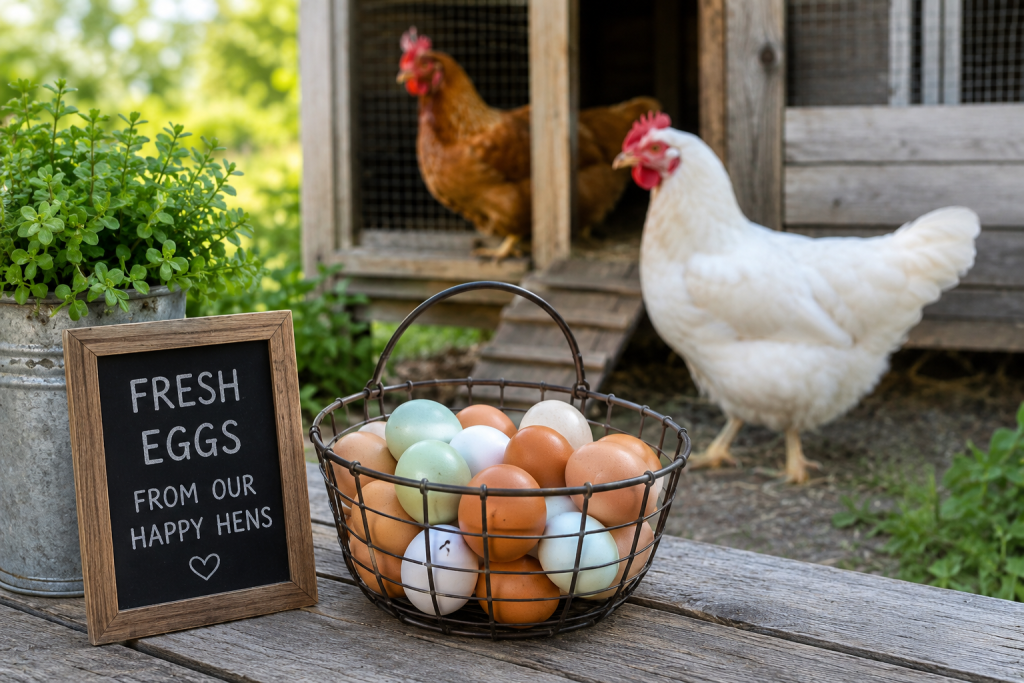
    Selling Fresh Eggs Locally

    The simplest model involves selling eggs directly to neighbors, friends, coworkers, or local customers. However, check local regulations covering egg handling, labeling, storage, packaging, and sales.

    Farm-Gate or Direct Sales

    If local rules allow it, customers may collect eggs directly from your property. This approach can reduce delivery time and create stronger relationships with repeat buyers.

    Small-Scale Egg Farming

    A larger flock can support small-scale egg farming. However, expansion should happen only after you understand your costs, customer demand, flock management, and local requirements.

    How to Price Your Eggs

    Pricing should cover your real operating costs. Therefore, calculate expenses before choosing a selling price.

    Include:

    1. Chicken purchase costs
    2. Feed and supplements
    3. Bedding
    4. Coop maintenance
    5. Packaging
    6. Electricity and water
    7. Healthcare and flock losses
    8. Transportation
    9. Your time

    Then divide your total costs by the number of saleable eggs. This gives you a clearer picture of your actual cost per egg or dozen.

    Common Mistakes to Avoid

    Many new owners make avoidable mistakes when starting a Backyard Egg Business.

    Avoid these problems:

    • Starting with too many hens
    • Ignoring local selling regulations
    • Underestimating feed costs
    • Poor coop hygiene
    • Selling inconsistent egg quality
    • Failing to track expenses
    • Setting prices without calculating costs
    • Promising more eggs than your flock can produce

    Instead, start small and keep accurate records. Consequently, you can make better decisions as your customer base grows.

    Backyard Egg Business Maintenance Tips

    Daily flock care should remain your top priority. Collect eggs regularly, check birds for unusual behavior, and make sure food and water are available.

    Weekly, inspect nesting boxes, feeders, waterers, fencing, and coop areas. Additionally, keep a simple production record showing eggs collected, eggs sold, feed costs, and other expenses.

    A useful record can include:

    • Number of eggs collected
    • Number of eggs sold
    • Daily feed usage
    • Customer orders
    • Weekly expenses
    • Monthly profit

    This information helps you identify trends and improve your Backyard Egg Business over time.

    Is a Backyard Egg Business Profitable?

    A Backyard Egg Business can be profitable, but results depend on flock size, feed prices, egg production, selling prices, losses, and local demand. Therefore, do not assume that every egg automatically creates profit.

    Focus on efficiency. Reduce waste, maintain healthy hens, build repeat customers, and review your numbers regularly. Moreover, excellent customer service can help turn occasional buyers into loyal customers.

    Conclusion:

    Starting a Backyard Egg Business can be a practical way to earn extra income while enjoying backyard poultry keeping. However, successful Backyard Egg Business owners focus on bird health, clean facilities, consistent egg quality, accurate costs, and responsible selling.

    Start small, understand your local requirements, and grow only when demand supports expansion. If you manage your flock carefully and treat the operation like a real business, 2026 could be a strong year to build your Backyard Egg Business.

  • Can Chickens Eat Mealworms? Safe Feeding Guide 2026

    Can Chickens Eat Mealworms? Safe Feeding Guide 2026

    Can Chickens Eat Mealworms? Complete 2026 Guide

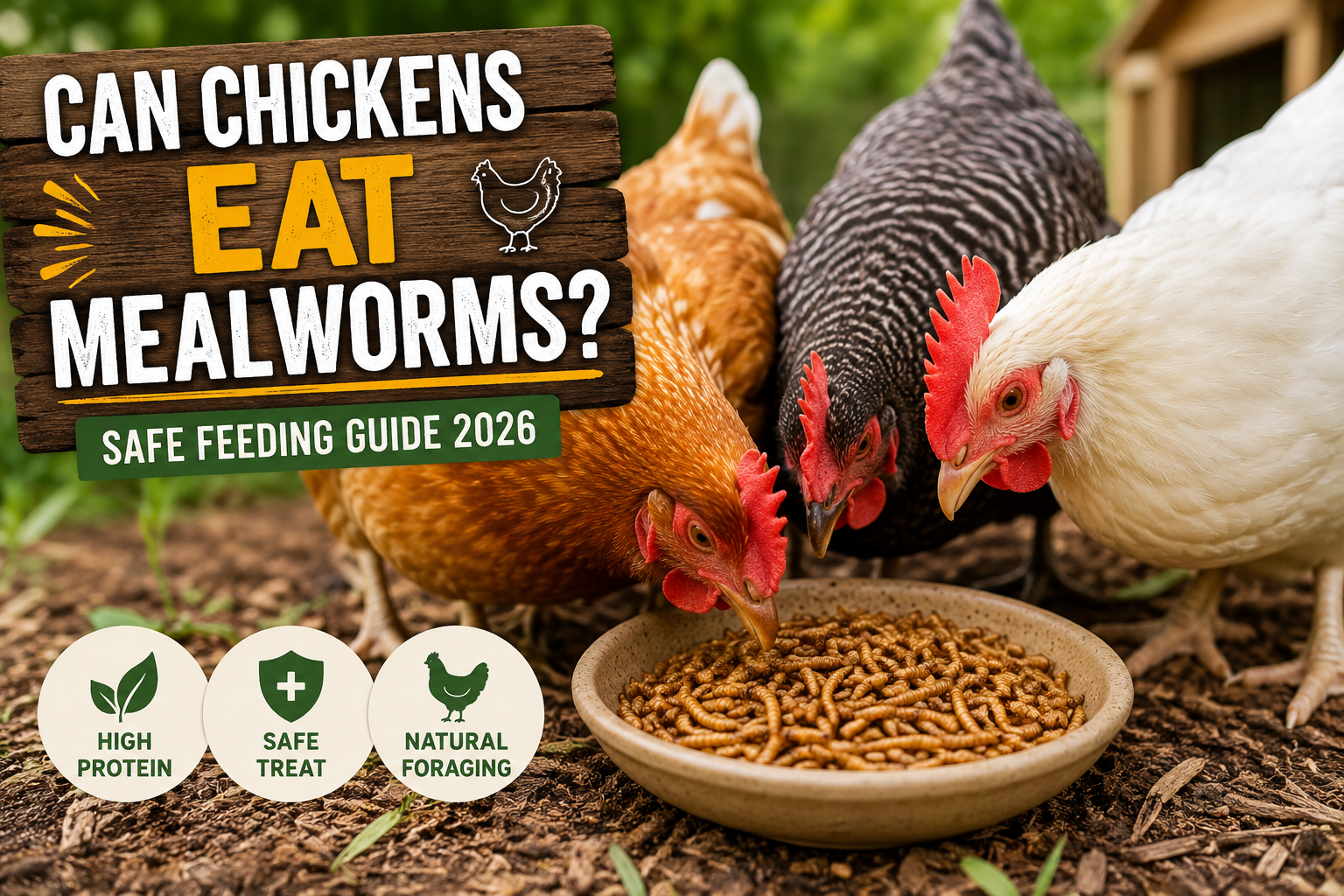
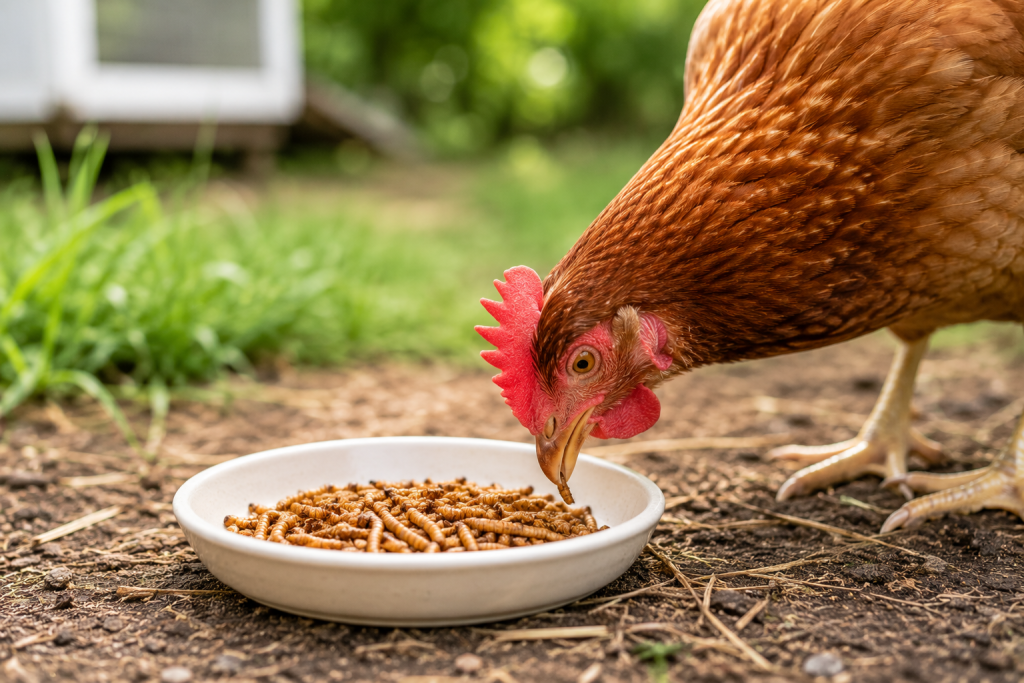
    If you keep backyard chickens, you may wonder, Can Chickens Eat Mealworms? Yes, chickens can safely eat mealworms as an occasional treat. Mealworms provide protein and can add variety to a balanced chicken diet.

    However, treats should never replace a complete poultry feed. For healthy backyard hens, mealworms work best as a small supplement. Additionally, knowing how much and how often to offer them can help prevent feeding problems.

    Why Can Chickens Eat Mealworms?

    Can Chickens Eat Mealworms? Chickens naturally enjoy insects, worms, and other small creatures. Therefore, mealworms fit well with their natural foraging behavior.

    Mealworms contain protein, fat, and other nutrients. As a result, they can make a useful occasional treat, especially when chickens are active and need extra variety.

    Benefits of Mealworms for Chickens

    Mealworms can offer several benefits when fed in moderation:

    • Extra protein: Protein supports normal growth, feather development, and body maintenance.
    • Natural enrichment: Scattering mealworms encourages chickens to scratch and forage.
    • High palatability: Most chickens quickly accept mealworms as a treat.
    • Convenient storage: Dried mealworms can stay fresh for a long time when stored correctly.
    • Useful training treat: You can use small amounts to encourage chickens to return to the coop.

    How to Feed Mealworms to Chickens

    Can Chickens Eat Mealworms? Yes, but portion size matters. Mealworms are calorie-dense, so excessive treats can contribute to an unbalanced diet.

    A simple approach is to offer a small handful to a group of chickens rather than allowing unlimited access. Furthermore, treats should remain a small part of their overall daily food intake.

    Dried Mealworms for Chickens

    Dried mealworms for chickens are popular because they are easy to store and serve. They also create less mess than live insects.

    You can sprinkle a small amount on the ground or mix them with other safe treats. However, always provide clean drinking water and keep the main diet based on quality complete chicken feed.

    Live Mealworms

    Live mealworms can provide extra foraging enrichment. Chickens may chase, peck, and scratch while searching for them.

    Additionally, live insects can make feeding time more interesting. Make sure the mealworms come from a reputable source and are intended as animal feed.

    Types of Mealworms to Consider

    Dried Mealworms

    Dried mealworms offer convenience. They require no refrigeration and are easy to measure.

    They are especially useful for backyard keepers who want a quick protein-rich chicken treat. Nevertheless, check the package and avoid products containing unnecessary additives.

    Live Mealworms

    Live mealworms encourage natural hunting behavior. They can be particularly useful as an enrichment activity.

    However, live mealworms require more care and storage. Therefore, dried options may suit beginners better.

    Buying Guide: What Should You Choose?

    When buying mealworms for chickens, consider these factors:

    1. Quality: Choose mealworms sold specifically as animal feed.
    2. Ingredients: Look for simple products without unnecessary additives.
    3. Storage: Follow the manufacturer’s storage instructions.
    4. Quantity: Buy an amount you can use while the product remains fresh.
    5. Source: Choose a trustworthy supplier with clear product information.

    Common Mistakes to Avoid

    Can Chickens Eat Mealworms? They can, but problems may occur when owners feed too many.

    Avoid these common mistakes:

    • Giving mealworms instead of complete chicken feed.
    • Offering unlimited quantities.
    • Feeding spoiled or moldy insects.
    • Buying products with unnecessary ingredients.
    • Forgetting to provide fresh water.
    • Using treats as the main source of nutrition.

    Additionally, watch your flock after introducing any new treat. If chickens show unusual digestive problems, stop the treat and review their diet.

    Safe Feeding and Care Tips

    Can Chickens Eat Mealworms? Yes, when you use sensible feeding practices. Start with a small quantity and observe how your chickens respond.

    Keep mealworms in a clean, dry storage area. Furthermore, wash feeding containers regularly to reduce contamination.

    You can also use mealworms as part of an enrichment routine. Scatter a small amount in a clean outdoor area and let chickens scratch for them. This encourages natural behavior while making feeding more engaging.

    Can Chickens Eat Mealworms Every Day?

    Can Chickens Eat Mealworms? Daily feeding is generally unnecessary. Chickens need a nutritionally complete main diet, while treats should remain limited.

    Instead, offer mealworms occasionally as part of a varied treat routine. The exact amount depends on flock size, chicken age, overall diet, and activity level.

    Remember that chicks have different nutritional needs from adult chickens. Therefore, always prioritize an age-appropriate complete feed.

    Conclusion

    So, Can Chickens Eat Mealworms? Absolutely. Mealworms can be a tasty and useful occasional treat that provides additional protein and encourages natural foraging behavior.

    However, moderation remains important. Choose quality mealworms, provide them alongside a balanced chicken diet, and avoid excessive treats. If you want to improve your flock’s feeding routine, start with a small serving and observe how your chickens respond.

  • Best Protein Sources: Top Healthy Choices in 2026

    Best Protein Sources: Top Healthy Choices in 2026

    Best Protein Sources: Top Healthy Choices in 2026

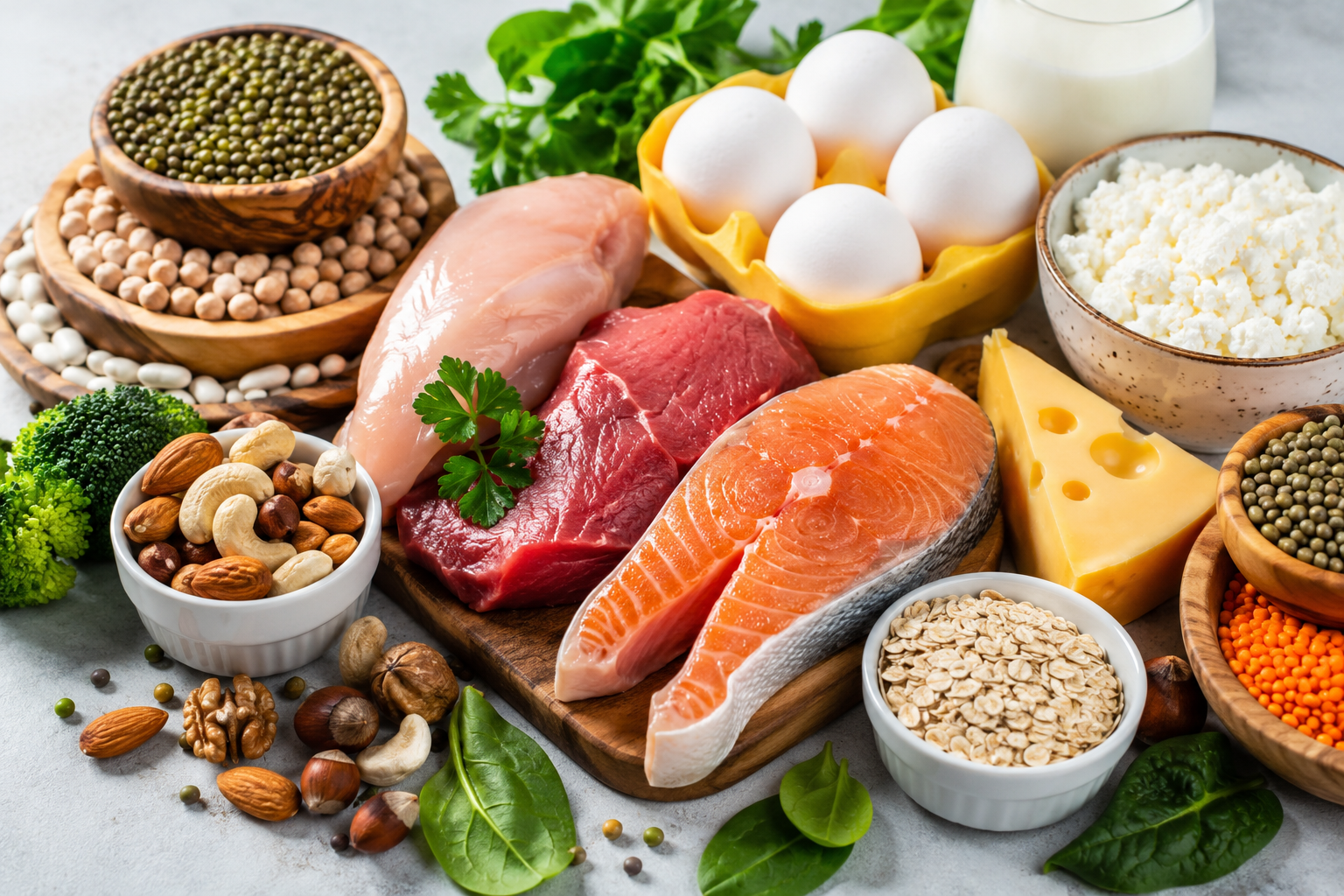
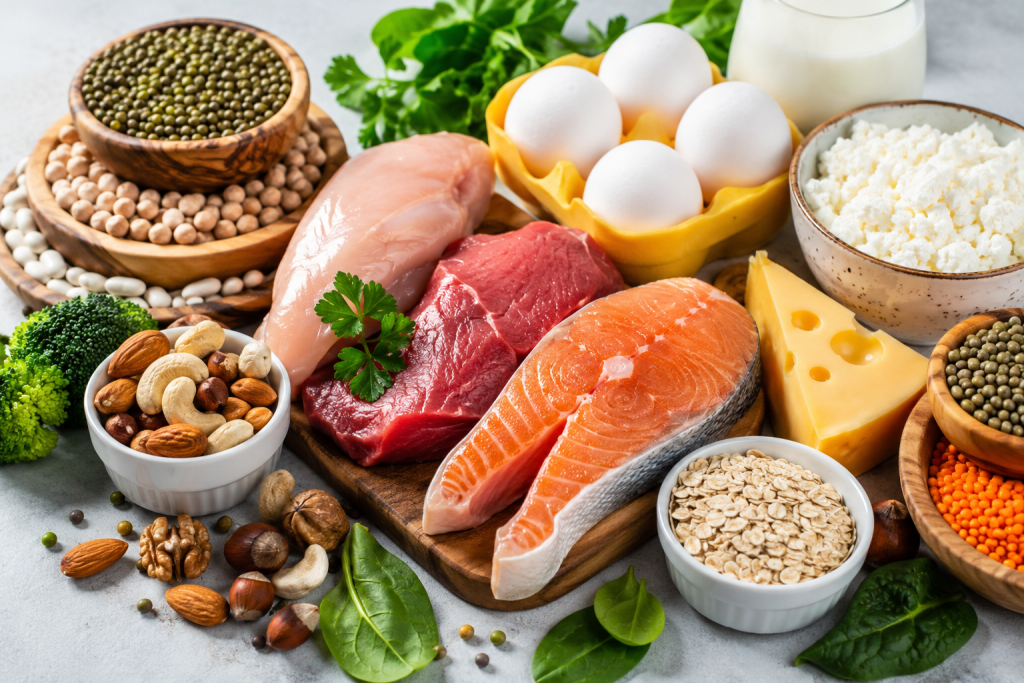
    Choosing the Best Protein Sources can make everyday meals more nutritious, satisfying, and balanced. Protein helps build and maintain body tissues and also supports important functions such as making enzymes and hormones.

    In 2026, healthy eating advice continues to emphasize a wider variety of protein foods. The latest U.S. Dietary Guidelines for 2025–2030 highlight beans, peas, lentils, nuts, seeds, soy foods, seafood, meat, poultry, and eggs as important protein choices.

    Why the Best Protein Sources Matter

    Protein is an important part of a balanced diet. However, the quality of the food matters as much as the protein content.

    For example, some protein foods also provide fiber, healthy fats, vitamins, and minerals. Therefore, choosing a variety of protein-rich foods can help you build a more balanced diet.

    The FDA lists a Daily Value of 50 grams of protein based on a 2,000-calorie diet. However, individual needs can vary based on age, body size, activity level, and other factors.

    Best Protein Sources to Add to Your Diet

    The Best Protein Sources are not limited to meat. You can choose from both animal and plant foods.

    Eggs

    Eggs are affordable, easy to prepare, and versatile. They also provide several important nutrients.

    Try boiled eggs, scrambled eggs, or eggs with vegetables for a simple breakfast.

    Fish and Seafood

    Fish is one of the most useful lean protein sources. Many types of seafood also provide omega-3 fats.

    Salmon, sardines, tuna, trout, and shrimp can fit into a balanced diet. Additionally, seafood can add variety to meals without relying on processed meats.

    Chicken and Turkey

    Skinless chicken and turkey are popular high-protein choices. They work well in salads, sandwiches, rice bowls, and many other meals.

    However, preparation matters. Grilling, baking, or roasting can be better choices than deep-frying.

    Beans, Peas, and Lentils

    Beans, peas, and lentils are excellent plant-based protein choices. They also provide dietary fiber, which makes them especially useful for balanced meals.

    The 2025–2030 Dietary Guidelines development specifically emphasized beans, peas, and lentils as important protein foods.

    Dairy Foods

    Greek yogurt, cottage cheese, milk, and other dairy foods can provide substantial protein.

    For a quick snack, combine Greek yogurt with fruit and nuts. However, check nutrition labels when choosing flavored products because some contain significant added sugar.

    How to Choose the Best Protein Sources

    When comparing the Best Protein Sources, look beyond the protein number on the package.

    1. Check Protein Per Serving

    Start by checking the serving size and grams of protein. FDA guidance recommends using the Nutrition Facts label to understand nutrients per serving.

    2. Consider Saturated Fat and Sodium

    Some protein foods can also contain high amounts of saturated fat or sodium. Therefore, compare similar products and choose options that better fit your overall diet.

    3. Choose Less Processed Foods

    Fresh fish, eggs, beans, lentils, plain yogurt, nuts, seeds, and lean poultry are generally easy foods to build meals around.

    Processed protein products can still be convenient. However, check their ingredient list, calories, sodium, saturated fat, and added sugars.

    Best Protein Sources for Different Diets

    The Best Protein Sources depend partly on your eating pattern.

    For meat eaters: chicken, turkey, eggs, seafood, and lean meats can provide protein.

    For vegetarians: eggs, dairy, lentils, beans, peas, tofu, nuts, and seeds offer useful options.

    For vegans: beans, lentils, peas, tofu, tempeh, nuts, seeds, and other soy foods can provide protein.

    Additionally, combining different plant foods across the day can make it easier to enjoy dietary variety.

    Common Mistakes to Avoid

    Even healthy protein foods can become less nutritious when prepared poorly. Avoid these common mistakes:

    • Choosing fried protein foods too often.
    • Ignoring serving sizes.
    • Eating processed meats frequently.
    • Selecting protein products mainly because they have a “high protein” label.
    • Forgetting vegetables, whole grains, fruit, and healthy fats.
    • Assuming more protein is always better.

    Remember, a balanced diet requires more than protein alone.

    Simple Tips for Eating More Protein

    You do not need complicated recipes to improve your protein intake.

    Try these simple ideas:

    1. Add eggs to breakfast.
    2. Use Greek yogurt as a snack.
    3. Add beans or lentils to soups and salads.
    4. Include fish in your weekly meal rotation.
    5. Add nuts or seeds to oatmeal and yogurt.
    6. Choose lean poultry for sandwiches or bowls.
    7. Keep convenient protein foods available at home.

    Additionally, read food labels when buying packaged products. The FDA notes that 20% or more of a nutrient’s Daily Value is generally considered high, although protein labeling has specific rules.

    What Is the Best Choice for You?

    There is no single food that deserves the title of the Best Protein Sources for everyone. Your ideal choices depend on your dietary pattern, budget, culture, food availability, and personal nutrition needs.

    A practical approach is to rotate different foods throughout the week. For example, you might eat eggs at breakfast, lentils at lunch, yogurt as a snack, and fish or chicken at dinner.

    If you have a medical condition or special dietary requirement, speak with a qualified healthcare professional or registered dietitian before making major dietary changes.

    Conclusion

    The Best Protein Sources include a wide range of foods, from eggs, fish, poultry, and dairy to beans, lentils, peas, tofu, nuts, and seeds. In 2026, current dietary guidance continues to encourage variety and greater inclusion of plant-based protein foods.

  • Homemade Chicken Feed: Smart Guide for 2026

    Homemade Chicken Feed: Smart Guide for 2026

    Homemade Chicken Feed: Smart Guide for 2026

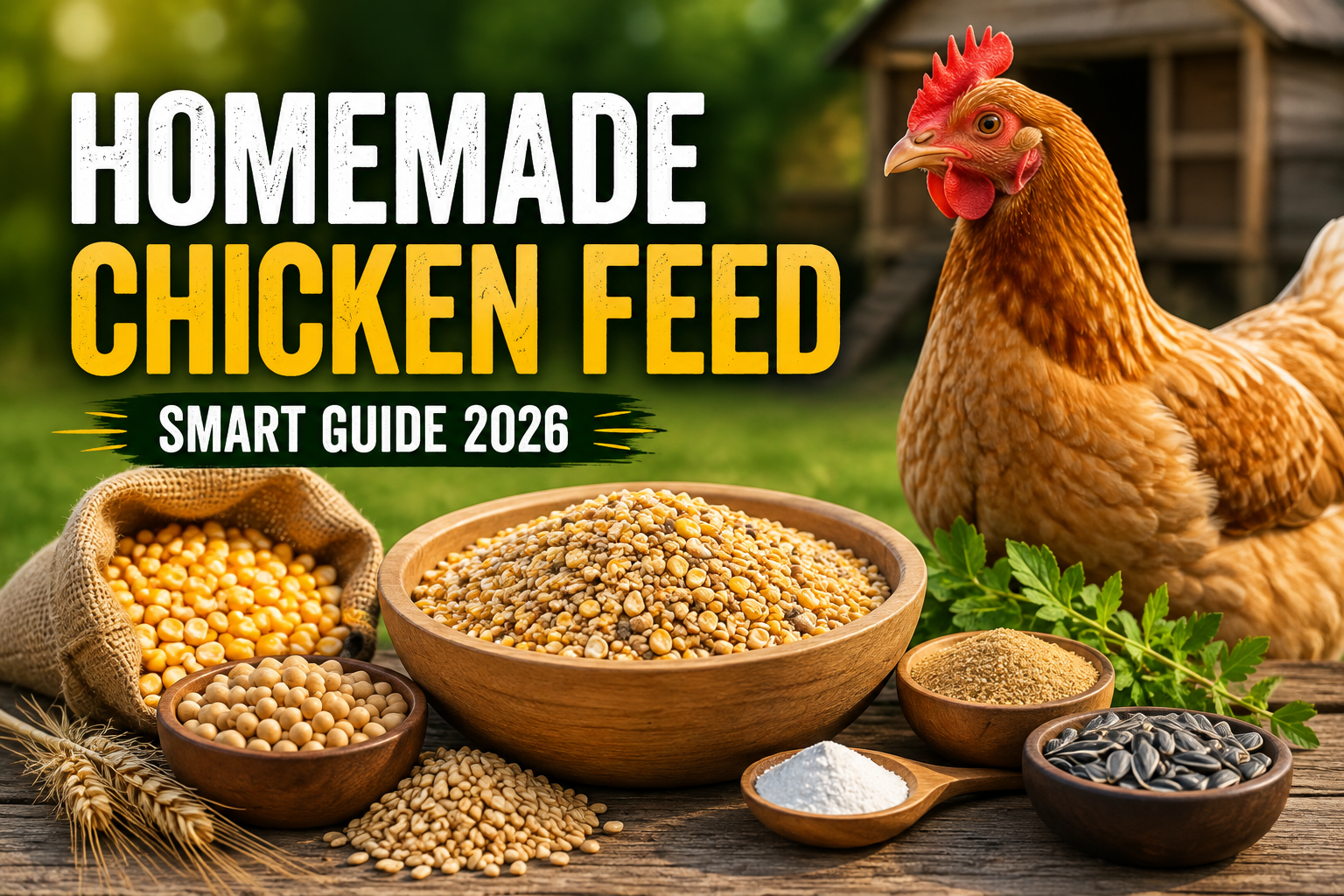
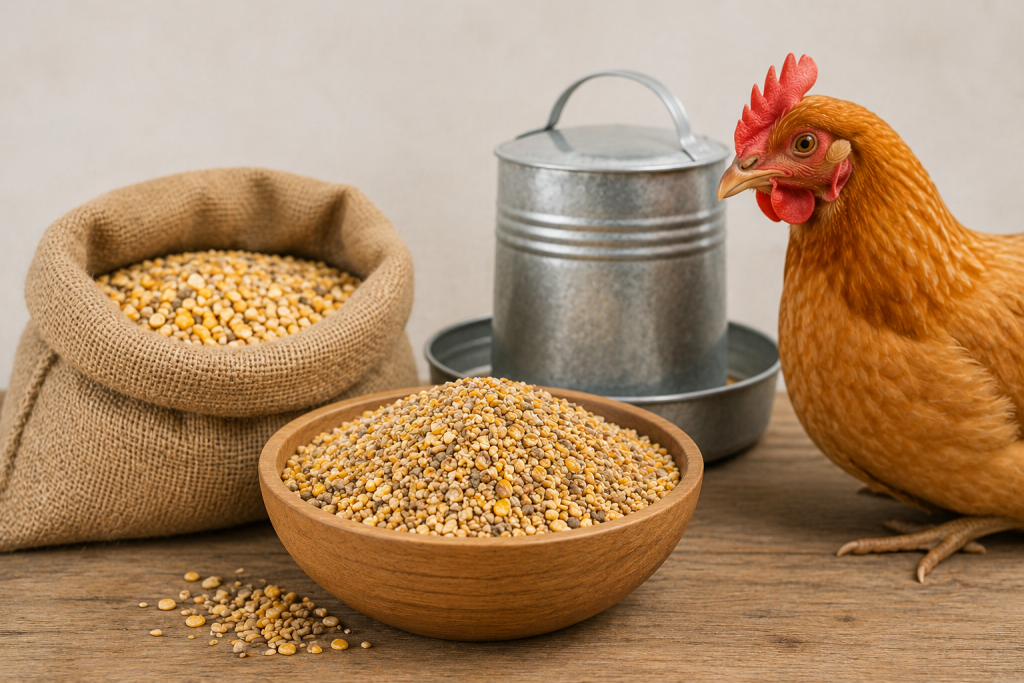
    Keeping backyard chickens healthy starts with good nutrition. Homemade Chicken Feed can give poultry owners more control over ingredients and feeding choices. However, a homemade mix must still provide enough protein, energy, vitamins, and minerals.

    For US backyard chicken keepers in 2026, rising interest in self-sufficient poultry care has made DIY feeding more popular. Additionally, making your own feed can help you understand exactly what your flock eats.

    Why Homemade Chicken Feed Matters

    Commercial poultry feed offers balanced nutrition, but some owners prefer preparing their own mixes. Homemade Chicken Feed allows you to select grains, seeds, and other suitable ingredients.

    However, chickens need more than grains. A healthy diet should provide protein, calcium, energy, vitamins, and minerals. As a result, simply mixing several kitchen ingredients may not create a complete diet.

    Some potential benefits include:

    • Better control over ingredients
    • Flexible feeding options
    • Use of locally available grains
    • Reduced dependence on one commercial product
    • Greater understanding of chicken nutrition

    Additionally, always consider your flock’s age and purpose before changing its diet.

    Key Factors for Homemade Chicken Feed

    Protein Requirements

    Protein supports growth, feather production, muscle development, and egg production. Therefore, protein should remain an important part of any Homemade Chicken Feed plan.

    Suitable protein sources can include carefully selected legumes, peas, seeds, and other poultry-safe ingredients. However, the exact amount depends on whether you are feeding chicks, growers, layers, or mature birds.

    Energy From Grains

    Grains provide much of the energy chickens need each day. Corn, wheat, oats, and other grains can form part of a homemade mix.

    However, grains should not make up the entire diet. A balanced homemade chicken feed recipe should include several nutritional components.

    Calcium and Minerals

    Laying hens need sufficient calcium to produce strong eggshells. Therefore, calcium sources are especially important for productive layers.

    Additionally, chickens need other minerals and vitamins. A poultry nutrition supplement may help fill nutritional gaps when used according to its label.

    Types of Homemade Chicken Feed

    Chick Feed

    Young chicks have different nutritional needs from adult chickens. Their diet requires appropriate protein and nutrients for rapid growth.

    Therefore, homemade mixtures should not replace properly formulated chick starter feed unless you understand the nutritional requirements.

    Grower Feed

    Growing chickens need a diet that supports steady development. As a result, their feed should provide suitable protein without excessive calories.

    Layer Feed

    Adult laying hens need nutrients that support regular egg production. Calcium becomes particularly important during this stage.

    A balanced Homemade Chicken Feed mixture for layers should therefore focus on protein, energy, calcium, vitamins, and minerals.

    How to Choose Ingredients

    Before creating Homemade Chicken Feed, check every ingredient for safety and nutritional value.

    A simple checklist can help:

    1. Choose fresh, clean ingredients.
    2. Avoid moldy or spoiled grains.
    3. Consider protein requirements.
    4. Include an appropriate calcium source for layers.
    5. Provide clean drinking water.
    6. Store ingredients in a dry, pest-free place.

    Additionally, introduce dietary changes gradually. Sudden changes can upset digestion and reduce normal feeding behavior.

    Common Mistakes to Avoid

    One common mistake is relying too heavily on corn or other single grains. Although grains provide energy, they do not supply every nutrient chickens require.

    Another mistake involves adding unsafe food scraps. Chickens can eat many foods, but not everything from the kitchen belongs in their diet.

    Avoid:

    • Moldy food
    • Spoiled ingredients
    • Very salty foods
    • Unknown plants
    • Excessive treats
    • Unbalanced grain-only diets

    Furthermore, do not assume that a homemade mix is complete simply because chickens eat it eagerly.

    Storage and Maintenance Tips

    Proper storage is essential for Homemade Chicken Feed. Moisture can encourage mold, while pests can contaminate stored ingredients.

    Use airtight or secure containers and keep them somewhere cool and dry. Additionally, check stored feed regularly for unusual smells, insects, moisture, or visible mold.

    Fresh water should also remain available throughout the day. Clean feeders and drinkers regularly to reduce contamination.

    Is Homemade Chicken Feed Right for You?

    Homemade Chicken Feed can work as part of a thoughtful poultry-feeding plan. However, creating a nutritionally complete diet requires more than combining grains and seeds.

    If you are new to poultry nutrition, start with a complete commercial feed and use homemade ingredients only as appropriate supplements. For specific nutritional needs, consult a poultry nutrition expert or veterinarian.

    Conclusion

    A carefully planned Homemade Chicken Feed strategy can give chicken keepers greater control over ingredients and feeding routines in 2026. However, nutrition should always come first.

    Choose safe ingredients, maintain proper protein and mineral levels, and store feed correctly. Additionally, monitor your flock for changes in weight, feathers, eggs, behavior, and overall health. With careful planning, you can build a safer and more informed feeding routine for your chickens.

  • Calcium for Chickens: Essential Guide for 2026

    Calcium for Chickens: Essential Guide for 2026

    Calcium for Chickens: Essential Guide for 2026

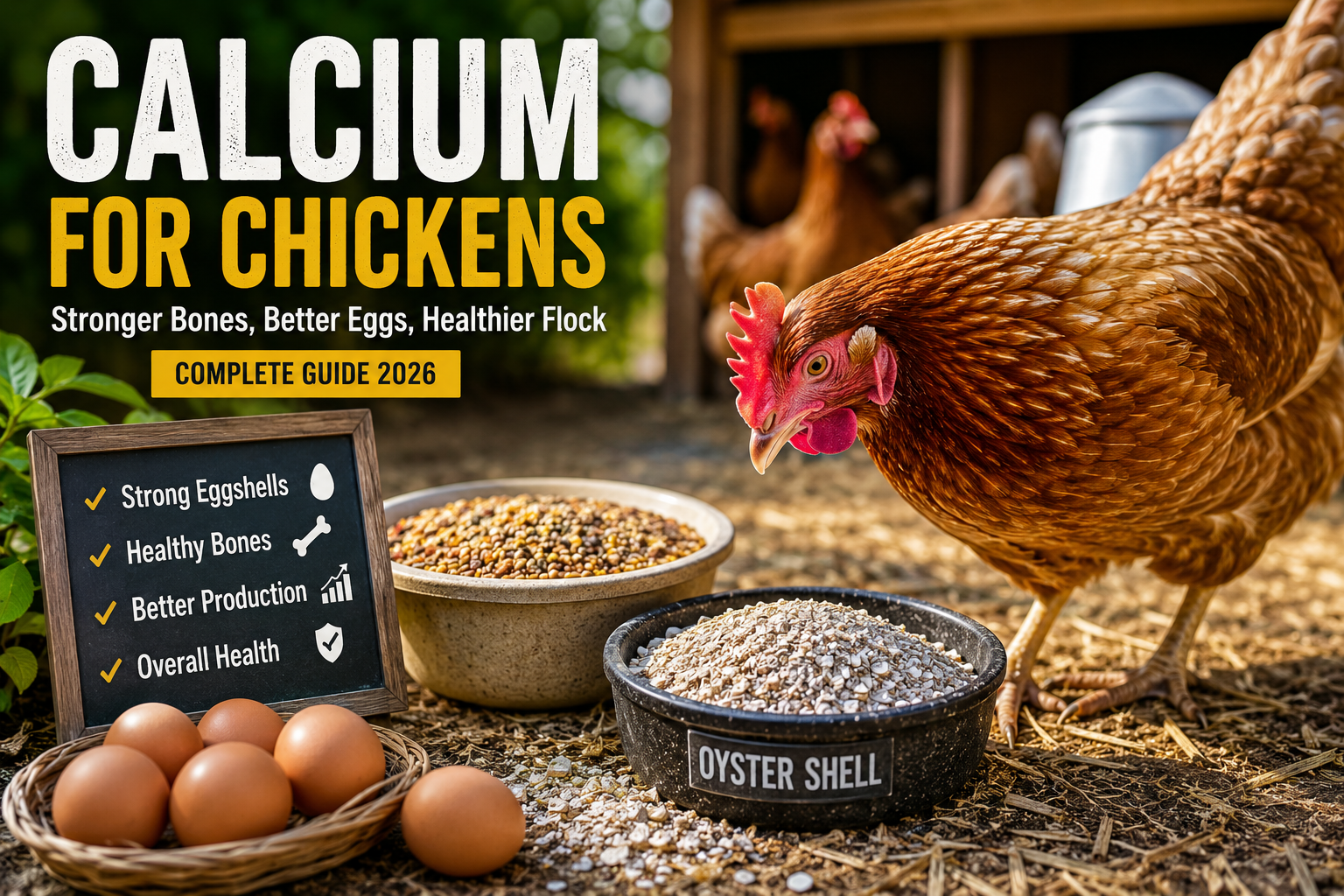
    Calcium for Chickens is an important part of a balanced poultry diet, especially for laying hens. Calcium helps support eggshell formation, healthy bones, and normal body functions. However, giving too much calcium to young birds can cause serious problems. Therefore, chicken owners should match calcium intake to the bird’s age and stage of production.

    For backyard flocks in the US and around the world, the safest approach is to start with a complete, age-appropriate poultry feed. Additionally, laying hens can benefit from suitable calcium sources such as oyster shell.

    Why Calcium for Chickens Matters

    Calcium for Chickens becomes especially important when hens begin producing eggs. A typical eggshell requires a significant amount of calcium, and hens may draw calcium from their bones when their diet cannot meet the demand. As a result, inadequate calcium can contribute to thin shells and weakened bones.

    Calcium also works alongside phosphorus and vitamin D3. Vitamin D3 helps chickens absorb and use calcium properly. Therefore, simply adding more calcium is not always the right solution.

    Benefits of Proper Calcium

    A balanced calcium supply can help support:

    • Stronger eggshells
    • Healthy skeletal development
    • Normal muscle and nerve function
    • Better bone strength in laying hens
    • Consistent egg production

    Calcium for Chickens: Best Sources

    There are several practical sources of Calcium for Chickens, but they are not equally suitable for every bird.

    Oyster Shell for Chickens

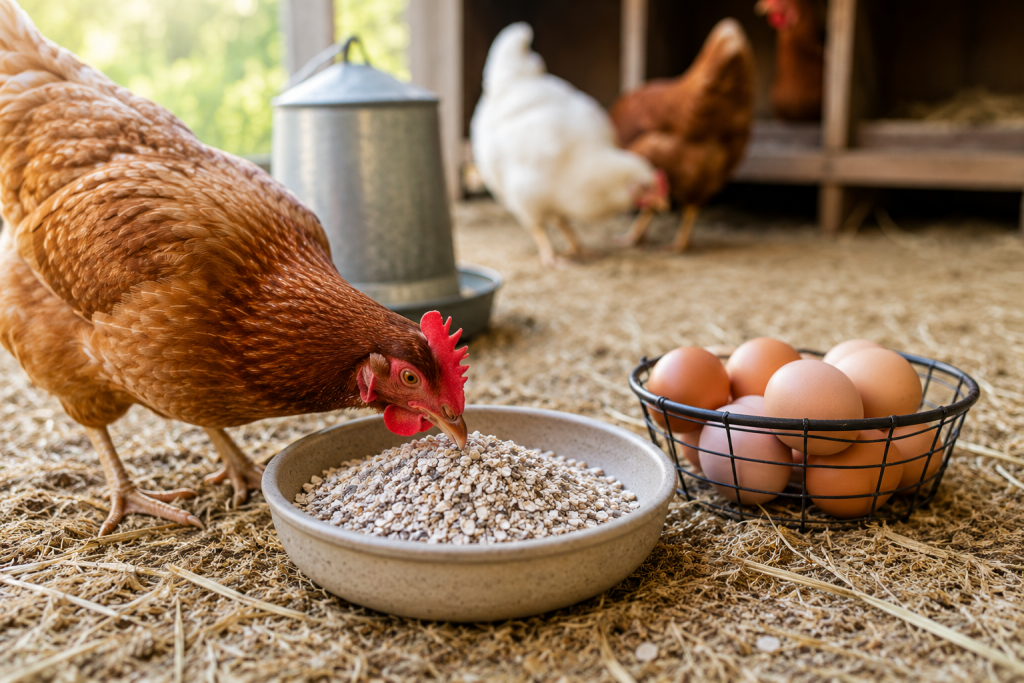
    Oyster shell is one of the most common calcium supplements for laying hens. Its larger particles can remain in the gizzard longer, allowing calcium to become available over time. Therefore, free-choice oyster shell can be useful for laying flocks.

    Limestone

    Limestone is another common calcium source used in poultry diets. Commercial layer feeds may already contain carefully balanced calcium levels, so owners should check the feed label before adding extra supplements.

    Complete Layer Feed

    A quality layer feed is often the easiest starting point. It provides calcium alongside protein, phosphorus, vitamins, and other nutrients. Additionally, it reduces the risk of creating an unbalanced diet.

    Chicken Calcium Requirements by Age

    Chicken calcium requirements change as birds grow.

    Chicks and Growing Pullets

    Young chickens do not need the high calcium levels found in layer diets. In fact, feeding high-calcium layer feed to immature birds can cause kidney problems and other health issues.

    Therefore, use chick starter or grower feed according to the bird’s age.

    Laying Hens

    Once hens reach production, their calcium needs increase substantially. Merck Veterinary Manual notes that laying birds generally require much more dietary calcium than growing birds because eggshell production creates a high demand.

    For this reason, layer feed plus an appropriate calcium source can help support strong eggshells in laying hens.

    How to Provide Calcium for Chickens Safely

    Follow these simple steps:

    1. Feed an age-appropriate complete poultry diet.
    2. Provide clean drinking water at all times.
    3. Offer oyster shell separately to laying hens when appropriate.
    4. Avoid routinely giving high-calcium layer feed to chicks and growing pullets.
    5. Monitor eggshell quality and overall flock condition.
    6. Consult a poultry veterinarian if weakness, paralysis, fractures, or severe production problems appear.

    Common Calcium Mistakes to Avoid

    One common mistake is assuming that more calcium is always better. However, excessive calcium can be harmful, particularly in immature birds.

    Another mistake is ignoring the balance between calcium, phosphorus, and vitamin D3. These nutrients work together, so a balanced poultry diet matters more than adding a single mineral.

    Also, do not replace complete feed with treats, grains, or kitchen scraps. These foods can be offered in moderation, but they may not provide the complete nutrition chickens require.

    Calcium Deficiency in Chickens: Warning Signs

    Calcium deficiency in chickens may contribute to poor eggshell quality and weakened bones. In serious cases, laying hens can develop osteoporosis or problems associated with low blood calcium.

    Watch for:

    • Thin or fragile eggshells
    • Weak legs
    • Difficulty standing
    • Reduced production
    • Bone fractures
    • Unusual weakness or paralysis

    These signs can have multiple causes. Therefore, do not diagnose a mineral deficiency based on one symptom alone.

    2026 Care Tips for Better Chicken Nutrition

    In 2026, the best approach remains simple: provide a nutritionally complete diet designed for the bird’s life stage. Additionally, keep fresh water available and avoid unnecessary supplements unless there is a nutritional reason for them.

    For laying hens, Calcium for Chickens can be supplied through a suitable layer ration and, when appropriate, a separate source such as oyster shell. However, growing birds should receive feed formulated for growth rather than high-calcium layer diets.

    Conclusion

    Calcium for Chickens plays a major role in eggshell formation and bone health, but the correct amount depends on age, diet, and production stage. Therefore, give chicks and pullets age-appropriate feed, while laying hens should receive a properly balanced layer diet and suitable calcium access when needed.

    If your flock has thin eggshells, weak legs, or other concerning symptoms, review its complete diet and seek professional poultry advice. Start with balanced nutrition today to support healthier chickens and stronger eggs in 2026.

  • Chicken Grit Guide 2026: Complete Backyard Flock Guide

    Chicken Grit Guide 2026: Complete Backyard Flock Guide

    Chicken Grit Guide 2026: What Every Chicken Keeper Should Know

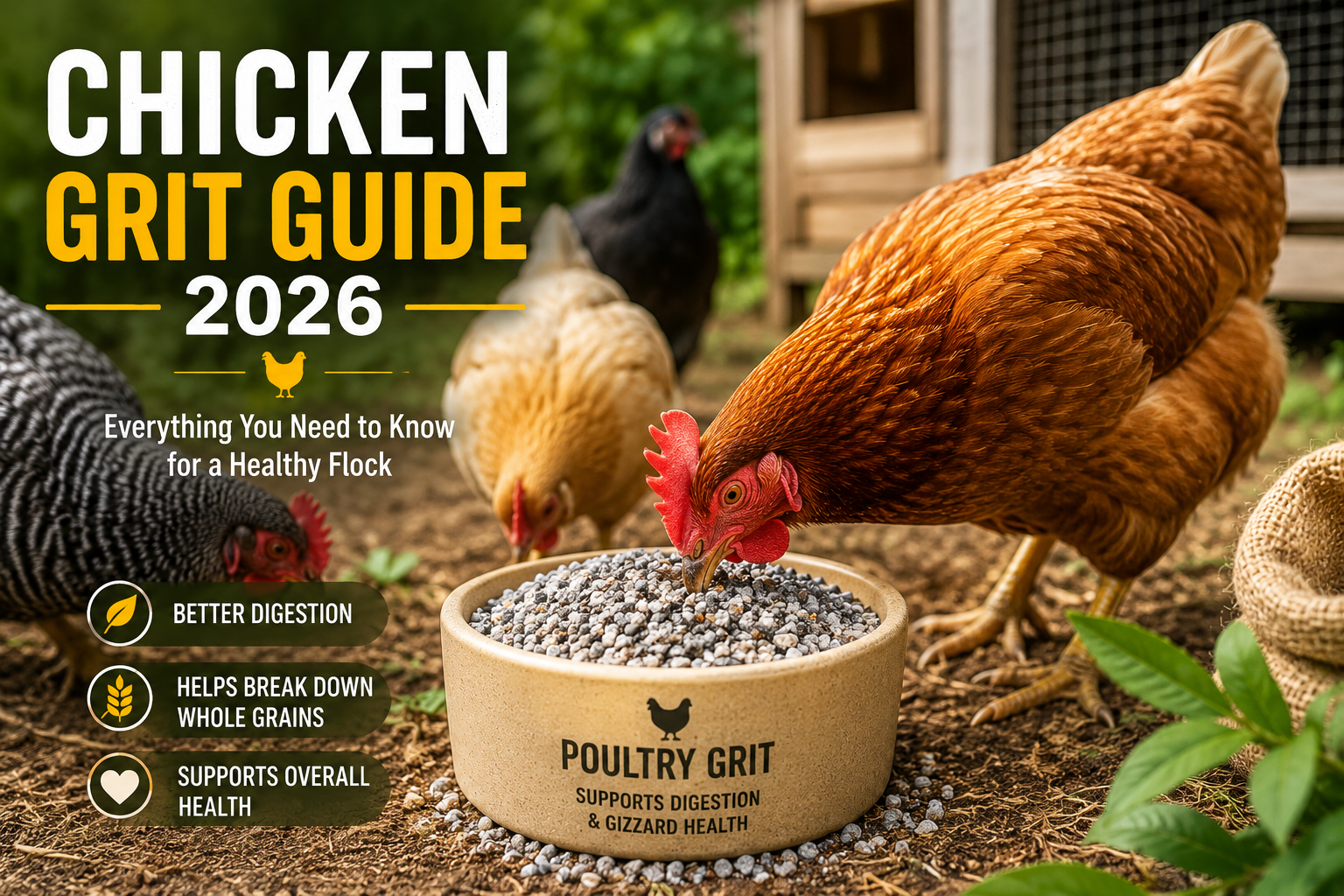
    If you keep backyard chickens, understanding grit can help support a healthy flock. This Chicken Grit Guide explains what grit does, which type your birds need, and how to provide it safely. Whether you have a small backyard flock or a larger homestead setup, the right grit routine can make feeding easier and more effective.

    Chickens do not have teeth. Instead, they use a muscular organ called the gizzard to grind food. Therefore, grit can play an important role in chicken grit for digestion, especially when birds eat whole grains, seeds, grass, insects, or other foods.

    Why Chickens Need Grit

    The most important reason to provide grit is digestion. Chickens swallow food without chewing it. As a result, small, hard pieces of grit can help the gizzard grind tougher foods.

    However, not every chicken needs supplemental grit all the time. Birds that eat only commercial feed may get enough finely processed food without extra grit. Free-ranging chickens, on the other hand, often benefit from access to suitable grit.

    According to the Merck Veterinary Manual, proper nutrition plays an important role in maintaining healthy poultry.

    Benefits of Chicken Grit

    A good Chicken Grit Guide should focus on practical benefits, including:

    • Supports normal gizzard function
    • Helps birds process tougher foods
    • Useful for chickens eating whole grains and seeds
    • Gives free-ranging birds access to a natural digestive aid
    • Helps support a balanced feeding routine

    Additionally, grit does not replace a complete poultry diet. Chickens still need appropriate feed, clean water, minerals, and other nutrients.

    Chicken Grit Guide: Choosing the Right Type

    Not all grit serves the same purpose. Therefore, choosing the correct product matters.

    Insoluble Grit for Chickens

    Insoluble grit for chickens usually contains hard materials such as granite or flint. Chickens swallow these particles, and the grit remains in the gizzard long enough to help grind food.

    This type is generally the main grit used for digestion. However, always select a product specifically made for poultry and follow the manufacturer’s instructions.

    Chick Starter and Fine Grit

    Young chicks have different needs from adult birds. Very young chicks eating starter feed may not need additional grit if they consume only the recommended feed.

    However, once chicks begin eating treats, grass, grains, or other foods, their grit needs can change. Therefore, ask a poultry professional about appropriate grit size for your birds’ age.

    Oyster Shell Is Not the Same as Grit

    A common mistake involves confusing oyster shell with digestive grit. Oyster shell mainly provides calcium for laying hens. It does not perform the same function as hard insoluble grit.

    Therefore, oyster shell vs chicken grit should not be viewed as an either-or choice. They serve different purposes and may both have a place in a layer’s feeding system.

    Chicken Grit Guide: How to Provide It

    Providing grit does not need to be complicated. In many backyard setups, the easiest method involves offering suitable grit separately.

    Simple Feeding Method

    1. Choose poultry-specific grit.
    2. Use a clean, dry container.
    3. Keep it separate from regular feed.
    4. Allow chickens access when appropriate.
    5. Replace dirty or wet grit.
    6. Monitor your flock’s overall diet.

    Additionally, avoid mixing large amounts of grit directly into feed unless the product instructions specifically recommend it.

    Factors to Consider Before Buying

    Before buying grit, consider these factors:

    • Chicken age: Chicks and adults may need different particle sizes.
    • Diet: Birds eating whole foods may have greater grit needs.
    • Foraging: Free-range chickens encounter natural soil particles, but the quality and suitability can vary.
    • Grit size: Select a size appropriate for the bird.
    • Product quality: Choose clean poultry-grade grit from a reputable supplier.

    You can also check poultry nutrition information from Penn State Extension for additional flock-management guidance.

    Common Chicken Grit Mistakes to Avoid

    A strong Chicken Grit Guide should also explain what not to do.

    Mistake 1: Confusing Grit With Calcium

    Do not assume oyster shell replaces digestive grit. They provide different nutritional functions.

    Mistake 2: Using Random Materials

    Avoid giving chickens unknown rocks, construction materials, or contaminated substances. Instead, choose a clean poultry-specific product.

    Mistake 3: Ignoring the Chicken’s Diet

    A chicken eating only commercial pellets has different needs from a bird that regularly eats grains and fibrous foods. Therefore, consider the complete diet before adding supplements.

    Mistake 4: Giving Too Many Treats

    Grit cannot fix an unbalanced diet. Keep treats limited and make complete poultry feed the foundation of your flock’s nutrition.

    Chicken Grit Guide: Care and Storage Tips

    Proper storage helps keep grit clean and usable. Store the product in a dry, sealed container away from moisture and contamination.

    Furthermore, keep the grit feeder protected from rain and droppings. Check it regularly and clean the container when needed.

    If your chickens show unusual digestive symptoms, reduced appetite, weight loss, or other signs of illness, contact a qualified poultry veterinarian instead of relying on grit alone.

    Final Thoughts

    This Chicken Grit Guide shows why understanding grit can improve your backyard chicken feeding routine. Choose poultry-specific grit, match the particle size to your birds, and remember that digestive grit and calcium sources have different jobs. Finally, provide a balanced diet, fresh water, and good flock care. Use this Chicken Grit Guide as a starting point, and consult a poultry professional when your flock has special nutritional needs.

  • Chicken Treats: Safe & Healthy Choices for 2026

    Chicken Treats: Safe & Healthy Choices for 2026

    Introduction

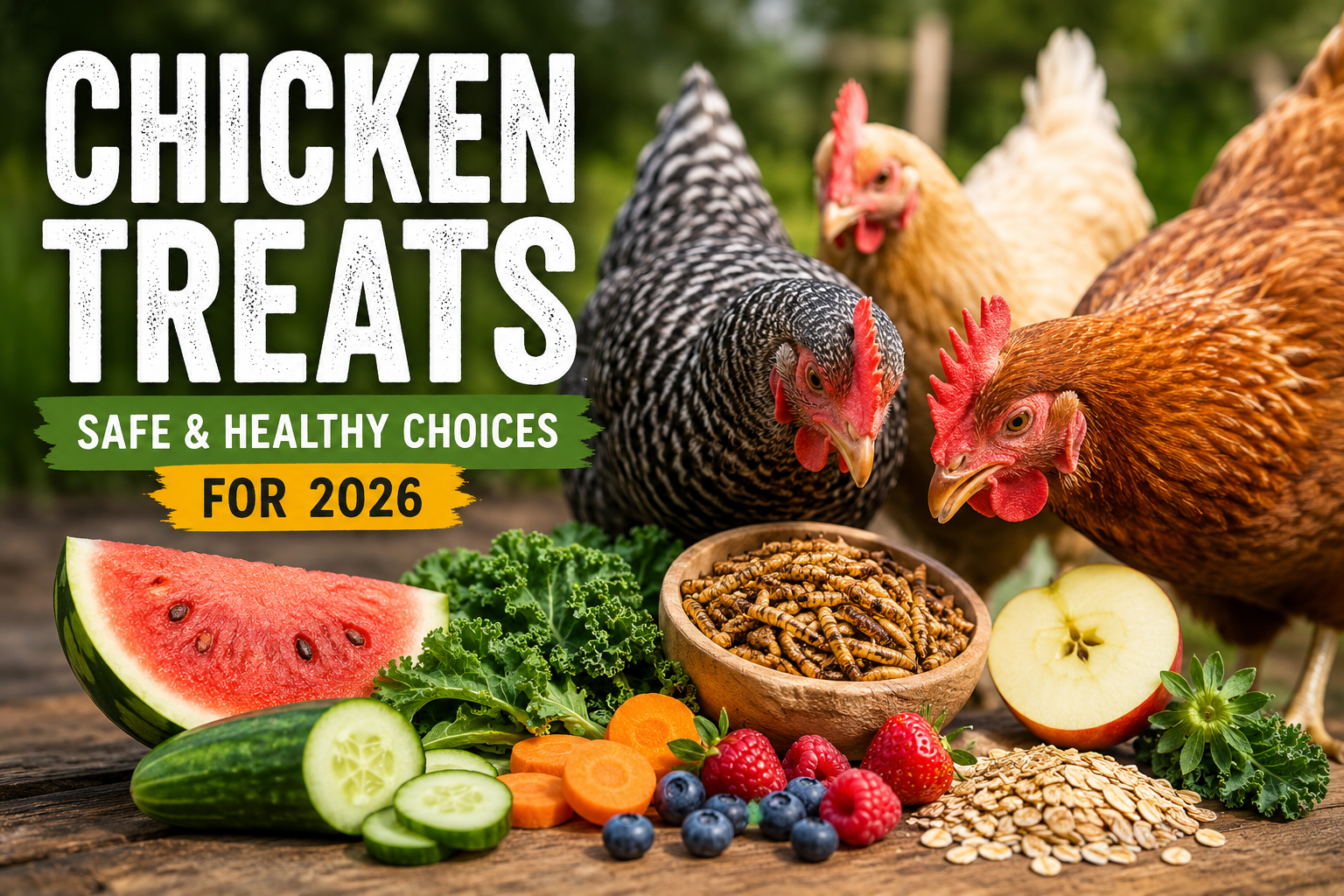
    Chicken Treats are more than a fun snack for backyard flocks. In 2026, chicken keepers are paying closer attention to balanced feeding, safe ingredients, and enrichment. The right treats can add variety and encourage natural foraging, but they should never replace complete poultry feed.

    For US chicken owners, simple foods such as leafy greens, berries, watermelon, cooked grains, and mealworms can be useful options. However, portion control matters because treats can dilute the nutrients chickens need every day. Current 2026 guidance commonly recommends keeping treats to about 10% of the overall diet.

    Why Chicken Treats Matter in 2026

    Healthy treats can make feeding time more engaging. Additionally, scattering small portions around the run encourages scratching and foraging, which adds enrichment. Protein-rich options may also be useful during periods such as molting, when birds have increased nutritional needs.

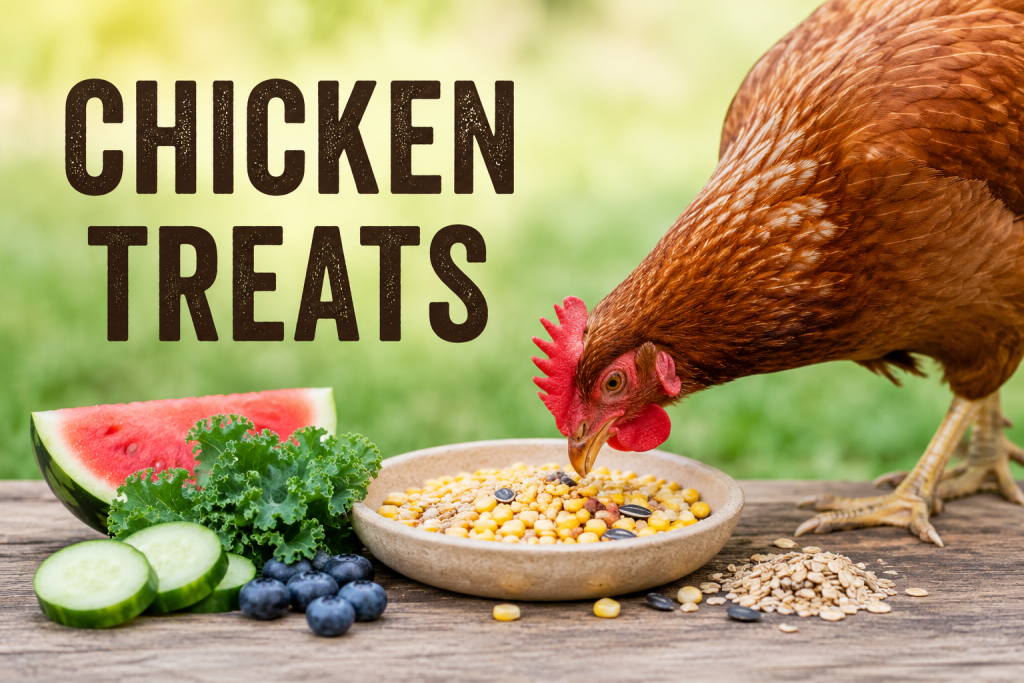
    Good Chicken Treats choices can include:

    • Mealworms or black soldier fly larvae
    • Watermelon, berries, and seedless apple pieces
    • Kale, lettuce, cucumber, peas, and carrots
    • Plain cooked oats, rice, or other simple grains
    • Cooked egg without added salt or seasoning

    These foods should complement, not replace, a nutritionally complete chicken feed.

    Key Factors When Choosing Chicken Treats

    Nutrition First

    When choosing Chicken Treats, choose foods that add useful nutrients without becoming a major part of the diet. Protein sources, vegetables, and lower-sugar fruits can provide variety. Additionally, avoid heavily salted, sugary, fried, or highly processed foods.

    Safety and Preparation

    Wash fresh produce and remove hazards such as apple seeds and fruit pits. Never offer moldy or rotten food. Raw or dry beans, chocolate, avocado skin and pit, alcohol, and caffeinated products should also be avoided because they can be dangerous to chickens.

    Types of Chicken Treats

    Fruits and Vegetables

    Fruits and vegetables are popular because they add moisture and variety. Watermelon can be especially useful during hot weather, while leafy greens can encourage pecking and foraging. Still, fruit contains sugar, so smaller portions are best.

    Protein-Rich Snacks

    Mealworms and black soldier fly larvae are convenient protein-rich snacks. Cooked eggs can also work as an occasional option when prepared plainly. For growing chicks, however, treats should be limited because complete chick feed is designed to meet their nutritional needs.

    Grains and Garden Extras

    Plain oats, cooked rice, peas, corn, pumpkin, and some garden greens can provide variety. Furthermore, scattering small amounts across clean ground can turn feeding into an enrichment activity.

    Rotate Chicken Treats instead of giving the same extra food every day. This keeps feeding interesting while helping you control portions.

    How to Choose Chicken Treats

    Before giving a new food, use this quick checklist:

    1. Is it safe for chickens?
    2. Is it fresh and free from mold?
    3. Does it add nutrition or enrichment?
    4. Can you serve it without salt, sugar, or strong seasoning?
    5. Will the portion stay small enough to protect the main diet?

    A simple rule is to let complete feed do most of the nutritional work. Treats should remain a small part of the daily diet.

    Common Mistakes to Avoid

    The biggest mistake is giving too many treats. Chickens may fill up on tasty extras and eat less balanced feed. As a result, excessive treats can contribute to nutritional imbalance and unwanted weight gain.

    Avoid these common errors:

    • Feeding treats instead of complete feed
    • Giving moldy or spoiled scraps
    • Offering salty or sugary leftovers
    • Serving unsafe foods because chickens seem interested
    • Leaving uneaten food in the coop or run

    UF/IFAS Extension specifically warns against foods such as alcohol, caffeine, raw or dry beans, and certain fruit pits.

    Care Tips for Chicken Treats in 2026

    Serve small portions and watch how your flock responds. Additionally, remove leftovers before they spoil or attract pests. Clean feeding areas regularly, especially during warm weather.

    Keep fresh drinking water available at all times. If a bird shows unusual symptoms after eating a new food, stop the treat and contact a poultry veterinarian for advice.

    Frequently Asked Questions

    1. What are the best Chicken Treats for backyard chickens?

    Good options include leafy greens, watermelon, berries, cucumber, cooked grains, mealworms, and small amounts of cooked egg. Always serve fresh foods in moderation alongside a complete poultry feed.

    2. How often can I give Chicken Treats to my flock?

    Treats should remain a small part of the daily diet. A useful guideline is to keep extras around 10% of the overall diet. The remaining food should come from nutritionally complete chicken feed.

    3. Can chicks eat Chicken Treats?

    Young chicks need a properly balanced chick starter feed for healthy growth. Therefore, treats should be avoided or kept extremely limited until they are older and have a suitable diet. Always introduce new foods gradually.

    Conclusion

    The best Chicken Treats are safe, fresh, simple, and given in moderation. In 2026, smart flock care means using treats for variety and enrichment while keeping complete feed at the center of the diet. Start with small portions, introduce new foods carefully, and choose options your chickens can enjoy safely.

  • Toxic Foods for Chickens: 2026 Safety Guide

    Toxic Foods for Chickens: 2026 Safety Guide

    Toxic Foods for Chickens: What Owners Should Know in 2026

    Knowing about Toxic Foods for Chickens is essential for anyone raising backyard hens or a larger flock. Chickens naturally peck and explore almost anything they find. Therefore, a food that looks harmless to humans may create serious problems for birds.

    In 2026, chicken keepers should focus on more than treats. Moldy feed, poisonous plants, contaminated food, and unsafe household scraps can also put a flock at risk. Good chicken food safety starts with knowing what to avoid and keeping questionable foods away from the coop.

    Why Toxic Foods for Chickens Matter

    A balanced commercial poultry ration should remain the main part of a chicken’s diet. Treats can provide variety, but they should not replace complete feed.

    Additionally, chickens may eat spoiled scraps if they have access to household waste. Moldy feed is especially concerning because certain fungi produce mycotoxins that can harm poultry. Merck Veterinary Manual notes that poultry mycotoxins can affect growth, immunity, digestion, egg production, and other important functions.

    As a result, preventing exposure is usually much easier than dealing with suspected poisoning.

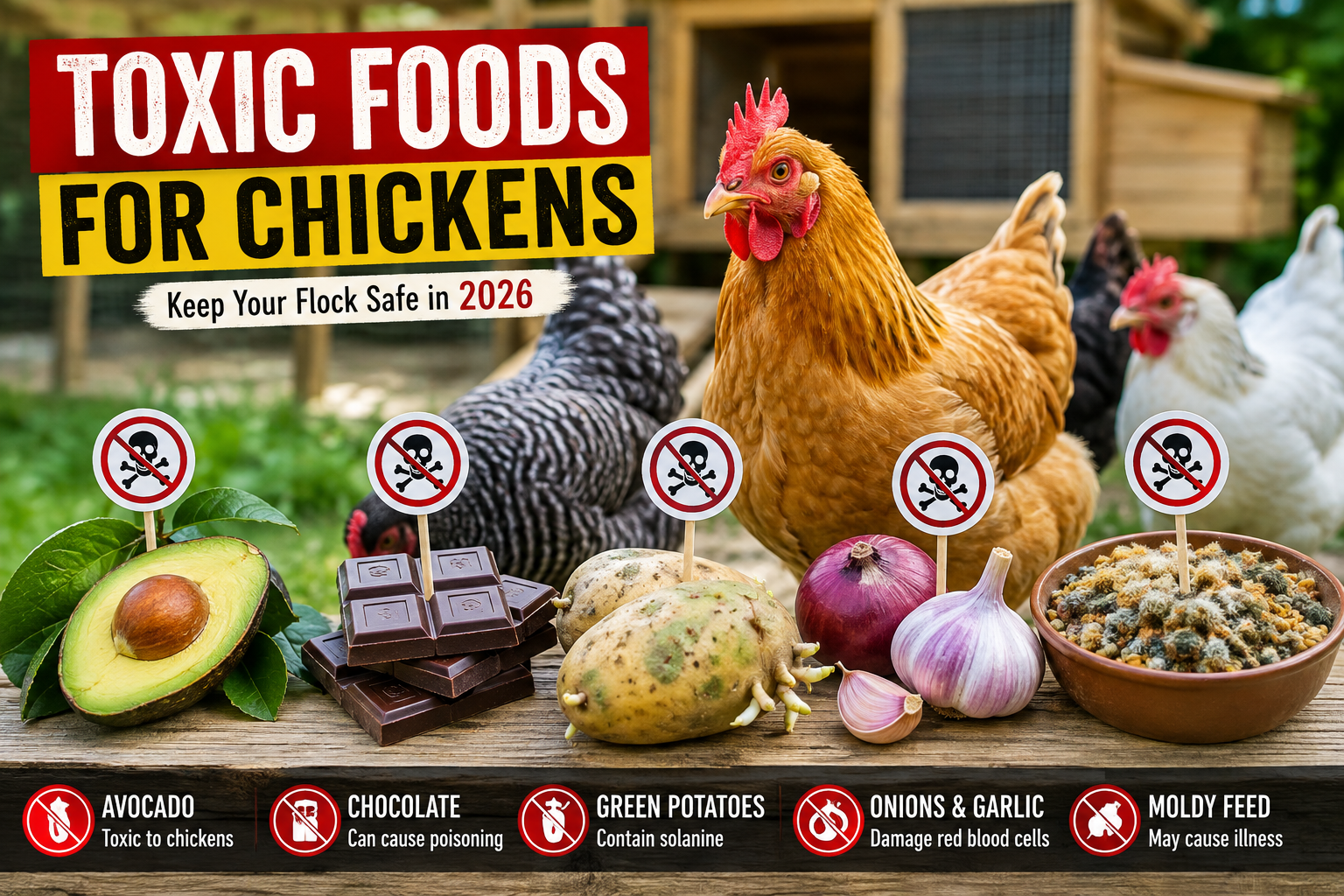
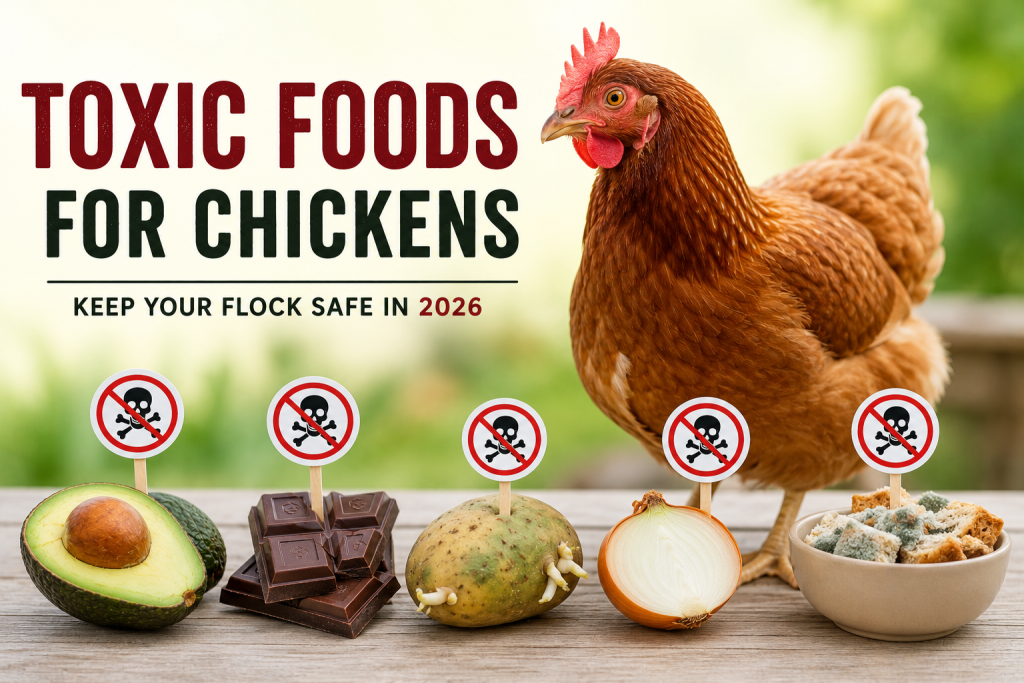
    Key Toxic Foods for Chickens to Avoid

    1. Avocado

    Avocado is one of the foods that deserves caution. The fruit, leaves, stems, and seed contain persin, and the leaves are considered particularly toxic. Birds can experience serious effects after exposure.

    Therefore, avoid giving chickens avocado scraps or allowing them access to avocado plants.

    2. Chocolate

    Chocolate contains methylxanthines, including compounds that can cause serious toxicity in animals. Signs can include digestive upset, restlessness, abnormal heart activity, tremors, and seizures.

    Although toxicity risk varies between species, chocolate is an unnecessary treat. Consequently, it is safer to keep chocolate and cocoa products away from chickens.

    3. Green or Sprouted Potatoes

    Raw potatoes, particularly green or heavily sprouted potatoes, should not become chicken treats. Green potatoes can contain higher levels of solanine and chaconine. Penn State Extension advises avoiding potatoes with extensive green areas, while University of Minnesota Extension warns that green potatoes can be poisonous.

    Therefore, never use spoiled or heavily green potatoes as feed.

    4. Onions and Garlic

    Large amounts of onions, garlic, chives, or leeks can cause toxicity in animals. These plants contain sulfur compounds that can damage red blood cells in susceptible species.

    Because the nutritional benefit is unnecessary, it is better to avoid concentrated Allium scraps and powders.

    5. Moldy or Spoiled Food

    Moldy grain, old feed, and visibly spoiled scraps deserve special attention. Certain molds produce mycotoxins that can affect poultry health. Aflatoxins, for example, can damage the liver and reduce growth, feed efficiency, egg production, and eggshell quality.

    As a result, Toxic Foods for Chickens are not limited to obvious poisonous foods. Spoiled feed can also become dangerous.

    Toxic Foods for Chickens: Other Risks to Watch

    Poisonous Garden Plants

    Free-ranging chickens may investigate garden plants, weeds, berries, and seeds. Some plants contain natural toxins, and nightshade plants can contain glycoalkaloids. Poisonous plants can cause weakness, digestive problems, breathing difficulties, neurological signs, or death in animals.

    Therefore, identify unfamiliar plants before allowing chickens to forage freely.

    Contaminated Food and Chemicals

    Chicken owners should also protect birds from pesticides, herbicides, rodenticides, cleaning products, and other chemicals. Merck Veterinary Manual lists pesticides, rodenticides, disinfectants, and several household chemicals among potential poisoning hazards for poultry.

    Consequently, keep feed and treats far away from chemical storage areas.

    How to Choose Safe Chicken Treats

    Use these simple rules when offering treats:

    1. Give fresh, clean foods in small quantities.
    2. Remove leftovers before they spoil.
    3. Never feed visibly moldy food.
    4. Keep unknown plants away from the flock.
    5. Make complete poultry feed the foundation of the diet.
    6. Provide fresh, clean water every day.

    For example, many keepers use appropriate vegetables, fruits, grains, and other poultry-safe treats. However, always research an unfamiliar food before offering it.

    Common Feeding Mistakes to Avoid

    One common mistake is assuming that chickens can safely eat anything humans eat. However, chickens have different nutritional and toxicological risks.

    Another mistake is feeding large amounts of treats. Treats should complement a balanced diet rather than replace it. Additionally, leaving scraps in a run can attract pests and allow food to spoil.

    Finally, never ignore sudden illness after a flock gains access to an unusual food or plant.

    What to Do If You Suspect Poisoning

    If a chicken suddenly becomes weak, stops eating, develops diarrhea, has difficulty breathing, trembles, or shows unusual neurological signs, take the situation seriously.

    First, remove access to the suspected food or substance. Next, preserve the food packaging, plant material, or remaining feed if it can be done safely. Then contact an avian or poultry veterinarian promptly.

    Do not attempt home treatments without professional guidance. A veterinarian may need the exposure history and feed samples to determine the possible toxin. Merck notes that poultry poisoning investigations can involve testing feed or affected birds.

    Simple Prevention Checklist for 2026

    A safer flock starts with daily habits:

    • Store feed in clean, dry containers.
    • Check feed regularly for mold or unusual odors.
    • Remove spoiled scraps immediately.
    • Inspect the chicken run for poisonous plants.
    • Keep chemicals and pesticides securely stored.
    • Research new treats before feeding them.
    • Keep fresh water available at all times.
    • Monitor birds for sudden changes in behavior.

    These steps make chicken food safety much easier to manage.

    Frequently Asked Questions

    What are Toxic Foods for Chickens that owners should avoid?

    Chickens should not eat chocolate, avocado, heavily green or sprouted potatoes, moldy food, or large amounts of onion and garlic. Also, avoid unknown plants and spoiled kitchen scraps.

    Can leftover human food become Toxic Foods for Chickens?

    Some fresh human foods can work as occasional treats. However, salty, sugary, moldy, heavily seasoned, or spoiled leftovers can create food safety risks. A balanced poultry feed should remain the main diet.

    Can moldy food become Toxic Foods for Chickens?

    Yes. Moldy feed can contain harmful mycotoxins. As a result, chickens may develop poor growth, digestive problems, reduced egg production, or other health issues.

    What are the signs after eating Toxic Foods for Chickens?

    Possible signs include weakness, loss of appetite, diarrhea, unusual behavior, breathing problems, tremors, or difficulty walking. If several birds become sick suddenly, contact a poultry veterinarian promptly.

    What are safe treats for backyard chickens?

    Fresh vegetables, suitable fruits, grains, and other poultry-safe treats can be offered in moderation. Always provide clean water and make complete chicken feed the foundation of the diet.

    Conclusion:

    Understanding Toxic Foods for Chickens can help protect your flock from preventable feeding mistakes. Avocado, chocolate, green or heavily sprouted potatoes, excessive Allium foods, moldy feed, poisonous plants, and contaminated materials all deserve caution.

    Most importantly, provide a balanced poultry diet and control what your chickens can access. If poisoning is suspected, remove the source and contact a poultry veterinarian quickly.