Author: kinzapadhyair@gmail.com

  • Chicken First Aid: Essential 2026 Care Guide

    Chicken First Aid: Essential 2026 Care Guide

    Chicken First Aid: Essential 2026 Care Guide

    Chicken First Aid can make a major difference when a backyard chicken gets injured, stressed, or suddenly becomes unwell. For US and worldwide poultry keepers, quick action can help prevent a small problem from becoming a serious one.

    However, first aid does not replace professional veterinary care. Instead, it provides short-term support while you assess the chicken and decide what to do next.

    Why Chicken First Aid Matters in 2026

    Chickens can suffer injuries from flock fights, sharp objects, predators, falls, or accidents around the coop. Additionally, heat, cold, poor housing, and stressful conditions can affect poultry health.

    A prepared keeper can respond calmly instead of searching for supplies during an emergency.

    Basic Chicken First Aid can help you:

    • Control minor bleeding
    • Clean small wounds
    • Protect injured skin
    • Separate an injured bird from the flock
    • Monitor changes in behavior
    • Support safe recovery while seeking veterinary advice

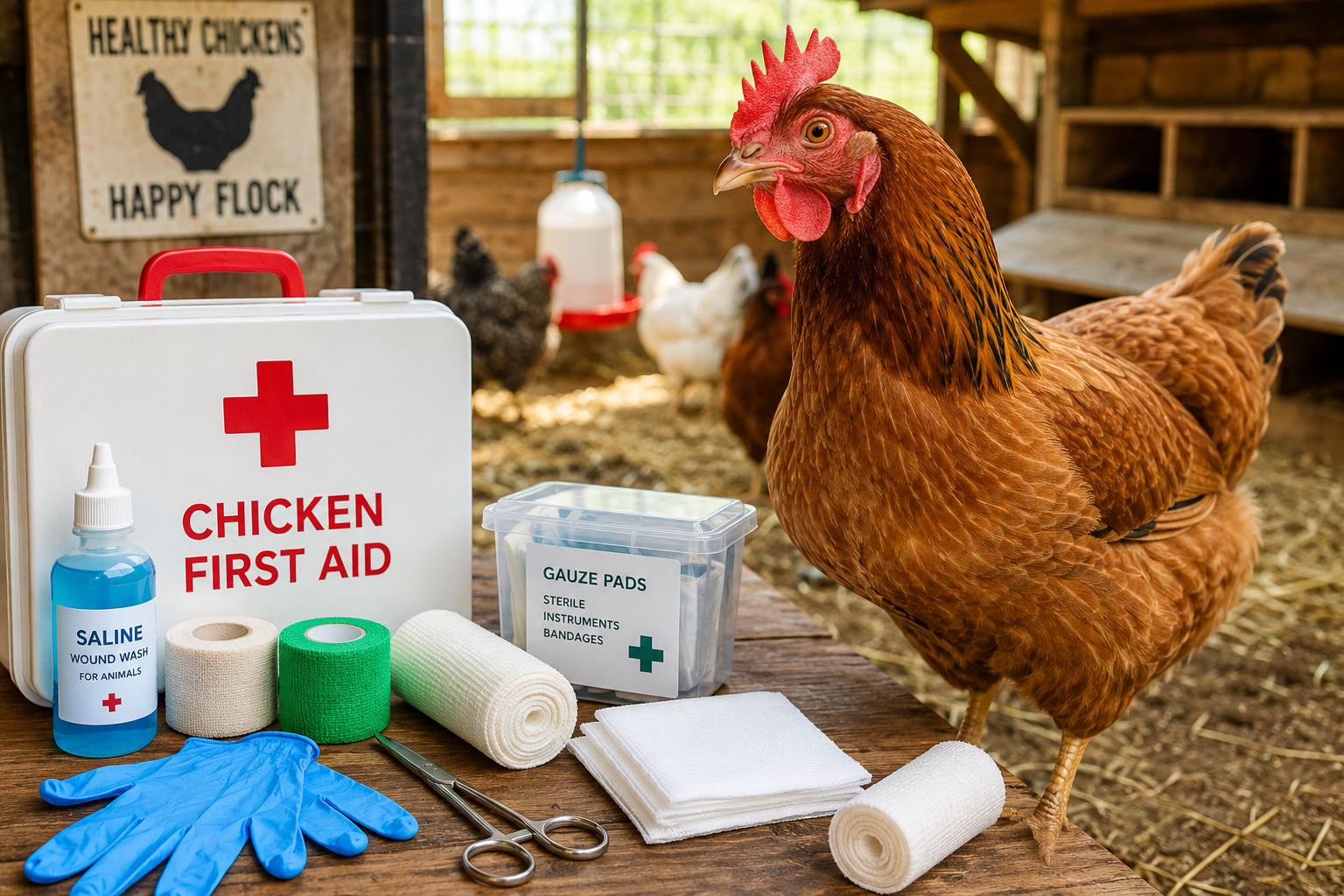
    Chicken First Aid Kit Essentials

    A small poultry first aid kit should stay clean, organized, and easy to reach. Therefore, check your supplies regularly and replace anything expired, dirty, or damaged.

    Basic Supplies

    Consider keeping:

    • Sterile gauze pads
    • Clean bandages
    • Disposable gloves
    • Saline wound-cleaning solution
    • Clean towels
    • Tweezers
    • Small scissors
    • Digital thermometer
    • Disposable syringes for appropriate veterinary-directed use
    • A separate recovery box

    You can also add a [external link placeholder: reputable veterinary poultry-care resource] for professional guidance.

    Safe Wound Care

    Chicken wound care should begin with gentle handling. Move the bird to a quiet, clean area and inspect the injury carefully.

    For a minor surface wound, gently clean it with an appropriate sterile solution. Avoid aggressive scrubbing because it can damage tissue.

    If bleeding continues, appears heavy, or comes from a serious injury, contact a veterinarian promptly.

    Chicken First Aid for Common Problems

    Different emergencies require different responses. Consequently, never assume that one treatment works for every injury.

    Cuts and Minor Wounds

    Small cuts may occur after fighting or contact with sharp objects. First, separate the injured chicken from aggressive flock members.

    Then inspect the wound and gently clean visible dirt. Keep the bird somewhere clean and dry while you monitor its condition.

    If the wound is deep, badly contaminated, swollen, or infected-looking, seek veterinary care.

    Sprains and Leg Injuries

    A chicken that suddenly avoids walking may have an injury. However, limping can also signal other health problems.

    Place the bird in a safe recovery area with easy access to food and water. Do not force a chicken to walk or attempt complicated splinting without professional advice.

    Predator or Serious Injuries

    Predator attacks require special attention. Even when an injury looks small, deeper tissue damage or infection may exist.

    Keep the chicken warm, quiet, and separated. Then contact an avian or poultry veterinarian as soon as possible.

    Chicken First Aid: When to Call a Vet

    First aid should never delay professional treatment when a chicken has a serious problem.

    Seek veterinary advice quickly if you notice:

    • Heavy or uncontrolled bleeding
    • Trouble breathing
    • Severe weakness or collapse
    • Deep wounds
    • Suspected broken bones
    • Serious predator injuries
    • Eye injuries
    • Severe swelling
    • Inability to stand
    • Sudden neurological signs

    Additionally, contact a veterinarian if the chicken does not improve or its condition gets worse.

    How to Use Chicken First Aid Safely

    Good handling reduces stress. Therefore, approach an injured chicken slowly and support its body securely.

    Keep the recovery space:

    • Clean and dry
    • Quiet and low-stress
    • Safe from other chickens
    • Free from sharp objects
    • Easy to monitor

    Provide normal access to clean water and appropriate feed unless a veterinarian advises otherwise.

    Never give human medicines to a chicken without veterinary guidance. Some medications can be dangerous to birds or may create food-safety concerns.

    Common Mistakes to Avoid

    Even experienced keepers can make mistakes during an emergency. Fortunately, most are preventable.

    Avoid these common errors:

    1. Ignoring small wounds.
    2. Returning an injured bird to the flock too soon.
    3. Using dirty equipment.
    4. Applying unsuitable household chemicals.
    5. Giving human medication without veterinary advice.
    6. Delaying treatment for serious injuries.
    7. Handling a distressed chicken too roughly.

    As a result, a simple first aid plan can improve both safety and decision-making.

    Chicken First Aid Maintenance Tips

    Check your kit every few months. Replace used supplies immediately so you are ready for the next emergency.

    Also, inspect your coop and run for hazards. Remove exposed nails, sharp wire, broken equipment, and other objects that could cause injuries.

    Additionally, monitor flock behavior every day. Early changes can sometimes reveal health or injury concerns before they become obvious.

    Final Thoughts

    A prepared poultry keeper can respond faster when an accident happens. However, Chicken First Aid should focus on safe temporary care, careful observation, and timely veterinary support.

    Build a simple first aid kit, inspect your flock daily, and keep emergency supplies ready. Most importantly, learn to recognize serious symptoms and seek professional help when needed.

    Ready to prepare your flock for emergencies? Create your poultry first aid kit today and review your coop for potential hazards.
  • Biosecurity Tips: 2026 Guide to Protect Poultry

    Biosecurity Tips: 2026 Guide to Protect Poultry

    Biosecurity Tips: 2026 Guide to Protect Poultry

    Keeping poultry healthy starts with prevention. Biosecurity Tips can help backyard keepers, small farmers, and commercial producers reduce the risk of dangerous diseases entering their flocks. In 2026, this matters even more as avian influenza and other infectious diseases remain important concerns worldwide.

    Recent guidance continues to stress prevention, early detection, clean equipment, and limiting contact with potentially infected birds. In May 2026, WOAH also highlighted stronger biosecurity standards as part of global efforts to control avian influenza.

    For US poultry owners, USDA APHIS continues to recommend practical measures that reduce disease transmission. However, the same basic principles can help poultry keepers around the world.

    Why Biosecurity Tips Matter in 2026

    Disease can spread quickly through birds, people, footwear, vehicles, equipment, feed, water, and contaminated surfaces. Wild birds can also introduce pathogens into areas used by domestic poultry.

    As a result, good Biosecurity Tips are not only for large farms. Backyard chicken owners should follow them too.

    Strong poultry biosecurity can help you:

    • Reduce exposure to infectious diseases
    • Protect healthy chickens and other poultry
    • Lower the chance of flock-wide outbreaks
    • Prevent contaminated equipment from spreading germs
    • Improve overall farm hygiene
    • Detect unusual illness sooner

    USDA says wild birds can contaminate water and other areas, while people can unintentionally carry viruses on shoes, clothing, equipment, and vehicles.

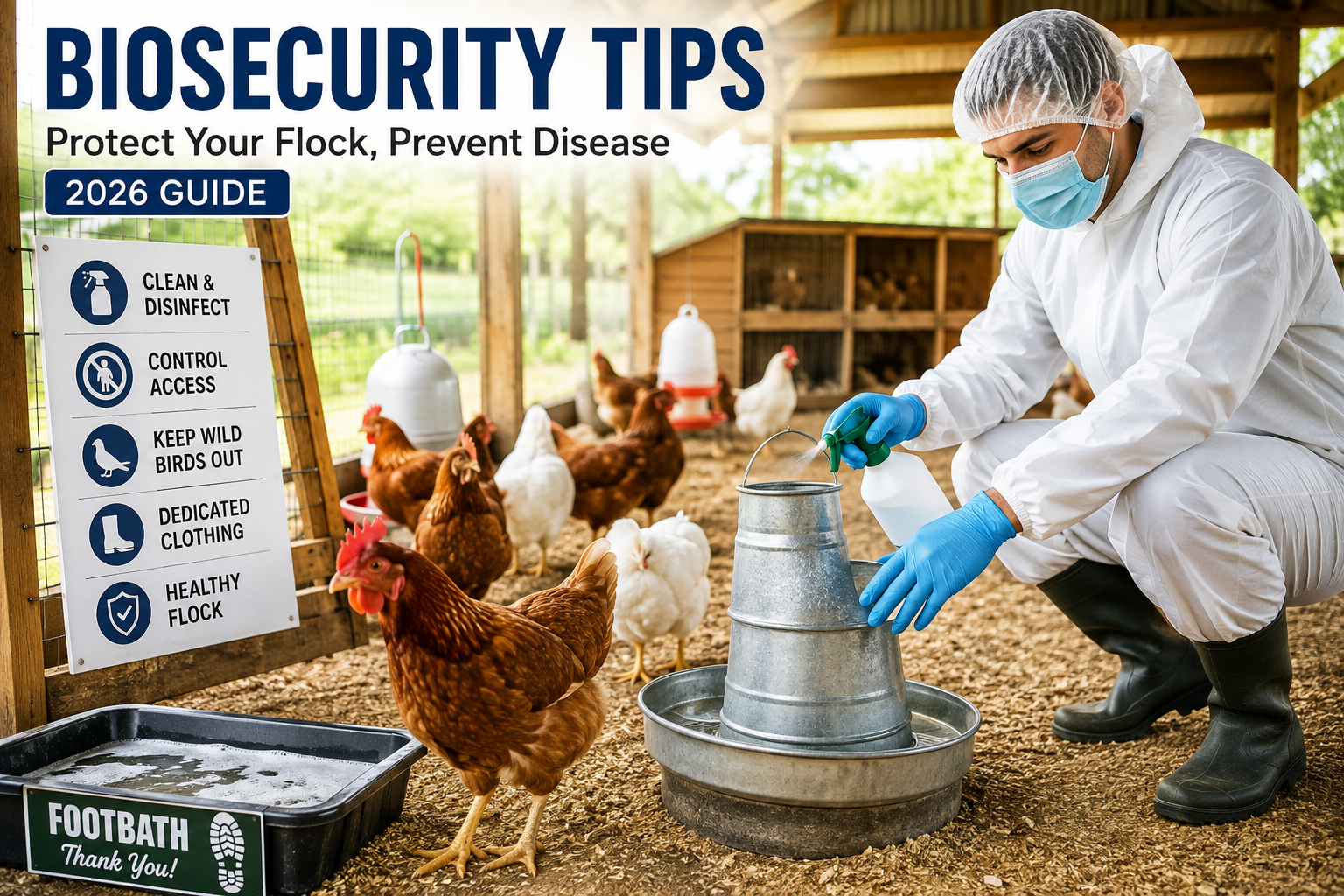
    Key Biosecurity Tips Every Poultry Owner Should Follow

    1. Control Visitors and Farm Access

    One of the simplest Biosecurity Tips is to limit unnecessary visitors. Keep poultry areas restricted to people who need to enter.

    Additionally, maintain a visitor record when practical. Ask visitors to use clean footwear or disposable shoe covers before entering bird areas.

    2. Clean and Disinfect Equipment

    Dirty equipment can move germs between flocks. Therefore, clean tools, feeders, waterers, cages, crates, and other equipment regularly.

    First remove dirt and organic material. Then use an appropriate disinfectant according to its label instructions.

    Avoid sharing equipment with other poultry owners. USDA veterinary guidance specifically recommends cleaning and disinfecting equipment and vehicles and avoiding borrowed poultry equipment.

    3. Keep Wild Birds Away

    Wild birds can carry pathogens without showing obvious signs of illness. Therefore, keep poultry away from wild bird contact whenever possible.

    Protect feed and water from wild birds. Also, remove spilled feed quickly and keep water sources clean.

    This is one of the most important Biosecurity Tips for reducing avian influenza exposure.

    4. Use Dedicated Clothing and Footwear

    Wear footwear and clothing that you use only around your poultry. This simple step can reduce the chance of bringing contamination from other locations into the coop.

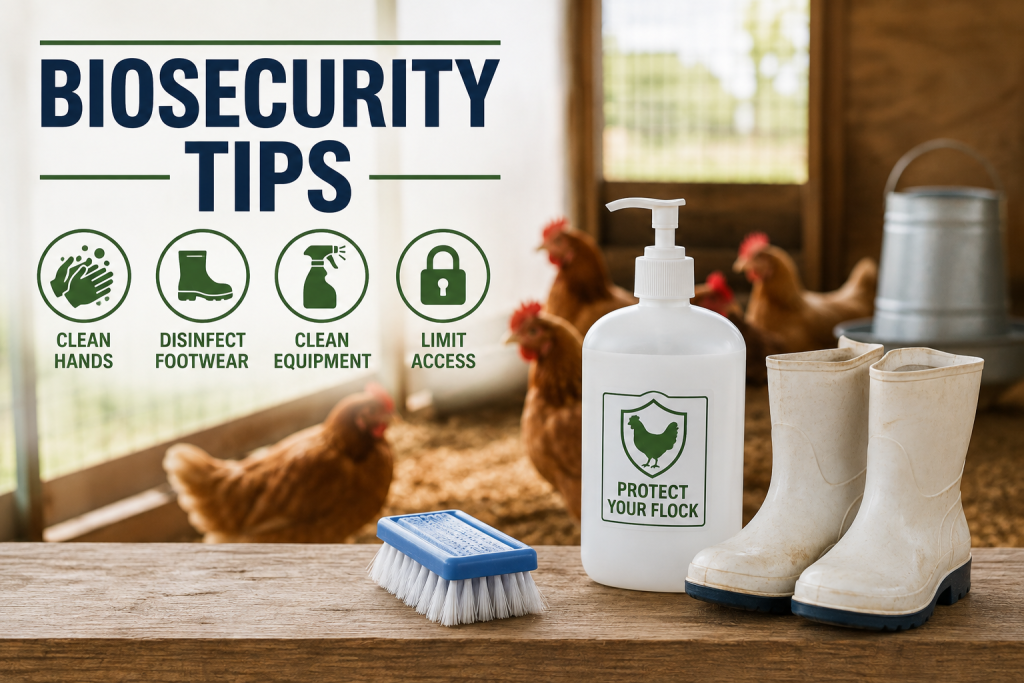
    Furthermore, clean footwear regularly. A properly maintained footbath can support your poultry biosecurity plan, but it should not replace proper cleaning.

    Types of Poultry Biosecurity to Consider

    Daily Biosecurity

    Daily routines include:

    • Washing hands before and after handling birds
    • Cleaning feeders and waterers
    • Checking birds for unusual symptoms
    • Removing waste and dirty bedding
    • Keeping poultry areas clean

    Movement Biosecurity

    Movement control focuses on people, birds, vehicles, and equipment. Avoid unnecessary movement between different flocks.

    For example, do not visit another poultry farm and then immediately handle your own birds without changing and cleaning contaminated clothing or footwear.

    Wildlife Biosecurity

    Wildlife protection means reducing contact between poultry and wild birds, rodents, and other animals. Secure feed containers and repair gaps that could allow pests into poultry housing.

    WOAH’s 2026 guidance also emphasizes surveillance and early detection for smallholder poultry systems, particularly where resources are limited.

    How to Build a Simple Biosecurity Plan

    You do not need an expensive system to start. Instead, create a simple checklist based on your flock and property.

    1. Identify where birds, people, vehicles, and equipment enter.
    2. Find possible contamination points.
    3. Separate clean and dirty areas.
    4. Set rules for visitors.
    5. Establish cleaning and disinfection routines.
    6. Record unusual illness or deaths.
    7. Review the plan regularly.

    For larger operations, consider a professional assessment. USDA currently offers biosecurity assessments for eligible poultry operations and can help identify high-risk areas.

    Common Biosecurity Mistakes to Avoid

    Even good plans can fail when daily habits become inconsistent. Avoid these common mistakes:

    • Allowing unnecessary visitors into poultry areas
    • Sharing equipment between farms
    • Leaving spilled feed outdoors
    • Ignoring sick birds
    • Wearing contaminated footwear between flocks
    • Allowing wild birds near feed or water
    • Skipping cleaning before disinfection
    • Buying birds without considering their health status

    Additionally, never assume that healthy-looking birds are automatically disease-free.

    Maintenance Tips for Long-Term Protection

    Review your Biosecurity Tips checklist regularly. Check fences, doors, feed storage, water systems, and cleaning stations for problems.

    Watch your flock every day. Sudden deaths, breathing problems, reduced egg production, diarrhea, unusual behavior, or other concerning signs should receive prompt attention.

    If you suspect a serious contagious disease, isolate affected birds where appropriate and contact your veterinarian or relevant animal-health authority. Follow local reporting and movement rules.

    Frequently Asked Questions

    What is poultry biosecurity?

    Poultry biosecurity means using simple steps to reduce the spread of disease among chickens and other birds. It includes cleaning, disinfection, access control, and reducing contact with wild birds.

    Why is biosecurity important for backyard chickens?

    It helps protect backyard chickens from infectious diseases. Good hygiene also reduces the chance of spreading illness between different flocks.

    How often should a chicken coop be cleaned?

    Remove wet bedding, waste, and spilled feed regularly. A deeper cleaning should be done when the coop becomes dirty or whenever disease exposure is suspected.

    Can wild birds spread diseases to chickens?

    Yes. Wild birds can carry and spread certain poultry diseases. Keep feed and water protected and reduce direct contact between wild birds and domestic poultry.

    Should I quarantine new chickens?

    Yes. Separating new birds before introducing them to an existing flock can help reduce disease risks. Follow advice from a veterinarian or local animal-health authority.

    How can I disinfect chicken equipment?

    First remove dirt and organic material. Then clean the equipment and apply a suitable disinfectant according to its label directions.

    What should I do if a chicken looks sick?

    Separate the sick bird when appropriate and monitor the rest of the flock. If symptoms are severe, unusual, or spreading, contact a veterinarian or your local animal-health authority.

    Can dirty footwear spread poultry disease?

    Yes. Shoes and boots can pick up contaminated material and carry it into poultry areas. Use dedicated footwear and clean it regularly.

    Is hand washing important when caring for chickens?

    Yes. Wash your hands before and after handling birds, equipment, feed, or water. This simple habit can reduce the movement of germs.

    Conclusion:

    Effective Biosecurity Tips do not need to be complicated. Clean equipment, controlled access, dedicated footwear, protected feed and water, wildlife control, and early disease detection can make a major difference.

    In 2026, poultry keepers should treat biosecurity as a daily habit rather than an emergency response. Start with the highest-risk areas on your property, improve them step by step, and keep your flock protected.

    For additional guidance, follow recommendations from your local veterinary authority and trusted animal-health organizations.

  • Quiet Chick: 2026 Care Guide for Healthy Chicks

    Quiet Chick: 2026 Care Guide for Healthy Chicks

    Quiet Chick: 2026 Care Guide for Healthy Chicks

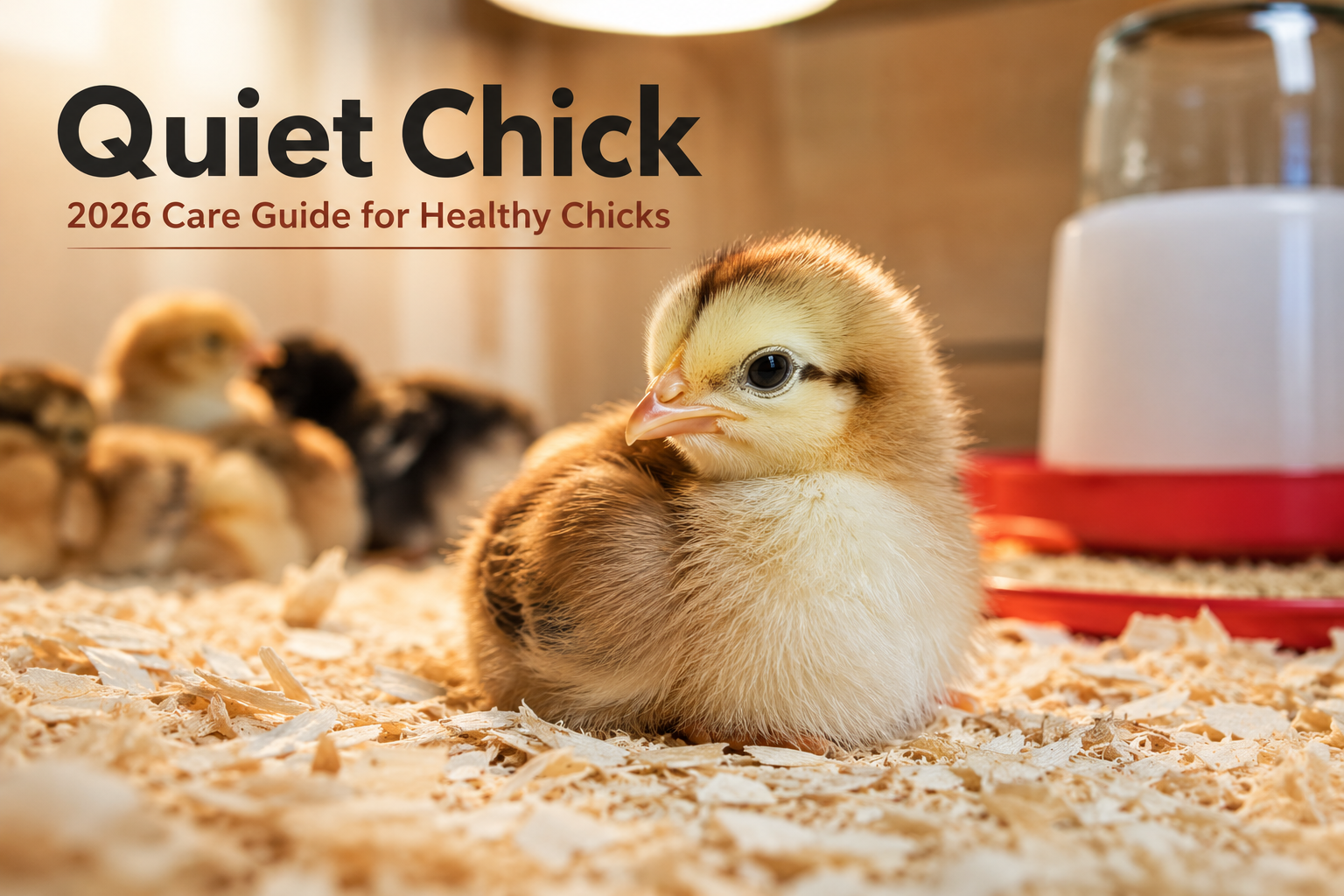
    A Quiet Chick can make a new chicken keeper wonder if something is wrong. However, quiet behavior does not always mean illness. A young chick may simply feel comfortable, warm, safe, and content. In fact, experienced poultry keepers often associate soft peeping and relaxed behavior with a comfortable brooder environment.

    Still, sudden changes deserve attention. Therefore, owners should look at eating, drinking, movement, droppings, body position, and temperature before deciding that a chick is healthy.

    Why a Quiet Chick Can Be Healthy

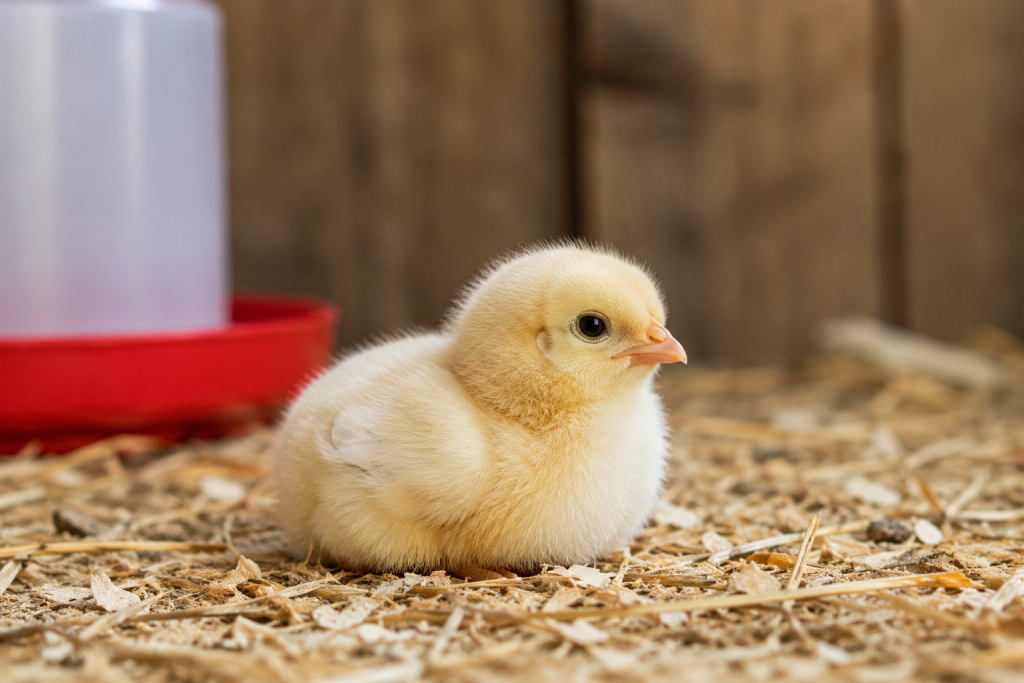
    A Quiet Chick may spend time resting between periods of activity. If the chick eats, drinks, walks normally, and interacts with other chicks, quiet behavior can simply reflect comfort.

    Additionally, chicks communicate through different sounds. Loud, persistent peeping can sometimes indicate discomfort, cold, heat, hunger, fear, or another problem.

    A calm chick should generally:

    • Move around during active periods
    • Eat and drink regularly
    • Sleep and rest normally
    • Stay close to the flock
    • Have clean eyes and nostrils
    • Show normal posture and balance

    For more information, see our [internal guide to baby chick care].

    Quiet Chick: Key Factors to Check

    1. Brooder Temperature

    Temperature is one of the first things to check when a Quiet Chick seems unusually inactive. Young chicks need a warm, stable brooder area, especially during their first weeks.

    However, avoid judging temperature from one chick alone. Watch the entire group.

    • Huddling tightly may indicate cold.
    • Staying far from the heat source may indicate excessive heat.
    • Evenly spread chicks with normal activity are generally more comfortable.

    2. Food and Water

    A Quiet Chick should still show interest in feed and clean water. Lack of eating or drinking can quickly become serious because young birds have small bodies and limited reserves.

    Keep fresh water available at all times. Also, provide an age-appropriate chick starter feed and keep feeding equipment clean.

    3. Activity and Posture

    Healthy chick signs include alert eyes, normal movement, regular feeding, and interaction with other chicks. Conversely, weakness, repeated falling, difficulty standing, or extreme sleepiness deserves closer attention.

    Types of Quiet Chick Behavior

    Normal Quiet Behavior

    Some chicks naturally make less noise than others. They may quietly explore, rest, or stay close to their flock mates. Individual temperament can also affect vocal behavior.

    Concerning Quiet Behavior

    A sudden change can be more important than the chick’s normal personality. For example, a chick that was active yesterday but now remains isolated and sleepy may need closer observation. Similar concerns have been reported by poultry keepers when a previously vocal chick suddenly becomes unusually quiet.

    Watch for:

    • Refusing food or water
    • Weakness or unusual sleepiness
    • Isolation from other chicks
    • Difficulty walking
    • Breathing problems
    • Abnormal droppings
    • Fluffed-up feathers
    • Repeatedly sitting under the heat source

    If several symptoms appear together, contact an avian or poultry veterinarian.

    How to Decide If Your Chick Is Healthy

    Use this simple checklist:

    1. Observe: Watch the chick for several minutes without disturbing it.
    2. Compare: Look at its behavior against the other chicks.
    3. Check food: Confirm that it is eating normally.
    4. Check water: Make sure it can easily reach clean water.
    5. Check temperature: Look at how the flock distributes itself around the heat source.
    6. Check physical signs: Look for clean eyes, clear nostrils, normal posture, and steady movement.
    7. Monitor changes: Record unusual behavior instead of relying on one observation.

    Common Mistakes to Avoid

    Do not assume every Quiet Chick is sick. At the same time, do not ignore a sudden behavioral change.

    Avoid these common mistakes:

    • Checking only noise level
    • Ignoring food and water intake
    • Using an unreliable thermometer
    • Overheating the brooder
    • Keeping chicks without proper social contact
    • Waiting too long when multiple symptoms appear

    Additionally, avoid giving medication without appropriate veterinary guidance.

    Quiet Chick Care Tips for 2026

    Good Quiet Chick care starts with a clean, secure, and properly managed brooder. Provide suitable warmth, fresh water, quality starter feed, dry bedding, and enough space for chicks to move away from the heat source.

    Also, inspect chicks daily. A quick routine can help you notice changes before they become serious.

    If you want more practical poultry advice, explore our [complete chicken care resources] and consult reputable veterinary or poultry extension information such as [university poultry resources].

    Conclusion

    A Quiet Chick is not automatically an unhealthy chick. If it eats, drinks, moves normally, and remains alert during active periods, quiet behavior may simply mean it feels safe and comfortable. However, sudden silence combined with weakness, poor appetite, isolation, or breathing problems should never be ignored.

  • Rooster Care 2026: Complete Guide for Healthy Happy Roosters

    Rooster Care 2026: Complete Guide for Healthy Happy Roosters

    Rooster Care: The Complete 2026 Guide for Every Backyard Flock

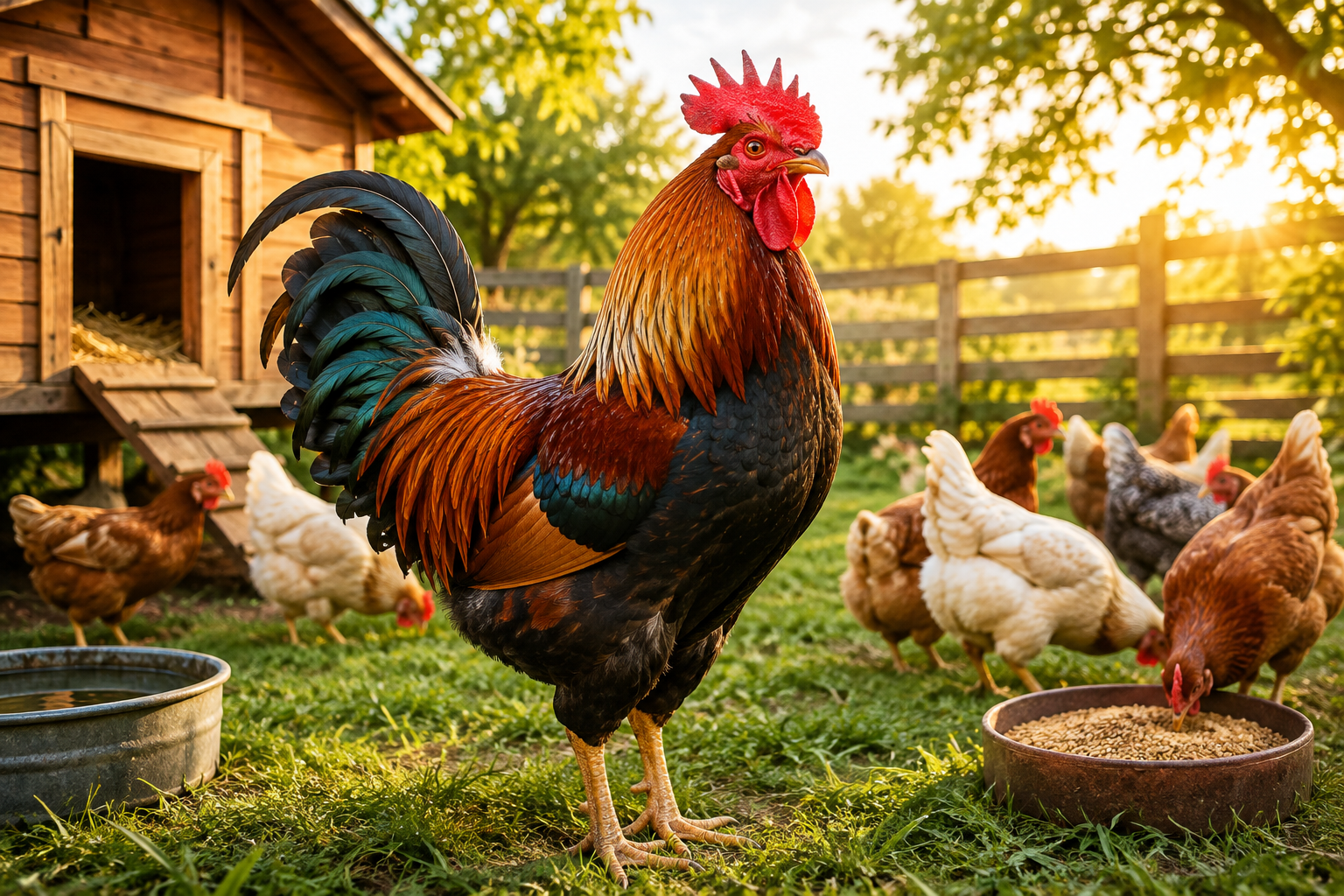
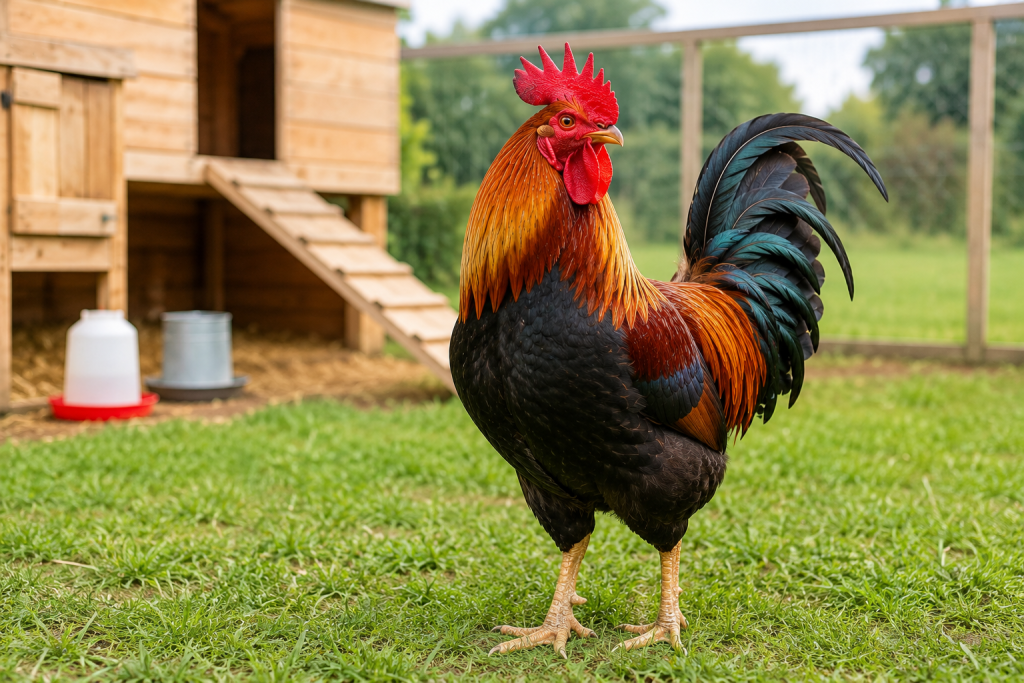
    Keeping a rooster is rewarding, but Rooster Care requires planning and daily attention. Whether you own a small backyard flock or manage a larger poultry farm, proper care helps your rooster stay healthy, active, and protective. Additionally, a well-cared-for rooster improves flock behavior and breeding success. This updated 2026 guide covers everything beginners and experienced poultry keepers need to know.


    Why Rooster Care Matters

    Proper Rooster Care benefits both your rooster and the entire flock. A healthy rooster protects hens from danger, maintains order, and helps successful breeding. As a result, your chickens experience less stress and better productivity.

    Some major benefits include:

    • Better flock protection
    • Healthier breeding performance
    • Reduced aggression through proper management
    • Improved overall flock health
    • Longer lifespan

    Additionally, healthy roosters are more active and show stronger natural instincts.


    Key Factors to Consider for Rooster Care

    Choose the Right Breed

    Different breeds have different personalities and care needs. Some breeds remain calm around families, while others are naturally more protective.

    Popular choices include:

    • Rhode Island Red
    • Plymouth Rock
    • Orpington
    • Australorp
    • Brahma

    Choosing the right breed makes Rooster Care much easier.

    Provide Balanced Nutrition

    A proper rooster feeding guide starts with balanced nutrition.

    Your rooster should receive:

    • High-quality poultry feed
    • Fresh vegetables
    • Whole grains as treats
    • Clean drinking water
    • Calcium only when recommended

    However, avoid excessive treats because obesity reduces fertility and activity.

    Safe Housing

    Housing plays a major role in Rooster Care.

    Your coop should include:

    • Dry bedding
    • Good ventilation
    • Predator-proof fencing
    • Enough space to move freely
    • Secure nighttime shelter

    Additionally, clean the coop every week to reduce disease risks.


    Types of Rooster Care

    Backyard Rooster Care

    Many families raise one rooster with a small flock.

    Benefits include:

    • Natural flock protection
    • Easier breeding
    • Pest control
    • Better flock communication

    Good backyard rooster care focuses on regular observation and gentle handling.

    Farm Rooster Care

    Larger farms usually keep several breeding roosters.

    These birds require:

    • Separate breeding pens
    • Scheduled health checks
    • Controlled feeding
    • Rotation for breeding programs

    As a result, breeding quality remains high.


    Buying and Decision Guide

    Before purchasing a rooster, ask yourself several important questions.

    1. Do You Have Enough Space?

    Roosters need room to patrol and establish territory.

    2. Are Roosters Allowed?

    Check your local regulations because some neighborhoods prohibit them due to noise.

    3. Is the Bird Healthy?

    Choose a rooster that has:

    • Bright eyes
    • Smooth feathers
    • Strong legs
    • Clean comb and wattles
    • Active behavior

    Additionally, buy birds from trusted breeders whenever possible.


    Common Mistakes to Avoid

    Many beginners make simple mistakes during Rooster Care.

    Avoid these common problems:

    • Overfeeding treats
    • Keeping too many roosters together
    • Ignoring aggressive behavior
    • Poor coop sanitation
    • Skipping health inspections

    However, correcting these issues early prevents long-term problems.


    Maintenance and Care Tips

    Daily care keeps your rooster healthy throughout the year.

    Daily Routine

    Complete these simple tasks:

    1. Provide fresh feed.
    2. Replace drinking water.
    3. Check for injuries.
    4. Observe flock behavior.
    5. Lock the coop at night.

    Weekly Care

    Your rooster health tips routine should include:

    • Cleaning feeders
    • Replacing bedding
    • Inspecting fencing
    • Checking for parasites
    • Monitoring weight

    Additionally, seasonal weather changes require extra attention. During summer, provide shade and cool water. During winter, protect your rooster from cold winds and damp conditions.

    Regular grooming also improves Rooster Care. Trim overgrown spurs if necessary and inspect feathers for mites or lice. Early treatment keeps your flock healthier and prevents larger infestations.


    Conclusion

    Successful Rooster Care comes down to good nutrition, safe housing, regular health checks, and responsible management. Whether you keep one backyard rooster or several breeding birds, consistent daily care helps them live healthier and longer lives. Additionally, a strong and healthy rooster contributes to a happier flock and better poultry production. Start improving your Rooster Care routine today and enjoy a thriving flock throughout 2026 and beyond.

  • Bantam Chicken Breeds: Best Backyard Guide 2026

    Bantam Chicken Breeds: Best Backyard Guide 2026

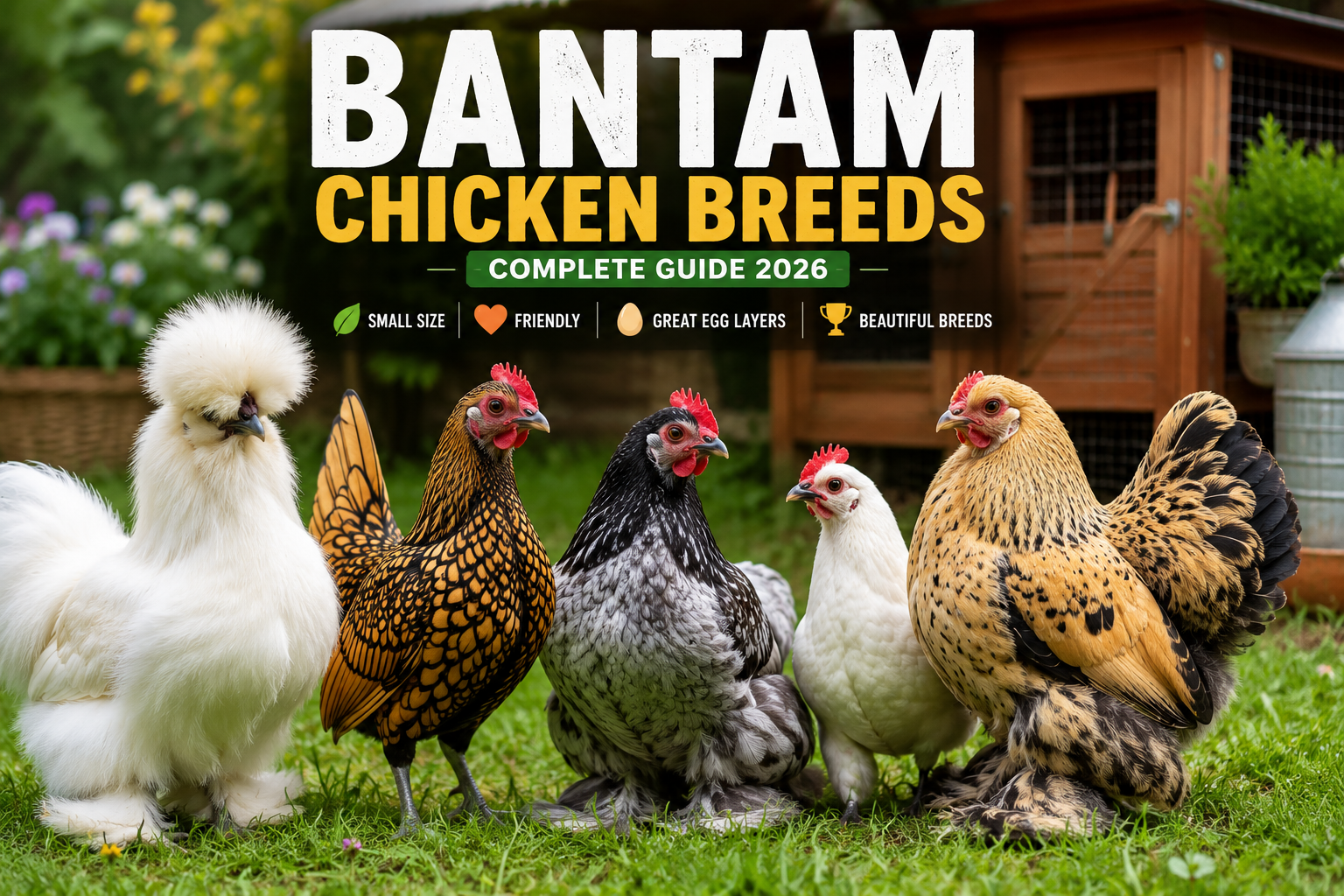
    Bantam Chicken Breeds: Complete 2026 Guide for Backyard Flocks

    If you’re searching for the best Bantam Chicken Breeds, you’re not alone. In 2026, more families across the United States and worldwide are choosing these miniature chickens because they need less space, eat less feed, and add beauty to backyard flocks. Additionally, many keepers enjoy their friendly personalities and unique feather patterns.

    Whether you are a beginner or an experienced poultry keeper, this guide explains everything you need to know before choosing the right bantam chickens.


    Why Bantam Chicken Breeds Matter

    Bantam Chicken Breeds are miniature versions of standard chickens, although some are true bantams with no large counterpart. They are popular because they combine beauty, personality, and practicality.

    Their popularity continues to grow in 2026 because more homeowners have smaller yards and prefer birds that are easier to manage.

    Benefits include:

    • Require less coop space
    • Eat less feed than standard breeds
    • Excellent pets for families
    • Beautiful feather colors and patterns
    • Great for poultry exhibitions
    • Some varieties produce surprisingly good eggs

    Additionally, many small backyard chicken breeds adapt well to urban and suburban environments.


    Key Features of Bantam Chicken Breeds

    Small Size

    The biggest advantage of Bantam Chicken Breeds is their compact body. Most weigh between one and two pounds, making them easy to handle.

    Friendly Personality

    Many bantams become very tame when raised with regular human interaction. As a result, they are excellent for children and first-time chicken keepers.

    Decorative Appearance

    Many owners choose Bantam Chicken Breeds because of their stunning feathers, feathered feet, colorful plumage, and unique comb styles.


    Types of Bantam Chicken Breeds

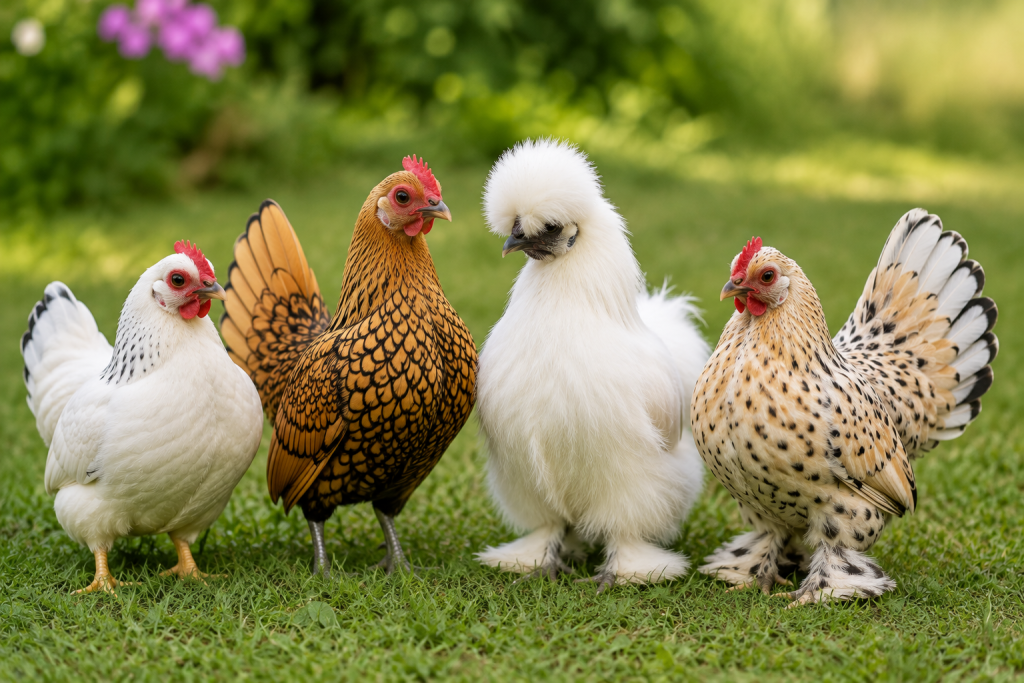
    Silkie Bantams

    Silkies remain one of the world’s favorite Bantam Chicken Breeds. Their fluffy feathers, calm nature, and excellent brooding ability make them ideal family pets.

    Best for:

    • Families
    • Pet chickens
    • Hatching eggs naturally

    Sebright Bantams

    Sebrights feature striking laced feathers that make them among the most attractive ornamental bantam chickens available today.

    Best for:

    • Poultry shows
    • Experienced keepers
    • Decorative backyard flocks

    Belgian d’Uccle Bantams

    These birds are famous for feathered feet and friendly personalities. Additionally, they perform well in smaller backyard coops.


    Japanese Bantams

    Japanese bantams have extremely short legs and upright tails. Their unique appearance makes them popular among hobby breeders around the world.


    Dutch Bantams

    Dutch bantams are active birds that enjoy foraging. However, they still adapt well to enclosed runs if provided with enough enrichment.


    Buying Guide for Bantam Chicken Breeds

    Before purchasing Bantam Chicken Breeds, consider these important factors.

    1. Purpose

    Decide whether you want:

    • Pets
    • Egg production
    • Exhibition birds
    • Breeding stock

    2. Climate

    Some breeds tolerate cold weather better than others. Therefore, always select birds suited to your local climate.

    3. Coop Space

    Although bantams need less room, they still require:

    • Secure housing
    • Proper ventilation
    • Predator protection
    • Clean nesting boxes

    4. Egg Production

    Not every bantam lays equally. If fresh eggs matter most, research bantam chickens for eggs before buying.


    Common Mistakes to Avoid

    Many beginners make simple errors that affect flock health.

    Avoid these mistakes:

    • Buying without researching the breed
    • Overcrowding the coop
    • Feeding poor-quality feed
    • Ignoring predator protection
    • Mixing aggressive large breeds with tiny bantams
    • Skipping regular health checks

    Additionally, quarantine new birds before introducing them to your existing flock.


    Care Tips for Bantam Chicken Breeds

    Proper care helps Bantam Chicken Breeds stay healthy throughout the year.

    Feed Balanced Nutrition

    Provide high-quality poultry feed along with clean water every day.

    Keep the Coop Clean

    Clean bedding weekly. As a result, you reduce disease and parasites.

    Protect from Predators

    Because bantams are smaller, they are more vulnerable to hawks, foxes, raccoons, and neighborhood dogs.

    Perform Regular Health Checks

    Inspect feathers, eyes, combs, feet, and weight every week. Early detection makes treatment easier.

    Offer Daily Enrichment

    Allow supervised free-ranging or provide toys, dust baths, and perches to keep birds active and happy.


    Final Thoughts

    Choosing the right Bantam Chicken Breeds can transform your backyard into a productive and enjoyable space. Their small size, friendly behavior, and beautiful appearance make them ideal for families, hobby farmers, and poultry enthusiasts worldwide. Additionally, with proper housing, nutrition, and regular care, Bantam Chicken Breeds can thrive for many years. Start by selecting a breed that matches your goals, and enjoy building a healthy, happy flock in 2026.

  • Free-Range Chicken Care: Complete 2026 Guide

    Free-Range Chicken Care: Complete 2026 Guide

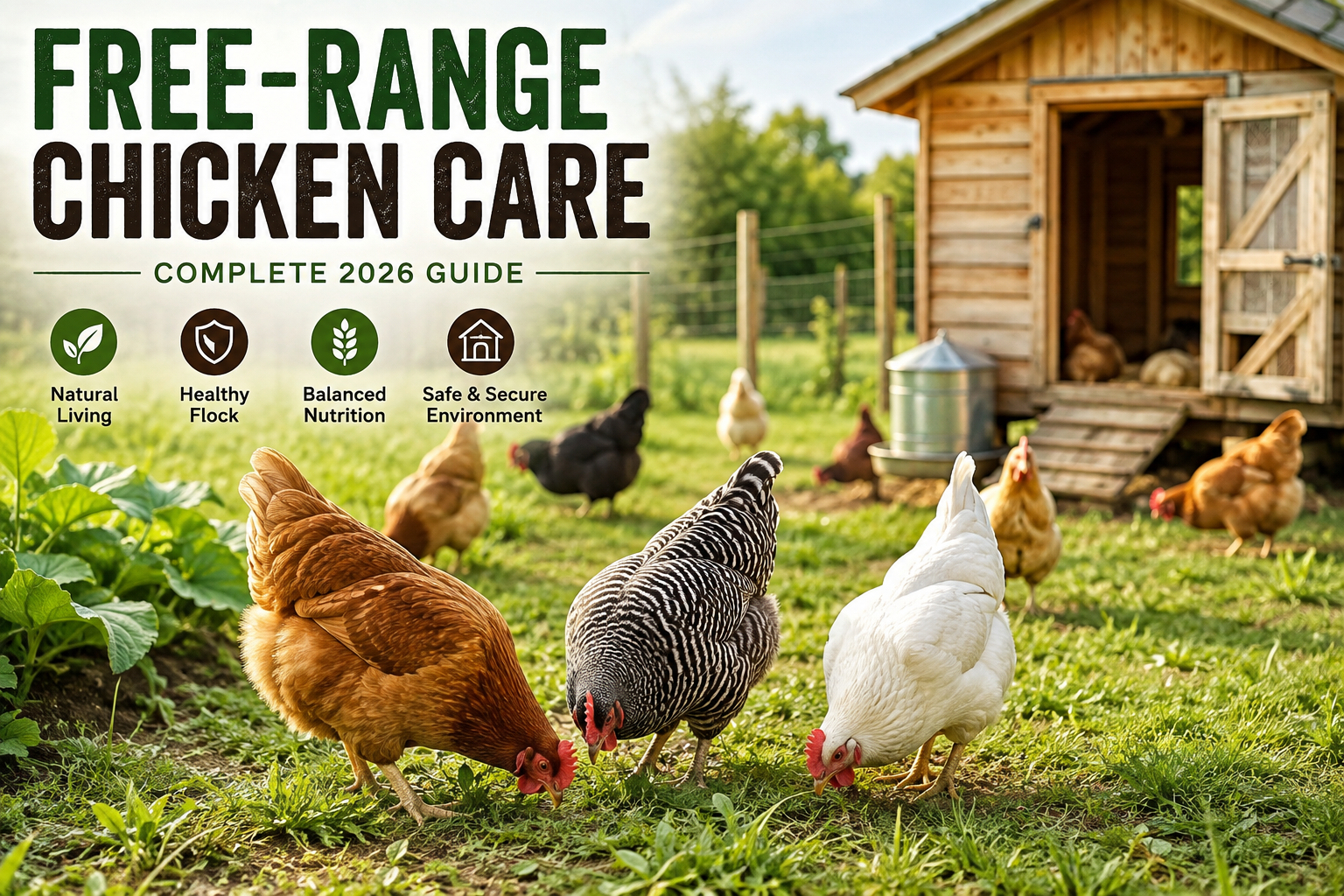
    Free-Range Chicken Care: Complete 2026 Guide

    Keeping chickens outdoors has become more popular than ever. Free-Range Chicken Care gives birds more space, encourages natural behavior, and helps produce healthier eggs and happier flocks. Whether you are new to poultry or already own chickens, understanding the latest care practices in 2026 will help your birds stay productive throughout the year.

    Additionally, proper planning reduces disease risks, improves egg quality, and creates a safer environment for every flock.


    Why Free-Range Chicken Care Matters

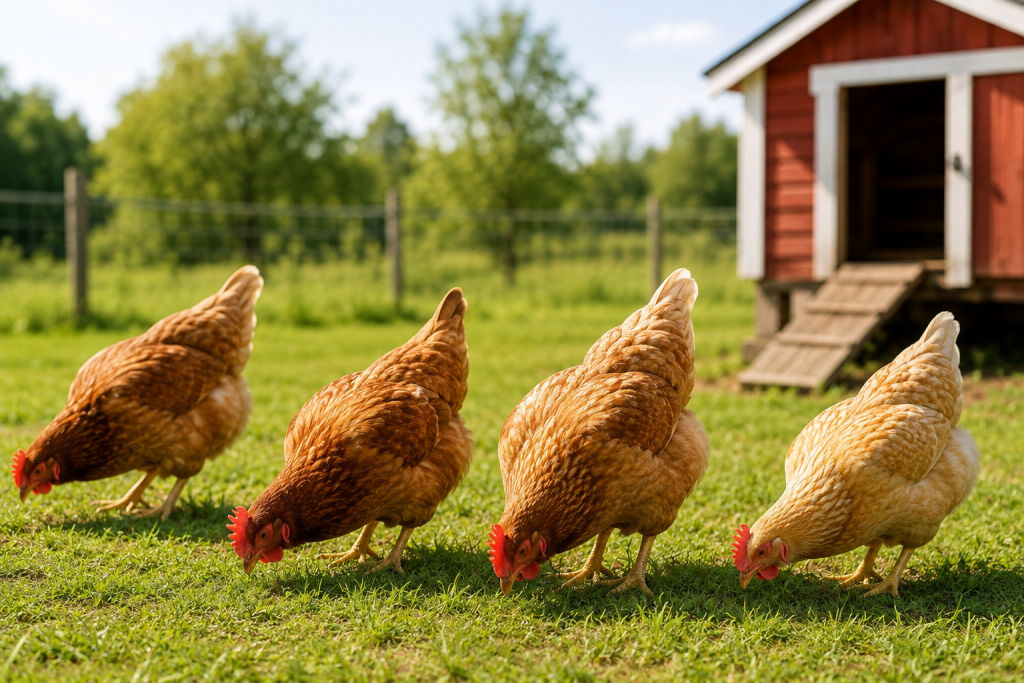
    Free-Range Chicken Care offers many benefits for both chickens and owners. Birds that have access to outdoor areas enjoy more exercise, fresh air, and natural food sources.

    Some of the biggest advantages include:

    • Better physical health
    • Lower stress levels
    • Improved egg quality
    • More natural behavior
    • Reduced boredom and feather pecking

    As a result, healthy birds often require fewer veterinary treatments and remain productive longer.

    Internal Link: (Read our Backyard Chicken Health Guide here.)


    Free-Range Chicken Care Benefits for Every Backyard

    Every flock is different. However, following the right routine creates a healthy chicken flock regardless of breed.

    Better Nutrition

    Free-range birds eat insects, grass, weeds, and seeds. Therefore, they receive additional nutrients alongside balanced commercial feed.

    Stronger Immune System

    Outdoor activity supports healthier muscles and reduces stress. Additionally, exposure to sunlight helps chickens naturally produce Vitamin D.

    Happier Chickens

    Birds enjoy scratching, dust bathing, and exploring. These natural activities reduce aggressive behavior inside the coop.


    Key Factors in Free-Range Chicken Care

    Successful Free-Range Chicken Care depends on several important factors.

    Safe Housing

    Your coop should provide:

    • Dry bedding
    • Good ventilation
    • Predator-proof doors
    • Comfortable nesting boxes
    • Strong fencing

    Clean housing supports excellent Chicken coop maintenance, which lowers disease risks.


    Balanced Feeding

    Although chickens forage outdoors, they still require quality feed every day.

    Offer:

    • Complete layer pellets
    • Fresh vegetables
    • Clean water
    • Calcium supplements
    • Occasional healthy treats

    Avoid feeding moldy food or excessive kitchen scraps.


    Predator Protection

    Foxes, hawks, raccoons, snakes, and stray dogs remain major threats.

    Protect your flock by:

    • Installing secure fencing
    • Locking birds inside at night
    • Using automatic coop doors
    • Checking fencing regularly

    Additionally, supervised ranging provides extra protection.


    Types of Free-Range Systems

    Different owners choose different management styles.

    Full-Time Free Range

    Birds roam most of the day before returning to the coop at night.

    Best for:

    • Large rural properties
    • Small hobby farms
    • Experienced owners

    Controlled Free Range

    Birds access outdoor runs during specific hours.

    Benefits include:

    • Easier predator control
    • Better pasture management
    • Cleaner outdoor areas

    Many backyard chicken care experts recommend this option for suburban homes.


    Rotational Grazing

    Owners move chickens between different fenced sections.

    Advantages include:

    • Healthier grass
    • Fewer parasites
    • Better soil quality
    • Cleaner living conditions

    As a result, Free-range poultry management becomes much easier over time.


    Buying and Decision Guide

    Before starting Free-Range Chicken Care, consider these important questions.

    ✔ Do you have enough outdoor space?

    ✔ Is your property secure from predators?

    ✔ Can you clean the coop weekly?

    ✔ Do local laws allow backyard chickens?

    ✔ Will you provide fresh water every day?

    If you answer “yes” to these questions, you are ready to build a successful flock.


    Common Mistakes to Avoid

    Many beginners make simple mistakes that reduce flock health.

    Avoid these problems:

    • Overcrowding birds
    • Ignoring predator risks
    • Feeding only table scraps
    • Skipping regular coop cleaning
    • Allowing muddy, wet conditions
    • Forgetting routine health inspections

    However, fixing these issues early prevents larger problems later.


    Maintenance Tips for Free-Range Chicken Care

    Routine care keeps chickens productive throughout every season.

    Daily Tasks

    • Replace drinking water
    • Collect eggs
    • Check bird behavior
    • Refill feeders

    Weekly Tasks

    • Clean nesting boxes
    • Remove dirty bedding
    • Inspect fences
    • Check for parasites

    Monthly Tasks

    • Deep clean the coop
    • Repair damaged fencing
    • Inspect ventilation
    • Evaluate flock health

    Additionally, record egg production and health observations throughout the year.


    Seasonal Care Tips

    Different seasons require different management.

    Spring

    • Watch for parasites.
    • Repair winter damage.

    Summer

    • Provide shade.
    • Increase fresh water.
    • Improve airflow.

    Autumn

    • Prepare dry bedding.
    • Repair fencing.

    Winter

    • Block cold drafts.
    • Keep bedding dry.
    • Prevent water from freezing.

    Seasonal planning keeps birds comfortable in every climate.


    Conclusion

    Free-Range Chicken Care remains one of the best ways to raise healthy, productive backyard chickens in 2026. By providing secure housing, balanced nutrition, regular maintenance, and proper predator protection, you can build a thriving flock for years to come. Additionally, following these expert tips helps improve egg quality and bird welfare. Start improving your Free-Range Chicken Care routine today, and enjoy healthier chickens, better production, and a more rewarding backyard poultry experience.

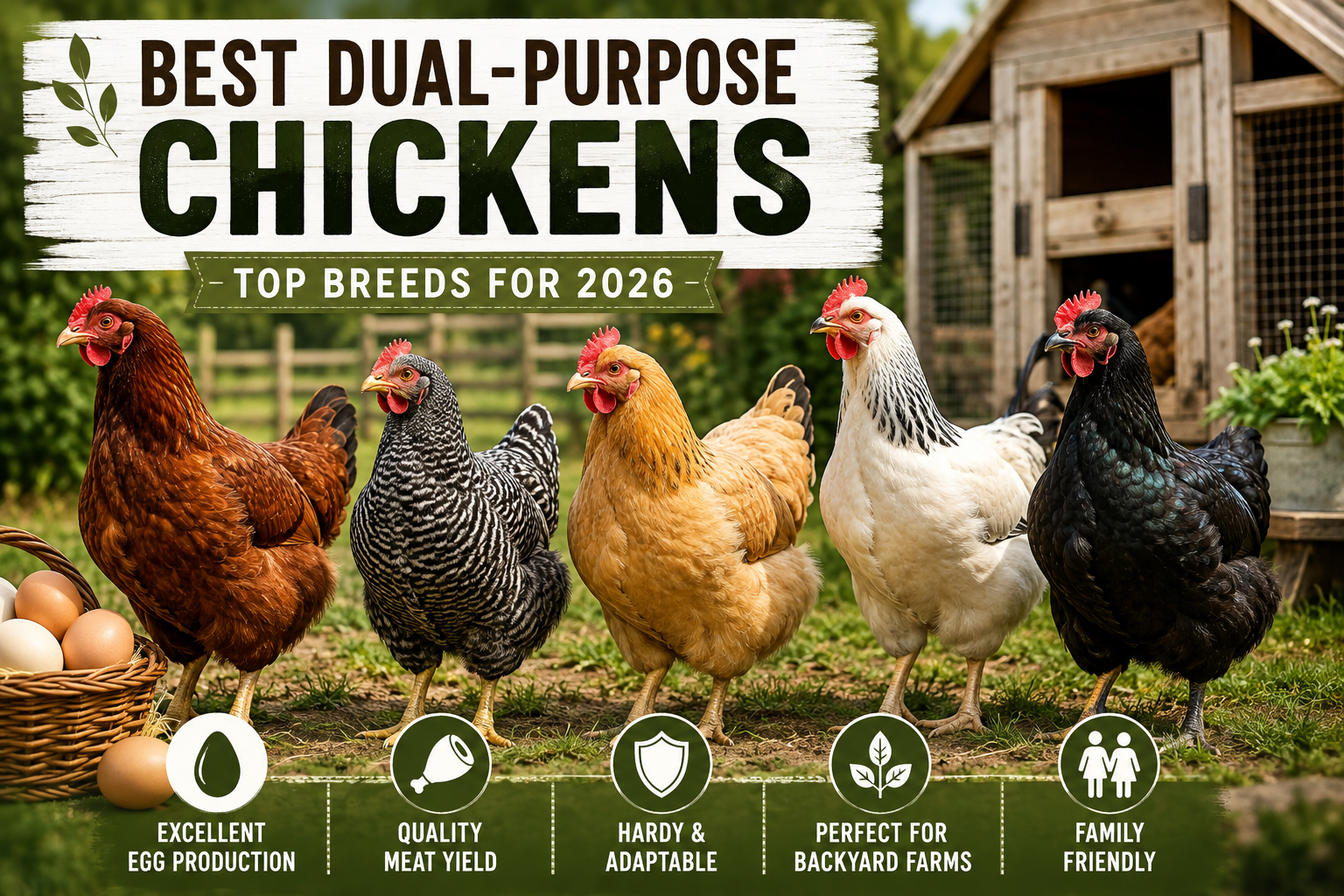
  • Best Dual-Purpose Chickens: Top Breeds for 2026

    Best Dual-Purpose Chickens: Top Breeds for 2026

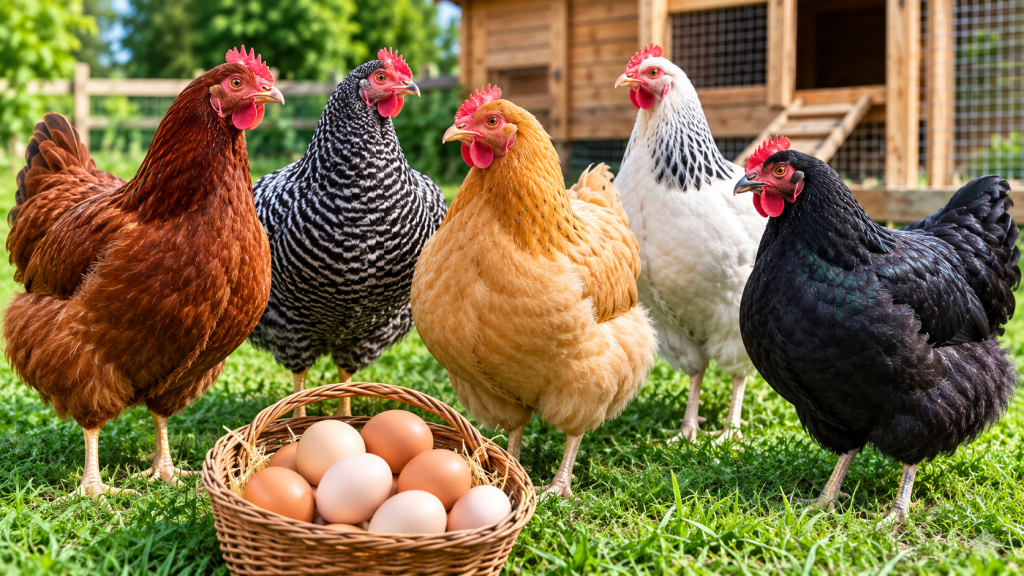
    Best Dual-Purpose Chickens: Complete 2026 Guide for Backyard Farmers

    If you’re searching for the Best Dual-Purpose Chickens, you’re making a smart choice for 2026. These breeds provide a reliable supply of fresh eggs while also producing quality meat. As backyard farming continues to grow worldwide, more families are choosing chickens that deliver both value and sustainability.

    Whether you’re a beginner or an experienced poultry keeper, the Best Dual-Purpose Chickens can help you reduce costs, improve food security, and enjoy a productive flock throughout the year.


    Why the Best Dual-Purpose Chickens Matter

    Choosing the right breed affects your flock’s productivity and long-term success. Instead of raising separate birds for eggs and meat, dual-purpose breeds handle both jobs efficiently.

    Benefits include:

    • Consistent egg production
    • Excellent meat quality
    • Strong adaptability
    • Friendly personalities
    • Lower overall maintenance costs

    Additionally, many dual-purpose chicken breeds tolerate different climates, making them suitable for backyard farms across the world.


    Best Dual-Purpose Chickens to Consider in 2026

    Rhode Island Red

    Rhode Island Reds remain one of the Best Dual-Purpose Chickens because they lay around 250–300 brown eggs annually. They also grow quickly and adapt well to free-range systems.

    Highlights

    • Hardy in hot and cold weather
    • Excellent brown egg production
    • Good meat yield
    • Beginner friendly

    Plymouth Rock

    The Plymouth Rock continues to rank among the Best Dual-Purpose Chickens thanks to its calm nature and dependable performance.

    Highlights

    • 200–280 eggs each year
    • Gentle temperament
    • Fast-growing birds
    • Ideal for family farms

    Orpington

    Buff Orpingtons are famous for their friendly personality and attractive appearance.

    Highlights

    • Heavy meat bird
    • Around 180–220 eggs yearly
    • Easy to handle
    • Great for beginners

    These are also popular family-friendly chicken breeds.


    Sussex

    Sussex chickens perform well in many climates and forage efficiently.

    Highlights

    • 220–260 eggs annually
    • Quality table bird
    • Active foragers
    • Calm personality

    Australorp

    Australorps remain among the Best Dual-Purpose Chickens because they combine excellent egg production with respectable meat quality.

    Highlights

    • Up to 300 eggs annually
    • Quiet birds
    • Excellent feed efficiency
    • Strong disease resistance

    Key Features to Consider Before Buying

    Egg Production

    Choose breeds producing at least 200 eggs each year if eggs are your priority.

    Growth Rate

    Birds that mature quickly save feed costs and reach market size sooner.

    Climate Adaptability

    The Best Dual-Purpose Chickens should perform well in your local weather conditions.

    Temperament

    Friendly birds are easier to manage, especially for families with children.

    Feed Efficiency

    Efficient birds convert feed into eggs and meat more effectively, reducing long-term expenses.


    Types of Best Dual-Purpose Chickens

    Heritage Breeds

    Heritage chicken breeds offer longevity, natural breeding ability, and excellent hardiness.

    Examples include:

    • Sussex
    • Orpington
    • Plymouth Rock

    Modern Production Breeds

    These birds emphasize faster growth and improved egg production while maintaining meat quality.


    Buying Guide

    Before purchasing the Best Dual-Purpose Chickens, follow these simple tips:

    1. Buy from reputable hatcheries.
    2. Choose healthy, active chicks.
    3. Verify vaccination records.
    4. Match the breed to your climate.
    5. Compare annual egg production.

    Common Mistakes to Avoid

    Many new poultry keepers make avoidable mistakes.

    Avoid these:

    • Buying birds without researching breeds.
    • Ignoring coop ventilation.
    • Overcrowding chickens.
    • Feeding poor-quality diets.
    • Skipping routine health checks.

    However, proper planning keeps your flock healthier and more productive.


    Care Tips for Best Dual-Purpose Chickens

    Healthy birds reward owners with better egg production and stronger growth.

    Follow these care practices:

    • Provide clean drinking water daily.
    • Feed balanced poultry rations.
    • Keep bedding dry.
    • Allow outdoor exercise.
    • Clean the coop regularly.
    • Protect birds from predators.
    • Monitor for parasites and disease.

    Additionally, routine care reduces veterinary costs and increases flock longevity.


    Final Thoughts

    The Best Dual-Purpose Chickens remain one of the smartest investments for backyard poultry keepers in 2026. They deliver dependable egg production, quality meat, and excellent adaptability for small farms and family homesteads. By choosing healthy birds, providing proper nutrition, and maintaining a clean coop, you’ll enjoy a productive flock for years. Start building your flock today with the Best Dual-Purpose Chickens and experience the benefits of raising versatile poultry.

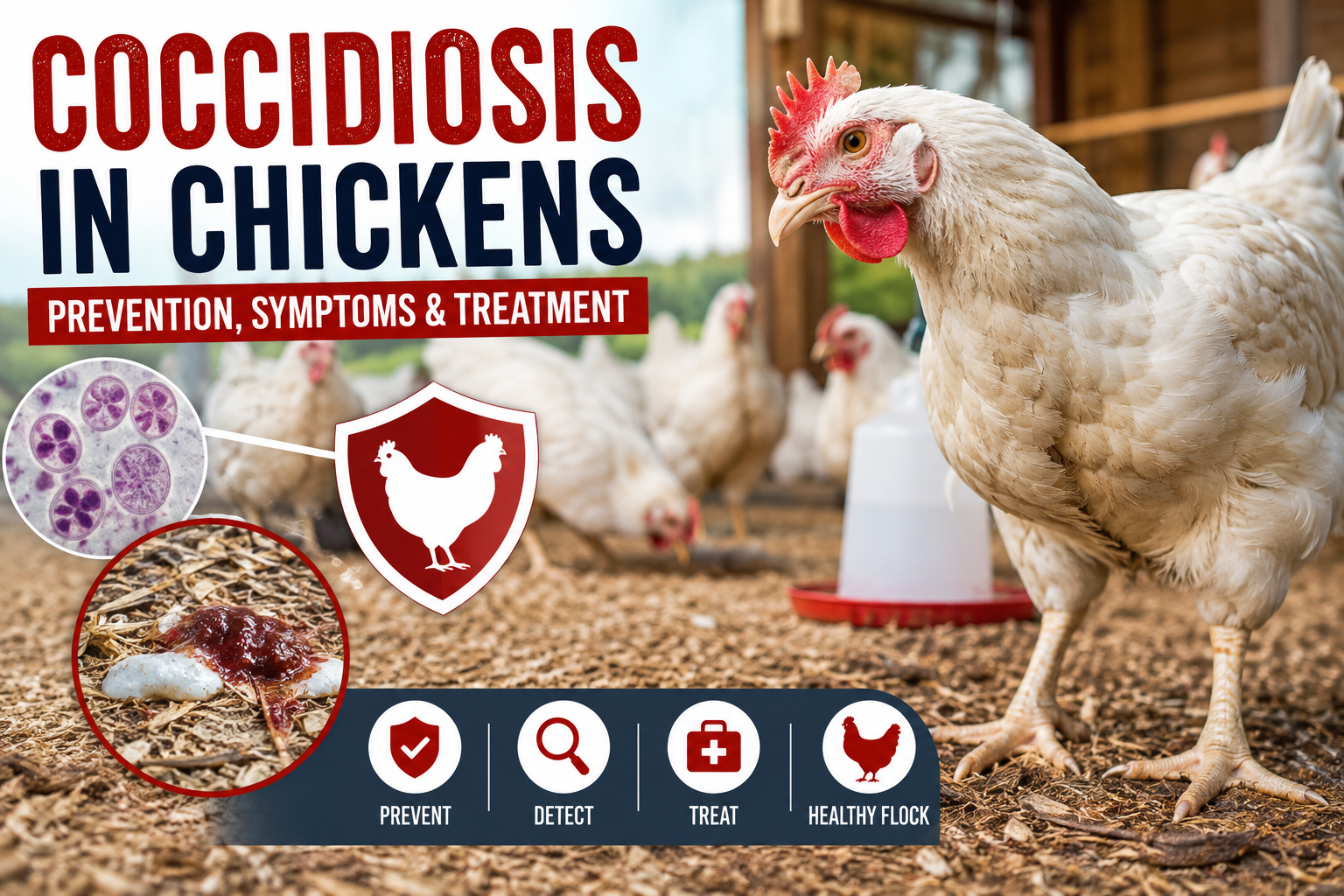
  • Coccidiosis in Chickens: Essential 2026 Prevention Guide

    Coccidiosis in Chickens: Essential 2026 Prevention Guide

    Coccidiosis in Chickens: Complete 2026 Guide to Prevention, Treatment, and Healthy Flocks

    Keeping chickens healthy starts with understanding common diseases. Coccidiosis in Chickens remains one of the biggest challenges for backyard keepers and commercial poultry farms in 2026. However, early detection and proper management can prevent serious losses. If you raise chickens in the United States or anywhere else in the world, learning about this disease will help protect your flock.


    Why Coccidiosis in Chickens Matters

    Coccidiosis in Chickens is caused by microscopic parasites called Eimeria. These parasites attack the intestinal lining, reducing nutrient absorption and weakening birds.

    As a result, infected chickens grow slowly, lay fewer eggs, and may even die if treatment comes too late. Additionally, young chicks under 16 weeks are especially vulnerable because their immune systems are still developing.

    Early prevention saves money, improves flock health, and reduces stress for poultry keepers.


    Key Features of Coccidiosis in Chickens

    Early Warning Signs

    Recognizing symptoms early makes treatment much more effective.

    Common signs include:

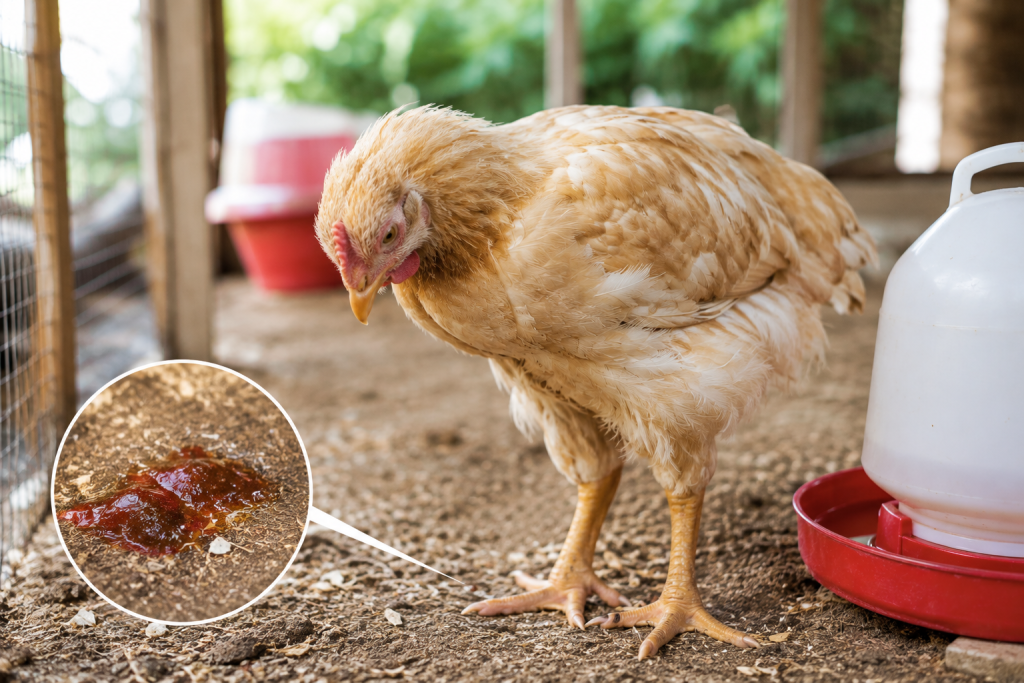
    • Bloody or watery droppings
    • Reduced appetite
    • Weight loss
    • Drooping wings
    • Ruffled feathers
    • Pale combs
    • Weakness
    • Reduced egg production

    Several of these symptoms also appear in other backyard chicken diseases, so proper diagnosis is important.

    How Chickens Become Infected

    The parasite spreads through contaminated litter, soil, feed, or water.

    Risk factors include:

    • Wet bedding
    • Overcrowded coops
    • Dirty drinkers
    • Poor ventilation
    • Warm and humid weather

    Therefore, keeping the coop clean greatly lowers infection risk.


    Types of Coccidiosis in Chickens

    Intestinal Coccidiosis

    This is the most common form. It affects the digestive tract and often causes diarrhea and poor growth.

    Severe Hemorrhagic Coccidiosis

    Some parasite species damage the intestines so badly that chickens pass bloody droppings. Immediate treatment is essential.

    Mild Subclinical Infection

    Not every infected bird appears sick. However, mild infections can still reduce growth and egg production while spreading parasites to healthy birds.


    Buying and Decision Guide

    Whether you own five hens or five thousand birds, prevention is always cheaper than treatment.

    Before purchasing new chickens:

    1. Buy from reputable breeders.
    2. Ask about vaccination history.
    3. Quarantine new birds for at least two weeks.
    4. Inspect birds for signs of illness.
    5. Keep young chicks separate from older birds.

    You should also invest in quality feeders, drinkers, and dry bedding to reduce disease exposure.


    Treatment Options for Coccidiosis in Chickens

    If you suspect Coccidiosis in Chickens, act quickly.

    Recommended steps include:

    • Isolate sick birds.
    • Replace wet bedding immediately.
    • Clean feeders and water containers.
    • Provide fresh drinking water.
    • Consult a veterinarian for diagnosis.
    • Use approved medications when recommended.

    Modern coccidiosis treatment for poultry often includes anticoccidial medications prescribed according to local veterinary guidelines.

    Never use medication without following dosage instructions.


    Common Mistakes to Avoid

    Many flock owners accidentally increase disease risks.

    Avoid these common mistakes:

    • Ignoring early symptoms
    • Allowing wet litter to remain
    • Overcrowding birds
    • Mixing sick and healthy chickens
    • Skipping coop cleaning
    • Using medications without diagnosis
    • Forgetting quarantine procedures

    Additionally, replacing bedding regularly helps stop parasite buildup.


    Maintenance and Care Tips

    Preventing Coccidiosis in Chickens requires consistent flock management.

    Daily Care

    • Provide clean water.
    • Remove wet bedding.
    • Check droppings.
    • Observe bird behavior.

    Weekly Care

    • Clean feeders.
    • Sanitize drinkers.
    • Replace litter if damp.
    • Improve ventilation.

    Long-Term Prevention

    • Rotate outdoor runs when possible.
    • Reduce overcrowding.
    • Feed balanced nutrition.
    • Practice healthy chicken flock management.
    • Consider vaccination where available and recommended by poultry veterinarians.

    These simple habits greatly reduce parasite pressure over time.


    Frequently Asked Questions

    Can chickens recover from coccidiosis?

    Yes. Early diagnosis and proper treatment give most chickens an excellent chance of recovery.

    Is coccidiosis contagious?

    Yes. The parasite spreads through contaminated droppings, litter, feed, and water.

    Can humans catch chicken coccidiosis?

    No. The species affecting chickens do not normally infect humans.

    How can I prevent future outbreaks?

    Maintain dry bedding, provide clean water, reduce overcrowding, quarantine new birds, and monitor flock health every day.


    Conclusion

    Coccidiosis in Chickens remains one of the most preventable poultry diseases in 2026. Fortunately, good sanitation, early detection, proper nutrition, and responsible flock management greatly reduce the risk of infection. Whether you raise backyard hens or commercial poultry, acting quickly protects your birds and improves long-term productivity. Start applying these prevention strategies today to keep Coccidiosis in Chickens from affecting your flock.

  • Hatching Chicken Eggs: Best Tips for a Successful Hatch 2026

    Hatching Chicken Eggs: Best Tips for a Successful Hatch 2026

    Hatching Chicken Eggs: Complete Guide for Healthy Chicks in 2026

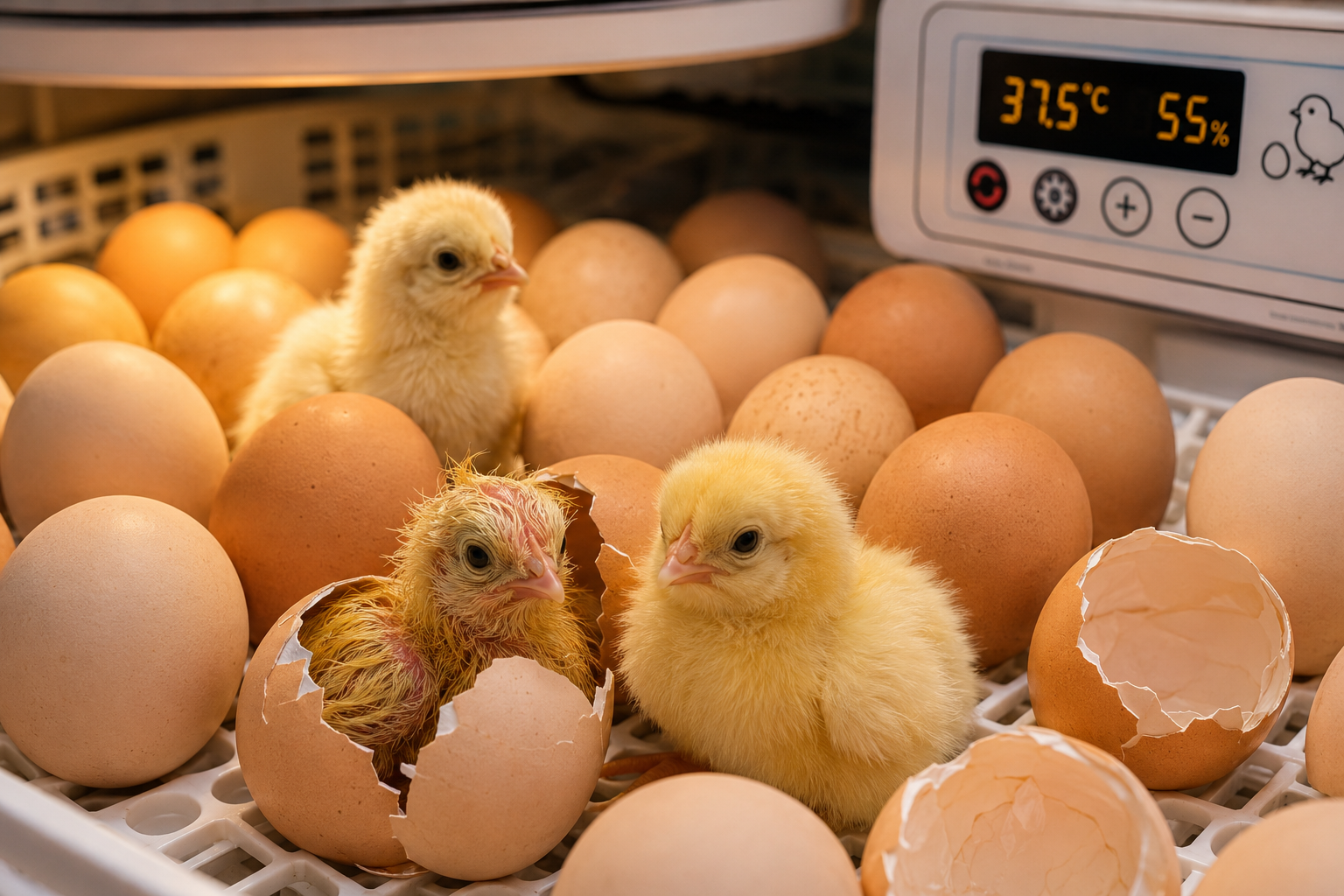
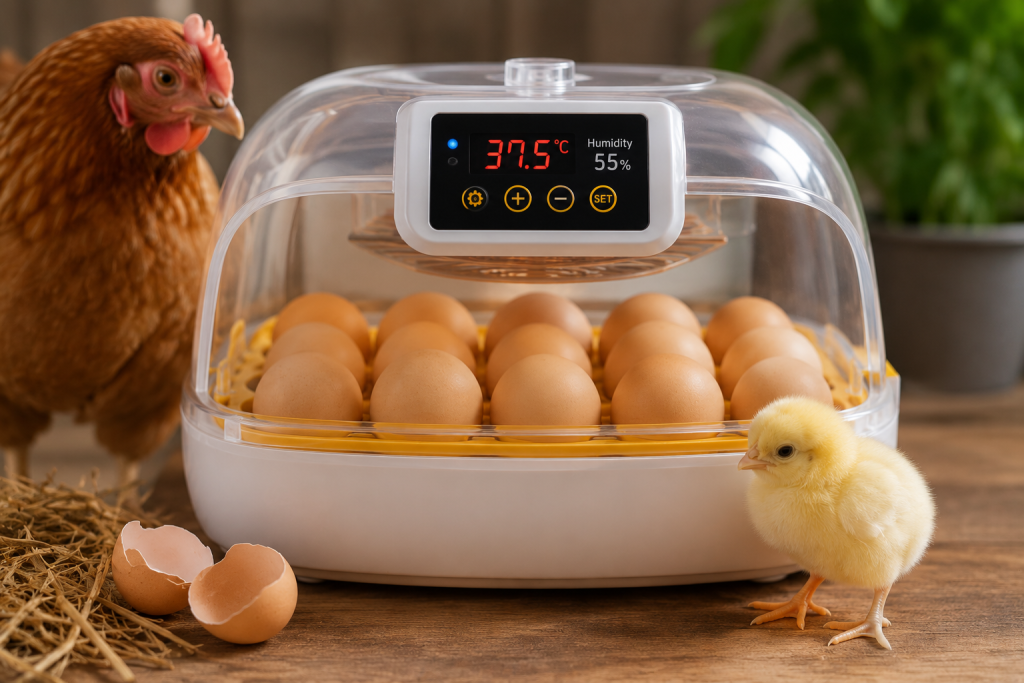
    Hatching Chicken Eggs is one of the most rewarding experiences for backyard poultry keepers and small farmers. Whether you are raising chickens for fresh eggs or expanding your flock, learning the correct incubation process improves hatch rates and chick health. In 2026, modern incubators and better monitoring tools have made Hatching Chicken Eggs easier than ever for beginners and experienced poultry owners alike.

    Additionally, following proven incubation practices helps reduce egg loss and gives your chicks the strongest possible start.


    Why Hatching Chicken Eggs Matters

    Successfully Hatching Chicken Eggs offers several advantages beyond simply growing your flock.

    Benefits of Hatching Your Own Chicks

    • Save money on buying young chicks.
    • Select breeds that fit your needs.
    • Improve flock genetics over time.
    • Experience the complete chicken life cycle.
    • Raise healthier birds from the beginning.

    As a result, many families, hobby farmers, and poultry businesses prefer Chicken egg incubation instead of purchasing birds.


    Hatching Chicken Eggs: Key Factors for Success

    Several important factors determine whether fertile eggs hatch successfully.

    Choose Healthy Fertile Eggs

    Always collect fresh fertile eggs from healthy hens and active roosters.

    Look for eggs that are:

    • Clean
    • Medium-sized
    • Free from cracks
    • Less than seven days old

    Avoid washing eggs because doing so removes their natural protective coating.

    Maintain Proper Temperature

    Temperature remains the most important part of Hatching Chicken Eggs.

    Maintain:

    • 99.5°F (37.5°C) in forced-air incubators
    • Slightly higher temperatures in still-air incubators

    Even small temperature changes can reduce hatch rates.

    Control Humidity

    Humidity also plays a major role.

    Recommended levels:

    • Days 1–18: 45–55%
    • Days 19–21: 65–70%

    Additionally, proper humidity helps chicks break through the shell more easily.

    Turn the Eggs Regularly

    Turn eggs at least three to five times daily until Day 18.

    However, stop turning them during the final three days so chicks can position themselves for hatching.


    Types of Hatching Chicken Eggs Methods

    Different methods work for different poultry keepers.

    Natural Broody Hen

    A broody hen naturally incubates eggs.

    Advantages include:

    • No electricity needed
    • Natural chick care
    • Less equipment

    However, hatch numbers remain limited.


    Artificial Incubator

    Most backyard keepers now use incubators.

    Benefits include:

    • Better hatch control
    • Larger batches
    • Automatic egg turning
    • Higher success rates

    Modern incubators also make How to hatch fertile eggs much easier for beginners.


    Classroom or Educational Hatch Projects

    Many schools now use small incubators to teach children about poultry development.

    This method provides valuable hands-on learning while encouraging responsible animal care.


    Buying Guide for Hatching Chicken Eggs Equipment

    Before starting, choose quality equipment.

    Consider:

    • Automatic egg turner
    • Digital thermometer
    • Digital hygrometer
    • Backup power source
    • Automatic humidity control

    Higher-quality incubators often produce better results and require less daily attention.


    Common Mistakes to Avoid

    Many beginners lose eggs because of simple mistakes.

    Avoid:

    • Using unfertilized eggs
    • Incorrect incubator temperature
    • Poor humidity control
    • Opening the incubator too often
    • Turning eggs after Day 18
    • Skipping incubator cleaning
    • Using dirty eggs

    Therefore, careful planning significantly improves Hatching Chicken Eggs success.


    Maintenance and Care Tips

    Proper incubator maintenance protects developing chicks.

    Before Incubation

    • Clean and disinfect the incubator.
    • Test temperature for 24 hours.
    • Verify humidity readings.

    During Incubation

    • Monitor temperature twice daily.
    • Refill water channels when needed.
    • Candle eggs on Days 7 and 14.
    • Remove infertile or damaged eggs.

    After Hatch

    • Allow chicks to dry completely.
    • Move them to a warm brooder.
    • Provide clean water immediately.
    • Offer quality chick starter feed.

    Additionally, maintaining clean equipment reduces disease risks for future hatches.


    Final Thoughts

    Hatching Chicken Eggs remains one of the most enjoyable ways to build a healthy backyard flock in 2026. By selecting quality fertile eggs, maintaining the correct Incubator temperature for chicken eggs, controlling humidity, and avoiding common mistakes, you can greatly improve hatch success. Whether you use a broody hen or a modern incubator, following these best practices will produce stronger chicks and healthier poultry. Start Hatching Chicken Eggs with confidence today, and continue learning through trusted poultry resources for even better results.

  • Signs of Healthy Chickens: Complete 2026 Flock Guide

    Signs of Healthy Chickens: Complete 2026 Flock Guide

    Signs of Healthy Chickens: Complete 2026 Guide for Every Flock Owner

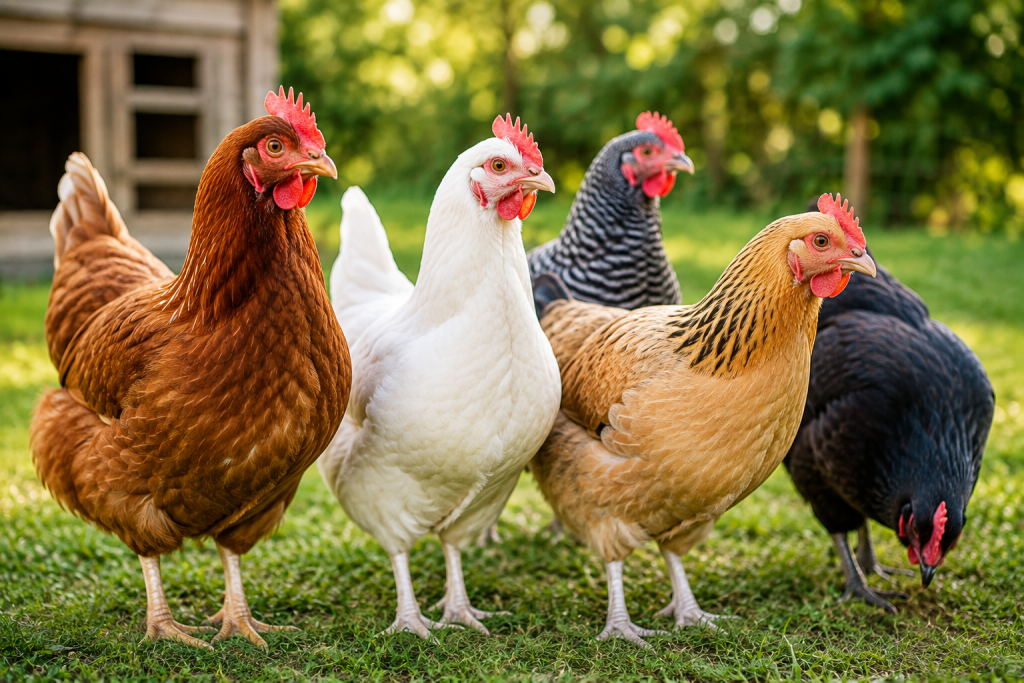
    Keeping a flock is rewarding, but knowing the Signs of Healthy Chickens is one of the most important skills every poultry keeper should learn in 2026. Whether you own a few backyard hens or manage a larger flock, recognizing early health indicators helps prevent disease and improves egg production. Additionally, healthy birds live longer and require fewer medical treatments.

    Before buying new birds or checking your current flock, understanding the Signs of Healthy Chickens can save both time and money.


    Why the Signs of Healthy Chickens Matter

    Healthy chickens produce better eggs, grow efficiently, and remain active throughout the year. As a result, farmers and backyard keepers experience fewer losses.

    Benefits include:

    • Higher egg production
    • Strong immune system
    • Better feather quality
    • Lower veterinary costs
    • Improved flock performance

    Additionally, spotting health problems early prevents diseases from spreading to other birds.


    Signs of Healthy Chickens You Should Check Daily

    Bright Eyes and Clean Face

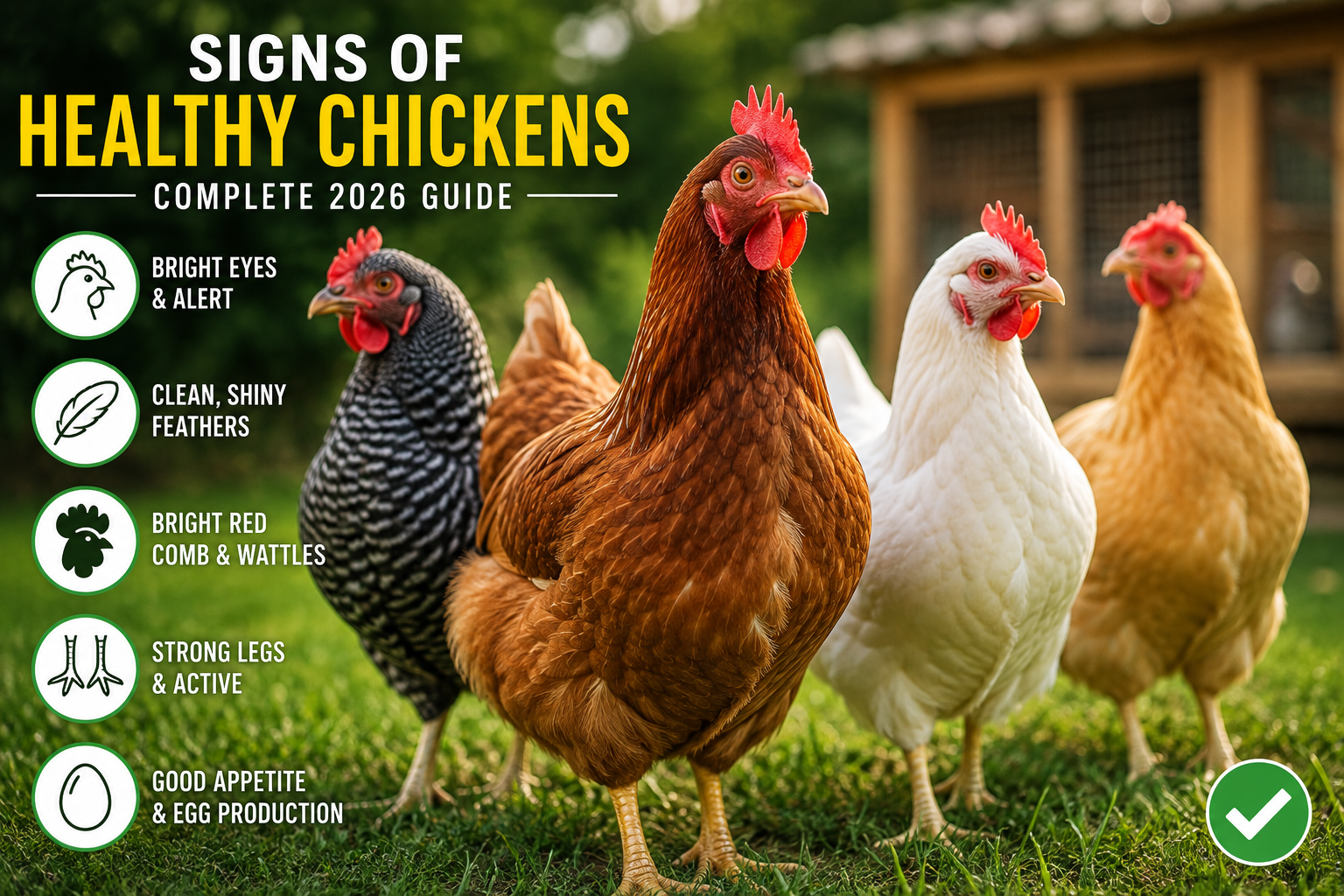
    One of the easiest Signs of Healthy Chickens is bright, clear eyes. Healthy birds should not have swelling, discharge, or cloudy vision.

    Also check:

    • Clean nostrils
    • Smooth comb
    • No mucus around the beak

    Smooth and Shiny Feathers

    Healthy birds keep their feathers clean and glossy. Although molting happens naturally, feathers should not appear dirty or excessively damaged.

    Healthy backyard chickens usually groom themselves several times each day.


    Active and Alert Behavior

    Healthy chicken behavior includes:

    • Walking confidently
    • Scratching for food
    • Dust bathing
    • Social interaction
    • Quick response to sounds

    However, birds that stay isolated or appear sleepy may need closer observation.


    Physical Signs of Healthy Chickens

    Bright Red Comb and Wattles

    The comb and wattles should have good color. For most laying hens, they appear bright red and warm.

    Pale combs may indicate:

    • Illness
    • Parasites
    • Poor nutrition
    • Reduced egg laying

    Healthy Legs and Feet

    Strong legs allow chickens to move comfortably.

    Look for:

    • Straight toes
    • No swelling
    • Smooth scales
    • Steady walking

    This simple chicken health checklist helps detect problems early.


    Healthy Weight

    Pick up your chicken occasionally.

    Healthy birds should:

    • Feel firm
    • Have good muscle around the breast
    • Avoid being overly thin or overweight

    Balanced nutrition supports healthy growth throughout every season.


    Types of Chicken Health Checks

    Daily Health Check

    Every day, observe:

    • Appetite
    • Activity
    • Water intake
    • Droppings
    • Walking

    These basic checks reveal many Signs of Healthy Chickens before illness becomes serious.


    Weekly Physical Inspection

    Once each week:

    • Examine feathers
    • Check skin
    • Inspect legs
    • Look for mites
    • Feel body condition

    Additionally, record any unusual changes to monitor long-term health.


    Seasonal Health Review

    Every season, review:

    • Vaccination schedule
    • Coop cleanliness
    • Parasite control
    • Nutrition changes

    As weather changes, poultry health signs may also change.


    Buying Healthy Chickens: What to Look For

    If purchasing new birds, inspect them carefully.

    Choose chickens that have:

    • Bright eyes
    • Smooth feathers
    • Clean vents
    • Strong legs
    • Active movement
    • Healthy appetite

    Avoid birds showing coughing, sneezing, limping, or dirty feathers.


    Common Mistakes to Avoid

    Many beginners accidentally overlook important warning signs.

    Avoid these mistakes:

    • Ignoring reduced appetite
    • Overcrowding the coop
    • Poor ventilation
    • Dirty drinking water
    • Feeding low-quality feed
    • Skipping routine inspections

    However, consistent observation greatly reduces these risks.


    Chicken Care Tips for a Healthy Flock

    Maintaining the Signs of Healthy Chickens requires daily care and good management.

    Follow these tips:

    1. Provide fresh water every day.
    2. Feed balanced poultry nutrition.
    3. Clean the coop regularly.
    4. Allow dust bathing.
    5. Keep bedding dry.
    6. Protect birds from predators.
    7. Monitor egg production.
    8. Quarantine new chickens before introducing them.

    Additionally, schedule routine health checks throughout the year.


    Conclusion

    Learning the Signs of Healthy Chickens is essential for every flock owner in 2026. Healthy birds remain active, maintain clean feathers, eat well, and produce quality eggs. Additionally, regular inspections help identify problems before they spread. By following proper nutrition, hygiene, and daily observation, you can enjoy a productive and thriving flock. Start applying these Signs of Healthy Chickens today and keep your poultry healthy all year long.