Author: kinzapadhyair@gmail.com

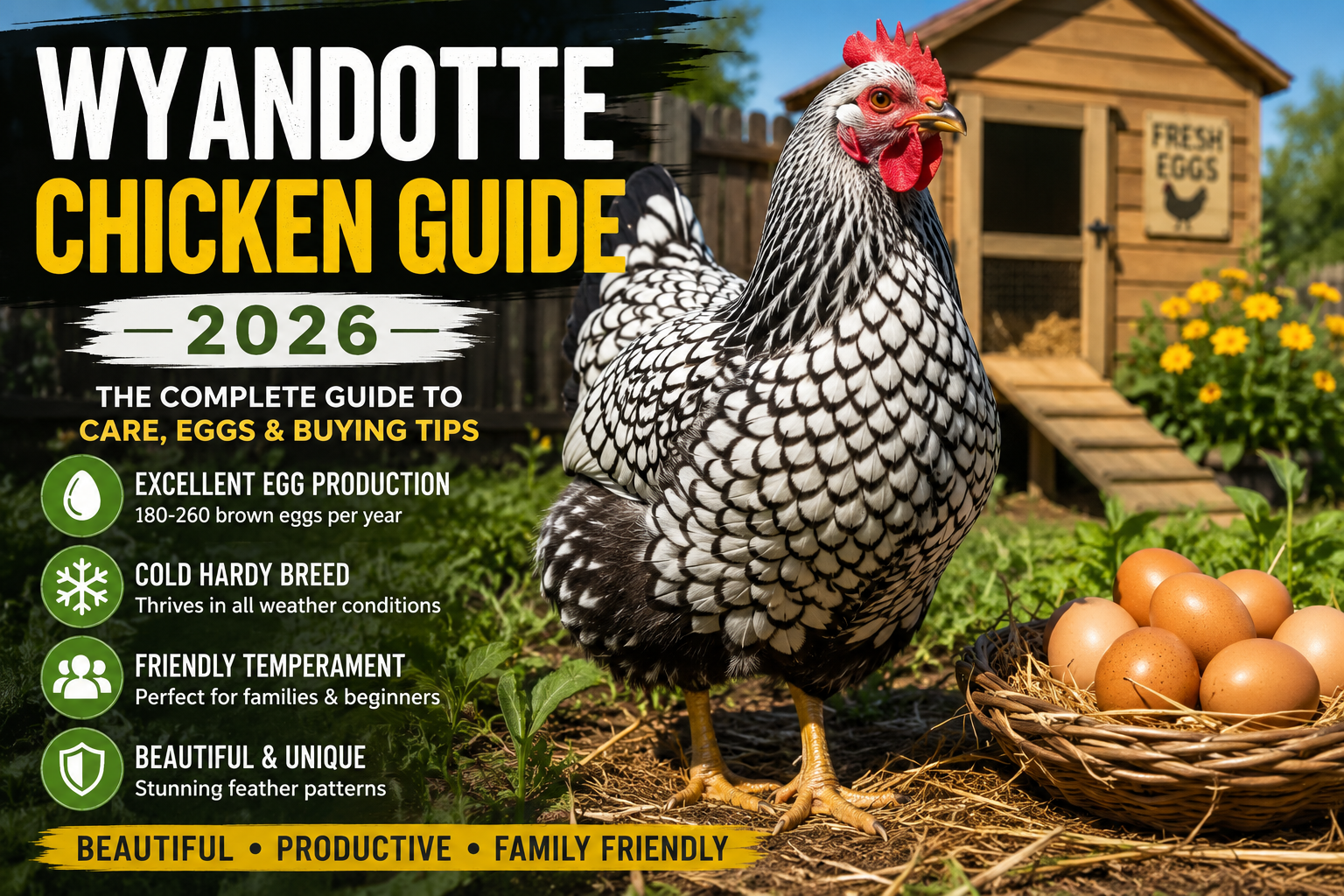
  • Wyandotte Chicken Guide 2026: Ultimate Care, Eggs & Buying Tips

    Wyandotte Chicken Guide 2026: Ultimate Care, Eggs & Buying Tips

    Wyandotte Chicken Guide 2026: Everything You Need to Know

    If you’re looking for a beautiful, friendly, and productive backyard chicken, this Wyandotte Chicken Guide is the perfect place to start. In 2026, Wyandotte chickens remain one of the most popular breeds among poultry keepers in the United States and around the world. They combine stunning feather patterns, reliable egg production, and excellent cold-weather hardiness.

    Whether you’re a beginner or an experienced chicken owner, this Wyandotte Chicken Guide explains everything you need to know before adding these birds to your flock.


    Why the Wyandotte Chicken Guide Matters

    Choosing the right breed makes chicken keeping easier and more rewarding. Wyandottes are known for balancing beauty with productivity.

    Benefits include:

    • Excellent egg production
    • Calm and friendly personality
    • Beautiful feather colors
    • Strong winter hardiness
    • Great dual-purpose breed for eggs and meat
    • Suitable for families and beginners

    Additionally, their rose comb helps protect them from frostbite during harsh winters. As a result, they perform better than many single-comb breeds in cold climates.


    Key Features of the Wyandotte Chicken Guide

    Beautiful Feather Patterns

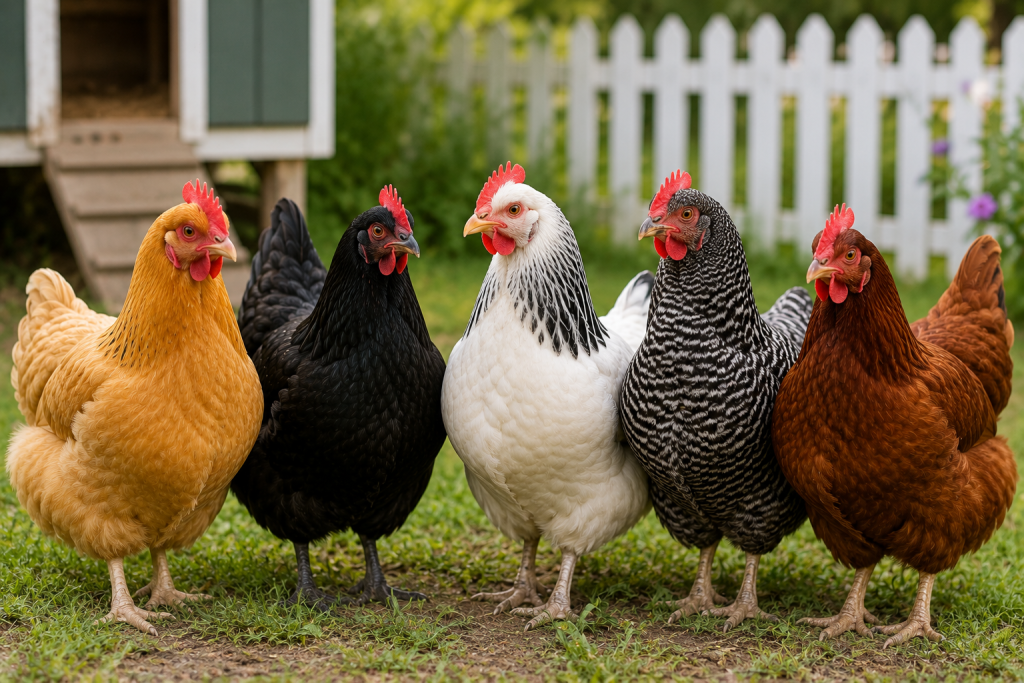
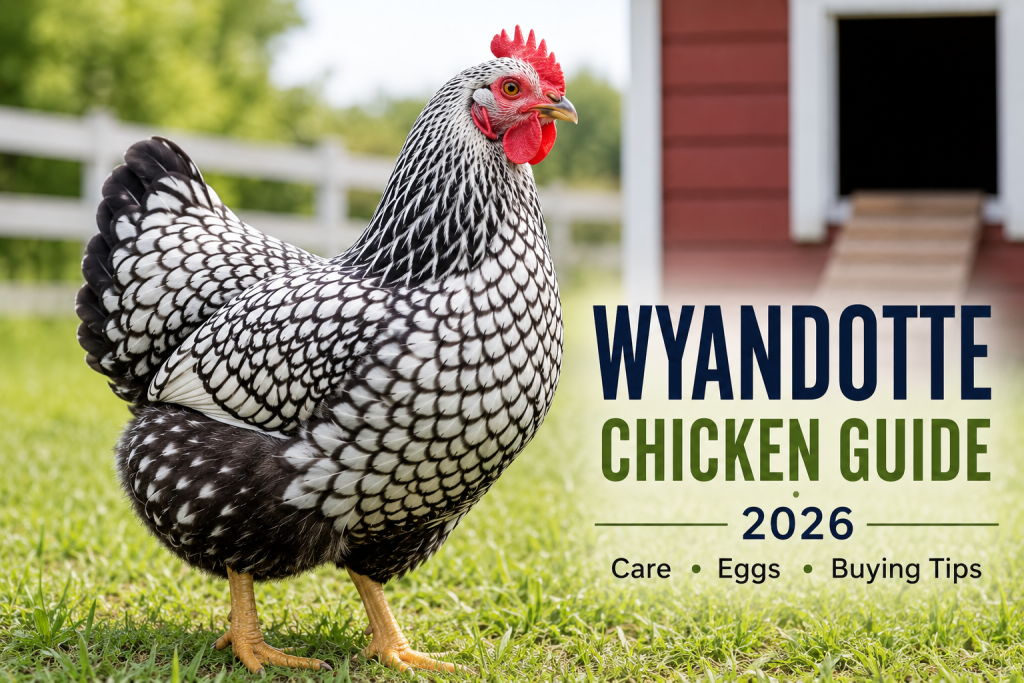
    One reason people love Wyandottes is their appearance. The famous Silver Laced Wyandotte features striking black-and-white feathers that stand out in any flock.

    Other popular varieties include:

    • Golden Laced
    • Blue Laced Red
    • White
    • Black
    • Buff
    • Columbian
    • Partridge

    Excellent Egg Production

    According to every reliable Wyandotte Chicken Guide, hens typically lay:

    • 180–260 brown eggs each year
    • Medium to large eggs
    • Consistent production throughout much of the year

    Additionally, they continue laying well during winter when many breeds slow down.


    Friendly Temperament

    Wyandottes are calm without being overly dependent on people. They usually get along with other chickens and enjoy free-ranging.

    Their temperament makes them ideal for:

    • Families with children
    • First-time chicken keepers
    • Small backyard flocks
    • Hobby farms

    Types of Wyandotte Chickens

    Silver Laced Wyandotte

    The most recognizable variety features brilliant white feathers edged in black. It remains one of the world’s most photographed chicken breeds.


    Golden Laced Wyandotte

    This variety replaces white feathers with rich golden coloring while keeping the attractive black edging.


    Blue Laced Red Wyandotte

    Many poultry enthusiasts choose this premium variety because of its unique blue lacing over deep red feathers.


    White and Buff Wyandottes

    These birds offer a cleaner appearance while maintaining the breed’s excellent egg production and friendly personality.


    Buying Guide for Wyandotte Chickens

    Before purchasing birds, compare breeders carefully.

    Consider these factors:

    Buy From Reputable Hatcheries

    Healthy chicks grow into productive hens. Therefore, purchase birds from breeders with strong customer reviews and disease-tested flocks.

    Check Breed Standards

    Healthy Wyandottes should have:

    • Rose comb
    • Yellow legs
    • Broad body
    • Bright eyes
    • Clean feathers

    Decide Between Chicks or Pullets

    Chicks cost less but require more care.

    Pullets cost more; however, they begin laying eggs much sooner.


    Common Mistakes to Avoid

    Many beginners make simple mistakes that reduce flock performance.

    Avoid these problems:

    • Buying from unknown sellers
    • Overcrowding the coop
    • Feeding poor-quality feed
    • Ignoring parasite prevention
    • Skipping health inspections
    • Mixing aggressive breeds without supervision

    Additionally, avoid selecting birds based only on appearance. Good health is always more important than feather color.

    Wyandotte Chicken Care Tips

    A complete Wyandotte Chicken Guide should also explain daily care.

    Housing

    Provide:

    • 4 square feet per bird inside the coop
    • 8–10 square feet outdoors
    • Good ventilation
    • Dry bedding
    • Predator protection

    Feeding

    Offer:

    • High-quality layer feed
    • Fresh vegetables
    • Calcium supplements
    • Constant clean water

    Additionally, occasional mealworms make an excellent protein-rich treat.


    Health Care

    Monitor birds regularly for:

    • Mites
    • Lice
    • Worms
    • Respiratory illness
    • Foot injuries

    Routine cleaning helps prevent many common diseases.


    Winter Care

    Wyandottes tolerate cold weather extremely well.

    Even so, you should:

    • Keep bedding dry
    • Prevent drafts
    • Supply fresh unfrozen water
    • Increase calories during severe cold

    Proper winter care helps maintain steady Wyandotte chicken eggs production.


    Is the Wyandotte Right for You?

    If you want a breed that combines beauty, dependable egg laying, and easy management, Wyandottes deserve serious consideration. Their calm personality and adaptability make them one of the best backyard chicken breeds available today.

    Whether you raise chickens for fresh eggs, family enjoyment, or exhibition, this Wyandotte Chicken Guide shows why these birds continue to rank among America’s favorite poultry breeds.


    Frequently Asked Questions (FAQs)

    1. Are Wyandotte chickens good for beginners?

    Yes. Wyandotte chickens are an excellent choice for beginners because they are calm, hardy, easy to care for, and reliable egg layers.

    2. How many eggs do Wyandotte chickens lay each year?

    A healthy Wyandotte hen typically lays 180–260 medium to large brown eggs per year, depending on diet, age, and living conditions.

    3. At what age do Wyandotte hens start laying eggs?

    Most Wyandotte hens begin laying eggs between 20 and 24 weeks of age.

    4. Are Wyandotte chickens friendly?

    Yes. Wyandotte chickens are known for their calm and friendly temperament. They generally get along well with other chickens and are suitable for family backyard flocks.

    5. Can Wyandotte chickens survive cold weather?

    Absolutely. Their rose comb and dense feathers make them one of the best cold-hardy chicken breeds, allowing them to thrive in winter climates.

    6. Do Wyandotte chickens go broody?

    Some Wyandotte hens become broody, but they are not considered one of the most consistently broody breeds.

    7. How much space do Wyandotte chickens need?

    Provide at least 4 square feet per bird inside the coop and 8–10 square feet per bird in the outdoor run for healthy growth and comfort.

    8. What do Wyandotte chickens eat?

    They thrive on a balanced layer feed, fresh vegetables, grains, clean water, calcium supplements, and occasional protein-rich treats like mealworms.

    9. What is the lifespan of a Wyandotte chicken?

    With proper care, Wyandotte chickens typically live 6–12 years, although many backyard birds can live even longer.

    10. Are Wyandotte chickens good for meat and eggs?

    Yes. Wyandottes are considered a dual-purpose breed, valued for both dependable brown egg production and quality meat.

    11. Which Wyandotte variety is the most popular?

    The Silver Laced Wyandotte is the most popular variety because of its striking black-and-white feather pattern and excellent productivity.

    12. Are Wyandotte chickens noisy?

    No. Wyandotte chickens are generally quieter than many other breeds, making them a good choice for suburban and backyard flocks.

    Conclusion

    This Wyandotte Chicken Guide highlights why the breed remains a top choice in 2026. From attractive feather patterns to reliable egg production and excellent cold tolerance, Wyandottes deliver outstanding value for backyard flocks. If you’re planning to expand your coop, consider adding this remarkable breed and enjoy years of fresh eggs and friendly companionship. Start with healthy birds, follow proper care practices, and you’ll quickly see why Wyandottes continue to win the hearts of chicken keepers worldwide.
  • Sussex Chicken Guide: Complete Breed Guide 2026

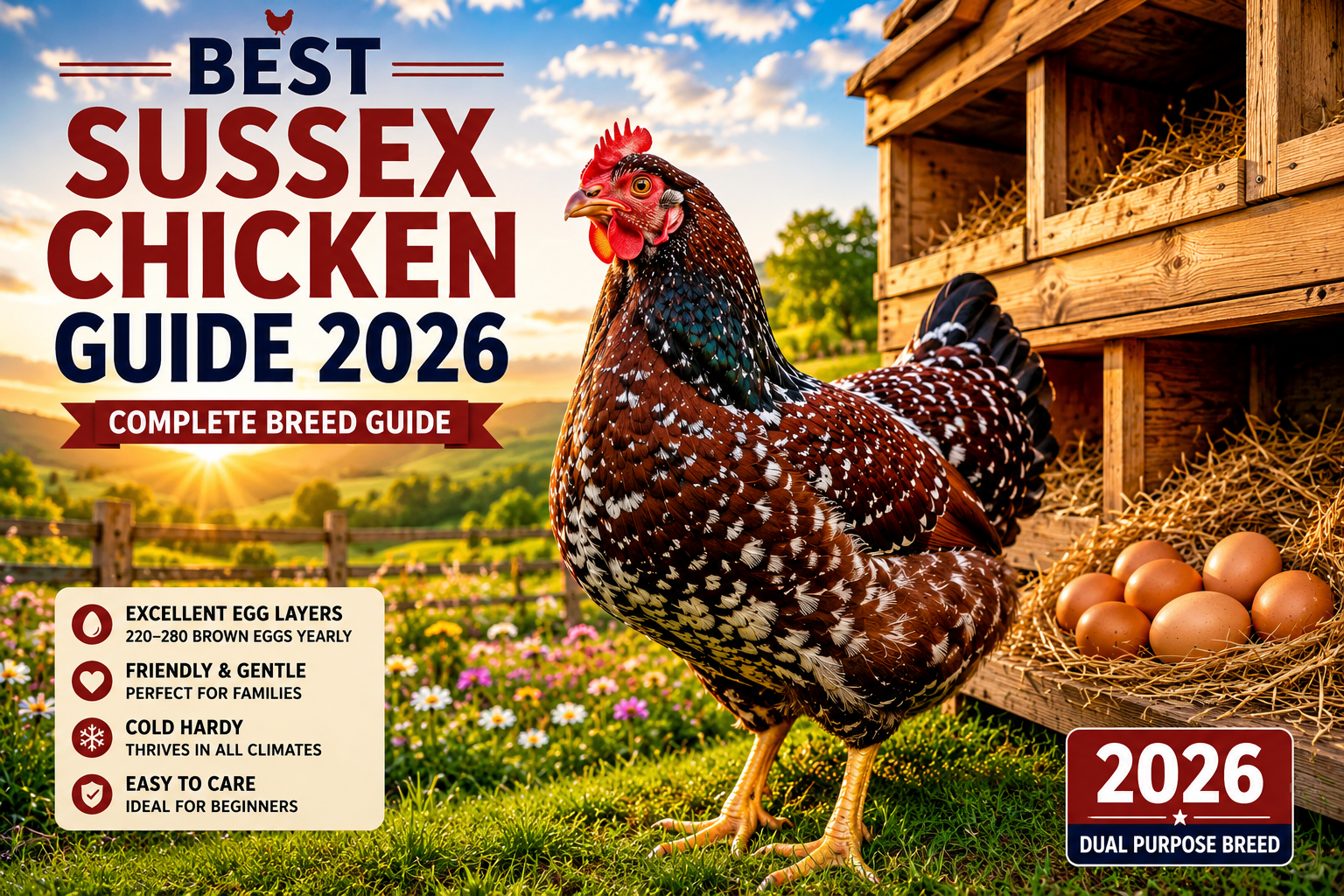
    Sussex Chicken Guide: Complete Breed Guide 2026

    Sussex Chicken Guide: Everything You Need to Know in 2026

    If you’re searching for the ultimate Sussex Chicken Guide, you’ve come to the right place. In 2026, Sussex chickens remain one of the world’s most popular backyard poultry breeds because they combine excellent egg production with friendly personalities. Whether you’re a beginner in the United States or an experienced poultry keeper anywhere else, this guide explains everything you need to know before adding Sussex chickens to your flock.

    Additionally, Sussex chickens adapt well to different climates, making them an ideal choice for small farms and backyard coops alike.


    Why the Sussex Chicken Guide Matters

    The Sussex Chicken Guide helps new and experienced keepers understand why this historic British breed continues to grow in popularity.

    Some of the biggest benefits include:

    • Excellent brown egg production
    • Calm and friendly temperament
    • Great for families with children
    • Strong cold-weather tolerance
    • Reliable dual-purpose chicken breed
    • Easy to care for and beginner-friendly

    As a result, Sussex chickens consistently rank among the best backyard chicken breeds worldwide.


    Key Features of the Sussex Chicken Guide

    Friendly Personality

    One reason many people love the Sussex Chicken Guide recommendations is the breed’s gentle behavior.

    Sussex chickens enjoy human interaction. Additionally, they usually get along well with other breeds, making them excellent additions to mixed flocks.

    Excellent Egg Production

    One of the biggest advantages of Sussex chicken egg production is consistency.

    Most hens lay:

    • 220–280 large brown eggs annually
    • Eggs throughout winter
    • Large, high-quality eggs

    Therefore, families who want dependable egg production often choose Sussex chickens.

    Beautiful Appearance

    Sussex chickens are known for their attractive feathers and elegant body shape.

    Popular Sussex chicken varieties include:

    • Speckled Sussex
    • Light Sussex
    • Buff Sussex
    • Red Sussex
    • White Sussex
    • Silver Sussex

    Each variety has unique feather colors while sharing the same friendly personality.


    Types of Sussex Chicken Guide: Popular Varieties

    Speckled Sussex

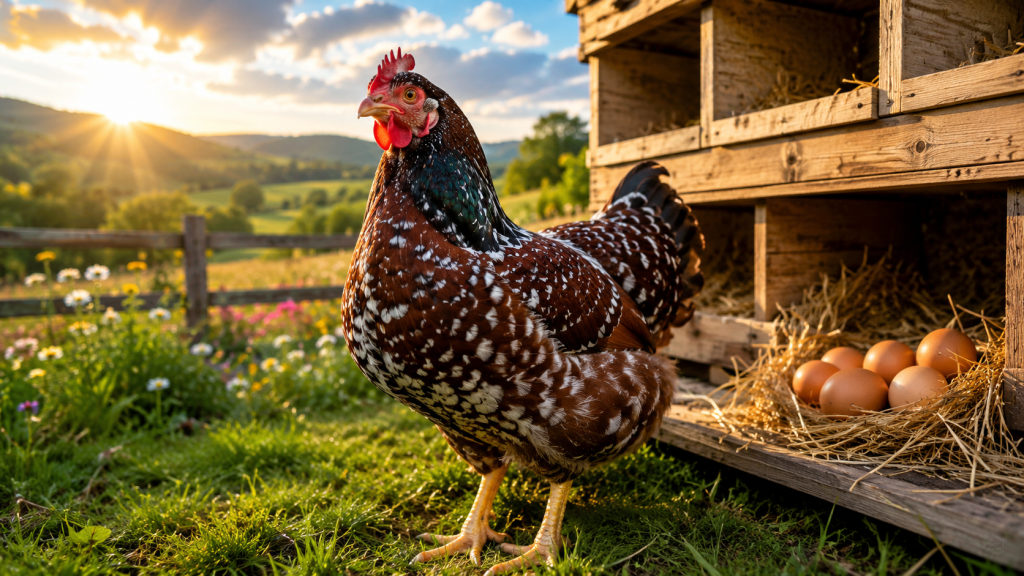
    The Speckled Sussex is the most recognizable variety.

    It features:

    • Mahogany feathers
    • White feather tips
    • Green-black sheen
    • Calm personality

    Additionally, many backyard keepers consider it the prettiest Sussex variety.

    Light Sussex

    Light Sussex birds feature white feathers with black neck hackles and tail feathers.

    This variety is especially popular for:

    • Egg production
    • Meat quality
    • Cold climates

    Buff Sussex

    Buff Sussex chickens display beautiful golden feathers.

    They are:

    • Friendly
    • Quiet
    • Excellent family birds

    Buying Guide for Sussex Chickens

    Following this Sussex Chicken Guide can help you purchase healthy birds.

    Before buying, consider:

    Choose a Reputable Breeder

    Purchase from breeders with healthy breeding programs and good customer reviews.

    Inspect Bird Health

    Look for:

    • Bright eyes
    • Clean feathers
    • Active movement
    • Healthy comb
    • Strong legs

    Consider Your Goals

    Ask yourself:

    1. Do you want eggs?
    2. Do you want meat?
    3. Do you want friendly pets?
    4. Do you want exhibition birds?

    Knowing your goals makes choosing the right Sussex variety much easier.


    Common Mistakes to Avoid

    Even experienced poultry keepers sometimes make avoidable mistakes.

    Avoid these common problems:

    • Buying unhealthy chicks
    • Overcrowding the coop
    • Feeding low-quality feed
    • Ignoring parasite prevention
    • Skipping regular health checks

    However, proper management keeps Sussex chickens healthy and productive.


    Sussex Chicken Care Tips

    Good Sussex chicken care ensures a happy flock.

    Housing

    Provide:

    • Dry bedding
    • Proper ventilation
    • Predator-proof fencing
    • Comfortable nesting boxes

    Feeding

    Feed a balanced layer ration.

    Additionally, provide:

    • Fresh water daily
    • Calcium supplements
    • Grit
    • Occasional healthy treats

    Health Care

    Maintain flock health by:

    • Cleaning the coop regularly
    • Watching for mites and lice
    • Vaccinating where recommended
    • Providing regular veterinary care when needed

    As a result, your birds can remain productive for many years.


    Is the Sussex Chicken Right for You?

    The Sussex Chicken Guide recommends this breed for nearly every type of poultry keeper.

    Choose Sussex chickens if you want:

    • Friendly birds
    • Reliable egg production
    • Attractive feather colors
    • Excellent cold tolerance
    • Easy maintenance
    • A dependable dual purpose chicken breed

    Because they combine beauty, productivity, and calm behavior, Sussex chickens continue to be one of the best choices in 2026.


    Conclusion

    This Sussex Chicken Guide shows why Sussex chickens remain one of the top backyard breeds in 2026. They offer dependable egg production, gentle personalities, beautiful plumage, and simple care requirements. Whether you’re starting your first flock or expanding an existing one, Sussex chickens deliver outstanding value for families and hobby farmers alike.

    Ready to build your flock? Explore more poultry guides, compare popular breeds, and choose the Sussex chicken that best fits your needs.

  • Orpington Chicken Guide 2026: Care, Eggs & Breed Facts

    Orpington Chicken Guide 2026: Care, Eggs & Breed Facts

    Orpington Chicken Guide 2026: Everything You Need to Know

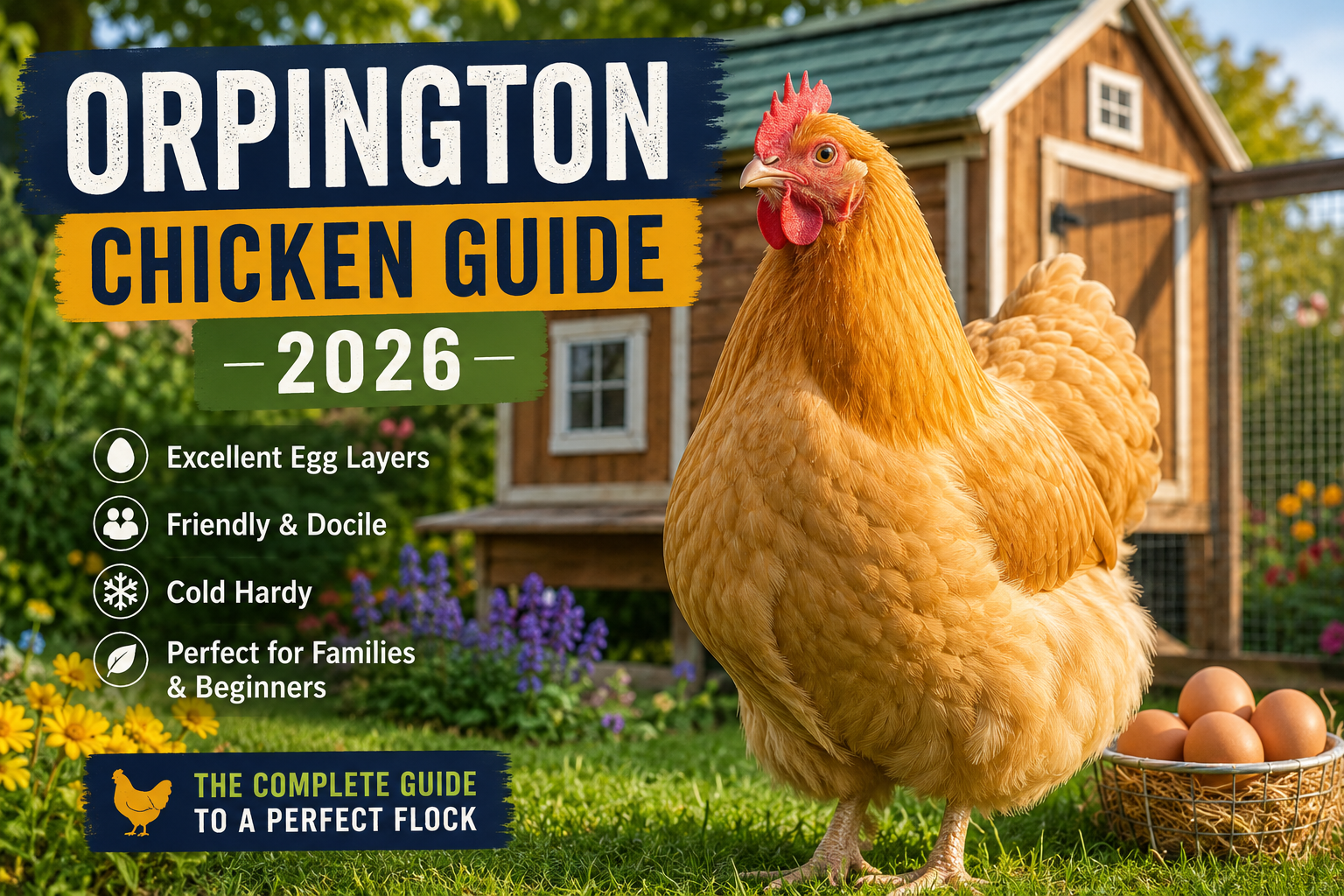
    If you’re looking for a friendly, productive, and beautiful backyard chicken, this Orpington Chicken Guide will help you make the right choice in 2026. Across the United States and many other countries, Orpington chickens remain one of the most popular breeds because they combine excellent egg production with a calm personality.

    Whether you’re a beginner or an experienced poultry keeper, this Orpington Chicken Guide explains everything from choosing the right bird to providing proper care. Additionally, you’ll learn how these birds compare with other popular backyard chicken breeds.


    Why the Orpington Chicken Guide Matters

    Orpington chickens continue to grow in popularity because they offer many advantages for families and hobby farmers.

    Some of their biggest benefits include:

    • Excellent egg production
    • Friendly temperament
    • Great with children
    • Cold-hardy feathers
    • Attractive appearance
    • Easy to manage

    As a result, many first-time chicken owners choose Buff Orpingtons as their very first flock.


    Key Features of the Orpington Chicken Guide

    Friendly Personality

    One reason every Orpington Chicken Guide recommends this breed is its calm nature.

    These birds enjoy human interaction and rarely become aggressive. Therefore, they fit perfectly into family backyards.


    Excellent Egg Production

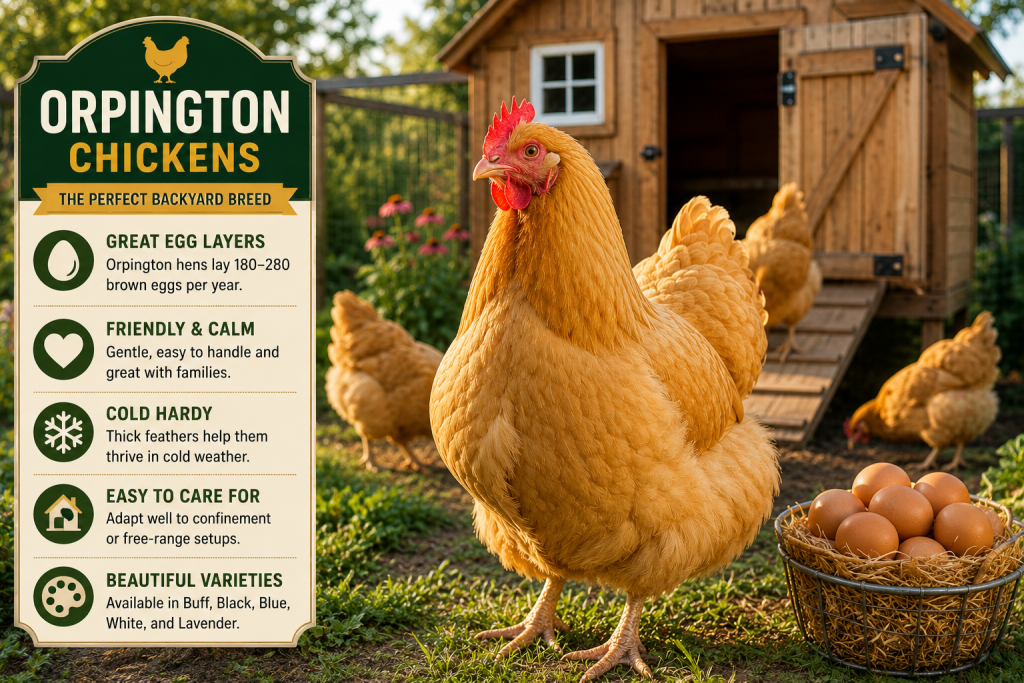
    When discussing Orpington egg production, most healthy hens lay around:

    • 180–280 light brown eggs annually
    • 4–5 eggs each week
    • Consistent laying during cooler months

    Additionally, proper nutrition and clean housing help maintain steady production.


    Beautiful Appearance

    Orpington chickens come in several recognized colors, including:

    • Buff
    • Black
    • Blue
    • White
    • Lavender (popular but less common)

    Their fluffy feathers make them one of the most attractive poultry breeds available today.


    Types of Orpington Chickens

    Buff Orpington Chickens

    The Buff variety remains the world’s most famous Orpington.

    They feature golden feathers, gentle personalities, and reliable egg production. Therefore, most beginners start with Buff Orpington chickens.


    Black Orpington

    Black Orpingtons have glossy black feathers with a green shine under sunlight.

    Additionally, they tolerate cold climates extremely well.


    Blue and Lavender Orpington

    These rare color varieties attract poultry enthusiasts.

    Although they usually cost more, they provide the same friendly temperament and productive nature.


    Buying Guide

    Choosing healthy birds is important.

    Before purchasing, look for:

    • Bright eyes
    • Clean nostrils
    • Smooth feathers
    • Strong legs
    • Active behavior
    • Clean vent area

    Additionally, purchase from reputable breeders or certified hatcheries.


    Common Mistakes to Avoid

    Many beginners make simple mistakes that reduce flock health.

    Avoid these problems:

    1. Overcrowding the coop
    2. Feeding poor-quality feed
    3. Ignoring parasite prevention
    4. Allowing wet bedding
    5. Providing too little ventilation

    However, correcting these issues greatly improves bird health and egg production.


    Orpington Chicken Care Tips

    Proper Orpington chicken care keeps your flock healthy throughout the year.

    Provide Quality Nutrition

    Offer a balanced layer feed containing enough protein and calcium.

    Additionally, provide clean water every day.

    Keep the Coop Clean

    Remove dirty bedding weekly.

    As a result, you’ll reduce disease and unpleasant odors.

    Give Plenty of Space

    Experts recommend:

    • 4 square feet inside the coop per bird
    • 8–10 square feet outside

    This helps reduce stress and feather pecking.

    Perform Health Checks

    Inspect birds weekly for:

    • Mites
    • Lice
    • Injuries
    • Weight loss
    • Changes in egg production

    Early detection prevents larger problems.


    Is an Orpington Chicken Right for You?

    If you want a calm, productive breed, Orpingtons remain one of the best choices in 2026.

    They are ideal for:

    • Families
    • Beginner chicken keepers
    • Small farms
    • Backyard flocks
    • Educational homesteads

    Additionally, they adapt well to both warm and cool climates when given proper shelter.


    Conclusion

    This Orpington Chicken Guide shows why this remarkable breed continues to rank among the world’s favorite backyard chickens in 2026. From their friendly temperament and dependable egg production to their beautiful appearance, Orpingtons offer outstanding value for beginners and experienced poultry owners alike.

    If you’re planning to build or expand your flock, use this Orpington Chicken Guide to choose healthy birds, provide excellent care, and enjoy years of fresh eggs and companionship. Don’t forget to explore our other poultry guides for more expert tips and breed comparisons.

  • Leghorn Chicken Guide 2026: Care, Eggs & Breed Facts

    Leghorn Chicken Guide 2026: Care, Eggs & Breed Facts

    Leghorn Chicken Guide 2026: Everything You Need to Know

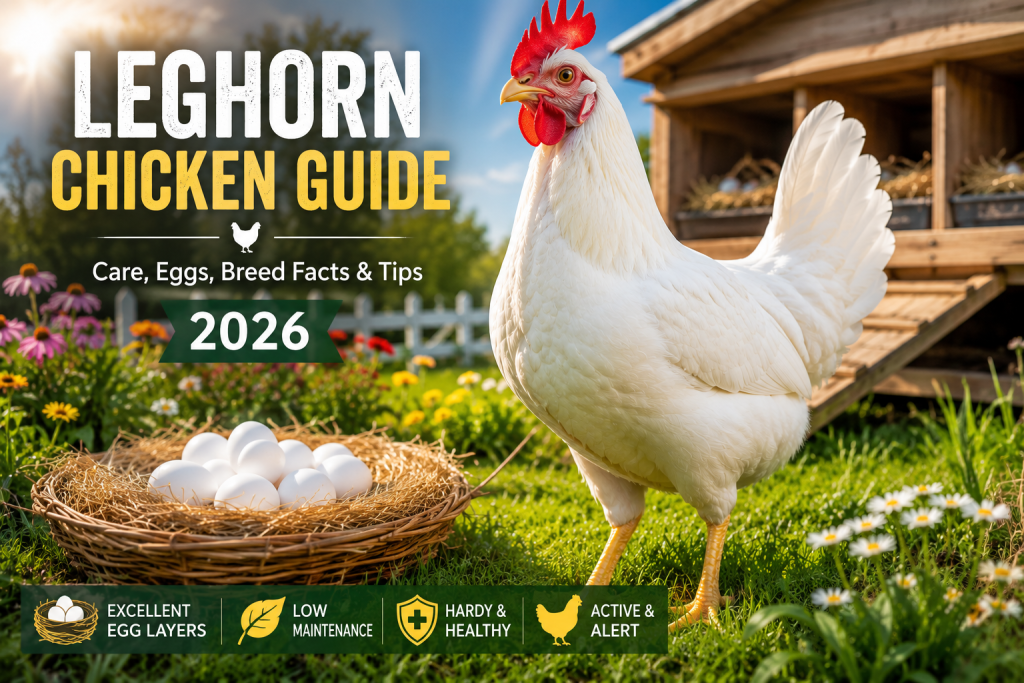
    If you’re looking for one of the world’s best egg-laying breeds, this Leghorn Chicken Guide is the perfect place to start. In 2026, backyard chicken keeping continues to grow across the United States and many other countries. As a result, more families and small farmers are choosing Leghorn chickens because they produce plenty of eggs while requiring relatively low maintenance.

    Whether you’re a beginner or an experienced poultry keeper, this guide explains everything you need to know before bringing Leghorns home.


    Why This Leghorn Chicken Guide Matters

    Leghorn chickens have earned a strong reputation for efficiency. They convert feed into eggs better than many other breeds. Additionally, they mature quickly and stay active throughout the year.

    Main benefits include:

    • Excellent egg production
    • Lower feed costs
    • Hardy and adaptable
    • Great for backyard flocks
    • Friendly for experienced poultry keepers

    Because of these advantages, White Leghorn chickens remain one of the most popular commercial egg-laying breeds worldwide.


    Leghorn Chicken Guide: Key Features

    Outstanding Egg Production

    The biggest reason people choose Leghorns is egg production.

    Healthy hens can lay:

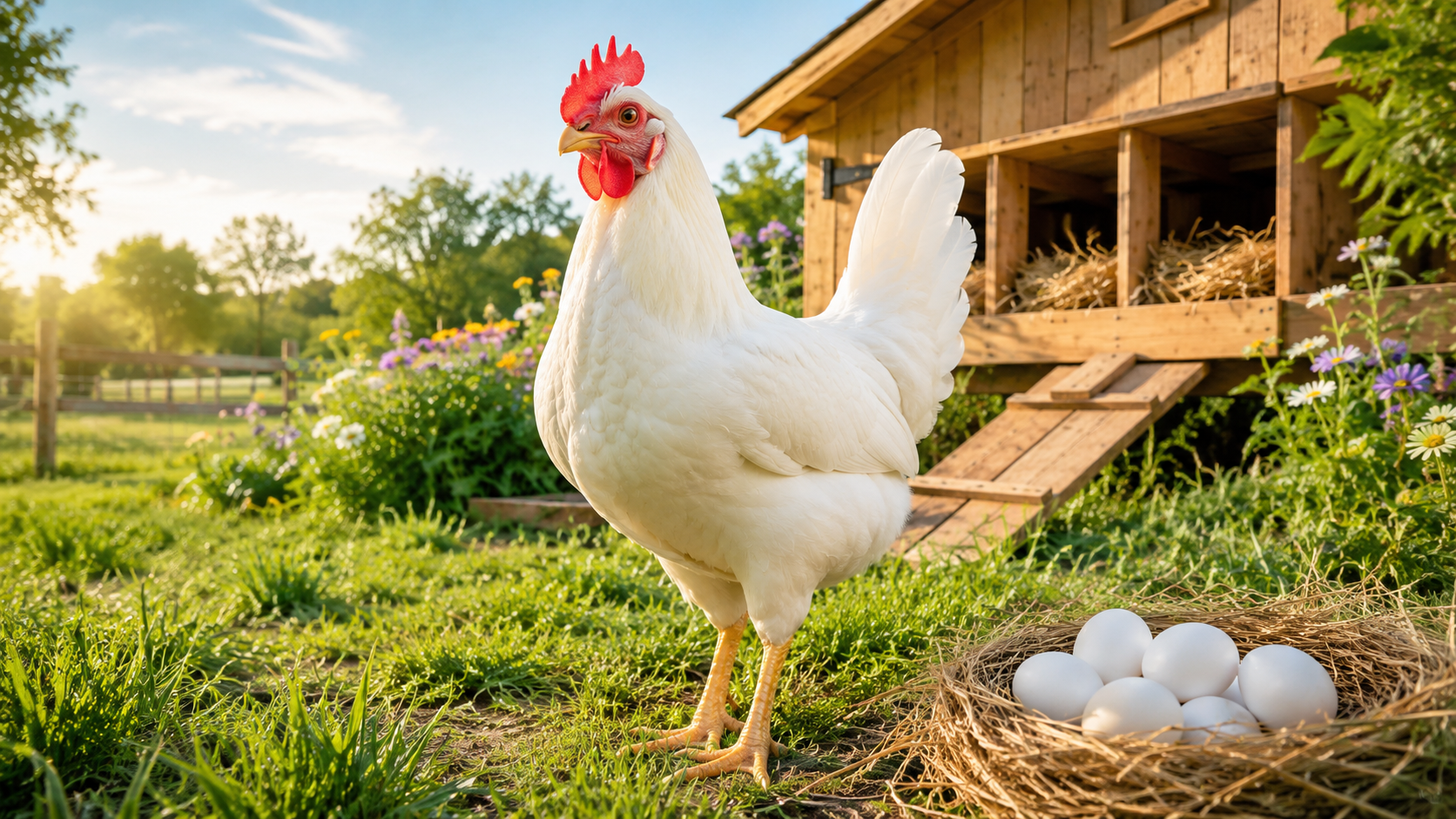
    • 280–320 white eggs annually
    • Large white eggs
    • Eggs starting around 18–20 weeks of age

    As a result, they rank among the best egg laying chickens available today.


    Active Personality

    Leghorns love exploring.

    They:

    • Enjoy free-ranging
    • Stay alert around predators
    • Fly better than many heavy breeds
    • Need plenty of exercise

    However, they usually dislike excessive handling compared to calmer breeds.


    Appearance

    Most people recognize the White Leghorn, but several color varieties also exist.

    Common features include:

    • Bright red comb
    • White earlobes
    • Yellow legs
    • Lightweight body
    • Large single comb

    Roosters typically weigh around 6 pounds, while hens average about 4–5 pounds.


    Types of Leghorn Chickens

    White Leghorn

    The White Leghorn remains the most common variety.

    It offers:

    • Highest egg production
    • Excellent feed efficiency
    • Strong commercial use

    Brown Leghorn

    Brown Leghorns feature beautiful feather patterns.

    They are:

    • Excellent layers
    • Very active
    • Popular among hobby farmers

    Other Color Varieties

    Depending on your country, you may also find:

    • Black
    • Buff
    • Silver
    • Golden Duckwing

    These varieties share many of the same productive traits.


    Buying Guide

    Choosing healthy birds makes a huge difference.

    Before purchasing Leghorns, consider these factors.

    1. Buy From Reputable Hatcheries

    Choose breeders with strong health records.

    Ask about:

    • Vaccination history
    • Hatch dates
    • Breed purity

    2. Check Bird Health

    Healthy Leghorns should have:

    • Bright eyes
    • Smooth feathers
    • Clean vents
    • Strong legs
    • Active behavior

    Avoid birds that appear weak or unusually quiet.


    3. Consider Your Climate

    Leghorns tolerate heat well.

    However, their large combs may suffer frostbite during extremely cold winters. Therefore, extra winter protection helps in colder regions.


    Common Mistakes to Avoid

    Many first-time owners make avoidable mistakes.

    Don’t:

    • Overcrowd the coop
    • Ignore predator protection
    • Feed poor-quality feed
    • Skip regular health checks
    • Expect cuddly behavior

    Leghorns are naturally energetic. Therefore, don’t mistake their independence for aggression.


    Leghorn Chicken Care Tips

    Proper Leghorn chicken care keeps your flock healthy and productive.

    Provide Balanced Nutrition

    Feed quality layer pellets with:

    • Calcium
    • Protein
    • Fresh vegetables
    • Clean water

    Additionally, offer oyster shells to strengthen eggshells.


    Keep the Coop Clean

    Clean coops reduce disease risk.

    Remember to:

    • Replace bedding regularly
    • Improve ventilation
    • Remove wet litter
    • Disinfect feeders

    Allow Daily Exercise

    Free-ranging improves physical health.

    If free-ranging isn’t possible, provide a spacious run with enrichment activities.


    Monitor Health

    Watch for:

    • Weight loss
    • Parasites
    • Limping
    • Reduced egg production

    Early treatment usually prevents serious problems.


    Is the Leghorn Right for You?

    The Leghorn Chicken Guide wouldn’t be complete without helping you decide.

    Choose Leghorns if you want:

    • Maximum egg production
    • Lower feeding costs
    • Active birds
    • Efficient backyard layers

    Consider another breed if you prefer chickens that enjoy frequent handling or make ideal family pets.


    FAQ – Leghorn Chicken Guide

    1. What makes the Leghorn Chicken Guide useful for beginners?

    This Leghorn Chicken Guide helps beginners understand the breed’s personality, egg production, care needs, feeding, and housing requirements. It provides practical tips to start raising healthy Leghorn chickens with confidence.

    2. How many eggs do Leghorn chickens lay each year?

    Healthy Leghorn hens typically lay 280–320 large white eggs annually. They are widely considered one of the world’s best egg-laying chicken breeds.

    3. Are Leghorn chickens good for backyard flocks?

    Yes. According to this Leghorn Chicken Guide, Leghorns are excellent backyard chickens if you want high egg production and active birds. However, they prefer exploring over being handled frequently.

    4. What should I feed Leghorn chickens?

    A balanced diet should include quality layer feed, fresh water, calcium supplements, and occasional vegetables. Proper nutrition keeps your flock healthy and supports consistent egg production.

    5. Do Leghorn chickens need special care during winter?

    Yes. Although Leghorns are hardy, their large combs can be vulnerable to frostbite in freezing temperatures. Providing a dry, draft-free coop helps protect them during winter.

    6. Is this Leghorn Chicken Guide suitable for commercial and backyard farmers?

    Absolutely. This Leghorn Chicken Guide is designed for both backyard poultry keepers and commercial egg producers looking to maximize egg production and maintain healthy birds.

    Conclusion

    This Leghorn Chicken Guide shows why Leghorns continue to dominate backyard farms and commercial egg operations in 2026. Their incredible egg production, efficient feed conversion, and hardy nature make them an excellent investment for poultry keepers around the world. Additionally, with proper nutrition, housing, and regular care, your flock can remain productive for years.

  • Friendly Chicken Breeds for Families in 2026

    Friendly Chicken Breeds for Families in 2026

    Friendly Chicken Breeds for Families: The Complete 2026 Guide

    Raising backyard chickens has become one of the most popular family hobbies of 2026. However, not every breed is safe or suitable for young children. As a result, choosing the right friendly chicken breeds for families is the single most important decision you’ll make before bringing home your first flock.

    This guide breaks down the calmest, most affectionate breeds, along with practical tips to help your family raise happy, healthy hens.

    Why Choosing Friendly Chicken Breeds for Families Matters

    Chickens aren’t just egg machines. Additionally, they can become genuine pets that children bond with for years. Choosing calm, docile breeds reduces the risk of pecking, scratching, or stress-related aggression around kids.

    Furthermore, friendly breeds are generally easier to handle during health checks, coop cleaning, and daily care. This makes chicken keeping less stressful for beginners and children alike.

    Key Factors to Consider

    Before picking your birds, think through these factors carefully.

    Temperament

    Look for breeds specifically bred for calmness. Docile, curious hens are far safer around toddlers than flighty, high-energy breeds.

    Size and Handling

    Larger, heavier breeds tend to be calmer once mature, since they’re naturally less flighty. However, smaller bantam breeds are often easier for younger kids to hold.

    Climate Tolerance

    Some breeds handle cold winters better, while others thrive in heat. As a result, always match your breed choice to your local climate.

    Egg Production

    Most families also want reliable layers. Fortunately, many of the friendliest breeds are also excellent egg producers.

    Best Friendly Chicken Breeds for Families

    Here are the top picks trending among backyard keepers this year.

    Buff Orpington

    Widely considered the gold standard among friendly chicken breeds for families, Buff Orpingtons are gentle, fluffy, and extremely tolerant of handling. They lay 200–280 large brown eggs yearly and adapt well to both heat and cold.

    Silkies

    Silkies are famously affectionate and are often described as “lap chickens.” Their soft, fur-like feathers and calm nature make them ideal for very young children.

    Speckled Sussex

    This breed is curious, docile, and enjoys following its owners around the yard. Additionally, Speckled Sussex hens are reliable layers and cope well with cold climates.

    Easter Eggers

    Easter Eggers are friendly, colorful, and lay eye-catching blue or green eggs. Kids especially love the surprise of different egg colors each day.

    Australorp

    Known for their calm demeanor and glossy black feathers, Australorps are excellent layers and rarely show aggression, even around noisy children.

    Decision Guide: Picking the Right Breed for Your Family

    Consider these questions before ordering chicks:

    • Do you have very young children? Choose Silkies or Buff Orpingtons.
    • Do you live somewhere cold? Australorps and Speckled Sussex tolerate winter well.
    • Do you want colorful eggs? Easter Eggers are the top choice.
    • Do you need heavy egg production? Buff Orpingtons and Australorps excel here.

    Common Mistakes to Avoid

    • Skipping early handling: Chicks that aren’t handled young often grow up skittish, regardless of breed.
    • Mixing incompatible breeds: Some dominant breeds bully gentler ones in a shared coop.
    • Ignoring climate needs: Choosing a heat-sensitive breed in a cold region causes unnecessary stress.
    • Overcrowding the coop: Cramped spaces increase pecking and aggression, even among naturally friendly chicken breeds for families.

    Care and Maintenance Tips

    Consistent, gentle care builds trust between chickens and children. Handle chicks daily from hatch, offer treats by hand, and move slowly around the flock. Additionally, provide enough coop space—at least 4 square feet per bird—to minimize stress and territorial behavior.

    Regular health checks, clean bedding, and a balanced diet also keep your flock calm and content year-round.

    Conclusion

    Choosing the right friendly chicken breeds for families sets the foundation for a rewarding, kid-safe backyard flock. Whether you pick a cuddly Silkie or a productive Buff Orpington, gentle temperament should always guide your decision. Start small, handle your chicks often, and watch your family fall in love with backyard chicken keeping in 2026.

  • Cold-Hardy Chicken Breeds (2026): Best Winter-Friendly Chickens

    Cold-Hardy Chicken Breeds (2026): Best Winter-Friendly Chickens

    Cold-Hardy Chicken Breeds (2026): Best Winter-Friendly Chickens

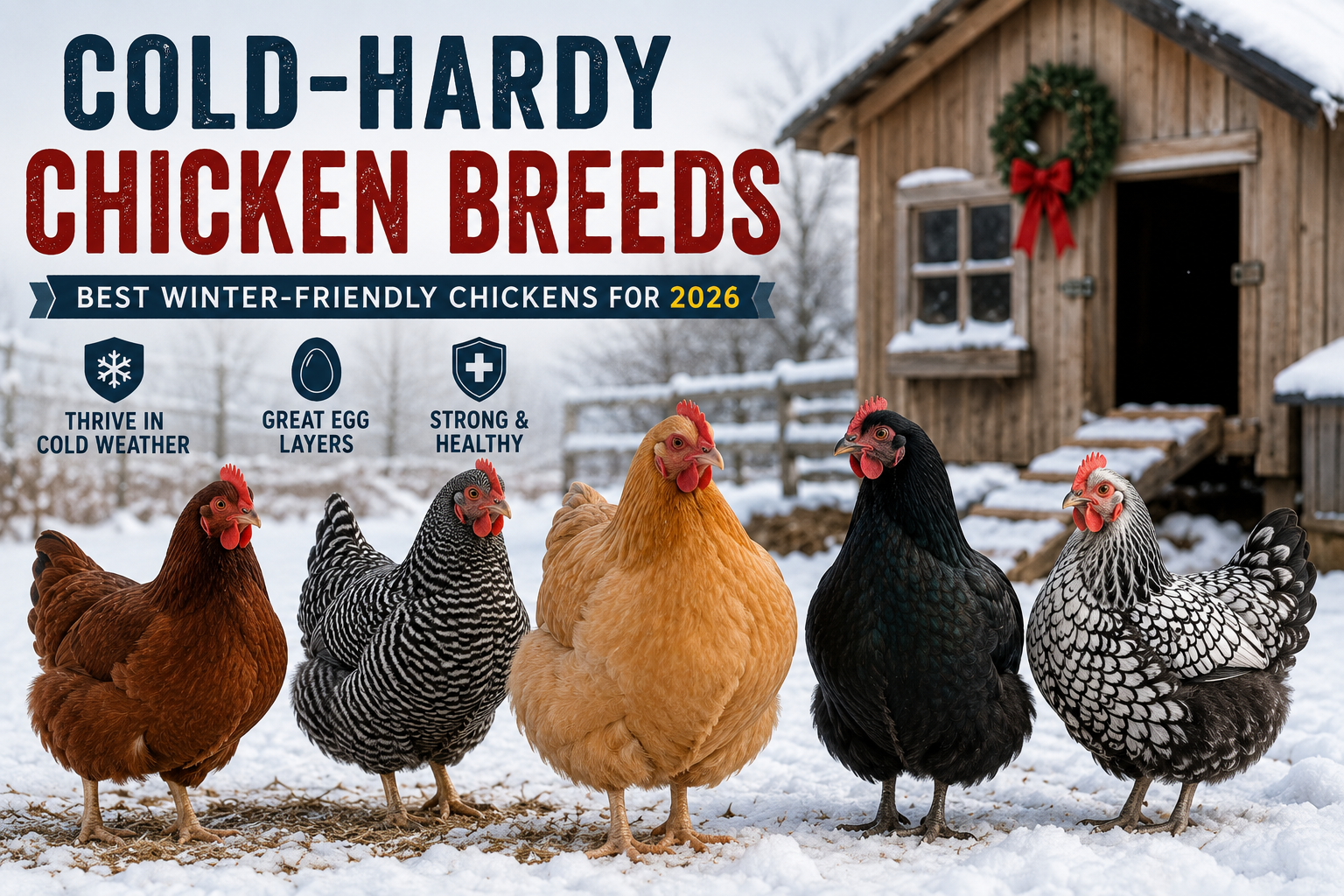
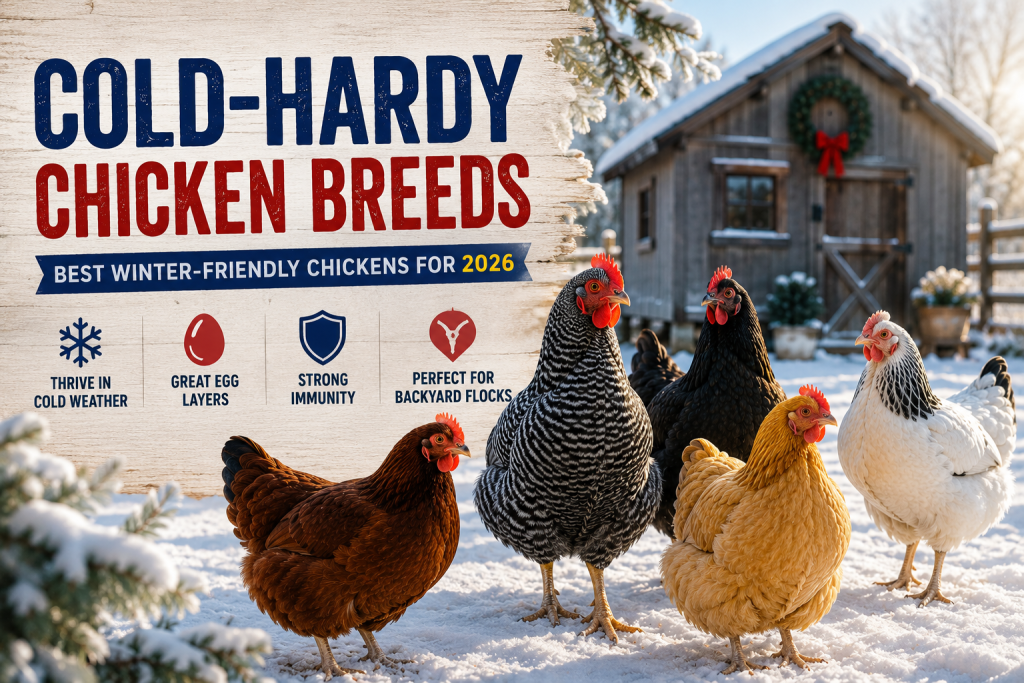
    If you live in a region with freezing winters, choosing the right Cold-Hardy Chicken Breeds is one of the smartest decisions you can make. These chickens stay healthier, continue laying eggs, and handle snow, wind, and freezing temperatures much better than heat-loving breeds.

    In 2026, more backyard chicken keepers across the United States, Canada, Europe, and other cold regions are choosing hardy breeds that require less winter care. Additionally, selecting the right breed helps reduce stress, improve egg production, and lower health problems during the coldest months.


    Why Cold-Hardy Chicken Breeds Matter

    Choosing Cold-Hardy Chicken Breeds offers several long-term benefits for backyard poultry keepers.

    These breeds naturally grow thicker feathers and stronger bodies. As a result, they stay warm without needing expensive heating systems.

    Benefits

    • Better winter egg production
    • Lower risk of frostbite
    • Strong immune systems
    • Excellent survival in freezing temperatures
    • Reduced winter maintenance costs

    Additionally, many best chickens for cold weather are friendly and easy for beginners to raise.


    Key Features of Cold-Hardy Chicken Breeds

    Thick Feathering

    Dense feathers provide natural insulation against snow and icy winds. Therefore, birds stay comfortable even during harsh winters.

    Small or Cushion Combs

    Large combs freeze easily. However, smaller combs reduce frostbite and improve winter health.

    Calm Personality

    Many winter hardy chickens remain calm during indoor confinement when snow covers the ground.

    Reliable Egg Layers

    Some breeds continue laying throughout winter, especially with proper nutrition and lighting.


    Types of Cold-Hardy Chicken Breeds

    Rhode Island Red

    Rhode Island Reds remain one of America’s favorite backyard chickens.

    They:

    • Lay 250–300 brown eggs yearly
    • Handle freezing temperatures well
    • Require minimal winter care
    • Adapt to different climates

    Plymouth Rock

    Plymouth Rocks have thick barred feathers and friendly personalities.

    Advantages include:

    • Excellent cold tolerance
    • Great family bird
    • Consistent winter egg production
    • Easy management

    Australorp

    Australorps are famous for high egg production.

    Additionally, they perform well in cool climates because of their dense feather coverage.


    Orpington

    Buff Orpingtons are among the most beautiful Cold-Hardy Chicken Breeds.

    Their fluffy feathers provide excellent insulation, making them ideal for snowy environments.


    Wyandotte

    Wyandottes feature rose combs that resist frostbite.

    They also:

    • Stay active during winter
    • Lay brown eggs
    • Thrive in cold climates
    • Have attractive feather patterns

    Buying Guide for Cold-Hardy Chicken Breeds

    Before buying Cold-Hardy Chicken Breeds, consider these important factors.

    Choose Healthy Chicks

    Purchase birds from reputable hatcheries with strong health records.

    Match Your Climate

    Some breeds tolerate mild winters, while others excel in extremely cold regions.

    Egg Production Goals

    If eggs are your priority, choose breeds known for winter laying performance.

    Coop Space

    Even hardy chickens need dry, ventilated housing.


    Common Mistakes to Avoid

    Many new owners make avoidable winter mistakes.

    Avoid these problems:

    • Heating the coop too much
    • Poor ventilation
    • Wet bedding
    • Overcrowding
    • Ignoring frostbite signs
    • Providing frozen water

    However, proper management keeps your flock healthy throughout winter.


    Winter Chicken Care Tips

    Even the best Cold-Hardy Chicken Breeds need proper care.

    Keep Bedding Dry

    Replace wet bedding regularly to prevent disease.

    Provide Fresh Water

    Use heated waterers if temperatures remain below freezing.

    Feed More Energy

    Chickens burn more calories during winter.

    Offer:

    • Layer feed
    • Scratch grains (in moderation)
    • Fresh vegetables
    • Oyster shell

    Improve Ventilation

    Fresh air removes moisture while reducing respiratory illnesses.

    Check for Frostbite

    Inspect combs and wattles every few days.

    These simple winter chicken care tips can significantly improve flock health.


    Frequently Asked Questions

    Which chicken breed survives cold weather best?

    Wyandotte, Rhode Island Red, Orpington, Plymouth Rock, and Australorp rank among the best Cold-Hardy Chicken Breeds for freezing temperatures.


    Do chickens need heaters in winter?

    Healthy cold-hardy breeds usually do not need heaters. Instead, provide dry bedding, ventilation, and protection from drafts.


    Which breed lays eggs during winter?

    Rhode Island Reds, Australorps, and Plymouth Rocks are excellent winter egg layers.


    Final Thoughts

    Choosing the right Cold-Hardy Chicken Breeds makes winter chicken keeping much easier in 2026. Whether you raise chickens for eggs, pets, or sustainable living, hardy breeds stay healthier and remain productive throughout the cold season. Additionally, combining quality housing, balanced nutrition, and regular health checks ensures excellent winter performance. Start with one of these proven breeds and enjoy a thriving backyard flock all year long.

  • Best Chicken for Beginners: Ultimate 2026 Guide

    Best Chicken for Beginners: Ultimate 2026 Guide

    Best Chicken for Beginners: Complete 2026 Guide

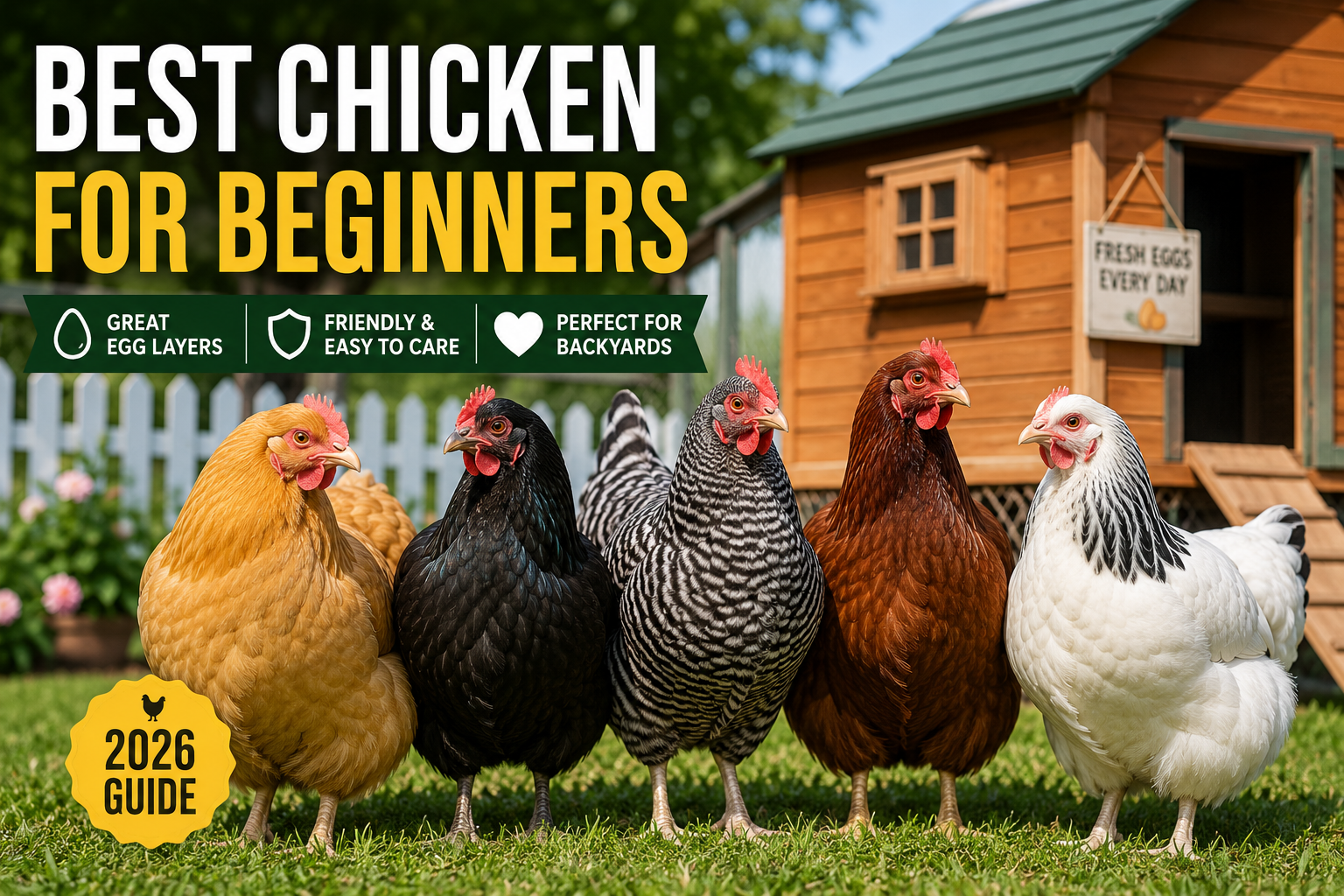
    Keeping backyard chickens has become more popular than ever in 2026. If you’re searching for the Best Chicken for Beginners, you’re in the right place. Choosing the right breed makes chicken keeping easier, more enjoyable, and more rewarding. Additionally, beginner-friendly breeds are healthier, calmer, and easier to manage than high-maintenance chickens.

    Whether you want fresh eggs, friendly pets, or a sustainable backyard hobby, selecting the Best Chicken for Beginners will help you start with confidence.


    Why Choosing the Best Chicken for Beginners Matters

    Starting with the wrong breed often leads to frustration. However, beginner-friendly chickens adapt well to different climates, remain calm around families, and produce eggs consistently.

    Benefits include:

    • Easy daily care
    • Friendly personalities
    • Excellent egg production
    • Lower maintenance
    • Suitable for children
    • Adapt well to backyard environments

    As a result, new poultry keepers enjoy a better experience and fewer management problems.


    Best Chicken for Beginners: Key Factors to Consider

    Temperament

    Friendly birds are easier to handle. Therefore, breeds known for calm personalities make learning much easier.

    Popular friendly chicken breeds include:

    • Buff Orpington
    • Australorp
    • Plymouth Rock
    • Sussex

    Egg Production

    Many beginners start chickens mainly for fresh eggs.

    Choose breeds producing:

    • 220–320 eggs annually
    • Medium to large brown eggs
    • Consistent laying throughout the year

    Many of the best egg laying chickens also have gentle personalities.


    Climate Adaptability

    Weather matters.

    Look for breeds that perform well in:

    • Hot summers
    • Cold winters
    • Humid regions
    • Mixed climates

    Additionally, hardy birds require fewer health interventions.


    Maintenance Requirements

    The Best Chicken for Beginners should not require complicated care.

    Choose breeds with:

    • Strong immune systems
    • Good feather quality
    • Low disease risk
    • Easy feeding requirements

    Best Chicken for Beginners: Top Recommended Breeds

    Buff Orpington

    Buff Orpington remains one of the most recommended beginner breeds in 2026.

    Why beginners love it:

    • Extremely friendly
    • Excellent family pet
    • Good egg layer
    • Cold hardy

    Australorp

    Australorps combine productivity with calm behavior.

    Advantages include:

    • Up to 300 eggs yearly
    • Quiet personality
    • Easy handling
    • Strong health

    This makes them one of the easy chicken breeds for beginners.


    Plymouth Rock

    Plymouth Rocks are reliable backyard chickens.

    Benefits:

    • Friendly nature
    • Great egg production
    • Excellent for free-ranging
    • Adaptable to different environments

    Rhode Island Red

    These birds suit beginners who prioritize egg production.

    Pros:

    • Very productive
    • Hardy
    • Easy to feed
    • Excellent for backyard farms

    However, some individuals can be more active than Buff Orpingtons.


    Sussex

    Sussex chickens remain popular worldwide.

    Reasons include:

    • Curious personality
    • Good egg production
    • Excellent for beginners
    • Cold and heat tolerant

    Many experts consider Sussex among the Best Chicken for Beginners because of their balanced temperament.


    Buying Guide: How to Choose the Right Chicken

    Before buying chickens, consider these factors.

    Buy Healthy Chicks

    Look for:

    • Bright eyes
    • Clean feathers
    • Active movement
    • Healthy breathing

    Buy from Reputable Breeders

    Choose trusted hatcheries or local breeders with positive reviews.

    Additionally, vaccinated chicks reduce future health problems.


    Match Your Goals

    Ask yourself:

    • Do you want eggs?
    • Do you want pets?
    • Do you want dual-purpose birds?

    The answer helps narrow your choices.


    Common Mistakes Beginners Should Avoid

    Many new keepers make similar mistakes.

    Avoid these:

    • Buying too many chickens
    • Ignoring predator protection
    • Feeding poor-quality food
    • Choosing aggressive breeds
    • Buying unhealthy chicks

    Instead, begin with 3–6 birds for easier flock management.


    Care Tips for Beginner Chicken Owners

    Proper care keeps chickens healthy and productive.

    Daily checklist:

    • Provide fresh water
    • Offer balanced feed
    • Clean the coop
    • Collect eggs regularly
    • Check birds for illness

    Weekly tasks:

    • Replace bedding
    • Clean feeders
    • Inspect fences
    • Remove waste

    Additionally, keeping a clean coop greatly reduces disease risk.


    Frequently Asked Questions

    1. What is the best chicken for beginners?

    Buff Orpington, Australorp, Plymouth Rock, and Sussex are widely considered the best chicken for beginners because they are friendly, hardy, and reliable egg layers.

    2. Which chicken breed lays the most eggs for beginners?

    Australorp and Rhode Island Red are among the best egg-laying breeds, producing around 250–300 eggs per year with proper care.

    3. How many chickens should beginners start with?

    Most experts recommend starting with 3 to 6 chickens. This number is easy to manage and provides enough fresh eggs for a family.

    4. Are beginner-friendly chickens good with children?

    Yes. Friendly breeds like Buff Orpington and Sussex are calm, gentle, and suitable for families with children.

    5. What is the easiest chicken breed to care for?

    Buff Orpington is often considered the easiest breed because it has a calm temperament, adapts well to different climates, and requires minimal maintenance.

    6. Can beginners raise chickens in a small backyard?

    Yes. Many beginner-friendly breeds thrive in small backyards if they have a secure coop, clean water, nutritious feed, and enough space to roam.

    Final Thoughts

    Choosing the Best Chicken for Beginners is one of the most important decisions you’ll make when starting your backyard chicken-keeping journey in 2026. The right breed can save you time, reduce common challenges, and make caring for chickens both enjoyable and rewarding. Friendly, hardy breeds such as Buff Orpington, Australorp, Plymouth Rock, Rhode Island Red, and Sussex continue to be top recommendations because they combine gentle temperaments, reliable egg production, and easy maintenance. These qualities make them ideal for families, first-time poultry keepers, and anyone looking to enjoy fresh eggs from their own backyard.

    Additionally, successful chicken keeping is about more than choosing the right breed. Providing a clean and secure coop, nutritious feed, fresh water, regular health checks, and protection from predators will help your flock stay healthy and productive throughout the year. As your experience grows, you’ll gain confidence in managing your birds and creating the ideal environment for them to thrive.

  • Orpington Chicken Guide 2026: Best Care, Egg Production & Buying Tips

    Orpington Chicken Guide 2026: Best Care, Egg Production & Buying Tips

    Orpington Chicken Guide (2026): Everything You Need to Know

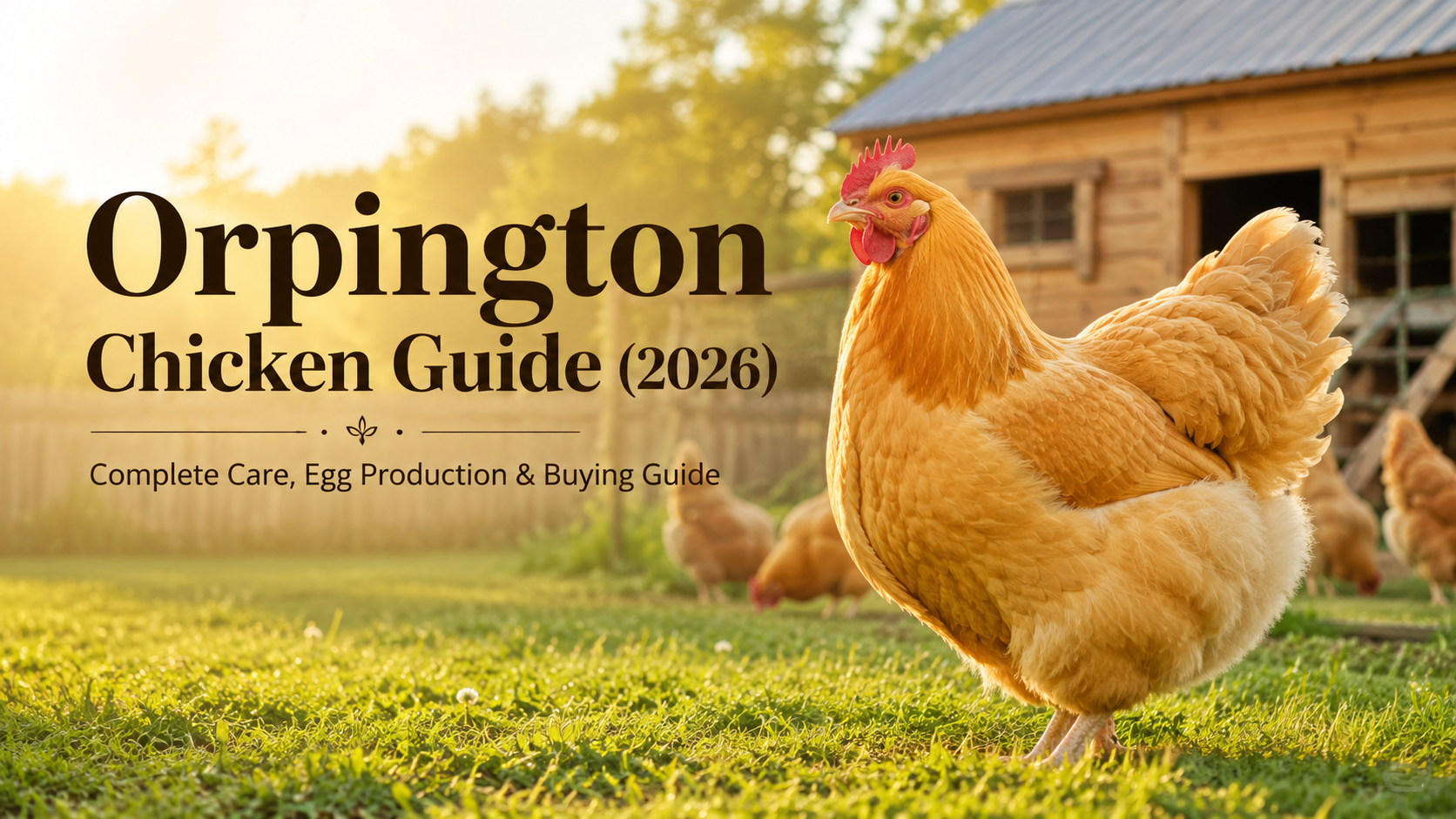
    If you’re searching for the Orpington Chicken Guide, you’ve come to the right place. Whether you’re a beginner in the United States or an experienced poultry keeper anywhere in the world, this guide explains everything you need to know before raising this popular breed. Additionally, Orpington chickens are known for their calm nature, beautiful feathers, and reliable egg production, making them one of the best backyard chicken breeds in 2026.

    Whether you want fresh eggs, friendly pets, or a dual-purpose flock, this Orpington Chicken Guide will help you make the right decision.


    Why the Orpington Chicken Guide Matters

    Choosing the right breed is one of the biggest decisions for any poultry owner. Fortunately, Orpington chickens are beginner-friendly and highly adaptable.

    Benefits include:

    • Excellent family-friendly temperament
    • Reliable egg production
    • Cold-weather tolerance
    • Attractive appearance
    • Great meat quality
    • Easy to manage in backyard flocks

    As a result, many poultry experts recommend Orpingtons as one of the best dual-purpose chickens available today.


    Orpington Chicken Guide: Key Features

    Friendly Temperament

    One reason this Orpington Chicken Guide remains popular is the breed’s gentle personality. These birds enjoy human interaction and usually get along well with children and other chickens.

    Therefore, they are ideal for family farms and hobby flocks.

    Excellent Egg Production

    Healthy hens usually lay:

    • 180–280 brown eggs each year
    • Medium to large eggs
    • Consistent production during cooler months

    Many owners searching for Orpington chicken eggs appreciate their dependable laying ability.

    Beautiful Appearance

    Orpington chickens have:

    • Soft fluffy feathers
    • Broad body shape
    • Single comb
    • Clean legs
    • Calm posture

    Although Buff Orpingtons are the most famous, the breed also comes in black, blue, white, splash, lavender, and several other recognized colors.


    Types Covered in This Orpington Chicken Guide

    Buff Orpington Chicken

    The Buff Orpington chicken remains the world’s most popular variety. Its golden feathers and friendly personality make it a favorite among beginners.

    Black Orpington

    Black Orpingtons have glossy feathers with a green sheen. Additionally, they tolerate cold climates very well.

    Blue Orpington

    Blue Orpingtons feature unique slate-blue plumage. They are highly sought after by breeders because of their striking appearance.

    Lavender Orpington

    Lavender birds are rarer but increasingly popular among backyard poultry enthusiasts.


    Orpington Chicken Guide Buying Tips

    Before purchasing birds, consider these important factors.

    Buy From Trusted Breeders

    Healthy chicks come from reputable breeders who test for common diseases and maintain strong breeding lines.

    Inspect Bird Health

    Look for:

    • Bright eyes
    • Clean nostrils
    • Smooth feathers
    • Strong legs
    • Active behavior

    Consider Your Goals

    Ask yourself:

    • Do you want eggs?
    • Are you raising meat birds?
    • Do you need family-friendly pets?
    • Are you building a breeding flock?

    Following this Orpington Chicken Guide helps you match the right birds to your goals.


    Common Mistakes to Avoid

    Many first-time owners make avoidable mistakes.

    Do not:

    • Overcrowd the coop
    • Ignore predator protection
    • Feed poor-quality diets
    • Skip regular health checks
    • Buy from unknown sellers

    However, avoiding these mistakes greatly improves flock health and egg production.


    Orpington Chicken Care Tips

    Proper Orpington chicken care keeps birds productive and healthy throughout the year.

    Feeding

    Provide:

    • High-quality layer feed
    • Fresh vegetables
    • Occasional grains
    • Clean water daily
    • Calcium supplements for laying hens

    Housing

    A clean coop should include:

    • Good ventilation
    • Dry bedding
    • Nesting boxes
    • Secure fencing
    • Adequate roosting space

    Health Maintenance

    Additionally, inspect your flock every week.

    Watch for:

    • Parasites
    • Respiratory symptoms
    • Weight loss
    • Feather damage
    • Limping

    Early treatment helps prevent serious illness.


    Is the Orpington Right for You?

    This Orpington Chicken Guide recommends the breed for:

    • Beginner chicken keepers
    • Families
    • Backyard farms
    • Small homesteads
    • Cold-climate regions

    Because they are calm and productive, Orpingtons continue to rank among the best poultry breeds in 2026.


    Conclusion

    This Orpington Chicken Guide shows why the breed remains one of the best choices for backyard poultry owners worldwide. From dependable Orpington chicken eggs to excellent temperament and simple Orpington chicken care, these birds offer outstanding value for beginners and experienced keepers alike. If you’re planning to expand your flock in 2026, use this Orpington Chicken Guide to choose healthy birds, provide proper care, and enjoy years of fresh eggs and friendly companionship.

    Frequently Asked Questions (FAQs)

    1. What is an Orpington chicken?

    An Orpington chicken is a popular dual-purpose breed known for its calm temperament, fluffy feathers, and reliable brown egg production. According to this Orpington Chicken Guide, it is one of the best backyard chicken breeds for beginners.

    2. How many eggs do Orpington chickens lay each year?

    Healthy Orpington hens typically lay 180–280 medium to large brown eggs per year. However, egg production depends on nutrition, age, and overall care.

    3. Are Buff Orpington chickens good for beginners?

    Yes. Buff Orpington chickens are friendly, easy to handle, and adapt well to backyard environments. Therefore, they are an excellent choice for first-time chicken keepers.

    4. What is the lifespan of an Orpington chicken?

    With proper Orpington chicken care, these birds usually live 8–10 years, although many can live even longer in a healthy environment.

    5. Do Orpington chickens tolerate cold weather?

    Yes. Their thick, fluffy feathers provide excellent insulation, making Orpington chickens one of the best breeds for colder climates.

    6. What do Orpington chickens eat?

    A balanced diet should include high-quality poultry feed, fresh vegetables, grains in moderation, clean water, and calcium supplements for laying hens.

    7. Are Orpington chickens aggressive?

    No. Orpington chickens are known for their gentle and calm personalities. Additionally, they usually get along well with children and other chicken breeds.

    8. Are Orpington chickens good for meat and eggs?

    Yes. Orpingtons are considered one of the best dual-purpose chickens because they produce quality meat while also laying a steady supply of brown eggs.

    9. How much space do Orpington chickens need?

    Each bird should have at least 4 square feet of indoor coop space and 8–10 square feet of outdoor run space to stay healthy and active.

    10. Is the Orpington Chicken Guide suitable for new poultry keepers?

    Absolutely. This Orpington Chicken Guide covers breed characteristics, feeding, housing, egg production, health, and buying tips, making it a complete resource for both beginners and experienced chicken owners.

  • Australorp Chicken Guide 2026: Complete Care & Buying Tips

    Australorp Chicken Guide 2026: Complete Care & Buying Tips

    Australorp Chicken Guide (2026): Complete Care, Eggs & Buying Tips

    If you’re searching for the Australorp Chicken Guide, you’re choosing one of the world’s most reliable backyard chicken breeds. Known for outstanding egg production, calm behavior, and excellent adaptability, Australorps continue to rank among the best choices for beginners and experienced poultry keepers in 2026.

    Whether you live in the United States, Australia, Europe, or Asia, this Australorp Chicken Guide explains everything you need to know before adding these beautiful birds to your flock.


    Why the Australorp Chicken Guide Matters

    The Australorp has earned its reputation through decades of dependable performance. Originally developed in Australia, this breed quickly became popular worldwide because it lays plenty of eggs while remaining easy to manage.

    Some major benefits include:

    • Excellent egg production
    • Friendly personality
    • Cold and heat tolerant
    • Great for beginners
    • Dual-purpose meat and egg breed
    • Beautiful glossy black feathers

    Additionally, families appreciate Australorps because they usually get along well with children and other chickens.


    Australorp Chicken Guide: Key Features

    Appearance

    The Australorp Chicken Guide would not be complete without mentioning its stunning appearance.

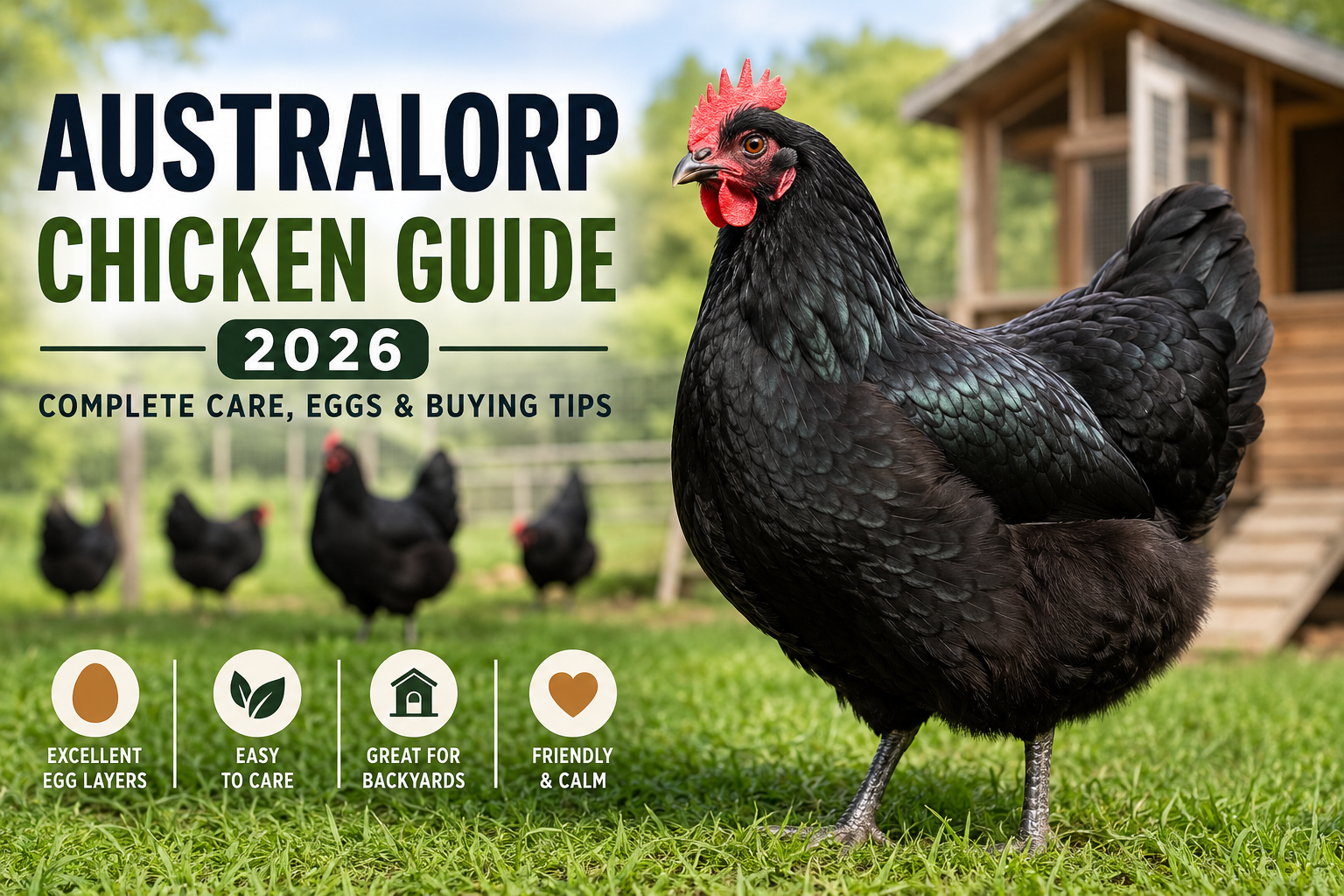
    Black Australorps feature:

    • Green iridescent feathers
    • Bright red comb
    • Red wattles
    • Dark eyes
    • Strong legs
    • Medium-large body

    Their elegant feathers shine beautifully in sunlight, making them one of the most attractive backyard chicken breeds.


    Temperament

    Australorps are famous for their calm and gentle behavior.

    They usually:

    • Enjoy human interaction
    • Mix well with other breeds
    • Rarely become aggressive
    • Adapt quickly to new environments

    As a result, they are perfect for family farms and small backyard flocks.


    Egg Production

    One reason this Australorp Chicken Guide is so popular is the breed’s incredible laying ability.

    Healthy hens typically produce:

    • 250–320 large brown eggs each year
    • Consistent laying during most seasons
    • Earlier maturity than many breeds

    Good Australorp chicken care helps maintain high egg production throughout the year.


    Types of Australorp Chickens

    Black Australorp

    The Black Australorp is the most common variety worldwide.

    Features include:

    • Glossy black plumage
    • Green feather sheen
    • Excellent egg production
    • Calm personality

    Blue Australorp

    Blue Australorps display beautiful blue-gray feathers.

    Although less common, they remain excellent backyard birds with similar personalities.


    White Australorp

    White Australorps are relatively rare but highly attractive.

    They offer many of the same benefits as the black variety while adding visual diversity to a flock.


    Australorp Chicken Guide: Buying Tips

    Before purchasing Australorps, consider several important factors.

    Buy from Trusted Breeders

    Choose breeders with healthy breeding stock and positive customer reviews.


    Check Overall Health

    Healthy birds should have:

    • Bright eyes
    • Smooth feathers
    • Clean vents
    • Strong legs
    • Active movement

    Avoid chickens that appear weak or show signs of illness.


    Consider Your Climate

    Australorps adapt well to different climates. However, provide shade during very hot summers and dry shelter during wet winters.


    Common Mistakes to Avoid

    Many new poultry owners make simple mistakes.

    Avoid these problems:

    • Overcrowding the coop
    • Poor ventilation
    • Feeding low-quality diets
    • Ignoring parasite prevention
    • Skipping regular health checks

    Additionally, always introduce new birds slowly to prevent flock bullying.


    Australorp Chicken Care Tips

    Proper Australorp chicken care keeps your flock healthy and productive.

    Feed Quality Nutrition

    Offer:

    • Layer pellets
    • Fresh vegetables
    • Calcium supplements
    • Clean water

    Balanced nutrition improves Australorp egg production and overall health.


    Keep the Coop Clean

    Clean nesting boxes every week.

    Replace bedding regularly to reduce bacteria and parasites.


    Provide Exercise

    Australorps enjoy free-ranging.

    Allow safe outdoor access whenever possible. As a result, they stay healthier and happier.


    Monitor Health

    Inspect birds regularly for:

    • External parasites
    • Respiratory symptoms
    • Injuries
    • Weight loss

    Early treatment prevents larger health problems.


    Is the Australorp Right for You?

    If you want dependable egg production, friendly behavior, and low-maintenance birds, Australorps are an excellent investment.

    They suit:

    • First-time chicken keepers
    • Backyard farms
    • Homesteads
    • Small family flocks
    • Sustainable living enthusiasts

    Because they combine beauty, productivity, and calm personalities, they remain one of the best dual-purpose chicken breeds available today.


    Conclusion

    This Australorp Chicken Guide shows why the breed continues to dominate backyard poultry flocks worldwide in 2026. From outstanding Australorp egg production to easy Australorp chicken care, these birds deliver exceptional value for beginners and experienced poultry keepers alike. If you’re planning to expand your flock, follow this Australorp Chicken Guide and purchase healthy birds from a trusted breeder. For more expert poultry resources, explore our.

    requently Asked Questions (FAQ)

    1. Are Australorp chickens good for beginners?

    Yes. Australorp chickens are one of the best breeds for beginners because they are calm, friendly, easy to care for, and adapt well to different climates.

    2. How many eggs does an Australorp chicken lay per year?

    A healthy Australorp hen typically lays 250–320 large brown eggs per year, making it one of the most productive backyard chicken breeds.

    3. What color eggs do Australorp chickens lay?

    Australorp chickens lay large brown eggs with strong shells when they receive proper nutrition and care.

    4. How long do Australorp chickens live?

    With good care, Australorp chickens usually live 6–10 years, although some birds can live even longer in healthy backyard flocks.

    5. Are Australorp chickens friendly?

    Yes. Australorps are known for their gentle temperament. They usually get along well with children, other chickens, and even other farm animals.

    6. Can Australorp chickens tolerate cold and hot weather?

    Yes. Australorps adapt well to both cold and warm climates. However, they should always have shade, fresh water, and a dry, well-ventilated coop during extreme weather.

    7. What do Australorp chickens eat?

    Australorps thrive on a balanced diet that includes quality layer feed, grains, vegetables, calcium supplements, and constant access to clean water.

    8. Are Australorp chickens a dual-purpose breed?

    Yes. Australorps are considered a dual-purpose chicken breed, valued for both excellent egg production and good meat quality.

    9. At what age do Australorp hens start laying eggs?

    Most Australorp hens begin laying eggs at 18–24 weeks of age, depending on genetics, nutrition, and environmental conditions.

    10. Is the Australorp the right chicken breed for a backyard flock?

    Absolutely. Australorps are an excellent choice for backyard flocks because they are productive, low-maintenance, friendly, and reliable egg layers. They are ideal for beginners and experienced poultry keepers alike.

  • Plymouth Rock Chicken Guide: Complete 2026 Care & Raising Tips

    Plymouth Rock Chicken Guide: Complete 2026 Care & Raising Tips

    Plymouth Rock Chicken Guide: Everything You Need to Know in 2026

    If you’re looking for one of the most dependable backyard chicken breeds, this Plymouth Rock Chicken Guide will help you make the right choice. In 2026, more families across the United States and around the world are choosing Plymouth Rock chickens because they are friendly, productive, and easy to care for. Whether you’re a beginner or an experienced poultry keeper, this guide explains everything you need to know.

    Additionally, Plymouth Rock chickens remain one of the best dual-purpose chicken breeds thanks to their excellent egg production and quality meat. They also adapt well to different climates, making them popular worldwide.


    Why This Plymouth Rock Chicken Guide Matters

    Choosing the right chicken breed affects your flock’s health, productivity, and overall experience. Fortunately, Plymouth Rock chickens continue to rank among the best backyard breeds.

    Benefits of Plymouth Rock Chickens

    • Excellent for beginners
    • Calm and friendly personality
    • Reliable brown egg production
    • Cold-hardy and heat-tolerant
    • Great family-friendly breed
    • Suitable for free-ranging
    • Good meat quality

    As a result, many backyard poultry owners consider them an all-around favorite.


    Plymouth Rock Chicken Guide: Key Features to Know

    Friendly Temperament

    One reason this Plymouth Rock Chicken Guide recommends the breed is its gentle personality. Plymouth Rocks rarely show aggression and enjoy human interaction. Therefore, they work well in family flocks.

    Egg Production

    Healthy hens lay approximately 200–280 brown eggs per year. Additionally, consistent feeding and clean housing help maintain production.

    Appearance

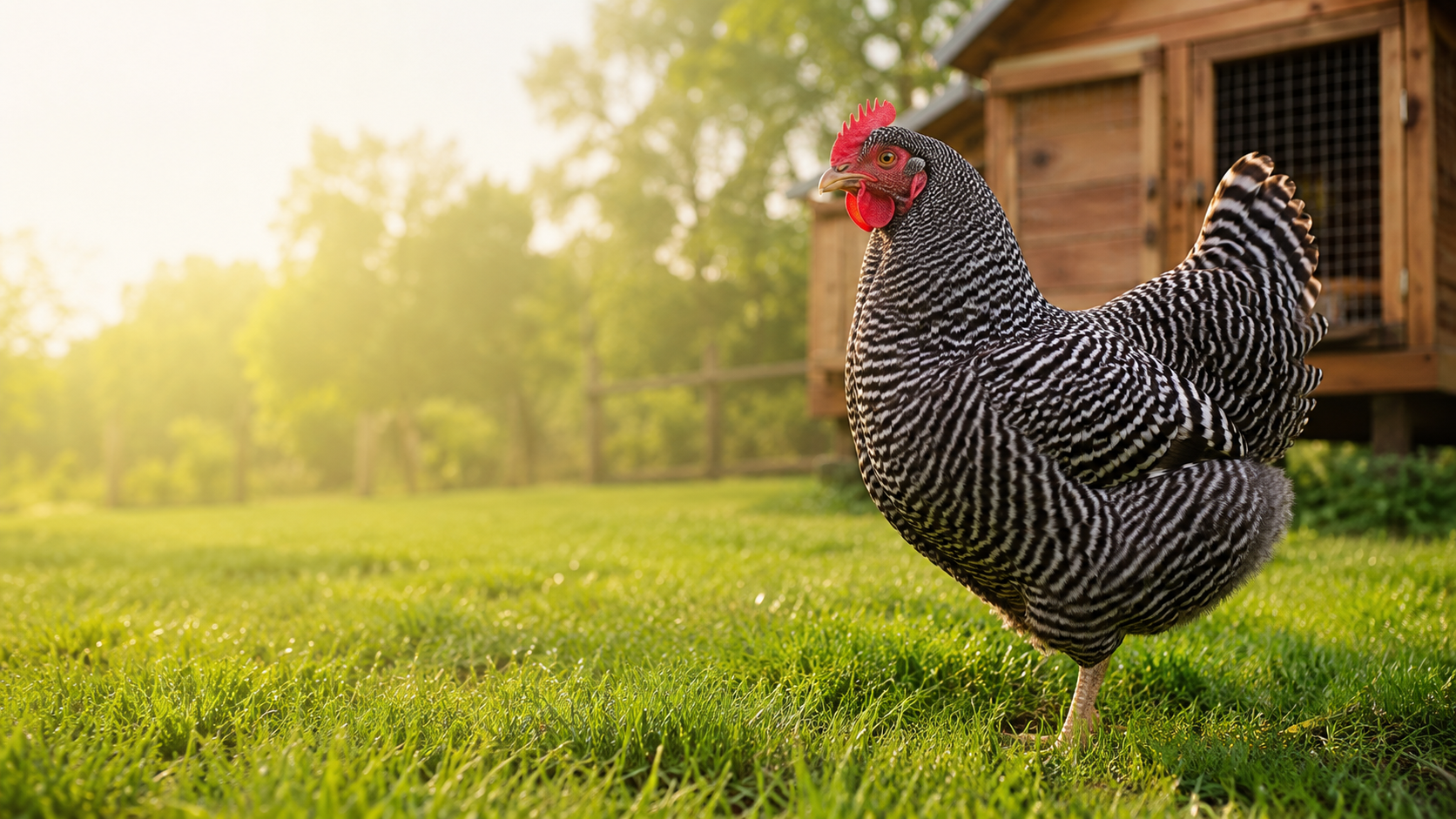
    The most recognized variety is the Barred Plymouth Rock chickens, known for their distinctive black-and-white striped feathers. Other varieties include:

    • White
    • Buff
    • Silver Penciled
    • Columbian
    • Blue
    • Partridge

    Size

    • Roosters: 7.5–9.5 lbs
    • Hens: 6–7.5 lbs

    Their medium-large size makes them an excellent dual-purpose chicken breed.


    Types of Plymouth Rock Chickens

    Barred Plymouth Rock

    The most common and recognizable variety. They produce plenty of eggs while displaying attractive barred feathers.

    White Plymouth Rock

    Popular among breeders and commercial producers due to fast growth and clean white plumage.

    Heritage Plymouth Rock

    Heritage strains grow more slowly. However, they generally live longer and maintain stronger natural instincts.


    Plymouth Rock Chicken Guide: Buying Tips

    Before buying chickens, evaluate several important factors.

    Buy from Reputable Hatcheries

    Healthy chicks come from trusted breeders with strong breeding programs.

    Check Bird Health

    Look for:

    • Bright eyes
    • Clean feathers
    • Smooth breathing
    • Active behavior
    • Straight legs

    Choose the Right Age

    • Day-old chicks for experienced keepers
    • Started pullets for quicker egg production
    • Mature hens if immediate laying is your goal

    Additionally, purchasing vaccinated birds may reduce disease risks.


    Housing and Daily Care

    A quality coop keeps Plymouth Rock chickens healthy throughout the year.

    Coop Requirements

    • 4 square feet per bird indoors
    • 10 square feet outdoors
    • Proper ventilation
    • Dry bedding
    • Predator-proof construction

    Feeding

    Offer:

    • Layer feed (16–18% protein)
    • Fresh water daily
    • Oyster shells for calcium
    • Occasional vegetables and grains

    However, avoid feeding moldy food or excessive table scraps.

    Health Care

    Regularly inspect birds for:

    • Mites
    • Lice
    • Worms
    • Respiratory illness
    • Foot injuries

    Early treatment prevents larger flock problems.


    Common Mistakes to Avoid

    Many new owners make avoidable mistakes.

    Avoid these common problems:

    • Overcrowding the coop
    • Poor ventilation
    • Dirty water containers
    • Low-quality feed
    • Ignoring parasite control
    • Skipping regular health checks

    Furthermore, introducing new birds without quarantine may spread disease.


    Seasonal Care Tips

    Summer

    Provide:

    • Plenty of shade
    • Fresh cool water
    • Good airflow

    Additionally, frozen treats help reduce heat stress.

    Winter

    Although Plymouth Rocks tolerate cold well, they still need:

    • Dry bedding
    • Draft-free housing
    • Extra calories
    • Unfrozen water

    These simple steps improve comfort and egg production.


    Is the Plymouth Rock Right for You?

    This Plymouth Rock Chicken Guide recommends the breed for:

    • First-time chicken owners
    • Families
    • Small farms
    • Homesteaders
    • Backyard flocks
    • Sustainable egg production

    Because they combine friendly behavior with dependable laying ability, they remain one of the most recommended backyard chicken breeds in 2026.


    Conclusion

    This Plymouth Rock Chicken Guide shows why this heritage breed continues to be one of the world’s favorite backyard chickens in 2026. Their calm temperament, dependable egg production, and easy care make them an excellent investment for both beginners and experienced poultry keepers. If you’re planning to build or expand your flock, Plymouth Rock chickens deserve serious consideration.

    Frequently Asked Questions

    1. Are Plymouth Rock chickens good for beginners?

    Yes. Plymouth Rock chickens are one of the best breeds for beginners because they are calm, friendly, easy to manage, and adapt well to different climates.

    2. How many eggs do Plymouth Rock chickens lay each year?

    A healthy Plymouth Rock hen typically lays 200 to 280 large brown eggs annually, depending on nutrition, age, and overall care.

    3. How long do Plymouth Rock chickens live?

    With proper care, Plymouth Rock chickens usually live 6 to 8 years, although some heritage birds can live for more than 10 years.

    4. Are Plymouth Rock chickens friendly?

    Yes. Plymouth Rock chickens are known for their gentle temperament. They enjoy human interaction and generally get along well with children and other chicken breeds.

    5. Can Plymouth Rock chickens tolerate cold weather?

    Absolutely. Their dense feathers make them one of the most cold-hardy chicken breeds. They also perform well in moderate summer temperatures when provided with shade and fresh water.

    6. What do Plymouth Rock chickens eat?

    They thrive on a balanced layer feed, fresh water, grains, vegetables, insects, and calcium supplements such as oyster shells to support strong eggshell production.

    7. What is the difference between Barred Plymouth Rock and White Plymouth Rock?

    The main difference is feather color. Barred Plymouth Rock chickens have distinctive black-and-white striped feathers, while White Plymouth Rock chickens have solid white plumage. Both share similar temperament and productivity.

    8. Are Plymouth Rock chickens good for meat and eggs?

    Yes. Plymouth Rock chickens are considered a classic dual-purpose breed, producing both quality meat and a steady supply of brown eggs.

    9. How much space do Plymouth Rock chickens need?

    Each bird should have about 4 square feet inside the coop and 8–10 square feet in the outdoor run to stay healthy and active.

    10. Should you choose Plymouth Rock chickens in 2026?

    Yes. Plymouth Rock chickens remain one of the best backyard chicken breeds in 2026 because they combine reliable egg production, friendly behavior, hardiness, and easy care, making them an excellent choice for poultry keepers worldwide.