Author: kinzapadhyair@gmail.com

  • Can Chickens Eat Bananas? Safe Feeding Guide 2026

    Can Chickens Eat Bananas? Safe Feeding Guide 2026

    Can Chickens Eat Bananas? Complete Safe Feeding Guide (2026)

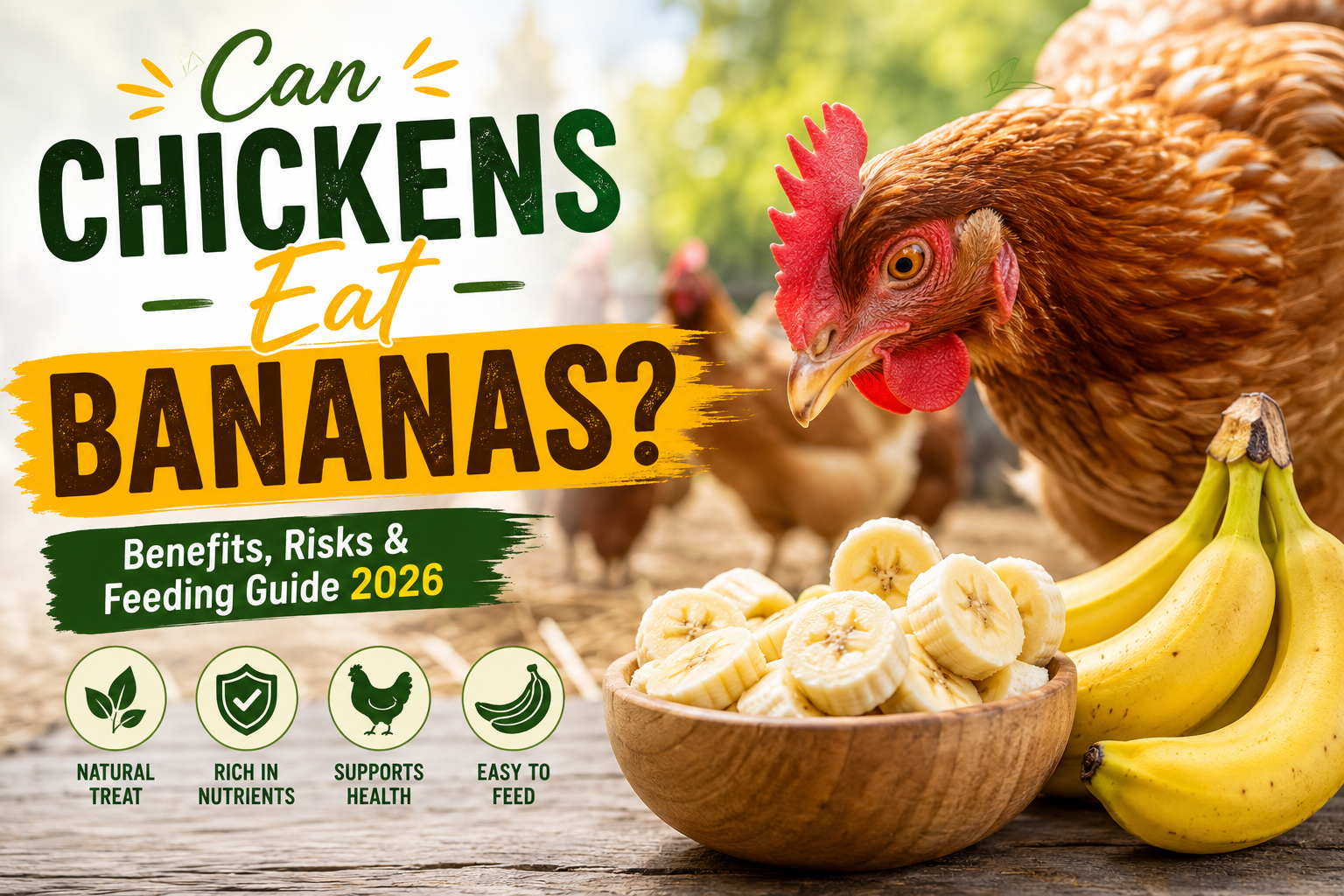
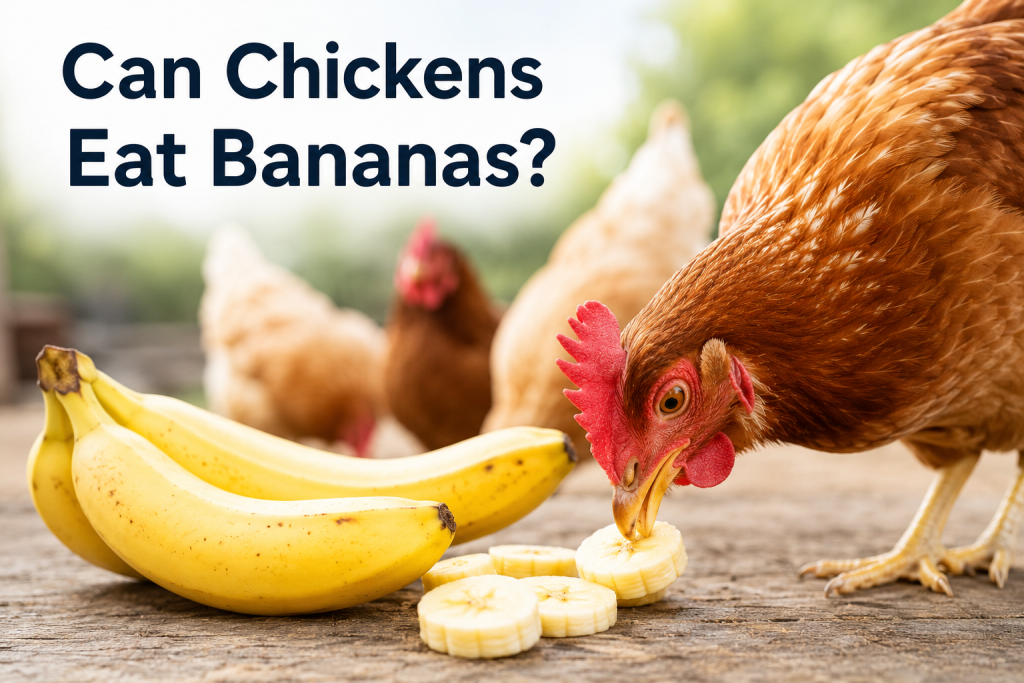
    If you’ve ever wondered, Can Chickens Eat bananas?, the answer is yes. Bananas are a safe and healthy treat when served in moderation. Many backyard chicken owners across the United States offer bananas as an occasional snack because they provide valuable vitamins, minerals, and natural energy. However, understanding Can Chickens Eat bananas? correctly helps you avoid overfeeding and keeps your flock healthy.

    A balanced diet should always come first. Bananas should only be a supplement to quality chicken feed, not a replacement.


    Why Can Chickens Eat Bananas? Matters

    Knowing Can Chickens Eat bananas? helps poultry owners make healthier feeding choices. While chickens enjoy sweet fruits, not every fruit is equally beneficial.

    Bananas provide several nutrients that support chicken health.

    Benefits of Bananas for Chickens

    • Rich in potassium
    • Contains Vitamin B6
    • Good source of Vitamin C
    • Provides natural carbohydrates
    • Contains dietary fiber for digestion

    Additionally, bananas are soft and easy for chickens to peck. As a result, they are suitable for chicks (in very small amounts) and adult birds.


    Can Chickens Eat Bananas? Nutritional Benefits

    The answer to Can Chickens Eat bananas? becomes even more interesting when you understand their nutritional value.

    Potassium Supports Muscle Function

    Potassium helps chickens maintain healthy muscles and nerve function. Additionally, it supports hydration during hot weather.

    Natural Energy Source

    Bananas contain natural sugars that provide quick energy. However, because they are sweet, moderation is important.

    Fiber Improves Digestion

    Fiber helps support digestive health. As a result, chickens may maintain more regular digestion when bananas are offered occasionally.


    Types of Bananas Chickens Can Eat

    If you’re asking Can Chickens Eat bananas?, it’s also important to know which forms are safest.

    Fresh Bananas

    Fresh ripe bananas are the best option. Slice them into small pieces before feeding.

    Slightly Overripe Bananas

    Overripe bananas are softer and easier to eat. Chickens usually love them.

    Banana Peels

    Many chicken keepers ask whether peels are safe. Yes, banana peels are edible. However, wash them thoroughly to remove pesticide residue and chop them into small pieces because they are tough.

    Feeding Guide: Can Chickens Eat Bananas Every Day?

    Although Can Chickens Eat bananas? is a common question, the answer does not mean they should eat them daily.

    Recommended Serving Size

    Offer bananas:

    • Once or twice per week
    • Small slices or mashed pieces
    • No more than 10% of the weekly treat intake

    Additionally, always provide fresh water after feeding treats.


    Buying and Decision Guide

    When choosing bananas for your flock, keep these tips in mind.

    Choose Fresh Fruit

    Avoid moldy bananas because mold can make chickens sick.

    Prefer Organic When Possible

    Organic bananas reduce pesticide exposure, especially if feeding peels.

    Avoid Added Ingredients

    Never feed:

    • Banana bread
    • Sugared banana desserts
    • Chocolate-covered bananas
    • Artificial banana snacks

    These foods contain ingredients that are unhealthy or even dangerous for chickens.


    Common Mistakes to Avoid

    Many new poultry owners misunderstand Can Chickens Eat bananas? Here are mistakes you should avoid.

    Feeding Too Much

    Too many bananas increase sugar intake and may reduce the appetite for balanced chicken feed.

    Ignoring Balanced Nutrition

    Bananas are treats—not complete nutrition.

    Feeding Rotten Fruit

    Always remove spoiled fruit immediately because bacteria can grow quickly.

    Large Chunks

    Cut bananas into manageable pieces to prevent waste and encourage easy eating.


    Care Tips When Feeding Bananas

    Following a few simple practices helps your chickens stay healthy.

    Rotate Healthy Treats

    Instead of feeding only bananas, rotate treats such as:

    • Blueberries
    • Strawberries
    • Watermelon
    • Apples (without seeds)
    • Pumpkin

    This creates dietary variety.

    Watch Your Flock

    Every flock is different. If digestive issues appear, reduce fruit treats and return to a balanced feed.

    Keep Feeding Areas Clean

    Remove leftover bananas within a few hours to prevent flies, ants, and mold growth.


    Frequently Asked Questions

    Can baby chicks eat bananas?

    Yes, but only tiny mashed portions after they are eating regular chick starter feed.

    Can chickens eat banana peels?

    Yes. Wash the peels well and cut them into small pieces.

    Can chickens eat green bananas?

    Yes, but ripe bananas are softer, sweeter, and easier to digest.

    Can chickens eat frozen bananas?

    Yes. Frozen banana slices can even help chickens stay cool during hot summer weather.


    Conclusion

    So, Can Chickens Eat bananas? Absolutely. Bananas are a nutritious and enjoyable treat that most chickens love. However, moderation is essential because too much sugar can upset a balanced diet. Offer fresh bananas once or twice a week, combine them with high-quality poultry feed, and provide clean water at all times. By following these simple feeding tips, you can confidently answer Can Chickens Eat bananas? while keeping your backyard flock healthy, active, and productive.
  • What Do Chickens Eat? Complete Healthy Feeding Guide 2026

    What Do Chickens Eat? Complete Healthy Feeding Guide 2026

    What Do Chickens Eat? Complete Feeding Guide for Healthy Flocks (2026)

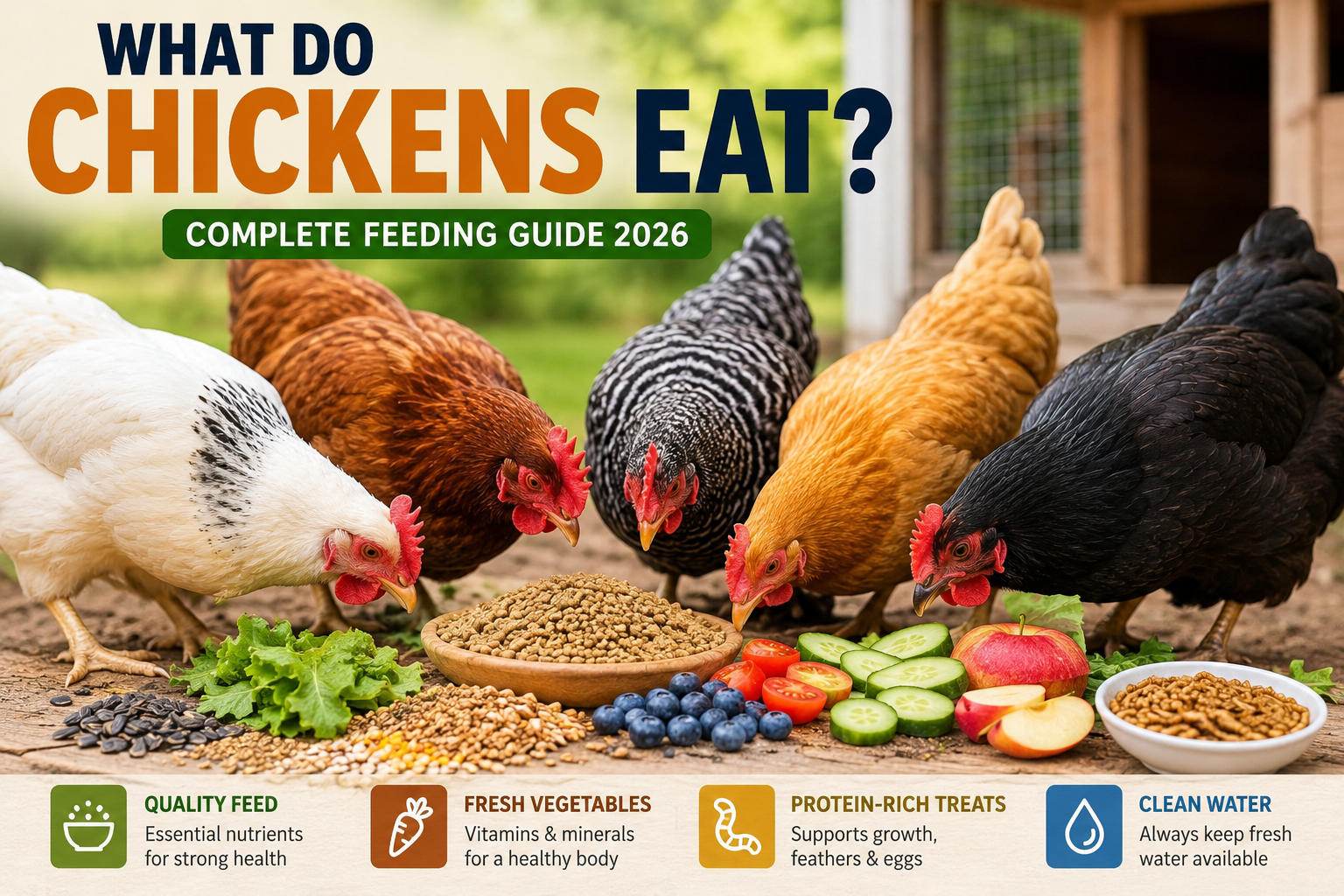
    If you’ve ever asked, What do chickens eat?, you’re not alone. Every backyard chicken owner wants healthy, productive birds. Knowing what do chickens eat? helps improve egg production, supports growth, and keeps your flock active throughout the year.

    In 2026, more American families are raising backyard chickens than ever before. However, feeding them the right foods is just as important as providing a safe coop. This guide explains everything beginners and experienced keepers need to know about what do chickens eat? while following the latest poultry nutrition recommendations.


    Why What Do Chickens Eat? Matters

    A balanced diet keeps chickens healthy and productive. Additionally, proper nutrition reduces disease, improves feather quality, and increases egg production.

    Benefits of feeding chickens correctly include:

    • Strong eggshells
    • Better egg quality
    • Healthy feathers
    • Faster growth
    • Strong immune system
    • Longer lifespan

    As a result, understanding what do chickens eat? can save money while improving your flock’s health.


    What Do Chickens Eat? Main Food Sources

    Commercial Chicken Feed

    The easiest answer to what do chickens eat? is high-quality commercial feed. It contains balanced vitamins, minerals, protein, and energy.

    Choose feed based on age:

    Chick Starter Feed

    • 18–20% protein
    • Ideal from hatch to 6 weeks
    • Supports healthy growth

    Grower Feed

    • 16–18% protein
    • Suitable for young chickens
    • Builds muscle and bones

    Layer Feed

    • Around 16% protein
    • High calcium content
    • Designed for laying hens

    Using the correct best chicken feed ensures birds receive complete nutrition every day.


    Healthy Foods Chickens Can Eat

    Besides commercial feed, chickens enjoy many healthy foods.

    Fruits

    Offer these in moderation:

    • Apples (without seeds)
    • Watermelon
    • Blueberries
    • Strawberries
    • Grapes

    Vegetables

    Fresh vegetables provide vitamins and fiber.

    Good choices include:

    • Lettuce
    • Spinach
    • Kale
    • Carrots
    • Cucumbers
    • Pumpkin

    Protein Sources

    Protein supports feather growth and egg production.

    Popular options:

    • Mealworms
    • Black soldier fly larvae
    • Cooked eggs
    • Plain cooked fish

    Adding healthy treats for chickens once or twice weekly keeps birds active and happy.


    Types of Chicken Diets

    Free-Range Diet

    Free-range chickens naturally eat:

    • Grass
    • Seeds
    • Insects
    • Worms
    • Small plants

    Additionally, they still need commercial feed to meet nutritional needs.

    Organic Diet

    Many owners now choose organic feed.

    Advantages include:

    • No synthetic pesticides
    • High-quality grains
    • Better sustainability

    Mixed Feeding System

    Most backyard owners combine:

    • Commercial feed
    • Kitchen scraps
    • Fresh greens
    • Natural insects

    This balanced chicken feeding guide works well for most flocks.


    Buying Guide: Choosing the Best Chicken Feed

    When shopping, always check these important factors.

    Protein Level

    Young chicks need more protein than adult hens.

    Calcium Content

    Layer hens require extra calcium for strong eggshells.

    Fresh Ingredients

    Always buy fresh feed from trusted brands.

    Feed Form

    Choose between:

    • Mash
    • Pellets
    • Crumbles

    Many poultry experts recommend pellets because they reduce waste.


    Common Feeding Mistakes to Avoid

    Many beginners make simple mistakes.

    Avoid these problems:

    • Feeding only scratch grains
    • Giving too many treats
    • Forgetting clean water
    • Feeding moldy food
    • Offering salty snacks
    • Giving chocolate or avocado

    Knowing what do chickens eat? also means knowing what they should never eat.


    Maintenance and Daily Feeding Tips

    Healthy chickens need a consistent routine.

    Follow these simple habits:

    • Provide fresh water daily.
    • Clean feeders every week.
    • Store feed in sealed containers.
    • Feed at the same time every day.
    • Remove spoiled food quickly.

    Additionally, monitor each bird’s weight and activity. Healthy chickens usually eat consistently and stay active.

    A proper layer chicken diet helps hens produce stronger eggs throughout the year.


    Conclusion

    So, what do chickens eat? The answer is simple: a balanced combination of quality commercial feed, clean water, healthy vegetables, fruits, and protein-rich treats. Additionally, feeding the right diet improves egg production, strengthens immunity, and keeps your flock healthy year-round.

    Whether you’re raising a few backyard hens or a larger flock in 2026, understanding what do chickens eat? is the foundation of successful poultry care.

    Call to Action: Want healthier chickens and better egg production? Explore our complete poultry care guides and learn more about what do chickens eat? to give your flock the nutrition it deserves.

    Frequently Asked Questions

    1. What do chickens eat every day?

    Chickens eat a balanced diet of commercial chicken feed, fresh water, grains, vegetables, fruits, and occasional protein-rich treats. Layer hens also need calcium to produce strong eggshells.

    2. What do chickens eat besides chicken feed?

    Besides commercial feed, chickens can eat leafy greens, carrots, cucumbers, pumpkin, berries, apples (without seeds), mealworms, cooked eggs, and insects. These foods should be offered as healthy treats in moderation.

    3. What foods should chickens never eat?

    Chickens should never eat chocolate, avocado, raw beans, moldy food, salty snacks, sugary foods, or spoiled leftovers because these foods can be harmful or toxic.

    4. What do chickens eat to lay more eggs?

    A balanced layer feed with about 16% protein and extra calcium is the best diet for laying hens. Fresh water and occasional protein-rich treats also help support healthy egg production.

    5. Can chickens eat kitchen scraps?

    Yes. Chickens can safely eat many kitchen scraps like vegetable peels, cooked rice, oats, and fruit. However, avoid processed, salty, moldy, or sugary foods.

    6. How often should chickens be fed?

    Adult chickens should have access to feed throughout the day or be fed twice daily. They should always have clean, fresh water available.

    7. Do free-range chickens still need chicken feed?

    Yes. Although free-range chickens eat insects, seeds, and plants, they still need a balanced commercial feed to meet all their nutritional requirements.

    8. What do baby chickens eat?

    Baby chicks should eat a high-protein chick starter feed (18–20% protein) during their first six weeks of life. They also need constant access to clean, fresh water.

  • Best Incubators 2026: Ultimate Guide to Smart Egg Hatching

    Best Incubators 2026: Ultimate Guide to Smart Egg Hatching

    Best Incubators 2026: Complete Buyer’s Guide for Better Hatch Rates

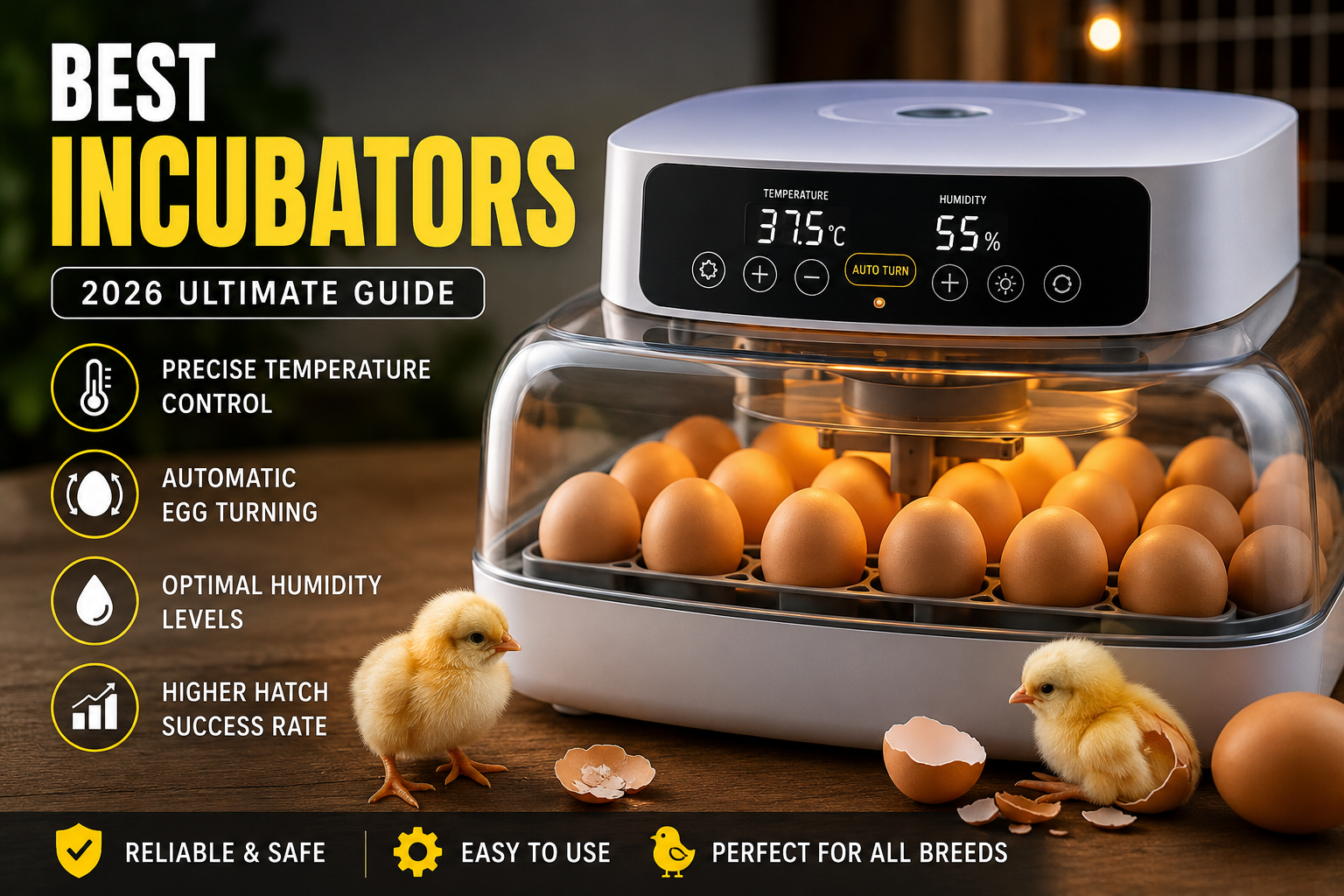
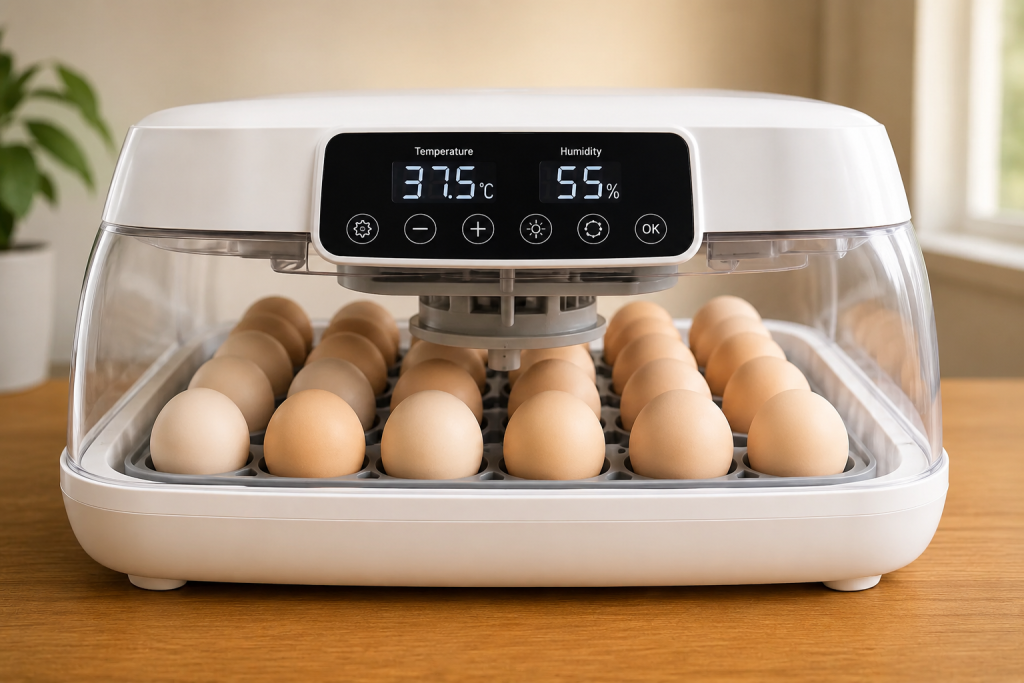
    If you’re searching for the best Incubators in 2026, you’ve come to the right place. Whether you raise chickens as a hobby or manage a small farm, choosing the best Incubators can greatly improve your hatch rate and save time. Additionally, modern incubators offer smart controls, automatic egg turning, and precise humidity management, making incubation easier than ever.

    A quality incubator protects developing embryos, maintains stable conditions, and increases the chances of healthy chicks. As a result, investing in the right model is one of the smartest decisions for poultry keepers in the United States.


    Why the Best Incubators Matter

    The best Incubators provide consistent temperature and humidity throughout the incubation period. Consequently, they help produce stronger and healthier chicks while reducing egg loss.

    Key benefits include:

    • Higher hatch success rates
    • Automatic egg turning
    • Digital temperature monitoring
    • Better humidity control
    • Lower risk of incubation errors
    • Easy cleaning and maintenance

    Additionally, today’s automatic egg incubator models are designed for beginners and experienced poultry keepers alike.


    Best Incubators Features You Should Look For

    Choosing the best Incubators requires more than comparing prices. Instead, focus on the features that directly affect hatch performance.

    Digital Temperature Control

    A stable temperature is the most important factor during incubation. Therefore, choose an incubator with an accurate digital thermostat that maintains consistent heat.

    Automatic Egg Turning

    Automatic turning prevents embryos from sticking to the shell. Moreover, it saves time and ensures even development.

    Humidity Monitoring

    Proper humidity is essential during both incubation and hatching. The best Incubators include built-in humidity displays and simple water refill systems.

    Egg Capacity

    Think about your future needs. Small backyard farmers may only need 12–24 eggs, while larger poultry operations often require 48–96 eggs or more.

    Clear Viewing Window

    A transparent lid allows you to monitor egg development without opening the incubator. As a result, internal conditions remain stable.


    Types of Best Incubators

    Different users have different needs. Fortunately, several categories are available.

    Manual Incubators

    Manual models require users to turn eggs themselves. Although they cost less, they demand more attention.

    Automatic Incubators

    An automatic egg incubator performs egg turning automatically. Therefore, it is the preferred option for beginners and busy poultry owners.

    Cabinet Incubators

    These large units are ideal for commercial breeders. Additionally, they offer greater capacity and advanced environmental controls.

    Still-Air Incubators

    Still-air models are affordable and simple. However, they require careful temperature monitoring.

    Forced-Air Incubators

    Many experts consider forced-air models among the best Incubators because internal fans distribute heat evenly for improved hatch rates.


    Buying Guide: How to Choose the Best Incubators

    Before purchasing the best Incubators, ask yourself these important questions.

    1. How many eggs will you hatch?
    2. Do you need automatic egg turning?
    3. Is digital humidity control included?
    4. Can replacement parts be purchased easily?
    5. Does the incubator have positive customer reviews?

    Additionally, compare warranty coverage and energy efficiency before making your decision.


    Common Mistakes to Avoid

    Many beginners make simple mistakes that reduce hatch success. Fortunately, they are easy to avoid.

    • Choosing the cheapest incubator only
    • Ignoring humidity levels
    • Opening the lid too often
    • Forgetting egg turning
    • Skipping temperature calibration
    • Overcrowding eggs

    Instead, invest in one of the best Incubators that offers reliable digital controls and automatic functions.


    Maintenance Tips for Best Incubators

    Proper care extends the life of your incubator and improves hatch performance.

    • Clean after every hatch.
    • Disinfect trays before reuse.
    • Check sensors regularly.
    • Store in a dry place.
    • Replace damaged fans promptly.
    • Test temperature before adding eggs.

    Additionally, always follow the manufacturer’s cleaning instructions to protect sensitive electronic components.


    Frequently Asked Questions

    Are automatic incubators worth buying?

    Yes. Automatic models improve consistency and reduce manual work. Therefore, they are among the best Incubators for beginners.

    What temperature should an incubator maintain?

    Most chicken eggs require approximately 99.5°F (37.5°C) throughout incubation.

    How long do chicken eggs take to hatch?

    Chicken eggs usually hatch after 21 days when temperature and humidity remain stable.


    Conclusion

    Choosing the best Incubators can significantly improve your hatch rate while making poultry care easier. Whether you need a compact chicken egg incubator for home use or a larger commercial system, focus on reliable temperature control, automatic turning, and accurate humidity management. Additionally, proper maintenance will keep your incubator performing well for years. Ready to upgrade your poultry setup? Compare today’s best Incubators and invest in the model that matches your needs for successful hatching in 2026.

  • Best Brooders 2026: Ultimate Guide to Choosing the Right One

    Best Brooders 2026: Ultimate Guide to Choosing the Right One

    Best Brooders: The Ultimate 2026 Buying Guide

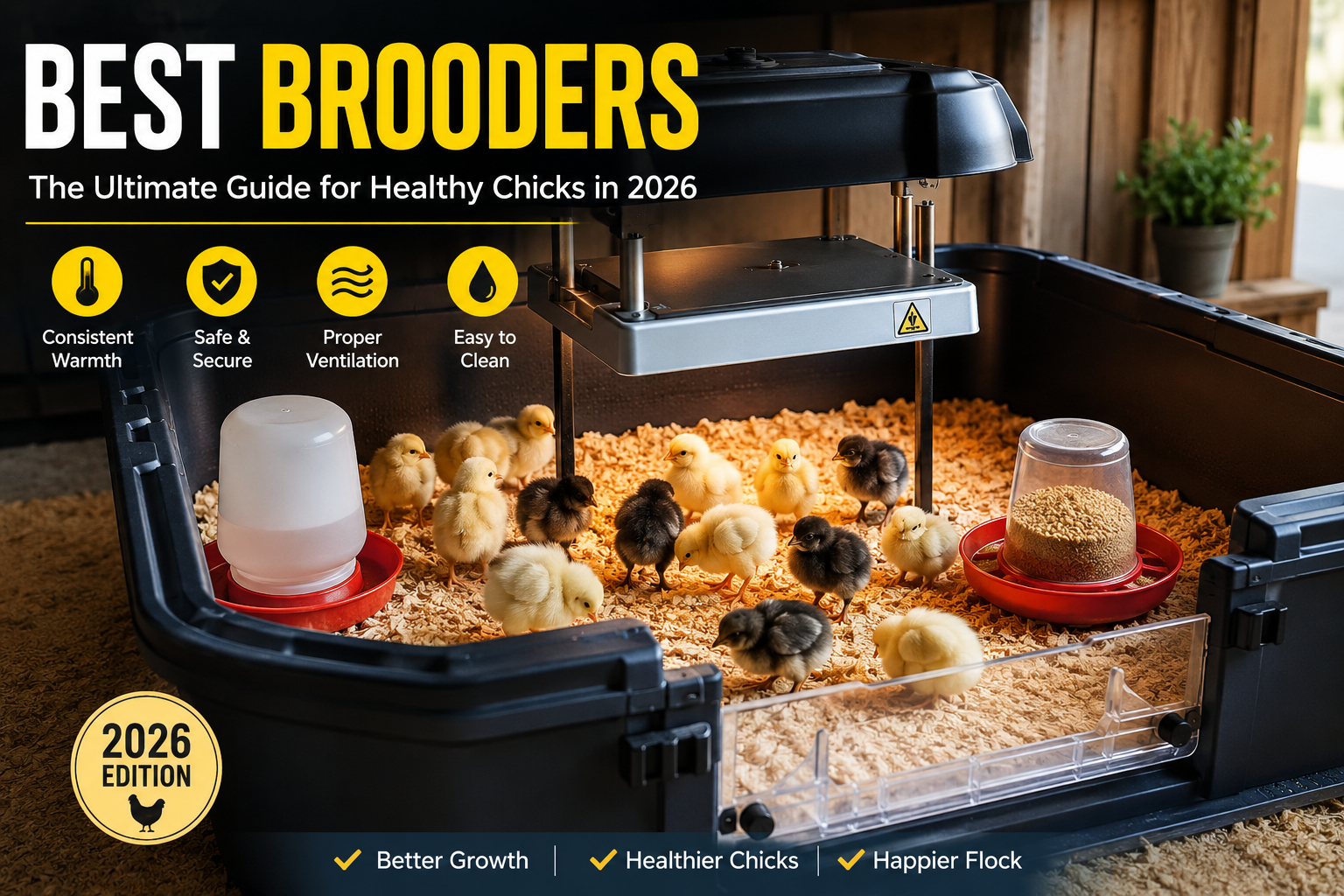
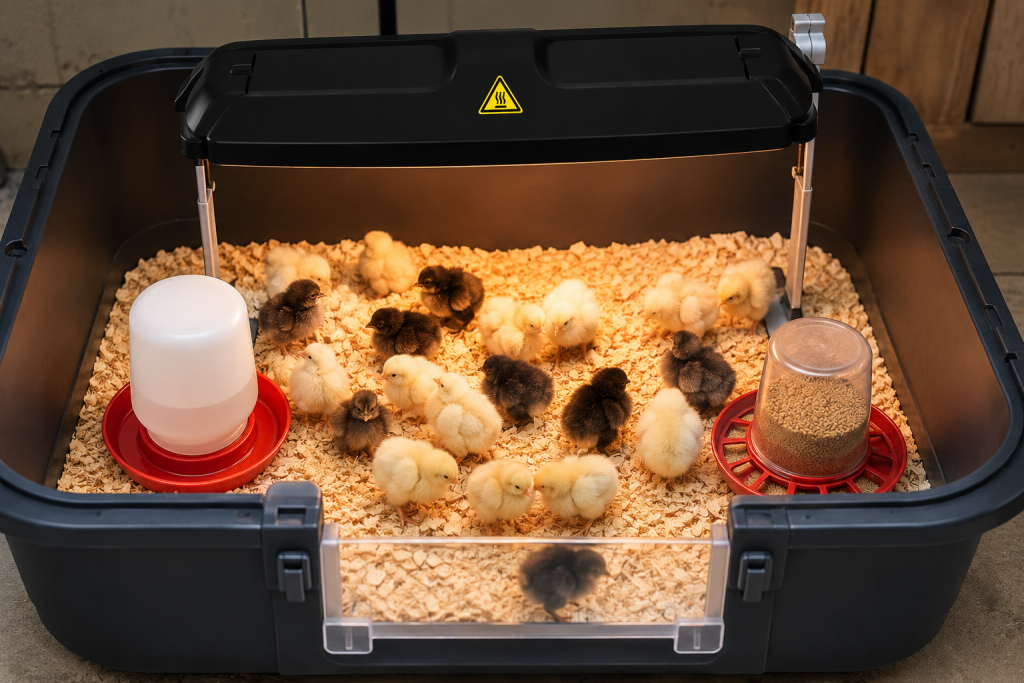
    If you are planning to raise healthy baby chicks, choosing the best Brooders is one of the most important decisions you will make. The best Brooders provide warmth, safety, and enough space for chicks to grow comfortably during their first weeks of life. Whether you are a backyard chicken keeper or a small poultry farmer in the United States, selecting the right brooder can improve chick survival and reduce stress. Additionally, modern brooders are easier to clean and more energy-efficient than older designs.

    Why Choosing the Best Brooders Matters

    The first few weeks of a chick’s life are critical. Therefore, using one of the best Brooders creates the right environment for healthy development.

    Benefits include:

    • Maintains proper temperature
    • Protects chicks from predators
    • Keeps bedding dry and clean
    • Reduces stress and disease risks
    • Makes feeding and watering easier

    As a result, chicks grow faster, stay healthier, and require fewer medical treatments.


    What Makes the Best Brooders?

    Not every brooder is built the same. Before buying, compare the following features.

    Proper Heating System

    The best Brooders provide consistent heat without overheating chicks.

    Choose between:

    • Radiant heat plates
    • Infrared heat lamps
    • Ceramic heaters

    However, radiant heat plates usually consume less electricity and improve safety.

    Easy Cleaning

    A removable tray or smooth plastic floor saves time during cleaning.

    Additionally, easy maintenance helps prevent bacteria and odors.

    Adequate Space

    Crowded chicks become stressed.

    A quality brooder for baby chicks should provide enough room for movement, feeding, and resting.

    Strong Ventilation

    Fresh airflow removes moisture while keeping chicks warm.

    Good ventilation also reduces respiratory problems.


    Types of Best Brooders

    Understanding different brooder styles helps you buy the right one.

    Plastic Brooders

    Plastic models are lightweight, durable, and simple to disinfect.

    They work well for beginners.

    Wooden Brooders

    Wooden brooders retain heat very well.

    However, they require more maintenance because wood absorbs moisture.

    Metal Brooders

    Metal brooders are extremely durable and suitable for larger poultry operations.

    They also resist damage better than wood.

    DIY Chick Brooder Box

    Many backyard poultry owners build a chick brooder box using storage bins or plywood.

    Although DIY options cost less, they must still provide safe heating and proper ventilation.


    How to Choose the Best Brooders

    Buying the best Brooders becomes easier when you follow a simple checklist.

    1. Count Your Chicks

    More chicks require more floor space.

    Avoid overcrowding.

    2. Choose Safe Heating

    A quality poultry brooder heater should maintain temperatures around 95°F during the first week.

    Then reduce the temperature gradually each week.

    3. Check Cleaning Requirements

    Easy cleaning saves time and keeps your flock healthier.

    4. Look for Adjustable Features

    Adjustable heat plates and removable dividers increase flexibility.

    5. Compare Build Quality

    Investing in durable materials often saves money over time.

    The best Brooders usually last through multiple hatching seasons.


    Common Mistakes to Avoid

    Many beginners lose chicks because of avoidable mistakes.

    Avoid these common problems:

    • Using too much heat
    • Ignoring ventilation
    • Overcrowding chicks
    • Allowing wet bedding
    • Using unsafe heat lamps
    • Forgetting clean water
    • Choosing brooders that are too small

    Additionally, monitor chick behavior daily.

    If chicks crowd under the heater, they are cold.

    If they stay far away, they are too hot.


    Best Brooders Maintenance Tips

    Proper maintenance extends the life of your equipment.

    Follow these simple tips:

    • Replace bedding regularly.
    • Clean feeders every day.
    • Disinfect the brooder weekly.
    • Check heating equipment often.
    • Remove spilled water immediately.
    • Inspect electrical cords for damage.
    • Keep fresh air flowing without drafts.

    Furthermore, keeping a clean chicken brooder setup greatly reduces disease risks.


    Frequently Asked Questions

    What size brooder do I need?

    Provide approximately 0.5 square feet per chick initially, then increase space as they grow.

    Are heat plates better than heat lamps?

    Yes. Many experts recommend heat plates because they use less electricity and improve safety.

    How long do chicks stay in brooders?

    Most chicks remain in the best Brooders for about six weeks, depending on weather conditions and feather growth.


    Conclusion

    Choosing the best Brooders helps your chicks grow into healthy, productive chickens. A quality brooder offers proper warmth, ventilation, safety, and enough room for growth. Additionally, regular cleaning and careful temperature management improve chick survival rates. Whether you buy a commercial model or build your own, investing in the best Brooders is one of the smartest decisions any poultry keeper can make. Start by comparing features, selecting the right size, and creating a safe environment so your flock enjoys the best possible start.

  • Best Chicken Feeders 2026: Complete Buyer’s Guide

    Best Chicken Feeders 2026: Complete Buyer’s Guide

    Best Chicken Feeders 2026: Complete Buyer’s Guide for Every Flock

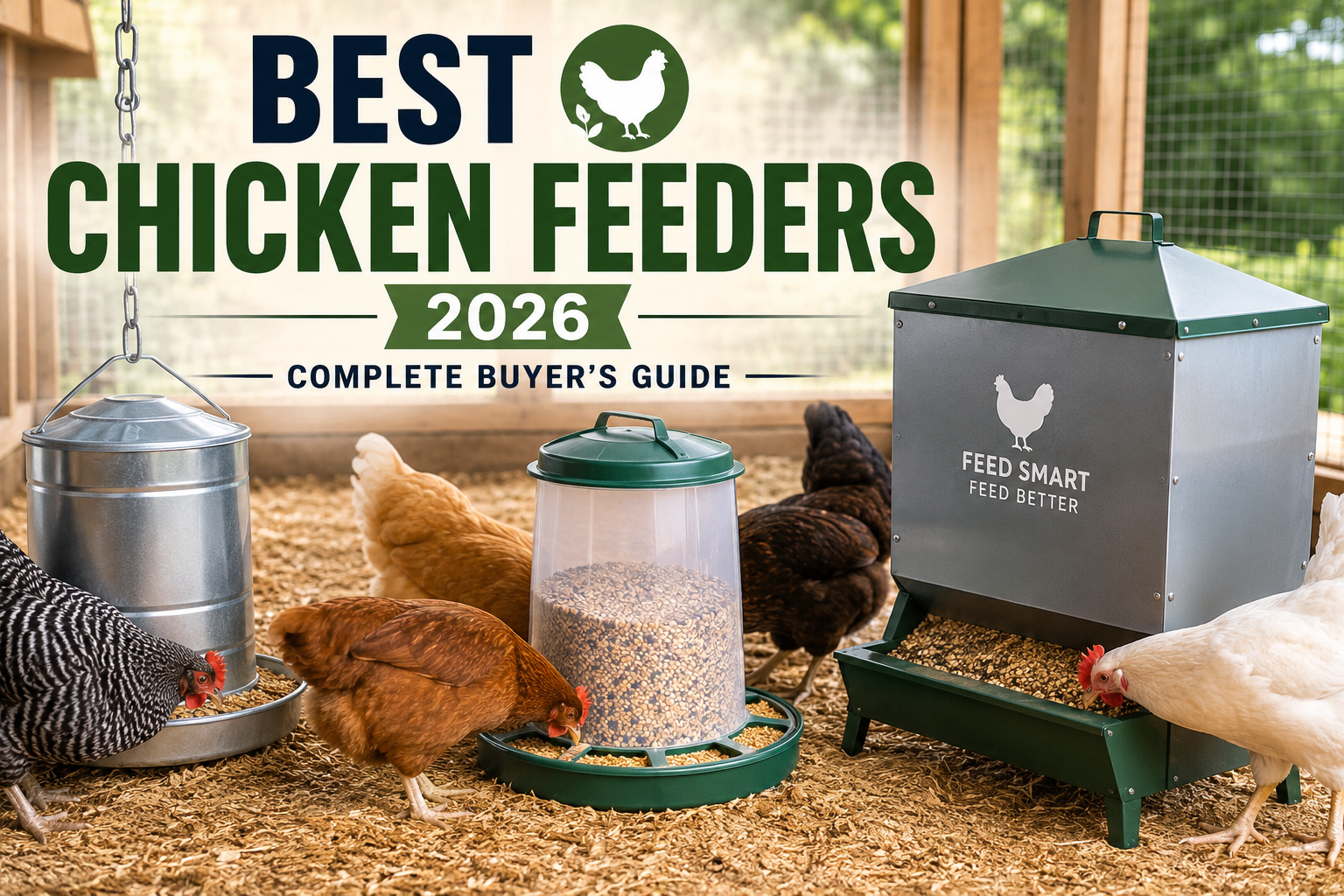
    Choosing the Best Chicken Feeders is one of the smartest ways to improve your flock’s health and reduce feed waste in 2026. Whether you own a few backyard hens or manage a larger poultry flock, the right feeder saves time, keeps feed clean, and protects it from pests. Additionally, modern feeder designs make daily feeding easier while helping birds stay healthy and productive.

    As more poultry keepers look for durable and efficient feeding systems, manufacturers continue introducing smarter and more weather-resistant options. Therefore, understanding what makes a quality feeder is more important than ever.


    Why the Best Chicken Feeders Matter

    The Best Chicken Feeders do much more than simply hold feed. They help reduce waste, improve hygiene, and lower your overall feeding costs.

    Benefits include:

    • Less feed wasted on the ground
    • Better protection from rain and moisture
    • Reduced rodent and wild bird access
    • Cleaner feeding environment
    • Less daily maintenance
    • Improved flock health

    As a result, investing in a quality feeder often pays for itself through lower feed costs.


    Key Features of the Best Chicken Feeders

    Durable Construction

    Choose feeders made from galvanized steel, heavy-duty plastic, or UV-resistant materials. These options last longer outdoors and resist rust and cracking.

    Large Feed Capacity

    A larger feeder means fewer refills. This feature is especially useful for larger flocks or busy owners.

    Weather Protection

    Rain can ruin expensive feed. Therefore, look for covered or weatherproof models that keep feed dry throughout the year.

    Waste Reduction Design

    Many Best Chicken Feeders now include anti-spill openings and treadle mechanisms. These features significantly reduce wasted feed and help keep the coop cleaner.

    Easy Cleaning

    Additionally, removable lids and smooth interiors make cleaning much easier. Clean feeders reduce bacteria and mold growth.


    Types of the Best Chicken Feeders

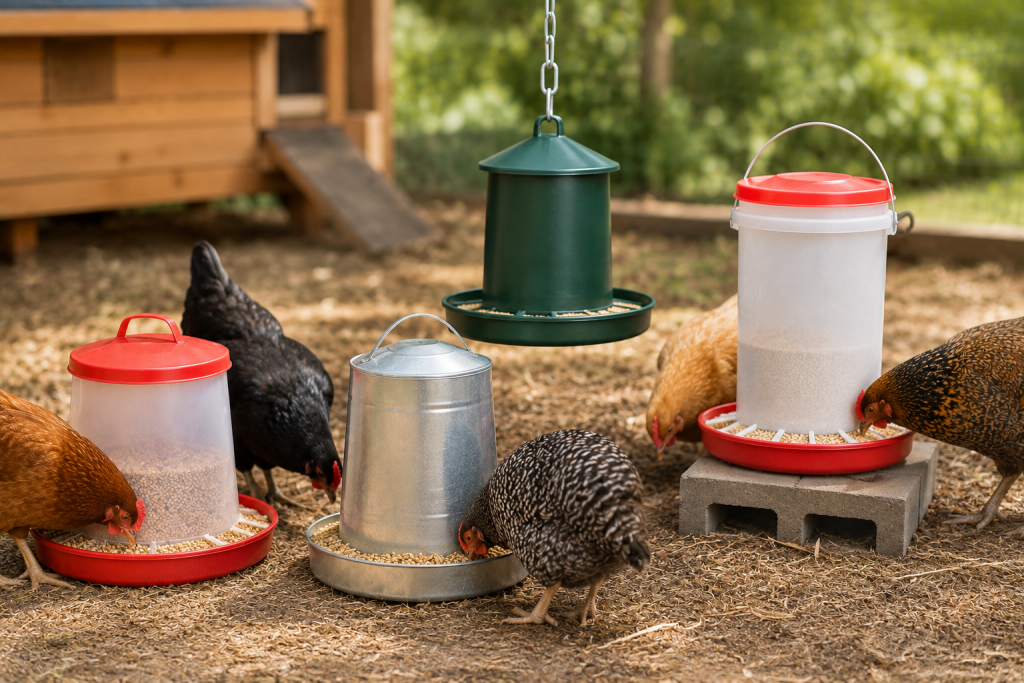
    Gravity Chicken Feeders

    Gravity feeders automatically refill the feeding tray as chickens eat.

    Advantages:

    • Affordable
    • Easy to use
    • Ideal for beginners
    • Low maintenance

    They are popular as a gravity chicken feeder solution for backyard flocks.


    Automatic Chicken Feeders

    An automatic chicken feeder uses treadle or gravity systems to reduce waste and prevent pests from accessing feed.

    Best for:

    • Busy owners
    • Vacation feeding
    • Feed savings
    • Rodent control

    Hanging Chicken Feeders

    Hanging feeders stay above ground, keeping feed cleaner.

    Benefits include:

    • Less dirt contamination
    • Reduced scratching
    • Better hygiene

    Trough Feeders

    Trough feeders work well for multiple birds eating at the same time.

    However, they usually require more cleaning and may allow greater feed waste.


    How to Choose the Best Chicken Feeders

    When shopping for the Best Chicken Feeders, consider these important factors.

    1. Flock Size

    Small backyard flocks need smaller feeders, while large farms benefit from higher-capacity models.

    2. Feed Type

    Different feeders work better with pellets, crumbles, or mash.

    3. Predator Protection

    If rodents are common in your area, choose a treadle-style feeder.

    4. Ease of Cleaning

    Simple maintenance helps improve poultry health.

    5. Weather Conditions

    Outdoor flocks need waterproof or weather-resistant feeders.

    Additionally, selecting the right backyard chicken feeder improves feeding efficiency throughout the year.


    Common Mistakes to Avoid

    Even experienced poultry keepers sometimes make feeding mistakes.

    Avoid these common problems:

    • Buying a feeder that’s too small
    • Leaving feed exposed to rain
    • Ignoring regular cleaning
    • Overfilling feeders
    • Choosing low-quality plastic models

    However, avoiding these mistakes helps extend feeder life while protecting your chickens.


    Maintenance Tips for Chicken Feeders

    The Best Chicken Feeders last longer with proper care.

    Maintenance checklist:

    • Clean feeders every week
    • Remove wet feed immediately
    • Inspect for cracks or damage
    • Tighten loose parts
    • Store extra feed in sealed containers

    Additionally, regular maintenance helps prevent mold, bacteria, and insect infestations.


    2026 Buying Trends

    Chicken keepers in 2026 increasingly prefer:

    • Automatic feeding systems
    • Weatherproof construction
    • Rodent-proof designs
    • Larger feed capacity
    • Easy-clean materials

    These innovations make daily flock management simpler while reducing long-term feeding costs.


    Conclusion

    Choosing the Best Chicken Feeders is an investment in healthier chickens, lower feed waste, and easier daily management. Whether you prefer a gravity feeder, hanging feeder, or automatic system, selecting a durable model that fits your flock size will provide years of reliable service. Additionally, regular maintenance keeps your feeder working efficiently. If you’re upgrading your poultry setup in 2026, start by choosing one of the Best Chicken Feeders that matches your needs and enjoy healthier, happier chickens.

    Frequently Asked Questions

    1. What are the Best Chicken Feeders for backyard flocks?

    The Best Chicken Feeders for backyard flocks are durable, weatherproof, and designed to reduce feed waste. Gravity and automatic feeders are popular choices because they require less maintenance.

    2. Are automatic chicken feeders worth buying?

    Yes. An automatic chicken feeder helps reduce feed waste, keeps rodents away, and saves time by providing a steady supply of feed for your chickens.

    3. Which type of chicken feeder wastes the least feed?

    Treadle and no-waste chicken feeders waste the least feed because they only open when chickens step on the platform, preventing spills and keeping pests away.

    4. How often should I clean a chicken feeder?

    You should clean your chicken feeder at least once a week. Regular cleaning helps prevent mold, bacteria, and contaminated feed that can affect your flock’s health.

    5. What size chicken feeder do I need?

    The right size depends on your flock. Small backyard flocks can use a 10–20 lb feeder, while larger flocks may need feeders that hold 30–50 lb or more.

    6. Can chicken feeders be left outside?

    Yes. Many of the Best Chicken Feeders are built with weather-resistant materials that protect feed from rain, moisture, and harsh outdoor conditions.

    7. What is the difference between a gravity feeder and an automatic chicken feeder?

    A gravity feeder uses gravity to refill the feeding tray, while an automatic chicken feeder often includes a treadle or other mechanism to reduce feed waste and keep rodents out.

    8. How can I stop chickens from wasting feed?

    Choose a no-waste or automatic feeder, avoid overfilling it, and place it at the correct height so chickens cannot scratch feed onto the ground.

    9. Are metal chicken feeders better than plastic feeders?

    Metal feeders are generally more durable and rodent-resistant, while high-quality plastic feeders are lightweight, rust-free, and easier to move.

    10. How long do the Best Chicken Feeders last?

    A high-quality chicken feeder can last 5–10 years or longer with proper cleaning and regular maintenance, making it a smart investment for any poultry keeper.

  • Best Automatic Chicken Door 2026: Top Smart Picks

    Best Automatic Chicken Door 2026: Top Smart Picks

    Best Automatic Chicken Door: Complete 2026 Buyer’s Guide

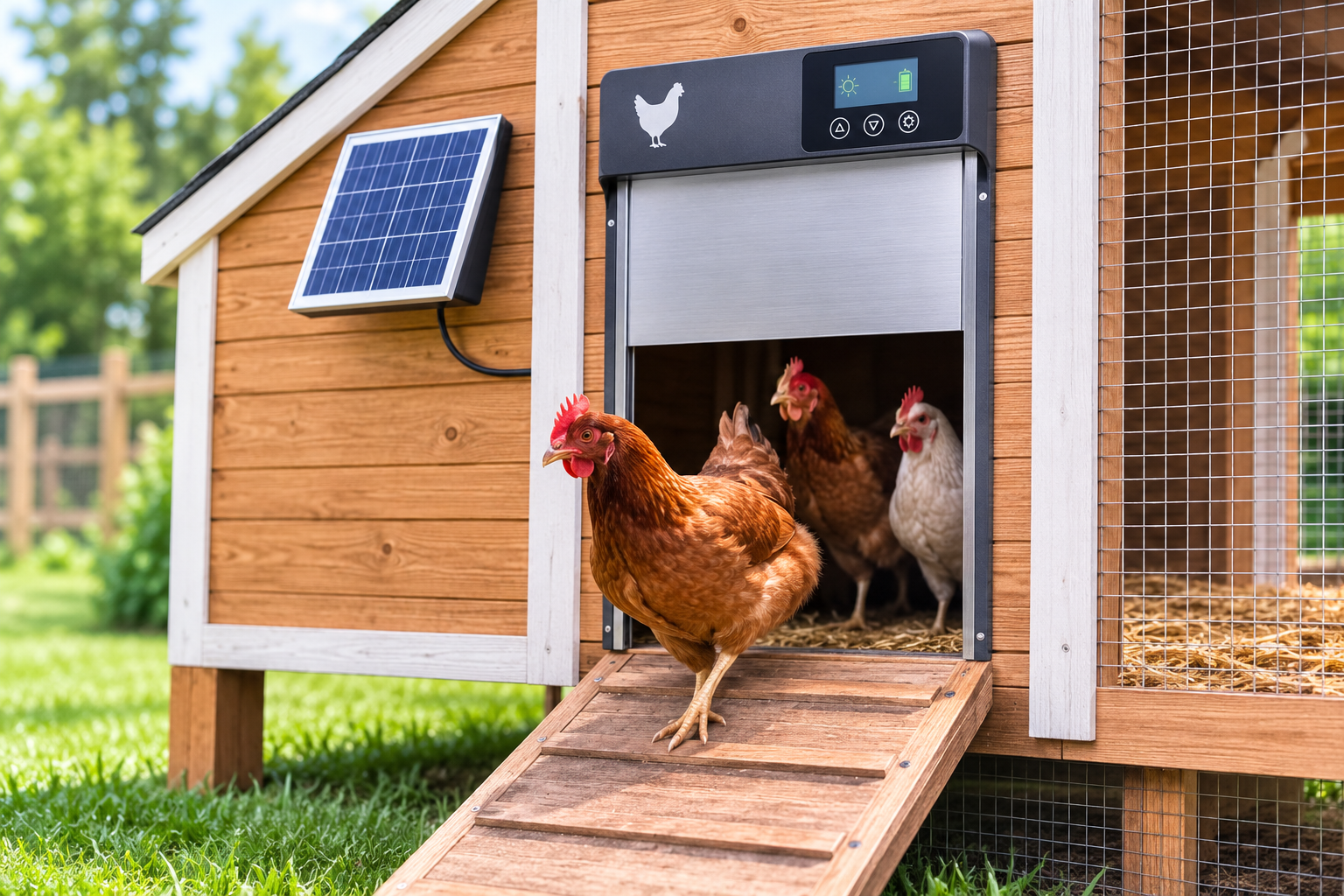
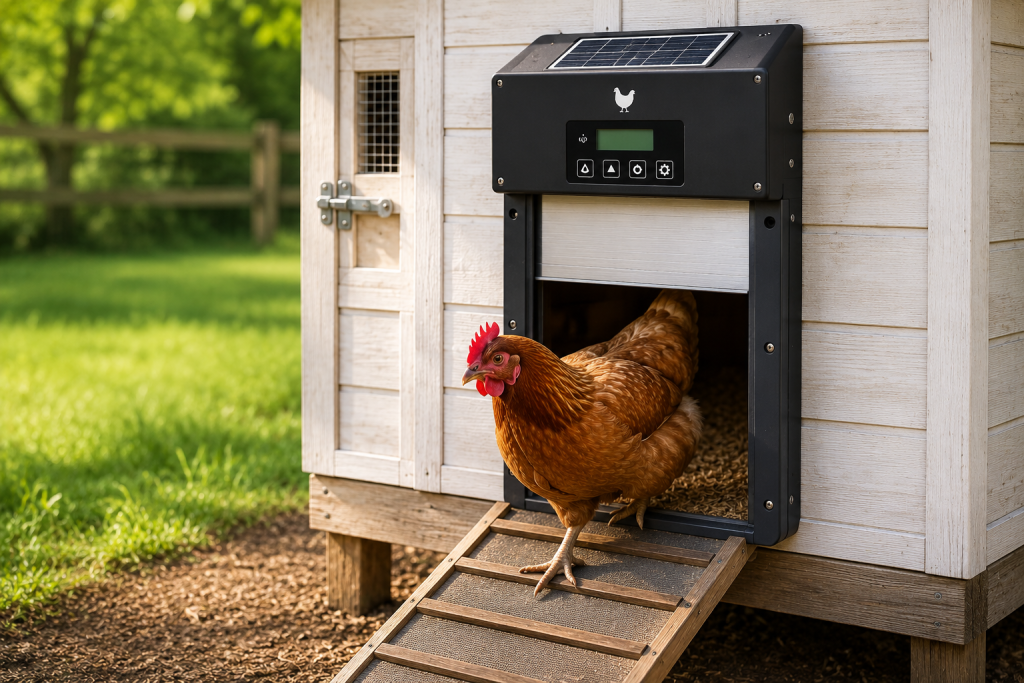
    If you’re looking for the Best Automatic Chicken door, you’re making one of the smartest upgrades for your backyard flock in 2026. An automatic coop door improves security, saves time, and protects chickens from nighttime predators. Additionally, today’s smart models include light sensors, timers, and app controls that make daily flock management easier than ever.

    Whether you own a few backyard hens or manage a larger poultry flock, choosing the Best Automatic Chicken door can improve your birds’ safety and your peace of mind.


    Why the Best Automatic Chicken Door Matters

    A reliable Best Automatic Chicken door does much more than open and close automatically. It helps protect chickens while reducing your daily workload.

    Key Benefits

    • Keeps predators out after sunset
    • Opens automatically every morning
    • Reduces manual work
    • Improves flock safety
    • Works during vacations or busy schedules
    • Helps maintain a consistent routine

    Additionally, many modern models include battery backup, obstacle detection, and weather-resistant construction.


    Features to Look for in the Best Automatic Chicken Door

    Choosing the Best Automatic Chicken door requires more than comparing prices. Instead, focus on features that improve reliability and long-term performance.

    Light Sensor Technology

    Light-sensitive doors automatically open at sunrise and close at sunset. As a result, chickens follow their natural daily routine without human intervention.

    Programmable Timer

    Many automatic coop door models allow users to set custom opening and closing schedules. This feature works especially well during changing seasons.

    Solar or Battery Backup

    Power outages happen unexpectedly. Therefore, select a model with solar charging or battery backup to keep your flock protected.

    Predator Detection

    Some premium smart chicken coop door systems include safety sensors. If an object blocks the door, it stops and reverses automatically.

    Durable Materials

    Choose aluminum or galvanized steel doors because they resist rust, rain, snow, and extreme temperatures.


    Types of the Best Automatic Chicken Door

    Understanding available options makes buying easier.

    Timer-Based Automatic Coop Door

    These doors open and close according to programmed schedules. They work well for owners with predictable routines.

    Best For

    • Backyard flocks
    • Small farms
    • Daily consistency

    Light Sensor Chicken Door

    These models respond to natural daylight instead of fixed schedules.

    Advantages

    • Seasonal adjustment
    • Natural operation
    • Low maintenance

    Smart WiFi Chicken Coop Door

    Smart models connect to mobile apps. Owners can monitor or control the automatic poultry door opener remotely.

    Ideal For

    • Frequent travelers
    • Large properties
    • Tech-savvy poultry owners

    Buying Guide for the Best Automatic Chicken Door

    Before purchasing, compare these important factors.

    Size Compatibility

    Ensure the door matches your chicken breed and coop entrance dimensions.

    Weather Resistance

    The Best Automatic Chicken door should handle rain, snow, heat, and freezing temperatures without failure.

    Installation

    Most modern systems install within an hour using basic tools.

    Power Source

    Choose between:

    • Solar powered chicken door
    • Battery operated models
    • Electric powered systems

    Warranty

    Manufacturers offering two or more years of warranty usually provide better product reliability.


    Common Mistakes to Avoid

    Many buyers focus only on price. However, that often leads to poor performance.

    Avoid these common mistakes:

    • Buying the wrong door size
    • Ignoring weather ratings
    • Skipping battery backup
    • Forgetting predator safety features
    • Choosing plastic doors for harsh climates
    • Not checking installation requirements

    Additionally, always read customer reviews before purchasing.


    Maintenance Tips

    Even the Best Automatic Chicken door needs occasional care.

    Monthly Checklist

    • Clean tracks regularly.
    • Remove dirt and feathers.
    • Test safety sensors.
    • Replace batteries if necessary.
    • Tighten mounting screws.
    • Inspect moving parts for wear.

    Regular maintenance extends product life and ensures reliable operation throughout the year.


    Latest 2026 Trends

    The automatic poultry industry continues to improve rapidly in 2026.

    Popular innovations include:

    • AI-powered opening schedules
    • Smartphone notifications
    • Bluetooth connectivity
    • Solar charging improvements
    • Quieter motors
    • Better predator protection

    As a result, today’s smart chicken coop door systems provide greater convenience and stronger flock security than older models.


    Final Thoughts

    Choosing the Best Automatic Chicken door is an investment in your flock’s safety and your daily convenience. By selecting a durable model with smart features, reliable power backup, and weather-resistant construction, you can reduce daily chores while protecting your chickens from predators. Additionally, compare features carefully before purchasing and choose the Best Automatic Chicken door that matches your coop size, climate, and management style. With the right choice, your flock will stay safer and healthier throughout 2026 and beyond.

    Frequently Asked Questions (FAQs)

    1. What is the best automatic chicken door in 2026?

    The best automatic chicken door in 2026 is one that offers reliable operation, predator protection, weather resistance, and features like light sensors, timers, or smart app control.

    2. Are automatic chicken doors safe for chickens?

    Yes. Most high-quality automatic chicken doors include safety sensors that stop or reverse the door if a chicken is in the way, helping prevent injuries.

    3. Do automatic chicken doors work without electricity?

    Many models operate on batteries or solar power, while others plug into an electrical outlet. Some also include battery backup during power outages.

    4. Can predators open an automatic chicken door?

    Quality automatic chicken doors are designed with secure locking mechanisms that make it difficult for common predators such as raccoons, foxes, and coyotes to gain access.

    5. How long do automatic chicken doors last?

    A well-built automatic chicken door can last between 5 and 10 years with regular cleaning and maintenance.

    6. Are automatic chicken doors waterproof?

    Most premium models are weather-resistant and built to withstand rain, snow, heat, and freezing temperatures. Always check the manufacturer’s weather rating before buying.

    7. Is a solar-powered automatic chicken door worth it?

    Yes. A solar-powered automatic chicken door reduces electricity costs and continues working even in areas without easy access to power.

    8. How difficult is it to install an automatic chicken door?

    Most automatic chicken doors are easy to install using basic tools. Installation usually takes 30–60 minutes, depending on your coop design.

    9. What size automatic chicken door do I need?

    Choose a door that matches the size of your chicken breed and the opening of your coop. Larger breeds may require wider and taller doors.

    10. Can I control an automatic chicken door with my phone?

    Yes. Some smart models include Wi-Fi or Bluetooth connectivity, allowing you to monitor and control the door remotely through a mobile app.

  • Best Chicken Coops 2026: Ultimate Buyer’s Guide for Safe Flocks

    Best Chicken Coops 2026: Ultimate Buyer’s Guide for Safe Flocks

    Best Chicken Coops 2026: Complete Buyer’s Guide for Every Backyard Flock

    If you’re searching for the Best Chicken Coops, you’re already making one of the smartest decisions for your flock in 2026. A quality chicken coop protects chickens from predators, improves egg production, and makes daily care much easier. Whether you’re raising a few backyard hens or managing a larger flock, choosing the right coop is essential for long-term success.

    Additionally, modern chicken coops now include better ventilation, easier cleaning systems, and stronger weather protection. As a result, finding the Best Chicken Coops has become easier than ever with today’s wide range of options.


    Why Choosing the Best Chicken Coops Matters

    The right coop does much more than provide shelter.

    A high-quality coop helps:

    • Protect chickens from predators
    • Keep birds dry during rain and snow
    • Improve airflow and reduce disease
    • Simplify egg collection
    • Make cleaning faster
    • Increase flock comfort throughout the year

    Additionally, healthy chickens usually lay eggs more consistently because they experience less stress.


    Key Features of the Best Chicken Coops

    Strong Predator Protection

    The Best Chicken Coops use solid wood, galvanized wire mesh, secure locks, and reinforced doors. These features keep foxes, raccoons, snakes, and other predators away.

    Good Ventilation

    Fresh air is essential.

    Proper ventilation reduces moisture, prevents respiratory diseases, and keeps the coop comfortable during both summer and winter.

    Easy Cleaning Design

    Choose coops with:

    • Pull-out trays
    • Large access doors
    • Smooth flooring
    • Removable nesting boxes

    These features save time every week.

    Comfortable Nesting Boxes

    Every 3–4 hens should have one nesting box. Comfortable nesting areas encourage regular egg laying and reduce stress.

    Weather Resistance

    The Best Chicken Coops include waterproof roofs, treated wood, and elevated flooring. As a result, chickens stay dry even during heavy rain.


    Types of Best Chicken Coops

    Backyard Chicken Coop

    Ideal for families with 3–8 chickens.

    These coops are affordable, compact, and easy to maintain.

    Portable Chicken Coop

    A portable chicken coop allows chickens to enjoy fresh grass every day.

    Additionally, moving the coop reduces parasite buildup.

    Large Chicken Coop

    If you own more than ten chickens, consider a large chicken coop.

    These models provide:

    • More nesting boxes
    • Extra roosting space
    • Better airflow
    • Room for future flock expansion

    Walk-In Chicken Coop

    Walk-in coops offer excellent convenience.

    You can easily clean, feed, and inspect your chickens without crouching.

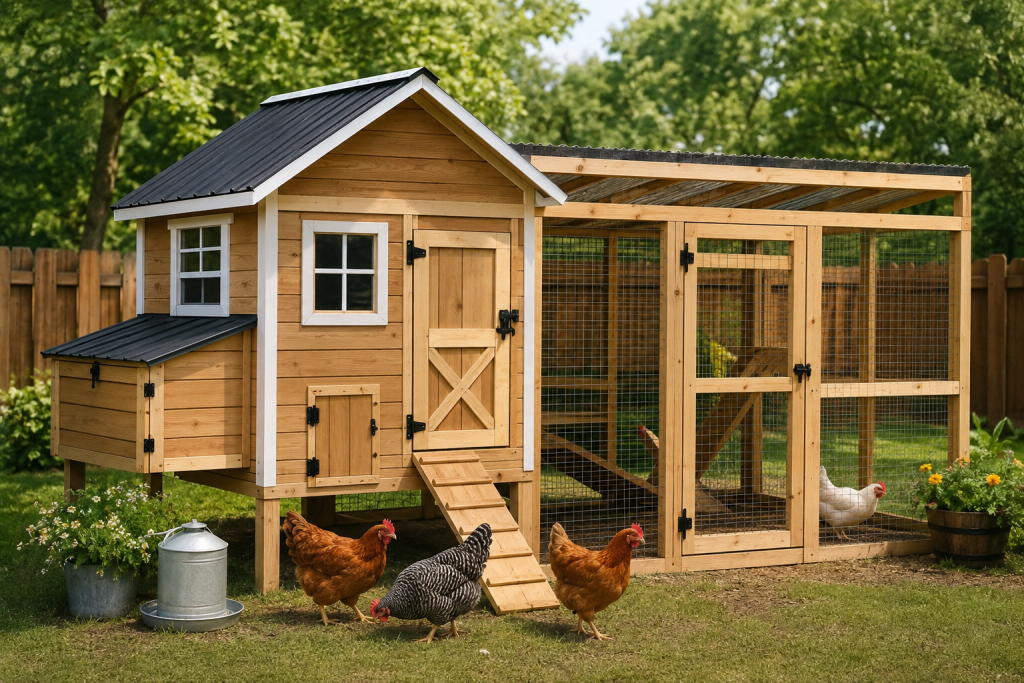
    Best chicken coop for backyard chickens in 2026

    Best Chicken Coops Buying Guide

    Before buying, ask yourself these important questions.

    How Many Chickens Do You Have?

    Allow:

    • 3–4 square feet per chicken inside
    • 8–10 square feet outside

    Overcrowding creates stress and disease.

    What Climate Do You Live In?

    Cold climates require insulated walls.

    Hot climates need larger ventilation openings and shaded roofing.

    Which Material Is Best?

    Wood remains the most popular because it offers excellent insulation.

    However, metal coops require less maintenance in humid regions.

    Can You Expand Later?

    Many owners start with six chickens but eventually grow their flock.

    Buying a slightly larger coop today saves money tomorrow.


    Common Mistakes to Avoid

    Many beginners make expensive mistakes.

    Avoid these common problems:

    • Buying a coop that’s too small
    • Ignoring ventilation
    • Choosing weak wire fencing
    • Forgetting predator-proof locks
    • Placing the coop in low, wet areas
    • Skipping regular cleaning

    Fortunately, avoiding these mistakes helps your chickens stay healthier throughout the year.


    Maintenance Tips for the Best Chicken Coops

    Even the Best Chicken Coops require routine maintenance.

    Weekly tasks include:

    • Remove old bedding
    • Clean nesting boxes
    • Check locks
    • Refill feeders
    • Wash water containers

    Monthly maintenance:

    • Inspect the roof
    • Tighten loose screws
    • Repair damaged wire mesh
    • Disinfect flooring
    • Check for mites and pests

    Additionally, replacing bedding regularly keeps odors low and improves flock health.


    Final Thoughts

    Finding the Best Chicken Coops is an investment that pays off through healthier chickens, easier maintenance, and better egg production. Whether you choose a backyard model, a portable design, or a spacious walk-in coop, always focus on safety, ventilation, and durability. By following this guide, you’ll confidently select one of the Best Chicken Coops for your flock in 2026. Ready to upgrade your poultry setup? Compare your options carefully and choose a coop that will protect your chickens for years to come.

  • Why are my Eggs Small? Complete Guide & Causes (2026)

    Why are my Eggs Small? Complete Guide & Causes (2026)

    Why are my Eggs Small? Complete 2026 Guide for Chicken Owners

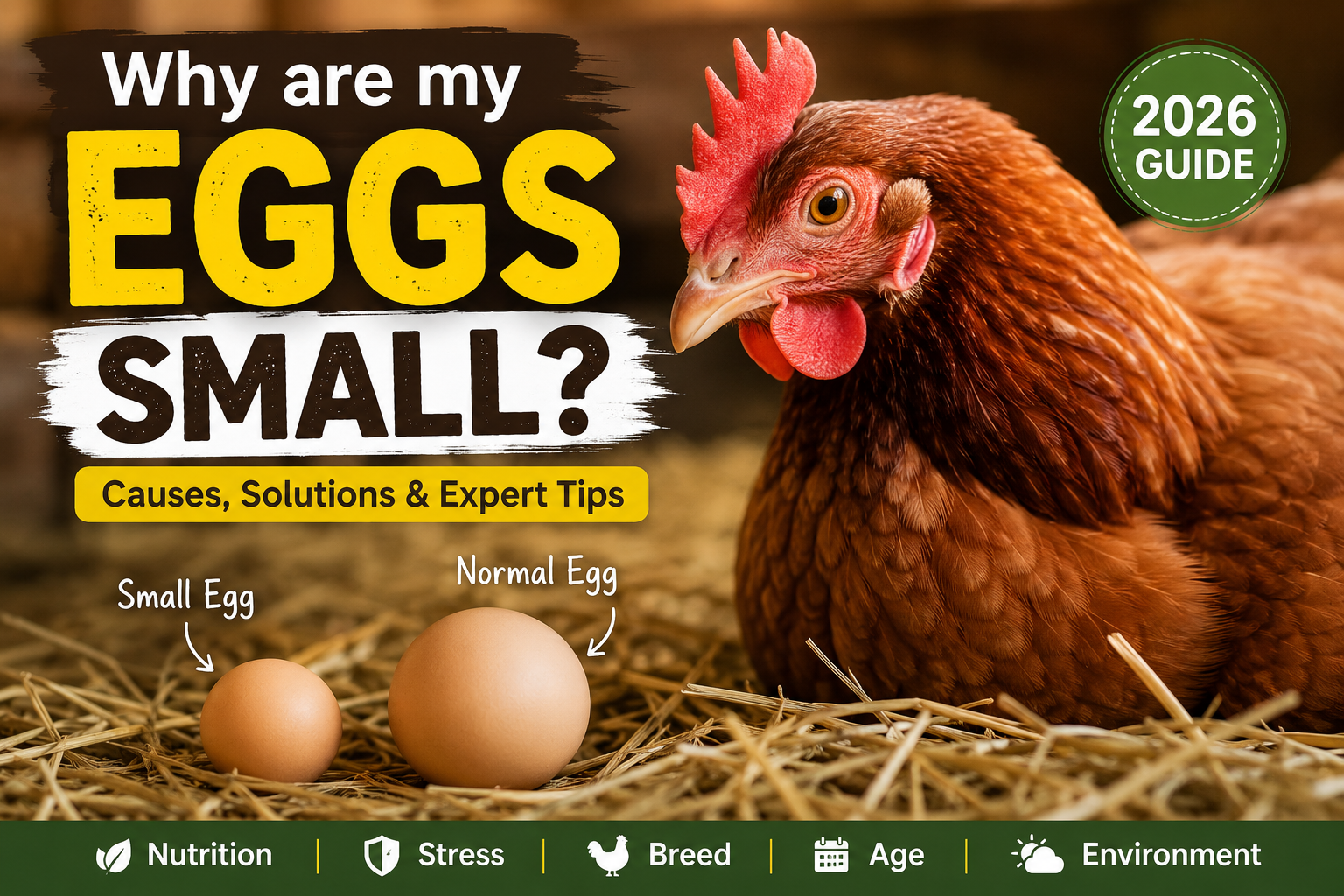
    If you’ve recently asked yourself, Why are my Eggs Small?, you’re not alone. Backyard chicken keepers around the world often notice tiny eggs and wonder if something is wrong with their flock. Fortunately, small eggs are usually normal and can result from age, breed, nutrition, stress, or seasonal changes.

    In this updated 2026 guide, you’ll learn why are my Eggs Small?, how to identify the real cause, and what you can do to help your hens produce healthy, full-sized eggs


    Why Does It Matter If Your Eggs Are Small?

    Understanding why are my Eggs Small? helps you identify whether your hens simply need more time or if they require better care.

    Small eggs may indicate:

    • Young hens just starting to lay
    • Poor nutrition
    • Heat or environmental stress
    • Breed genetics
    • Temporary health issues

    However, identifying the cause early helps maintain healthy egg production and improves your flock’s long-term health.


    Common Reasons Why are my Eggs Small?

    Young Pullets Lay Small Eggs

    One of the most common answers to Why are my Eggs Small? is that your hens recently started laying.

    Pullets naturally produce tiny “starter eggs” during their first few weeks. Additionally, egg size usually increases over the next two to three months as their reproductive system matures.


    Breed Determines Egg Size

    Not every chicken lays large eggs.

    Some breeds naturally produce smaller eggs than others.

    Examples include:

    • Dutch Bantam
    • Sebright
    • Silkies
    • Old English Game

    Meanwhile, breeds like Rhode Island Red and Leghorn usually lay medium to large eggs.


    Poor Nutrition

    Another major reason why are my Eggs Small? involves diet.

    Layers require balanced nutrition rich in:

    • Protein
    • Calcium
    • Vitamin D
    • Essential minerals

    Without proper nutrients, hens may lay smaller eggs or produce fewer eggs altogether.

    Additionally, fresh water should always be available.


    Stress Reduces Egg Size

    Stress affects egg production more than many owners realize.

    Common stress factors include:

    • Predator attacks
    • Loud noises
    • Overcrowded coops
    • Sudden weather changes
    • Moving chickens

    As a result, stressed hens often produce smaller eggs until conditions improve.


    Seasonal Changes

    Many hens lay smaller eggs during extreme heat or winter.

    High temperatures reduce feed intake, while shorter daylight hours affect hormone production.

    Therefore, keeping your flock comfortable throughout the year supports consistent egg size.


    Types of Small Eggs

    Normal Starter Eggs

    These tiny eggs come from young pullets and are completely normal.

    Most hens outgrow this stage naturally.


    Fairy Eggs

    Fairy eggs are extremely small and usually contain only egg white.

    Fortunately, they rarely indicate a serious problem.


    Misshapen Small Eggs

    Occasionally, hens produce small eggs with unusual shapes.

    These may result from temporary stress, illness, or reproductive disturbances.

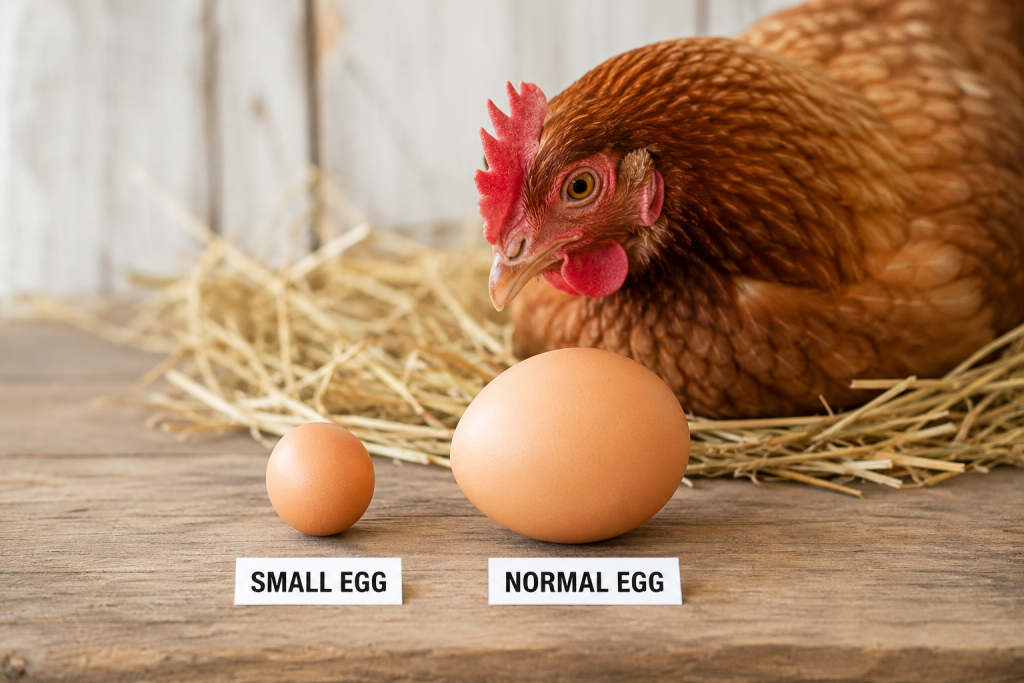
    Why are my eggs small? Small egg compared to a normal chicken egg

    Buying & Decision Guide: How to Improve Egg Size

    If you’re still wondering Why are my Eggs Small?, use this simple checklist.

    Choose quality layer feed containing at least:

    • 16-18% protein
    • Added calcium
    • Vitamins and minerals

    Additionally:

    1. Provide clean drinking water daily.
    2. Allow enough coop space.
    3. Reduce stress whenever possible.
    4. Offer oyster shells separately.
    5. Keep nesting boxes clean.

    Following these steps can improve small chicken eggs causes related to nutrition and management.


    Common Mistakes to Avoid

    Many backyard chicken owners accidentally reduce egg size by making simple mistakes.

    Avoid:

    • Feeding only scratch grains
    • Ignoring parasite problems
    • Keeping overcrowded coops
    • Changing feed too often
    • Allowing dehydration
    • Expecting young hens to lay large eggs immediately

    Understanding why are my Eggs Small? helps prevent these common problems before they become serious.


    Maintenance and Care Tips

    Healthy hens produce healthier eggs.

    Follow these maintenance tips:

    • Clean the coop every week.
    • Replace bedding regularly.
    • Supply fresh water every day.
    • Feed a balanced layer ration.
    • Watch for illness or parasites.
    • Provide 14–16 hours of light during darker months if appropriate.

    Additionally, monitor egg production weekly so you can notice changes early.

    Using proper chicken nutrition for egg production and reducing stress often improves egg size naturally.


    When Should You Worry?

    Although small eggs are usually harmless, consult a poultry veterinarian if:

    • Egg size suddenly becomes much smaller.
    • Egg production stops completely.
    • Blood appears in eggs repeatedly.
    • Hens show signs of illness.
    • Weight loss accompanies poor laying.

    Early treatment helps protect both your flock and future egg production.


    Conclusion

    If you’ve been asking Why are my Eggs Small?, the good news is that the answer is often simple. Young hens, breed differences, nutrition, and temporary stress account for most cases. However, providing balanced feed, clean water, proper housing, and regular flock care will help your hens produce larger, healthier eggs over time.

    Continue monitoring your flock, follow good poultry management practices, and you’ll better understand Why are my Eggs Small? while keeping your chickens healthy throughout 2026.

    Call to Action: Explore our other poultry care guides to learn more about improving egg production, chicken health, and backyard flock management.

    Frequently Asked Questions (FAQs)

    1. Why are my eggs small all of a sudden?

    Small eggs can result from stress, poor nutrition, seasonal changes, illness, or young hens that have recently started laying. Check your flock’s diet, water supply, and overall health to identify the cause.

    2. Is it normal for young hens to lay small eggs?

    Yes. Young hens, also called pullets, usually lay small “starter eggs” during their first few weeks of egg production. The eggs typically become larger as the hens mature.

    3. Can chicken breed affect egg size?

    Absolutely. Some breeds naturally lay smaller eggs, while others consistently produce medium or large eggs. Egg size is strongly influenced by genetics.

    4. Does nutrition affect egg size?

    Yes. A balanced layer feed with adequate protein, calcium, vitamins, and minerals helps hens produce healthy, normal-sized eggs. Poor nutrition is a common cause of small eggs.

    5. Can stress cause small eggs?

    Yes. Stress from predators, overcrowding, extreme temperatures, or sudden changes in the environment can temporarily reduce egg size and overall egg production.

  • Homemade Chicken Feed Recipe (2026): Save Money & Boost Egg Production

    Homemade Chicken Feed Recipe (2026): Save Money & Boost Egg Production

    Homemade Chicken Feed Recipe (2026): Save Money While Raising Healthy Chickens

    If you keep backyard chickens, finding the right Homemade Chicken Feed Recipe can help reduce feeding costs while supporting healthier birds. In 2026, more poultry owners in the United States and around the world are switching to homemade feed because they want better ingredient control and improved egg quality. Additionally, a balanced recipe allows you to avoid unnecessary fillers found in some commercial feeds.

    Whether you own five hens or fifty, this guide explains how to prepare a nutritious feed mix, choose quality ingredients, and avoid common mistakes.


    Why a Homemade Chicken Feed Recipe Matters

    A quality Homemade Chicken Feed Recipe offers several benefits for poultry keepers.

    Lower Feeding Costs

    Buying grains in bulk often reduces the overall cost of raising chickens. As a result, many small farms save money throughout the year.

    Better Ingredient Quality

    You choose every ingredient yourself. Therefore, you know exactly what your chickens eat every day.

    Healthier Birds

    A balanced DIY chicken feed provides essential protein, vitamins, minerals, and healthy fats. Consequently, chickens stay active and productive.

    Improved Egg Quality

    Many backyard farmers report stronger eggshells and richer yolks after switching to a natural chicken feed recipe.


    Key Features of a Homemade Chicken Feed Recipe

    High-Quality Protein

    Protein supports muscle growth and egg production.

    Good protein sources include:

    • Soybean meal
    • Fish meal
    • Peas
    • Black soldier fly larvae
    • Sunflower meal

    Adult laying hens generally need around 16–18% protein.


    Whole Grains

    Grains provide energy for active chickens.

    Common choices include:

    • Cracked corn
    • Wheat
    • Oats
    • Barley
    • Milo (Sorghum)

    Mixing several grains creates a more balanced diet.


    Essential Minerals

    Strong eggs require calcium.

    Add:

    • Crushed oyster shells
    • Limestone
    • Crushed eggshells (baked first)

    Always offer grit separately to help digestion.


    Fresh Supplements

    Fresh vegetables improve nutrition.

    Popular options include:

    • Kale
    • Spinach
    • Pumpkin
    • Carrots
    • Herbs

    Additionally, clean drinking water should always be available.


    Types of Homemade Chicken Feed Recipes

    Layer Feed

    A Homemade Chicken Feed Recipe for laying hens contains extra calcium and balanced protein to support daily egg production.

    Ideal for:

    • Hens over 18 weeks old

    Grower Feed

    Grower feed contains moderate protein and less calcium.

    Best for:

    • Young chickens
    • Pullets

    Starter Feed

    Starter feed includes higher protein levels to support rapid chick growth during the first few weeks.


    Easy Homemade Chicken Feed Recipe

    This simple recipe works well for most backyard laying hens.

    Ingredients

    • 40% whole wheat
    • 25% cracked corn
    • 15% oats
    • 10% peas
    • 5% sunflower seeds
    • 3% fish meal
    • 2% mineral and vitamin supplement

    Offer crushed oyster shells separately for additional calcium.

    Store the feed in a cool, dry container to keep it fresh.


    Buying Guide: Choosing the Right Ingredients

    When preparing a Homemade Chicken Feed Recipe, purchase ingredients carefully.

    Look for:

    • Fresh grains with no mold
    • Organic ingredients when possible
    • Trusted farm suppliers
    • Properly stored protein sources
    • Quality vitamin supplements

    Although cheaper ingredients may seem attractive, poor-quality feed can reduce egg production.


    Common Mistakes to Avoid

    Many beginners make simple feeding mistakes.

    Avoid these problems:

    • Feeding too much corn
    • Ignoring calcium requirements
    • Skipping vitamin supplements
    • Using moldy grains
    • Changing feed too quickly
    • Forgetting fresh water

    Additionally, avoid feeding spoiled kitchen scraps because they may cause digestive issues.

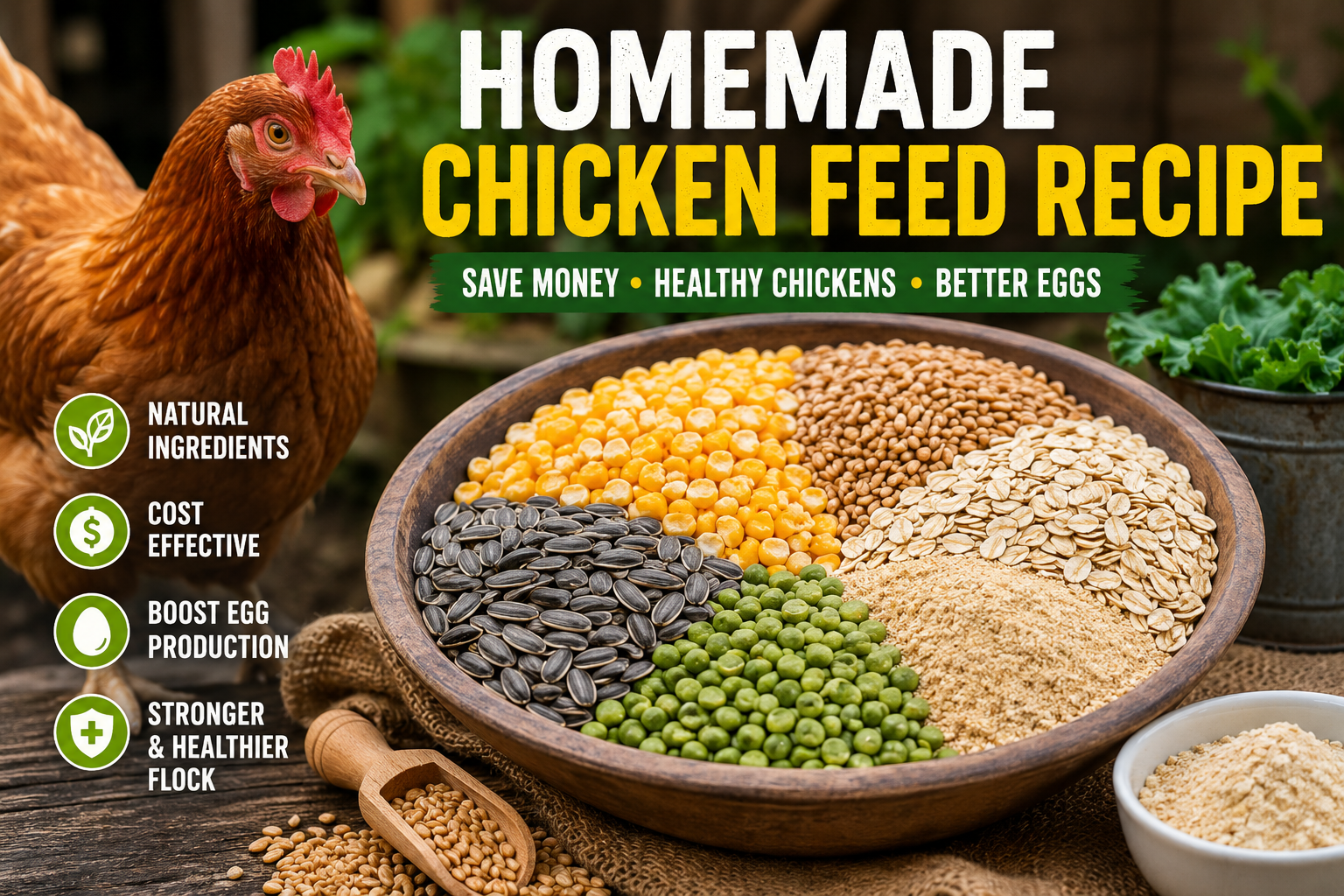
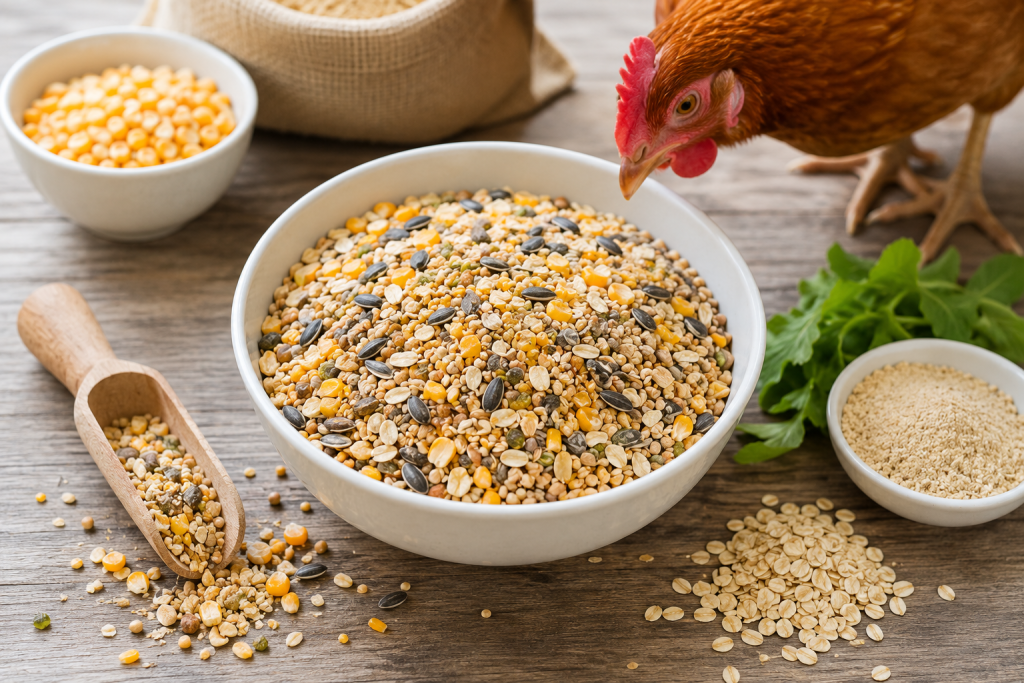
    Homemade chicken feed recipe for healthy laying hens with corn, oats, sunflower seeds and natural grains

    Maintenance and Storage Tips

    A Homemade Chicken Feed Recipe stays fresh longer with proper storage.

    Follow these tips:

    1. Store feed in airtight containers.
    2. Keep it away from moisture.
    3. Protect it from rodents.
    4. Mix only enough feed for several weeks.
    5. Clean feeders regularly.

    As a result, your chickens receive fresh nutrition every day.


    Is Homemade Feed Better Than Commercial Feed?

    Both options have advantages.

    Homemade feed offers:

    • Better ingredient control
    • Lower long-term costs
    • Custom nutrition
    • Natural ingredients

    Commercial feed offers:

    • Convenience
    • Professionally balanced nutrition
    • Longer shelf life

    Many poultry keepers combine both methods for the best results.


    Conclusion

    A balanced Homemade Chicken Feed Recipe helps poultry owners save money while raising healthier chickens. Furthermore, selecting quality grains, protein sources, minerals, and fresh supplements supports stronger eggs and happier birds throughout 2026. Start with a simple recipe, monitor your flock’s health, and adjust ingredients as needed. If you found this Homemade Chicken Feed Recipe helpful, explore our other poultry guides for more expert tips on improving flock health and egg production.

  • How Many Eggs Does a Chicken Lay Per Week? (2026 Guide)

    How Many Eggs Does a Chicken Lay Per Week? (2026 Guide)

    How Many Eggs Does a Chicken Lay Per Week? (2026 Complete Guide)

    If you’ve ever wondered How Many Eggs Does a Chicken Lay Per Week?, you’re not alone. Whether you’re raising backyard hens or running a commercial poultry farm, understanding weekly egg production helps you plan better and improve flock performance. In 2026, improved nutrition and modern poultry management continue to increase egg production worldwide.

    A healthy laying hen can produce impressive numbers of eggs, but several important factors affect the final result. Let’s explore everything you need to know.


    Why Does Weekly Egg Production Matter?

    Knowing How Many Eggs Does a Chicken Lay Per Week? helps poultry owners make smarter decisions. Additionally, it allows families and farmers to estimate food supply and income more accurately.

    Benefits include:

    • Better feed planning
    • Improved flock management
    • Higher farm profits
    • Easier breed selection
    • Early detection of health problems

    If egg production suddenly drops, it often signals nutrition, lighting, stress, or health issues.


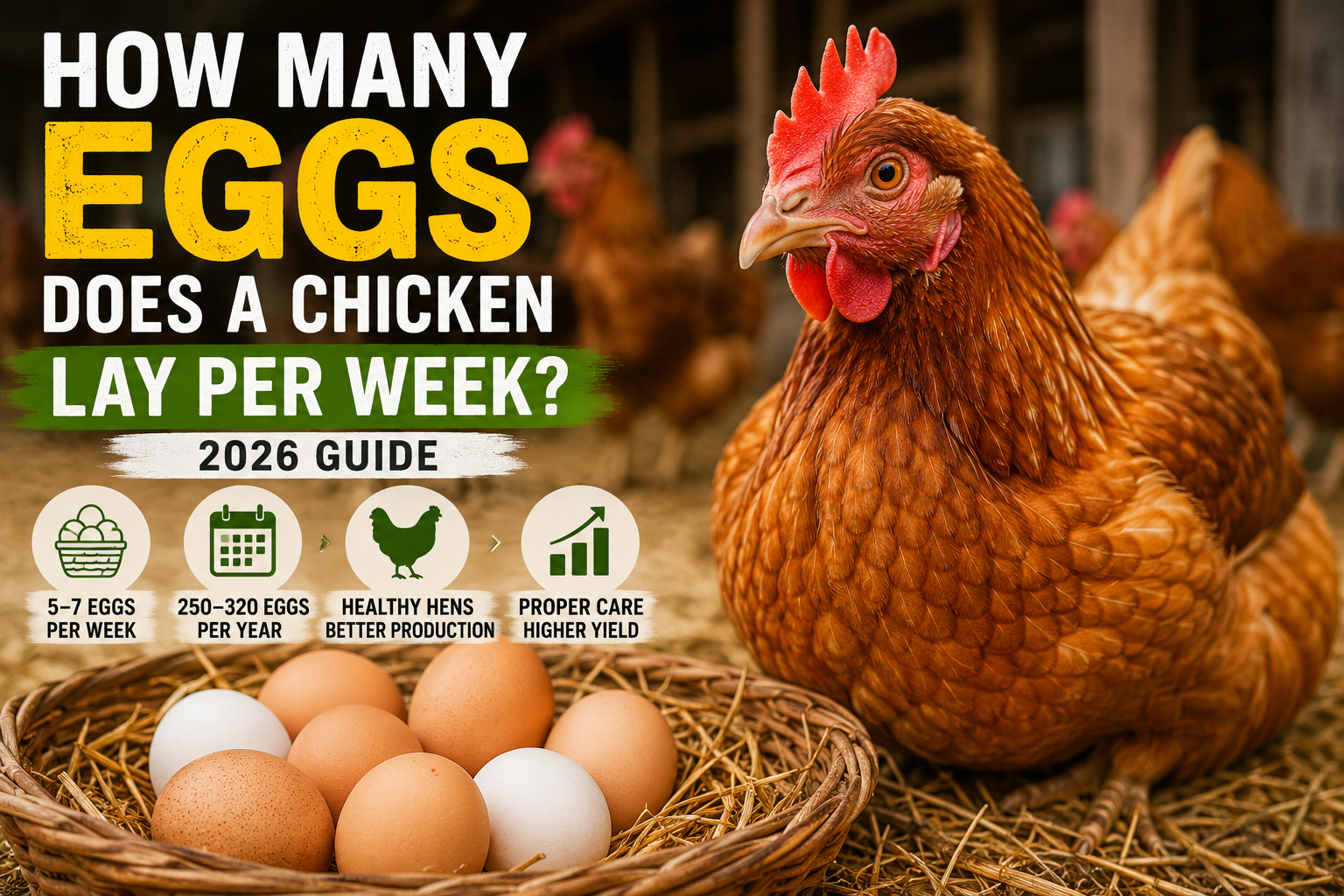
    How Many Eggs Does a Chicken Lay Per Week?

    The simple answer is:

    A healthy laying hen typically lays:

    • 5–7 eggs per week
    • Around 250–320 eggs per year
    • Roughly 25–27 eggs per month

    However, the exact number depends on breed, age, diet, weather, and management.

    Commercial hybrid hens often lay almost one egg every day, while traditional breeds may lay fewer eggs.


    Factors That Affect How Many Eggs Does a Chicken Lay Per Week

    Breed

    Some breeds naturally produce more eggs than others.

    Top egg layers include:

    • White Leghorn
    • ISA Brown
    • Rhode Island Red
    • Golden Comet
    • Lohmann Brown

    These breeds are known for excellent average chicken egg production.

    Age

    Young hens usually begin laying at 18–24 weeks.

    Peak production occurs during:

    • First year
    • Second year

    After that, production gradually declines each year.

    Nutrition

    A balanced diet makes a huge difference.

    Laying hens require:

    • 16–18% protein
    • Calcium
    • Phosphorus
    • Fresh water
    • Vitamins and minerals

    Additionally, poor nutrition quickly reduces eggs per hen per week.

    Daylight

    Hens need around 14–16 hours of light daily.

    During winter, fewer daylight hours often reduce egg production unless supplemental lighting is used.

    Stress and Health

    Stress can stop laying almost immediately.

    Common causes include:

    • Predator attacks
    • Extreme temperatures
    • Moving to a new coop
    • Parasites
    • Disease

    Healthy birds remain productive for much longer.


    Types of Egg-Laying Chickens

    High-Producing Hybrid Layers

    These chickens are bred specifically for maximum egg production.

    Examples include:

    • ISA Brown
    • Lohmann Brown
    • Hy-Line Brown

    Average output:

    6–7 eggs per week

    Dual-Purpose Breeds

    These breeds provide both meat and eggs.

    Popular choices include:

    • Rhode Island Red
    • Plymouth Rock
    • Sussex

    Average output:

    4–6 eggs per week

    Heritage Breeds

    Traditional breeds lay fewer eggs but often live longer.

    Examples include:

    • Orpington
    • Australorp
    • Wyandotte

    Average output:

    3–5 eggs per week


    Buying Guide: Choosing Chickens for Maximum Egg Production

    Before buying hens, consider these points:

    1. Select proven best egg laying chicken breeds.
    2. Purchase healthy pullets around 16–18 weeks old.
    3. Check vaccination history.
    4. Buy from trusted hatcheries.
    5. Match the breed to your local climate.

    Common Mistakes That Reduce Egg Production

    Many beginners unknowingly reduce weekly egg output.

    Avoid these mistakes:

    • Feeding poor-quality feed
    • Lack of clean water
    • Overcrowded housing
    • Dirty nesting boxes
    • Not providing enough calcium
    • Ignoring parasites
    • Allowing excessive stress

    Additionally, collecting eggs regularly encourages hens to continue laying.


    Maintenance Tips for Better Egg Production

    Keeping hens healthy improves long-term productivity.

    Follow these simple tips:

    • Clean the coop weekly.
    • Provide fresh water every day.
    • Feed high-quality layer pellets.
    • Offer oyster shell for calcium.
    • Ensure proper ventilation.
    • Protect birds from predators.
    • Maintain consistent lighting.
    • Monitor flock health regularly.

    These practices help maintain strong average chicken egg production throughout the year.


    Frequently Asked Questions

    Can a chicken lay two eggs in one day?

    It happens occasionally, but it is rare. Most hens lay only one egg every 24–26 hours.

    Why did my chicken stop laying?

    Common reasons include molting, stress, illness, poor nutrition, old age, or shorter daylight hours.

    Which breed lays the most eggs?

    Commercial hybrids such as ISA Brown and White Leghorn remain among the world’s highest-producing laying hens.

    For detailed poultry nutrition recommendations, visit the
    Merck Veterinary Manual – Poultry.


    Conclusion

    So, How Many Eggs Does a Chicken Lay Per Week? Most healthy hens produce 5 to 7 eggs weekly, although breed, nutrition, age, lighting, and overall care all play important roles. By choosing productive breeds, feeding a balanced diet, and maintaining a healthy environment, you can maximize egg production throughout 2026 and beyond.

    If you found this guide helpful, explore our other poultry resources to learn more about raising healthy, productive chickens and boosting your flock’s performance naturally.