Author: kinzapadhyair@gmail.com

  • Olive Egger Chicken Guide 2026: Complete Care & Egg Color Tips

    Olive Egger Chicken Guide 2026: Complete Care & Egg Color Tips

    Olive Egger Chicken Guide (2026): Everything You Need to Know

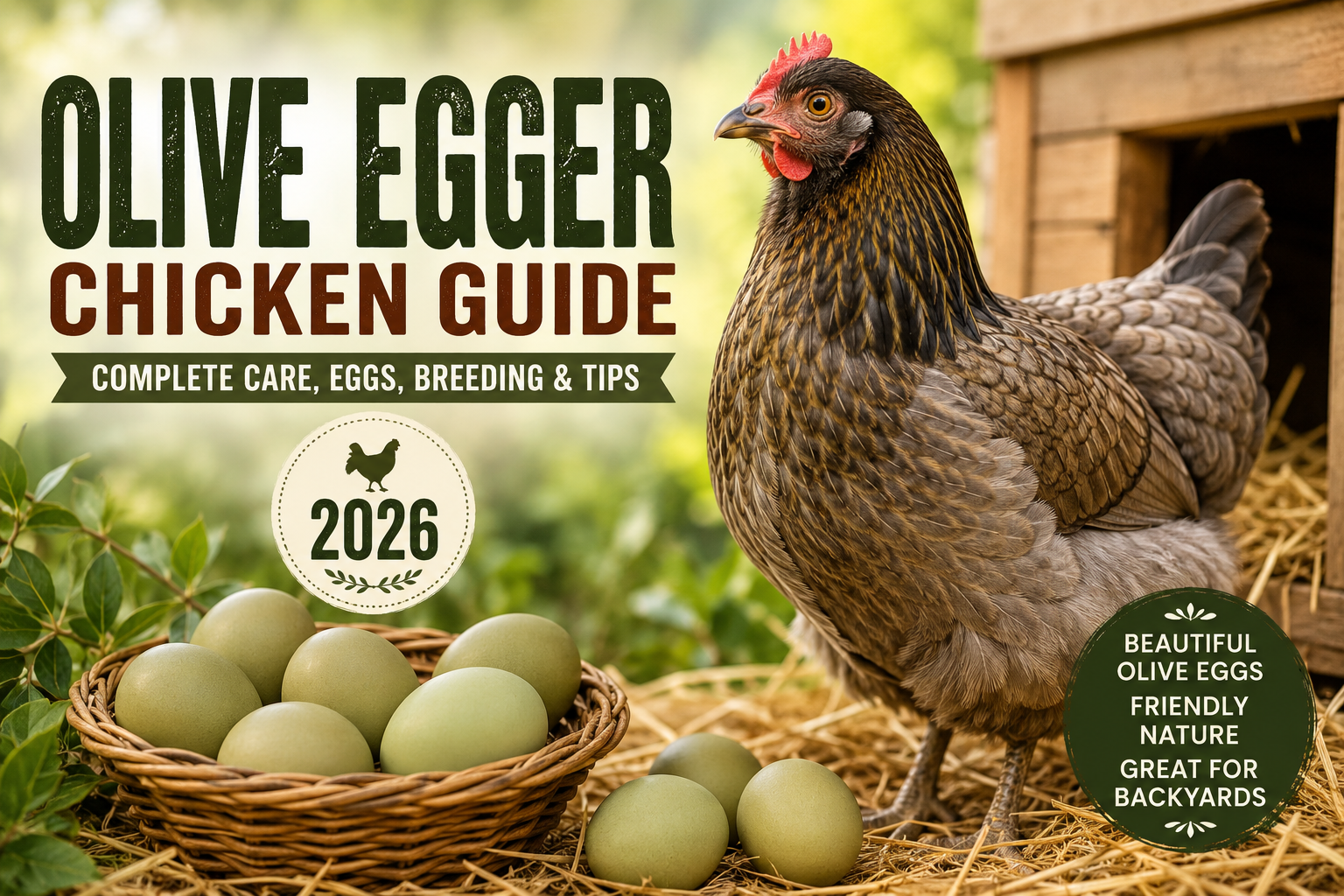
    If you are searching for the ultimate Olive Egger Chicken Guide, you are in the right place. In 2026, Olive Egger chickens remain one of the most popular backyard poultry breeds because they produce beautiful olive-green eggs and have friendly personalities. Additionally, they fit well in small backyard flocks, making them a favorite for families and hobby farmers worldwide.

    Whether you are raising chickens for colorful eggs or simply want an attractive flock, this guide explains everything you need to know before buying your first Olive Egger.


    Why the Olive Egger Chicken Guide Matters

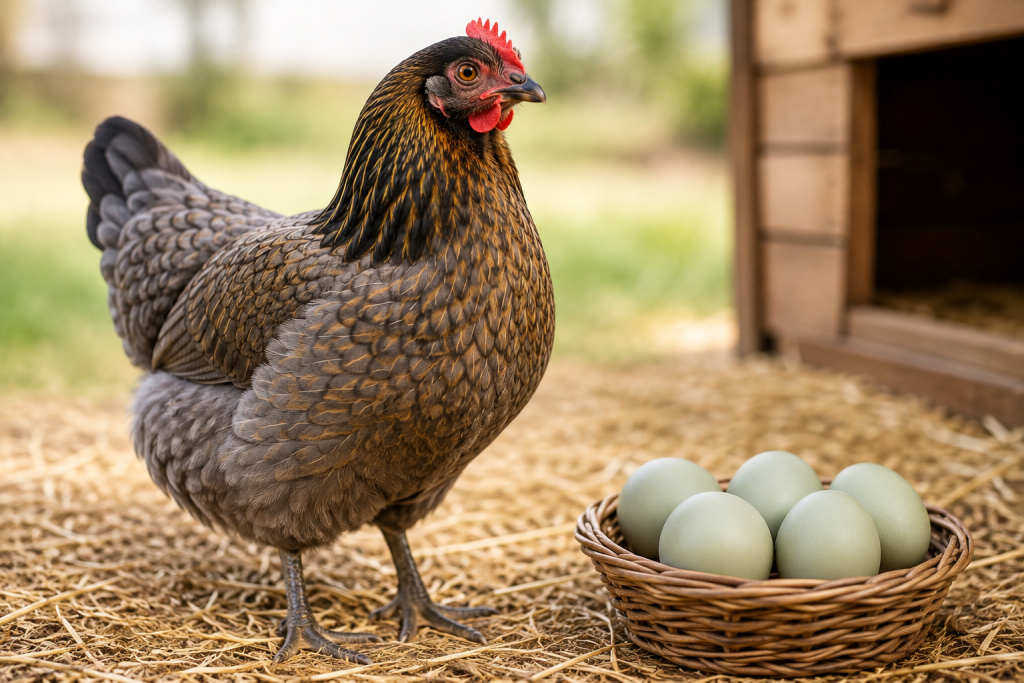
    The Olive Egger Chicken Guide helps beginners and experienced keepers understand what makes these birds unique. Unlike standard breeds, Olive Eggers are hybrids created by crossing dark egg layers with blue egg layers.

    As a result, they lay beautiful olive-colored eggs that stand out in every egg basket.

    Benefits of Olive Egger Chickens

    • Beautiful olive-green eggs
    • Friendly and calm temperament
    • Excellent backyard birds
    • Cold and heat tolerant
    • Great for family farms
    • Unique feather colors and patterns

    Additionally, many keepers appreciate their colorful appearance and reliable egg production.


    Key Features in an Olive Egger Chicken Guide

    Egg Production

    One of the biggest reasons people follow an Olive Egger Chicken Guide is egg quality.

    Most hens produce:

    • 160–220 eggs annually
    • Olive-green shell color
    • Medium to large eggs
    • Consistent laying during spring and summer

    However, egg shade varies depending on genetics.


    Appearance

    Olive Eggers do not have one official appearance because they are hybrid chickens.

    Common characteristics include:

    • Beards or muffs
    • Pea combs
    • Feathered or clean legs
    • Black, blue, brown, splash, or mixed plumage

    As a result, every flock looks slightly different.


    Temperament

    Most Olive Eggers are:

    • Curious
    • Gentle
    • Easy to handle
    • Good around children
    • Active foragers

    Therefore, they are excellent backyard chicken breeds for beginners.


    Types Covered in This Olive Egger Chicken Guide

    First-Generation Olive Eggers

    These birds come from crossing:

    • Marans × Ameraucana
    • Marans × Cream Legbar
    • Marans × Easter Egger

    They often produce darker olive eggs.


    Second-Generation Olive Eggers

    Some breeders continue selective breeding to improve:

    • Egg color
    • Feather quality
    • Temperament
    • Productivity

    Additionally, these birds may produce more consistent olive egg shades.


    Specialty Olive Eggers

    Professional breeders sometimes develop premium bloodlines with:

    • Dark olive eggs
    • Better winter laying
    • Attractive feather colors

    These birds usually cost more but attract poultry enthusiasts worldwide.


    Buying Guide

    A complete Olive Egger Chicken Guide recommends purchasing birds from reputable hatcheries or trusted local breeders.

    Before buying, check:

    1. Healthy eyes
    2. Clean feathers
    3. Active behavior
    4. Strong legs
    5. Vaccination history if available

    Additionally, ask about the parents because genetics directly affect Olive Egger egg color.

    Common Mistakes to Avoid

    Many beginners make simple mistakes that reduce flock health.

    Avoid these problems:

    • Buying from unknown breeders
    • Overcrowding the coop
    • Feeding poor-quality diets
    • Ignoring parasite prevention
    • Expecting identical egg colors

    However, proper management keeps birds healthy and productive.


    Olive Egger Care Tips

    Every Olive Egger Chicken Guide should include proper care recommendations.

    Housing

    Provide:

    • 4 square feet per bird inside the coop
    • 10 square feet per bird outdoors
    • Good ventilation
    • Dry bedding
    • Predator protection

    Feeding

    Offer:

    • Quality layer feed
    • Fresh vegetables
    • Calcium supplements
    • Grit
    • Fresh clean water

    Additionally, occasional mealworms make excellent treats.


    Health Care

    Keep your flock healthy by:

    • Cleaning the coop weekly
    • Checking for mites
    • Trimming overgrown nails when necessary
    • Providing dust baths
    • Scheduling regular health inspections

    As a result, your chickens stay active and productive throughout the year.


    Is an Olive Egger Right for You?

    If you love colorful eggs, friendly birds, and unique feather patterns, Olive Eggers are an excellent choice.

    They suit:

    • Backyard flocks
    • Small farms
    • Families
    • Hobby breeders
    • First-time chicken keepers

    Furthermore, they mix well with many other best egg laying chickens, making flock management easier.


    Conclusion

    This Olive Egger Chicken Guide shows why these hybrid chickens continue to grow in popularity in 2026. They offer beautiful olive eggs, gentle personalities, and dependable production. With proper housing, nutrition, and routine care, your flock can thrive for years. If you are planning to expand your backyard flock, use this Olive Egger Chicken Guide to make an informed decision and enjoy the rewards of raising these unique birds.
  • Marans Chicken Guide 2026: Complete Care & Breed Tips

    Marans Chicken Guide 2026: Complete Care & Breed Tips

    Marans Chicken Guide (2026): Everything You Need to Know

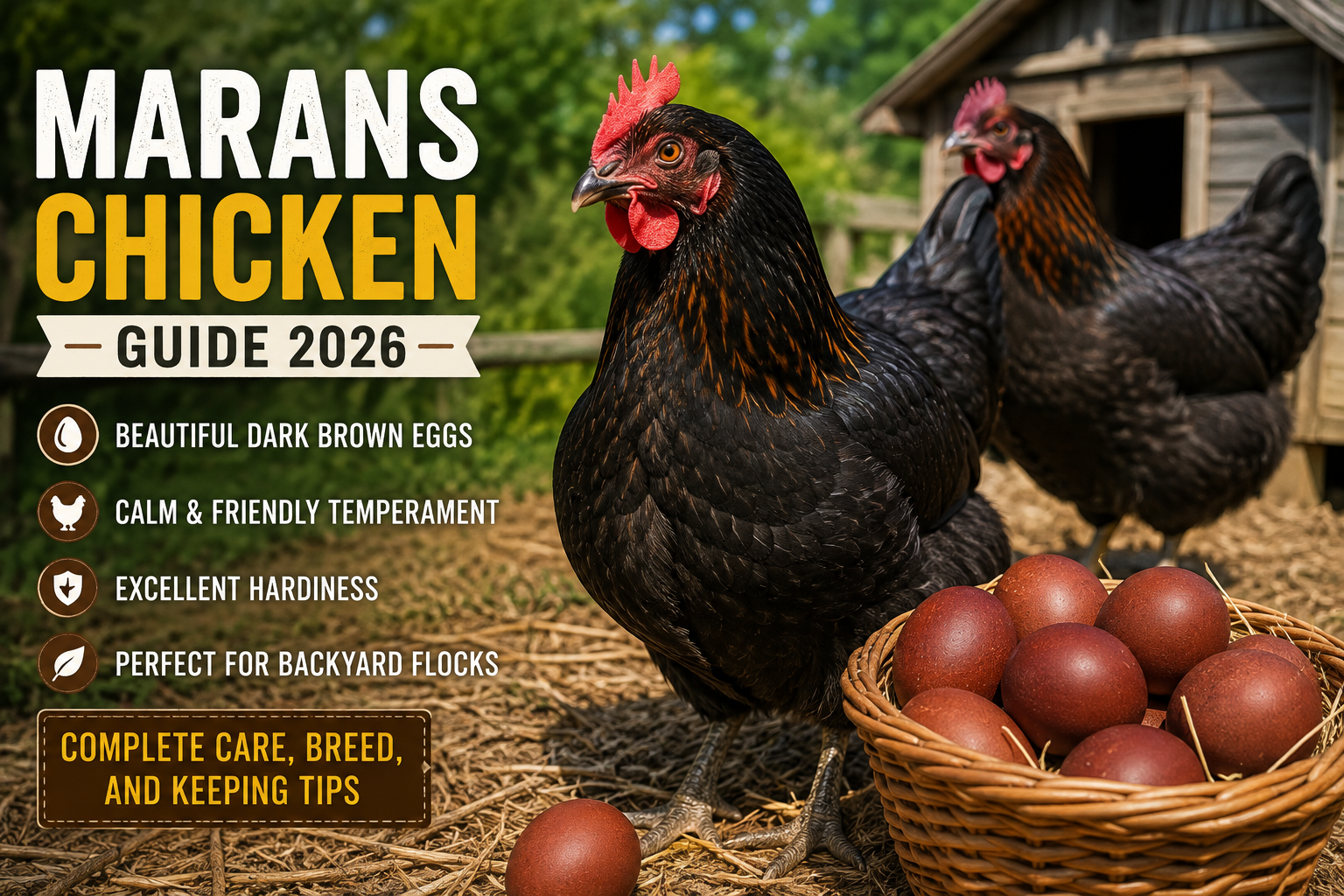
    If you want beautiful chickens that lay famous dark brown eggs, this Marans Chicken Guide is the perfect place to start. In 2026, more backyard poultry keepers are choosing Marans because they combine beauty, calm personalities, and excellent egg production. Additionally, this breed adapts well to different climates, making it popular across the United States, Europe, Australia, and many other countries.

    Whether you are a beginner or an experienced poultry keeper, this guide explains everything you should know before bringing Marans chickens home.


    Why This Marans Chicken Guide Matters

    Choosing the right breed affects egg quality, flock health, and long-term maintenance. This Marans Chicken Guide helps you understand why this French breed remains one of the world’s favorite backyard chickens.

    Benefits include:

    • Famous chocolate-colored eggs
    • Calm and friendly temperament
    • Excellent cold-weather tolerance
    • Beautiful feather colors
    • Good meat and egg production
    • Suitable for beginners

    Additionally, Marans chickens fit well into mixed backyard flocks because they rarely create problems with other birds.


    Key Features in This Marans Chicken Guide

    Beautiful Dark Brown Eggs

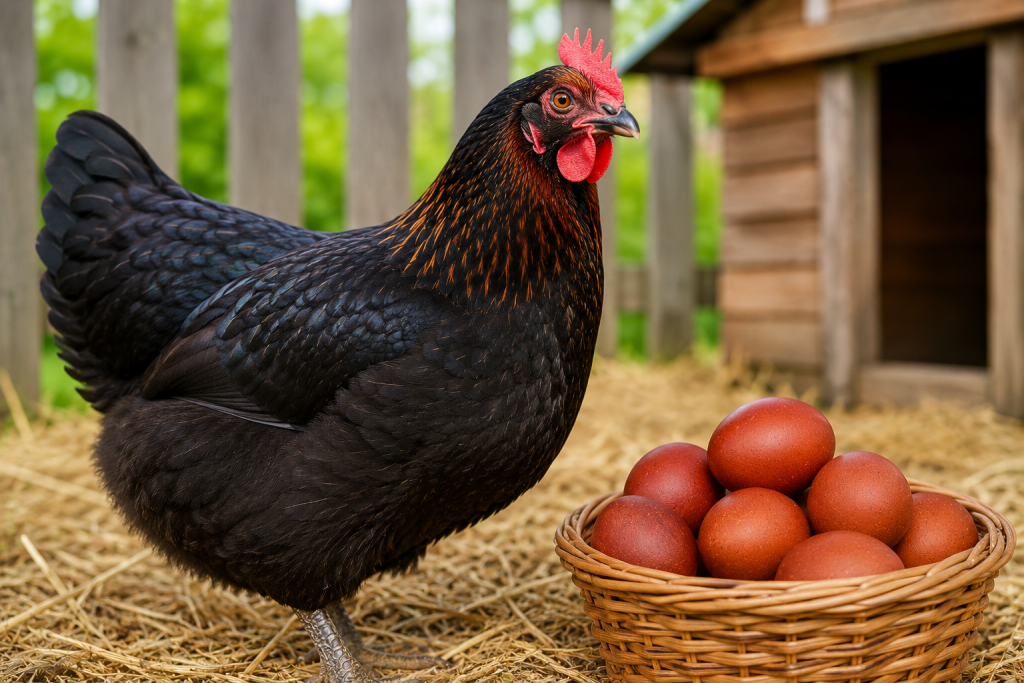
    The biggest attraction of Marans chickens is their rich chocolate-colored eggs. However, egg color may become lighter later in the laying season.

    Many poultry enthusiasts choose this breed mainly because of its unique egg appearance.

    Calm Personality

    Marans are generally gentle and easy to handle. As a result, they work well for families and hobby farms.

    Children can safely interact with friendly hens when supervised.

    Excellent Hardiness

    This Marans Chicken Guide recommends the breed for both warm and cold regions. Their strong bodies help them tolerate changing weather conditions better than many lighter breeds.


    Types of Marans Chickens

    Black Copper Marans

    The Black Copper Marans remains the world’s most popular variety.

    Features include:

    • Glossy black feathers
    • Copper-colored neck feathers
    • Dark brown eggs
    • High market demand

    Blue Copper Marans

    Blue Copper Marans offer beautiful bluish-gray plumage while maintaining similar egg production.

    They are especially popular among exhibition breeders.

    Wheaten Marans

    Wheaten Marans display lighter feather colors and calm personalities.

    Additionally, many backyard keepers choose them because of their unique appearance.


    Buying Guide

    Before purchasing birds, use this Marans Chicken Guide checklist.

    Buy From Trusted Breeders

    Healthy chicks grow faster and produce better eggs.

    External Resource (DoFollow):
    https://maransofamericaclub.com/

    Check Egg Color

    Quality breeders often select birds that consistently lay darker eggs.

    Inspect Health

    Look for:

    • Bright eyes
    • Smooth feathers
    • Clean legs
    • Active movement
    • Good appetite

    Ask About Vaccinations

    Responsible breeders usually provide health records for chicks.


    Common Mistakes to Avoid

    Many first-time owners make avoidable mistakes.

    Avoid these errors:

    • Buying from unknown sellers
    • Ignoring coop ventilation
    • Feeding low-quality poultry feed
    • Overcrowding the flock
    • Skipping parasite checks
    • Expecting every egg to stay equally dark forever

    However, proper care prevents most health issues.


    Marans Chicken Care Tips

    A complete Marans Chicken Guide should always include daily care advice.

    Feed High-Quality Layer Feed

    Balanced nutrition improves egg production and overall health.

    Additionally, provide fresh greens and occasional protein treats.

    Keep Fresh Water Available

    Clean water supports digestion and laying performance every day.

    Maintain a Dry Coop

    Dry bedding reduces disease and parasites.

    Clean the coop weekly for the best results.

    Allow Outdoor Space

    Marans enjoy foraging.

    As a result, free-ranging improves both physical health and mental stimulation.

    Perform Regular Health Checks

    Inspect birds every week for:

    • Mites
    • Lice
    • Injuries
    • Weight loss
    • Respiratory problems

    Early detection keeps your flock healthier.


    Is the Marans Breed Right for You?

    This Marans Chicken Guide recommends Marans for people who want:

    • Premium brown eggs
    • Friendly chickens
    • Attractive backyard birds
    • Reliable egg layers
    • Easy-to-manage poultry
    • Cold-hardy breeds

    Additionally, this breed offers an excellent balance between beauty and productivity.


    Final Thoughts

    This Marans Chicken Guide shows why Marans remain one of the best backyard chicken breeds in 2026. Their calm personality, famous chocolate-colored eggs, and strong adaptability make them an excellent choice for poultry keepers around the world. If you choose healthy birds, provide quality nutrition, and maintain a clean coop, your flock can thrive for years. Start your poultry journey today with this Marans Chicken Guide, and enjoy one of the most rewarding chicken breeds available.

  • Jersey Giant Chicken Guide 2026: Complete Care & Buying Tips

    Jersey Giant Chicken Guide 2026: Complete Care & Buying Tips

    Jersey Giant Chicken Guide (2026): Everything You Need to Know

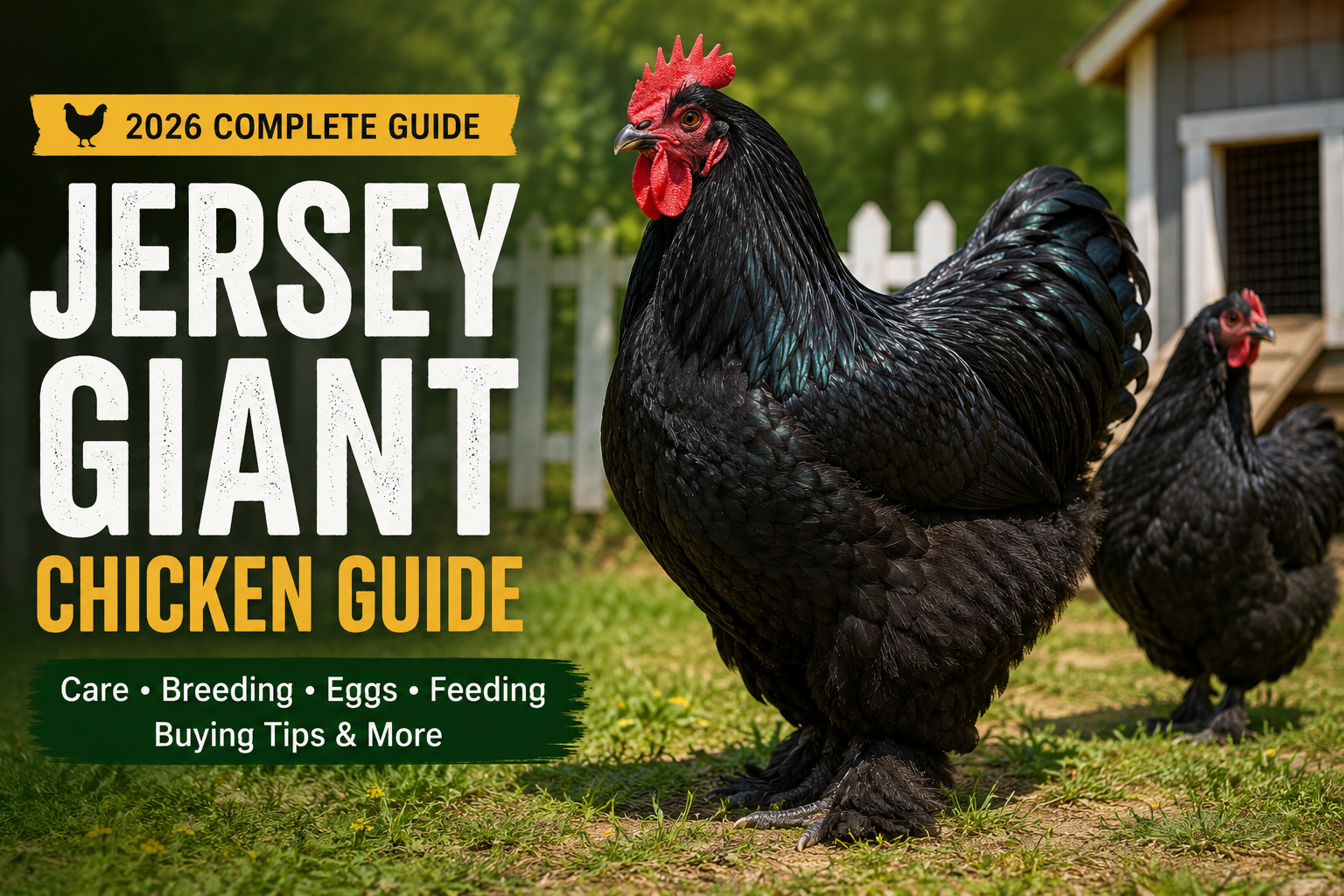
    If you’re searching for the Jersey Giant Chicken Guide, you’ve found the perfect place to start. This updated 2026 guide explains why this impressive breed remains one of the best choices for backyard flocks around the world. Whether you are a beginner or an experienced poultry keeper, the Jersey Giant offers excellent meat quality, reliable egg production, and a calm personality.

    Additionally, more families are raising chickens at home because they want fresh eggs and greater food security. As a result, understanding this Jersey Giant Chicken Guide can help you choose the right breed for your flock.


    Why the Jersey Giant Chicken Guide Matters

    The Jersey Giant Chicken Guide helps you understand why this breed continues to grow in popularity. Originally developed in the United States, Jersey Giants were bred to replace turkeys as a premium meat bird. However, they also produce a respectable number of large brown eggs each year.

    Some of the biggest advantages include:

    • Friendly temperament
    • Excellent dual-purpose breed
    • Large body size
    • Cold-hardy nature
    • Long lifespan
    • Good egg production

    Additionally, they mix well with many backyard chicken breeds, making them ideal for mixed flocks.


    Key Features of the Jersey Giant Chicken Guide

    Massive Body Size

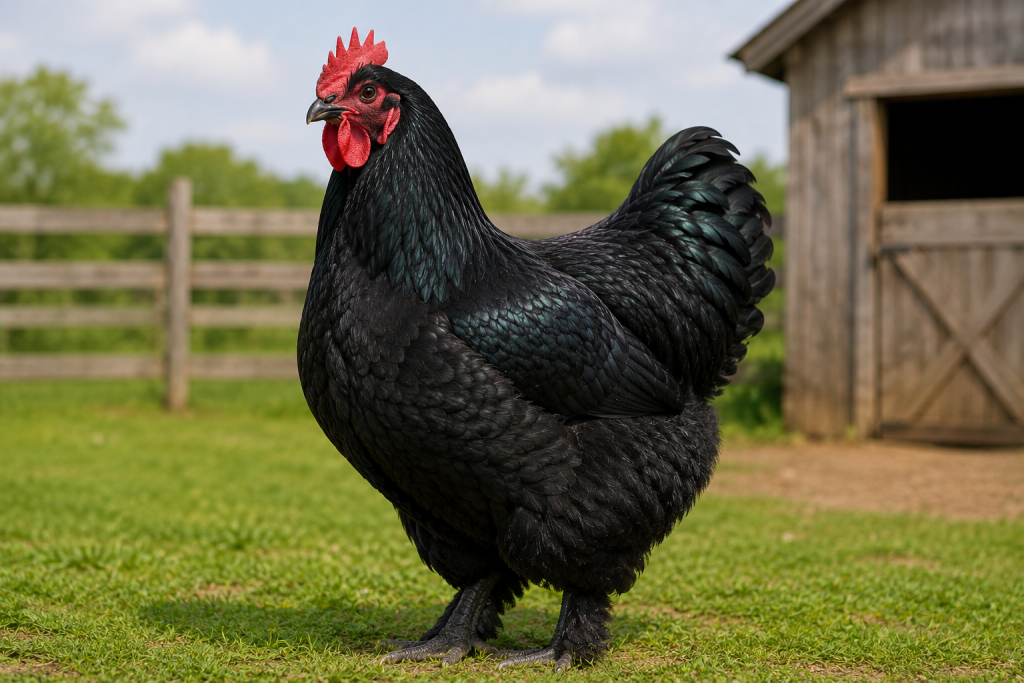
    The Jersey Giant Chicken Guide would not be complete without mentioning their incredible size. Roosters often weigh between 13 and 15 pounds, while hens usually reach 10 to 11 pounds.

    Because of their size, they require more space than smaller breeds.

    Calm Personality

    Unlike many large birds, Jersey Giants are gentle and easy to manage. Therefore, they are excellent for families and beginner chicken keepers.

    Reliable Egg Production

    Although they grow slowly, hens lay around 150 to 200 large brown eggs every year. Their steady production makes them a dependable dual-purpose chicken breed.


    Types of Jersey Giant Chickens

    Black Jersey Giant

    The Black variety remains the most popular. It features glossy black feathers with a green shine and excellent hardiness.

    White Jersey Giant

    White Jersey Giants are less common. However, they offer the same gentle personality and productive nature.

    Blue Jersey Giant

    Blue Jersey Giants have become more popular in recent years. Their unique feather color makes them attractive to poultry enthusiasts.


    Buying Guide

    Before purchasing birds, consider these important factors.

    1. Buy from Reputable Breeders

    Healthy chicks have stronger immune systems and better growth rates.

    2. Check Available Space

    Because Jersey Giants are among the world’s largest chickens, they need:

    • Large nesting boxes
    • Spacious coops
    • Wide roosts
    • Secure outdoor runs

    3. Consider Feed Costs

    Their larger bodies require more feed than lightweight breeds. However, their meat quality and dependable eggs often balance those costs.

    4. Choose Healthy Chicks

    Look for:

    • Bright eyes
    • Clean feathers
    • Active behavior
    • Straight legs
    • Smooth breathing

    Following this Jersey Giant Chicken Guide makes buying easier and reduces future problems.


    Common Mistakes to Avoid

    Many new owners make simple mistakes that affect bird health.

    Avoid these common errors:

    • Overcrowding the coop
    • Feeding poor-quality feed
    • Ignoring fresh water
    • Using weak fencing
    • Buying from unknown sellers
    • Expecting rapid growth

    Additionally, remember that Jersey Giants mature more slowly than many commercial breeds.


    Jersey Giant Chicken Care Tips

    Proper Jersey Giant chicken care helps birds stay healthy throughout the year.

    Provide Quality Nutrition

    Feed chicks a balanced starter feed before switching to grower and layer feed.

    Keep the Coop Dry

    Clean bedding prevents disease and parasites. Therefore, replace damp litter regularly.

    Give Plenty of Exercise

    Large outdoor runs encourage healthy muscle development.

    Watch Their Weight

    Although naturally heavy, overweight birds can develop leg problems.

    Perform Health Checks

    Inspect birds weekly for mites, lice, injuries, and signs of illness. Early treatment prevents larger health issues.


    Is the Jersey Giant Right for You?

    The Jersey Giant is an excellent choice if you want:

    • Fresh eggs
    • High-quality meat
    • Friendly birds
    • Cold-weather performance
    • Beautiful appearance
    • Long-term productivity

    However, they may not suit owners with very small coops because of their impressive size.


    Conclusion

    This Jersey Giant Chicken Guide shows why the breed remains one of the best backyard chickens in 2026. Their gentle personality, impressive size, dependable egg production, and excellent meat quality make them a smart investment for many poultry keepers. If you’re planning to expand your flock, use this Jersey Giant Chicken Guide to choose healthy birds, provide proper care, and enjoy years of successful chicken keeping.

    Call to Action: Have you raised Jersey Giants before? Share your experience in the comments and explore our other poultry guides to build a healthier and more productive flock.

  • Buff Orpington Care Guide 2026: Complete Beginner’s Guide

    Buff Orpington Care Guide 2026: Complete Beginner’s Guide

    Buff Orpington Care Guide (2026)

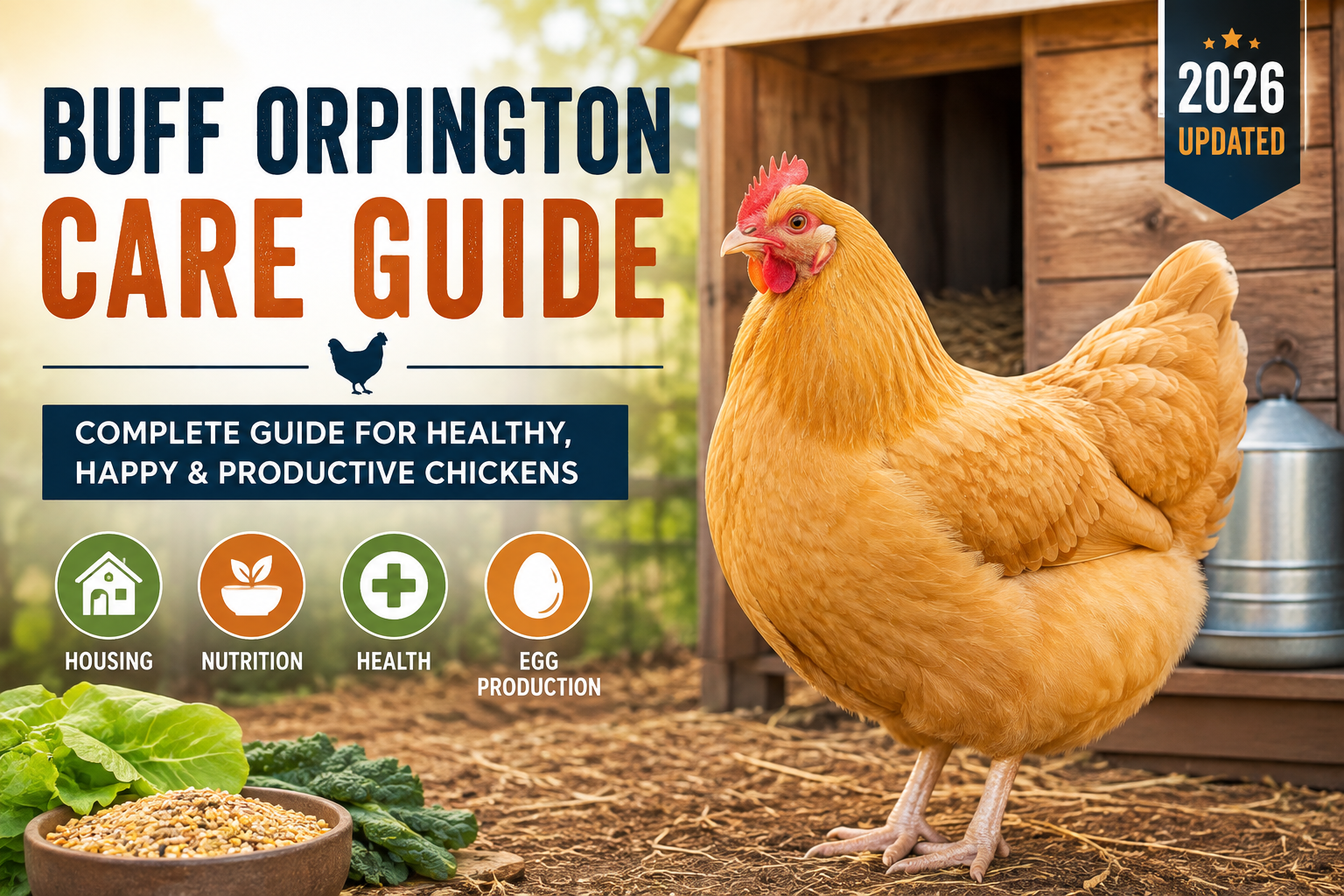
    If you’re looking for a friendly, productive backyard chicken, this Buff Orpington Care Guide will help you get started. Buff Orpington chickens remain one of the most popular breeds in the United States and around the world because they are calm, beautiful, and reliable egg layers.

    Whether you’re a first-time chicken keeper or expanding your flock, understanding proper care makes a big difference. Additionally, healthy birds produce more eggs, live longer, and become wonderful family pets. This guide explains everything you need to know in 2026.


    Why the Buff Orpington Care Guide Matters

    Following a proper Buff Orpington Care Guide helps your flock stay healthy throughout every season. These chickens are known for their gentle personality, making them ideal for families and beginners.

    Some of the biggest benefits include:

    • Friendly temperament
    • Excellent cold-weather tolerance
    • Consistent brown egg production
    • Easy to handle
    • Great for backyard flocks
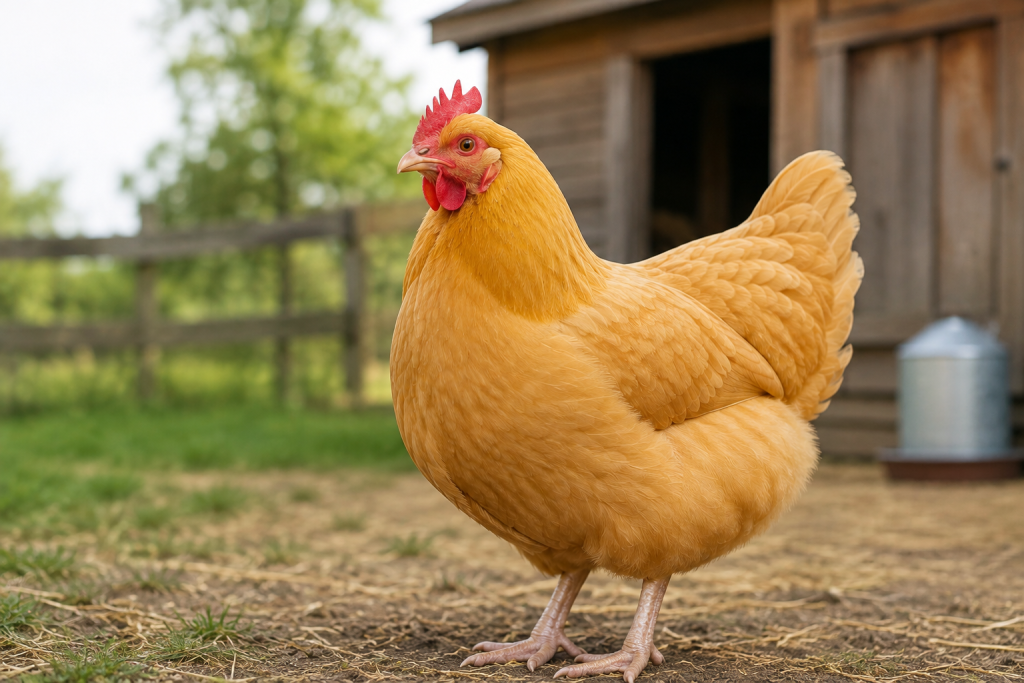
    • Attractive golden feathers

    As a result, they remain one of the best dual-purpose chicken breeds available today.


    Buff Orpington Care Guide: Key Features to Know

    Friendly Personality

    Buff Orpingtons enjoy human interaction. They rarely become aggressive and usually get along well with other chickens. Therefore, they fit perfectly into mixed backyard flocks.

    Excellent Egg Production

    A healthy hen lays around 180–280 brown eggs each year. Additionally, proper nutrition improves both egg quality and consistency.

    Strong Cold Resistance

    Their fluffy feathers provide natural insulation. However, good ventilation inside the coop remains essential during winter.


    Buff Orpington Care Guide: Housing Requirements

    Coop Space

    Provide at least:

    • 4 square feet per bird inside the coop
    • 8–10 square feet per bird in the outdoor run

    Adequate space reduces stress and prevents bullying.

    Nesting Boxes

    Install one nesting box for every three to four hens. Keep nesting areas clean and dry to encourage regular laying.

    Ventilation

    Fresh airflow reduces moisture and harmful ammonia buildup. Consequently, your flock stays healthier throughout the year.

    Natural Buff Orpington coop requirements should always balance airflow without creating strong drafts.


    Types of Buff Orpington Care

    Chick Care

    Young chicks need:

    • Starter feed
    • Constant clean water
    • Heat source during early weeks
    • Safe bedding

    Monitor growth daily to catch health problems early.

    Adult Hen Care

    Adult hens require balanced nutrition, regular exercise, and fresh water every day. Additionally, clean nesting boxes improve egg quality.

    Rooster Care

    Roosters need the same basic care but require extra space if housed with multiple males to reduce fighting.


    Buying Guide

    Choosing healthy birds saves money and prevents future problems.

    Before purchasing, check for:

    • Bright eyes
    • Clean nostrils
    • Smooth feathers
    • Strong legs
    • Active behavior
    • Good body weight

    Buy from trusted breeders or certified hatcheries whenever possible.

    If you’re interested in raising Buff Orpington chickens, ask the seller about vaccination history and breeding quality.


    Common Mistakes to Avoid

    Many beginners make simple errors that affect flock health.

    Avoid these mistakes:

    1. Overcrowding the coop.
    2. Feeding poor-quality food.
    3. Ignoring dirty water containers.
    4. Skipping parasite checks.
    5. Allowing wet bedding to remain.
    6. Forgetting predator protection.

    Additionally, avoid sudden feed changes because they may upset digestion.


    Buff Orpington Care Guide: Daily Maintenance Tips

    Routine care keeps your flock healthy and productive.

    Feeding

    Follow a balanced Buff Orpington feeding guide by providing:

    • Layer pellets
    • Fresh vegetables
    • Occasional fruits
    • Calcium supplements
    • Clean drinking water

    Avoid giving spoiled food or excessive treats.

    Cleaning

    Clean feeders weekly.

    Replace bedding regularly.

    Disinfect the coop every few weeks.

    As a result, harmful bacteria remain under control.

    Health Checks

    Inspect birds every week for:

    • Feather loss
    • Lice or mites
    • Limping
    • Weight loss
    • Breathing issues

    Early treatment prevents larger health problems.

    Exercise

    Allow chickens to free-range safely whenever possible. Exercise improves muscle health and reduces boredom.

    Seasonal Care

    During summer:

    • Provide shade.
    • Supply cool water.
    • Improve airflow.

    During winter:

    • Keep bedding dry.
    • Block strong winds.
    • Maintain ventilation.

    Proper seasonal management supports excellent Buff Orpington egg production throughout the year.


    Final Thoughts

    This Buff Orpington Care Guide provides the essential knowledge needed to raise healthy, happy chickens in 2026. With proper housing, balanced nutrition, routine cleaning, and regular health checks, Buff Orpingtons reward owners with friendly personalities and dependable egg production. If you follow this Buff Orpington Care Guide, you’ll enjoy a thriving backyard flock for many years. Start applying these care tips today and build a healthier, more productive chicken coop.

  • ISA Brown Chicken Guide 2026: Care, Eggs, Temperament & Tips

    ISA Brown Chicken Guide 2026: Care, Eggs, Temperament & Tips

    ISA Brown Chicken Guide 2026: Everything You Need to Know

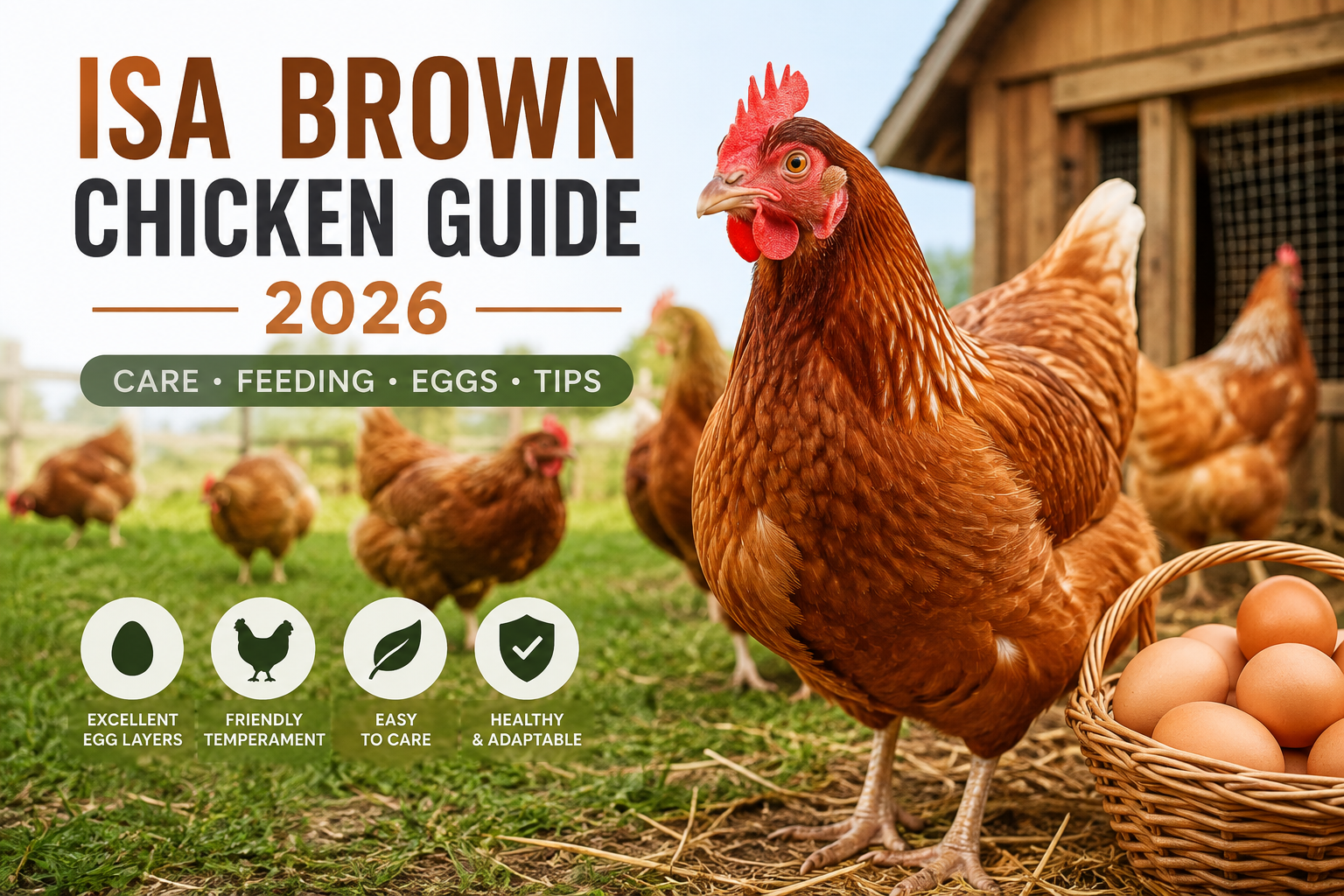
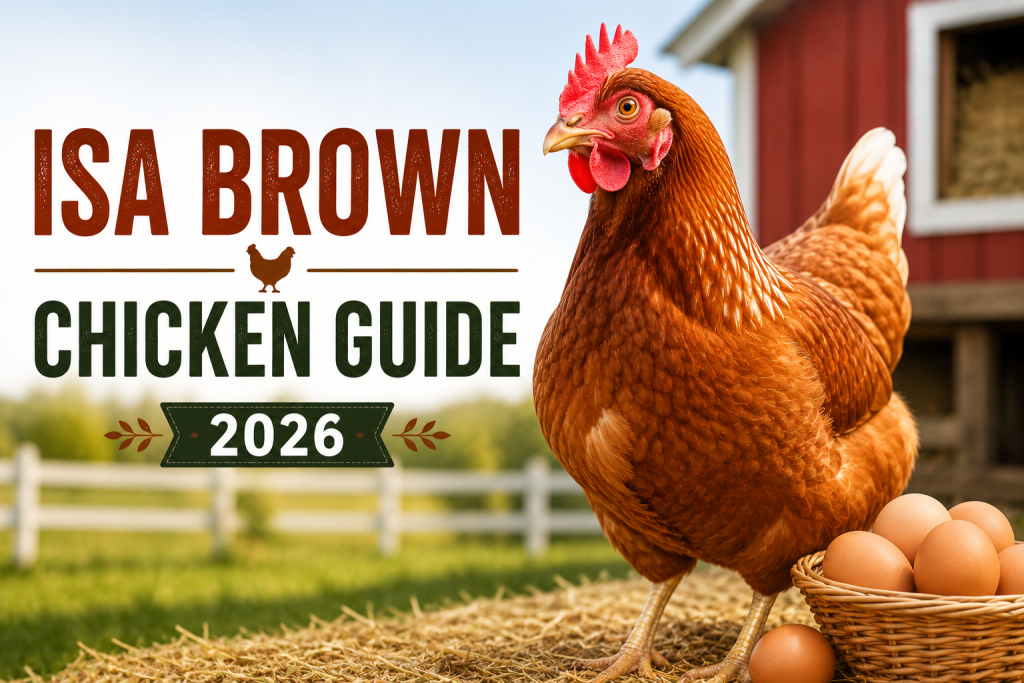
    If you’re searching for the ISA Brown Chicken Guide, you’ve come to the right place. These friendly and productive chickens remain one of the world’s favorite egg-laying breeds in 2026. Whether you live in the United States or anywhere else, ISA Brown chickens offer reliable egg production, calm personalities, and easy care for beginners.

    Additionally, they adapt well to many climates and backyard setups. As a result, more families and small farms continue to choose them for fresh eggs throughout the year.


    Why the ISA Brown Chicken Guide Matters

    Choosing the right chicken breed can save time, money, and effort. The ISA Brown Chicken Guide helps new and experienced keepers understand what makes this hybrid layer unique.

    Some of the biggest benefits include:

    • Excellent egg production
    • Gentle and friendly temperament
    • Easy for beginners
    • Good feed efficiency
    • Adaptable to different environments

    Moreover, ISA Brown chickens mature quickly. Therefore, owners often enjoy fresh eggs sooner than with many traditional breeds.


    Key Features of the ISA Brown Chicken Guide

    Outstanding Egg Production

    ISA Brown chickens are famous for laying many eggs each year. Most healthy hens produce around 300–320 large brown eggs annually under proper care.

    Additionally, consistent nutrition and clean housing help maintain strong laying performance.

    Friendly Personality

    These birds enjoy human interaction and usually stay calm around children and other chickens.

    Because of their gentle nature, they fit well in backyard flocks and family farms.

    Efficient Feed Conversion

    One reason many poultry keepers prefer ISA Brown chickens is their efficient use of feed.

    As a result, owners often spend less while still receiving excellent egg production.

    Easy Management

    This ISA Brown Chicken Guide recommends these birds for beginners because they require simple daily care compared to many other productive layers.


    Types and Categories

    Backyard ISA Brown Chickens

    These hens work perfectly for small family flocks.

    They need:

    • Safe housing
    • Fresh water
    • Balanced layer feed
    • Daily outdoor activity

    Additionally, regular cleaning reduces disease risks.

    Small Farm Flocks

    Commercial and small-scale farmers also choose ISA Brown chickens because they produce eggs consistently.

    Therefore, they remain one of the most profitable laying hybrids worldwide.

    Free-Range Systems

    Many owners allow ISA Brown chickens to forage outdoors.

    However, secure fencing helps protect them from predators while giving them room to explore.


    Buying Guide

    Before purchasing birds, follow these simple recommendations.

    Choose Healthy Birds

    Look for chickens with:

    • Bright eyes
    • Clean feathers
    • Active behavior
    • Smooth legs
    • Good body condition

    Buy From Trusted Breeders

    Always purchase from reputable hatcheries or local poultry breeders.

    Additionally, ask about vaccination history and bird age before buying.

    Consider Your Goals

    Ask yourself:

    1. Do you want maximum egg production?
    2. Do you have enough coop space?
    3. Can you provide daily care?

    Answering these questions makes choosing easier.


    Common Mistakes to Avoid

    Many first-time owners make simple mistakes that reduce productivity.

    Avoid these common problems:

    • Feeding poor-quality diets
    • Overcrowding the coop
    • Ignoring parasite control
    • Skipping fresh water
    • Poor ventilation
    • Not collecting eggs regularly

    However, good management prevents most of these issues.


    ISA Brown Chicken Guide Care Tips

    Proper care keeps hens healthy and productive throughout the year.

    Nutrition

    Feed a quality layer ration rich in calcium and protein.

    Additionally, provide grit and oyster shell when needed.

    Housing

    Keep the coop:

    • Dry
    • Well ventilated
    • Predator-proof
    • Easy to clean

    Fresh bedding also improves bird comfort.

    Health Care

    Inspect birds every week for mites, lice, or signs of illness.

    Furthermore, maintain a regular vaccination and biosecurity plan whenever recommended in your area.

    Daily Routine

    Healthy routines include:

    • Fresh water every day
    • Nutritious feed
    • Clean nesting boxes
    • Outdoor exercise
    • Regular coop cleaning

    Following these steps helps support strong ISA Brown egg production and overall flock health.


    Is an ISA Brown Right for You?

    The ISA Brown Chicken Guide shows why these birds remain among the best choices for families, hobby farmers, and backyard poultry enthusiasts.

    If your priority is fresh eggs, friendly birds, and simple management, ISA Brown chickens deserve serious consideration. They also work well alongside many other backyard laying hens, making them an excellent addition to mixed flocks.


    Conclusion

    This ISA Brown Chicken Guide demonstrates why this hybrid continues to rank among the world’s top egg-laying chickens in 2026. They offer dependable egg production, calm personalities, and straightforward care for beginners and experienced keepers alike. Additionally, with proper nutrition, housing, and health management, these hens can remain productive for years. Start planning your flock today, and explore more poultry resources to make the most of your ISA Brown Chicken Guide journey.

  • Ameraucana Chicken Guide 2026: Care, Eggs, Traits & Buying Tips

    Ameraucana Chicken Guide 2026: Care, Eggs, Traits & Buying Tips

    meraucana Chicken Guide (2026): Everything You Need to Know

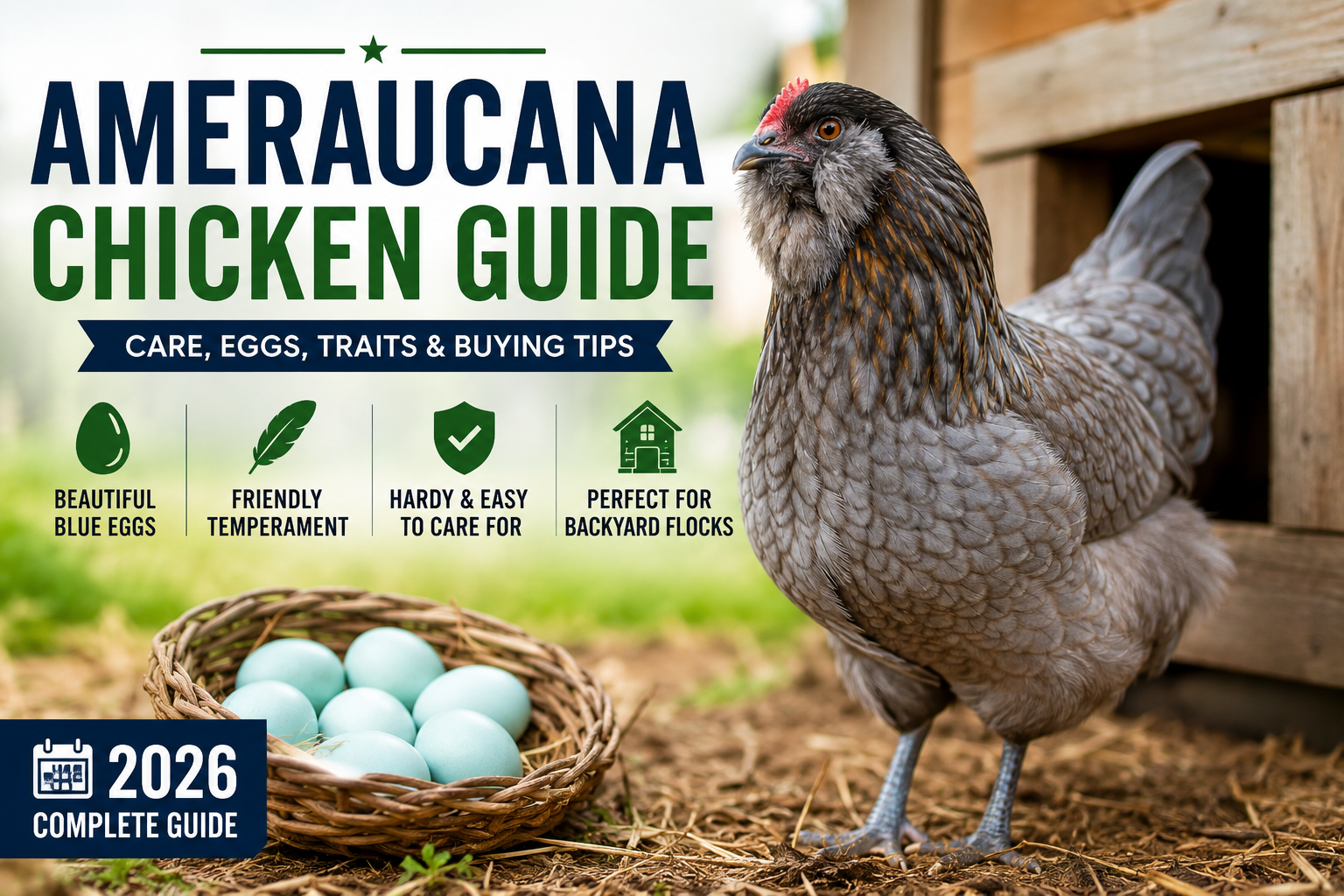
    If you are searching for the Ameraucana Chicken Guide, you are likely looking for a beautiful backyard chicken that lays colorful eggs and has a friendly personality. Across the United States and many other countries, Ameraucana chickens continue to grow in popularity during 2026. They combine unique looks with dependable egg production, making them an excellent choice for both beginners and experienced poultry keepers.

    Additionally, these birds are hardy, easy to manage, and attractive in any backyard flock. This guide explains everything you should know before adding this remarkable breed to your farm.


    Why Choose an Ameraucana Chicken?

    Choosing the right breed can improve your entire poultry experience. The Ameraucana is known for its calm behavior, blue eggs, and attractive feather colors.

    Some of the biggest benefits include:

    • Beautiful blue eggs
    • Friendly temperament
    • Cold-hardy breed
    • Low maintenance
    • Excellent backyard companion
    • Attractive appearance
    • Recognized heritage breed

    As a result, many families and hobby farmers consider this one of the best blue egg laying chickens available today.


    Ameraucana Chicken Guide: Key Features

    Unique Appearance

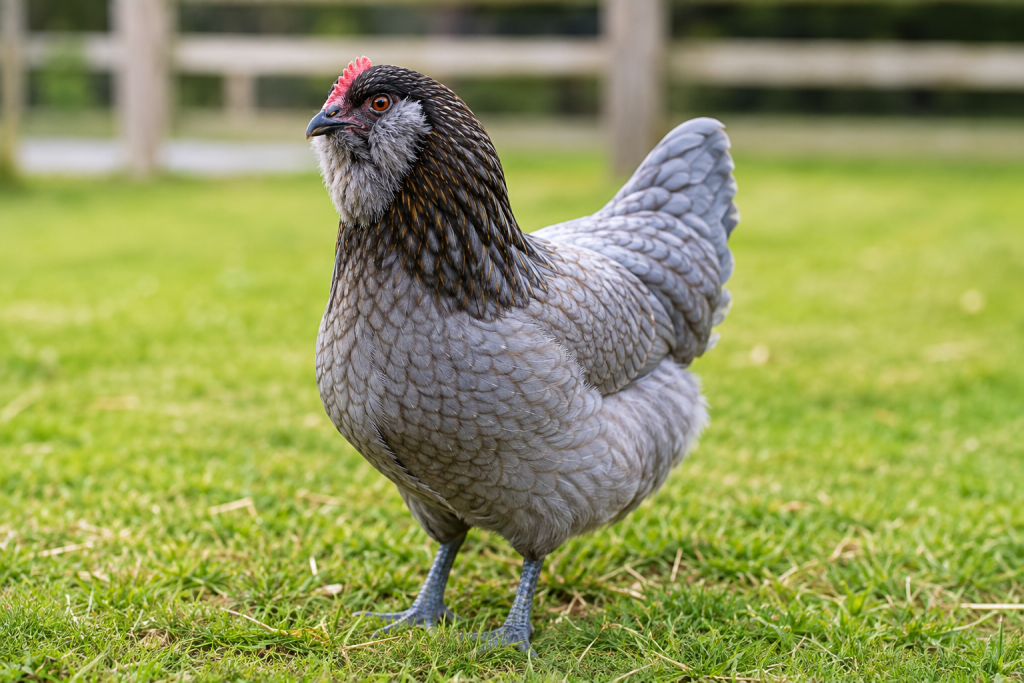
    Ameraucana chickens have several features that make them easy to recognize.

    They usually have:

    • Pea comb
    • Beard and muffs
    • Slate-colored legs
    • Full tail
    • Various accepted feather colors

    Additionally, these traits help distinguish them from mixed breeds.

    Egg Production

    One of the main reasons people love this breed is the beautiful eggs.

    Typical production includes:

    • 180–250 eggs each year
    • Medium-sized eggs
    • Light to medium blue shells

    However, egg production depends on nutrition, age, weather, and overall health.

    Friendly Personality

    Ameraucanas are generally calm and curious birds. They interact well with people and usually fit comfortably into mixed flocks.

    Because of their gentle nature, they are also a great choice for families with children.


    Ameraucana Chicken Guide: Breed Types

    The American Poultry Association recognizes several official color varieties.

    Black Ameraucana

    This variety has glossy black feathers with a green shine and excellent hardiness.

    Blue Ameraucana

    Blue birds display soft bluish-gray feathers and remain one of the most popular choices.

    Buff Ameraucana

    Buff varieties feature warm golden feathers and calm personalities.

    White Ameraucana

    These birds have clean white plumage and create an elegant appearance.

    Additionally, other accepted varieties are available depending on your region and breeder.


    Buying Guide

    Finding quality birds is important because many chickens sold as Ameraucanas are actually Easter Eggers.

    Before purchasing, consider the following:

    1. Buy from trusted hatcheries or breeders.
    2. Ask about breed certification.
    3. Verify the bird has beard, muffs, and slate legs.
    4. Avoid birds with incorrect physical traits.
    5. Compare prices before ordering.

    External Link Placeholder: Visit the American Poultry Association breed standards.


    Common Mistakes to Avoid

    Many new chicken owners make simple mistakes that reduce flock performance.

    Avoid these common problems:

    • Buying mixed breeds by mistake
    • Feeding poor-quality poultry feed
    • Ignoring coop ventilation
    • Keeping overcrowded flocks
    • Skipping regular health checks
    • Providing dirty drinking water

    However, good management prevents most health issues.


    Ameraucana Chicken Care Tips

    Proper Ameraucana chicken care helps birds stay productive throughout the year.

    Provide Balanced Nutrition

    Choose high-quality layer feed with adequate protein and calcium. Additionally, provide fresh greens and occasional healthy treats.

    Maintain a Clean Coop

    Clean bedding regularly to reduce disease and parasites. Good airflow also keeps birds healthier.

    Fresh Water Daily

    Always provide clean water. During hot weather, check water containers several times each day.

    Allow Free Range Time

    Whenever possible, let birds forage safely. This improves exercise and encourages natural behaviors.

    Monitor Health

    Watch for changes in appetite, egg production, or activity levels. Early treatment often prevents larger problems.


    Is the Ameraucana Right for You?

    The Ameraucana fits many backyard situations.

    It is an excellent choice if you want:

    • Colorful eggs
    • Friendly chickens
    • Attractive feather varieties
    • Cold-weather performance
    • Moderate egg production
    • Easy management

    However, if maximum egg production is your only goal, commercial hybrid layers may produce more eggs each year.


    Conclusion

    This Ameraucana Chicken Guide shows why this breed remains one of the most popular heritage chickens in 2026. With beautiful blue eggs, friendly personalities, and reliable performance, Ameraucanas make a valuable addition to backyard flocks around the world. Additionally, proper feeding, housing, and regular care will keep them healthy for years. If you are planning your next poultry purchase, use this Ameraucana Chicken Guide to choose healthy birds and build a thriving flock.

  • Easter Egger Chicken Guide 2026: Care, Eggs & Buying Tips

    Easter Egger Chicken Guide 2026: Care, Eggs & Buying Tips

    Easter Egger Chicken Guide 2026: Everything You Need to Know

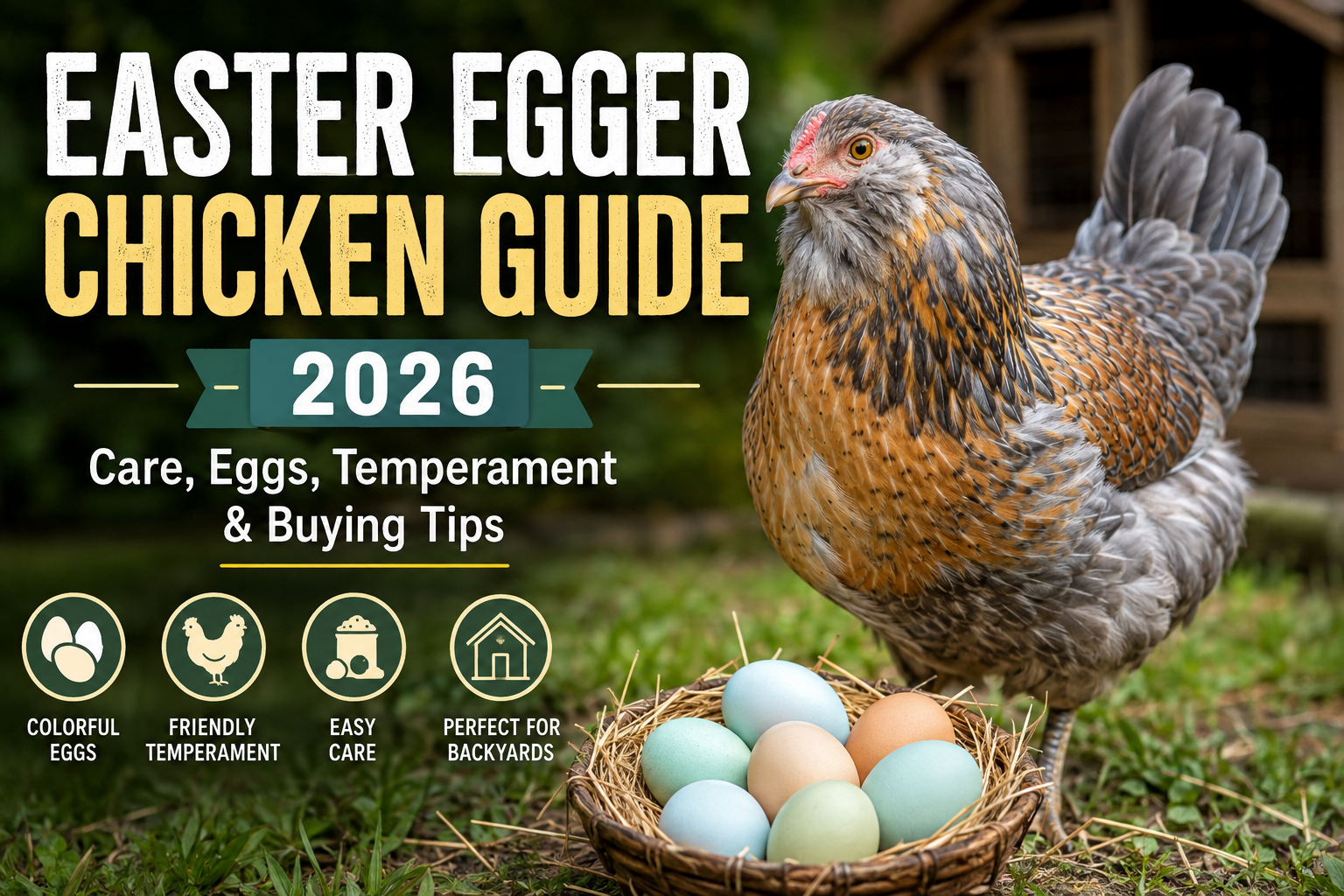
    If you are looking for colorful eggs and friendly backyard birds, this Easter Egger Chicken Guide is the perfect place to start. These unique chickens continue to grow in popularity across the United States and many other countries in 2026. Additionally, they are easy to care for, adaptable, and excellent for beginner poultry keepers.

    Unlike many traditional breeds, Easter Eggers are known for producing eggs in beautiful shades of blue, green, olive, and sometimes pink. As a result, they bring excitement to every egg basket while also making wonderful family pets.


    Why the Easter Egger Chicken Guide Matters

    Choosing the right chicken breed can make backyard farming easier and more rewarding. This Easter Egger Chicken Guide helps you understand whether this colorful bird matches your needs before you invest in chicks or hens.

    Key benefits include:

    • Beautiful multicolored eggs
    • Friendly personality
    • Excellent for beginners
    • Good cold-weather tolerance
    • Attractive feather patterns
    • Great family-friendly breed

    Additionally, these birds come in many different feather colors and patterns. Therefore, every flock looks unique and visually appealing.


    Key Features in the Easter Egger Chicken Guide

    Colorful Egg Production

    The biggest reason people choose Easter Eggers is their colorful eggs. Unlike standard brown or white egg layers, these birds may produce:

    • Blue eggs
    • Green eggs
    • Olive eggs
    • Aqua eggs
    • Occasionally pink-tinted eggs

    However, each hen usually lays only one consistent egg color throughout her life.

    Friendly Temperament

    Most Easter Eggers are calm and curious. Additionally, they often enjoy human interaction, making them ideal for families with children.

    Their gentle personality also allows them to mix well with many backyard chicken breeds.

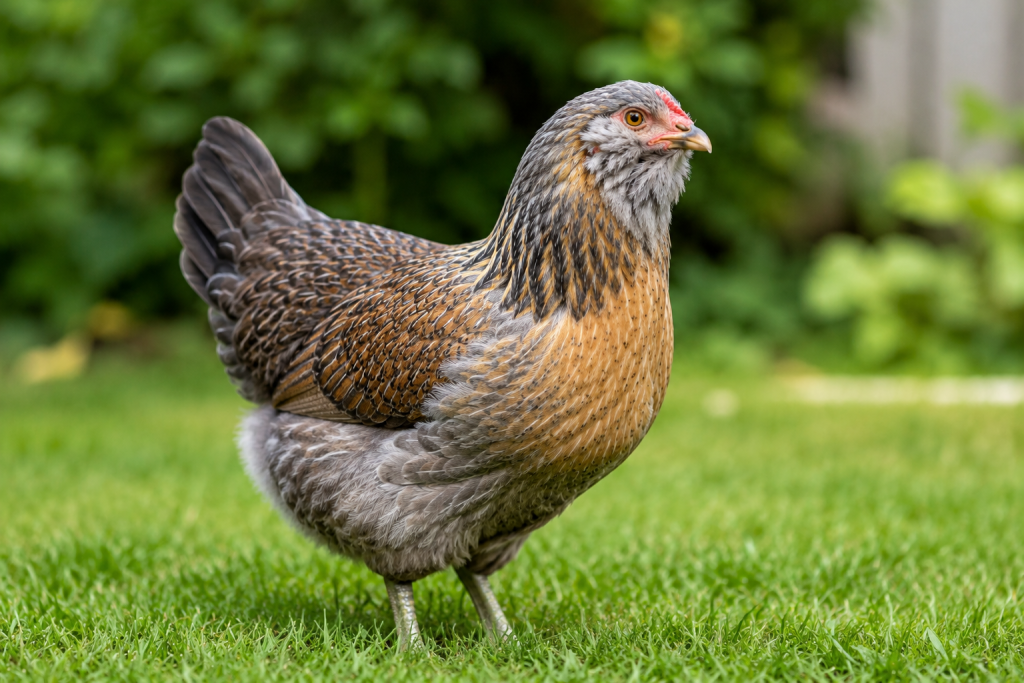
    Appearance

    Every Easter Egger looks different because it is not an officially standardized breed.

    Common features include:

    • Puffy cheeks (muffs)
    • Small pea comb
    • Beard around the face
    • Various feather colors
    • Medium body size

    As a result, no two birds look exactly alike.


    Types Covered in the Easter Egger Chicken Guide

    Standard Easter Eggers

    These are the most common birds found from hatcheries. They offer reliable egg production and excellent adaptability.

    They typically lay around 200–280 eggs each year.

    Bantam Easter Eggers

    Bantam varieties are much smaller. However, they keep the same colorful appearance and friendly behavior.

    They require less space and consume less feed, making them suitable for smaller backyards.

    Mixed Bloodline Easter Eggers

    Some breeders develop unique lines using different heritage breeds.

    Additionally, these birds often display new feather patterns, beard sizes, and egg colors.


    Buying Guide

    Before purchasing birds, consider these important factors.

    Choose Healthy Birds

    Look for:

    • Bright eyes
    • Smooth feathers
    • Active behavior
    • Clean nostrils
    • Strong legs

    Avoid birds that appear weak or sleepy.

    Buy From Trusted Breeders

    Reliable breeders provide healthier chicks and accurate breeding information. Additionally, they usually offer vaccination details and proper care advice.

    Consider Your Climate

    Fortunately, Easter Eggers perform well in many climates. However, providing shade during hot summers and protection during severe winters helps maintain good health.


    Common Mistakes to Avoid

    Many first-time owners make simple mistakes that affect flock health.

    Avoid these common problems:

    • Buying without researching the breed
    • Overcrowding the coop
    • Poor coop ventilation
    • Low-quality feed
    • Skipping regular health checks
    • Ignoring predator protection

    Additionally, remember that colorful eggs can vary between hens. Therefore, do not expect every bird to lay the same shade.


    Easter Egger Chicken Care Tips

    Proper Easter Egger chicken care keeps birds productive and healthy throughout the year.

    Provide Balanced Nutrition

    Feed a high-quality layer ration along with clean water every day.

    Additionally, occasional vegetables and healthy treats can improve enrichment.

    Keep the Coop Clean

    Clean bedding regularly to reduce bacteria and parasites.

    As a result, birds stay healthier and egg quality improves.

    Offer Outdoor Space

    These active birds enjoy exploring.

    Allow safe free-ranging whenever possible or provide a secure run for exercise.

    Perform Regular Health Checks

    Inspect your flock weekly for:

    • Feather condition
    • Comb color
    • Weight changes
    • Parasites
    • Foot health

    Early detection helps prevent larger health problems.


    Is This Breed Right for You?

    This Easter Egger Chicken Guide shows why these birds remain one of the best choices for backyard poultry enthusiasts in 2026.

    They offer:

    1. Beautiful colorful eggs
    2. Friendly personalities
    3. Strong adaptability
    4. Good egg production
    5. Beginner-friendly care

    Additionally, they fit well into both small backyard flocks and larger hobby farms.


    Conclusion

    This Easter Egger Chicken Guide highlights everything you need to know before bringing these colorful birds home. Their unique eggs, friendly temperament, and easy care make them an excellent choice for beginners and experienced keepers alike. If you want a productive, beautiful, and enjoyable addition to your flock, the Easter Egger Chicken Guide can help you make the right decision. Explore more poultry resources, compare breeds, and build a healthy flock that will reward you for years to come.

  • Cochin Chicken Guide 2026: Ultimate Care & Breed Guide

    Cochin Chicken Guide 2026: Ultimate Care & Breed Guide

    Cochin Chicken Guide (2026)

    If you’re looking for a friendly, fluffy, and beautiful backyard chicken, this Cochin Chicken Guide will help you make the right choice. Cochin chickens remain one of the most popular heritage breeds in 2026 because they combine gentle personalities with impressive looks. Additionally, they adapt well to families, hobby farms, and beginner poultry keepers.

    Originally developed in China and later introduced to Europe and North America, Cochin chickens quickly became favorites among poultry enthusiasts. Today, many US backyard farmers choose them for their calm nature rather than high egg production. As a result, they are ideal for anyone who values personality and appearance alongside practicality.


    Why Choose a Cochin Chicken?

    Keeping Cochin chickens offers several benefits for both new and experienced poultry owners.

    Main Benefits

    • Friendly and calm temperament
    • Excellent family-friendly breed
    • Beautiful feather appearance
    • Great winter hardiness
    • Reliable broody hens
    • Easy to handle
    • Good exhibition birds

    Additionally, their feather-covered legs make them one of the most recognizable chicken breeds worldwide.


    Cochin Chicken Guide: Key Features

    Appearance

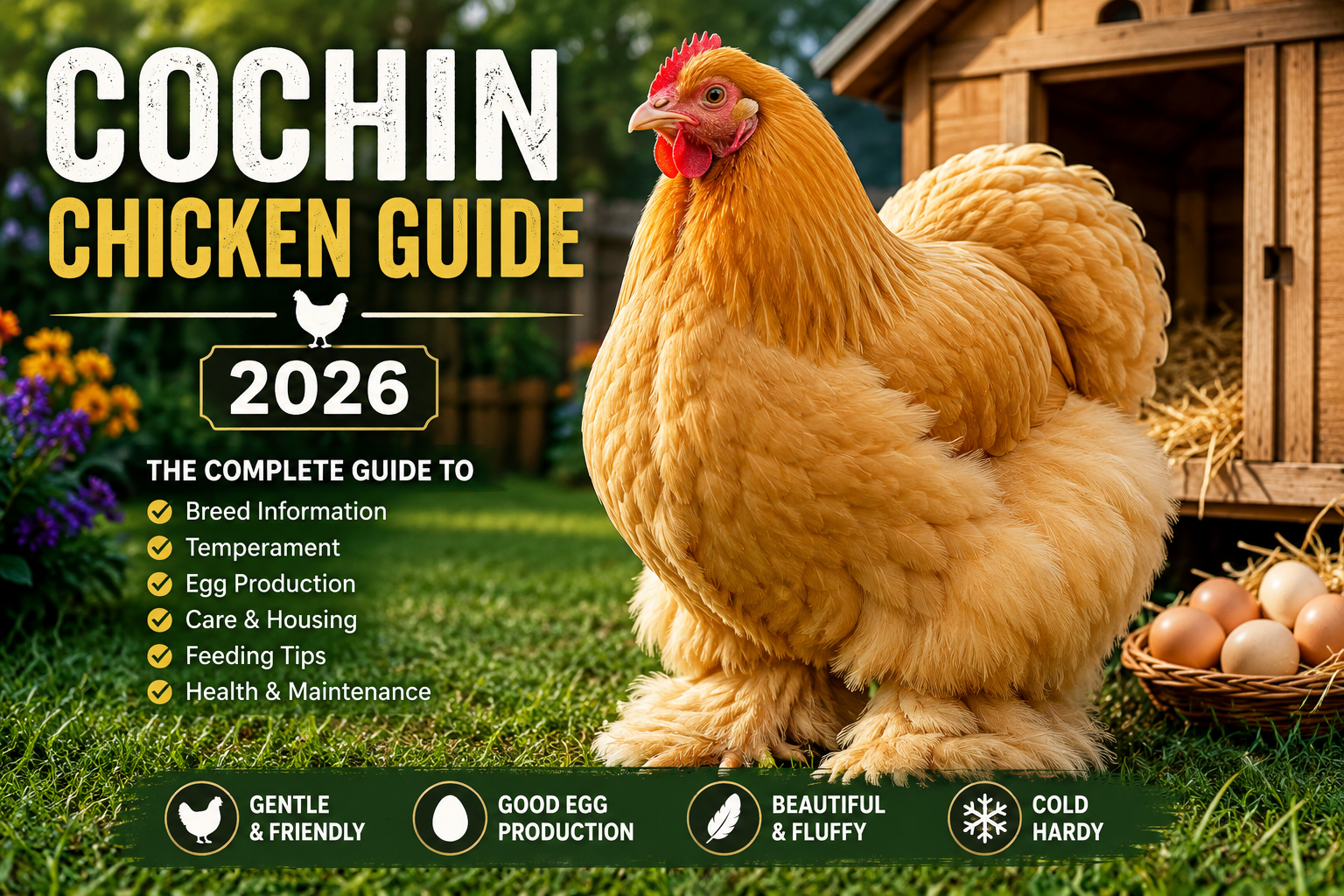
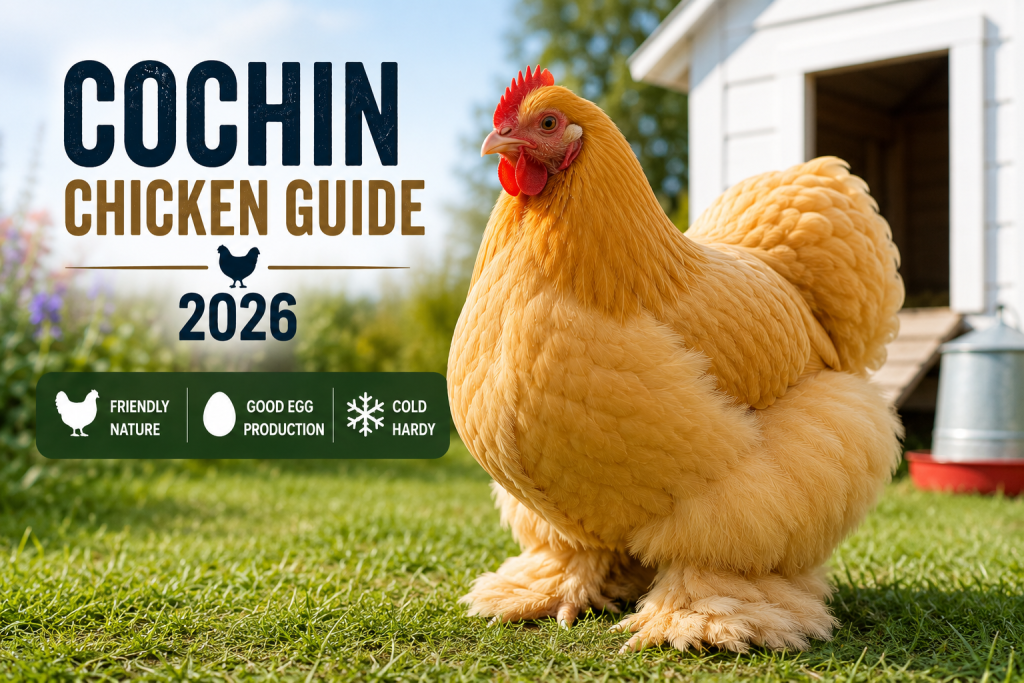
    The Cochin Chicken Guide would not be complete without discussing appearance. These birds have rounded bodies, abundant soft feathers, and fully feathered legs that give them a giant fluffy look.

    Common colors include:

    • Buff
    • Black
    • White
    • Blue
    • Partridge
    • Splash

    Roosters often weigh between 10–11 pounds, while hens average 8–9 pounds.

    Temperament

    Cochins are famous for their gentle personalities. They enjoy human interaction and rarely become aggressive. Therefore, they make excellent pets for children.

    They also mix well with other calm backyard chicken breeds, although more active breeds may dominate them during feeding.

    Egg Production

    Although not commercial layers, they still provide a steady supply of eggs.

    Typical production includes:

    • Around 150–180 brown eggs yearly
    • Medium-sized eggs
    • Better laying during cooler months
    • Excellent brooding instinct

    If your goal is maximum Cochin chicken egg production, remember that this breed prioritizes motherhood over high output.


    Types of Cochin Chicken Guide

    Standard Cochin

    The standard Cochin is the largest variety. It works well on farms with plenty of outdoor space and attracts poultry show enthusiasts.

    Bantam Cochin

    Bantam Cochins are much smaller but equally fluffy. Additionally, they require less space and remain popular among urban backyard keepers.

    Frizzle Cochin

    Frizzle Cochins feature curled feathers instead of smooth plumage. As a result, they have an even more unique appearance that stands out in exhibitions.


    Buying Guide

    Before purchasing birds, consider several important factors.

    Choose Healthy Birds

    Look for:

    • Bright eyes
    • Clean nostrils
    • Smooth breathing
    • Active movement
    • Healthy feathers

    Buy From Trusted Breeders

    Reputable breeders usually provide healthier birds with accurate breed information. Additionally, vaccinated chicks often have better survival rates.

    Decide Between Chicks and Adults

    Chicks cost less but require more care. Adult hens, however, allow you to begin egg production sooner.


    Common Mistakes to Avoid

    Many beginners make avoidable errors when raising Cochins.

    Avoid these mistakes:

    • Keeping feathered feet muddy
    • Overfeeding treats
    • Ignoring parasite prevention
    • Using crowded coops
    • Choosing aggressive flock mates
    • Forgetting regular health inspections

    Fortunately, proper planning prevents most problems.


    Cochin Chicken Guide Care Tips

    Proper care keeps these birds healthy throughout the year.

    Housing

    Provide:

    • Dry bedding
    • Good ventilation
    • Predator-proof coop
    • Spacious nesting boxes
    • Clean roosting areas

    Dry conditions are especially important because wet feathers on their legs can attract bacteria.

    Feeding

    Offer a balanced poultry feed containing quality protein, vitamins, and minerals. Additionally, fresh vegetables and occasional grains provide healthy variety.

    Always provide clean water.

    Grooming

    Because of their heavy feathers, regular inspections help remove dirt and parasites. During rainy seasons, check feathered feet more frequently.

    Health

    Routine vaccinations, clean housing, and regular observation reduce disease risks. As a result, your flock stays healthier and more productive.


    Is the Cochin Chicken Right for You?

    Choose Cochin chickens if you want:

    1. Friendly backyard pets
    2. Beautiful exhibition birds
    3. Calm family chickens
    4. Excellent mothers
    5. Easy-to-manage poultry

    However, if your main goal is maximum egg production, another breed may better fit your needs.


    Conclusion

    This Cochin Chicken Guide shows why this heritage breed continues to attract poultry keepers worldwide in 2026. Their calm temperament, stunning feathers, and excellent mothering ability make them an outstanding addition to many backyard flocks. Additionally, with proper housing, nutrition, and routine care, these birds can thrive for many years. If you’re planning to expand your flock, the Cochin Chicken Guide can help you choose a breed that combines beauty, personality, and dependable performance.

  • Silkie Chicken Guide 2026: Complete Care, Eggs & Buying Tips

    Silkie Chicken Guide 2026: Complete Care, Eggs & Buying Tips

    Silkie Chicken Guide (2026)

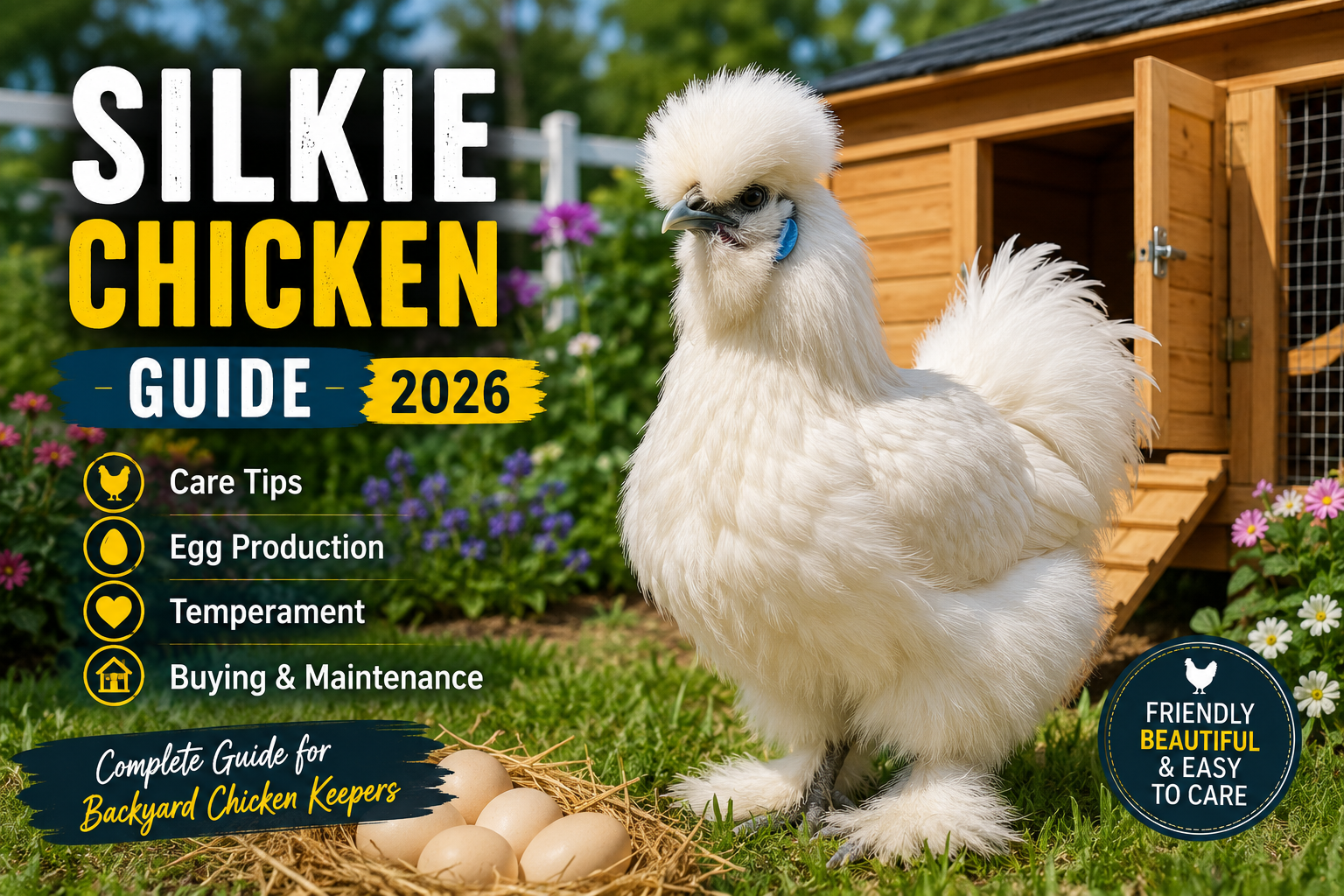
    If you are looking for one of the friendliest and most unique chicken breeds, this Silkie Chicken Guide will help you make the right decision. Silkies are famous for their fluffy feathers, gentle personality, and excellent mothering skills. As a result, they remain one of the most popular backyard chickens in the United States and around the world in 2026.

    Whether you are a beginner or an experienced poultry keeper, Silkies are easy to love. Additionally, they fit well in family flocks and small backyard farms because of their calm nature and beautiful appearance.


    Why Choose a Silkie Chicken?

    Silkies are much more than ornamental birds. They offer several benefits that make them an excellent addition to almost any flock.

    Main Benefits

    • Friendly and gentle temperament
    • Excellent pets for families with children
    • Outstanding broody hens and natural mothers
    • Unique fluffy feathers unlike other breeds
    • Adapt well to backyard environments
    • Easy to handle and train

    Additionally, their quiet personality makes them ideal for suburban homes where noisy chickens may become a problem.


    Silkie Chicken Guide: Key Features

    Appearance

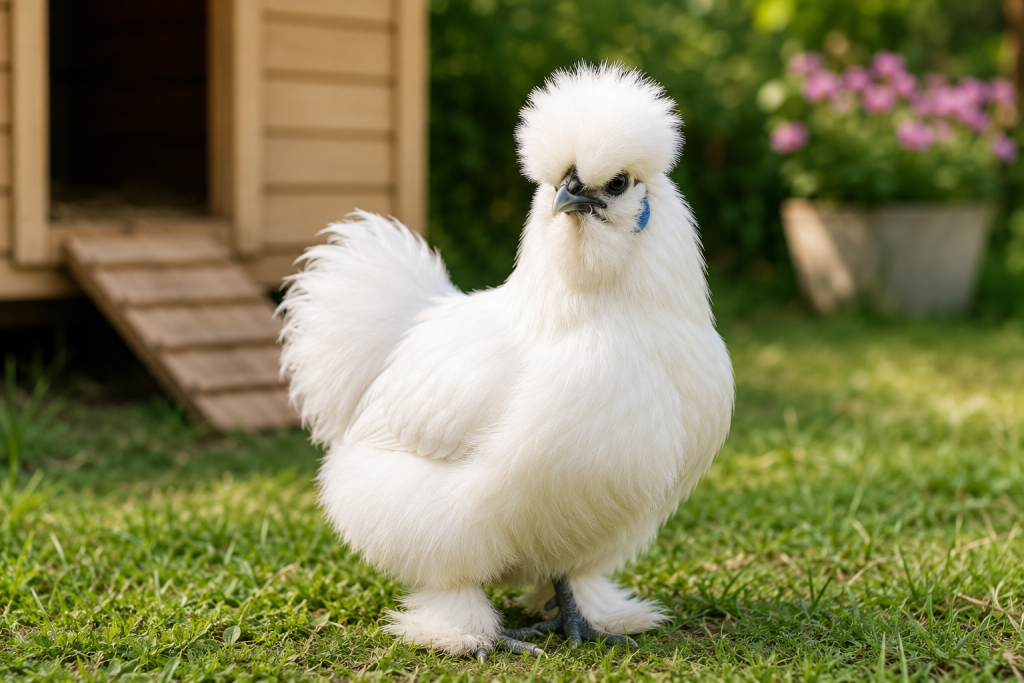
    Silkies have soft, fur-like feathers because their feathers lack the tiny hooks found on regular chickens. As a result, they appear fluffy and round.

    Common colors include:

    • White
    • Black
    • Buff
    • Blue
    • Splash
    • Gray
    • Partridge

    One of their most unusual traits is black skin, dark meat, blue earlobes, and five toes instead of four.


    Temperament

    One reason this Silkie Chicken Guide recommends the breed is its amazing personality.

    Silkies are:

    • Calm
    • Friendly
    • Curious
    • Easy to tame
    • Great with children

    Additionally, they mix well with peaceful breeds. However, aggressive chickens may bully them because Silkies cannot fly well.


    Egg Production

    Although Silkies are not heavy egg layers, they still provide a steady supply for small households.

    Average production:

    • 100–120 cream-colored eggs yearly
    • 2–3 eggs each week
    • Small to medium-sized eggs

    Many owners value Silkie chicken eggs more for breeding than for high production.


    Types of Silkie Chickens

    Bearded Silkie

    Bearded Silkies have extra fluffy feathers around the face and under the beak, giving them an adorable appearance.

    Best For

    • Pet owners
    • Poultry exhibitions
    • Backyard flocks

    Non-Bearded Silkie

    Non-bearded Silkies have a cleaner face while keeping the same gentle personality.

    Best For

    • Beginners
    • Easy grooming
    • Small farms

    Silkie Chicken Guide: Buying Tips

    Before purchasing Silkies, consider several important factors.

    1. Buy From Reputable Breeders

    Healthy chicks grow into healthier adults. Additionally, trusted breeders provide vaccination records and proper breed standards.

    2. Check Overall Health

    Choose birds that have:

    • Bright eyes
    • Clean feathers
    • Active behavior
    • Healthy feet
    • No breathing problems

    3. Purpose

    Decide whether you want Silkies for:

    • Pets
    • Breeding
    • Poultry shows
    • Backyard enjoyment

    Knowing your goal helps you select the right birds.


    Common Mistakes to Avoid

    Many first-time owners make simple mistakes that affect their flock.

    Avoid these problems:

    • Keeping Silkies with aggressive breeds
    • Allowing feathers to stay wet for long periods
    • Ignoring predator protection
    • Overcrowding the coop
    • Buying unhealthy birds from unknown sellers

    Additionally, remember that Silkies do not fly well. Therefore, secure fencing is more important than high fencing.


    Silkie Chicken Care Tips

    Proper Silkie chicken care keeps birds healthy and happy throughout the year.

    Housing

    Provide:

    • Dry bedding
    • Good ventilation
    • Predator-proof coop
    • Comfortable nesting boxes

    Because fluffy feathers hold moisture, always keep the coop clean and dry.


    Feeding

    Offer a balanced layer feed along with:

    • Fresh vegetables
    • Clean water
    • Calcium supplements for laying hens
    • Occasional healthy treats

    Additionally, avoid overfeeding treats since balanced nutrition supports better health.


    Grooming

    Unlike many breeds, Silkies benefit from occasional grooming.

    Regularly:

    • Check feather cleanliness
    • Trim feathers around the eyes if necessary
    • Inspect feet for mud buildup
    • Watch for mites and lice

    Routine care keeps your backyard Silkie chickens comfortable and healthy.


    Is the Silkie Chicken Right for You?

    If you want a friendly companion instead of maximum egg production, Silkies are an outstanding choice. Their beautiful appearance, gentle temperament, and natural parenting abilities make them one of the most rewarding ornamental breeds available today.

    Families, hobby farmers, and first-time chicken owners especially enjoy raising Silkies because they require simple care and develop strong bonds with people.


    Frequently Asked Questions

    Are Silkies good for beginners?

    Yes. Silkies are gentle, easy to handle, and require simple daily care, making them a great choice for first-time chicken owners.

    How many eggs do Silkies lay each year?

    Most hens produce around 100–120 small cream-colored eggs annually, depending on nutrition, age, and seasonal conditions.

    Can Silkies live with other chicken breeds?

    Yes, but they do best with calm and friendly breeds. Aggressive chickens may bully them because Silkies cannot fly well.

    Do Silkies need special grooming?

    Yes. Their fluffy feathers collect dirt more easily than regular chickens, so regular cleaning and dry housing are important.

    How long do Silkies live?

    With proper nutrition, clean housing, and routine healthcare, they commonly live between 7 and 10 years, and some live even longer.

    Conclusion

    This Silkie Chicken Guide shows why Silkies remain one of the world’s favorite backyard chicken breeds in 2026. They offer unmatched beauty, gentle personalities, and excellent brooding instincts. Additionally, with proper housing, balanced nutrition, and regular grooming, they can thrive for many years. If you’re planning to expand your flock, consider adding Silkies and enjoy one of the friendliest chickens available today.

  • Brahma Chicken Guide 2026: Ultimate Care, Eggs & Size

    Brahma Chicken Guide 2026: Ultimate Care, Eggs & Size

    Brahma Chicken Guide 2026: Everything You Need to Know

    If you are searching for the perfect giant chicken breed, this Brahma Chicken Guide will help you make the right decision. Known as the “Gentle Giant” of the poultry world, Brahma chickens remain one of the most popular backyard breeds in 2026. They combine impressive size, calm personalities, and reliable egg production, making them a favorite among families and hobby farmers across the United States and around the world.

    Additionally, Brahmas adapt well to different climates and require relatively simple care. Whether you are a beginner or an experienced poultry keeper, this guide explains everything you need to know.


    Why the Brahma Chicken Guide Matters

    Choosing the right chicken breed affects your flock’s success. This Brahma Chicken Guide helps you understand why Brahmas continue to rank among the best backyard chicken breeds.

    Main Benefits

    • Friendly and gentle personality
    • Excellent for beginners
    • Cold-hardy due to feathered legs
    • Good winter egg production
    • Beautiful appearance
    • Long lifespan with proper care

    Moreover, Brahmas rarely show aggressive behavior. As a result, they fit well into mixed flocks and family farms.


    Brahma Chicken Guide: Key Features

    Massive Body Size

    The first thing you’ll notice in this Brahma Chicken Guide is their incredible size.

    Average weight:

    • Hens: 8–10 pounds
    • Roosters: 10–12 pounds
    • Some exceptional birds exceed 14 pounds.

    Despite their size, Brahmas remain calm and easy to handle.


    Feathered Legs

    Unlike many breeds, Brahmas have fully feathered legs and feet. Additionally, these feathers help protect them during cold winters.

    However, owners should regularly check for mud, ice, and mites.


    Temperament

    One reason many families love Brahmas is their gentle nature.

    They are:

    • Friendly
    • Quiet
    • Curious
    • Easy to tame
    • Good around children

    Because of their calm behavior, they rarely bully smaller chickens.


    Types of Brahma Chickens

    Every Brahma Chicken Guide should explain the recognized color varieties.

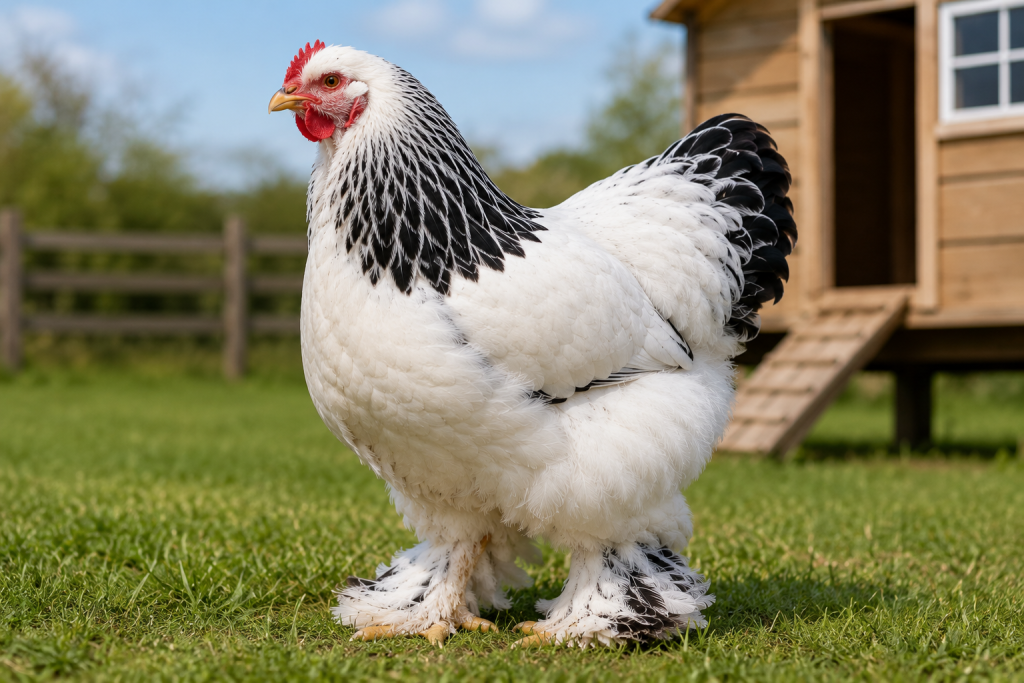
    Light Brahma

    The Light Brahma is the most popular variety.

    Features include:

    • White body
    • Black neck feathers
    • Black tail
    • Bright yellow legs

    Dark Brahma

    Dark Brahmas feature striking silver and black feather patterns.

    Additionally, hens display beautiful penciled feather markings that make them stand out.


    Buff Brahma

    Buff Brahmas have golden feathers with black accents.

    Their warm coloring makes them one of the most attractive backyard chicken breeds.


    Brahma Chicken Guide: Buying Decision Tips

    Buying healthy birds saves money and prevents future problems.

    Before purchasing, check the following:

    1. Bright eyes
    2. Clean feathered legs
    3. Active movement
    4. Healthy comb
    5. Good body weight
    6. Clean nostrils

    Additionally, purchase from trusted breeders or certified hatcheries.


    Egg Production and Growth

    Many beginners ask whether giant breeds lay enough eggs.

    The answer is yes.

    Average production:

    • 180–220 brown eggs annually
    • Medium to large eggs
    • Better winter laying than many breeds

    Although they mature more slowly, their steady production makes them worthwhile.

    Furthermore, Brahma chicken egg production remains reliable for several years.


    Common Mistakes to Avoid

    Even experienced owners make mistakes.

    Avoid these common problems:

    • Buying from unknown sellers
    • Ignoring feathered foot care
    • Overcrowding the coop
    • Feeding low-quality feed
    • Skipping parasite checks
    • Forgetting clean drinking water

    As a result, your flock stays healthier and more productive.


    Brahma Chicken Care Tips

    Proper Brahma chicken care keeps birds healthy throughout the year.

    Provide Spacious Housing

    Because Brahmas are large, allow at least:

    • 5 square feet inside the coop
    • 10 square feet in the run

    More space reduces stress.


    Feed a Balanced Diet

    Choose quality poultry feed rich in protein.

    Additionally, offer:

    • Fresh vegetables
    • Oyster shell for calcium
    • Clean water
    • Occasional healthy treats

    Keep Feet Clean

    Feathered feet collect mud easily.

    Therefore:

    • Inspect feet weekly.
    • Remove debris.
    • Keep bedding dry.
    • Prevent frostbite during winter.

    Health Checks

    Watch for:

    • Mites
    • Lice
    • Bumblefoot
    • Respiratory illness

    Early treatment prevents larger health issues.


    Is the Brahma Chicken Right for You?

    If you want a calm, beautiful, and productive breed, Brahmas deserve serious consideration.

    They are ideal for:

    • Backyard flocks
    • Families
    • Hobby farms
    • Cold climates
    • Beginners
    • Mixed flocks

    Their impressive appearance and friendly personality explain why they remain one of today’s most popular giant chicken breeds.


    Frequently Asked Questions (FAQs)

    1. Are Brahma chickens good for beginners?

    Yes. Brahma chickens are calm, friendly, and easy to manage, making them one of the best breeds for first-time chicken keepers.

    2. How many eggs do Brahma chickens lay each year?

    A healthy Brahma hen typically lays 180–220 medium to large brown eggs per year, with better winter production than many other breeds.

    3. How big do Brahma chickens get?

    Brahma roosters usually weigh 10–12 pounds, while hens average 8–10 pounds. Some birds can grow even larger with proper care.

    4. Can Brahma chickens live in cold climates?

    Yes. Their thick feathers and feathered legs help them tolerate cold weather extremely well. However, keep their feet clean and dry during winter.

    5. What do Brahma chickens eat?

    They thrive on a balanced poultry feed, fresh water, vegetables, grains, and calcium supplements such as oyster shell for strong eggshells.

    6. How long do Brahma chickens live?

    With proper nutrition and good care, Brahma chickens typically live 5–8 years, although many can live longer.

    7. Are Brahma chickens friendly with other breeds?

    Yes. Their gentle temperament makes them excellent companions for mixed backyard flocks and family farms.

    8. Do Brahma chickens require special care?

    Their feathered legs need regular cleaning and inspection to prevent mud buildup, mites, and other foot-related problems.

    9. Are Brahma chickens noisy?

    No. Brahma chickens are generally quiet compared to many other breeds. Hens make normal laying sounds, while roosters crow like other chickens.

    10. What colors do Brahma chickens come in?

    The three recognized varieties are Light Brahma, Dark Brahma, and Buff Brahma. Each has unique feather patterns and beautiful coloring.

    11. Do Brahma chickens fly?

    Not very well. Because of their large size and heavy bodies, Brahma chickens rarely fly high and usually stay within low fencing.

    12. At what age do Brahma chickens start laying eggs?

    Most Brahma hens begin laying eggs between 6 and 8 months of age. They mature more slowly than lighter chicken breeds.

    13. How much space do Brahma chickens need?

    Each Brahma should have at least 5 square feet of indoor coop space and 10 square feet of outdoor run space for comfort and good health.

    14. Are Brahma chickens broody?

    Yes. Some Brahma hens become broody and can successfully hatch and raise chicks, although not every hen shows this behavior.

    15. Can Brahma chickens free-range?

    Yes. They enjoy free-ranging and foraging for insects, seeds, and plants. However, secure fencing helps protect them from predators.

    Conclusion

    This Brahma Chicken Guide shows why these gentle giants continue to dominate backyard poultry keeping in 2026. They offer excellent temperament, dependable egg production, impressive size, and outstanding cold-weather performance. Additionally, with proper housing, nutrition, and routine health checks, Brahmas can thrive for many years.

    If you’re planning to expand your flock, the Brahma Chicken Guide recommends choosing healthy birds from trusted breeders and providing them with plenty of space and quality care. Ready to start your poultry journey? Explore more of our chicken breed guides and discover the perfect addition to your backyard flock.