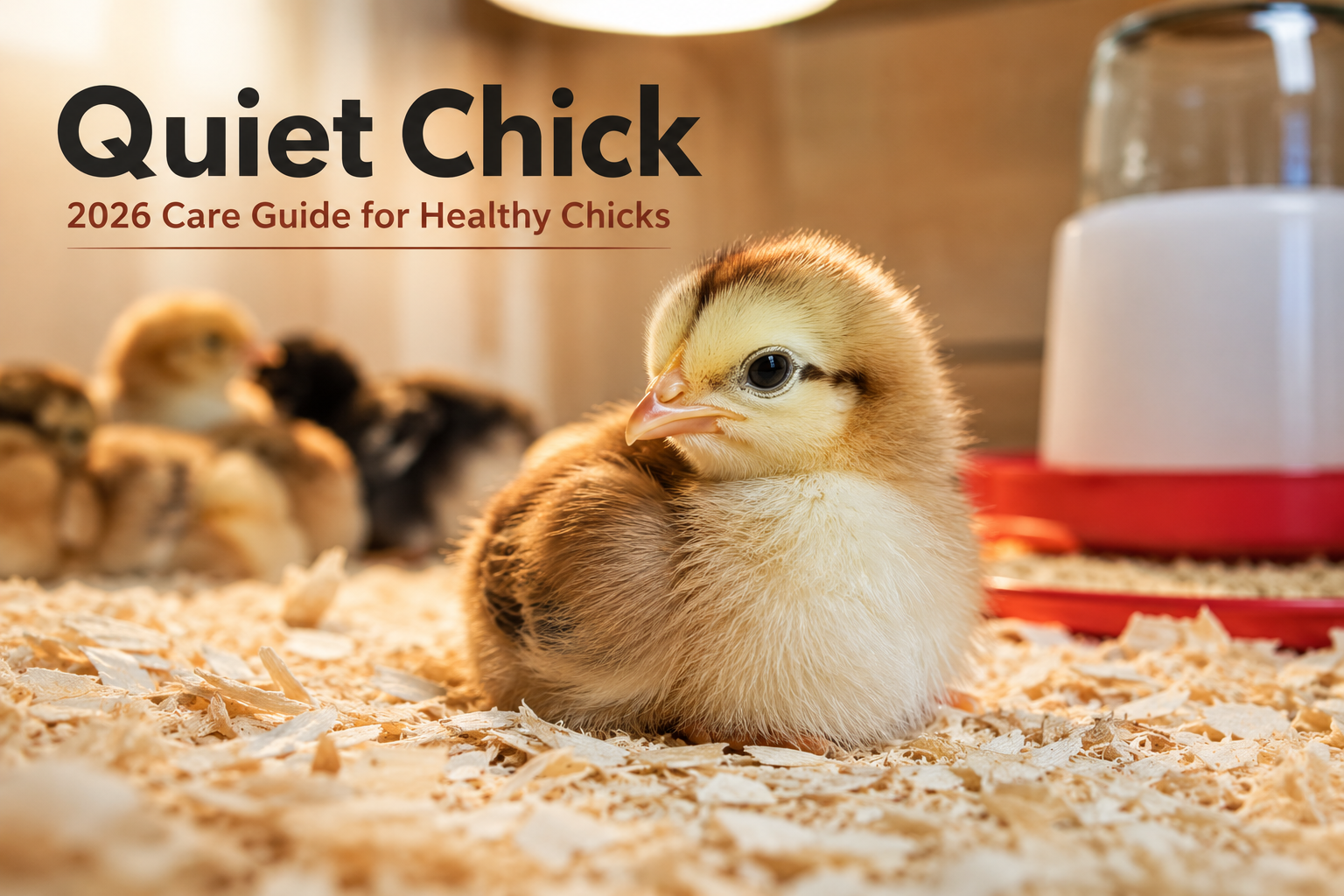
Quiet Chick: 2026 Care Guide for Healthy Chicks
A Quiet Chick can make a new chicken keeper wonder if something is wrong. However, quiet behavior does not always mean illness. A young chick may simply feel comfortable, warm, safe, and content. In fact, experienced poultry keepers often associate soft peeping and relaxed behavior with a comfortable brooder environment.
Still, sudden changes deserve attention. Therefore, owners should look at eating, drinking, movement, droppings, body position, and temperature before deciding that a chick is healthy.
Why a Quiet Chick Can Be Healthy
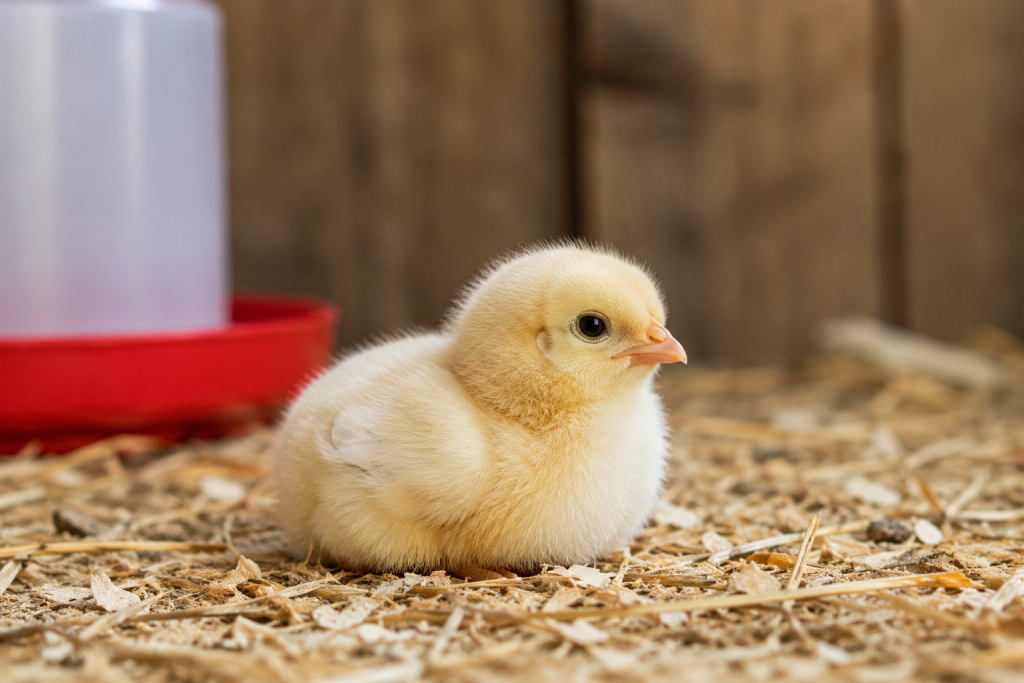
A Quiet Chick may spend time resting between periods of activity. If the chick eats, drinks, walks normally, and interacts with other chicks, quiet behavior can simply reflect comfort.
Additionally, chicks communicate through different sounds. Loud, persistent peeping can sometimes indicate discomfort, cold, heat, hunger, fear, or another problem.
A calm chick should generally:
- Move around during active periods
- Eat and drink regularly
- Sleep and rest normally
- Stay close to the flock
- Have clean eyes and nostrils
- Show normal posture and balance
For more information, see our [internal guide to baby chick care].
Quiet Chick: Key Factors to Check
1. Brooder Temperature
Temperature is one of the first things to check when a Quiet Chick seems unusually inactive. Young chicks need a warm, stable brooder area, especially during their first weeks.
However, avoid judging temperature from one chick alone. Watch the entire group.
- Huddling tightly may indicate cold.
- Staying far from the heat source may indicate excessive heat.
- Evenly spread chicks with normal activity are generally more comfortable.
2. Food and Water
A Quiet Chick should still show interest in feed and clean water. Lack of eating or drinking can quickly become serious because young birds have small bodies and limited reserves.
Keep fresh water available at all times. Also, provide an age-appropriate chick starter feed and keep feeding equipment clean.
3. Activity and Posture
Healthy chick signs include alert eyes, normal movement, regular feeding, and interaction with other chicks. Conversely, weakness, repeated falling, difficulty standing, or extreme sleepiness deserves closer attention.
Types of Quiet Chick Behavior
Normal Quiet Behavior
Some chicks naturally make less noise than others. They may quietly explore, rest, or stay close to their flock mates. Individual temperament can also affect vocal behavior.
Concerning Quiet Behavior
A sudden change can be more important than the chick’s normal personality. For example, a chick that was active yesterday but now remains isolated and sleepy may need closer observation. Similar concerns have been reported by poultry keepers when a previously vocal chick suddenly becomes unusually quiet.
Watch for:
- Refusing food or water
- Weakness or unusual sleepiness
- Isolation from other chicks
- Difficulty walking
- Breathing problems
- Abnormal droppings
- Fluffed-up feathers
- Repeatedly sitting under the heat source
If several symptoms appear together, contact an avian or poultry veterinarian.
How to Decide If Your Chick Is Healthy
Use this simple checklist:
- Observe: Watch the chick for several minutes without disturbing it.
- Compare: Look at its behavior against the other chicks.
- Check food: Confirm that it is eating normally.
- Check water: Make sure it can easily reach clean water.
- Check temperature: Look at how the flock distributes itself around the heat source.
- Check physical signs: Look for clean eyes, clear nostrils, normal posture, and steady movement.
- Monitor changes: Record unusual behavior instead of relying on one observation.
Common Mistakes to Avoid
Do not assume every Quiet Chick is sick. At the same time, do not ignore a sudden behavioral change.
Avoid these common mistakes:
- Checking only noise level
- Ignoring food and water intake
- Using an unreliable thermometer
- Overheating the brooder
- Keeping chicks without proper social contact
- Waiting too long when multiple symptoms appear
Additionally, avoid giving medication without appropriate veterinary guidance.
Quiet Chick Care Tips for 2026
Good Quiet Chick care starts with a clean, secure, and properly managed brooder. Provide suitable warmth, fresh water, quality starter feed, dry bedding, and enough space for chicks to move away from the heat source.
Also, inspect chicks daily. A quick routine can help you notice changes before they become serious.
If you want more practical poultry advice, explore our [complete chicken care resources] and consult reputable veterinary or poultry extension information such as [university poultry resources].
Conclusion
A Quiet Chick is not automatically an unhealthy chick. If it eats, drinks, moves normally, and remains alert during active periods, quiet behavior may simply mean it feels safe and comfortable. However, sudden silence combined with weakness, poor appetite, isolation, or breathing problems should never be ignored.
Leave a Reply