Author: kinzapadhyair@gmail.com

  • Deep Litter Method 2026: Powerful Pros, Cons & Guide

    Deep Litter Method 2026: Powerful Pros, Cons & Guide

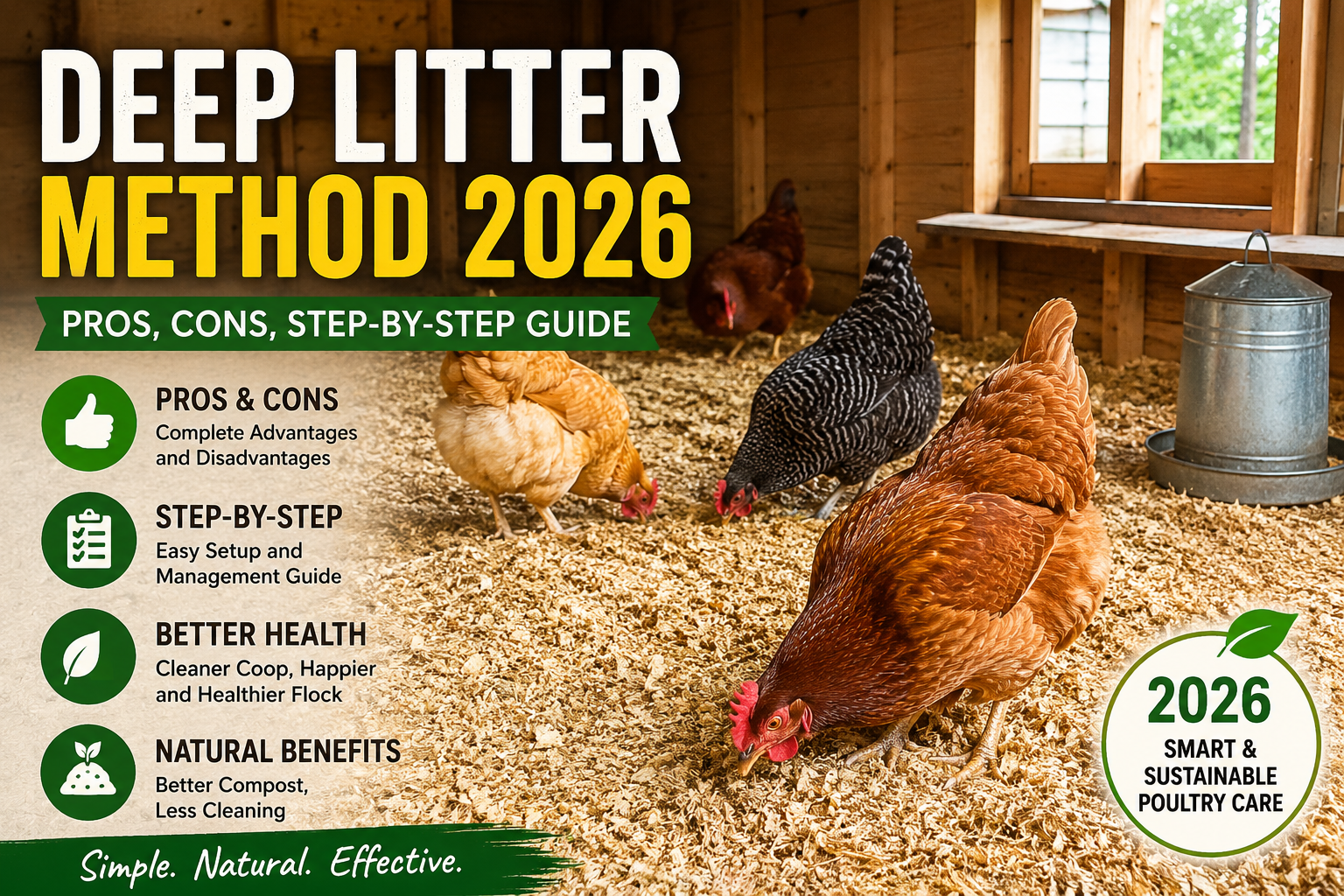
    Deep Litter Method 2026: A Practical Guide for Chicken Keepers

    The Deep Litter Method 2026 remains a practical way to manage chicken coops while reducing frequent cleaning. Instead of removing all bedding every few days, keepers allow clean bedding and droppings to build gradually on the floor. With proper management, the system can provide insulation, absorb moisture, and create useful compost.

    For backyard chicken owners in the US and around the world, however, success depends on moisture control, ventilation, stocking levels, and suitable bedding. A poorly managed system can create ammonia, odors, wet litter, and health problems.

    Why the Deep Litter Method 2026 Matters

    The Deep Litter Method 2026 can reduce the amount of routine cleaning required. Additionally, chickens naturally scratch and mix the bedding, helping distribute manure through the litter.

    Key benefits include:

    • Less frequent complete coop cleaning
    • Better floor cushioning for birds
    • Useful insulation during colder weather
    • Potential production of compostable manure
    • Efficient use of affordable bedding materials
    • Reduced daily labor for small flocks

    FAO describes deep-litter housing as a system where birds live on an absorbent bedding layer, such as straw, grain husks, or wood shavings.

    Deep Litter Method 2026: Pros and Cons

    Major Pros

    The Deep Litter Method 2026 offers several advantages when managed correctly. First, bedding absorbs droppings and moisture. Second, the built-up material can later become a useful soil amendment.

    Moreover, good litter provides cushioning and allows natural behaviors such as scratching and dust bathing.

    Important Cons

    However, this method is not maintenance-free. Wet litter can encourage ammonia production and increase microbial problems. USDA research also identifies moisture control as a major factor in reducing ammonia emissions.

    Common disadvantages include:

    • Wet or caked bedding
    • Ammonia buildup
    • Increased odor
    • Possible parasite and disease concerns
    • More difficult cleaning after serious contamination

    If a flock develops a significant disease problem, complete cleaning and disinfection may be more appropriate than continuing built-up litter.

    How to Start the Deep Litter Method 2026

    1. Prepare the Coop

    Before starting the Deep Litter Method 2026, clean the coop thoroughly. Ensure the floor is dry and repair leaks around the roof, walls, and drinkers.

    Additionally, provide good ventilation without creating harmful drafts directly on the birds.

    2. Choose Suitable Bedding

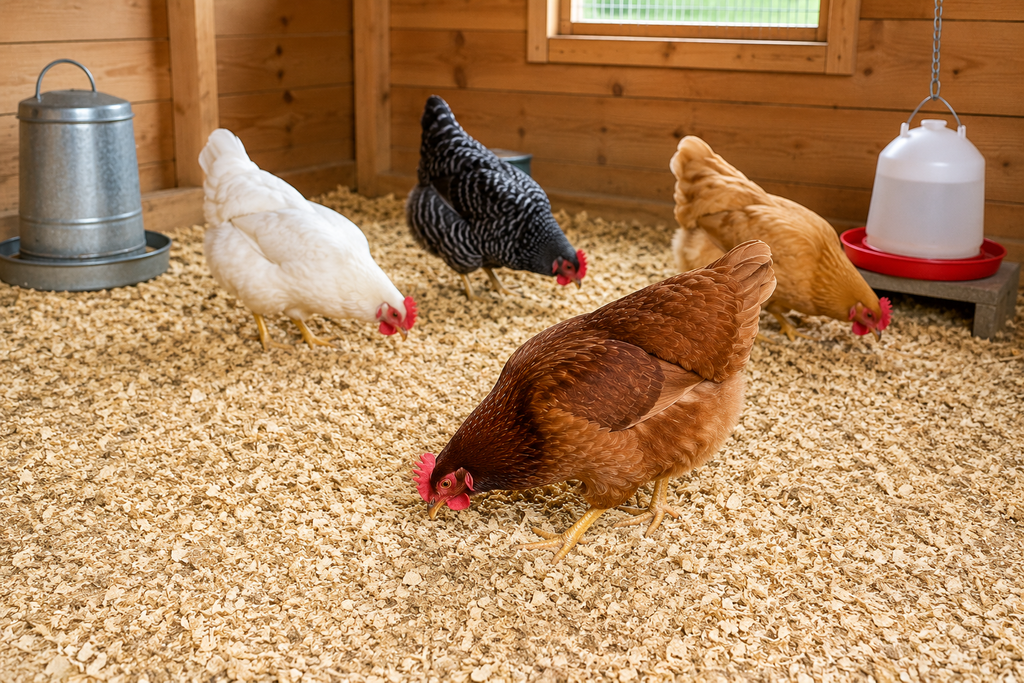
    Good chicken coop bedding should be absorbent, non-toxic, reasonably quick-drying, and free from contaminants. Wood shavings, chopped straw, rice hulls, and other suitable agricultural materials can work depending on local availability.

    Start with a practical bedding layer rather than trying to create a very deep pile immediately. Then gradually add fresh material as manure accumulates.

    3. Add Fresh Bedding Regularly

    The Deep Litter Method 2026 works through gradual layering. When the surface becomes dirty or develops damp areas, add a fresh layer of dry bedding.

    However, remove heavily wet or compacted sections instead of simply covering them. Pay special attention to areas beneath drinkers and around feeders.

    4. Stir and Monitor the Litter

    Regularly loosen compacted areas so the litter remains friable. Check the coop for wet spots, strong ammonia smells, excessive dust, and caked material.

    Mississippi State University Extension recommends maintaining litter that is loose rather than caked and emphasizes ventilation and moisture management.

    Deep Litter Method 2026: Best Bedding Options

    Wood Shavings

    Wood shavings are widely used because they are absorbent and easy to handle. Choose clean material that contains no harmful chemicals or contaminants.

    Chopped Straw

    Chopped straw can provide affordable chicken coop bedding, especially where agricultural materials are readily available. However, it must stay dry and should not become heavily compacted.

    Rice Hulls and Other Materials

    Rice hulls and similar agricultural by-products may also work. The best choice depends on absorbency, availability, cost, safety, and drying performance.
    Common Mistakes to Avoid

    Even experienced keepers can make mistakes with the Deep Litter Method 2026. Avoid these problems:

    • Allowing water leaks to continue
    • Ignoring strong ammonia odors
    • Keeping too many birds in a small space
    • Adding bedding over extremely wet litter
    • Blocking ventilation during cold weather
    • Using moldy or contaminated bedding
    • Assuming deep litter means “never clean the coop”

    As a result, regular observation remains essential. Good poultry litter management is about controlling moisture rather than simply allowing material to accumulate.

    Maintenance Tips for 2026

    Check the litter frequently, especially after rain, spills, or periods of high humidity. Keep drinkers stable and leak-free, and remove wet patches quickly.

    Furthermore, maintain adequate ventilation because excess moisture contributes to ammonia problems. USDA and university extension guidance consistently highlights moisture control as a central part of successful litter management.

    At the end of the cycle, remove the accumulated material and consider appropriate composting or agricultural use where local regulations permit.

    Conclusion

    The Deep Litter Method 2026 can be an efficient option for backyard flocks and small poultry operations when managed carefully. It can reduce routine cleaning, provide comfortable bedding, and produce valuable manure for composting. However, it is not a “set and forget” system.

    Keep the litter dry, maintain ventilation, choose safe bedding, and inspect the coop regularly. If you follow these principles, the Deep Litter Method 2026 can become a practical part of responsible chicken care.

  • Viral Chicken Coop Trends 2026: TikTok & Reels

    Viral Chicken Coop Trends 2026: TikTok & Reels

    Viral Chicken Coop Trends 2026: What Is Going Viral?

    Viral Chicken Coop Trends are changing how backyard chicken keepers discover and design their coops in 2026. TikTok and Instagram Reels now make it easy for a simple DIY project to reach thousands of viewers quickly.

    Today, August 26, 2026, one Instagram-featured coop is attracting attention because it combines older design ideas with modern convenience. The setup focuses on easier cleaning, better airflow, double doors, and adjustable ventilation.

    For U.S. chicken keepers and backyard poultry owners worldwide, these trends offer more than inspiration. They also show which practical features are getting attention online.

    Why Viral Chicken Coop Trends Matter

    Social media has made chicken keeping more visual. Instead of reading about a coop, people can watch a creator build one from start to finish.

    As a result, Viral Chicken Coop Trends often influence what new chicken owners want to build or buy. Current 2026 content shows strong interest in attractive designs, walk-in layouts, easy-clean systems, and practical backyard setups.

    The best ideas usually combine:

    • Good ventilation
    • Predator protection
    • Easy cleaning
    • Comfortable nesting areas
    • Secure outdoor runs
    • Attractive design
    • Space-efficient construction

    A recent 2026 home-design roundup also highlights cottage-style and decorative chicken coops as popular options for backyard owners.

    Viral Chicken Coop Trends: Top Designs in 2026

    1. Easy-Clean Chicken Coops

    One of the strongest Viral Chicken Coop Trends is the easy-clean coop. This design focuses on making daily maintenance faster.

    The latest Instagram example uses a roost arrangement that keeps droppings in one easier-to-clean area. It also includes multiple doors and adjustable ventilation.

    Therefore, this trend is useful because it solves a real problem rather than simply looking good on camera.

    2. Cottagecore and Farmhouse Coops

    Stylish coops continue to perform well because they look excellent in short videos and photos.

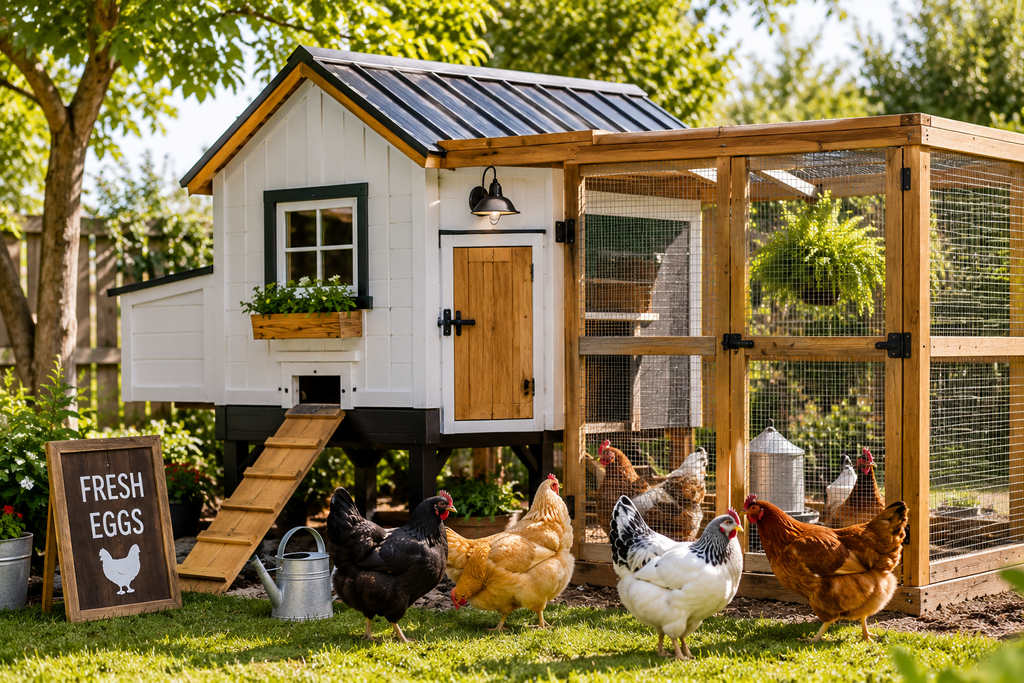
    In 2026, miniature farmhouse designs, painted wood, flower boxes, decorative doors, and cottage-style details are getting attention. A lemon-yellow farmhouse-style coop featured in social media content is one example of this visual trend.

    However, appearance should never come before chicken safety.

    3. Walk-In Coop Designs

    Walk-in coops are another major part of Viral Chicken Coop Trends. They make cleaning, feeding, and collecting eggs easier because owners can enter the enclosure.

    They also offer more room for customized nesting boxes, perches, and runs. Therefore, they can be a practical choice for larger backyard flocks.

    [Internal Link: Walk-In Chicken Coop Guide]

    4. DIY and Recycled-Material Coops

    DIY content remains highly shareable. Viewers enjoy watching creators transform old materials into useful chicken housing.

    A TikTok feature published in August 2026 highlighted a homesteader who used salvaged materials across several projects, including a chicken coop designed for easier cleanup.

    As a result, recycled windows, reclaimed wood, and other materials are becoming part of modern DIY chicken coop inspiration.

    What Makes a Coop Go Viral?

    Not every chicken coop becomes popular online. Successful videos often have a strong visual transformation or show a useful feature.

    The most engaging Viral Chicken Coop Trends often include:

    1. Before-and-after transformations
    2. Budget-friendly DIY builds
    3. Smart storage solutions
    4. Easy-clean features
    5. Unique farmhouse designs
    6. Predator-proof runs
    7. Satisfying cleaning videos

    Additionally, social platforms are filled with chicken-related content, showing the continued interest in backyard poultry and chicken care.

    How to Choose a Trending Coop

    Do not copy a viral design without checking whether it suits your flock.

    Before building or buying, consider:

    • Flock size: Provide enough usable space.
    • Climate: Prepare for heat, cold, rain, and humidity.
    • Ventilation: Allow fresh air without creating harmful drafts.
    • Security: Use strong locks and suitable predator protection.
    • Cleaning: Make floors and waste areas easy to reach.
    • Local rules: Check your local poultry regulations.

    The most useful Viral Chicken Coop Trends combine social-media appeal with real-world function.

    Common Mistakes to Avoid

    Following a trend can be fun, but copying a design blindly can create problems.

    Avoid these mistakes:

    • Choosing looks over safety
    • Building without measuring your flock
    • Blocking ventilation
    • Using weak fencing
    • Creating hard-to-clean corners
    • Ignoring extreme weather
    • Forgetting predator protection

    Moreover, some online videos focus more on appearance than long-term chicken welfare.

    Maintenance Tips for Trending Coops

    Even attractive Viral Chicken Coop Trends require regular maintenance.

    Clean droppings frequently and replace wet bedding. Also, inspect doors, locks, roofing, wire mesh, and ventilation openings.

    During hot weather, check airflow carefully. In colder climates, prevent moisture buildup while maintaining suitable ventilation.

    [Internal Link: Chicken Coop Maintenance Guide]

    Conclusion

    The biggest lesson from Viral Chicken Coop Trends in 2026 is that the best designs combine style with function.

    Easy-clean systems, farmhouse aesthetics, walk-in layouts, DIY construction, and recycled materials are all helping shape today’s chicken coop inspiration.

    However, popularity should never be the only reason to choose a coop. Look at ventilation, security, space, cleaning access, and climate suitability first. Then use Viral Chicken Coop Trends as inspiration to create a safer, cleaner, and more attractive home for your flock.

  • Chicken Mistakes: First 90 Days Guide 2026

    Chicken Mistakes: First 90 Days Guide 2026

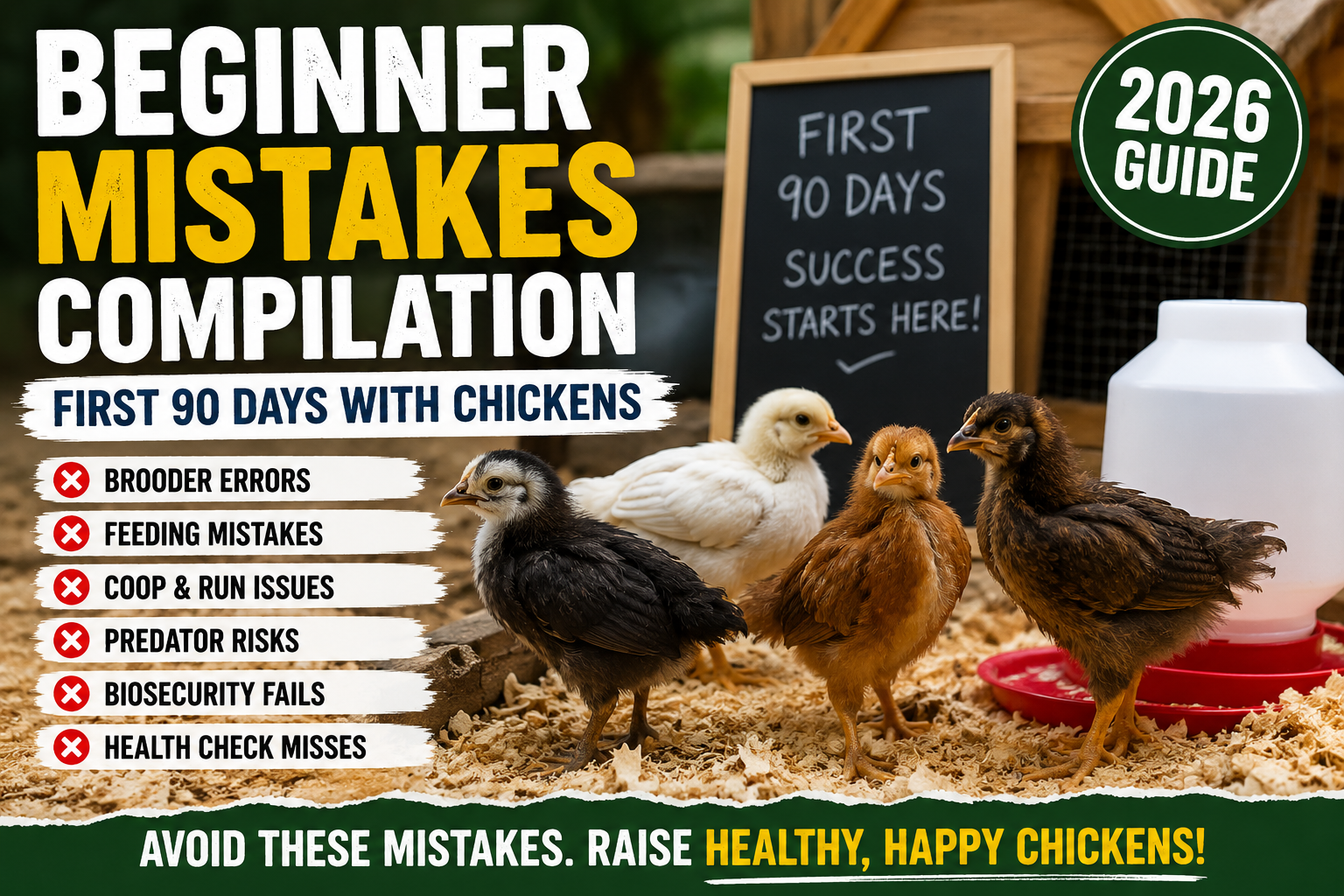
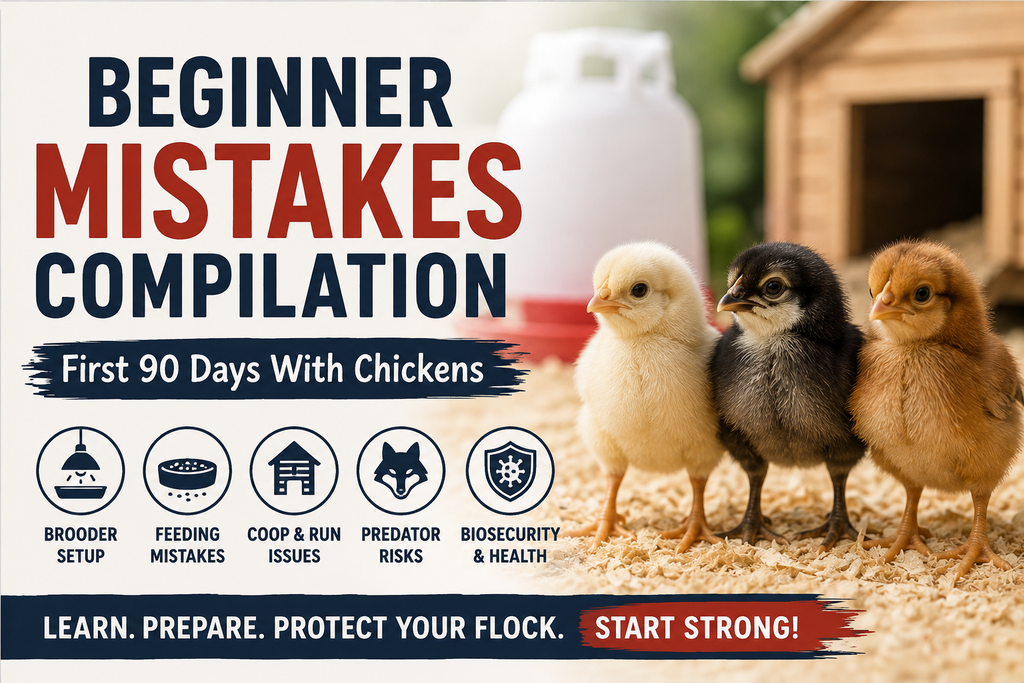
    Chicken Mistakes: First 90 Days With Chickens

    Bringing home your first chicks is exciting. However, new chicken keepers often make simple chicken mistakes during the first few weeks. These errors can affect growth, health, safety, and flock behavior.

    This updated 2026 guide explains the most common problems and how to avoid them. Whether you keep chickens in the United States or another country, these basic care principles can help you start with confidence.

    Why Chicken Mistakes Matter

    The first 90 days are an important learning period. Chicks need suitable heat, clean water, proper feed, dry bedding, and protection from predators.

    Additionally, disease prevention deserves attention in 2026. USDA continues to encourage strong biosecurity because highly pathogenic avian influenza remains a serious poultry risk. Recent USDA guidance also highlights the importance of limiting contact with wild birds and keeping equipment, footwear, feed, and water clean.

    As a result, avoiding basic chicken mistakes is not only about saving money. It is also about protecting the flock.

    Common Chicken Mistakes in the First 90 Days

    1. Poor Brooder Setup

    One of the biggest chicken mistakes is setting up the brooder too late or without enough space.

    Chicks need a warm, safe, dry area. They also need easy access to food and water. Watch their behavior because it can show whether the temperature is comfortable.

    Avoid these problems:

    • Overcrowding the brooder
    • Wet bedding
    • Unsafe heat sources
    • Empty water containers
    • Poor ventilation
    • Slippery flooring

    2. Choosing the Wrong Feed

    Another common mistake is giving chicks unsuitable food. Young birds need feed designed for their growth stage.

    Do not make treats, kitchen scraps, or grains the main diet. Instead, provide a balanced poultry feed and fresh water every day.

    Good baby chick care starts with consistent nutrition. Therefore, check the feed label before buying.

    3. Buying a Coop That Is Too Small

    Many beginners choose a coop based on the size of their chicks. However, chicks grow quickly.

    A small coop can lead to crowding, dirty bedding, stress, and fighting. Therefore, plan for the adult size of your flock before purchasing or building a coop.

    This is one of the most expensive chicken mistakes because replacing a poor-quality or undersized coop can cost much more later.

    Chicken Mistakes With Safety and Health

    Predator Protection

    Do not wait until a predator attacks. Secure doors, fencing, windows, and openings before moving birds outside.

    Foxes, raccoons, dogs, cats, snakes, and birds of prey can threaten backyard flocks. Local predator risks vary, so inspect your setup regularly.

    Ignoring Biosecurity

    Biosecurity is now a major part of backyard chicken care. USDA recommends practical steps such as cleaning equipment, using dedicated footwear, limiting unnecessary visitors, and reducing contact between domestic poultry and wild birds.

    [External Link: USDA Poultry Biosecurity Resources]

    Also, watch your flock every day. Sudden deaths, breathing problems, loss of appetite, unusual behavior, or other serious symptoms require prompt veterinary or animal-health advice.

    Chicken Mistakes Beginners Should Avoid

    Here are the errors new owners should check first:

    • Buying too many chicks
    • Using an undersized coop
    • Providing dirty water
    • Feeding the wrong diet
    • Ignoring ventilation
    • Allowing wild birds near feed
    • Failing to secure the run
    • Adding new birds without a proper separation plan
    • Ignoring unusual behavior
    • Cleaning equipment too rarely

    Fortunately, most of these chicken mistakes are easy to prevent with a daily routine.

    First 90 Days: Simple Care Routine

    Create a simple checklist and follow it every day.

    Every Day

    1. Check drinking water.
    2. Check feed levels.
    3. Observe every bird.
    4. Remove wet bedding.
    5. Check doors and fencing.
    6. Look for signs of illness.
    7. Make sure the birds are protected from weather and predators.

    Every Week

    Inspect the coop and run carefully. Look for damaged fencing, wet areas, dirty feeders, blocked ventilation, and possible predator entry points.

    Furthermore, keep basic health records. Notes about appetite, behavior, injuries, deaths, or unusual changes can help you notice problems early.

    How to Raise Chickens With Fewer Mistakes

    The best approach is to keep things simple. Give chickens clean water, suitable feed, safe housing, good ventilation, enough space, and daily attention.

    You do not need expensive equipment for every task. Instead, spend money first on essentials that improve safety and flock health.

    Remember that chicken mistakes often happen when beginners rush. Prepare the brooder before chicks arrive, prepare the coop before birds move outside, and learn local poultry regulations and veterinary resources.

    2026 Update: Biosecurity Matters More

    For 2026, flock owners should pay extra attention to biosecurity. USDA’s current guidance continues to describe biosecurity as a key defense against avian influenza and other infectious diseases.

    USDA also continues its Defend the Flock program with free educational resources and biosecurity tools.

    Therefore, keeping wild birds away from food and water, cleaning footwear and equipment, and monitoring flock health should become normal habits.

    Conclusion

    Your first 90 days with chickens do not have to be difficult. By understanding common chicken mistakes, you can build better habits from the beginning.

    Focus on proper feed, clean water, safe housing, predator protection, ventilation, and biosecurity. Most importantly, observe your birds every day.

    If you are raising chickens for beginners or starting your first backyard flock in 2026, save this guide and use it as a simple reference throughout the first three months.

    Avoid the common chicken mistakes, prepare before problems appear, and give your flock a healthy start

  • Chicken Naming Trends 2026: Top Cute & Funny Names

    Chicken Naming Trends 2026: Top Cute & Funny Names

    Chicken Naming Trends 2026: What’s New?

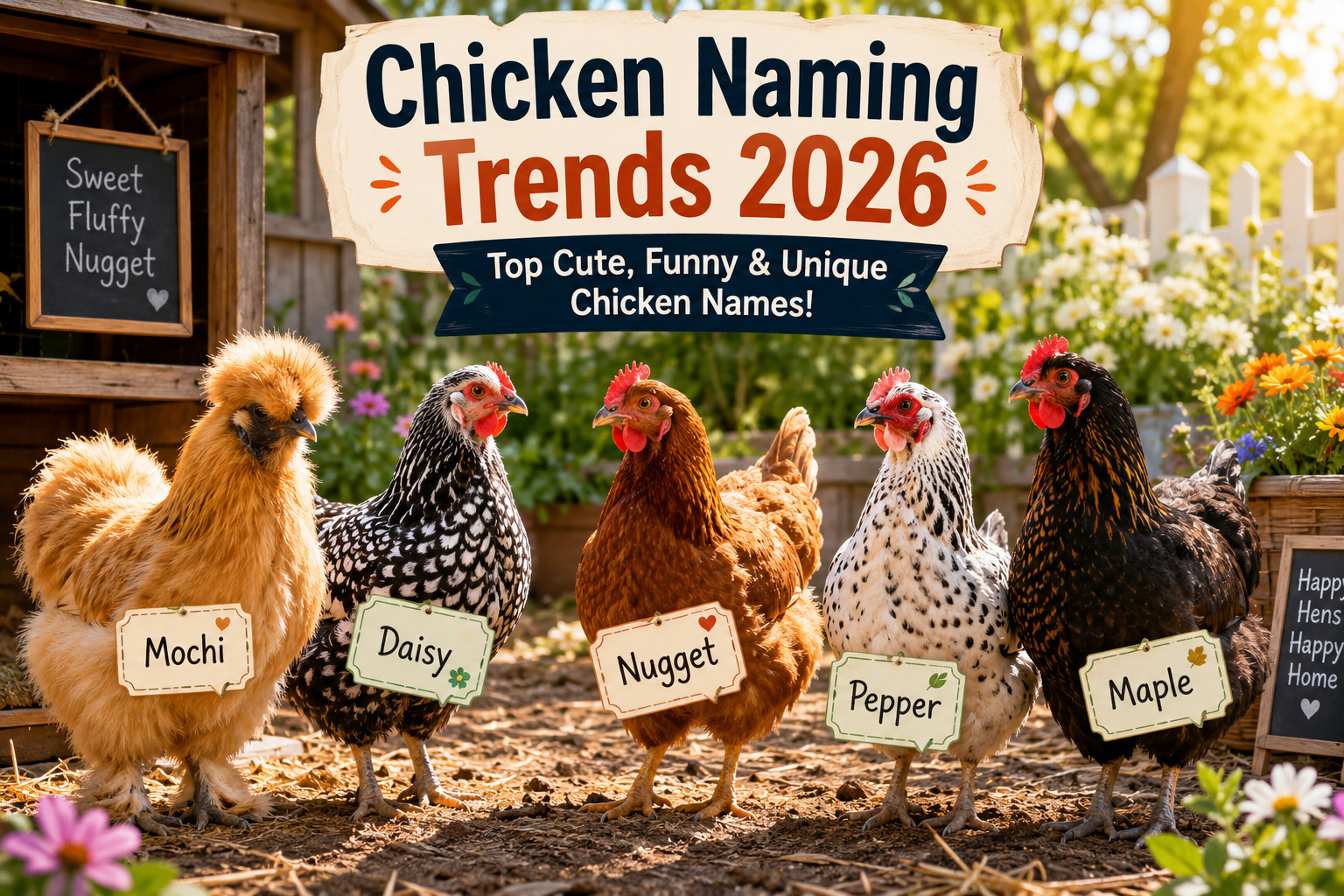
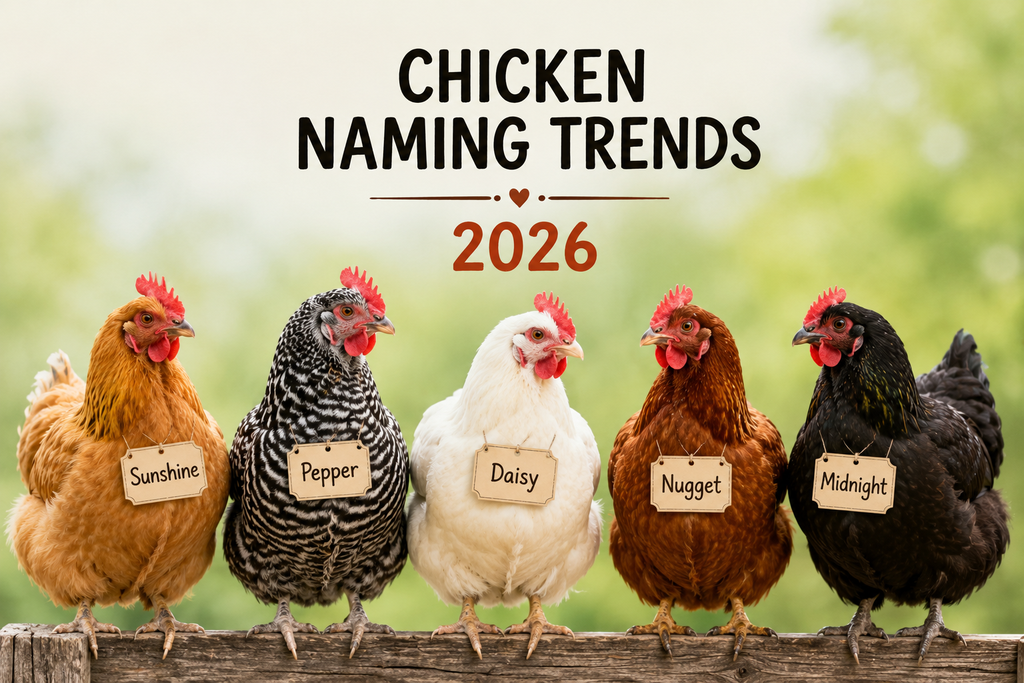
    Chicken Naming Trends 2026 are becoming more creative as backyard chickens continue to be treated as pets, companions, and individual flock members. In 2026, chicken owners are moving beyond traditional names and choosing ideas inspired by food, nature, personality, colors, and popular culture.

    Recent chicken-community discussions show that owners often name birds based on their features, flock themes, breed, color, or personality. Meanwhile, wider pet-naming data shows strong growth in food, vintage, nature, and pop-culture names.

    So, whether you have one hen or a busy backyard flock, 2026 offers plenty of fun naming inspiration.

    Why Chicken Naming Trends 2026 Matter

    Naming a chicken may seem simple. However, a good name can make daily flock care more enjoyable and help owners recognize individual birds.

    This matters especially when several chickens look similar. Additionally, giving each bird a name can make children and families more interested in responsible animal care.

    The biggest benefits include:

    • Easier identification of individual chickens
    • More personality for your backyard flock
    • Fun social media content
    • Better family interaction with pets
    • A memorable way to track different breeds

    Top Chicken Naming Trends 2026

    1. Food-Inspired Chicken Names

    Food names remain one of the strongest trends in pet naming. In 2026, names such as Nugget, Mochi, Cinnamon, Boba, Churro, Waffle, Cookie, and Pickles are especially playful choices. Pet-naming research also shows that food-inspired names continue to rise.

    For chickens, these names work particularly well because they are short and easy to remember.

    Ideas:
    Nugget, Waffle, Mochi, Cinnamon, Pumpkin, Biscuit, Peanut, Cookie, Maple, and Popcorn.

    2. Nature and Flower Names

    Nature-inspired names are another major part of Chicken Naming Trends 2026. Names such as Maple, Poppy, Hazel, Daisy, Rose, Willow, Sunflower, and Lavender create a gentle backyard feel.

    Furthermore, current pet naming trends show growing interest in botanical and earthy names.

    These names are ideal for colorful hens or chickens that spend most of their time outdoors.

    3. Vintage and Human Names

    Old-fashioned human names are making a comeback. Henrietta remains a classic chicken choice, while names such as Dorothy, Gladys, Lillian, Peggy, George, and Stanley offer a humorous vintage style.

    This trend also matches the wider movement toward human-style pet names in 2026.

    4. Funny and Chicken-Themed Names

    Funny chicken names never go out of style. Owners can use chicken-related words or playful food references to create memorable names.

    Popular ideas include:

    • Foghorn
    • Cluck Norris
    • Hen Solo
    • Eggbert
    • Colonel
    • Omelette
    • Cheepy
    • Sir Clucks-a-Lot

    These names are especially useful if you want your flock to stand out on social media.

    How to Choose the Best Chicken Name

    The best Chicken Naming Trends 2026 ideas should match the bird. Before choosing a name, consider these factors:

    1. Color: Try Snowball for a white chicken or Midnight for a dark bird.
    2. Personality: A bold hen might suit Bandit, while a calm bird could be Daisy.
    3. Breed: Use the breed as inspiration when appropriate.
    4. Appearance: Speckles, Dot, Fluffy, and Spot can describe distinctive features.
    5. Sound: Choose short names that are easy to say repeatedly.

    Chicken Naming Trends 2026 by Category

    Cute Chicken Names

    Daisy, Mimi, Lolly, Honey, Poppy, and Mochi are excellent choices for friendly hens.

    Funny Chicken Names

    Cluck Norris, Hen Solo, Nugget, Eggbert, and Foghorn can add humor to your flock.

    Unique Hen Names

    Aurora, Juniper, Sapphire, Primrose, and Maybellene offer a more distinctive style.

    Matching Flock Names

    If you have several chickens, consider a theme. For example, you could choose Cookies and Cream, Sun and Moon, or Rose and Violet. Matching names can make a flock feel more organized and memorable. Current chicken-name communities also highlight paired and themed naming ideas.

    Common Chicken Naming Mistakes to Avoid

    Even with the latest Chicken Naming Trends 2026, avoid making the choice too complicated.

    • Don’t choose a name that is difficult to pronounce.
    • Avoid giving several birds nearly identical names.
    • Don’t rely only on appearance if the chicken may change as it grows.
    • Avoid names that you dislike saying every day.
    • Consider whether the name still fits an adult bird.

    Most importantly, choose something that feels natural for your flock.

    Final Tips for Naming Your Chickens

    Take a few days to watch a new chicken before deciding. Notice its behavior, appearance, and place within the flock. Additionally, involve family members in the process and create a short list of favorites.

    Conclusion

    Chicken Naming Trends 2026 show that chicken names are becoming more personal, creative, and playful. From food and flowers to vintage names and pop-culture references, there is no shortage of ideas for modern backyard chicken keepers.

    Choose a name that matches your bird’s personality and is easy to remember. Then share your favorite Chicken Naming Trends 2026 pick with other chicken lovers and build a flock full of personality.

  • How to Raise Backyard Chickens in 2026

    How to Raise Backyard Chickens in 2026

    How to Raise Backyard Chickens in 2026

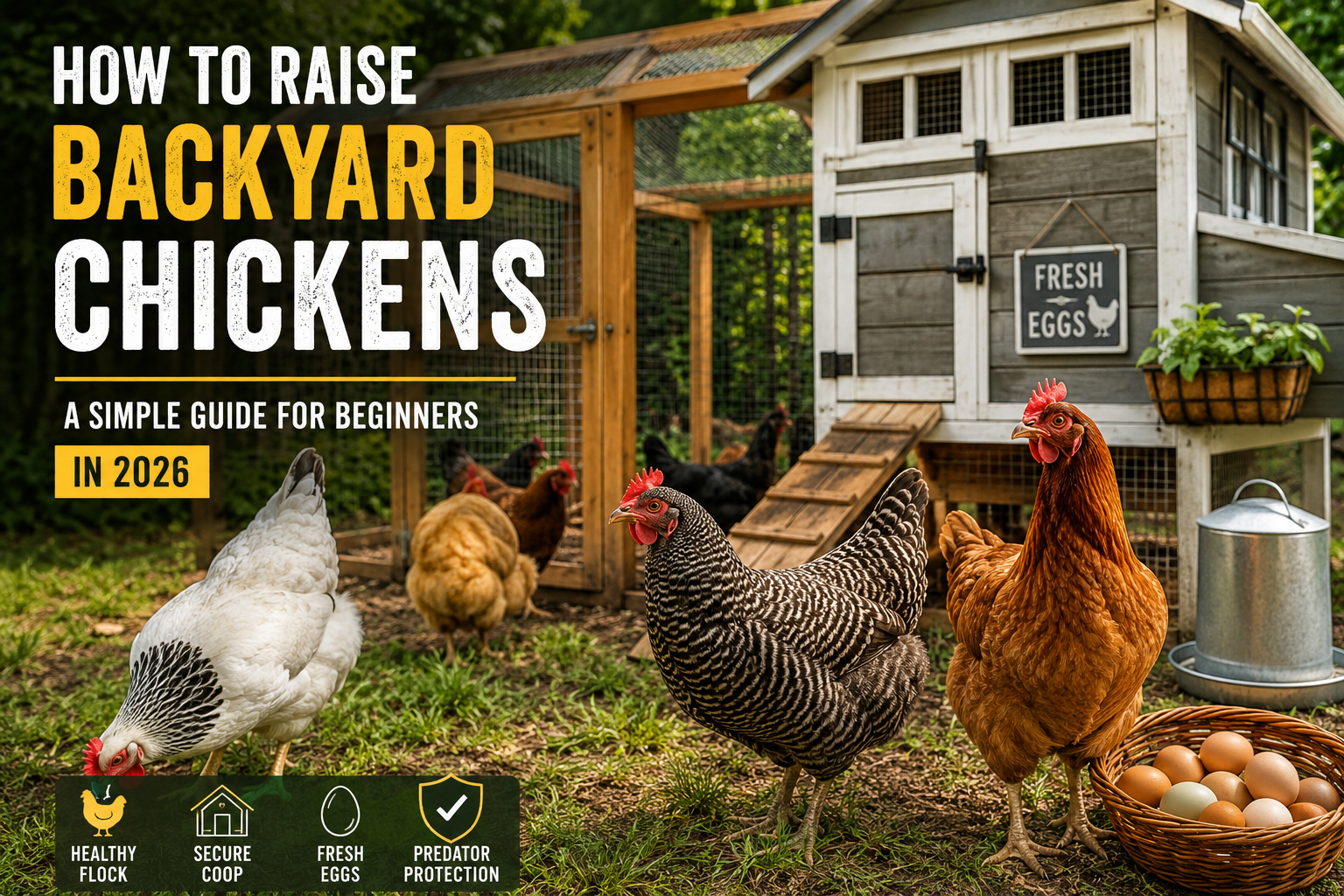
    If you live in the United States or another country where local rules allow poultry, learning how to raise backyard chickens can turn a small yard into a rewarding home food project. Fresh eggs, natural pest control, and the joy of caring for animals make chickens popular with families worldwide. However, successful chicken keeping starts with planning, not buying birds on impulse.

    Before you begin, check your city, neighborhood, or regional poultry rules. Requirements can cover flock size, rooster ownership, coop location, noise, sanitation, and egg sales.

    Why Learn How to Raise Backyard Chickens?

    Knowing how to raise backyard chickens can help you build a healthier and more manageable flock. Chickens provide eggs and manure for gardens, while their scratching behavior can help reduce some insects.

    Additionally, keeping a small flock can teach children responsibility and basic animal care. However, chickens need daily attention, so consider the time, space, and ongoing cost before starting.

    Key Factors for How to Raise Backyard Chickens

    Choose the Right Chicken Coop

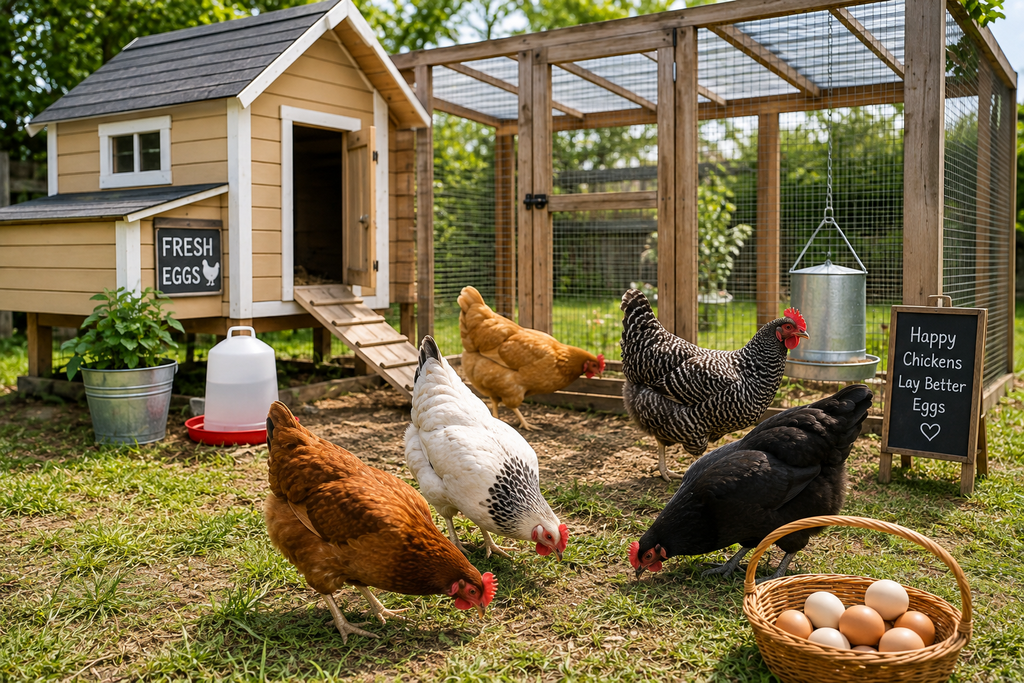
    A secure backyard chicken coop protects birds from rain, heat, cold, predators, and disease. Provide good ventilation without creating strong drafts.

    The coop should also have:

    • Dry bedding
    • Nesting boxes
    • Perches
    • Easy-to-clean floors
    • Secure doors and wire mesh
    • Shade and weather protection

    Furthermore, give chickens enough outdoor space to walk, scratch, dust-bathe, and forage.

    Select Suitable Breeds

    For beginners, consider calm breeds known for dependable egg production. However, the best choice depends on your climate, available space, and purpose.

    Popular categories include:

    • Egg-laying breeds
    • Dual-purpose breeds
    • Cold-hardy breeds
    • Heat-tolerant breeds
    • Bantam or smaller breeds

    Research best chicken breeds for beginners before buying. [Internal Link: Best Chicken Breeds Guide]

    Provide Food and Clean Water

    Good chicken feed and nutrition supports growth, feathers, bones, and egg production. Chicks, growing birds, and laying hens have different nutritional needs, so use feed designed for their life stage.

    Clean water must remain available every day. Additionally, keep feed protected from rodents and wild birds.

    Types of Backyard Chicken Setups

    Free-Range Chickens

    Free-ranging gives chickens more room to forage. However, it can increase exposure to predators, toxic plants, traffic, and wild birds.

    Enclosed Run

    A fenced run provides a useful balance between freedom and safety. Therefore, it is often a practical choice for suburban yards.

    Tractor or Mobile Coop

    A chicken tractor can move around the yard. As a result, birds gain access to fresh ground while manure gets distributed across different areas.

    Buying and Setup Guide

    Before bringing chickens home, prepare everything first. A simple starting process is:

    1. Check local poultry laws.
    2. Build or buy a secure coop.
    3. Install a predator-resistant run.
    4. Purchase suitable feed and equipment.
    5. Find healthy birds from a reputable source.
    6. Prepare a safe quarantine area for new birds.
    7. Establish a daily feeding and cleaning routine.

    Also, budget for feed, bedding, repairs, veterinary care, and replacement equipment.

    Common Mistakes to Avoid

    Many beginners focus on eggs and forget that chickens are living animals with daily needs. Avoid these common mistakes:

    • Overcrowding the coop
    • Poor ventilation
    • Leaving feed exposed to pests
    • Ignoring predator protection
    • Introducing new birds too quickly
    • Failing to monitor sick chickens
    • Skipping local legal requirements

    Most importantly, do not assume a healthy-looking bird is always disease-free.

    Chicken Health and Biosecurity in 2026

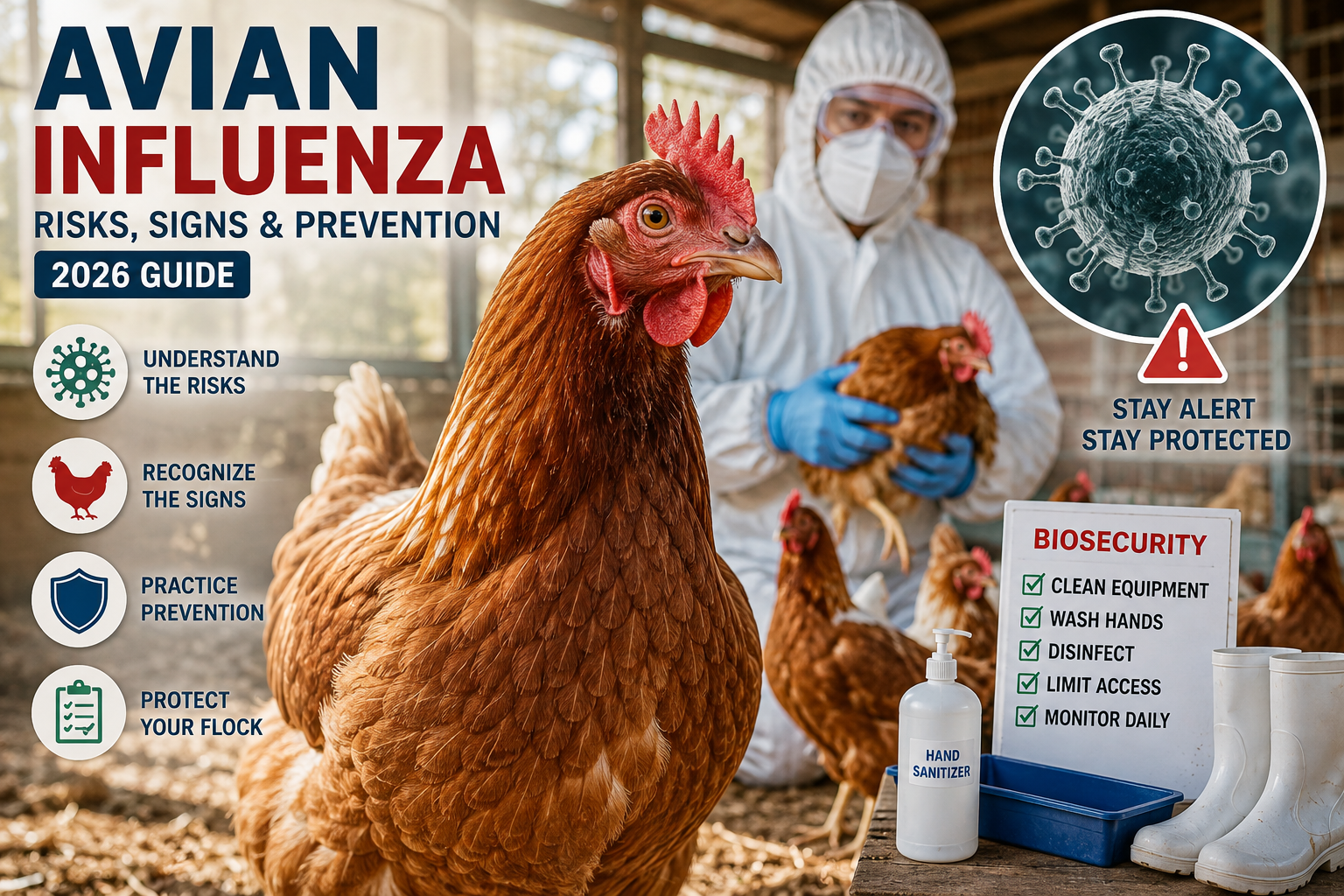
    Learning how to raise backyard chickens in 2026 also means taking biosecurity seriously. USDA APHIS continues to advise poultry owners to reduce contact between domestic birds and wild birds because highly pathogenic avian influenza remains an important poultry-health risk.

    Simple precautions include:

    • Use dedicated footwear around chickens.
    • Clean and disinfect equipment regularly.
    • Keep wild birds away from feed and water.
    • Limit unnecessary visitors.
    • Isolate sick birds promptly.
    • Monitor appetite, behavior, breathing, and egg production.

    USDA’s 2026 guidance specifically recommends cleaning equipment, using dedicated boots, limiting farm traffic, separating species, and watching for signs such as breathing problems, poor appetite, nasal discharge, reduced egg production, or unexplained death.

    Daily Backyard Chicken Care

    Good backyard chicken care is mostly about consistency. Each morning, check water, feed, fencing, and bird behavior.

    In the evening, secure the coop against predators. Clean wet bedding and remove obvious manure as needed. Additionally, collect eggs regularly and inspect chickens for injuries or unusual behavior.

    If a bird becomes seriously ill or dies unexpectedly, contact a veterinarian or the appropriate animal-health authority. Disease reporting requirements vary by country and region.

    Conclusion

    The best way to learn how to raise backyard chickens is to start small, prepare carefully, and create a routine that protects both birds and people. Choose suitable breeds, provide a secure coop, offer balanced feed and clean water, and maintain strong biosecurity.

    In 2026, disease prevention deserves extra attention, particularly because wild birds can spread avian influenza.

    Ready to begin? Check your local rules, prepare your coop, and build your flock around responsible backyard chicken care. With good planning and daily attention, raising chickens can become a rewarding part of a sustainable home lifestyle.

  • Avian Influenza 2026: Risks, Signs & Prevention Guide

    Avian Influenza 2026: Risks, Signs & Prevention Guide

    Avian 2026: Latest Update

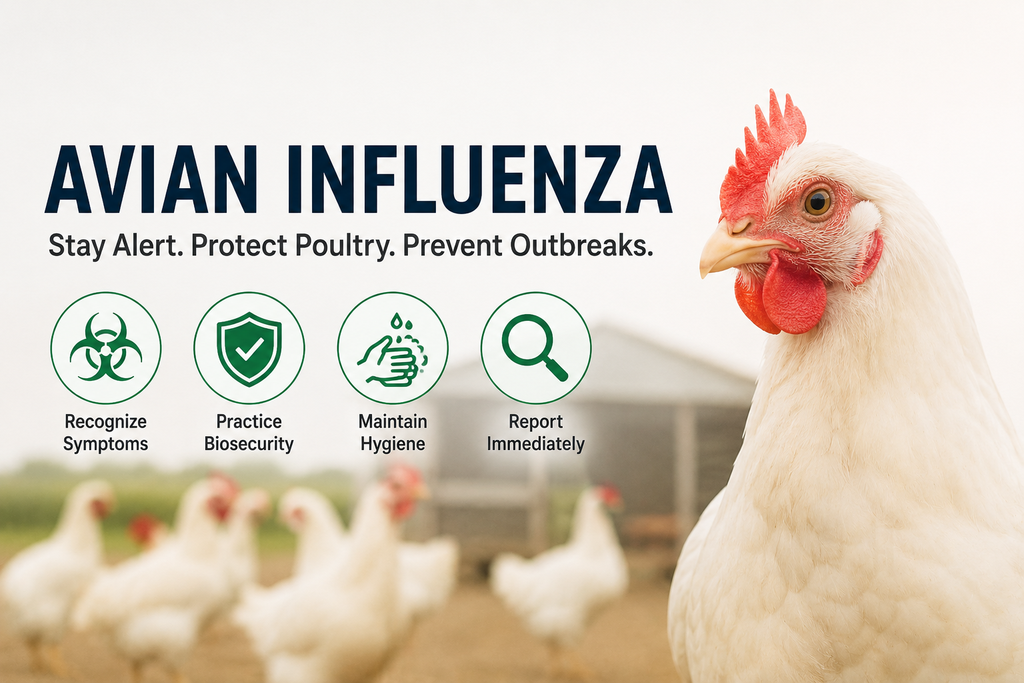
    Avian Influenza remains an important animal-health issue in 2026, affecting wild birds, poultry, and occasionally mammals and humans. The disease is caused by influenza A viruses, and some strains can spread rapidly through bird populations.

    According to the World Health Organization (WHO), avian influenza viruses continue to circulate in animals, while sporadic human infections are still being reported. However, current evidence does not show sustained human-to-human transmission of H5N1.

    For poultry owners, the biggest concern is protecting healthy birds from exposure. Therefore, strong poultry biosecurity remains one of the most important tools for reducing the risk of infection.

    Why Avian Influenza Matters in 2026

    Avian matters because highly pathogenic strains can cause severe disease and sudden deaths in poultry. In some outbreaks, entire flocks may become affected within a short period.

    Wild birds can also carry highly pathogenic avian influenza without showing obvious illness. As a result, migration and contact between wild birds and domestic poultry can increase exposure risks. USDA APHIS continues to monitor wild bird detections across the United States.

    The latest WHO assessment published in August 2026 continues to monitor influenza viruses at the human-animal interface.

    Avian Symptoms in Chickens

    Recognizing warning signs early can help poultry owners respond quickly. Avian symptoms may vary depending on the virus strain and the bird species affected.

    Common Signs to Watch For

    Possible signs include:

    • Sudden death with little warning
    • Loss of appetite or energy
    • Reduced egg production
    • Soft-shelled or misshapen eggs
    • Coughing, sneezing, or breathing difficulty
    • Nasal discharge
    • Swelling around the eyes, comb, or wattles
    • Purple discoloration of the comb or wattles
    • Diarrhea
    • Stumbling or unusual head and neck movements

    These signs can also occur with other poultry diseases. Therefore, owners should avoid diagnosing a flock based only on symptoms. USDA APHIS recommends contacting a veterinarian or relevant animal-health authority when disease is suspected.

    Types of Avian Influenza

    There are two broad categories that poultry owners should understand.

    Highly Pathogenic Avian Influenza

    Highly pathogenic avian influenza, or HPAI, can cause severe illness and high mortality in domestic poultry. Some H5 viruses currently circulating in birds belong to this category.

    Low Pathogenic Avian Influenza

    Low pathogenic avian influenza, or LPAI, often causes mild or no symptoms. However, certain LPAI viruses can change over time and become highly pathogenic in poultry.

    How Avian Influenza Spreads

    Avian Influenza can spread through direct contact between infected and healthy birds. It can also move through contaminated manure, equipment, cages, clothing, footwear, hands, and other materials.

    Therefore, limiting contact between domestic poultry and wild birds is essential. Keep feed and water protected from wild bird access, and clean equipment before moving it between poultry areas.

    Avian Influenza Prevention Tips

    Good avian influenza prevention starts with everyday biosecurity habits.

    Protect Your Flock

    1. Keep poultry away from wild birds whenever possible.
    2. Use dedicated footwear and clothing around poultry areas.
    3. Wash hands before and after handling birds.
    4. Clean and disinfect equipment regularly.
    5. Avoid sharing cages, tools, or other poultry equipment.
    6. Quarantine new birds before introducing them to an established flock.
    7. Monitor birds every day for unusual illness or deaths.
    8. Report suspected cases according to local animal-health rules.

    Additionally, avoid touching sick or dead wild birds. If you discover unusual bird deaths, contact the appropriate veterinary or animal-health authority in your area.

    Common Mistakes to Avoid

    Many poultry owners unintentionally increase disease risk. Avoid bringing visitors into poultry areas without proper hygiene measures. Also, do not allow contaminated boots, vehicles, cages, or equipment to move freely between flocks.

    Another common mistake is ignoring sudden changes in bird behavior. Early reporting can help authorities investigate potential outbreaks and reduce further spread.

    Avian Influenza and Human Health

    Avian Influenza viruses rarely infect humans, but exposure to infected animals or contaminated environments can create a risk. WHO states that human infections are primarily associated with close contact with infected birds, other animals, or contaminated environments. Sustained human-to-human transmission of H5N1 has not been reported.

    The joint FAO, WHO, and WOAH assessment published in May 2026 described the global public-health risk from currently assessed H5 viruses as low, while occupationally or frequently exposed people may face greater risk depending on local conditions.

    Conclusion: Stay Alert in 2026

    Avian Influenza continues to require careful monitoring in 2026. Although the current global public-health risk remains assessed as low, the virus continues to circulate among animals, making flock protection and surveillance important.

    For poultry owners, prevention starts with strong poultry biosecurity, daily observation, clean equipment, and reduced contact with wild birds. Stay informed through your local veterinary authority and trusted sources such as [WHO Avian Influenza Information] and [USDA APHIS Avian Influenza Updates]. Taking simple precautions today can help protect your flock tomorrow.

  • Bumblefoot Treatment: Proven Chicken Care Guide 2026

    Bumblefoot Treatment: Proven Chicken Care Guide 2026

    Bumblefoot Treatment: Complete 2026 Chicken Care Guide

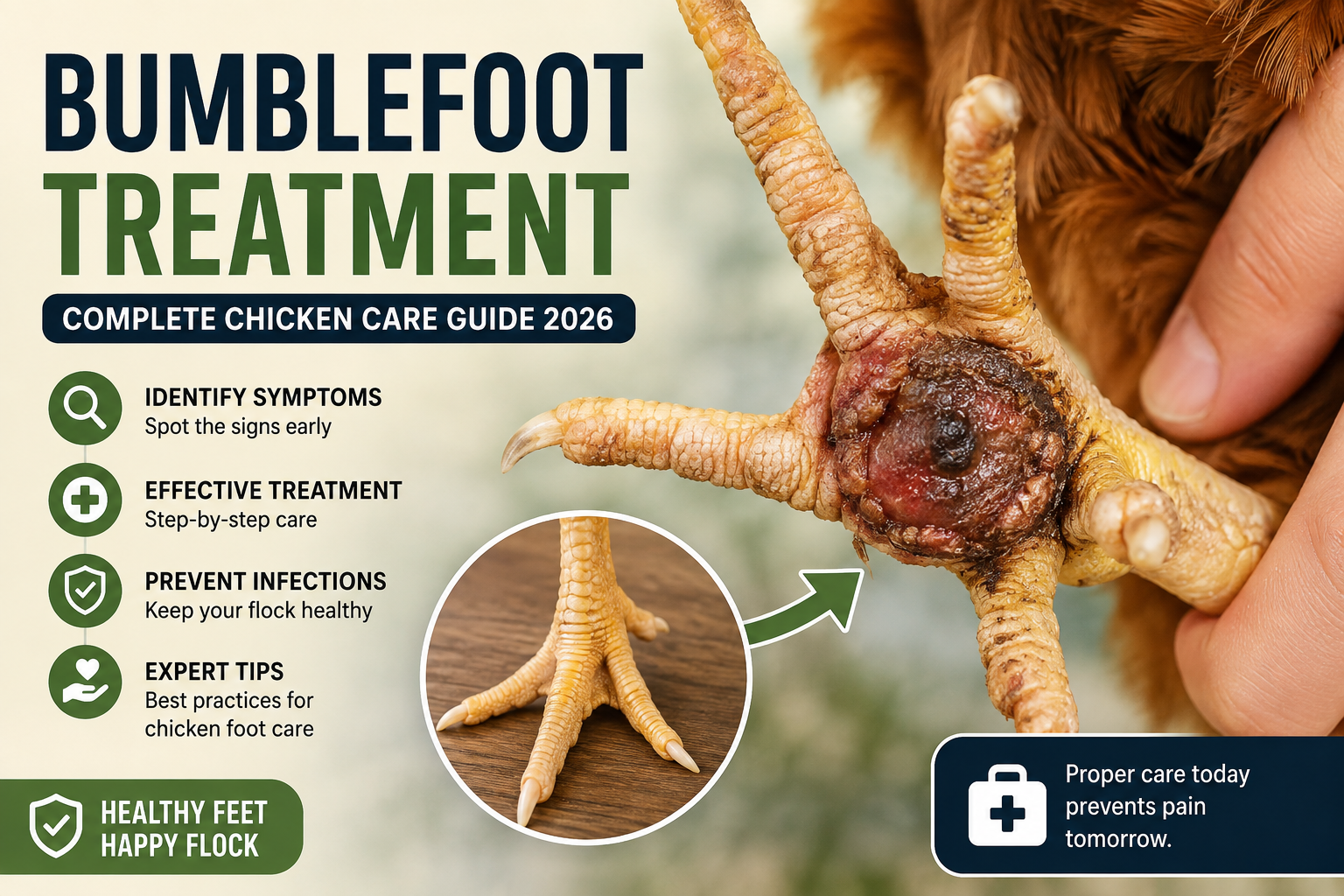
    Bumblefoot Treatment is important when a chicken develops a swollen, painful, or damaged footpad. Bumblefoot, also called pododermatitis, can begin with a small injury but may progress into a deeper bacterial infection. Therefore, early attention can help protect the bird from worsening pain, lameness, and more serious complications.

    For backyard keepers and poultry owners worldwide, checking the feet regularly is a simple part of good flock management. In 2026, prevention remains just as important as treating an existing problem.

    Why Bumblefoot Treatment Matters

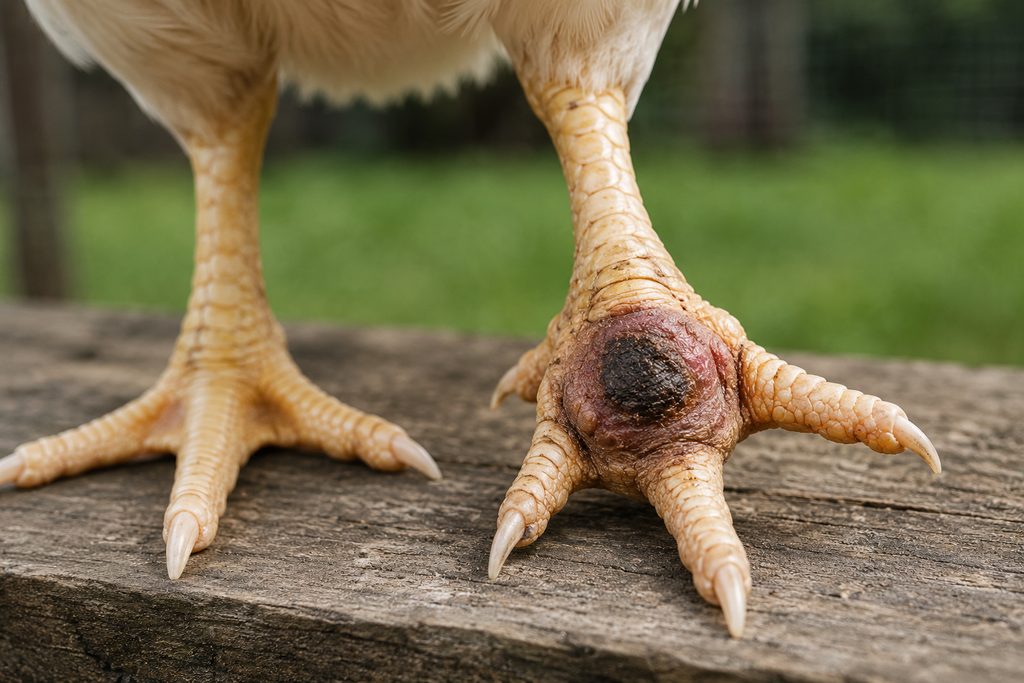
    Bumblefoot commonly affects the footpad and may cause swelling, redness, scabs, ulcers, or limping. In chickens, injuries can allow bacteria such as Staphylococcus aureus to enter damaged tissue.

    As a result, untreated infections can become deeper and may involve bones or joints. Additionally, birds with mobility problems may put extra pressure on the opposite foot, increasing the risk of another lesion.

    Early Bumblefoot Treatment can therefore help:

    • Reduce discomfort and inflammation
    • Protect the foot from additional injury
    • Limit bacterial spread
    • Support normal movement
    • Reduce the risk of recurring foot problems

    Bumblefoot Treatment: Key Signs to Check

    Bumblefoot Symptoms

    Before starting Bumblefoot Treatment, inspect both feet carefully. Common warning signs include:

    • Swollen footpads
    • Red or irritated skin
    • A dark scab or crust
    • Open sores or ulcers
    • Heat around the affected area
    • Limping or reluctance to walk
    • Reduced activity

    However, not every swollen foot has the same cause. Therefore, severe swelling, worsening lameness, or signs of systemic illness should be evaluated by a veterinarian.

    What Can Cause the Problem?

    Bumblefoot often follows an injury that allows bacteria to enter the footpad. Sharp objects, rough surfaces, poor litter, inappropriate perches, excess body weight, and abnormal weight-bearing can increase risk.

    Bumblefoot Treatment Options

    1. Clean and Protect the Foot

    For a minor wound, gently clean the affected area using an appropriate wound-cleaning method. Poultry-care guidance from the University of Minnesota Extension lists saline, suitable antiseptics, wound-care products, gauze, and vet wrap among useful supplies. Always follow product directions.

    Keep the bird in a clean, dry area while the foot heals. Furthermore, changing wet or dirty bedding can reduce additional contamination.

    2. Veterinary Assessment

    If the lesion is deep, swollen, painful, persistent, or associated with significant lameness, professional assessment is important. A veterinarian may need to determine whether the infection has reached deeper tissues.

    In advanced cases, treatment may require procedures to remove infected or dead tissue, along with appropriate medication. Do not attempt aggressive cutting or surgery at home. Bumblefoot Treatment should be tailored to the severity of the infection.

    3. Antibiotics When Appropriate

    Bacterial infections may require antimicrobial treatment. However, poultry owners should not randomly select antibiotics or use leftover medication.

    Merck Veterinary Manual notes that antimicrobial treatment for staphylococcal infections should account for appropriate drug selection and egg or meat withdrawal requirements.

    Types and Severity of Bumblefoot

    Mild Cases

    A mild case may involve redness, early swelling, or a small damaged area. Early cleaning, protection, dry housing, and correction of the underlying cause may help prevent progression.

    Moderate Cases

    Moderate infections can involve a visible scab, swelling, discomfort, and lameness. At this stage, veterinary guidance becomes increasingly valuable because deeper infection may be present.

    Severe Cases

    Severe disease may involve extensive swelling, significant pain, tissue damage, or deeper infection. Bumblefoot can progress to complications such as osteomyelitis or systemic infection, so professional care is particularly important.

    Common Mistakes to Avoid

    Avoid these mistakes when managing a chicken foot infection:

    1. Do not ignore limping. It can indicate significant pain or deeper disease.
    2. Do not cut deeply into the footpad. This can cause bleeding and additional tissue damage.
    3. Do not use random antibiotics. Drug choice and withdrawal periods matter.
    4. Do not keep the bird on wet bedding. Moist, dirty conditions can worsen wounds.
    5. Do not treat the wound while ignoring its cause. Sharp surfaces or poor housing can lead to recurrence.

    Preventing Future Problems

    Good management is one of the most effective ways to reduce recurring foot injuries. Remove sharp wires, splinters, and other hazards from the chicken area. Additionally, maintain clean and dry litter and inspect perches and flooring regularly.

    Regularly check the feet of heavier birds, older birds, and chickens with previous leg problems. Moreover, maintaining appropriate body condition and providing suitable housing can reduce excessive pressure on the footpads.

    Bumblefoot Treatment: When to Call a Vet

    Seek veterinary help if the chicken cannot walk normally, the swelling is severe, the wound is deep, the condition keeps returning, or the bird becomes weak or stops eating. A veterinarian can assess whether bacteria have spread beyond the original lesion and determine whether additional treatment is required.

    Because poultry medication rules differ between countries, food-producing birds also require special attention to approved drugs and withdrawal periods.

    Conclusion

    Early Bumblefoot Treatment can make a major difference in a chicken’s comfort and recovery. Start by identifying the cause, keeping the affected area clean and dry, protecting the bird from further injury, and seeking veterinary help when the condition is moderate or severe. With regular foot checks and better housing management, poultry owners can reduce the risk of future bumblefoot problems.

  • Marek’s Disease: Prevention Guide 2026

    Marek’s Disease: Prevention Guide 2026

    Marek’s Disease: What Chicken Owners Need to Know in 2026

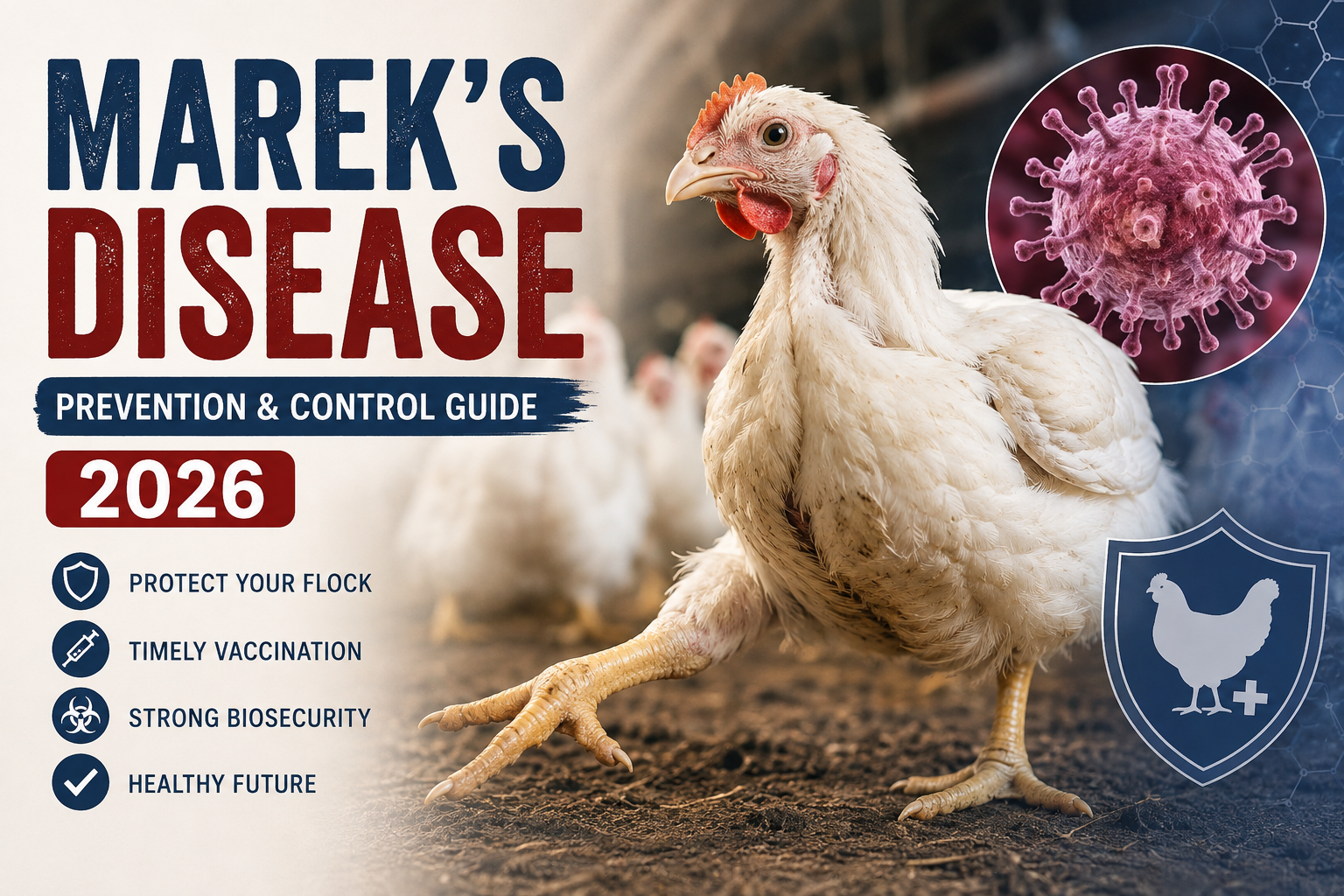
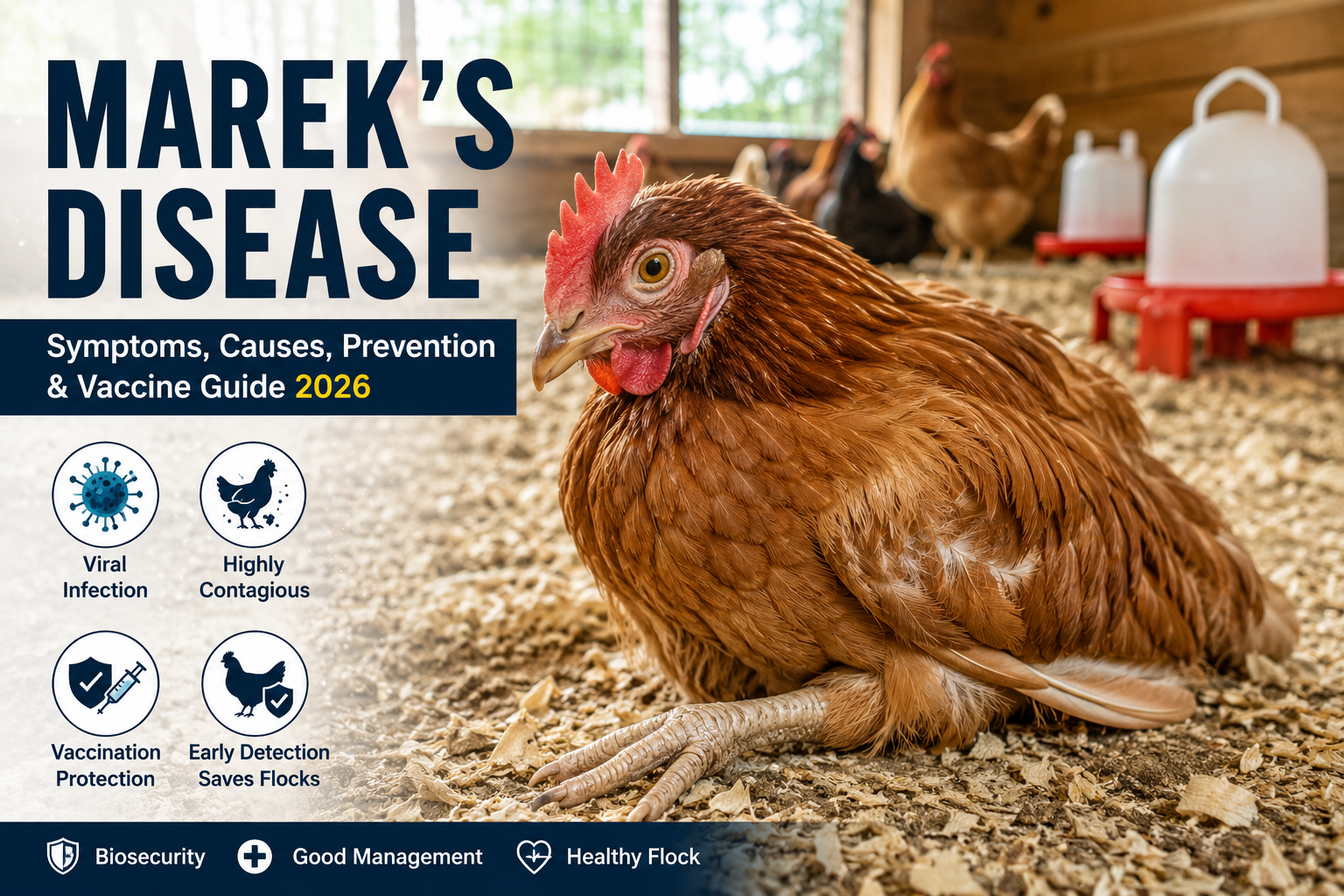
    Marek’s Disease remains an important concern for chicken owners, backyard keepers, and commercial poultry producers worldwide in 2026. This highly contagious viral disease can affect nerves, internal organs, and the immune system. Therefore, understanding the warning signs and prevention methods can help protect a flock.

    The disease is caused by Marek’s disease virus, an alphaherpesvirus that spreads mainly through infected feather dander and dust. Importantly, infected birds can remain carriers and continue releasing virus into the environment.

    Why Marek’s Disease Matters

    Marek’s disease can cause serious health and production problems. Some infected chickens develop paralysis or tumors, while others may show few obvious signs. As a result, the disease can sometimes remain unnoticed until birds become weak or die.

    The virus is widespread in poultry environments. Moreover, it can survive for months in contaminated litter and dust. This makes good poultry biosecurity especially important for both backyard and commercial flocks.

    Key concerns include:

    • Leg weakness or paralysis
    • Weight loss and poor growth
    • Tumors in internal organs
    • Reduced flock performance
    • Increased mortality in severe outbreaks

    Marek’s Disease Symptoms to Watch For

    Recognizing Marek’s disease symptoms early can help owners seek professional advice quickly. However, symptoms can vary depending on the virus strain, bird age, vaccination status, and other factors.

    Neurological Signs

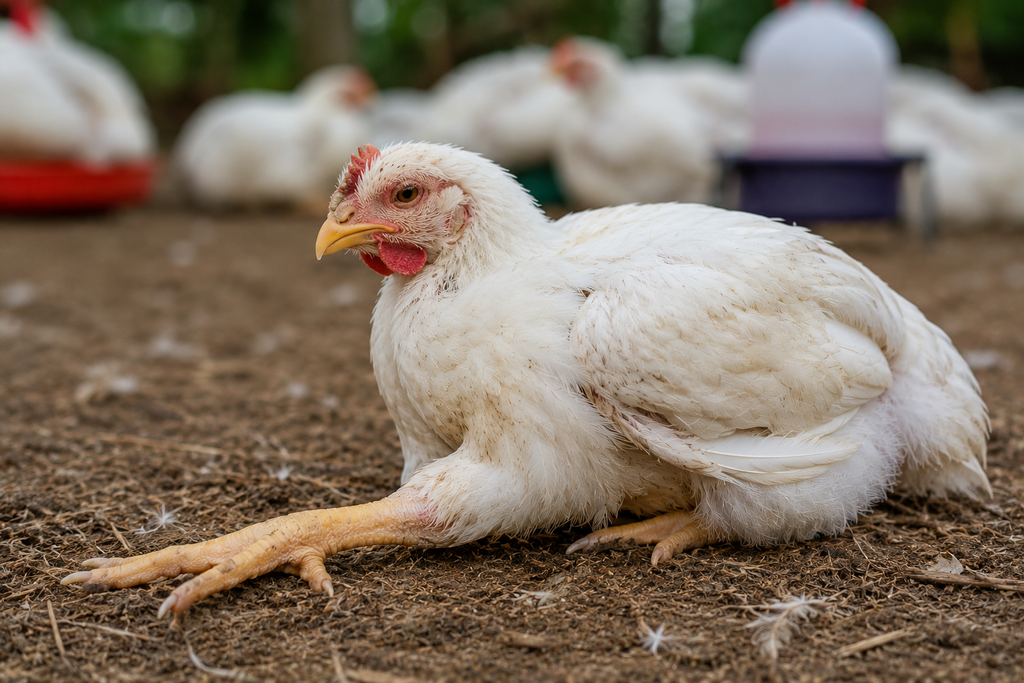
    One of the most recognizable signs is leg paresis or paralysis. Affected chickens may stand with one leg stretched forward and the other backward. Additionally, birds may have difficulty walking or reaching food and water.

    Eye and Internal Signs

    Some birds develop ocular disease, which can cause a grayish iris and irregular pupil margins. Other chickens may develop tumors in organs such as the liver, spleen, kidneys, heart, lungs, or muscles.

    How Marek’s Disease Spreads

    Marek’s disease spreads easily between chickens. The virus becomes infectious in feather-follicle tissue and can enter the environment through dander. Therefore, contaminated dust, litter, clothing, equipment, and movement between poultry areas can contribute to transmission.

    Once the virus enters a flock, infection can spread quickly. Vaccination reduces the risk of clinical disease, but it does not completely prevent infection or virus shedding.

    Marek’s Disease Vaccine and Prevention

    The most important protection against Marek’s disease is vaccination. Veterinary guidance recommends vaccination as a central control measure, together with strong sanitation and biosecurity.

    When Should Chickens Be Vaccinated?

    Vaccination is normally given at hatch or in ovo. Early protection matters because young chickens are highly susceptible to exposure. Backyard owners can often request vaccination when purchasing chicks from a hatchery.

    Common vaccine types include:

    • Turkey herpesvirus (HVT)
    • SB-1 or related avirulent strains
    • CVI988/Rispens

    However, vaccine choice and availability can vary by region. Therefore, poultry owners should follow local veterinary recommendations and product instructions.

    How Is Marek’s Disease Diagnosed?

    A diagnosis should come from a poultry veterinarian or qualified diagnostic laboratory. Clinical signs alone are not always enough because several poultry diseases can cause similar problems.

    Veterinarians may evaluate flock history, clinical signs, gross lesions, and tissue samples. Additionally, PCR, histopathology, immunohistochemistry, or virus testing may help confirm the diagnosis.

    Merck Veterinary Manual — Marek’s Disease in Poultry

    Buying and Flock Management Guide

    When adding chickens to a flock, prevention should begin before the birds arrive.

    1. Buy vaccinated chicks: Ask the hatchery about Marek’s disease vaccination.
    2. Limit unnecessary bird movement: Avoid mixing birds from unknown sources.
    3. Keep housing clean: Remove accumulated litter and reduce dust.
    4. Control visitors: Use dedicated footwear and clothing around poultry.
    5. Monitor new birds: Watch closely for weakness, paralysis, or unusual behavior.

    Common Mistakes to Avoid

    Several management mistakes can increase disease risks.

    • Assuming vaccination makes infection impossible
    • Buying unvaccinated chicks without checking their history
    • Allowing excessive dust and feather dander to build up
    • Mixing new birds immediately with an established flock
    • Ignoring unexplained paralysis or weight loss
    • Attempting to diagnose tumors without veterinary testing

    Additionally, antibiotics do not cure Marek’s disease because it is caused by a virus. Current veterinary guidance states that there is no treatment for the disease itself, making prevention especially important.

    Maintenance and Biosecurity Tips for 2026

    Good chicken disease prevention starts with consistent daily management. Keep feeders and waterers clean, reduce dust, manage litter properly, and avoid unnecessary contact between different poultry groups.

    Furthermore, clean equipment before moving it between pens. If a flock experiences unusual deaths, paralysis, or tumors, contact a veterinarian or diagnostic laboratory instead of relying on home treatment.

    Vaccination, sanitation, flock management, and genetic resistance all play roles in controlling Marek’s disease.

    Conclusion

    Marek’s disease remains a serious poultry health challenge in 2026, but practical prevention can greatly reduce the risk of clinical disease. Early vaccination, strong biosecurity, clean housing, and careful flock management are essential.

    If you keep chickens, take unusual paralysis, weakness, weight loss, or unexplained deaths seriously. Most importantly, work with a poultry veterinarian to create a prevention plan suited to your local conditions. Protecting your flock starts with prevention today.

  • Newcastle Disease: 2026 Global Update

    Newcastle Disease: 2026 Global Update

    Newcastle Disease: 2026 Global Update

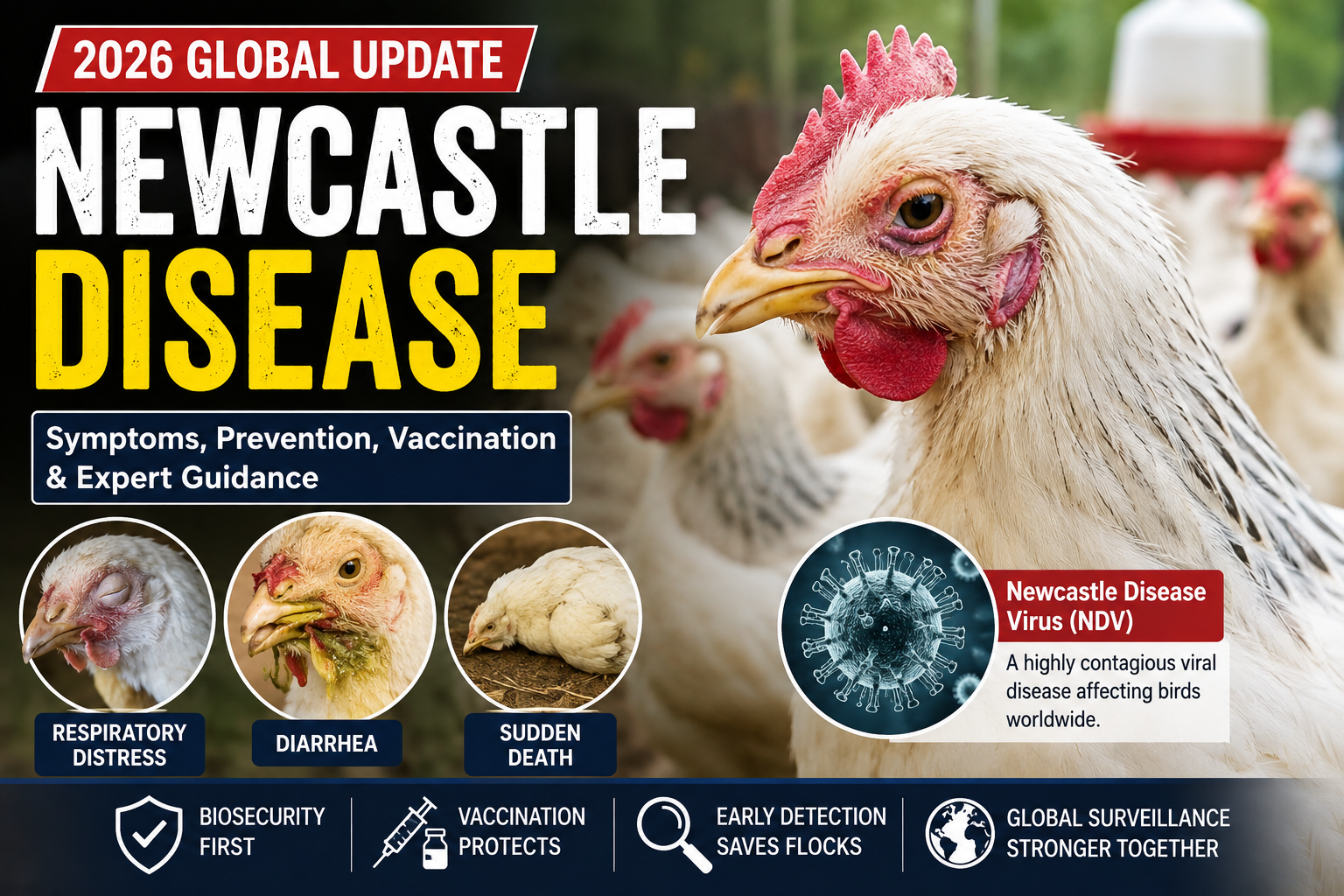
    Newcastle Disease remains a major concern for poultry producers, backyard flock owners, veterinarians, and animal-health authorities worldwide in 2026. The disease is highly contagious and can affect domestic and wild birds. According to the World Organisation for Animal Health (WOAH), virulent forms are internationally notifiable.

    For readers in the United States and other major poultry markets, the key message is simple: prevention and early reporting remain essential. Moreover, official disease alerts can change quickly, so producers should monitor national veterinary authorities and the WOAH WAHIS platform for current events.

    Why Newcastle Disease Matters in 2026

    Newcastle Disease can spread rapidly through susceptible flocks. The virus can move through direct contact with infected birds and through contaminated feces, respiratory material, equipment, clothing, food, and water.

    As a result, an outbreak can create serious economic problems. Farmers may face bird losses, lower egg production, movement restrictions, cleaning costs, and trade disruption.

    The disease also matters because its signs can resemble highly pathogenic avian influenza. Therefore, laboratory testing plays an important role in confirming a suspected case.

    Key Newcastle Disease Factors to Watch

    Newcastle Disease Symptoms

    Newcastle Disease symptoms can vary according to the virus strain, bird species, age, immune status, and other infections. Common signs include:

    • Coughing, sneezing, gasping, or breathing problems
    • Depression and loss of appetite
    • Diarrhea
    • Tremors or unusual nervous behavior
    • Paralysis or twisted neck
    • Sudden reduction in egg production
    • Abnormal eggs
    • Sudden death in severe outbreaks

    However, some infected birds may show limited clinical signs. WOAH notes that highly virulent forms can cause severe disease and high mortality.

    Newcastle Disease Virus and Transmission

    The Newcastle disease virus is avian paramyxovirus type 1 (APMV-1). Virulent strains can cause severe respiratory, digestive, or neurological disease.

    Furthermore, contaminated people, tools, vehicles, housing, litter, feed, and water can help spread infection between flocks. Strong poultry biosecurity therefore remains one of the most important defenses.

    Types and Categories

    Mild Forms

    Lentogenic strains generally cause mild disease and are widespread. They may cause fewer serious outbreaks than highly virulent strains.

    Moderate Forms

    Mesogenic strains can cause more significant respiratory or systemic disease. Their impact depends on the bird and the specific virus involved.

    Highly Virulent Forms

    Velogenic strains can cause severe disease, including neurological or digestive signs and high mortality. WOAH classifies infection with qualifying virulent Newcastle virus as a listed disease requiring notification.

    Newcastle Disease Prevention and Response Guide

    There is no substitute for a strong prevention plan. Farmers and flock owners should:

    1. Limit contact with unknown or sick birds.
    2. Control farm access and keep visitors away from poultry areas.
    3. Clean and disinfect equipment, footwear, housing, and vehicles.
    4. Separate new or returning birds before introducing them to a flock.
    5. Follow veterinary vaccination advice for the local disease situation.
    6. Report unusual illness or deaths to the appropriate veterinary authority.

    A Newcastle disease vaccine can form an important part of flock protection, particularly in commercial poultry systems. However, vaccination programs should follow local veterinary guidance because vaccination does not replace surveillance and biosecurity. WOAH recommends appropriate vaccines and surveillance as part of disease-control systems.

    Common Mistakes to Avoid

    Many outbreaks become harder to control when basic precautions fail. Avoid these common mistakes:

    • Buying birds without checking their health status
    • Mixing new birds with an established flock immediately
    • Sharing dirty equipment between farms
    • Ignoring sudden respiratory or neurological signs
    • Moving birds during a suspected outbreak
    • Assuming vaccination alone prevents every infection
    • Delaying contact with a veterinarian or animal-health authority

    Additionally, do not diagnose the disease from symptoms alone. Because several poultry diseases can look similar, professional laboratory confirmation remains important.

    Care Tips for Poultry Owners

    Good daily management can reduce the risk of Newcastle Disease. Keep housing clean, provide safe drinking water, control rodents and pests, and reduce unnecessary contact between domestic and wild birds.

    Moreover, keep accurate records of bird purchases, vaccinations, illness, deaths, and flock movements. These records can help veterinarians investigate a suspected outbreak quickly.

    For current 2026 developments, readers should check official government veterinary services and WOAH disease alerts, because the international disease situation can change as new reports arrive.

    Conclusion

    Newcastle Disease continues to require close attention from the global poultry sector in 2026. The strongest defense combines vaccination where appropriate, strict poultry biosecurity, surveillance, rapid testing, and prompt reporting.

    If you keep poultry, review your prevention plan today and contact a qualified veterinarian when birds develop unusual respiratory, digestive, neurological, or mortality signs. Staying informed through trusted animal-health authorities is one of the best ways to reduce the impact of Newcastle Disease.

  • Marek’s Disease: Essential 2026 Chicken Guide

    Marek’s Disease: Essential 2026 Chicken Guide

    Marek’s Disease: What Chicken Owners Need to Know in 2026

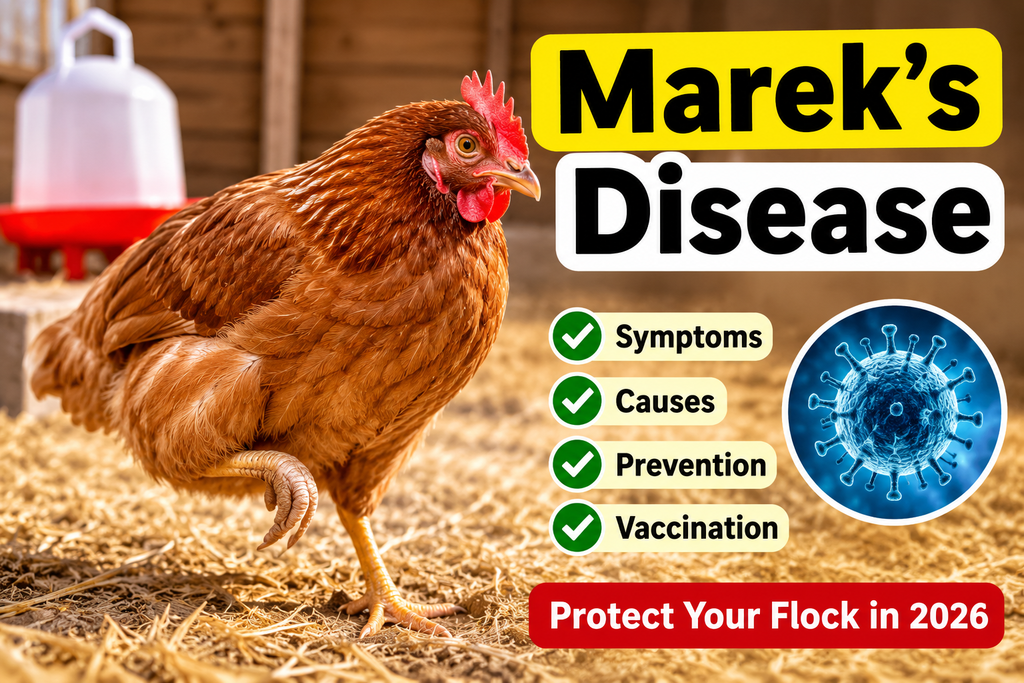
    Marek’s Disease remains one of the most important viral diseases affecting chickens worldwide. It can cause nerve problems, paralysis, tumors, immune suppression, and death. For backyard chicken keepers and poultry producers, understanding the disease is essential for protecting a flock.

    The good news is that vaccination and strong biosecurity can greatly reduce losses. However, vaccination does not completely stop infection or virus shedding. Therefore, good flock management remains important in 2026.

    Why Marek’s Disease Matters

    Marek’s Disease is caused by Marek’s disease virus, a highly contagious herpesvirus of poultry. The virus spreads mainly through infected feather dander and dust. It can remain infectious in poultry-house litter and dust for long periods.

    As a result, even apparently healthy birds can expose other chickens. Infected birds may carry the virus for long periods. Therefore, preventing early exposure is especially important for young chicks.

    Marek’s Disease Symptoms

    The signs can vary depending on the virus strain, bird age, genetics, and immune status. Common Marek’s disease symptoms include:

    • Weakness or unusual tiredness
    • Poor growth or weight loss
    • Leg weakness or paralysis
    • Difficulty walking
    • One leg positioned forward while the other extends backward
    • Changes in the eye, including a gray iris or irregular pupil
    • Tumors affecting internal organs
    • Reduced egg production

    Clinical disease commonly appears in young chickens, although older birds can also become affected.

    How Marek’s Disease Spreads

    Marek’s Disease spreads efficiently between chickens. Infected feather follicles release virus into the environment. Dust and dander then help carry the virus throughout a coop or poultry facility.

    Additionally, people, equipment, clothing, and contaminated materials can help move infectious dust between areas.

    For that reason, poultry owners should limit unnecessary movement between flocks. New birds should also be managed carefully before joining an established flock.

    Marek’s Disease Vaccine and Prevention

    Marek’s Disease Vaccine

    Vaccination is the central tool for controlling Marek’s Disease. Common vaccine types include turkey herpesvirus (HVT), SB-1, and CVI988/Rispens. Commercial vaccination is commonly performed at hatch or through in-ovo vaccination.

    For backyard owners, buying chicks already vaccinated at hatch can be a practical option. Merck Veterinary Manual notes that vaccination at hatch is important because birds become susceptible early in life.

    Importantly, vaccination helps prevent clinical disease but does not necessarily prevent infection or virus shedding. Therefore, vaccination should be combined with biosecurity.

    Biosecurity Practices

    Good poultry disease prevention can reduce exposure and help protect vulnerable birds.

    Use these basic practices:

    1. Keep the coop clean and dry.
    2. Remove excessive dust and contaminated litter.
    3. Clean equipment regularly.
    4. Avoid sharing poultry equipment between flocks.
    5. Quarantine new birds when appropriate.
    6. Reduce unnecessary contact between separate groups.
    7. Maintain good ventilation.
    8. Follow the vaccine manufacturer’s instructions.

    Additionally, limiting contaminated dust and dander is important because these materials can carry infectious virus.

    Types and Clinical Forms of Marek’s Disease

    Marek’s Disease can appear in several forms. The most noticeable form involves neurological problems.

    Neurological Form

    This form can cause weakness, poor coordination, leg paralysis, or difficulty reaching food and water. Nerve enlargement is a classic finding associated with the disease.

    Tumor-Associated Form

    The virus can cause lymphoid tumors in organs such as the liver, spleen, kidneys, heart, lungs, muscles, and reproductive organs. These tumors can severely affect a bird’s health.

    Ocular Form

    Eye involvement can cause changes in the iris and pupil. Affected birds may develop a grayish iris or irregular pupil margins.

    How Is Marek’s Disease Diagnosed?

    Symptoms alone cannot always confirm Marek’s Disease. Several other poultry conditions can cause weakness, paralysis, weight loss, or tumors.

    Veterinarians may use the flock history, clinical signs, necropsy findings, histology, PCR testing, immunohistochemistry, or other laboratory methods. A professional diagnosis is especially important when several birds become sick.

    Can Marek’s Disease Be Treated?

    There is currently no specific treatment that eliminates the infection or cures Marek’s Disease. Prevention is therefore much more effective than trying to treat affected birds.

    If a chicken shows paralysis, severe weakness, unusual eye changes, or other serious symptoms, contact a poultry veterinarian. Avoid assuming that every case of paralysis is Marek’s disease because other conditions can produce similar signs.

    Common Mistakes to Avoid

    Chicken owners should avoid these common mistakes:

    • Buying chicks without asking about vaccination.
    • Mixing new birds with the flock immediately.
    • Ignoring excessive coop dust.
    • Reusing dirty equipment between flocks.
    • Assuming vaccination prevents all infection.
    • Trying random medications without veterinary advice.
    • Delaying professional diagnosis when multiple birds become sick.

    Marek’s Disease Care Tips for 2026

    A practical prevention routine can make flock management easier. Keep housing clean, reduce dust, provide good nutrition, and maintain proper ventilation.

    Additionally, keep accurate vaccination records. If you purchase chicks, ask the hatchery about the vaccine used and the vaccination date.

    Finally, monitor young chickens closely. Early identification of weakness, paralysis, poor growth, or unusual eye changes allows you to seek veterinary advice sooner.

    Conclusion

    Marek’s Disease remains a serious concern for chicken owners in 2026, but effective prevention can significantly reduce the risk of severe disease. Vaccination at the appropriate age, strong biosecurity, clean housing, and careful flock management are key defenses.

    If you keep chickens, review your vaccination and biosecurity practices today. When unusual symptoms appear, consult a poultry veterinarian rather than relying on guesswork.