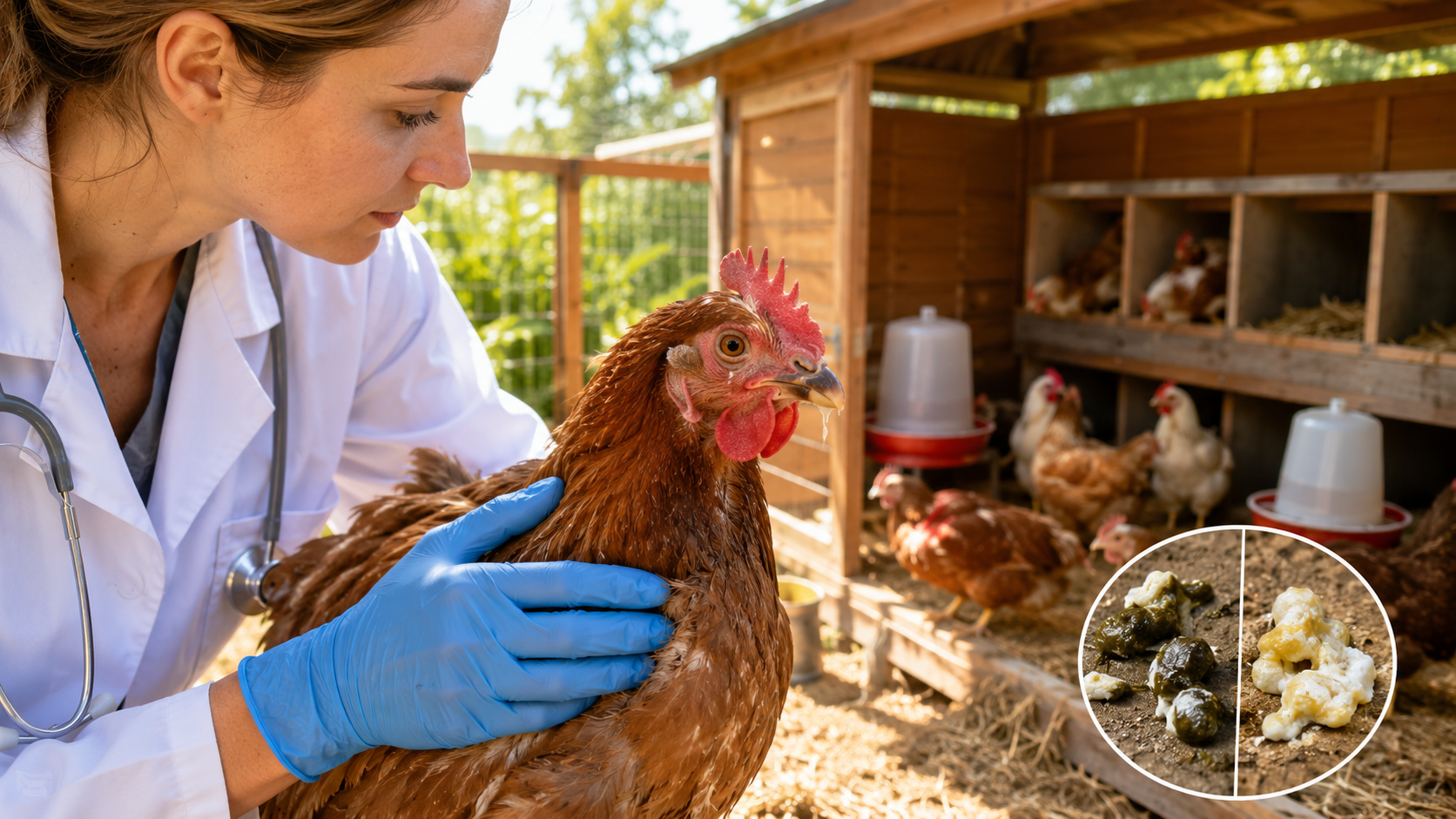
Common Chicken Diseases: 2026 Complete Guide to Keeping Your Flock Healthy
If you raise chickens, understanding Common Chicken Diseases is one of the most important steps toward protecting your flock. In 2026, poultry experts continue to stress that early detection and proper biosecurity can prevent serious outbreaks. Whether you own a few backyard hens or manage a larger flock, recognizing the warning signs can save birds, reduce treatment costs, and improve egg production.
Additionally, learning about Common Chicken Diseases helps you react quickly before illnesses spread throughout your coop.
Why Learning About Common Chicken Diseases Matters
Healthy chickens produce better eggs, grow faster, and live longer. However, diseases spread rapidly when birds share feeders, waterers, and living spaces.
Knowing the symptoms early helps you:
- Reduce flock losses
- Improve egg quality
- Prevent disease outbreaks
- Lower veterinary expenses
- Keep your poultry operation productive
As a result, every chicken owner should perform daily health checks.
Common Chicken Diseases You Should Know
1. Newcastle Disease
Newcastle Disease is one of the most contagious viral illnesses affecting poultry worldwide.
Symptoms
- Twisted neck
- Difficulty breathing
- Green diarrhea
- Paralysis
- Sudden death
Unfortunately, there is no cure. Vaccination remains the best protection.
2. Marek’s Disease
Marek’s Disease mainly affects young chickens and attacks the nervous system.
Symptoms
- Leg paralysis
- Wing drooping
- Weight loss
- Vision problems
Additionally, vaccinating chicks shortly after hatching greatly reduces infection risk.
3. Coccidiosis
Coccidiosis is a common intestinal disease caused by parasites.
Symptoms
- Bloody droppings
- Weakness
- Poor appetite
- Weight loss
Fortunately, medicated feed and anticoccidial medications can successfully treat infected birds.
4. Infectious Bronchitis
This viral respiratory disease spreads quickly in crowded coops.
Symptoms
- Sneezing
- Coughing
- Nasal discharge
- Reduced egg production
Good ventilation and vaccination remain the most effective prevention methods.
5. Fowl Pox
Fowl Pox spreads through mosquitoes and direct contact.
Symptoms
- Wart-like lesions
- Scabs on comb and wattles
- Difficulty eating
- Reduced activity
Although recovery is possible, prevention through vaccination works best.
6. Avian Influenza (Bird Flu)
Avian Influenza remains one of the most monitored poultry diseases in 2026 due to its economic impact worldwide.
Symptoms
- Swollen face
- Purple comb
- Sudden death
- Respiratory distress
Immediately isolate sick birds and contact local veterinary authorities if Bird Flu is suspected.
Key Factors to Prevent Common Chicken Diseases
Maintain Excellent Biosecurity
Always keep visitors away from your coop whenever possible.
Additionally:
- Clean boots before entering
- Disinfect equipment
- Wash hands regularly
- Limit contact with wild birds
Keep the Coop Clean
A clean coop dramatically lowers bacteria and parasite levels.
Clean regularly:
- Bedding
- Nesting boxes
- Feeders
- Water containers
Fresh bedding also reduces moisture, which limits harmful organisms.
Provide Balanced Nutrition
Healthy birds fight infections better.
Feed should include:
- Protein
- Calcium
- Vitamins
- Clean drinking water
- Quality poultry feed
Proper nutrition supports overall backyard chicken health and strengthens immunity.
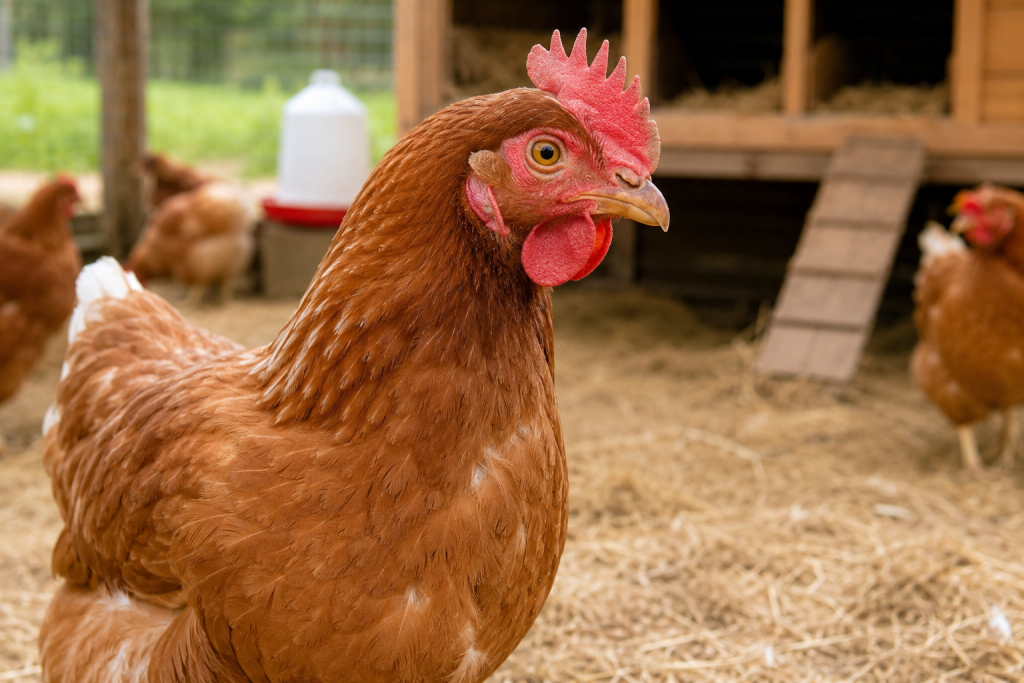
Types of Chicken Diseases
Viral Diseases
Examples include:
- Marek’s Disease
- Newcastle Disease
- Infectious Bronchitis
- Avian Influenza
These diseases often require prevention through vaccination rather than treatment.
Bacterial Diseases
Common bacterial infections include:
- Fowl Cholera
- Infectious Coryza
Veterinarians may prescribe antibiotics after proper diagnosis.
Parasitic Diseases
Examples include:
- Coccidiosis
- Worm infestations
- External mites
- Lice
Regular deworming and sanitation reduce parasite problems.
Buying and Decision Guide
When purchasing new chickens:
- Buy from trusted hatcheries.
- Ask about vaccination history.
- Inspect birds carefully.
- Avoid birds showing chicken disease symptoms.
- Quarantine new birds for at least 30 days.
These simple steps reduce the risk of introducing common poultry illnesses into your existing flock.
Common Mistakes to Avoid
Many beginners unknowingly increase disease risks.
Avoid these mistakes:
- Overcrowding chickens
- Skipping vaccinations
- Ignoring sick birds
- Using dirty water containers
- Mixing new birds without quarantine
- Delaying treatment
However, acting early usually produces much better outcomes.
Maintenance Tips for a Healthy Flock
Healthy management prevents most Common Chicken Diseases.
Follow these habits:
- Inspect birds every day.
- Replace dirty bedding weekly.
- Clean feeders regularly.
- Keep fresh water available.
- Vaccinate according to local recommendations.
- Remove sick birds immediately.
- Monitor for signs requiring chicken disease treatment.
Additionally, seasonal coop inspections help identify health risks before they become serious.
Conclusion
Understanding Common Chicken Diseases allows poultry owners to protect their birds through prevention, early diagnosis, and responsible flock management. In 2026, improved biosecurity, proper nutrition, vaccination, and daily observation remain the best defenses against disease outbreaks. Start implementing these practices today, and your chickens will enjoy healthier, more productive lives for years to come.
Call to Action: Want more poultry health guides? Explore our latest chicken care articles and learn how to prevent Common Chicken Diseases before they affect your flock.
Frequently Asked Questions (FAQs)
1. What are the most common chicken diseases?
The most common chicken diseases include Newcastle disease, Marek’s disease, coccidiosis, infectious bronchitis, fowl pox, avian influenza, and infectious coryza. Early diagnosis and good biosecurity help protect your flock.
2. What are the first signs of chicken disease?
Early chicken disease symptoms include sneezing, coughing, diarrhea, loss of appetite, drooping wings, reduced egg production, swollen eyes, and unusual behavior.
3. How can I prevent common chicken diseases?
You can prevent common chicken diseases by keeping the coop clean, vaccinating your birds, providing balanced nutrition, quarantining new chickens, and limiting contact with wild birds.
4. Can common chicken diseases spread to humans?
Most common chicken diseases do not infect humans. However, some illnesses, such as avian influenza, can spread under certain conditions. Always practice good hygiene when handling poultry.
5. What should I do if one of my chickens gets sick?
Immediately isolate the sick bird, monitor its symptoms, clean the coop, and consult a poultry veterinarian for proper diagnosis and chicken disease treatment.
6. Which chicken disease is the most dangerous?
Avian influenza and Newcastle disease are among the most serious common chicken diseases because they spread quickly and can cause high mortality rates.
7. How often should I inspect my chickens for diseases?
Inspect your chickens every day. Daily health checks help identify common chicken diseases early, improving the chances of successful treatment and preventing outbreaks.
8. Can chickens recover from common chicken diseases?
Yes, many chickens recover from common chicken diseases if the illness is detected early and treated correctly. However, some viral diseases require prevention through vaccination because there is no cure.
Leave a Reply