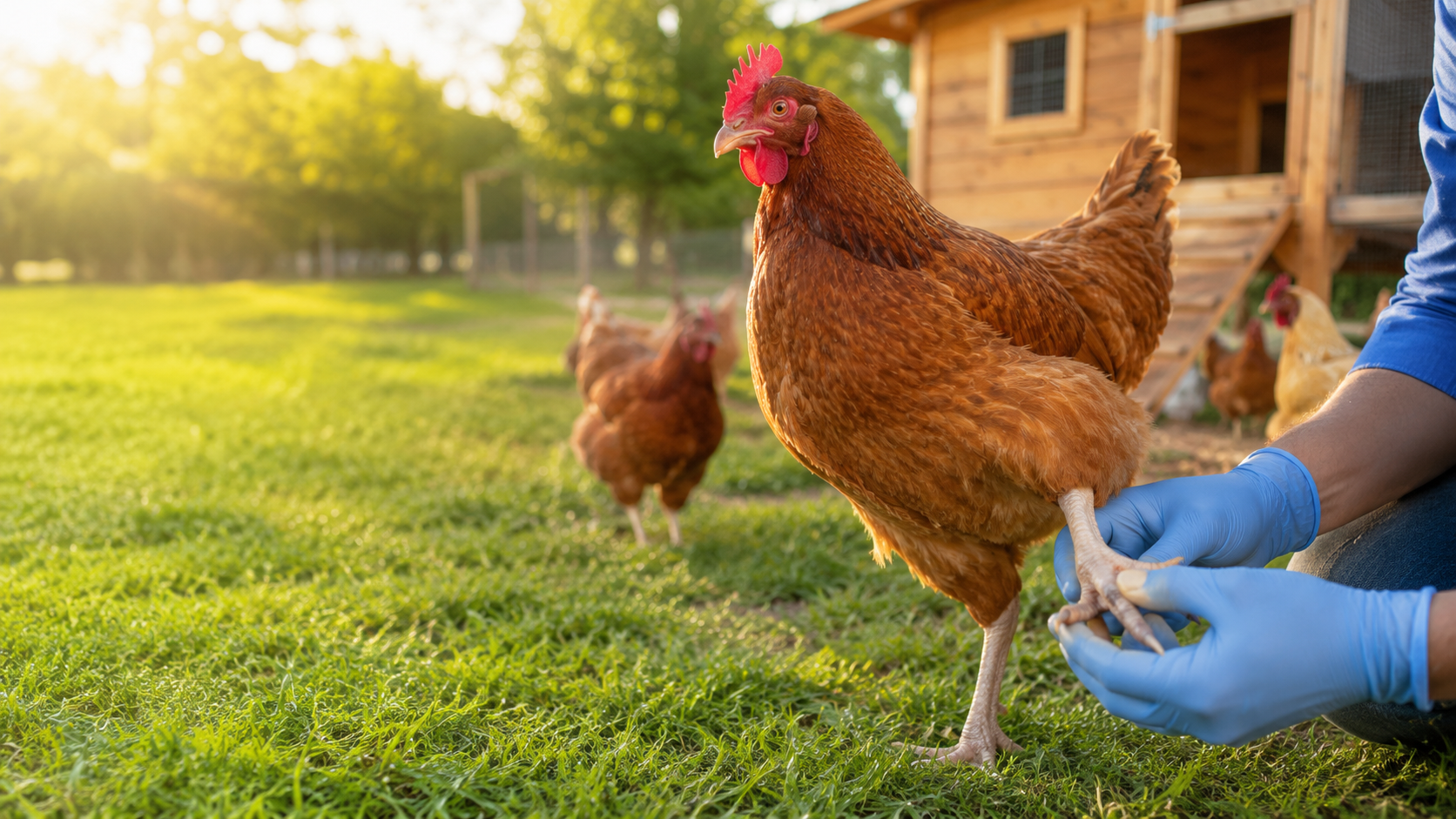
Why Is My Chicken Limping? Complete 2026 Guide for Backyard Flocks
If you’re asking Why Is My Chicken Limping?, you’re not alone. Many backyard chicken owners notice a healthy bird suddenly walking with a limp or refusing to put weight on one leg. Fortunately, most causes are treatable when caught early. However, ignoring the problem can lead to pain, infection, or permanent mobility issues.
Whether you own a few backyard hens or manage a larger flock, understanding why your chicken is limping helps you provide the right care quickly.
Why Does It Matter?
A limping chicken is often trying to tell you something is wrong. Additionally, early treatment prevents more serious health problems and helps your flock stay productive.
Healthy chickens are more likely to:
- Lay eggs consistently
- Stay active
- Avoid infections
- Maintain healthy body weight
- Live longer
As a result, checking your flock daily can help you detect problems before they become severe.
Why Is My Chicken Limping? Common Causes
Several conditions can answer the question, Why Is My Chicken Limping? Here are the most common reasons.
1. Chicken Leg Injury
A simple injury is one of the leading causes.
Common injuries include:
- Sprains
- Pulled muscles
- Bruises
- Broken toes
- Fractures
These often happen after jumping from high roosts, predator attacks, or slipping on wet ground.
2. Bumblefoot in Chickens
Bumblefoot in chickens is a bacterial infection that develops after a small cut on the foot.
Signs include:
- Swollen foot
- Black scab
- Warm skin
- Difficulty walking
Additionally, untreated bumblefoot can spread deeper into the leg.
3. Arthritis and Age
Older hens naturally develop joint problems.
Symptoms include:
- Slow walking
- Stiff legs
- Swollen joints
- Reduced activity
However, proper nutrition and softer bedding often improve comfort.
4. Nutritional Deficiencies
Young chickens especially need balanced vitamins and minerals.
Lack of:
- Vitamin D
- Calcium
- Manganese
- Riboflavin
can lead to weak legs and poor mobility.
5. Marek’s Disease
Marek’s Disease is a viral illness affecting the nerves.
Watch for:
- One leg stretched forward
- One leg backward
- Paralysis
- Weight loss
Unfortunately, this disease has no cure, making vaccination extremely important.
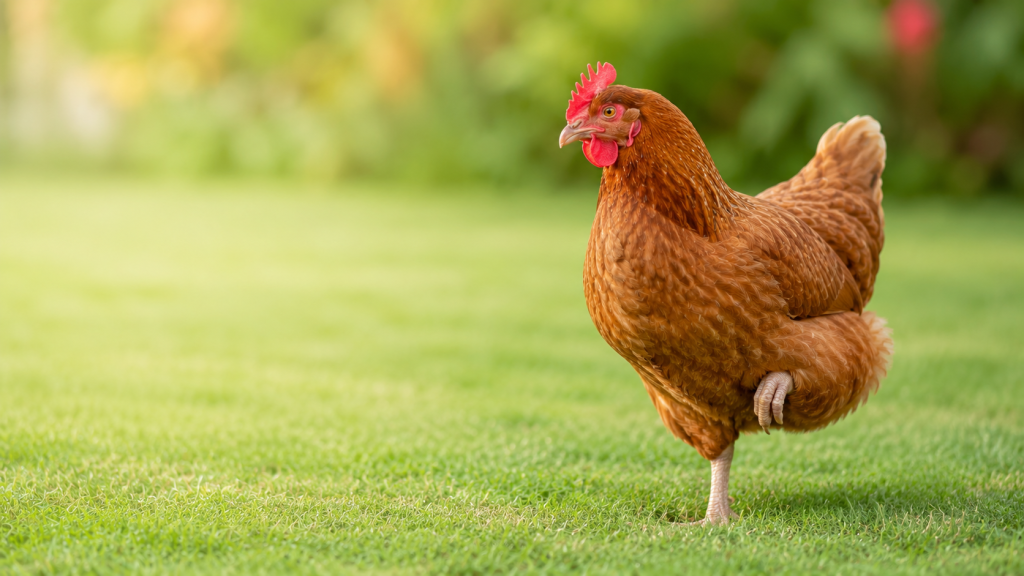
Types of Chicken Limping Problems
Mild Limping
Usually caused by:
- Minor cuts
- Small sprains
- Temporary soreness
Recovery often occurs within several days with rest.
Moderate Limping
This level may include:
- Bumblefoot
- Joint inflammation
- Muscle injuries
These birds usually need treatment and monitoring.
Severe Limping
Serious cases involve:
- Fractures
- Marek’s Disease
- Severe infections
Veterinary care should be sought immediately.
Buying & Decision Guide: What Should You Do First?
If you’re wondering Why Is My Chicken Limping?, follow these simple steps before beginning treatment.
Step 1
Catch the chicken safely.
Step 2
Inspect:
- Feet
- Toes
- Nails
- Legs
- Hocks
Step 3
Look for:
- Swelling
- Cuts
- Heat
- Bleeding
- Foreign objects
Step 4
Isolate the bird from the flock.
Additionally, provide clean bedding, fresh water, and easy access to food.
Common Mistakes to Avoid
Many chicken keepers accidentally worsen the injury.
Avoid these mistakes:
- Ignoring mild limping
- Delaying treatment
- Keeping injured birds on hard surfaces
- Allowing jumping from high roosts
- Giving incorrect medications
- Failing to clean wounds properly
However, early observation often prevents expensive veterinary care.
Chicken Limping Treatment and Care Tips
Treating chicken limping treatment depends on the cause.
Helpful care includes:
- Rest the bird in a quiet area.
- Keep bedding dry and clean.
- Clean cuts with poultry-safe antiseptic.
- Bandage wounds when necessary.
- Improve dietary calcium and vitamins.
- Reduce high jumping areas.
- Monitor improvement daily.
Additionally, consult a poultry veterinarian if symptoms worsen after 48 hours.
Preventing Future Leg Problems
The best treatment is prevention.
Follow these practices:
- Keep the coop clean.
- Remove sharp objects.
- Maintain dry flooring.
- Feed balanced poultry feed.
- Trim overgrown nails.
- Inspect feet weekly.
- Vaccinate chicks against Marek’s Disease where recommended.
As a result, your flock remains healthier throughout the year.
Conclusion
If you’ve been asking Why Is My Chicken Limping?, the answer may range from a minor injury to a serious disease. Fortunately, most cases improve with early detection, proper care, and a clean living environment. Additionally, regular health checks help prevent future leg problems and keep your flock active and productive. If the limp persists or becomes severe, consult a qualified poultry veterinarian immediately. For more expert poultry care guides, explore our related articles and keep learning how to raise healthier chickens.
Leave a Reply