
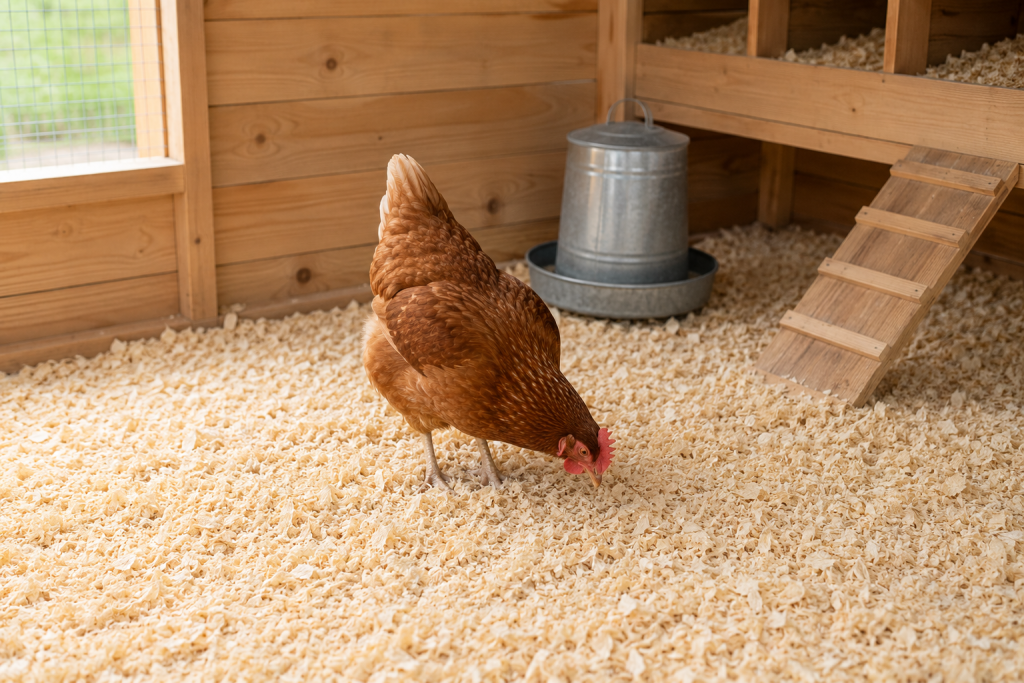
A good Coop Bedding Guide can make chicken keeping easier, cleaner, and healthier in 2026. The right bedding helps control moisture, reduce odors, protect feet, and keep your flock comfortable throughout the year.
For backyard chicken owners, bedding is more than something placed on the coop floor. It affects cleanliness, maintenance, and even how often you need to clean the coop. Therefore, choosing the right material can save time and money.
If you are setting up a new coop or replacing old bedding, this guide explains the best options and practical care tips.
Why a Coop Bedding Guide Matters
The right bedding absorbs moisture from droppings and spilled water. As a result, the coop stays drier and develops fewer unpleasant odors.
Good bedding also provides a soft surface for chickens to walk and rest on. Additionally, it can help reduce contact with wet flooring.
A quality Coop Bedding Guide should help you choose material based on:
- Absorption
- Comfort
- Odor control
- Availability
- Cost
- Ease of cleaning
For more general flock-care advice, add an internal link here: [Chicken Coop Maintenance Guide].
Coop Bedding Guide: Key Factors to Consider
1. Moisture Control
Moisture is one of the biggest problems inside a chicken coop. Wet bedding can become compacted and dirty quickly. Therefore, choose an absorbent material and replace damp areas regularly.
2. Comfort and Safety
Chickens spend many hours standing and resting on the floor. Soft, clean bedding provides a more comfortable surface. However, avoid materials that contain sharp pieces, excessive dust, or chemicals.
3. Odor Management
Good chicken bedding materials help control odors by absorbing moisture. Additionally, proper ventilation is essential. Bedding alone cannot solve an odor problem caused by poor airflow.
Types of Chicken Coop Bedding
Pine Shavings
Pine shavings remain a popular choice for backyard flocks. They are lightweight, relatively absorbent, and easy to spread.
However, use clean, untreated shavings designed for animal bedding. Avoid dusty or heavily scented products.
Straw
Straw is affordable and widely available in many areas. It provides good insulation during colder weather and gives chickens a comfortable surface.
However, straw can hold moisture if it becomes wet. Therefore, inspect it often and remove damp sections.
Hemp Bedding
Hemp bedding has become increasingly popular because it can absorb moisture and help control odors. It can also last longer between complete cleanouts when managed correctly.
However, availability and price vary by location.
Sand
Coarse, washed sand can work well in some coop setups. It drains moisture effectively and can make droppings easier to remove.
Nevertheless, choosing the right type matters. Avoid fine construction sand or materials that create excessive dust.
Coop Bedding Guide: Deep Litter Method
The deep litter method allows bedding to build gradually while you manage moisture and droppings. Instead of removing everything every few days, you add fresh dry bedding when needed.
This approach can reduce routine cleaning. Additionally, properly managed deep litter may generate some natural heat during colder months.
However, it requires regular monitoring. If the bedding becomes wet, smells strongly, or forms unhealthy buildup, clean the affected area immediately.
How to Choose the Best Bedding
Use this simple decision process:
- Check your climate. Wet or humid areas require strong moisture control.
- Consider availability. Choose material you can buy consistently.
- Compare costs. Calculate the cost per cleaning cycle rather than only the bag price.
- Check dust levels. Avoid excessively dusty materials.
- Watch your chickens. Change the bedding if birds show discomfort or the coop becomes excessively dirty.
A good Coop Bedding Guide should always focus on your flock’s specific environment rather than recommending one material for everyone.
Common Bedding Mistakes to Avoid
Many beginners make simple bedding mistakes. For example, they may leave wet bedding in the coop because the rest still looks clean.
Avoid these problems:
- Letting bedding stay wet
- Using heavily dusty materials
- Ignoring spilled water
- Blocking ventilation
- Adding fresh bedding over badly contaminated areas
- Waiting too long between inspections
Additionally, keep feeders and waterers positioned carefully to reduce spills.
Coop Bedding Guide: Maintenance Tips
Inspect the bedding several times each week. Remove wet or heavily soiled sections as soon as possible.
Furthermore, stir or turn bedding when appropriate to improve airflow and distribute moisture. Add a fresh layer when the existing material becomes thin.
Keep the coop well ventilated without creating direct drafts at roosting height. Also, clean feeders and waterers regularly because spilled feed and water can quickly damage bedding quality.
Conclusion
Choosing the right bedding can make everyday chicken care much easier. Pine shavings, straw, hemp, and suitable sand can all work when used correctly and maintained regularly.
Use this Coop Bedding Guide to compare materials, control moisture, reduce odors, and create a cleaner environment for your flock. Start with a practical bedding option, monitor your chickens, and adjust your routine as the seasons change.
Leave a Reply