
Chicken Dust Baths: Easy 2026 Backyard Guide
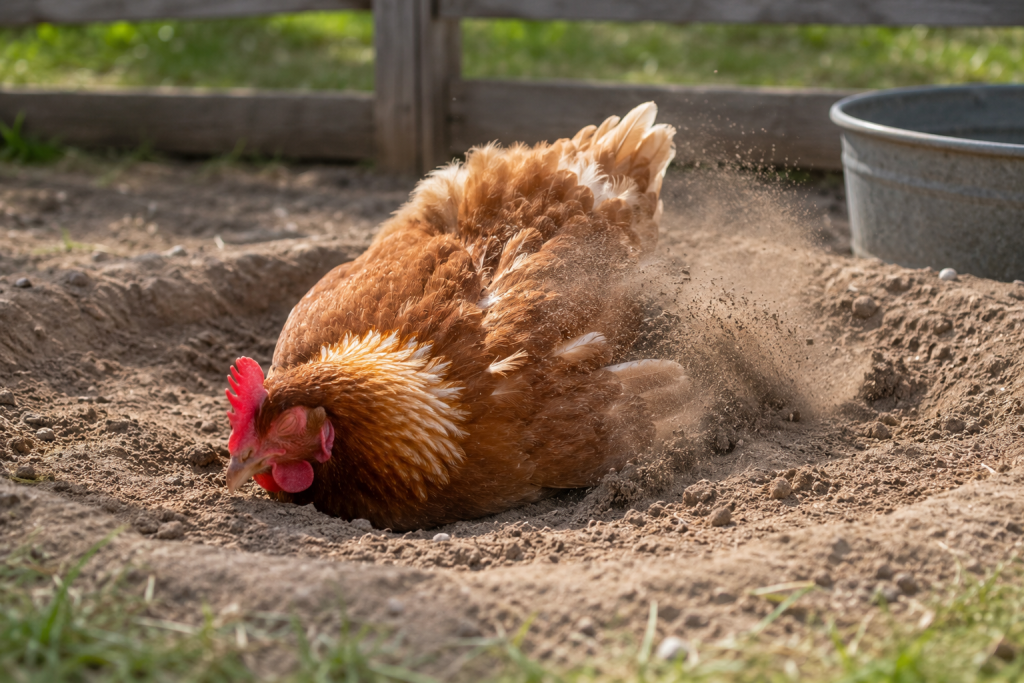
Chicken Dust Baths are a simple and natural way to help backyard chickens keep their feathers clean and healthy. Chickens naturally roll, scratch, and wiggle in dry soil to remove dirt and excess oils. Therefore, giving your flock a dedicated bathing area can improve comfort while also making coop care easier.
Whether you keep three hens or a larger flock, a well-designed dust bath can become one of the most useful features in your chicken area.
Why Chicken Dust Baths Matter
Chickens do not use water like people do when they clean themselves. Instead, they use dry material to work through their feathers and skin. As a result, regular dust bathing can help remove excess oil, loose skin, and surface debris.
There are several chicken dust bath benefits for backyard flocks:
- Helps chickens maintain clean feathers
- Supports normal preening behavior
- Provides natural enrichment
- Gives chickens an activity that reduces boredom
- Can help control excess moisture around feathers
- Creates a dedicated area for natural behavior
Additionally, dust bathing gives chickens something productive to do. This can be especially useful when birds spend more time inside their coop because of rain, cold weather, or predators.
How to Create Chicken Dust Baths
Creating a good bathing area does not require expensive equipment. In fact, many chicken keepers can build one using materials they already have.
Choose the Right Location
First, select a dry and sheltered location. The area should have good drainage and enough space for several birds to bathe without crowding.
However, avoid placing the bath directly under a leaking roof or in an area that stays wet after rain. Moist material can become compacted and lose its usefulness.
Select Safe Dust Bath Ingredients
A good mixture should remain loose and dry. Common materials include:
- Dry soil or fine dirt
- Clean sand
- Peat moss
- Wood ash from untreated wood
For a simple DIY chicken dust bath, start with dry soil and sand. Additionally, adding a small amount of suitable organic material can make the mixture easier for chickens to work through.
Avoid charcoal ash, painted wood ash, construction dust, heavily treated materials, and anything containing chemicals.
Types of Chicken Dust Baths
Different setups can work depending on your space and flock size.
Ground-Level Dust Bath
A natural ground-level area works well when you have a dry section of the chicken run. Simply loosen the soil and add clean, dry materials as needed.
This option costs very little. However, rain can quickly turn the area muddy, so choose a sheltered location whenever possible.
Container Dust Bath
A large plastic tub, wooden box, or sturdy storage container can create a controlled chicken coop dust bath. The sides should be low enough for chickens to enter and exit easily.
Container baths work especially well for small backyard flocks. Additionally, you can move the container when the area becomes dirty or wet.
Covered Dust Bath
A covered setup offers extra protection from rain and snow. For example, you can place a simple roof over the bathing area or position it inside a covered section of the run.
This design helps keep the best dust bath for chickens dry throughout changing weather.
What Should You Look For?
When choosing or building a dust bathing area, consider these factors:
- Dryness: The material should stay loose and dry.
- Space: Give several chickens enough room to bathe comfortably.
- Safety: Avoid sharp edges and harmful materials.
- Ventilation: Keep the area fresh and well ventilated.
- Accessibility: Chickens should reach it easily.
- Protection: A roof or sheltered location can prevent rain damage.
Additionally, check the bath regularly. Replace contaminated material when needed rather than allowing waste to build up.
Common Mistakes to Avoid
Even a simple dust bath can cause problems if you choose the wrong materials or location.
Avoid these common mistakes:
- Using wet or muddy soil
- Adding treated wood ash
- Using dusty construction materials
- Placing the bath in direct rain
- Making the container too small
- Allowing droppings to accumulate
- Ignoring sharp container edges
Furthermore, do not assume that every powder or garden product is safe for chickens. Always check the ingredients before adding anything to the bathing area.
Maintenance and Care Tips
A dust bath needs regular attention, although maintenance remains simple. Remove visible droppings and replace material that becomes heavily contaminated.
After heavy rain, check the mixture carefully. If it becomes wet and compacted, loosen it or replace it with fresh, dry material.
Also, inspect the container for cracks or sharp edges. Finally, keep the surrounding area clean so chickens can move safely between their coop, food, water, and bathing space.
Conclusion
Chicken Dust Baths provide chickens with a natural way to clean themselves, stay active, and express normal behavior. With dry materials, enough space, and a protected location, you can create an effective bathing area without spending much money.
Leave a Reply