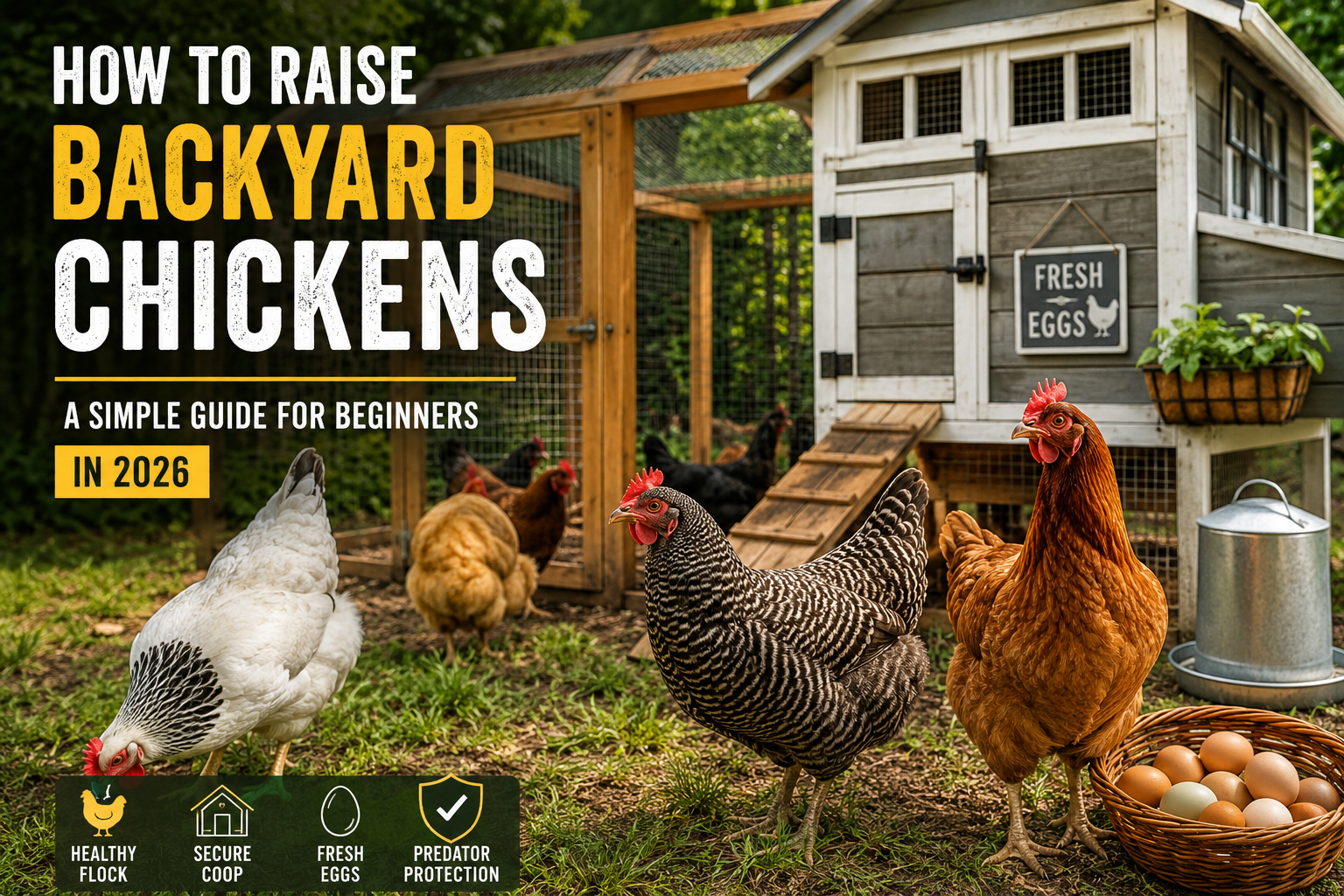
How to Raise Backyard Chickens in 2026
If you live in the United States or another country where local rules allow poultry, learning how to raise backyard chickens can turn a small yard into a rewarding home food project. Fresh eggs, natural pest control, and the joy of caring for animals make chickens popular with families worldwide. However, successful chicken keeping starts with planning, not buying birds on impulse.
Before you begin, check your city, neighborhood, or regional poultry rules. Requirements can cover flock size, rooster ownership, coop location, noise, sanitation, and egg sales.
Why Learn How to Raise Backyard Chickens?
Knowing how to raise backyard chickens can help you build a healthier and more manageable flock. Chickens provide eggs and manure for gardens, while their scratching behavior can help reduce some insects.
Additionally, keeping a small flock can teach children responsibility and basic animal care. However, chickens need daily attention, so consider the time, space, and ongoing cost before starting.
Key Factors for How to Raise Backyard Chickens
Choose the Right Chicken Coop
A secure backyard chicken coop protects birds from rain, heat, cold, predators, and disease. Provide good ventilation without creating strong drafts.
The coop should also have:
- Dry bedding
- Nesting boxes
- Perches
- Easy-to-clean floors
- Secure doors and wire mesh
- Shade and weather protection
Furthermore, give chickens enough outdoor space to walk, scratch, dust-bathe, and forage.
Select Suitable Breeds
For beginners, consider calm breeds known for dependable egg production. However, the best choice depends on your climate, available space, and purpose.
Popular categories include:
- Egg-laying breeds
- Dual-purpose breeds
- Cold-hardy breeds
- Heat-tolerant breeds
- Bantam or smaller breeds
Research best chicken breeds for beginners before buying. [Internal Link: Best Chicken Breeds Guide]
Provide Food and Clean Water
Good chicken feed and nutrition supports growth, feathers, bones, and egg production. Chicks, growing birds, and laying hens have different nutritional needs, so use feed designed for their life stage.
Clean water must remain available every day. Additionally, keep feed protected from rodents and wild birds.
Types of Backyard Chicken Setups
Free-Range Chickens
Free-ranging gives chickens more room to forage. However, it can increase exposure to predators, toxic plants, traffic, and wild birds.
Enclosed Run
A fenced run provides a useful balance between freedom and safety. Therefore, it is often a practical choice for suburban yards.
Tractor or Mobile Coop
A chicken tractor can move around the yard. As a result, birds gain access to fresh ground while manure gets distributed across different areas.
Buying and Setup Guide
Before bringing chickens home, prepare everything first. A simple starting process is:
- Check local poultry laws.
- Build or buy a secure coop.
- Install a predator-resistant run.
- Purchase suitable feed and equipment.
- Find healthy birds from a reputable source.
- Prepare a safe quarantine area for new birds.
- Establish a daily feeding and cleaning routine.
Also, budget for feed, bedding, repairs, veterinary care, and replacement equipment.
Common Mistakes to Avoid
Many beginners focus on eggs and forget that chickens are living animals with daily needs. Avoid these common mistakes:
- Overcrowding the coop
- Poor ventilation
- Leaving feed exposed to pests
- Ignoring predator protection
- Introducing new birds too quickly
- Failing to monitor sick chickens
- Skipping local legal requirements
Most importantly, do not assume a healthy-looking bird is always disease-free.
Chicken Health and Biosecurity in 2026
Learning how to raise backyard chickens in 2026 also means taking biosecurity seriously. USDA APHIS continues to advise poultry owners to reduce contact between domestic birds and wild birds because highly pathogenic avian influenza remains an important poultry-health risk.
Simple precautions include:
- Use dedicated footwear around chickens.
- Clean and disinfect equipment regularly.
- Keep wild birds away from feed and water.
- Limit unnecessary visitors.
- Isolate sick birds promptly.
- Monitor appetite, behavior, breathing, and egg production.
USDA’s 2026 guidance specifically recommends cleaning equipment, using dedicated boots, limiting farm traffic, separating species, and watching for signs such as breathing problems, poor appetite, nasal discharge, reduced egg production, or unexplained death.
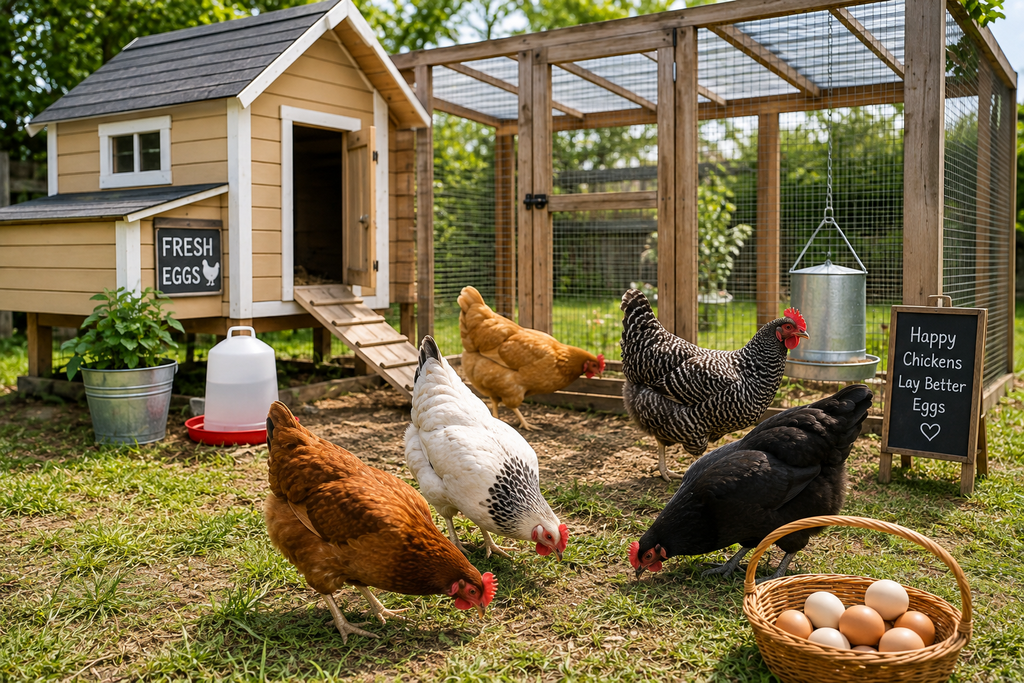
Daily Backyard Chicken Care
Good backyard chicken care is mostly about consistency. Each morning, check water, feed, fencing, and bird behavior.
In the evening, secure the coop against predators. Clean wet bedding and remove obvious manure as needed. Additionally, collect eggs regularly and inspect chickens for injuries or unusual behavior.
If a bird becomes seriously ill or dies unexpectedly, contact a veterinarian or the appropriate animal-health authority. Disease reporting requirements vary by country and region.
Conclusion
The best way to learn how to raise backyard chickens is to start small, prepare carefully, and create a routine that protects both birds and people. Choose suitable breeds, provide a secure coop, offer balanced feed and clean water, and maintain strong biosecurity.
In 2026, disease prevention deserves extra attention, particularly because wild birds can spread avian influenza.
Ready to begin? Check your local rules, prepare your coop, and build your flock around responsible backyard chicken care. With good planning and daily attention, raising chickens can become a rewarding part of a sustainable home lifestyle.
Leave a Reply