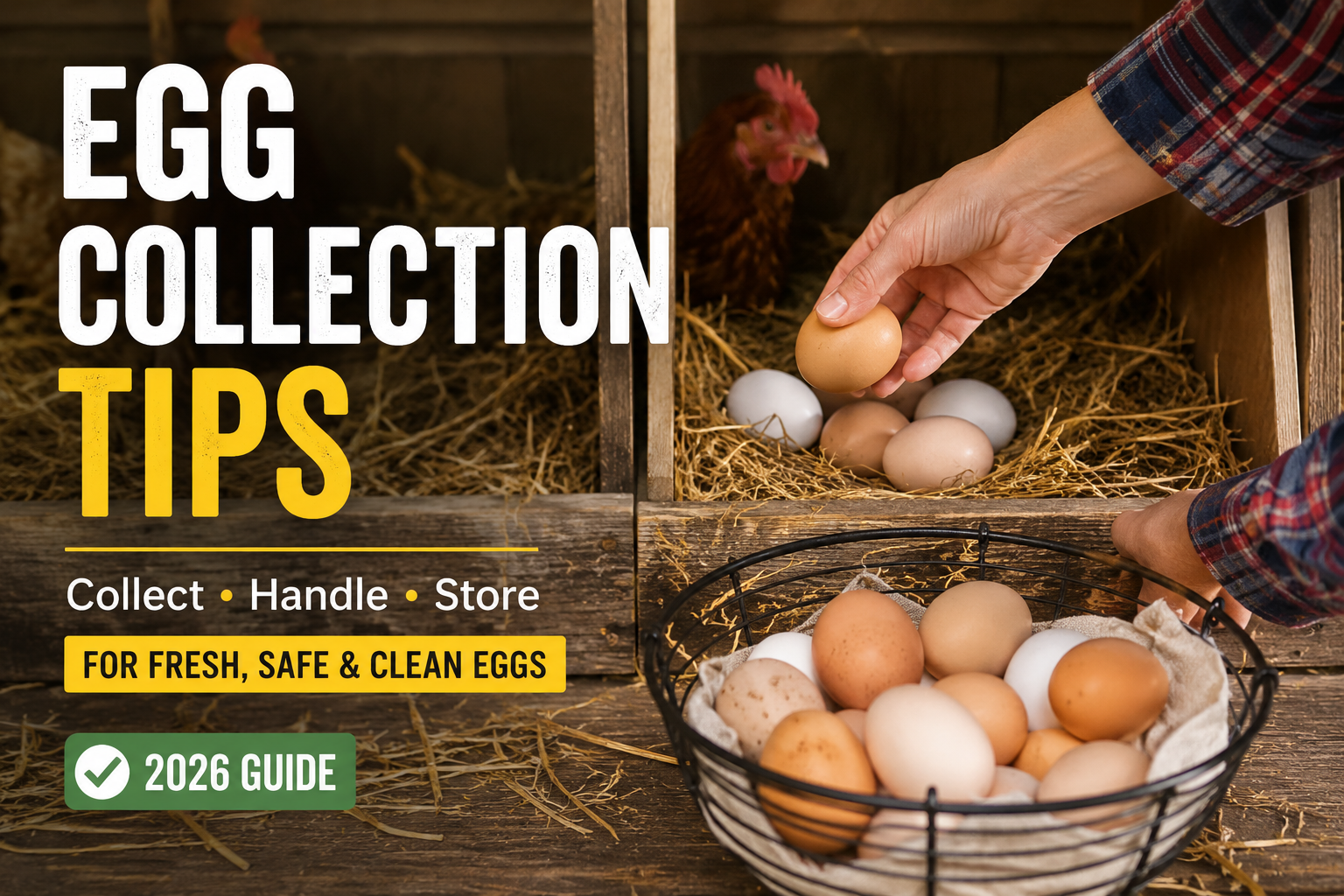
Egg Collection Tips: A Fresh-Egg Guide for 2026
If you keep backyard chickens or manage a small flock, Egg Collection Tips can help you get cleaner, safer, and better-quality eggs. In 2026, good collection habits remain important for both home keepers and small producers. Additionally, USDA guidance continues to emphasize careful egg handling and food safety.
Whether you collect a few eggs each morning or manage a larger flock, a simple routine can prevent cracks, dirt, and unnecessary contamination.
Why Egg Collection Tips Matter
Fresh eggs can become dirty or damaged when hens lay them in poorly maintained nesting areas. Therefore, regular collection is one of the easiest ways to protect egg quality.
For backyard chicken owners, good fresh egg collection also makes cleaning, sorting, and storage easier. UMN Extension recommends collecting eggs two to three times per day and discarding eggs with cracked shells.
Additionally, proper handling can reduce food-safety risks. USDA advises keeping eggs properly refrigerated and avoiding extended periods at room temperature.
Key Egg Collection Tips for 2026
Collect Eggs Regularly
One of the most useful Egg Collection Tips is simple: check nesting boxes regularly.
Aim for two or three collection rounds each day when practical. This reduces the time eggs spend exposed to dirt, manure, moisture, and accidental breakage.
Keep Nesting Boxes Clean
Clean, dry nesting material helps protect eggs from contamination. Replace wet or heavily soiled bedding promptly.
Furthermore, provide enough nesting space so hens are less likely to crowd into the same box.
Handle Eggs Gently
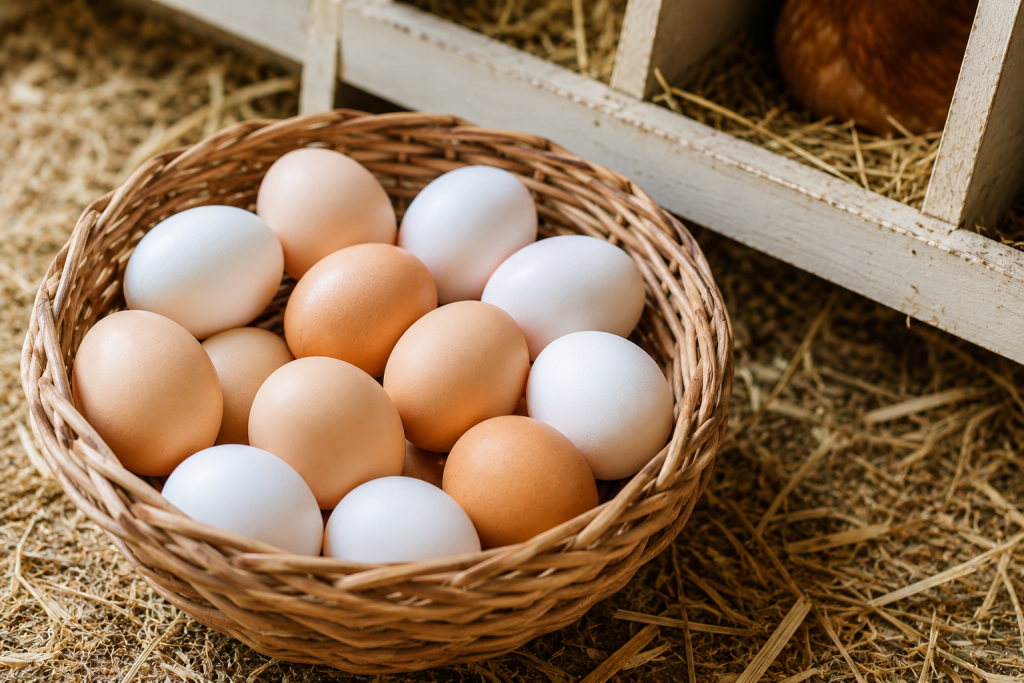
Eggshells can crack from drops or rough handling. Consequently, use a clean basket or container with enough protection to prevent eggs from hitting one another.
Types of Eggs You May Collect
Clean, Intact Eggs
These are the easiest eggs to store and use. Check each shell for cracks before placing it into storage.
Dirty Eggs
Light surface dirt may require careful cleaning according to your local food-safety rules. However, avoid practices that can push contamination through the shell. UMN Extension recommends dry cleaning methods for certain farm-fresh eggs and warns against using rags or sponges.
Cracked Eggs
Do not treat cracked shells like normal eggs. Cracks can provide an entry point for bacteria, so follow local food-safety guidance and discard questionable eggs.
Egg Collection Tips for Storage
After collection, keep eggs protected from temperature changes and contamination. In the United States, USDA recommends prompt refrigeration as part of safe egg handling.
Also, keep eggs away from foods with strong odors and store them in a clean container. Avoid leaving refrigerated eggs at room temperature for extended periods.
For egg handling and storage, always check the rules that apply in your country because requirements can differ.
Common Mistakes to Avoid
Avoid these frequent problems:
- Collecting eggs only once a day.
- Leaving broken eggs in the nesting box.
- Using dirty collection baskets.
- Storing cracked eggs with intact eggs.
- Ignoring wet or contaminated nesting material.
- Handling eggs with dirty hands.
- Leaving refrigerated eggs out for too long.
Additionally, wash hands and clean equipment after handling eggs. USDA specifically recommends washing utensils, equipment, and work areas with hot, soapy water before and after contact with eggs.
Maintenance and Care Tips
Good Egg Collection Tips work best when combined with regular coop care. Keep nesting areas dry, replace dirty bedding, and monitor hens for changes in laying behavior.
Furthermore, maintain good flock biosecurity. USDA’s 2026 Defend the Flock resources continue to provide practical guidance for poultry owners and producers.
For larger operations, monitor egg quality, production levels, flock health, and environmental conditions. USDA reports that U.S. table-egg production was projected to rise in 2026, making efficient egg handling relevant across the industry.
A Simple Collection Routine
Use this quick routine:
- Wash your hands before collecting eggs.
- Check every nesting box.
- Remove eggs gently.
- Separate cracked or questionable eggs.
- Clean appropriate surfaces and equipment.
- Store eggs according to local food-safety rules.
- Record unusual changes in egg quality or production.
This routine takes only a few minutes. However, it can make a major difference in cleanliness and consistency.
Conclusion
The best Egg Collection Tips are simple: collect eggs regularly, keep nesting areas clean and dry, handle shells gently, separate damaged eggs, and follow safe storage practices. As a result, backyard keepers and small producers can protect egg quality while making daily flock care easier.
Ready to improve your routine? Start using these Egg Collection Tips today and build a consistent collection and storage system for your flock.
Leave a Reply