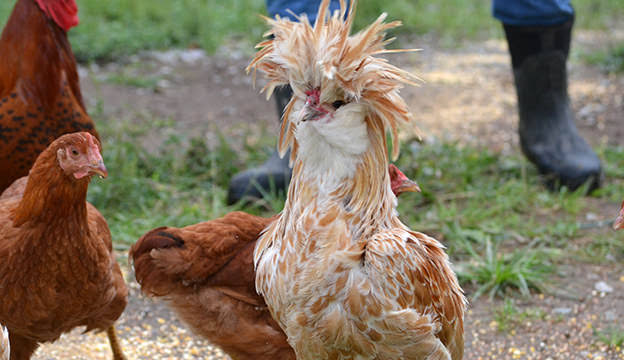
Heat Tolerant Chicken Breeds: Complete 2026 Guide
Raising chickens in warm climates can be rewarding when you choose the right birds. Heat Tolerant Chicken Breeds perform better during hot summers because they naturally handle high temperatures. Whether you live in the southern United States, Australia, Africa, or another warm region, selecting suitable breeds helps reduce heat stress and improves egg production.
Additionally, choosing the right breed means healthier birds, lower maintenance costs, and fewer heat-related problems. This guide explains everything you need to know before expanding your flock.
Why Heat Tolerant Chicken Breeds Matter
Hot weather can affect a chicken’s health and productivity. Birds that struggle with heat may eat less, lay fewer eggs, and become more vulnerable to illness.
However, Heat Tolerant Chicken Breeds are naturally adapted to warmer environments. They stay active longer and often continue laying eggs even during summer.
Some major benefits include:
- Better resistance to heat stress
- Improved egg production during warm months
- Lower risk of dehydration
- Reduced veterinary expenses
- Higher overall flock health
Key Features of Heat Tolerant Chicken Breeds
Large Combs and Wattles
Large combs help release body heat more efficiently. As a result, chickens stay cooler throughout the day.
Lightweight Body
Lighter birds generate less body heat than heavy breeds. Therefore, they remain comfortable in high temperatures.
Loose Feathering
Loose feathers allow better airflow around the body. Additionally, they reduce trapped heat.
Active Foraging Ability
Many Heat Tolerant Chicken Breeds enjoy free-ranging. They naturally search for shaded areas while finding insects and plants.
Best Heat Tolerant Chicken Breeds in 2026
Leghorn
Leghorns remain one of the world’s best egg-laying breeds. They have large combs and lightweight bodies, making them excellent for hot climates.
Ancona
Anconas are energetic birds that tolerate warm weather well. They also produce plenty of white eggs.
Minorca
Minorca chickens have very large combs that improve heat regulation. Consequently, they perform well in tropical and subtropical regions.
Andalusian
Originally developed in Spain, Andalusians thrive in sunny environments. They are attractive birds with excellent heat resistance.
Fayoumi
Fayoumis originated in Egypt, making them naturally suited for hot weather. Additionally, they are known for their strong disease resistance.
These breeds are also considered some of the best chickens for hot climates, especially for backyard flocks.
Buying Guide for Heat Tolerant Chicken Breeds
Before purchasing chickens, consider several important factors.
Climate
Match your breed to your area’s average summer temperatures.
Egg Production
Some breeds focus on egg laying, while others are better for meat production.
Temperament
Friendly birds work well for family farms and backyard flocks.
Available Space
Active breeds usually need more room to forage.
Reliable Breeder
Always buy from trusted breeders who raise healthy chicks with good genetics.
Selecting the right Heat Tolerant Chicken Breeds from reputable sources helps ensure long-term success.
Common Mistakes to Avoid
Many beginners accidentally create problems during hot weather.
Avoid these mistakes:
- Choosing heavy breeds in extremely hot climates
- Providing insufficient shade
- Allowing water containers to become empty
- Overcrowding the coop
- Ignoring proper ventilation
- Feeding only during the hottest part of the day
Instead, practice good summer chicken care to keep your flock healthy all season.
Caring for Heat Tolerant Chicken Breeds
Keep Fresh Water Available
Fresh, cool water should always be available. Refill containers several times each day during heat waves.
Improve Coop Ventilation
Install windows, vents, or fans to improve airflow.
Provide Shade
Trees, shade cloths, and covered runs help birds escape direct sunlight.
Offer Cooling Treats
Frozen fruits, chilled vegetables, and cold watermelon provide extra hydration.
Reduce Heat Stress
Feed chickens early in the morning or later in the evening. Additionally, avoid unnecessary handling during the hottest hours.
These simple steps help heat resistant backyard chickens remain productive throughout summer.
Choosing the Right Breed for Your Needs
Every flock owner has different goals. Some prioritize egg production, while others want hardy birds that require less care.
When selecting Heat Tolerant Chicken Breeds, compare:
- Egg production
- Growth rate
- Climate suitability
- Disease resistance
- Temperament
- Maintenance requirements
A little research today can save time and money later.
Frequently Asked Questions
1. Which chickens handle hot weather the best?
Lightweight breeds with large combs, such as Leghorns, Fayoumis, and Minorcas, generally cope better with high temperatures than heavier breeds.
2. How can I keep my flock cool during summer?
Provide plenty of fresh water, natural shade, good coop ventilation, and avoid overcrowding. Offering frozen fruits and vegetables can also help birds stay cool.
3. Do chickens lay fewer eggs in extreme heat?
Yes. Very high temperatures can reduce egg production because birds eat less and experience heat stress. Proper care can help minimize this drop.
4. What are the signs of heat stress in poultry?
Common signs include panting, holding wings away from the body, reduced activity, loss of appetite, and increased water consumption.
5. Is a fan safe to use inside a chicken coop?
Yes. A properly installed fan improves airflow and helps lower the temperature, but it should not blow directly onto the birds or create excessive dust.
6. Should chickens have access to shade all day?
Absolutely. Natural trees, shade cloths, or covered runs protect birds from direct sunlight and help prevent overheating.
7. What foods help chickens stay hydrated?
Water-rich treats such as watermelon, cucumber, lettuce, and frozen berries are excellent choices during hot weather.
8. Can baby chicks tolerate high temperatures?
No. Chicks need carefully controlled warmth when young and should be protected from both excessive heat and sudden temperature changes.
9. How often should drinking water be changed in summer?
Refresh water at least two or three times a day, and clean containers regularly to keep the water cool and free from bacteria.
10. Are larger chicken breeds suitable for warm climates?
Some can adapt with proper management, but lighter breeds usually perform better in consistently hot environments because they release body heat more efficiently.
Conclusion
Choosing the right Heat Tolerant Chicken Breeds is one of the smartest decisions for poultry keepers living in warm climates. Healthy birds produce more eggs, experience less stress, and require fewer medical treatments. Additionally, combining the right breed with good housing, clean water, and proper summer management creates a thriving flock. Start planning your 2026 flock today and choose Heat Tolerant Chicken Breeds that match your climate and farming goals.
Leave a Reply