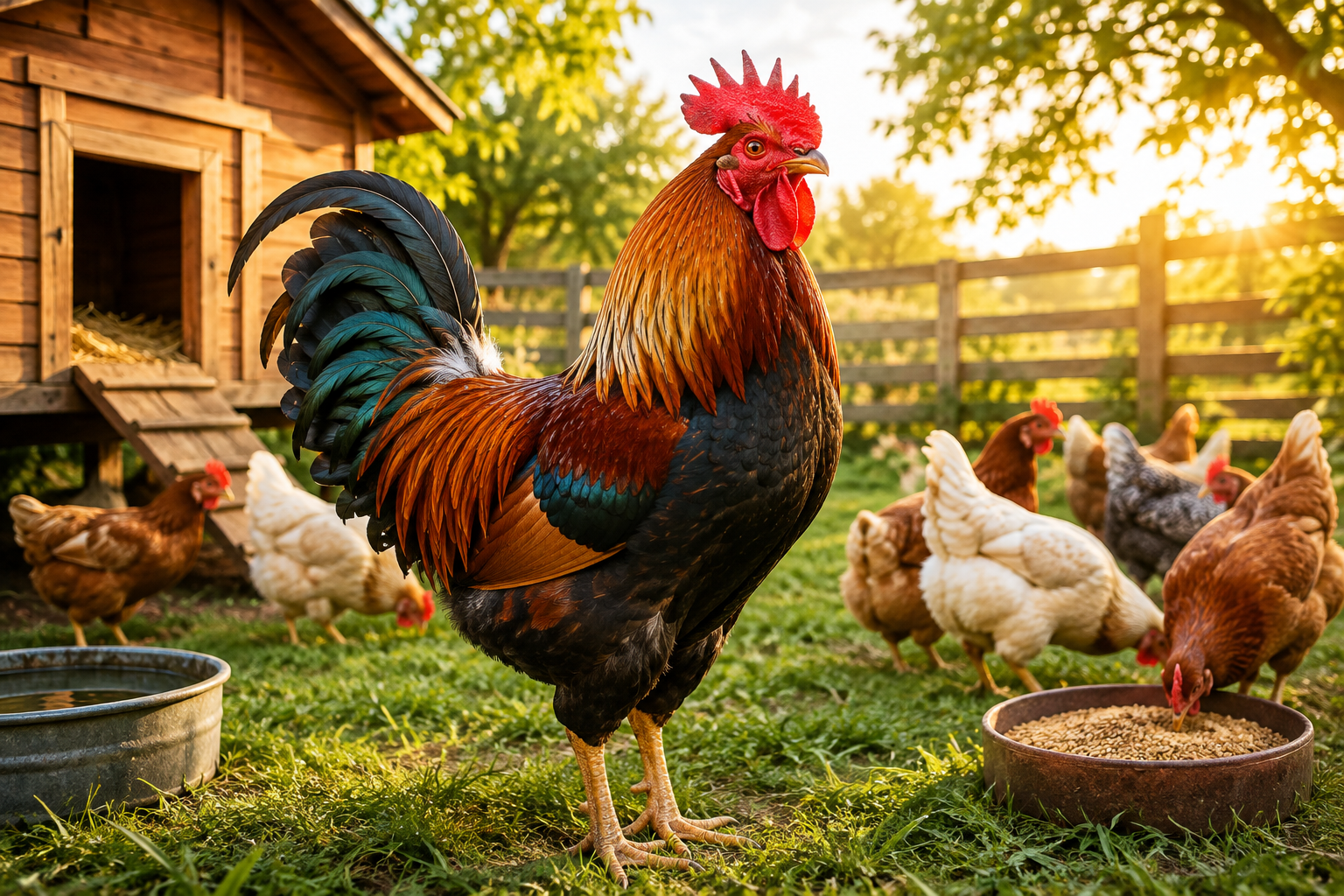
Rooster Care: The Complete 2026 Guide for Every Backyard Flock
Keeping a rooster is rewarding, but Rooster Care requires planning and daily attention. Whether you own a small backyard flock or manage a larger poultry farm, proper care helps your rooster stay healthy, active, and protective. Additionally, a well-cared-for rooster improves flock behavior and breeding success. This updated 2026 guide covers everything beginners and experienced poultry keepers need to know.
Why Rooster Care Matters
Proper Rooster Care benefits both your rooster and the entire flock. A healthy rooster protects hens from danger, maintains order, and helps successful breeding. As a result, your chickens experience less stress and better productivity.
Some major benefits include:
- Better flock protection
- Healthier breeding performance
- Reduced aggression through proper management
- Improved overall flock health
- Longer lifespan
Additionally, healthy roosters are more active and show stronger natural instincts.
Key Factors to Consider for Rooster Care
Choose the Right Breed
Different breeds have different personalities and care needs. Some breeds remain calm around families, while others are naturally more protective.
Popular choices include:
- Rhode Island Red
- Plymouth Rock
- Orpington
- Australorp
- Brahma
Choosing the right breed makes Rooster Care much easier.
Provide Balanced Nutrition
A proper rooster feeding guide starts with balanced nutrition.
Your rooster should receive:
- High-quality poultry feed
- Fresh vegetables
- Whole grains as treats
- Clean drinking water
- Calcium only when recommended
However, avoid excessive treats because obesity reduces fertility and activity.
Safe Housing
Housing plays a major role in Rooster Care.
Your coop should include:
- Dry bedding
- Good ventilation
- Predator-proof fencing
- Enough space to move freely
- Secure nighttime shelter
Additionally, clean the coop every week to reduce disease risks.
Types of Rooster Care
Backyard Rooster Care
Many families raise one rooster with a small flock.
Benefits include:
- Natural flock protection
- Easier breeding
- Pest control
- Better flock communication
Good backyard rooster care focuses on regular observation and gentle handling.
Farm Rooster Care
Larger farms usually keep several breeding roosters.
These birds require:
- Separate breeding pens
- Scheduled health checks
- Controlled feeding
- Rotation for breeding programs
As a result, breeding quality remains high.
Buying and Decision Guide
Before purchasing a rooster, ask yourself several important questions.
1. Do You Have Enough Space?
Roosters need room to patrol and establish territory.
2. Are Roosters Allowed?
Check your local regulations because some neighborhoods prohibit them due to noise.
3. Is the Bird Healthy?
Choose a rooster that has:
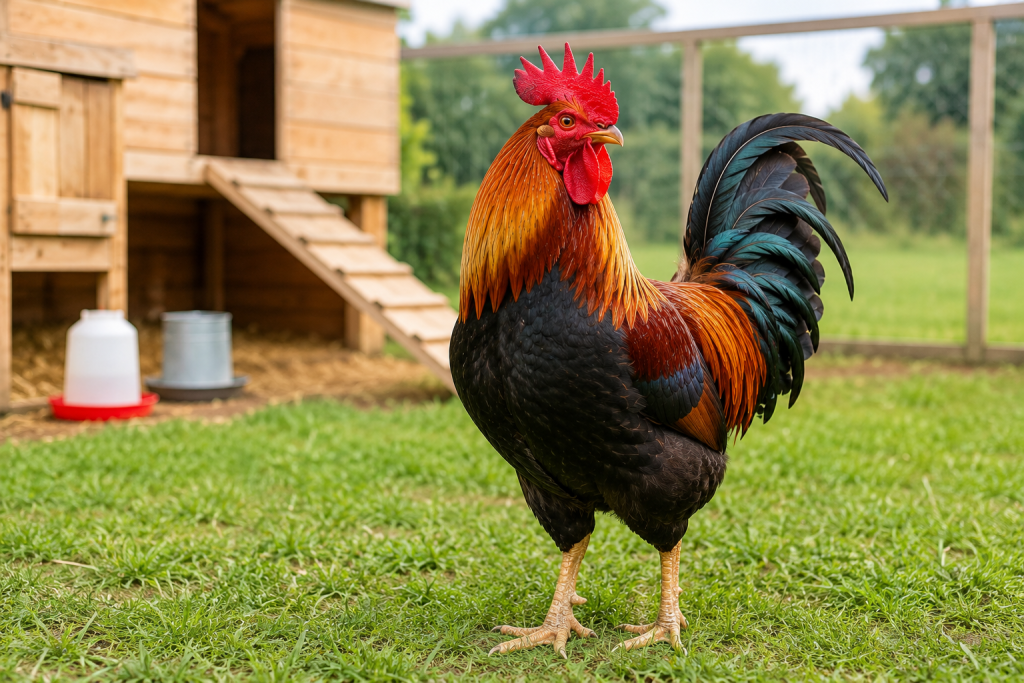
- Bright eyes
- Smooth feathers
- Strong legs
- Clean comb and wattles
- Active behavior
Additionally, buy birds from trusted breeders whenever possible.
Common Mistakes to Avoid
Many beginners make simple mistakes during Rooster Care.
Avoid these common problems:
- Overfeeding treats
- Keeping too many roosters together
- Ignoring aggressive behavior
- Poor coop sanitation
- Skipping health inspections
However, correcting these issues early prevents long-term problems.
Maintenance and Care Tips
Daily care keeps your rooster healthy throughout the year.
Daily Routine
Complete these simple tasks:
- Provide fresh feed.
- Replace drinking water.
- Check for injuries.
- Observe flock behavior.
- Lock the coop at night.
Weekly Care
Your rooster health tips routine should include:
- Cleaning feeders
- Replacing bedding
- Inspecting fencing
- Checking for parasites
- Monitoring weight
Additionally, seasonal weather changes require extra attention. During summer, provide shade and cool water. During winter, protect your rooster from cold winds and damp conditions.
Regular grooming also improves Rooster Care. Trim overgrown spurs if necessary and inspect feathers for mites or lice. Early treatment keeps your flock healthier and prevents larger infestations.
Conclusion
Successful Rooster Care comes down to good nutrition, safe housing, regular health checks, and responsible management. Whether you keep one backyard rooster or several breeding birds, consistent daily care helps them live healthier and longer lives. Additionally, a strong and healthy rooster contributes to a happier flock and better poultry production. Start improving your Rooster Care routine today and enjoy a thriving flock throughout 2026 and beyond.
Leave a Reply