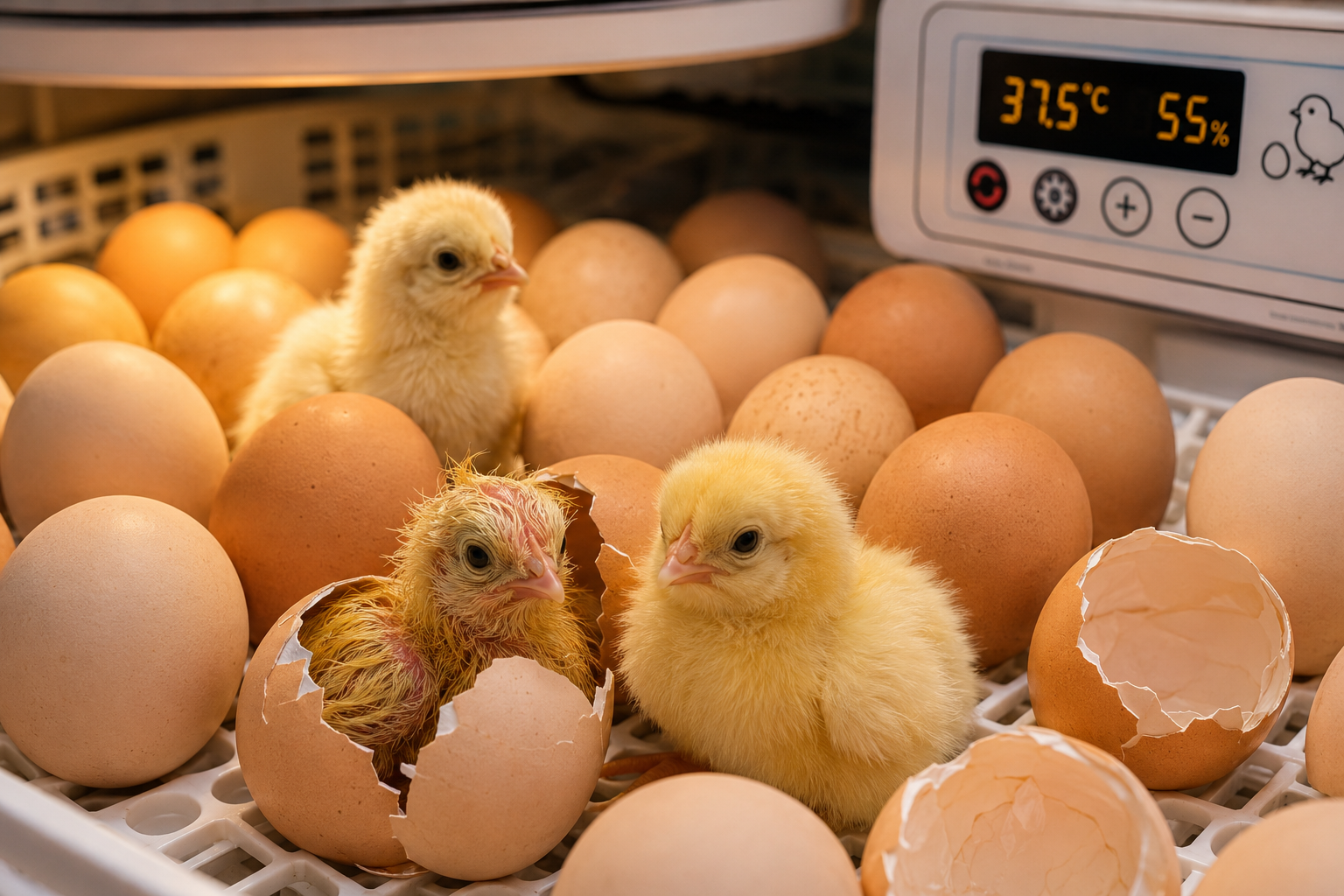
Hatching Chicken Eggs: Complete Guide for Healthy Chicks in 2026
Hatching Chicken Eggs is one of the most rewarding experiences for backyard poultry keepers and small farmers. Whether you are raising chickens for fresh eggs or expanding your flock, learning the correct incubation process improves hatch rates and chick health. In 2026, modern incubators and better monitoring tools have made Hatching Chicken Eggs easier than ever for beginners and experienced poultry owners alike.
Additionally, following proven incubation practices helps reduce egg loss and gives your chicks the strongest possible start.
Why Hatching Chicken Eggs Matters
Successfully Hatching Chicken Eggs offers several advantages beyond simply growing your flock.
Benefits of Hatching Your Own Chicks
- Save money on buying young chicks.
- Select breeds that fit your needs.
- Improve flock genetics over time.
- Experience the complete chicken life cycle.
- Raise healthier birds from the beginning.
As a result, many families, hobby farmers, and poultry businesses prefer Chicken egg incubation instead of purchasing birds.
Hatching Chicken Eggs: Key Factors for Success
Several important factors determine whether fertile eggs hatch successfully.
Choose Healthy Fertile Eggs
Always collect fresh fertile eggs from healthy hens and active roosters.
Look for eggs that are:
- Clean
- Medium-sized
- Free from cracks
- Less than seven days old
Avoid washing eggs because doing so removes their natural protective coating.
Maintain Proper Temperature
Temperature remains the most important part of Hatching Chicken Eggs.
Maintain:
- 99.5°F (37.5°C) in forced-air incubators
- Slightly higher temperatures in still-air incubators
Even small temperature changes can reduce hatch rates.
Control Humidity
Humidity also plays a major role.
Recommended levels:
- Days 1–18: 45–55%
- Days 19–21: 65–70%
Additionally, proper humidity helps chicks break through the shell more easily.
Turn the Eggs Regularly
Turn eggs at least three to five times daily until Day 18.
However, stop turning them during the final three days so chicks can position themselves for hatching.
Types of Hatching Chicken Eggs Methods
Different methods work for different poultry keepers.
Natural Broody Hen
A broody hen naturally incubates eggs.
Advantages include:
- No electricity needed
- Natural chick care
- Less equipment
However, hatch numbers remain limited.
Artificial Incubator
Most backyard keepers now use incubators.
Benefits include:
- Better hatch control
- Larger batches
- Automatic egg turning
- Higher success rates
Modern incubators also make How to hatch fertile eggs much easier for beginners.
Classroom or Educational Hatch Projects
Many schools now use small incubators to teach children about poultry development.
This method provides valuable hands-on learning while encouraging responsible animal care.
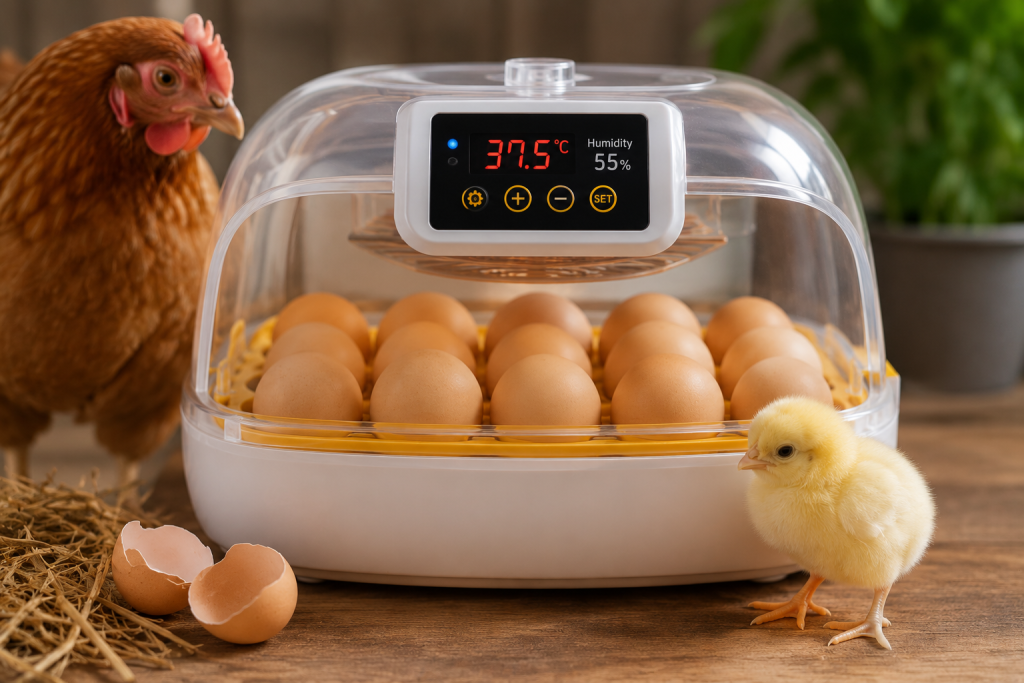
Buying Guide for Hatching Chicken Eggs Equipment
Before starting, choose quality equipment.
Consider:
- Automatic egg turner
- Digital thermometer
- Digital hygrometer
- Backup power source
- Automatic humidity control
Higher-quality incubators often produce better results and require less daily attention.
Common Mistakes to Avoid
Many beginners lose eggs because of simple mistakes.
Avoid:
- Using unfertilized eggs
- Incorrect incubator temperature
- Poor humidity control
- Opening the incubator too often
- Turning eggs after Day 18
- Skipping incubator cleaning
- Using dirty eggs
Therefore, careful planning significantly improves Hatching Chicken Eggs success.
Maintenance and Care Tips
Proper incubator maintenance protects developing chicks.
Before Incubation
- Clean and disinfect the incubator.
- Test temperature for 24 hours.
- Verify humidity readings.
During Incubation
- Monitor temperature twice daily.
- Refill water channels when needed.
- Candle eggs on Days 7 and 14.
- Remove infertile or damaged eggs.
After Hatch
- Allow chicks to dry completely.
- Move them to a warm brooder.
- Provide clean water immediately.
- Offer quality chick starter feed.
Additionally, maintaining clean equipment reduces disease risks for future hatches.
Final Thoughts
Hatching Chicken Eggs remains one of the most enjoyable ways to build a healthy backyard flock in 2026. By selecting quality fertile eggs, maintaining the correct Incubator temperature for chicken eggs, controlling humidity, and avoiding common mistakes, you can greatly improve hatch success. Whether you use a broody hen or a modern incubator, following these best practices will produce stronger chicks and healthier poultry. Start Hatching Chicken Eggs with confidence today, and continue learning through trusted poultry resources for even better results.
Leave a Reply