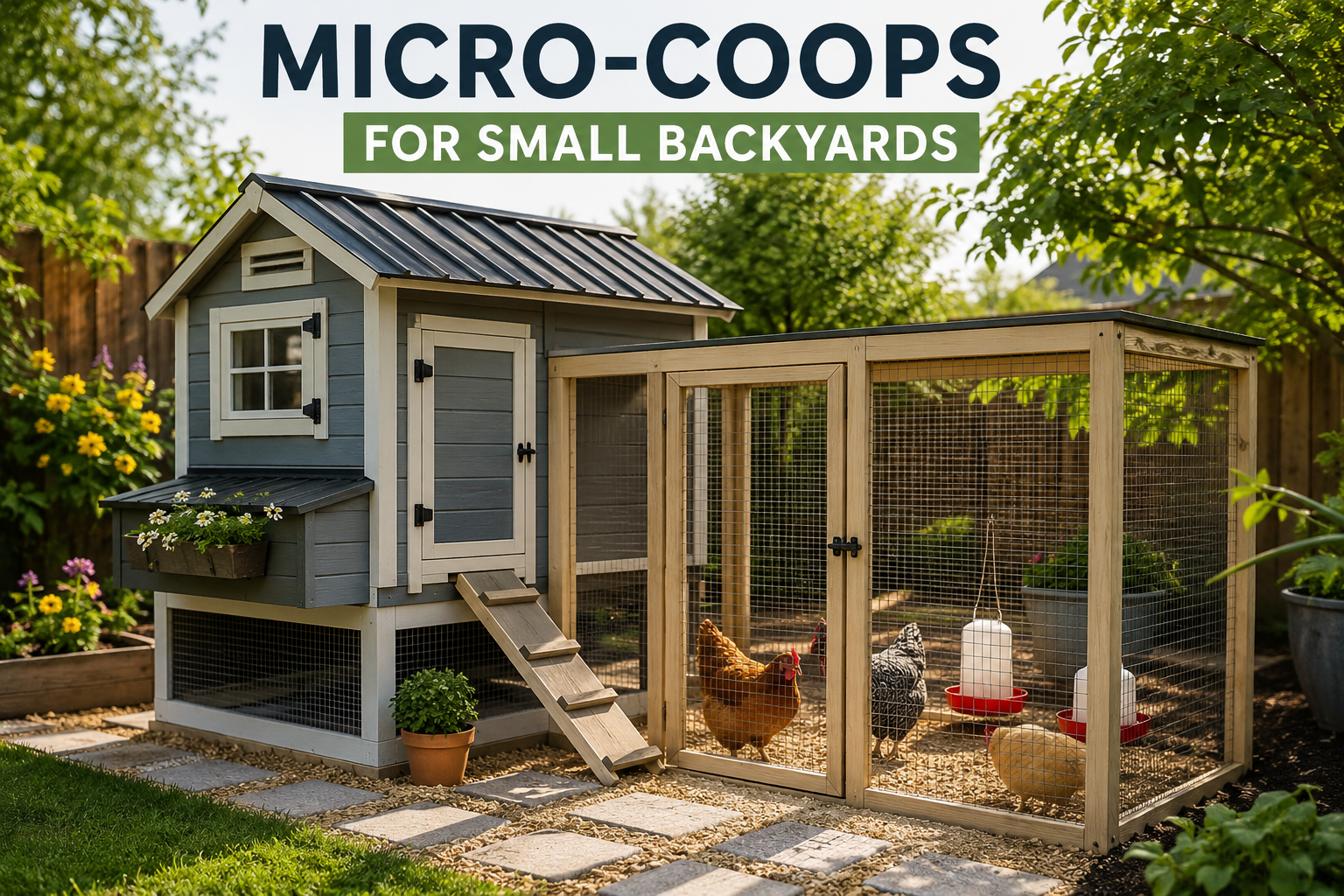
Micro-Coops for Small Backyards: A Smart 2026 Guide
Micro-Coops for Small Backyards are becoming a practical choice for people who want to keep a few chickens without using most of their outdoor space. In 2026, compact poultry housing can offer a balance between bird comfort, easy maintenance, and efficient backyard design.
However, a small coop should never mean poor living conditions. Good ventilation, protection from predators, clean water, dry bedding, and enough room to move are essential. Additionally, local rules can limit flock size, coop placement, or rooster ownership, so always check your local regulations before buying or building.
Why Micro-Coops for Small Backyards Matter
The biggest advantage of Micro-Coops for Small Backyards is efficient use of space. A well-designed small backyard chicken coop can fit beside a garden, along a fence, or in another suitable outdoor area.
Additionally, compact housing can make daily chores easier. Owners can clean bedding, collect eggs, refill feeders, and check birds without walking across a large poultry area.
Other benefits include:
- Lower material requirements
- Easier cleaning and inspection
- Better use of limited yard space
- Simple access to nesting boxes
- Easier integration with a protected run
- Suitable designs for small flocks
The key is to choose a design around the birds rather than simply choosing the smallest available structure.
Key Features of Micro-Coops for Small Backyards
1. Correct Space and Layout
When planning Micro-Coops for Small Backyards, measure the available area first. Consider the coop, outdoor run, walking paths, drainage, and access for cleaning.
Avoid placing the structure where rainwater collects. Likewise, leave enough working space around doors and removable panels.
2. Ventilation and Light
A compact coop needs strong airflow because small spaces can become humid quickly. Therefore, include ventilation openings that provide fresh air without creating direct drafts at bird level.
Natural daylight can also support a comfortable environment. However, avoid relying on artificial light simply to increase egg production without understanding your flock’s needs.
3. Predator Protection
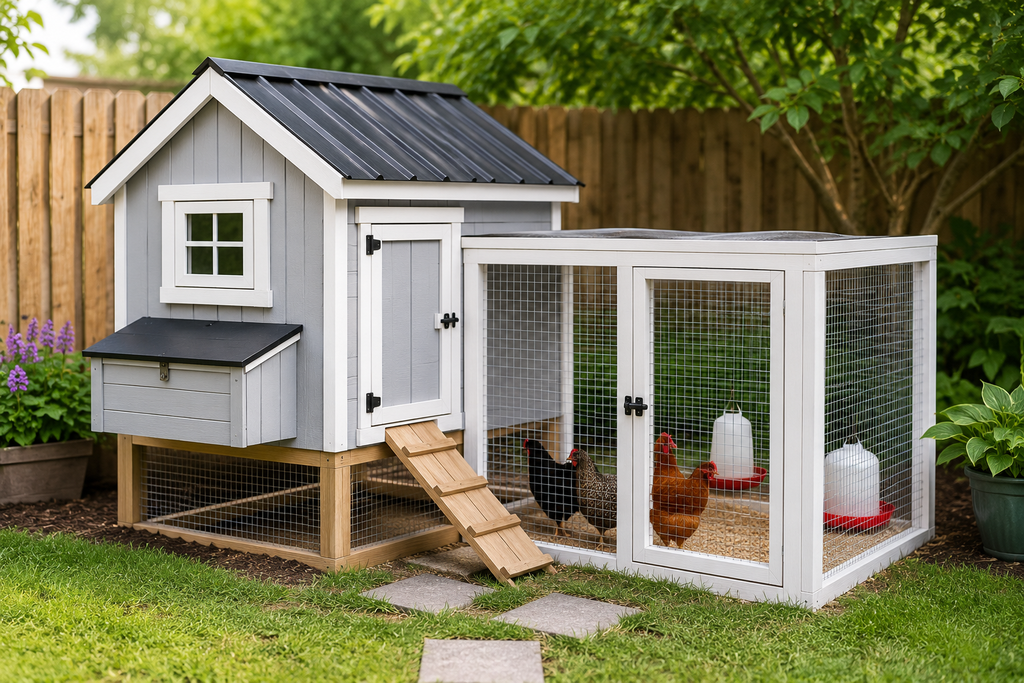
A space-saving chicken coop still needs strong security. Use sturdy hardware cloth, secure latches, and a properly protected run.
In addition, inspect corners and gaps regularly. Small openings can become entry points for rodents, snakes, or other predators.
4. Easy Cleaning
Choose smooth, washable surfaces and removable nesting-box components. As a result, routine cleaning becomes faster and more practical.
USDA guidance emphasizes removing manure and debris before cleaning and disinfecting poultry housing. It also recommends keeping equipment and footwear clean to reduce disease risks.
Types of Micro-Coops for Small Backyards
Stationary Compact Coops
These are permanent structures designed for one location. They work well when you have a small but stable backyard space.
Furthermore, stationary designs can include raised floors, storage areas, nesting boxes, and attached runs.
Mobile Mini Coops
Mobile designs can be moved around the yard. Therefore, they can help distribute manure and reduce wear on one section of grass.
However, mobility should not reduce security. Make sure wheels lock firmly and that the structure remains stable during bad weather.
Raised Compact Coops
Raised models use vertical space efficiently. They can provide an elevated sleeping area while leaving useful space underneath.
This style can be especially helpful for a narrow urban chicken housing setup.
How to Choose the Right Micro-Coop
Before buying or building Micro-Coops for Small Backyards, consider these questions:
- How many chickens will live there?
- How much usable yard space is available?
- Is there enough ventilation?
- Can you clean every part easily?
- Is the run protected from predators?
- Can feeders and waterers stay clean?
- Does the design suit your local weather?
- Does your local authority permit backyard poultry?
Also, think about future expansion. A coop that works for a small flock today may become crowded if you add more birds later.
Common Mistakes to Avoid
Even attractive Micro-Coops for Small Backyards can fail when owners focus only on appearance.
Avoid these common problems:
- Choosing a coop that is too small
- Blocking ventilation to keep the coop warm
- Using weak chicken wire as the only predator barrier
- Ignoring drainage
- Placing the coop in direct extreme heat
- Making cleaning difficult
- Overcrowding the run
- Ignoring local poultry regulations
Additionally, do not forget biosecurity. USDA’s current 2026 guidance encourages flock owners to reduce contact with wild birds, keep equipment clean, protect feed from contamination, and monitor birds for illness.
Maintenance Tips for Micro-Coops
A simple maintenance routine can keep Micro-Coops for Small Backyards healthier and easier to manage.
Check water and feed every day. Remove wet bedding and obvious manure regularly. Furthermore, inspect locks, fencing, roofing, and ventilation openings each week.
Deep-clean the coop when necessary. Keep dedicated footwear and cleaning equipment for poultry areas when possible. These steps can reduce the chance of bringing harmful pathogens into the flock.
Conclusion
Micro-Coops for Small Backyards can make backyard chicken keeping practical even when outdoor space is limited. The best design combines efficient use of space with ventilation, security, cleanliness, and comfortable housing.
In 2026, focus less on finding the tiniest coop and more on finding the right compact chicken coop for your flock and environment. Check local rules, plan the run carefully, and choose a design that you can maintain easily. A smart small coop can give both chickens and owners a safer, simpler backyard experience.
Leave a Reply