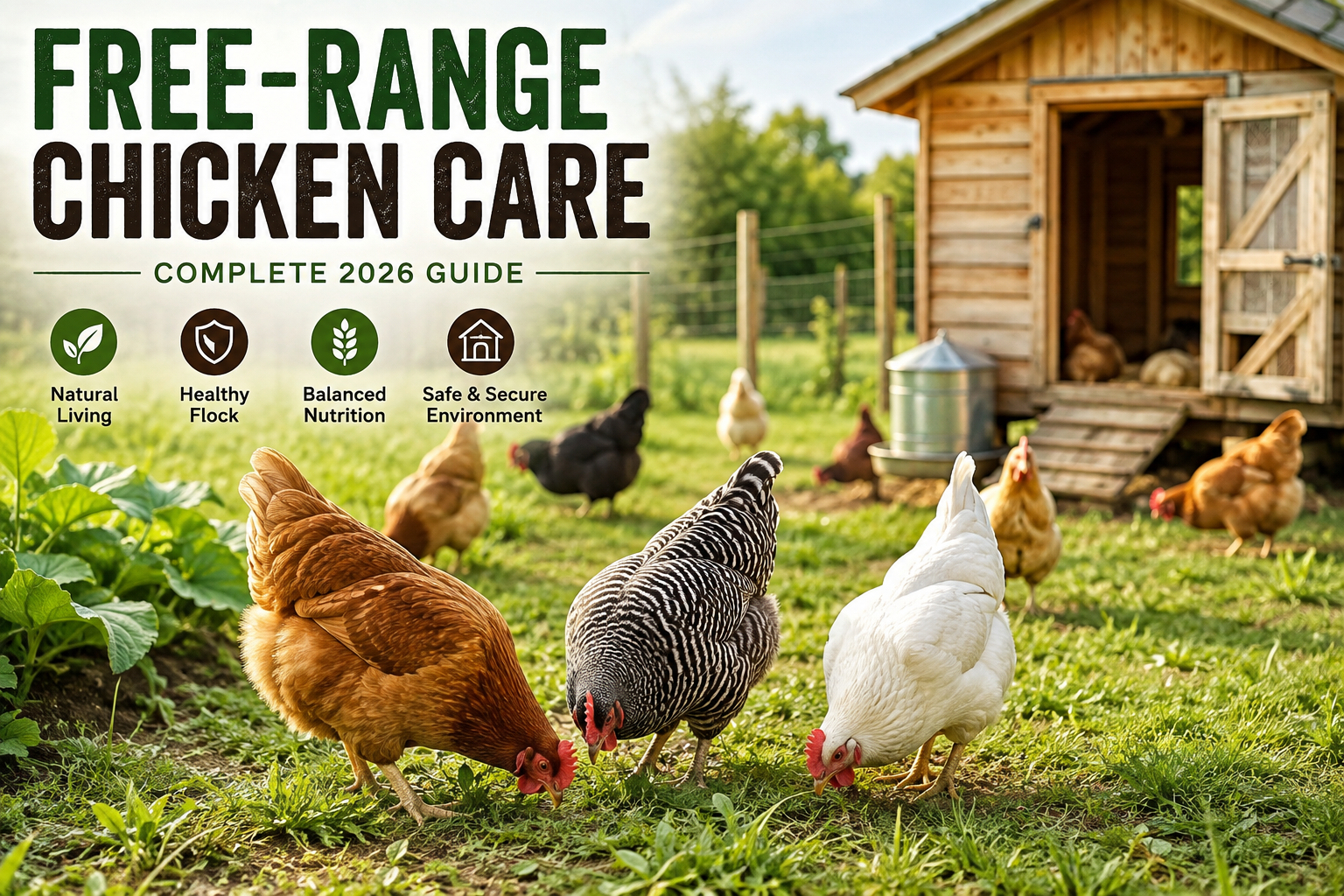
Free-Range Chicken Care: Complete 2026 Guide
Keeping chickens outdoors has become more popular than ever. Free-Range Chicken Care gives birds more space, encourages natural behavior, and helps produce healthier eggs and happier flocks. Whether you are new to poultry or already own chickens, understanding the latest care practices in 2026 will help your birds stay productive throughout the year.
Additionally, proper planning reduces disease risks, improves egg quality, and creates a safer environment for every flock.
Why Free-Range Chicken Care Matters
Free-Range Chicken Care offers many benefits for both chickens and owners. Birds that have access to outdoor areas enjoy more exercise, fresh air, and natural food sources.
Some of the biggest advantages include:
- Better physical health
- Lower stress levels
- Improved egg quality
- More natural behavior
- Reduced boredom and feather pecking
As a result, healthy birds often require fewer veterinary treatments and remain productive longer.
Internal Link: (Read our Backyard Chicken Health Guide here.)
Free-Range Chicken Care Benefits for Every Backyard
Every flock is different. However, following the right routine creates a healthy chicken flock regardless of breed.
Better Nutrition
Free-range birds eat insects, grass, weeds, and seeds. Therefore, they receive additional nutrients alongside balanced commercial feed.
Stronger Immune System
Outdoor activity supports healthier muscles and reduces stress. Additionally, exposure to sunlight helps chickens naturally produce Vitamin D.
Happier Chickens
Birds enjoy scratching, dust bathing, and exploring. These natural activities reduce aggressive behavior inside the coop.
Key Factors in Free-Range Chicken Care
Successful Free-Range Chicken Care depends on several important factors.
Safe Housing
Your coop should provide:
- Dry bedding
- Good ventilation
- Predator-proof doors
- Comfortable nesting boxes
- Strong fencing
Clean housing supports excellent Chicken coop maintenance, which lowers disease risks.
Balanced Feeding
Although chickens forage outdoors, they still require quality feed every day.
Offer:
- Complete layer pellets
- Fresh vegetables
- Clean water
- Calcium supplements
- Occasional healthy treats
Avoid feeding moldy food or excessive kitchen scraps.
Predator Protection
Foxes, hawks, raccoons, snakes, and stray dogs remain major threats.
Protect your flock by:
- Installing secure fencing
- Locking birds inside at night
- Using automatic coop doors
- Checking fencing regularly
Additionally, supervised ranging provides extra protection.
Types of Free-Range Systems
Different owners choose different management styles.
Full-Time Free Range
Birds roam most of the day before returning to the coop at night.
Best for:
- Large rural properties
- Small hobby farms
- Experienced owners
Controlled Free Range
Birds access outdoor runs during specific hours.
Benefits include:
- Easier predator control
- Better pasture management
- Cleaner outdoor areas
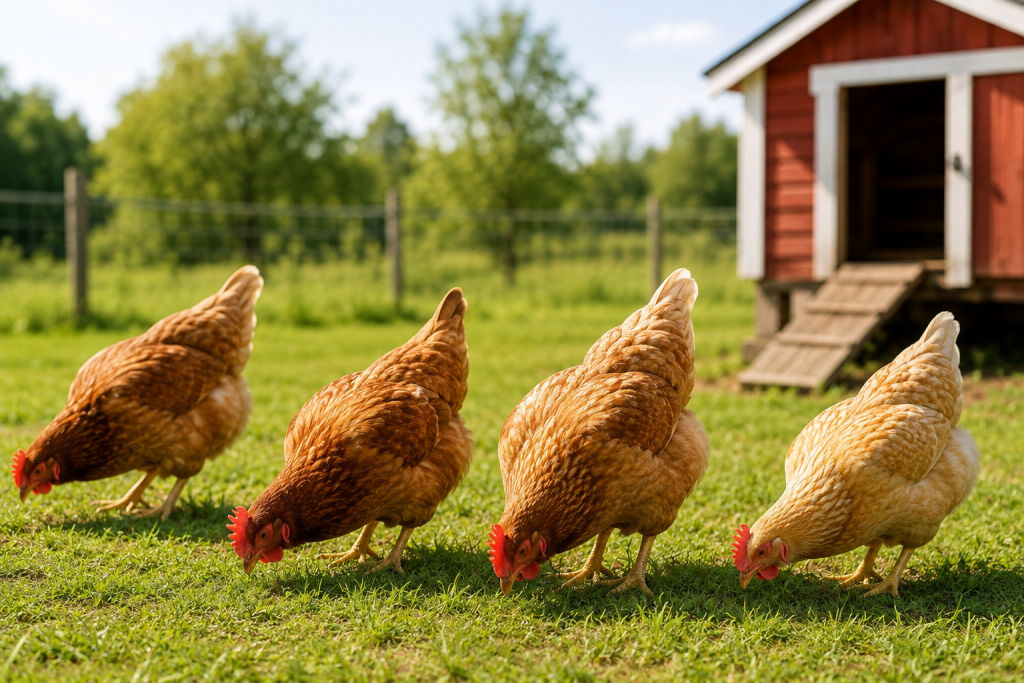
Many backyard chicken care experts recommend this option for suburban homes.
Rotational Grazing
Owners move chickens between different fenced sections.
Advantages include:
- Healthier grass
- Fewer parasites
- Better soil quality
- Cleaner living conditions
As a result, Free-range poultry management becomes much easier over time.
Buying and Decision Guide
Before starting Free-Range Chicken Care, consider these important questions.
✔ Do you have enough outdoor space?
✔ Is your property secure from predators?
✔ Can you clean the coop weekly?
✔ Do local laws allow backyard chickens?
✔ Will you provide fresh water every day?
If you answer “yes” to these questions, you are ready to build a successful flock.
Common Mistakes to Avoid
Many beginners make simple mistakes that reduce flock health.
Avoid these problems:
- Overcrowding birds
- Ignoring predator risks
- Feeding only table scraps
- Skipping regular coop cleaning
- Allowing muddy, wet conditions
- Forgetting routine health inspections
However, fixing these issues early prevents larger problems later.
Maintenance Tips for Free-Range Chicken Care
Routine care keeps chickens productive throughout every season.
Daily Tasks
- Replace drinking water
- Collect eggs
- Check bird behavior
- Refill feeders
Weekly Tasks
- Clean nesting boxes
- Remove dirty bedding
- Inspect fences
- Check for parasites
Monthly Tasks
- Deep clean the coop
- Repair damaged fencing
- Inspect ventilation
- Evaluate flock health
Additionally, record egg production and health observations throughout the year.
Seasonal Care Tips
Different seasons require different management.
Spring
- Watch for parasites.
- Repair winter damage.
Summer
- Provide shade.
- Increase fresh water.
- Improve airflow.
Autumn
- Prepare dry bedding.
- Repair fencing.
Winter
- Block cold drafts.
- Keep bedding dry.
- Prevent water from freezing.
Seasonal planning keeps birds comfortable in every climate.
Conclusion
Free-Range Chicken Care remains one of the best ways to raise healthy, productive backyard chickens in 2026. By providing secure housing, balanced nutrition, regular maintenance, and proper predator protection, you can build a thriving flock for years to come. Additionally, following these expert tips helps improve egg quality and bird welfare. Start improving your Free-Range Chicken Care routine today, and enjoy healthier chickens, better production, and a more rewarding backyard poultry experience.
Leave a Reply