
Olive Egger Chicken Guide (2026): Everything You Need to Know
If you are searching for the ultimate Olive Egger Chicken Guide, you are in the right place. In 2026, Olive Egger chickens remain one of the most popular backyard poultry breeds because they produce beautiful olive-green eggs and have friendly personalities. Additionally, they fit well in small backyard flocks, making them a favorite for families and hobby farmers worldwide.
Whether you are raising chickens for colorful eggs or simply want an attractive flock, this guide explains everything you need to know before buying your first Olive Egger.
Why the Olive Egger Chicken Guide Matters
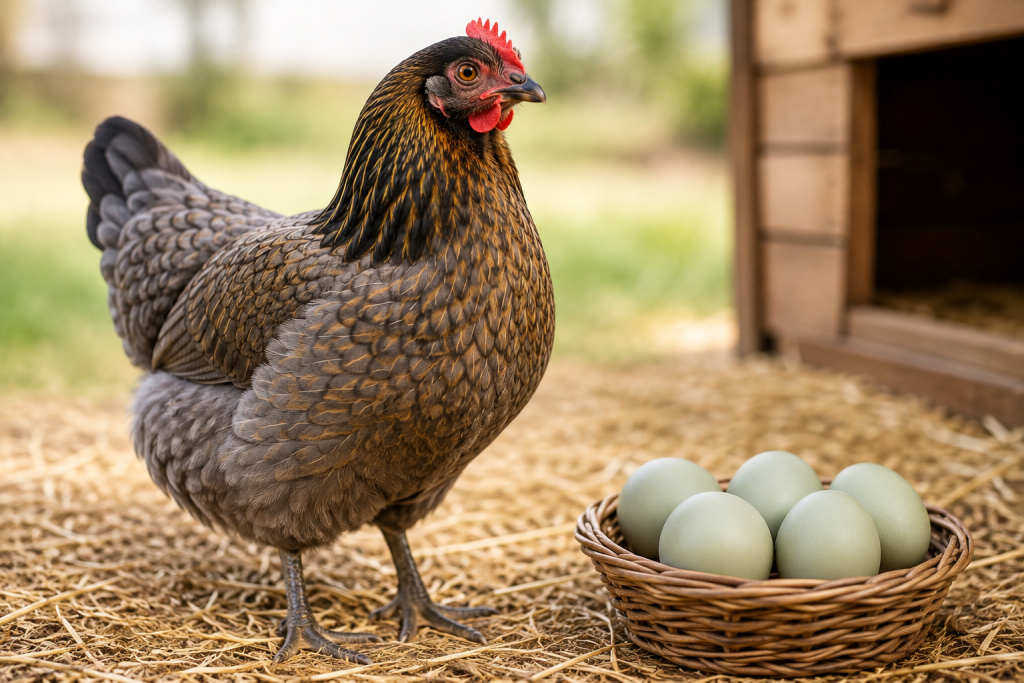
The Olive Egger Chicken Guide helps beginners and experienced keepers understand what makes these birds unique. Unlike standard breeds, Olive Eggers are hybrids created by crossing dark egg layers with blue egg layers.
As a result, they lay beautiful olive-colored eggs that stand out in every egg basket.
Benefits of Olive Egger Chickens
- Beautiful olive-green eggs
- Friendly and calm temperament
- Excellent backyard birds
- Cold and heat tolerant
- Great for family farms
- Unique feather colors and patterns
Additionally, many keepers appreciate their colorful appearance and reliable egg production.
Key Features in an Olive Egger Chicken Guide
Egg Production
One of the biggest reasons people follow an Olive Egger Chicken Guide is egg quality.
Most hens produce:
- 160–220 eggs annually
- Olive-green shell color
- Medium to large eggs
- Consistent laying during spring and summer
However, egg shade varies depending on genetics.
Appearance
Olive Eggers do not have one official appearance because they are hybrid chickens.
Common characteristics include:
- Beards or muffs
- Pea combs
- Feathered or clean legs
- Black, blue, brown, splash, or mixed plumage
As a result, every flock looks slightly different.
Temperament
Most Olive Eggers are:
- Curious
- Gentle
- Easy to handle
- Good around children
- Active foragers
Therefore, they are excellent backyard chicken breeds for beginners.
Types Covered in This Olive Egger Chicken Guide
First-Generation Olive Eggers
These birds come from crossing:
- Marans × Ameraucana
- Marans × Cream Legbar
- Marans × Easter Egger
They often produce darker olive eggs.
Second-Generation Olive Eggers
Some breeders continue selective breeding to improve:
- Egg color
- Feather quality
- Temperament
- Productivity
Additionally, these birds may produce more consistent olive egg shades.
Specialty Olive Eggers
Professional breeders sometimes develop premium bloodlines with:
- Dark olive eggs
- Better winter laying
- Attractive feather colors
These birds usually cost more but attract poultry enthusiasts worldwide.
Buying Guide
A complete Olive Egger Chicken Guide recommends purchasing birds from reputable hatcheries or trusted local breeders.
Before buying, check:
- Healthy eyes
- Clean feathers
- Active behavior
- Strong legs
- Vaccination history if available
Additionally, ask about the parents because genetics directly affect Olive Egger egg color.
Common Mistakes to Avoid
Many beginners make simple mistakes that reduce flock health.
Avoid these problems:
- Buying from unknown breeders
- Overcrowding the coop
- Feeding poor-quality diets
- Ignoring parasite prevention
- Expecting identical egg colors
However, proper management keeps birds healthy and productive.
Olive Egger Care Tips
Every Olive Egger Chicken Guide should include proper care recommendations.
Housing
Provide:
- 4 square feet per bird inside the coop
- 10 square feet per bird outdoors
- Good ventilation
- Dry bedding
- Predator protection
Feeding
Offer:
- Quality layer feed
- Fresh vegetables
- Calcium supplements
- Grit
- Fresh clean water
Additionally, occasional mealworms make excellent treats.
Health Care
Keep your flock healthy by:
- Cleaning the coop weekly
- Checking for mites
- Trimming overgrown nails when necessary
- Providing dust baths
- Scheduling regular health inspections
As a result, your chickens stay active and productive throughout the year.
Is an Olive Egger Right for You?
If you love colorful eggs, friendly birds, and unique feather patterns, Olive Eggers are an excellent choice.
They suit:
- Backyard flocks
- Small farms
- Families
- Hobby breeders
- First-time chicken keepers
Furthermore, they mix well with many other best egg laying chickens, making flock management easier.
Conclusion
This Olive Egger Chicken Guide shows why these hybrid chickens continue to grow in popularity in 2026. They offer beautiful olive eggs, gentle personalities, and dependable production. With proper housing, nutrition, and routine care, your flock can thrive for years. If you are planning to expand your backyard flock, use this Olive Egger Chicken Guide to make an informed decision and enjoy the rewards of raising these unique birds.
Leave a Reply