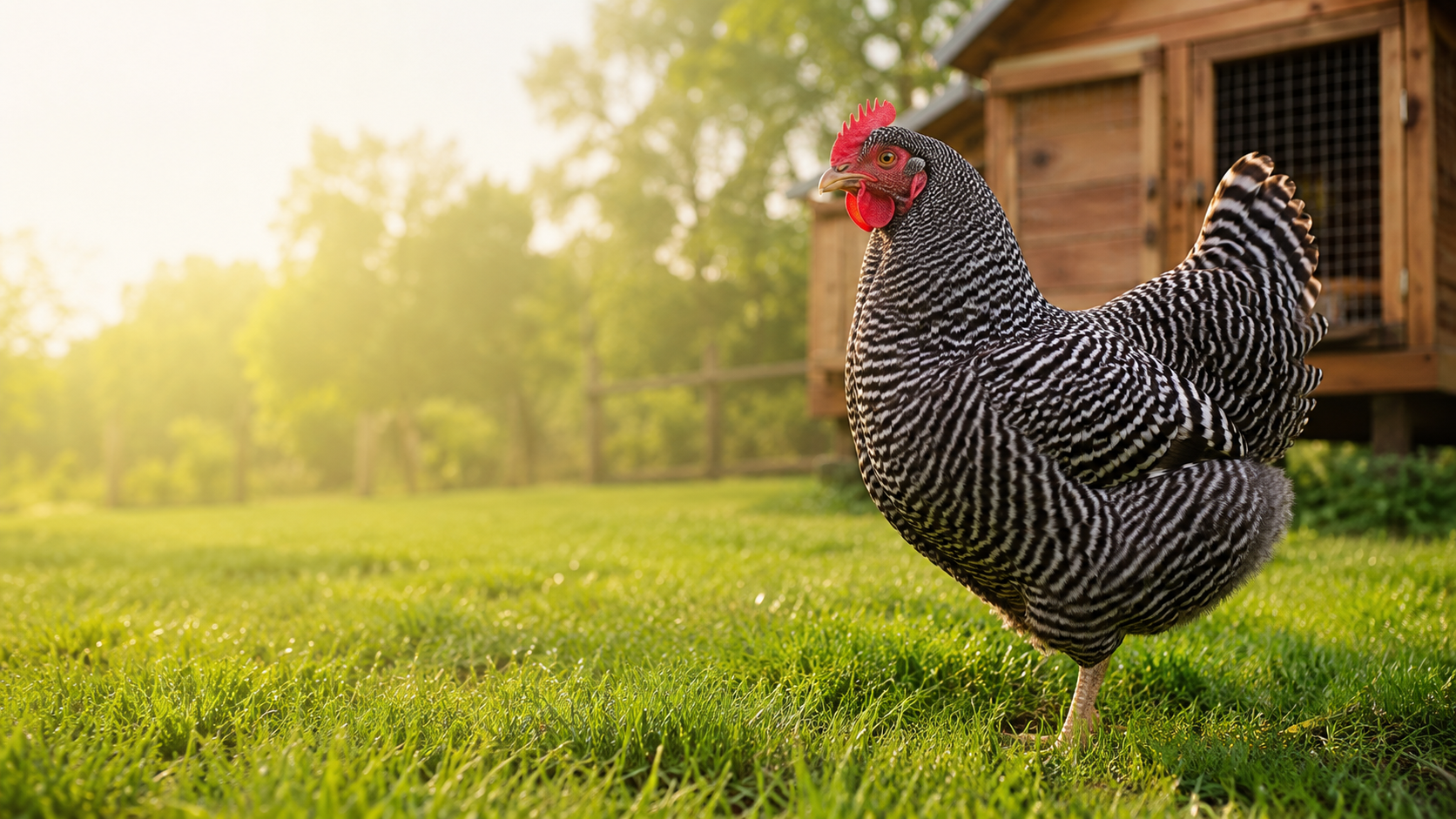
Plymouth Rock Chicken Guide: Everything You Need to Know in 2026
If you’re looking for one of the most dependable backyard chicken breeds, this Plymouth Rock Chicken Guide will help you make the right choice. In 2026, more families across the United States and around the world are choosing Plymouth Rock chickens because they are friendly, productive, and easy to care for. Whether you’re a beginner or an experienced poultry keeper, this guide explains everything you need to know.
Additionally, Plymouth Rock chickens remain one of the best dual-purpose chicken breeds thanks to their excellent egg production and quality meat. They also adapt well to different climates, making them popular worldwide.
Why This Plymouth Rock Chicken Guide Matters
Choosing the right chicken breed affects your flock’s health, productivity, and overall experience. Fortunately, Plymouth Rock chickens continue to rank among the best backyard breeds.
Benefits of Plymouth Rock Chickens
- Excellent for beginners
- Calm and friendly personality
- Reliable brown egg production
- Cold-hardy and heat-tolerant
- Great family-friendly breed
- Suitable for free-ranging
- Good meat quality
As a result, many backyard poultry owners consider them an all-around favorite.
Plymouth Rock Chicken Guide: Key Features to Know
Friendly Temperament
One reason this Plymouth Rock Chicken Guide recommends the breed is its gentle personality. Plymouth Rocks rarely show aggression and enjoy human interaction. Therefore, they work well in family flocks.
Egg Production
Healthy hens lay approximately 200–280 brown eggs per year. Additionally, consistent feeding and clean housing help maintain production.
Appearance
The most recognized variety is the Barred Plymouth Rock chickens, known for their distinctive black-and-white striped feathers. Other varieties include:
- White
- Buff
- Silver Penciled
- Columbian
- Blue
- Partridge
Size
- Roosters: 7.5–9.5 lbs
- Hens: 6–7.5 lbs
Their medium-large size makes them an excellent dual-purpose chicken breed.
Types of Plymouth Rock Chickens
Barred Plymouth Rock
The most common and recognizable variety. They produce plenty of eggs while displaying attractive barred feathers.
White Plymouth Rock
Popular among breeders and commercial producers due to fast growth and clean white plumage.
Heritage Plymouth Rock
Heritage strains grow more slowly. However, they generally live longer and maintain stronger natural instincts.
Plymouth Rock Chicken Guide: Buying Tips
Before buying chickens, evaluate several important factors.
Buy from Reputable Hatcheries
Healthy chicks come from trusted breeders with strong breeding programs.
Check Bird Health
Look for:
- Bright eyes
- Clean feathers
- Smooth breathing
- Active behavior
- Straight legs
Choose the Right Age
- Day-old chicks for experienced keepers
- Started pullets for quicker egg production
- Mature hens if immediate laying is your goal
Additionally, purchasing vaccinated birds may reduce disease risks.
Housing and Daily Care
A quality coop keeps Plymouth Rock chickens healthy throughout the year.
Coop Requirements
- 4 square feet per bird indoors
- 10 square feet outdoors
- Proper ventilation
- Dry bedding
- Predator-proof construction
Feeding
Offer:
- Layer feed (16–18% protein)
- Fresh water daily
- Oyster shells for calcium
- Occasional vegetables and grains
However, avoid feeding moldy food or excessive table scraps.
Health Care
Regularly inspect birds for:
- Mites
- Lice
- Worms
- Respiratory illness
- Foot injuries
Early treatment prevents larger flock problems.
Common Mistakes to Avoid
Many new owners make avoidable mistakes.
Avoid these common problems:
- Overcrowding the coop
- Poor ventilation
- Dirty water containers
- Low-quality feed
- Ignoring parasite control
- Skipping regular health checks
Furthermore, introducing new birds without quarantine may spread disease.
Seasonal Care Tips
Summer
Provide:
- Plenty of shade
- Fresh cool water
- Good airflow
Additionally, frozen treats help reduce heat stress.
Winter
Although Plymouth Rocks tolerate cold well, they still need:
- Dry bedding
- Draft-free housing
- Extra calories
- Unfrozen water
These simple steps improve comfort and egg production.
Is the Plymouth Rock Right for You?
This Plymouth Rock Chicken Guide recommends the breed for:
- First-time chicken owners
- Families
- Small farms
- Homesteaders
- Backyard flocks
- Sustainable egg production
Because they combine friendly behavior with dependable laying ability, they remain one of the most recommended backyard chicken breeds in 2026.
Conclusion
This Plymouth Rock Chicken Guide shows why this heritage breed continues to be one of the world’s favorite backyard chickens in 2026. Their calm temperament, dependable egg production, and easy care make them an excellent investment for both beginners and experienced poultry keepers. If you’re planning to build or expand your flock, Plymouth Rock chickens deserve serious consideration.
Frequently Asked Questions
1. Are Plymouth Rock chickens good for beginners?
Yes. Plymouth Rock chickens are one of the best breeds for beginners because they are calm, friendly, easy to manage, and adapt well to different climates.
2. How many eggs do Plymouth Rock chickens lay each year?
A healthy Plymouth Rock hen typically lays 200 to 280 large brown eggs annually, depending on nutrition, age, and overall care.
3. How long do Plymouth Rock chickens live?
With proper care, Plymouth Rock chickens usually live 6 to 8 years, although some heritage birds can live for more than 10 years.
4. Are Plymouth Rock chickens friendly?
Yes. Plymouth Rock chickens are known for their gentle temperament. They enjoy human interaction and generally get along well with children and other chicken breeds.
5. Can Plymouth Rock chickens tolerate cold weather?
Absolutely. Their dense feathers make them one of the most cold-hardy chicken breeds. They also perform well in moderate summer temperatures when provided with shade and fresh water.
6. What do Plymouth Rock chickens eat?
They thrive on a balanced layer feed, fresh water, grains, vegetables, insects, and calcium supplements such as oyster shells to support strong eggshell production.
7. What is the difference between Barred Plymouth Rock and White Plymouth Rock?
The main difference is feather color. Barred Plymouth Rock chickens have distinctive black-and-white striped feathers, while White Plymouth Rock chickens have solid white plumage. Both share similar temperament and productivity.
8. Are Plymouth Rock chickens good for meat and eggs?
Yes. Plymouth Rock chickens are considered a classic dual-purpose breed, producing both quality meat and a steady supply of brown eggs.
9. How much space do Plymouth Rock chickens need?
Each bird should have about 4 square feet inside the coop and 8–10 square feet in the outdoor run to stay healthy and active.
10. Should you choose Plymouth Rock chickens in 2026?
Yes. Plymouth Rock chickens remain one of the best backyard chicken breeds in 2026 because they combine reliable egg production, friendly behavior, hardiness, and easy care, making them an excellent choice for poultry keepers worldwide.
Leave a Reply